

Last Updated: June 17th, 2026 by Michael Schatz
The 1970s were the golden age of center field, when players like Cesar Cedeno glided across the Astrodome’s artificial turf and Fred Lynn’s swing looked like poetry in motion at Fenway. These were the days when center fielders were the heartbeat of their teams, patrolling vast outfields with grace and grit that made every catch look effortless.
Don't lose this article. Enter your email below, and I'll send it to you right now. Plus, we'll send you other unbelievable stories from baseball's past.
Cesar Cedeno: The Astrodome’s Graceful Gazelle
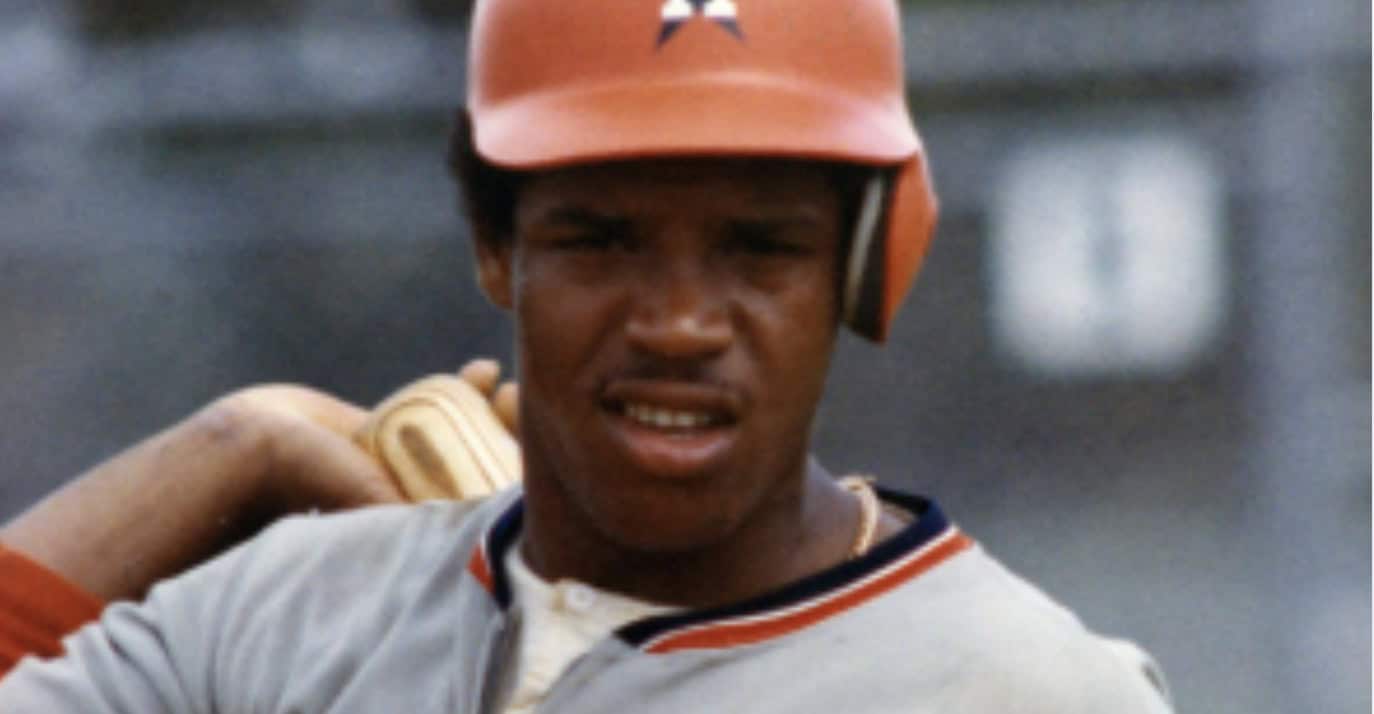
Cesar Cedeno was pure poetry in motion, gliding across the Astrodome’s carpet-like turf with the grace of a gazelle and the instincts of a hunting cat. The Venezuelan sensation won five Gold Gloves during the decade while batting .303 and stealing 427 bases, making him the most complete center fielder of his era. His combination of speed, power, and defensive brilliance made him the crown jewel of those colorful Astros teams that featured rainbow uniforms and that distinctive dome echo when he made contact.
Fred Lynn: Boston’s Golden Boy with the Picture-Perfect Swing
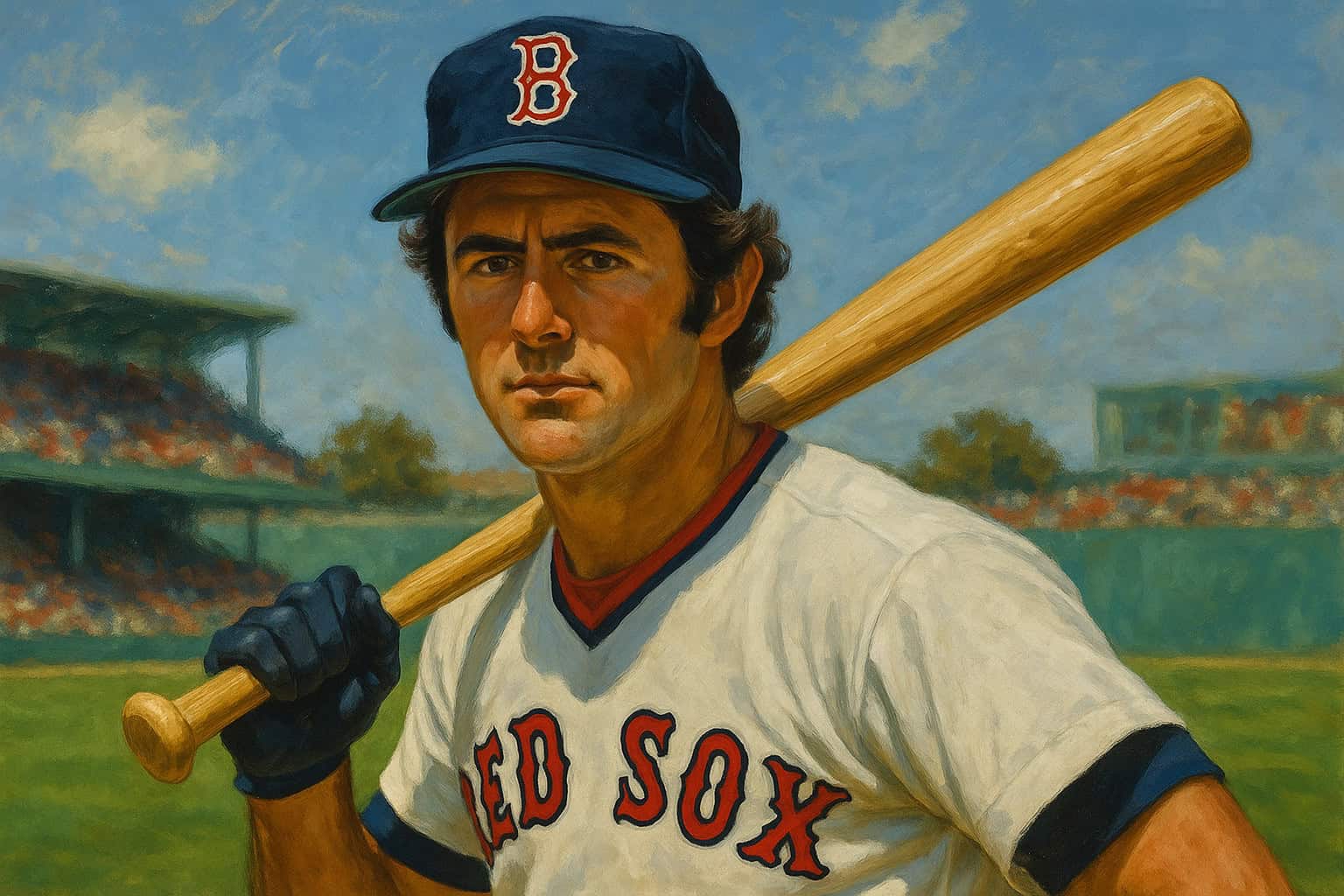
Fred Lynn burst onto the scene in 1975 like a Hollywood leading man, becoming the first player ever to win both Rookie of the Year and MVP in the same season. His left-handed swing was textbook perfect, generating 21 home runs and 105 RBIs while patrolling center field at Fenway with the confidence of someone born to play under the Green Monster’s shadow. Lynn’s combination of power, average, and defensive prowess made him the prototype for the modern five-tool center fielder.
Bobby Murcer: The Yankee Who Made Oklahoma Proud
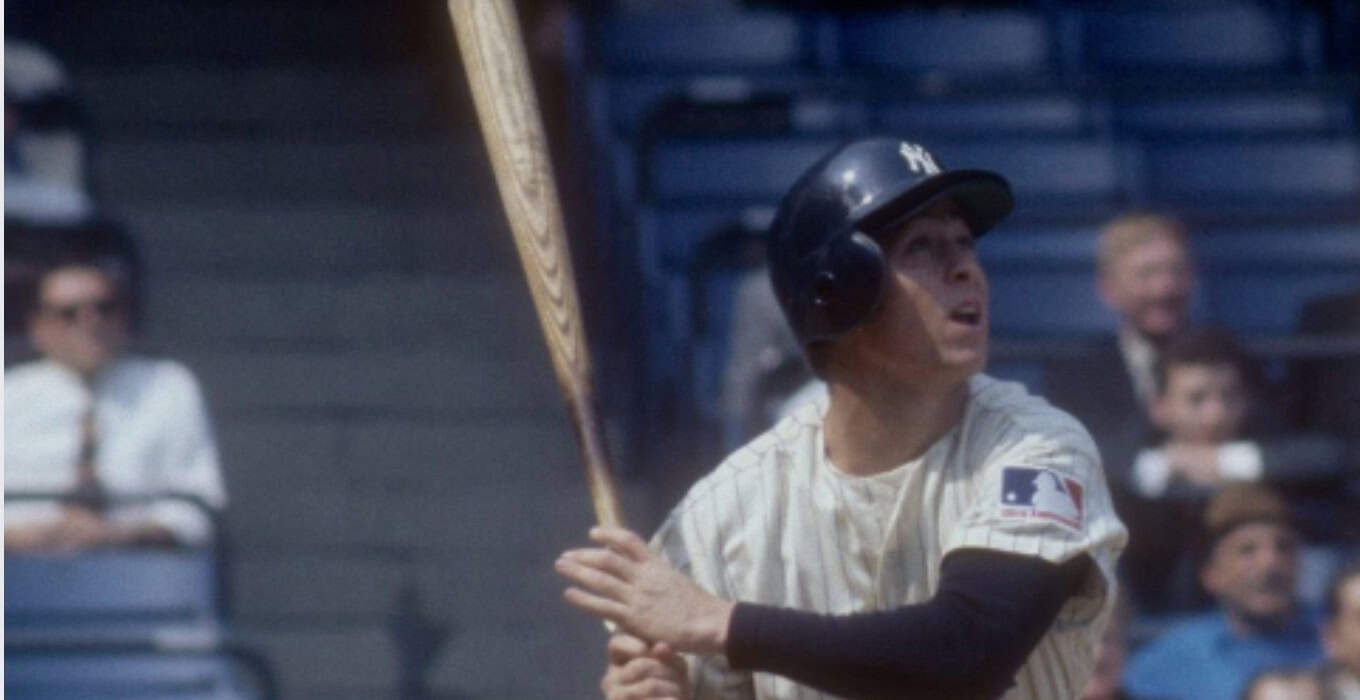
Bobby Murcer was the hometown hero who never quite escaped Mickey Mantle’s shadow but carved out his own legendary status in pinstripes. The Oklahoma native brought a smooth swing and genuine warmth to the Yankees during their lean years of the early ’70s, hitting .273 with 175 home runs during the decade. His infectious personality and clutch hitting made him a fan favorite who later became the voice of Yankees broadcasts, proving that some players are destined to be Yankees for life.
Amos Otis: Kansas City’s Smooth Operator in the Outfield
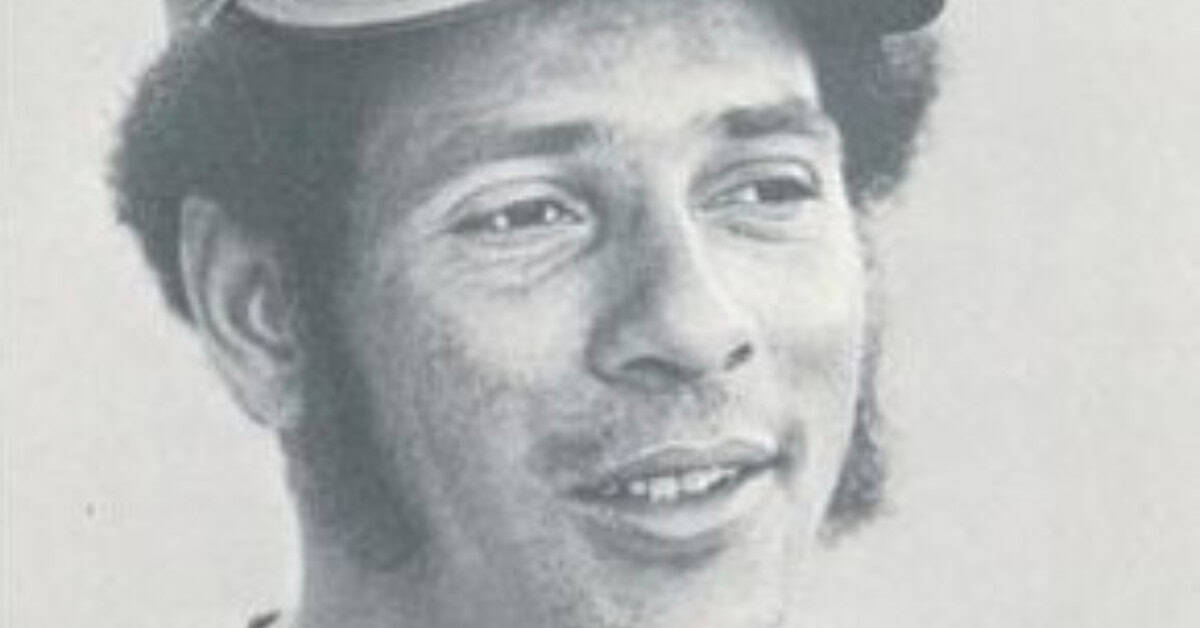
Amos Otis was the heartbeat of those great Kansas City Royals teams, patrolling center field with the smooth efficiency of a well-oiled machine. The Alabama native won three Gold Gloves during the decade while hitting .283 and stealing 298 bases, becoming the face of a franchise that transformed from expansion afterthought to American League powerhouse. His clutch postseason performances and effortless defensive style made him the perfect centerpiece for George Brett’s supporting cast.
Al Oliver: Pittsburgh’s Consistent Contact King

Al Oliver was the steady professional who made hitting look as easy as breathing, compiling a .319 average during the 1970s while anchoring Pittsburgh’s championship teams. The left-handed hitter had one of the sweetest swings in baseball, rarely striking out and consistently driving in runs when the Pirates needed them most. His quiet leadership and clutch hitting were essential ingredients in Pittsburgh’s 1971 World Series championship, proving that sometimes the best players are the ones who simply show up and perform every single day.
Willie Davis: The Dodger Blue Speed Demon
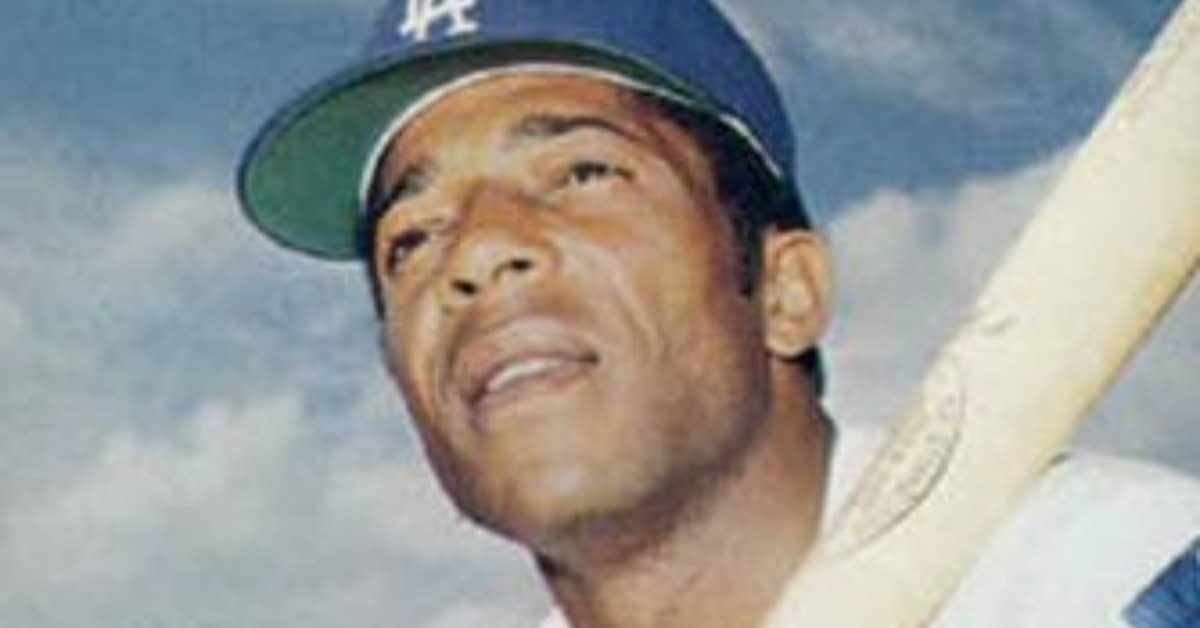
Willie Davis was pure speed in Dodger blue, covering more ground in center field than seemed humanly possible while stealing 263 bases during the decade. The Los Angeles native won two Gold Gloves and hit .274 during the ’70s, becoming one of the most consistent performers on teams that consistently contended in the National League West. His blazing speed and defensive range made him the perfect complement to the Dodgers’ pitching-and-defense philosophy that dominated baseball during the era.
Ron LeFlore: From Prison Yard to Tiger Stadium
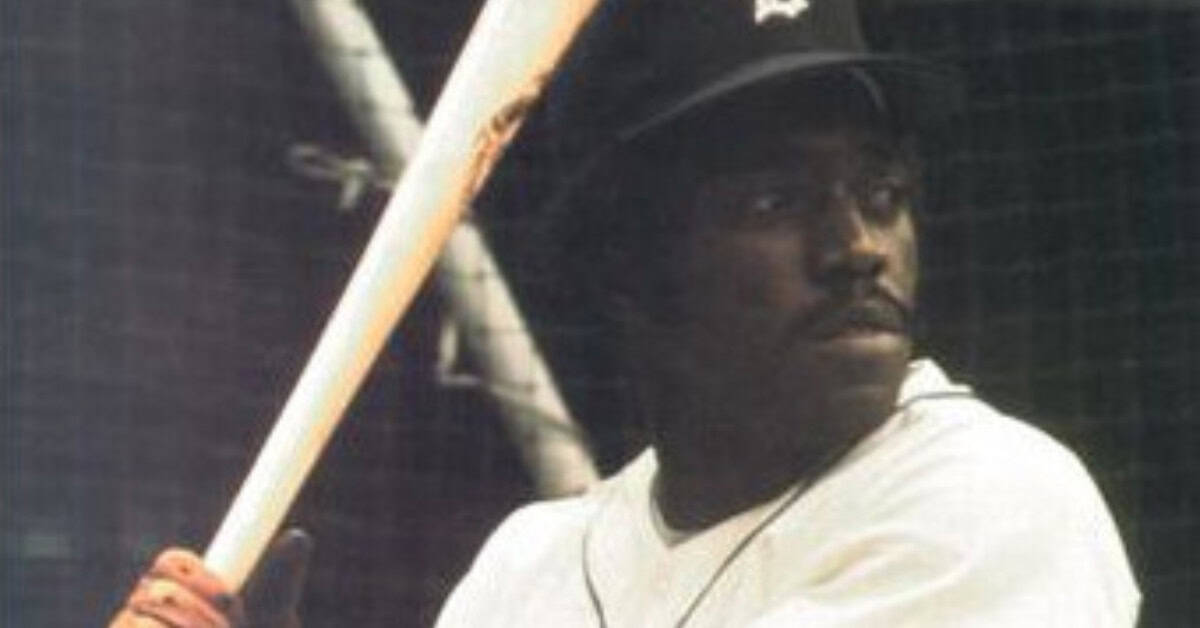
Ron LeFlore’s story reads like a Hollywood script: discovered by Billy Martin while serving time for armed robbery, he transformed from prison inmate to All-Star center fielder in just a few short years. LeFlore stole 296 bases during the decade, leading the American League in 1978 with 68 swipes while patrolling center field for Detroit with the hunger of someone who knew what it meant to lose everything. His remarkable journey from Jackson State Penitentiary to Tiger Stadium proved that baseball truly was America’s game of second chances.
Jim Wynn: The Toy Cannon Who Packed a Punch

Jim Wynn earned his “Toy Cannon” nickname by launching 166 home runs during the 1970s despite standing just 5’9″ and weighing 160 pounds soaking wet. The Cincinnati native was a master of working counts and drawing walks, leading the National League in that category three times while providing surprising power from the leadoff spot. His patient approach and gap-to-gap power made him the perfect fit for the Astrodome’s vast dimensions, where his line drives found gaps that would have been routine outs in other ballparks.
Rick Monday: The Patriot Who Saved Old Glory
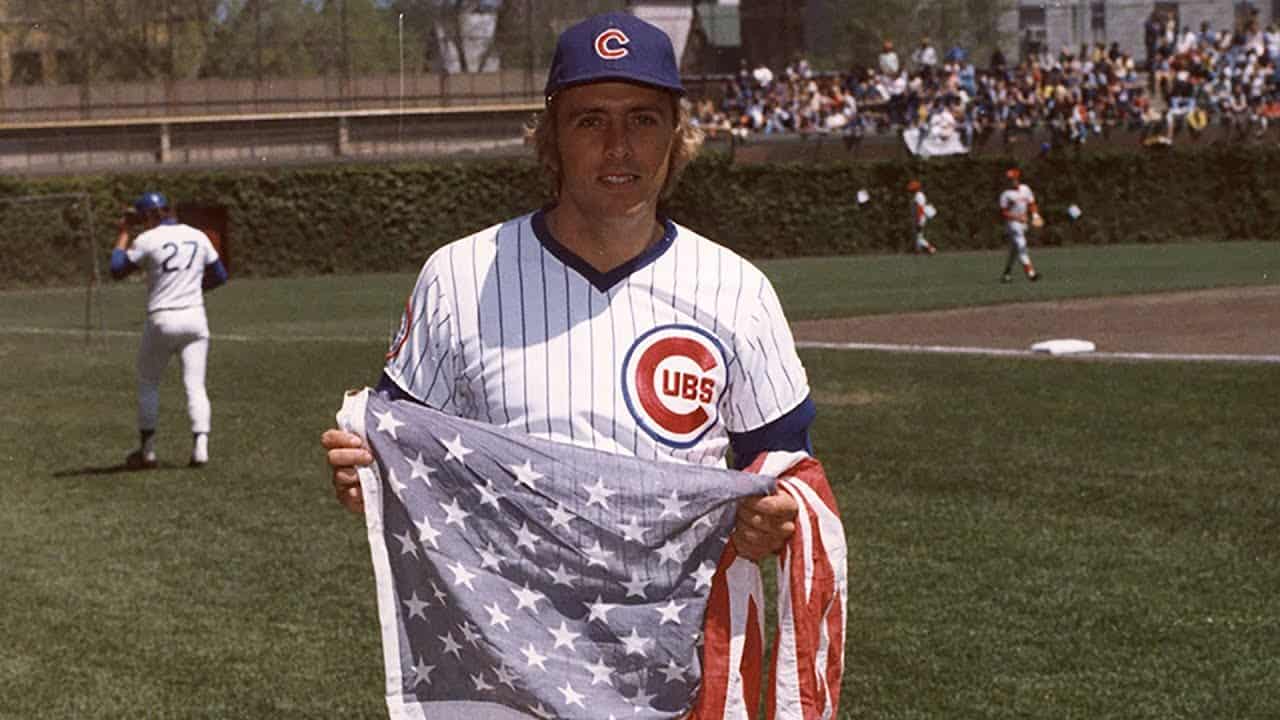
Rick Monday became an American hero on April 25, 1976, when he rescued an American flag from protesters attempting to burn it at Dodger Stadium, but his baseball skills made him a star long before that patriotic moment. The former number one draft pick hit 173 home runs during the decade while patrolling center field with the intensity of a Marine, which he actually was during the Vietnam era. His clutch hitting and defensive reliability made him a valuable contributor to championship teams in Oakland and Los Angeles.
Dusty Baker: The Toothpick-Chewing Clutch Performer
Dusty Baker was the picture of cool confidence, patrolling center field with a toothpick dangling from his lips and the swagger of someone who knew he belonged on baseball’s biggest stages. The California native hit .292 during the decade while driving in 677 runs, becoming a key cog in the Dodgers’ championship machine that dominated the National League West. His clutch hitting and veteran leadership made him the perfect complement to Steve Garvey and Ron Cey in one of baseball’s most potent lineups.
Lyman Bostock: The Angel Whose Star Burned Too Bright
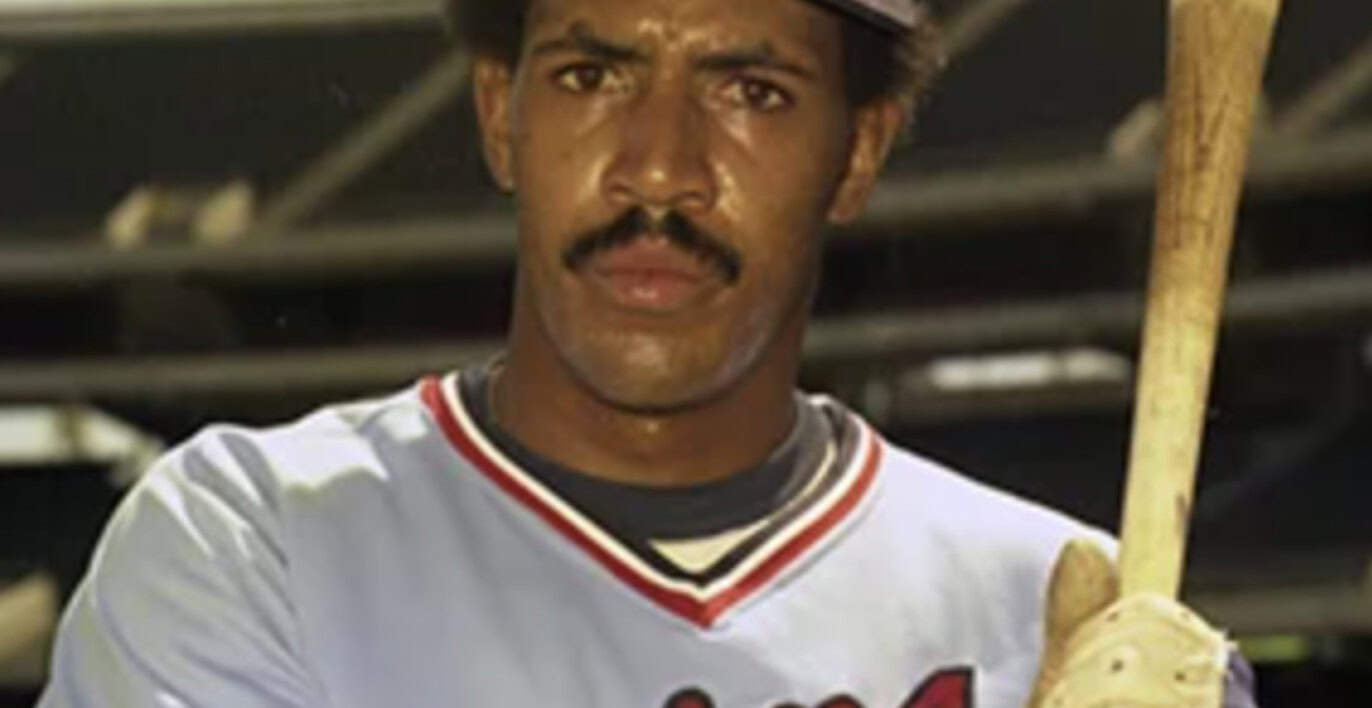
Lyman Bostock was destined for greatness, posting a .311 batting average during his brief but brilliant career before tragedy struck in 1978 when he was killed by a stray bullet at age 27. The Minnesota native had just signed a lucrative contract with the California Angels and was coming off consecutive .300+ seasons when his life was cut short in Gary, Indiana. His smooth swing and natural hitting ability reminded many of Tony Oliva, and his tragic death robbed baseball of what surely would have been a Hall of Fame career.
Gorman Thomas: Milwaukee’s Mustachioed Slugger
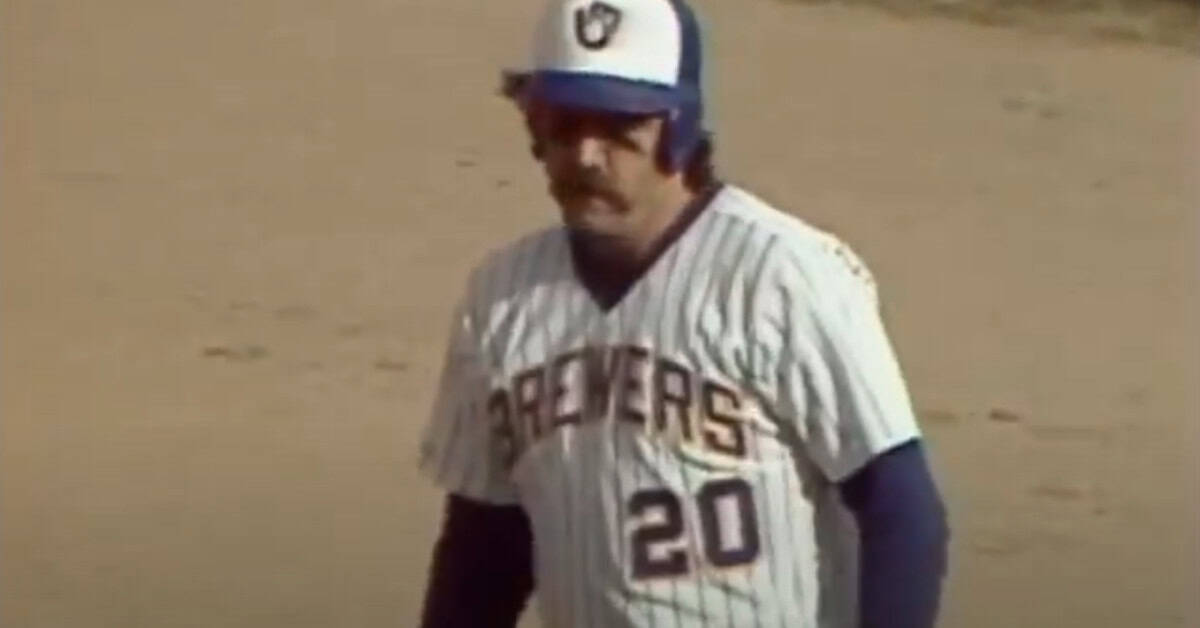
Gorman Thomas was the epitome of 1970s baseball cool, sporting a handlebar mustache that would make a Wild West sheriff jealous while launching 100 home runs during the decade. The Wisconsin native was an all-or-nothing hitter who struck out frequently but made up for it with tape-measure home runs that sailed over County Stadium’s walls with authority. His blue-collar approach and Milwaukee roots made him the perfect symbol for a Brewers franchise that was building something special in beer country.
Garry Maddox: Philadelphia’s Secretary of Defense
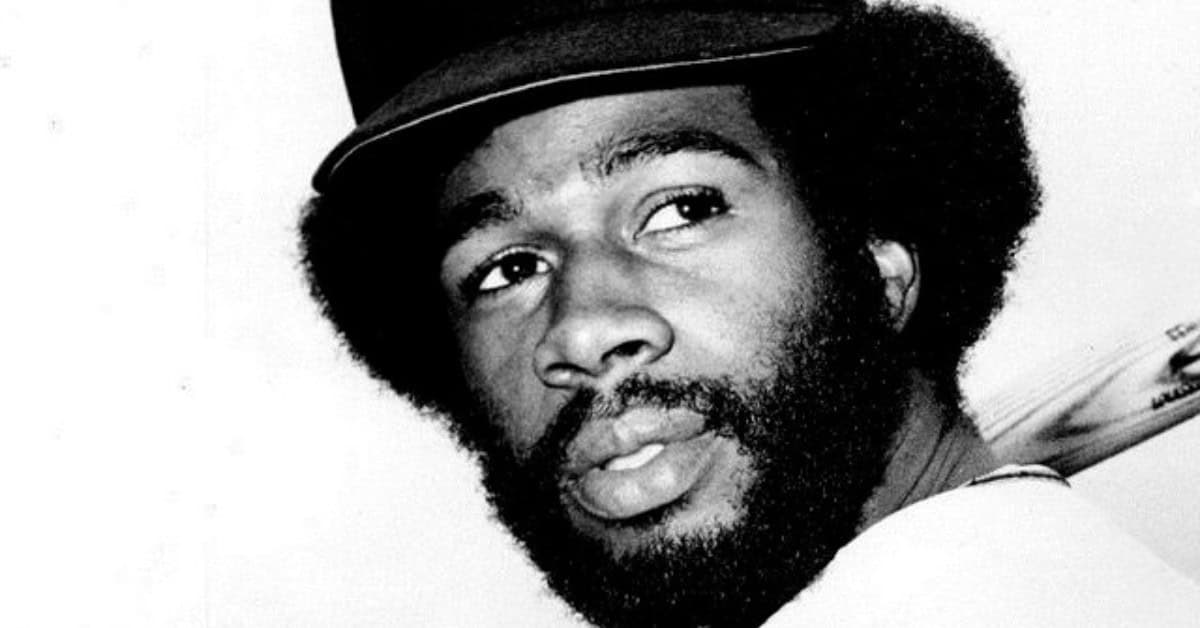
Garry Maddox earned his “Secretary of Defense” nickname by patrolling Veterans Stadium’s artificial turf with the precision of a Swiss watch and the range of a young Willie Mays. The Los Angeles native won eight Gold Gloves during his career, including five during the 1970s, while hitting .293 and providing the defensive foundation for Philadelphia’s championship teams. His spectacular catches and consistent hitting made him an essential piece of the Phillies’ puzzle during their transformation from lovable losers to World Series champions.
Paul Blair: Baltimore’s Human Vacuum Cleaner
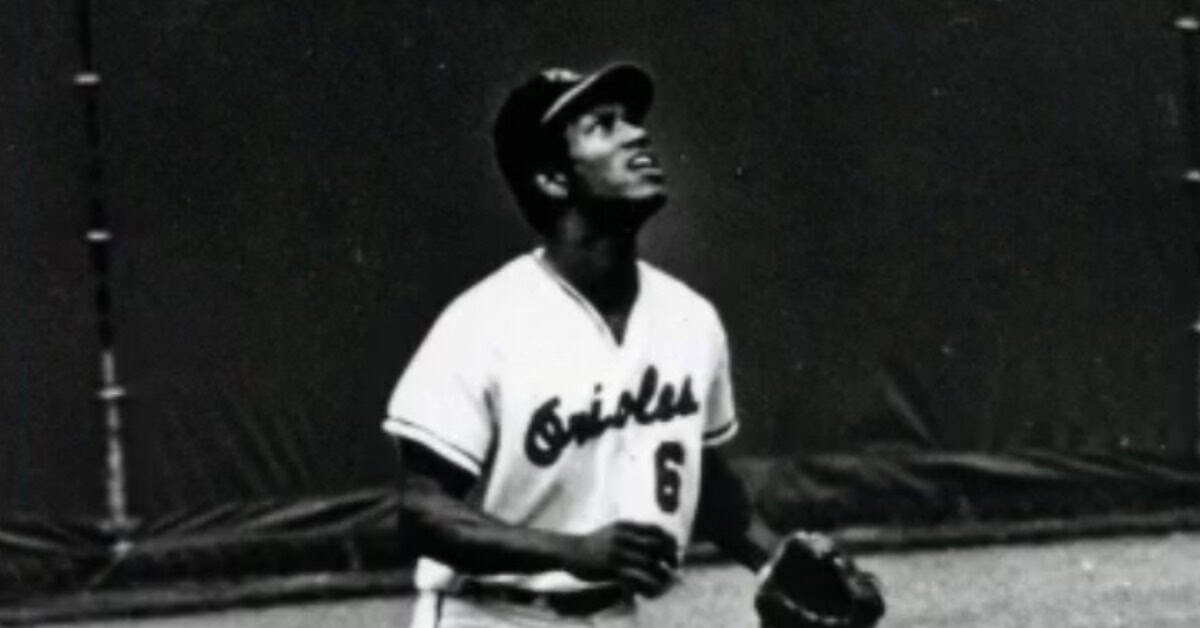
Paul Blair was the defensive wizard who made impossible catches look routine, earning eight Gold Gloves during his career while anchoring Baltimore’s dynasty teams of the late ’60s and ’70s. The Oklahoma native had the rare ability to get a perfect jump on every ball hit his way, covering ground in Memorial Stadium’s spacious center field that seemed to defy the laws of physics. His defensive brilliance was the perfect complement to the Orioles’ pitching staff, turning potential doubles into routine outs with the consistency of a metronome.
Cesar Geronimo: Cincinnati’s Gold Glove Guardian
Cesar Geronimo was the defensive backbone of Cincinnati’s Big Red Machine, winning four consecutive Gold Gloves from 1974-1977 while patrolling center field with the grace of a ballet dancer. The Dominican Republic native hit .261 during the decade but his value went far beyond batting average, as his spectacular defense and strong arm turned potential extra-base hits into routine outs. His steady presence in center field allowed the Reds’ powerful lineup to focus on offense, knowing that Geronimo had their backs in the field.
Mickey Rivers: The Gnat Who Drove Pitchers Crazy
Mickey Rivers was pure energy in pinstripes, a bundle of nervous motion who drove opposing pitchers to distraction with his constant fidgeting and blazing speed. The Miami native hit .299 during the decade while stealing 240 bases, becoming the catalyst for the Yankees’ championship teams of 1977 and 1978. His unique batting stance and unpredictable personality made him one of baseball’s most entertaining characters, while his speed and clutch hitting made him one of the game’s most dangerous leadoff hitters.
Andre Dawson: The Hawk Who Soared in Montreal
Andre Dawson burst onto the scene in 1976 like a force of nature, combining raw power with defensive brilliance that made him an instant star in Montreal’s Olympic Stadium. The Miami native won the Rookie of the Year award in 1977 and never looked back, establishing himself as one of the game’s premier five-tool players with his cannon arm and gap-to-gap power. His combination of speed, power, and defensive excellence made him the cornerstone of the Expos’ franchise and a future Hall of Famer in the making.
Willie Mays: The Say Hey Kid’s Curtain Call Decade

Willie Mays spent the early 1970s taking his final bow, playing his last seasons with the New York Mets and proving that even an aging legend could still produce magic moments. The Say Hey Kid hit .253 during his final years but his mere presence on the field was worth the price of admission, as fans flocked to see the greatest center fielder of all time in his twilight years. His graceful transition from superstar to elder statesman showed a generation of players how to age with dignity while still contributing to winning baseball.
Chet Lemon: Detroit’s Underrated Gem

Chet Lemon was the steady professional who quietly put together an excellent career while flying under the radar in Chicago and Detroit. The Mississippi native hit .291 during the decade while providing solid defense and occasional power, becoming the type of reliable veteran that championship teams are built around. His consistent performance and professional approach made him a valuable contributor to multiple playoff teams, proving that sometimes the best players are the ones who simply show up and do their job every single day.
Omar Moreno: Pittsburgh’s Base-Stealing Blur
Omar Moreno was pure speed in a Pirates uniform, stealing 253 bases during the decade while patrolling Three Rivers Stadium’s artificial turf with the grace of a gazelle. The Panamanian speedster led the National League in stolen bases in 1978 and 1979, becoming a key component of Pittsburgh’s “We Are Family” championship team that captured hearts across America. His blazing speed and clutch base-running made him the perfect catalyst for a Pirates lineup that featured Willie Stargell’s power and Dave Parker’s consistency, proving that championship teams need players who can manufacture runs in multiple ways.