

Last Updated: June 17th, 2026 by Matthew Brown
Before sabermetrics and social media, baseball was built on handshakes in hotel lobbies and the crack of wooden bats echoing through concrete stadiums. Reggie Jackson’s 21-year career put him in clubhouses with legends who could turn October into magic and make grown men weep with a single swing.
Don't lose this article. Enter your email below, and I'll send it to you right now. Plus, we'll send you other unbelievable stories from baseball's past.
Catfish Hunter: The Gentleman Ace Who Made Fastballs Feel Like Poetry
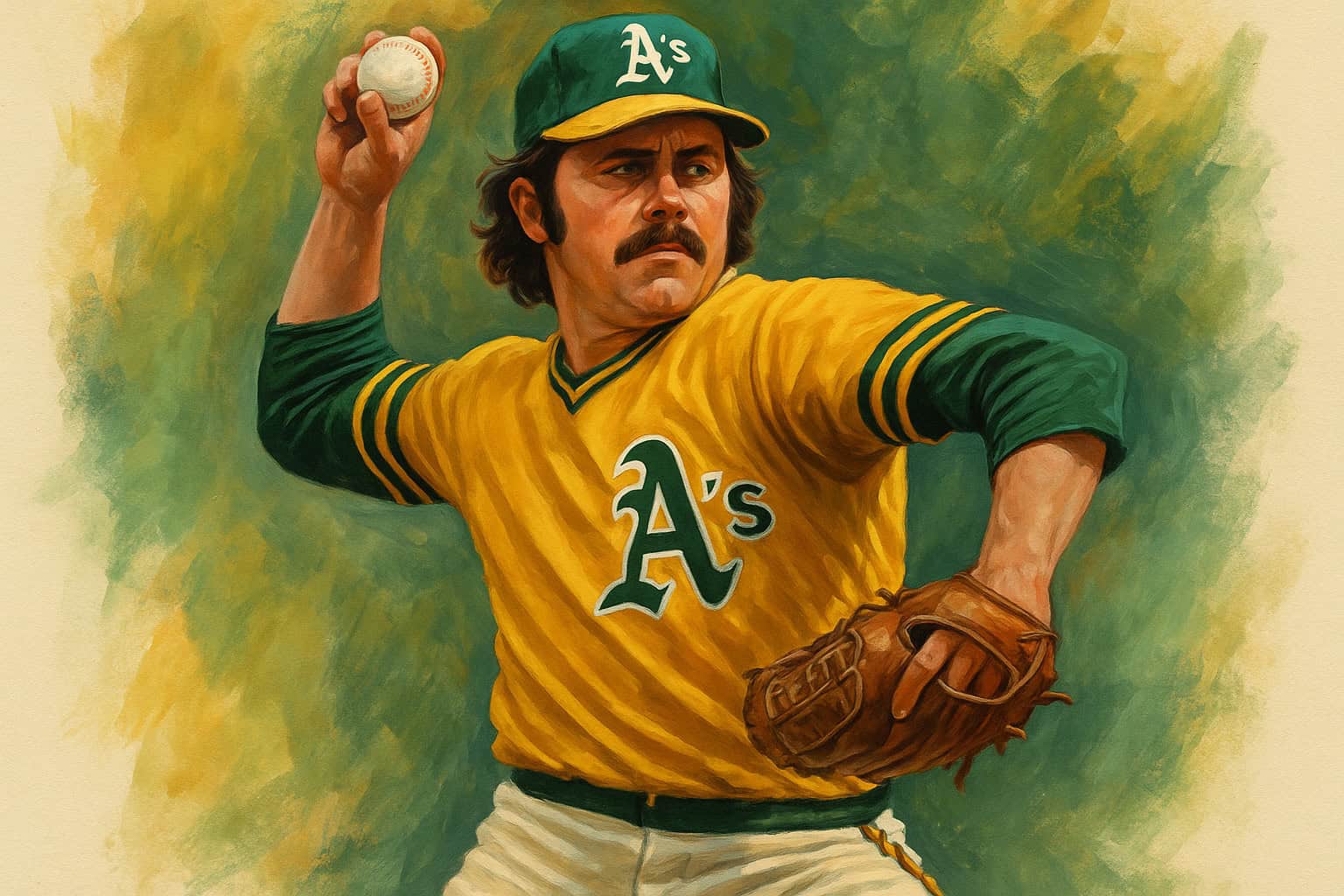
Jim “Catfish” Hunter earned his nickname from A’s owner Charlie Finley, but his reputation came from painting corners like Michelangelo painted ceilings. The North Carolina farm boy threw strikes when it mattered most, anchoring three straight World Series championships in Oakland alongside Reggie. Later, they would share the dugout again as Yankees. Hunter’s control was so legendary that catchers barely had to move their gloves—the ball arrived exactly where it was supposed to, every single time.
Gene Tenace: The Catcher Who Became October’s Unlikely Hero

Nobody expected the backup catcher to steal Reggie’s thunder in the 1972 World Series, but Gene Tenace homered in his first two at-bats and never looked back. His thick mustache and thicker swing turned him into an overnight sensation, proving that October baseball could make heroes out of anyone. Tenace caught Catfish Hunter’s perfect games in practice and Vida Blue’s no-hitters in dreams, but his own bat wrote the most unlikely chapter of A’s history.
Ron Guidry: Louisiana Lightning Who Made Hitters Look Foolish in ’78
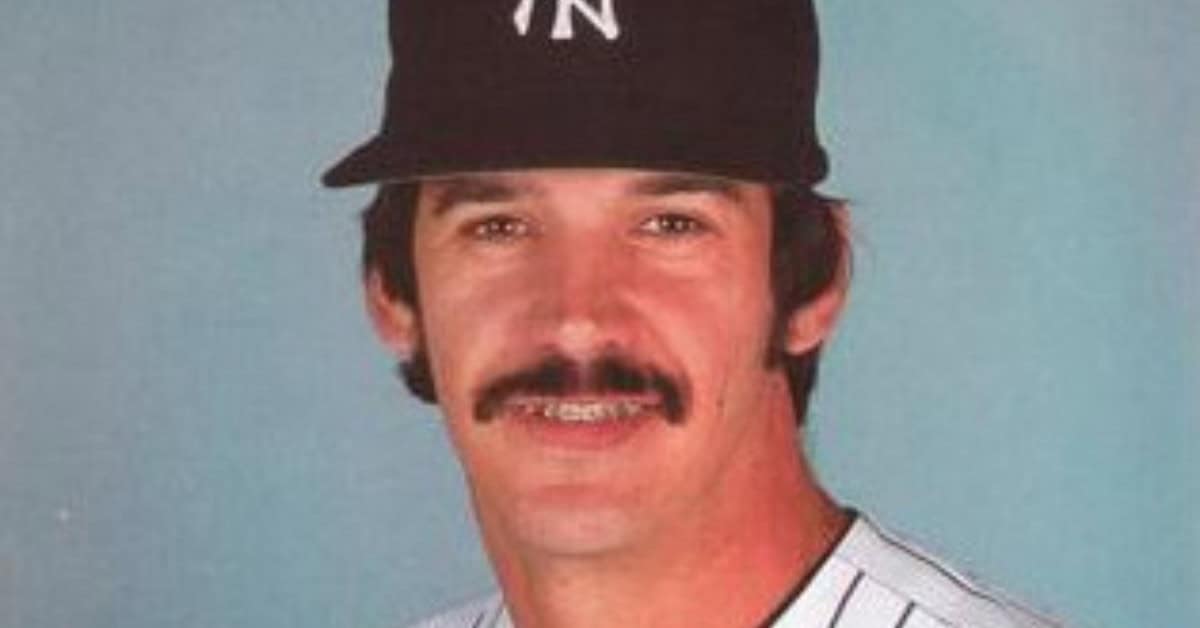
Ron Guidry’s 1978 season was so dominant that Yankee Stadium crowds would stand and cheer with two strikes, creating a thunder that rattled the upper deck. The slight lefthander’s slider moved like a curveball having a nervous breakdown, and his 25-3 record that year made even Reggie Jackson tip his cap. Louisiana Lightning struck 248 times that season, leaving American League hitters wondering if they’d forgotten how to hit or if Guidry had simply transcended the laws of physics.
Sal Bando: The Third Baseman Who Kept the Swingin’ A’s From Swinging Wild
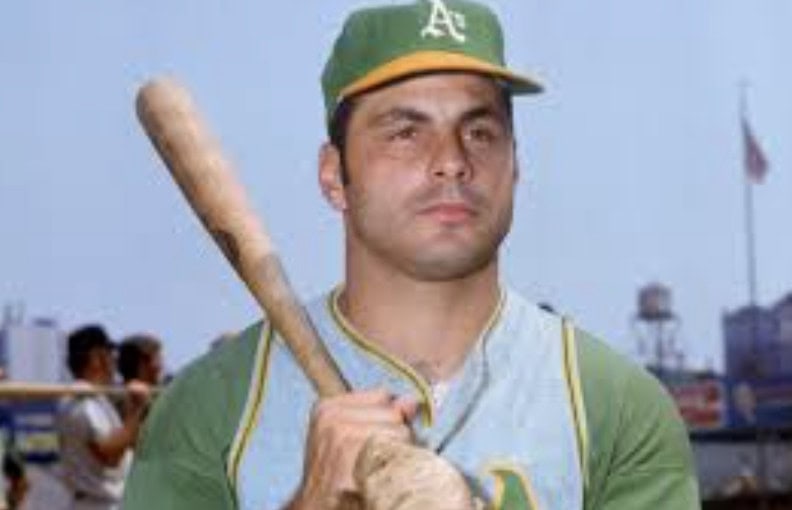
Sal Bando was the steady heartbeat in a clubhouse full of peacocks and showboats, the captain who could calm Reggie’s ego and Rollie Fingers’ mustache with equal authority. His glove turned screaming line drives into routine outs, while his bat provided the clutch hits that championship teams require when the lights burned brightest. Bando’s leadership style was pure 1970s—no speeches, just results, and the kind of quiet confidence that made grown men follow him into October battles without question.
Dennis Eckersley: The Starter-Turned-Closer Who Redefined October Magic
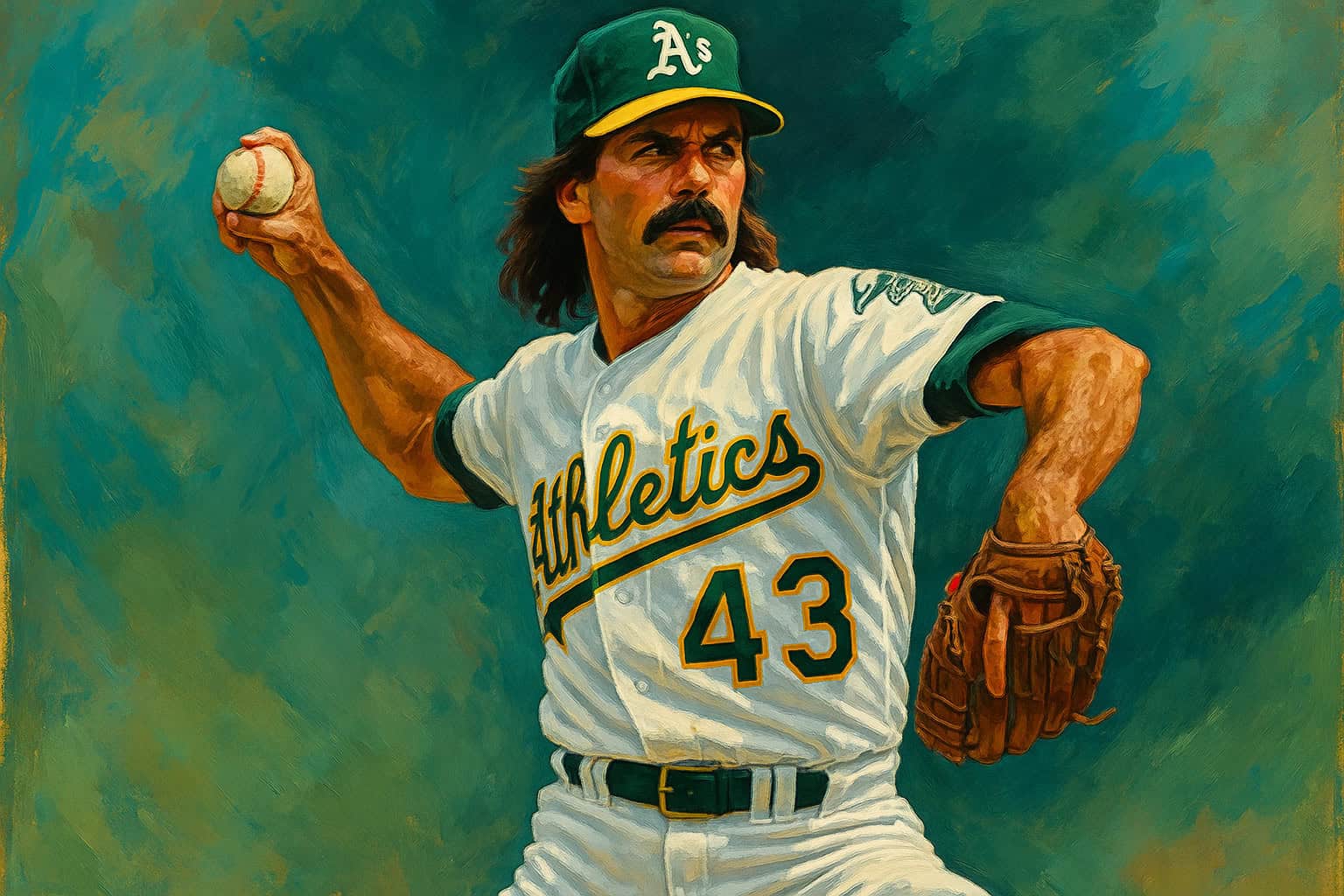
Dennis Eckersley arrived in Oakland as Reggie’s career wound down, bringing a starter’s repertoire and a closer’s mentality that would revolutionize the ninth inning. His sidearm slider made right-handed hitters look like they were swinging at ghosts, while his flowing locks and animated celebrations turned saves into theater. Eckersley’s 1987 season alongside the aging Jackson hinted at the dominance that would define the next decade of A’s baseball.
Bert Campaneris: The Shortstop Who Could Steal Second While You Blinked
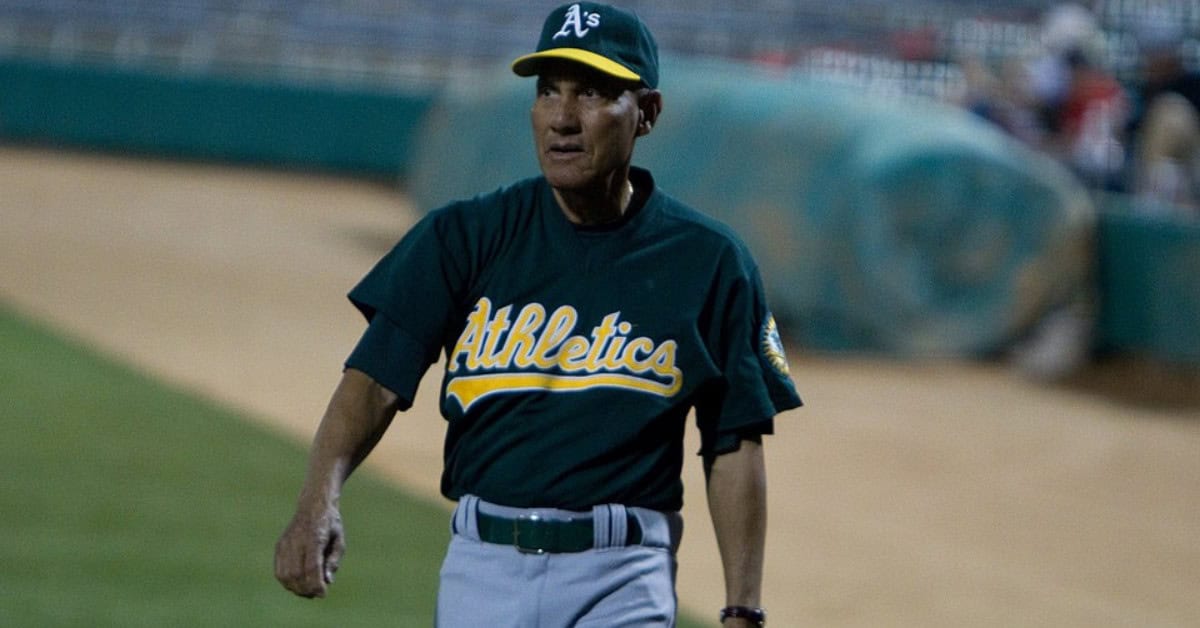
Bert Campaneris stole bases like other men stole glances—effortlessly and with perfect timing that left everyone wondering how it happened so fast. The Cuban speedster once played all nine positions in a single game, but his true artistry came from reading pitchers’ minds and turning first base into a launching pad. Campaneris made the stolen base feel like poetry in motion, his spikes hitting second base before catchers could even frame the pitch.
Don Baylor: The Designated Hitter Who Made Pitchers Pray for Rain Delays
Don Baylor crowded the plate like he owned it, daring pitchers to throw inside while his massive frame cast shadows across home plate. His 1979 MVP season with the Angels proved that designated hitters could be more than offensive afterthoughts—they could be the heartbeat of championship dreams. Baylor’s presence in the lineup made opposing managers rethink their entire strategy, knowing that one mistake pitch could disappear over any fence in any ballpark.
Rollie Fingers: That Handlebar Mustache That Saved October Dreams

Rollie Fingers’ handlebar mustache was so perfectly waxed it could have been featured in a barbershop window, but his slider was the real work of art that left hitters twisted in knots. The mustachioed closer saved games like other men saved newspaper clippings—methodically, precisely, and with an attention to detail that bordered on obsession. Fingers turned the ninth inning into his personal showcase, where batters came to die and championships came to life.
Willie Randolph: The Second Baseman Who Made Double Plays Look Effortless
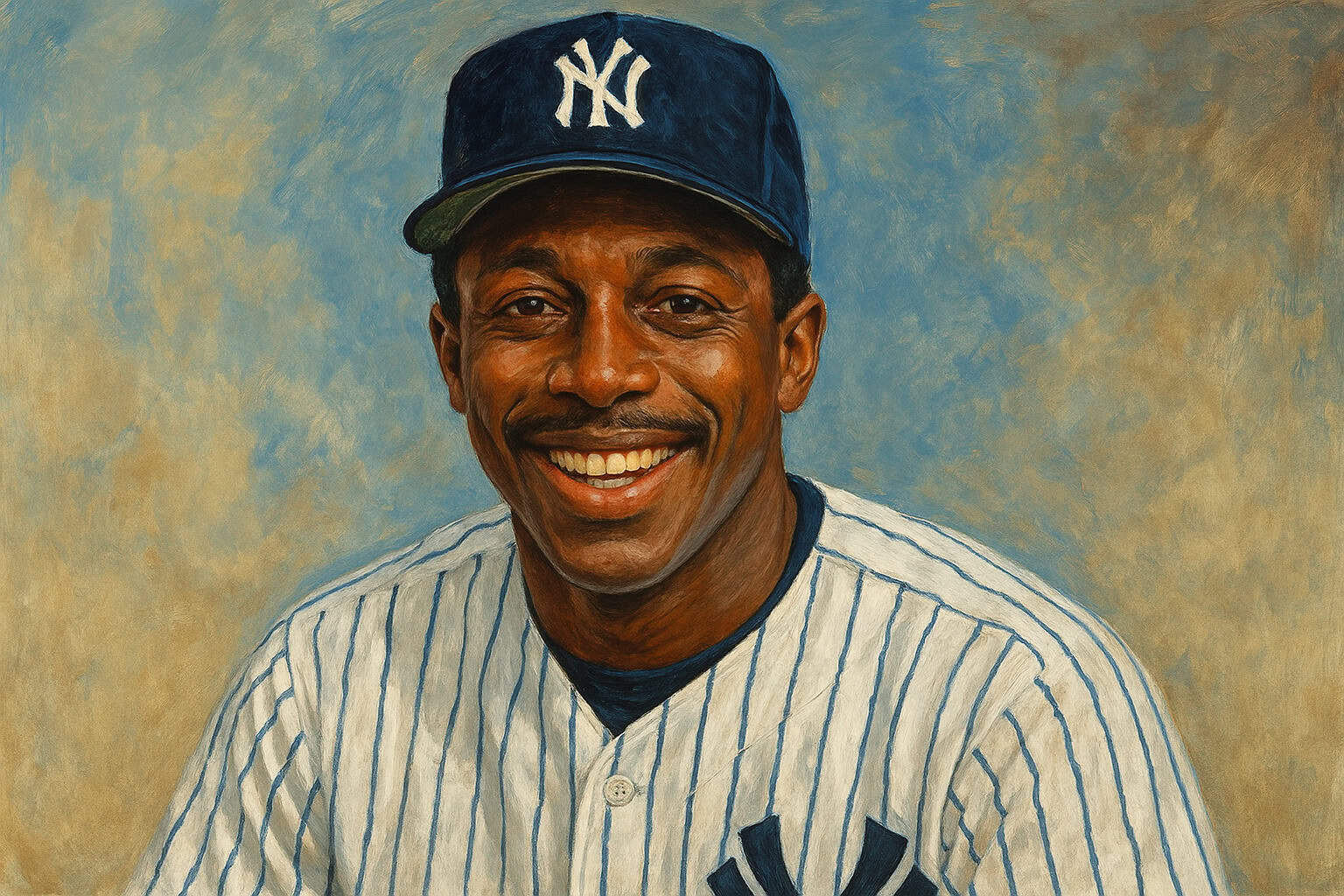
Willie Randolph turned double plays with the smooth precision of a jazz pianist hitting perfect chord progressions, his glove work so fluid it seemed choreographed by angels. The Brooklyn native brought street smarts to Yankee Stadium’s infield, reading hitters’ intentions before they knew them themselves. Randolph’s bat provided the steady contact that championship teams crave, while his glove erased mistakes faster than White-Out on a typewriter.
Blue Moon Odom: The Pitcher Whose Name Sounded Like a Honky-Tonk Song
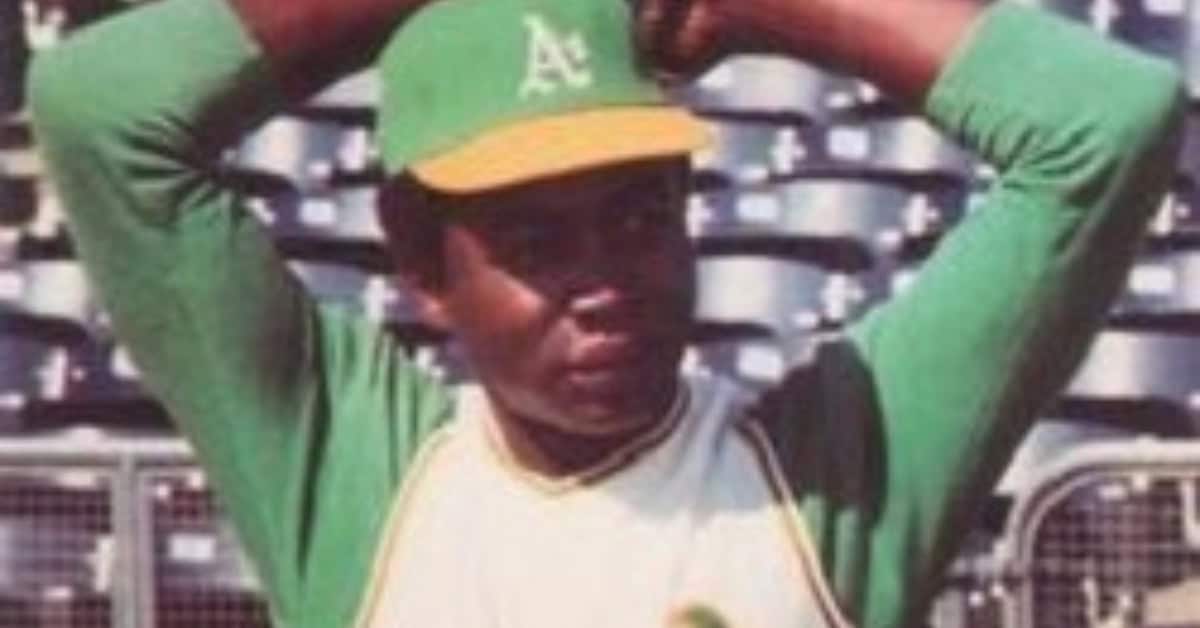
Johnny Lee “Blue Moon” Odom earned his nickname from his father’s favorite song, but his curveball sang its own melancholy tune that left hitters humming the blues. The Georgia native nearly threw a no-hitter in 1968, settling for a one-hit masterpiece that proved the most beautiful music can come from unexpected sources. Odom’s presence on those championship A’s teams added depth to a rotation already blessed with star power, proving that even backup singers could steal the show when the spotlight found them.
Goose Gossage: The Closer Whose Fastball Could Rattle Stadium Foundations
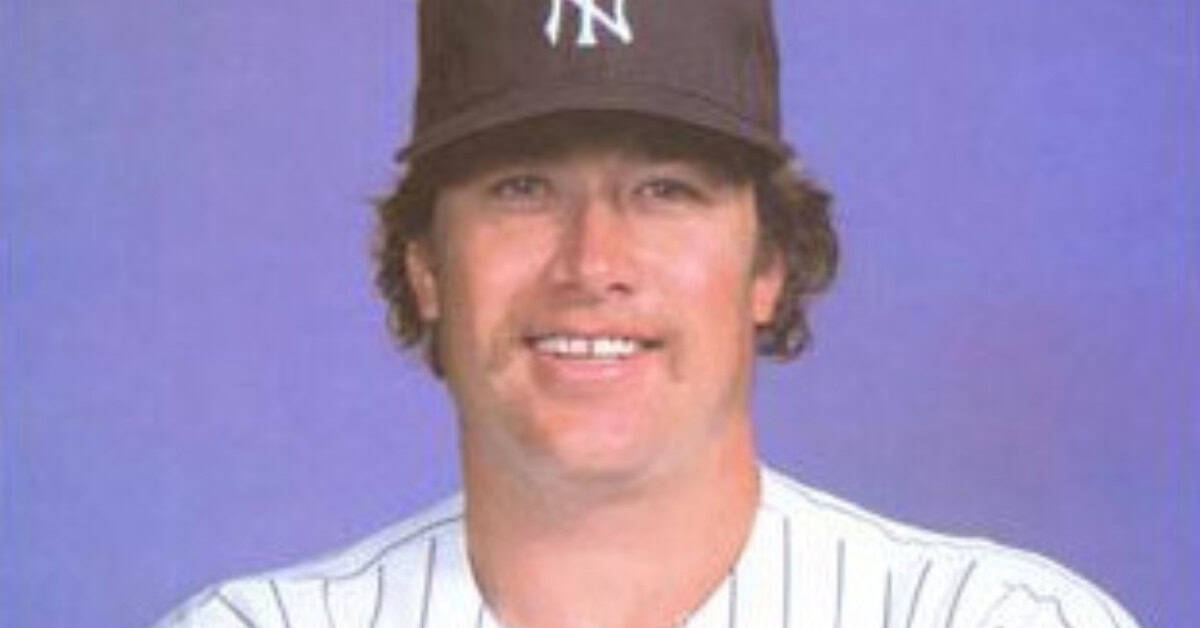
Rich “Goose” Gossage’s fastball arrived at home plate with the subtlety of a freight train hitting a brick wall, his handlebar mustache twitching with each 100-mph heater. The intimidating closer’s glare could freeze batters before his four-seamer finished the job, turning save situations into psychological warfare. Gossage’s presence in the Yankees bullpen gave Reggie Jackson the confidence to swing for the fences, knowing that leads would be protected by a man who threw baseballs like Zeus threw lightning bolts.
Joe Rudi: The Outfielder Who Made Impossible Catches Look Like Sunday Strolls
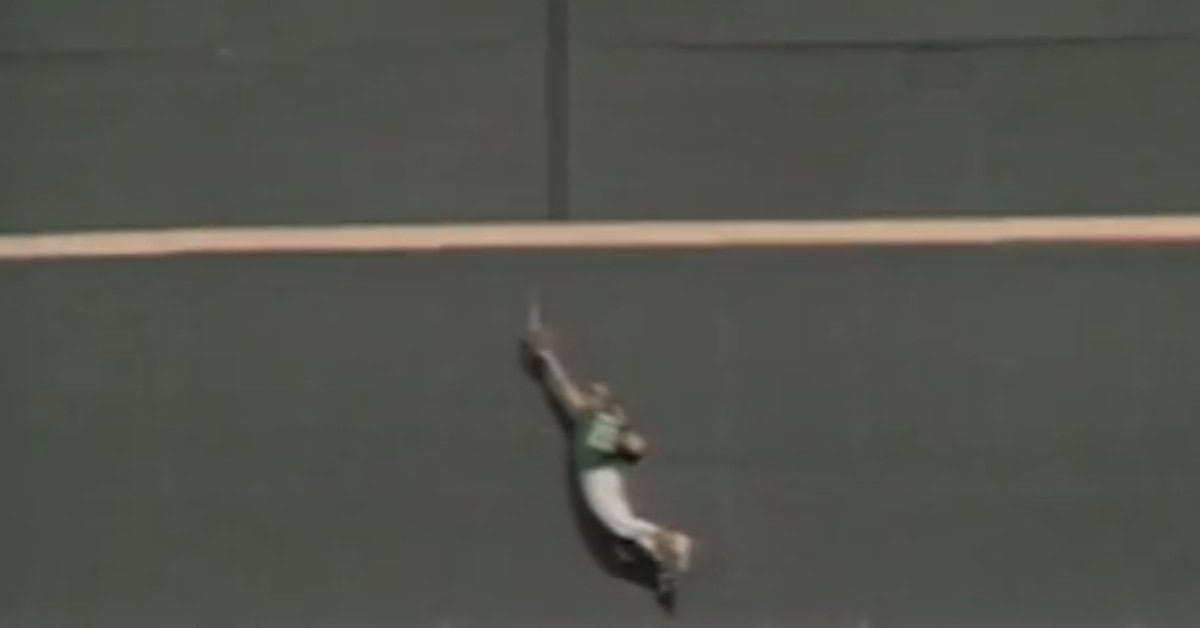
Joe Rudi’s glove work in left field was so spectacular that opposing managers would shake their heads in disbelief, watching sure doubles turn into routine outs with supernatural regularity. His diving catch against the Cincinnati Reds in the 1972 World Series became the stuff of October legend, the kind of play that gets replayed in slow motion for decades. Rudi’s steady bat and steadier glove provided the perfect complement to Reggie’s showmanship, proving that championships are built on both flash and fundamentals.
Jim Palmer: The Orioles Ace Who Made One Season Feel Like Forever
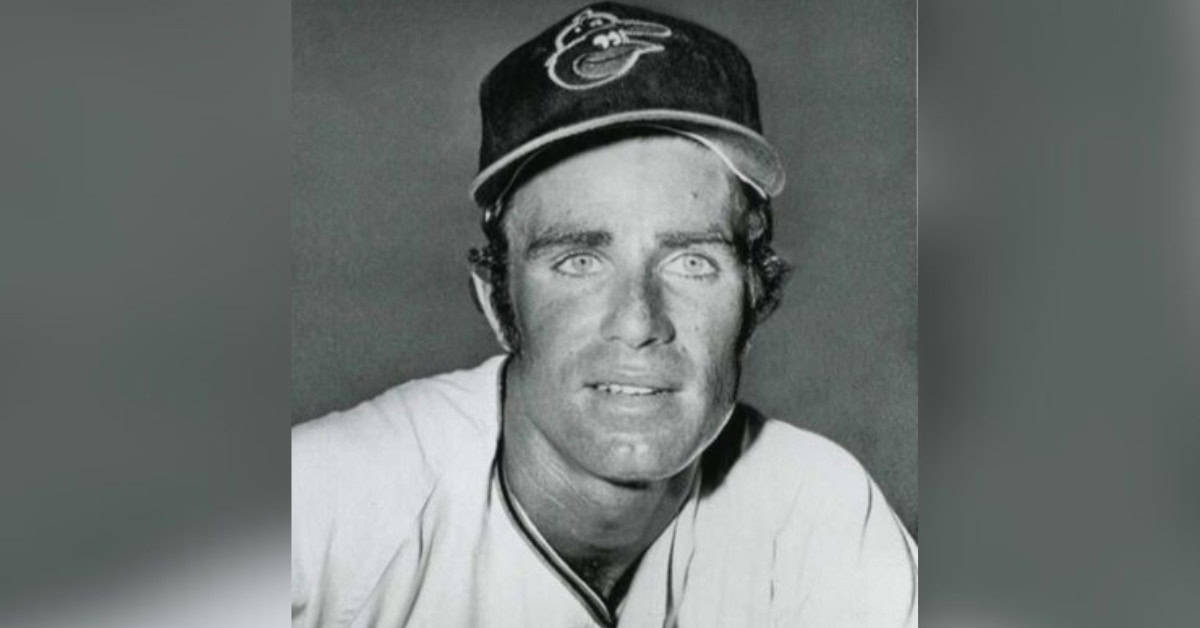
Jim Palmer’s high leg kick and devastating curveball made Reggie Jackson’s lone season in Baltimore feel like a masterclass in pitching perfection, even if it lasted just one year. The future Hall of Famer’s three Cy Young Awards spoke to a consistency that made every start feel like an event worth attending. Palmer’s presence on the 1976 Orioles gave Jackson a front-row seat to witness how true aces dominate not just hitters, but entire seasons with the kind of sustained excellence that separates legends from mere mortals.
Vida Blue: The Southpaw Sensation Who Made Baseball Feel Electric

Vida Blue’s fastball hummed with the kind of electricity that could power small cities, his left arm delivering strikes with the precision of a Swiss watchmaker and the power of a thunderstorm. The 1971 MVP and Cy Young winner brought a showmanship to the mound that rivaled Reggie’s flair for the dramatic, turning routine starts into must-see television. Blue’s name perfectly captured his cool demeanor under pressure, but his fastball burned hot enough to make opposing hitters question their career choices.
Dave Duncan: The Catcher Who Knew Every Pitcher’s Secret Language
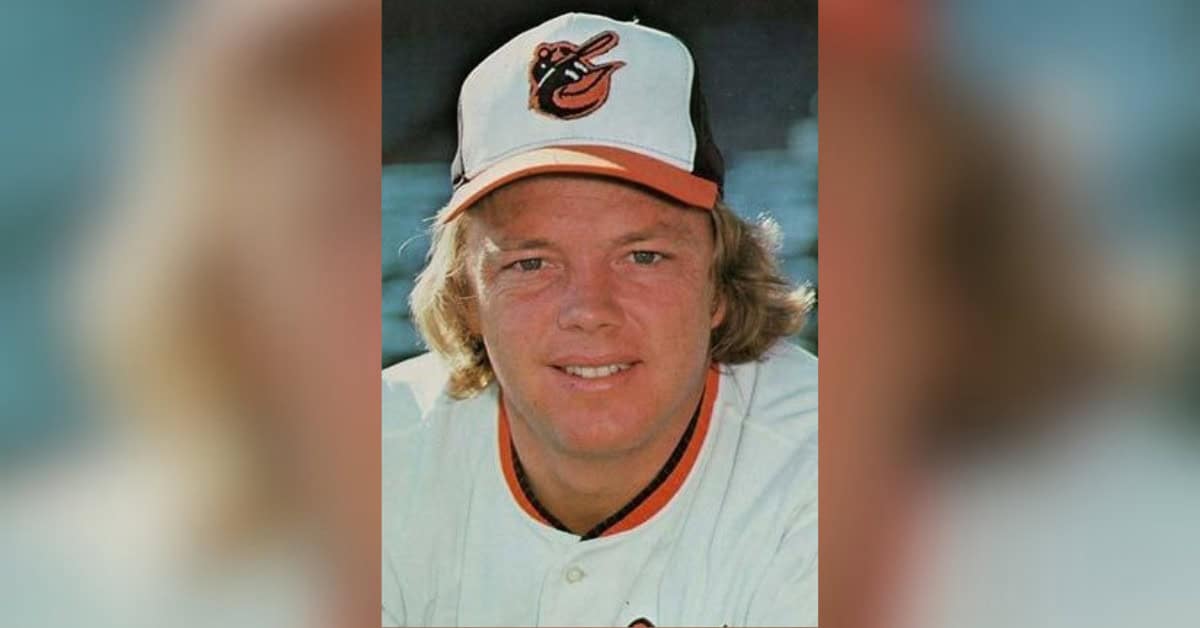
Dave Duncan crouched behind home plate like a chess master planning moves three innings ahead, his game-calling so precise that pitchers trusted him more than their own mothers. The steady backstop’s ability to handle the A’s volatile pitching staff made him invaluable during their championship runs alongside Reggie. Duncan even met up with Jackson in Baltimore during Reggie’s only season there, but in the early 1970s, he was simply the guy who made sure Catfish Hunter’s fastballs found their target and Vida Blue’s curveballs found their mark.
Lou Piniella: Sweet Lou’s Bat That Could Turn Any Rally Into Reality
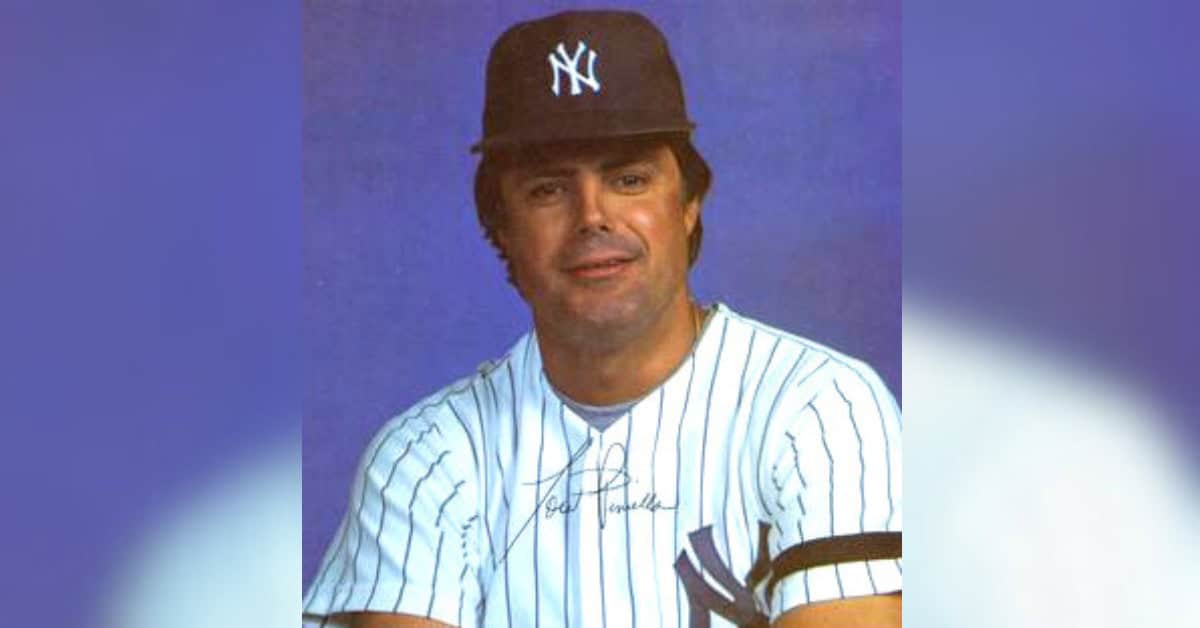
Lou Piniella’s bat had a sixth sense for clutch situations, finding gaps in defenses like water finding cracks in concrete, inevitable and unstoppable. Sweet Lou’s fiery temperament burned as hot as his batting average in pressure situations, making him the perfect complement to Reggie’s October heroics. Piniella’s ability to turn two-strike counts into base hits gave the Yankees lineup a depth that opposing pitchers couldn’t escape, no matter how carefully they navigated the heart of the order.
Ken Holtzman: The Lefty Who Could No-Hit You While Barely Breaking a Sweat
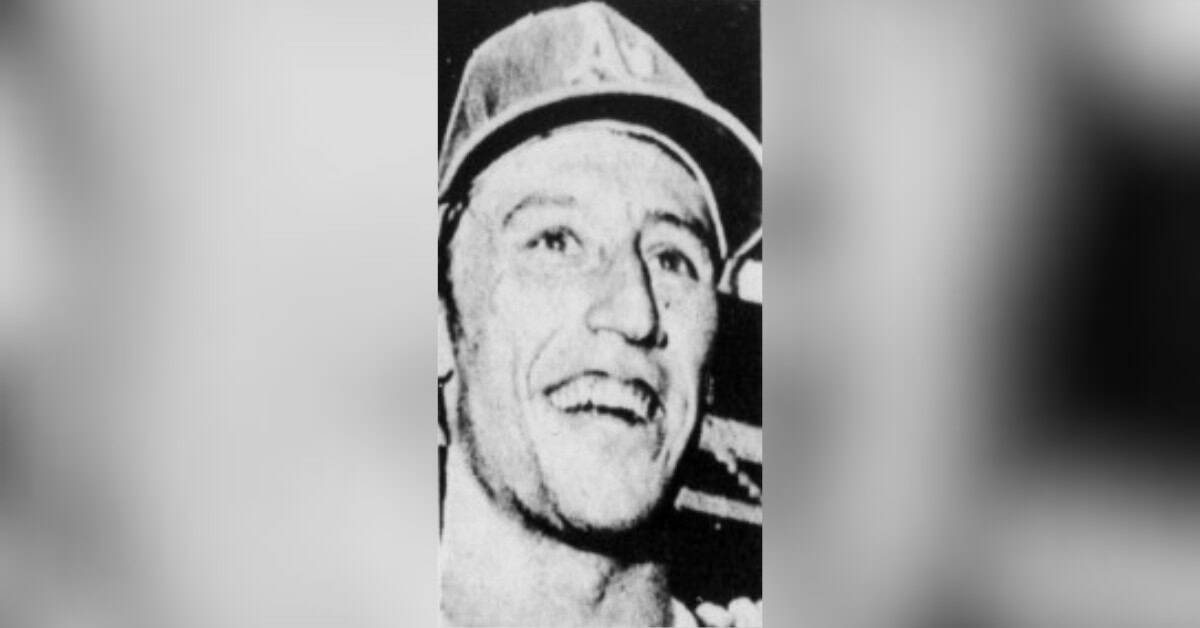
Before joining the A’s, Ken Holtzman had already thrown two no-hitters with the Cubs, showcasing the casual efficiency of a man mowing his lawn on a Saturday morning. When he arrived in Oakland, his smooth delivery and devastating pitches provided a crucial crafty element to a power-packed rotation. The left-hander’s ability to change speeds kept hitters off balance, and his presence gave the A’s a craftsman to complement their power arms, proving that sometimes the most effective weapon is the one that arrives without announcement or fanfare.
Graig Nettles: The Third Base Wizard Who Turned Ground Balls Into Magic
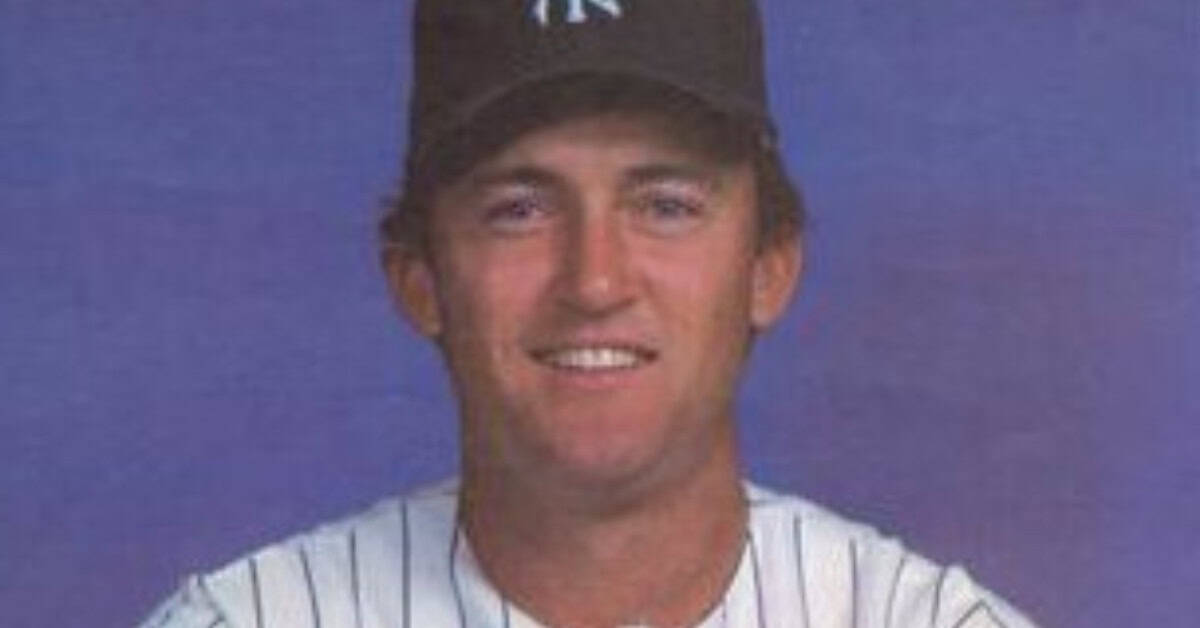
Graig Nettles’ glove work at third base defied both physics and common sense, his diving stops and barehanded grabs turning routine grounders into highlight-reel masterpieces. The left-handed hitter’s power stroke provided perfect balance to his defensive wizardry, launching home runs that sailed over fences like they were escaping from prison. Nettles’ 1978 World Series performance single-handedly saved games for the Yankees, his glove erasing Dodgers rallies before they could develop into championship-threatening momentum.
Mark McGwire: The Rookie Slugger Who Made Baseballs Disappear in ’87
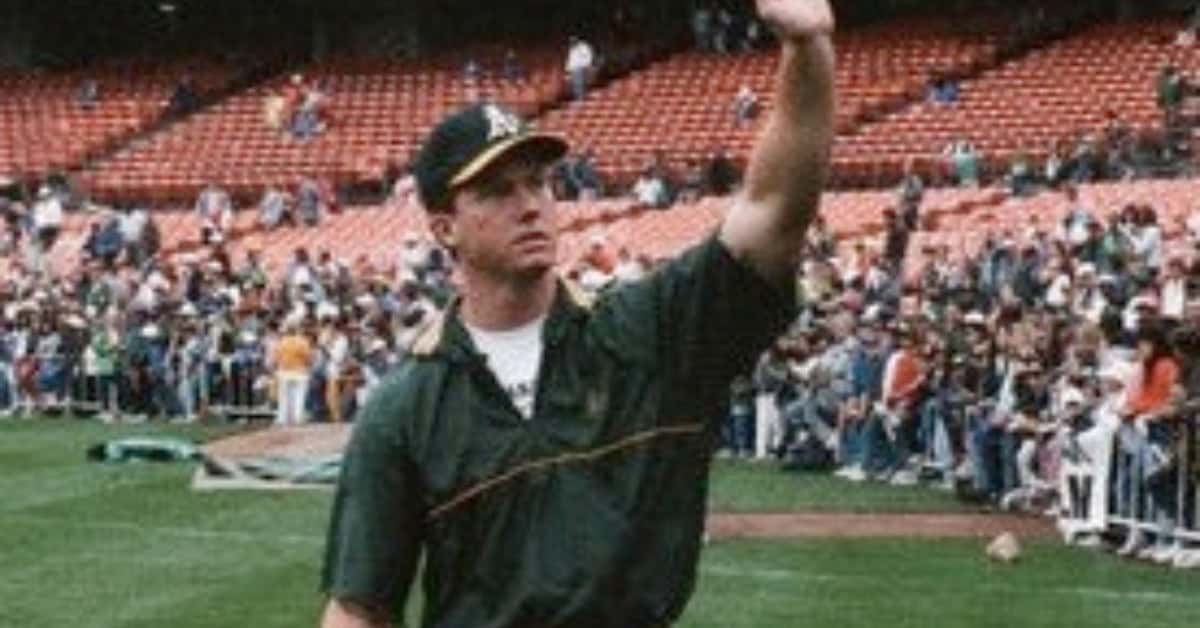
Mark McGwire’s 1987 rookie season produced 49 home runs that seemed to violate the laws of gravity, each swing generating enough power to light up entire city blocks. The red-headed slugger’s arrival in Oakland coincided with Reggie Jackson’s final season, creating a passing-of-the-torch moment that felt both symbolic and seismic. McGwire’s mammoth home runs gave aging fans a glimpse of baseball’s future while providing Jackson with a front-row seat to witness the next generation of October magic taking shape in real time.
Thurman Munson: The Captain Who Never Backed Down From Mr. October
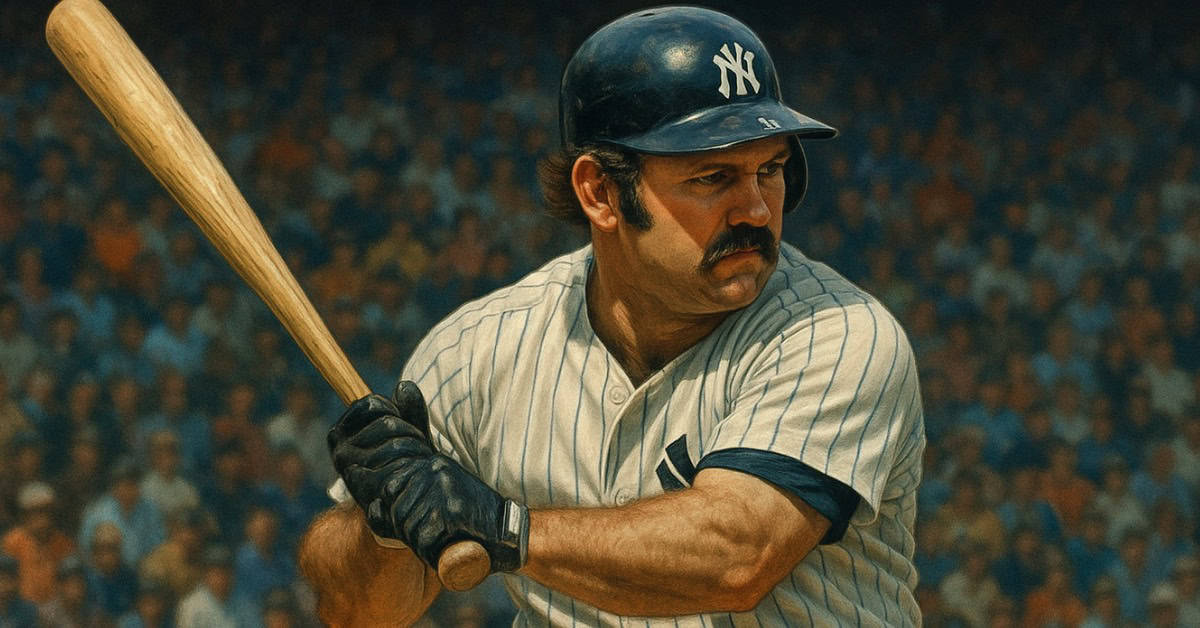
Thurman Munson’s relationship with Reggie Jackson burned with the intensity of a New York summer, their mutual respect masked by public feuds that made back-page headlines for years. The Yankees captain’s gritty catching style and clutch hitting provided the perfect counterbalance to Jackson’s showmanship, creating a dynamic that fueled two World Series championships. Munson’s tragic death in 1979 robbed baseball of one of its grittiest competitors, but his legacy lived on in the way he showed that true leadership sometimes means standing up to superstars when championships hang in the balance.