

Last Updated: June 17th, 2026 by Matthew Brown
Before sabermetrics and launch angles, when baseball was still played on real grass and pitchers completed what they started, there existed a breed of hurler who understood that defense began with the man on the mound. These weren’t just strikeout artists—they were athletes who could field their position like a fifth infielder, turning potential rallies into double plays with the flick of a wrist.
Don't lose this article. Enter your email below, and I'll send it to you right now. Plus, we'll send you other unbelievable stories from baseball's past.
Dallas Keuchel: The Modern Maestro of Mound Defense
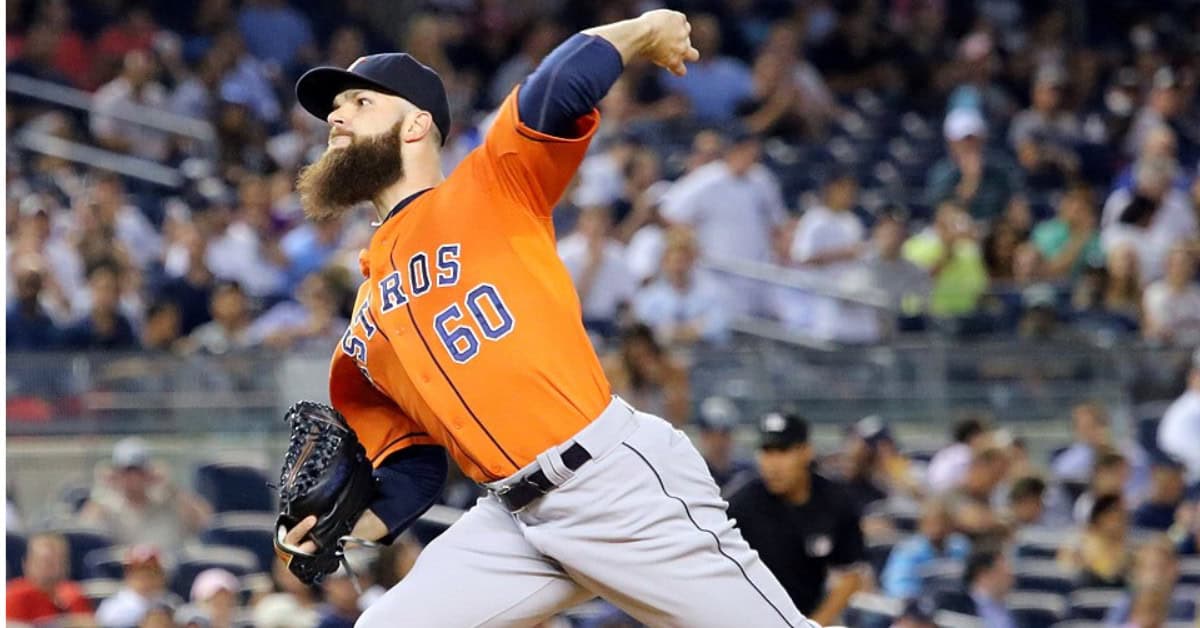
Keuchel’s five Gold Gloves represent the modern evolution of pitching defense, combining old-school fundamentals with analytics-driven positioning. The Astros’ lefty’s ability to induce ground balls and then field them with ballet-like precision made him the rare contemporary pitcher who understood that strikeouts aren’t everything. His glove work helped anchor a World Series championship in an era when most pitchers barely knew how to hold a runner.
Bret Saberhagen: The Cy Young Winner’s Defensive Artistry

Sabes earned his lone Gold Glove in 1989, the same year he captured his second Cy Young Award with a microscopic 2.16 ERA. The Royals right-hander was a master of the hidden-ball trick and could turn bunts into outs faster than you could say “George Brett.” Saberhagen’s defensive instincts were as sharp as his slider, making him the complete package in Kansas City’s championship years.
Rick Reuschel: Big Daddy’s Deceptively Quick Hands

Don’t let Big Daddy’s 6’3″, 240-pound frame fool you—Reuschel’s two Gold Gloves were earned with surprising agility and cat-like reflexes. The Cubs and Giants right-hander could field bunts like a shortstop and had a pickoff move that kept runners honest throughout his 19-year career. Reuschel proved that big men could have soft hands and quick feet when it mattered most.
Mike Boddicker: Baltimore’s Crafty Magician with the Leather

Boddicker’s two Gold Gloves complemented a repertoire that included more off-speed pitches than a carnival. The Orioles right-hander’s defensive wizardry was on full display during Baltimore’s 1983 World Series run, when his glove work was as crucial as his fastball. Boddicker made fielding look as effortless as his ability to change speeds and eye levels.
Adam Wainwright: The Cardinal Craftsman’s Curveball and Glove

Waino’s two Gold Gloves represent the continuation of St. Louis’s tradition of fundamentally sound pitching. The Cardinals right-hander’s ability to field his position with precision matches his craftsman-like approach to every aspect of pitching. Wainwright’s glove work helped anchor two World Series championships, proving that old-school defensive skills still matter in the modern game.
Andy Messersmith: The Free Agent Pioneer’s Fielding Foundation
Messersmith’s two Gold Gloves were earned during his Dodgers heyday, when his defensive fundamentals were as revolutionary as his later legal challenge to baseball’s reserve clause. The right-hander’s ability to control the running game and field his position helped establish the template for modern pitching defense. Messersmith proved that great glove work could be as valuable as free agency itself.
Harvey Haddix: The Perfect Game Pitcher’s Imperfect but Golden Defense
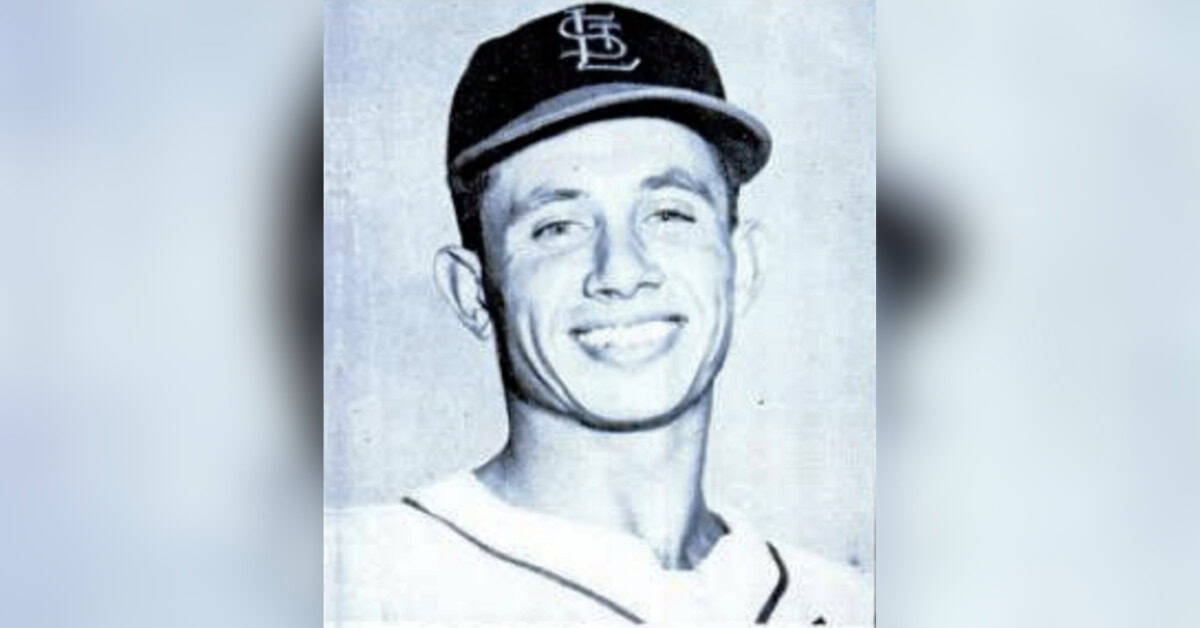
The Kitten’s three Gold Gloves were overshadowed by his famous 12-inning perfect game that ended in defeat, but Haddix’s defensive skills were perfectly consistent throughout his career. The Pirates’ southpaw’s ability to field bunts and start double plays was as reliable as his pinpoint control. Haddix proved that sometimes the most memorable moments come in games you don’t win.
Kenny Rogers: The Gambler Who Always Knew When to Hold ‘Em

Rogers’ five Gold Gloves were earned with the same steady reliability he brought to his 20-year career. The Rangers and Yankees lefty knew when to come off the mound aggressively and when to let his infielders make the play. Rogers’ defensive instincts were as sharp as his ability to reinvent himself from reliever to starter to October hero.
Orel Hershiser: The Bulldog Who Never Let Anything Get Past

Hershiser’s lone Gold Glove in 1988 came during his magical season of 59 consecutive scoreless innings and World Series MVP honors. The Dodgers right-hander’s bulldog mentality extended to every aspect of defense, from covering first base to fielding bunts with the tenacity of a middle linebacker. Orel’s glove work was just another weapon in an arsenal that terrorized the American League that October.
Fernando Valenzuela: Fernandomania’s Fielding Phenomenon

Fernando’s lone Gold Glove in 1986 was earned with the same flair that made his screwball dance and his eyes roll skyward. The Dodgers southpaw’s fielding was poetry in motion, combining Mexican League fundamentals with big league athleticism. Valenzuela proved that Fernandomania wasn’t just about strikeouts and Cy Young Awards—it was about complete baseball artistry.
Zack Greinke: The Anxious Perfectionist with Perfect Hands

Greinke’s six Gold Gloves reflect a defensive perfectionism that matches his analytical approach to pitching. The right-hander’s ability to field his position is so fundamentally sound it borders on the obsessive. In an era of three-outcome baseball, Greinke still makes contact matter by turning potential hits into outs with surgical precision.
Mike Mussina: The Stanford Graduate Who Graduated to Gold
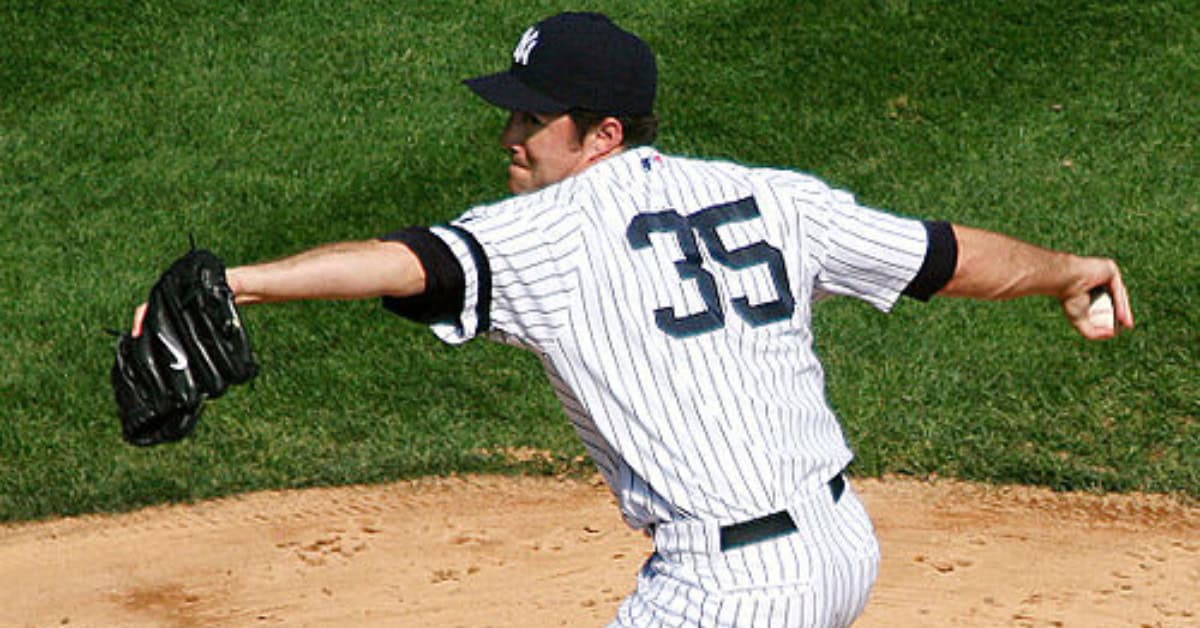
Moose’s seven Gold Gloves were earned with the same cerebral approach he brought to every aspect of pitching. The Orioles and Yankees right-hander studied hitters’ tendencies so thoroughly that he seemed to know where balls would be hit before they left the bat. Mussina’s defensive positioning was like a chess match played at 95 mph.
Mark Langston: The Southpaw Who Snatched Everything in Sight

Langston’s seven Gold Gloves were a testament to reflexes that seemed to operate on a different time zone than everyone else’s. The Angels and Mariners lefty could field comebackers that would have hospitalized lesser mortals. His glove work was so smooth that opposing hitters probably forgot he could also strike out 200 batters a season.
Bobby Shantz: The Little Giant with Hands Like Velcro
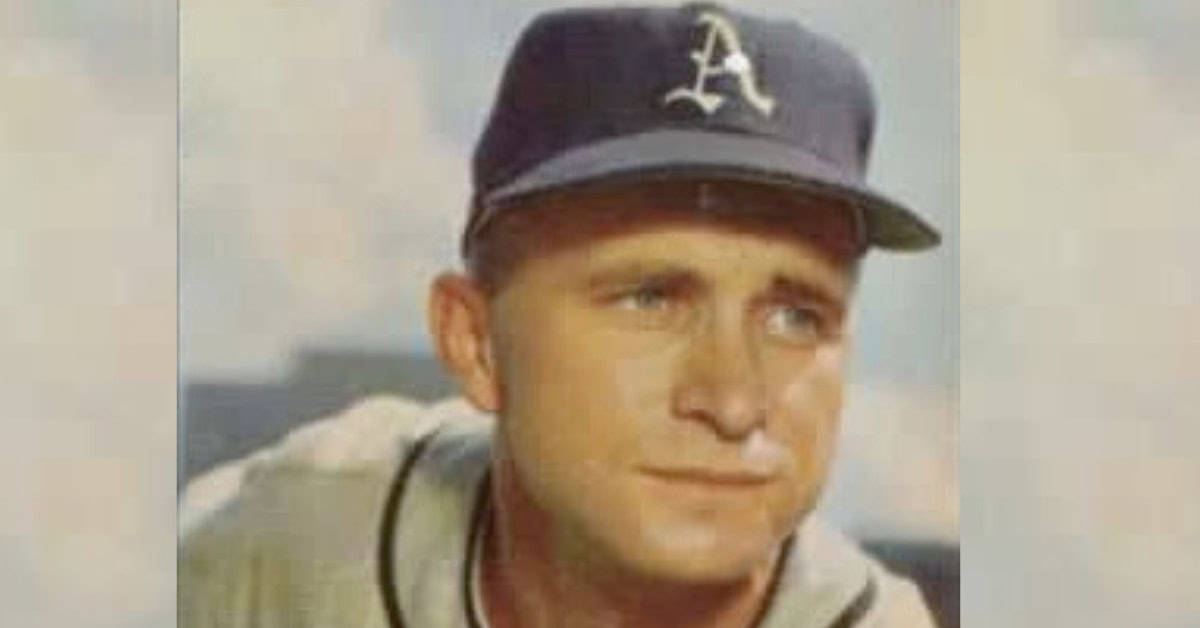
At 5’6″, Bobby Shantz compensated for his lack of height with eight Gold Gloves and reflexes that seemed supernatural. The southpaw’s ability to snare line drives and turn bunts into outs made him look like he was playing a different sport than everyone else. Shantz proved that in baseball, as in life, it’s not the size of the dog in the fight.
Phil Niekro: The Knuckleball Wizard Who Danced Around Bunts
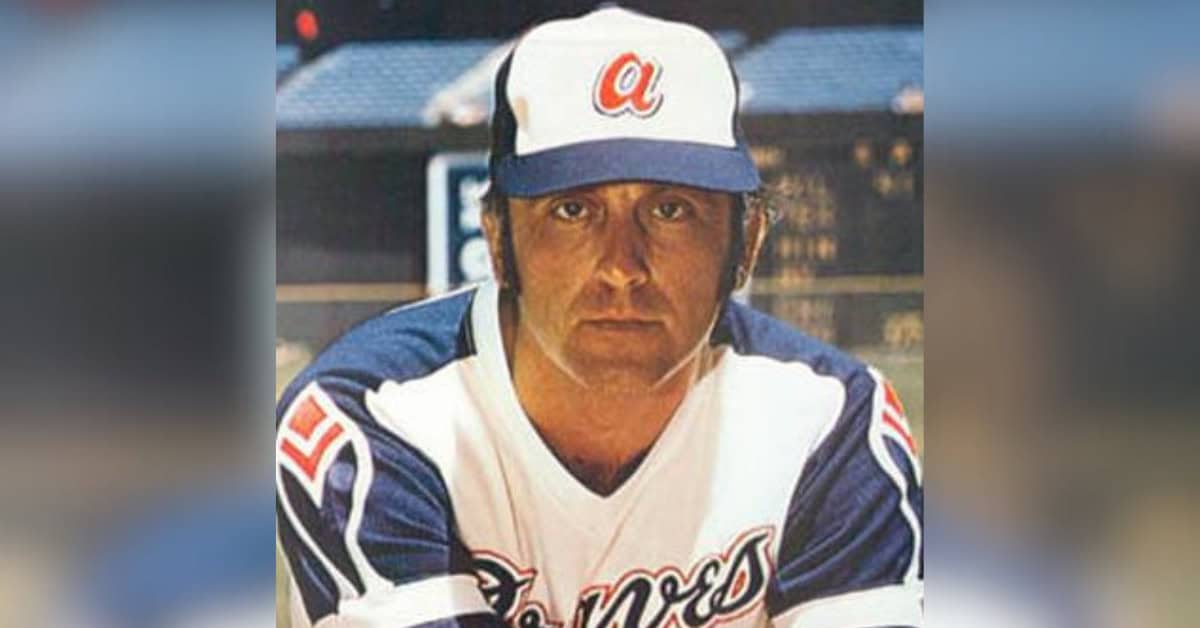
Knucksie’s five Gold Gloves were earned despite throwing a pitch that could drive his own catchers crazy. The Braves legend was remarkably agile for a knuckleballer, fielding his position with the same finesse that made his butterfly pitch dance. Niekro proved that even when your fastball topped out at 68 mph, quick hands could still earn you hardware.
Jim Palmer: The Underwear Model Who Could Field Like a Cat
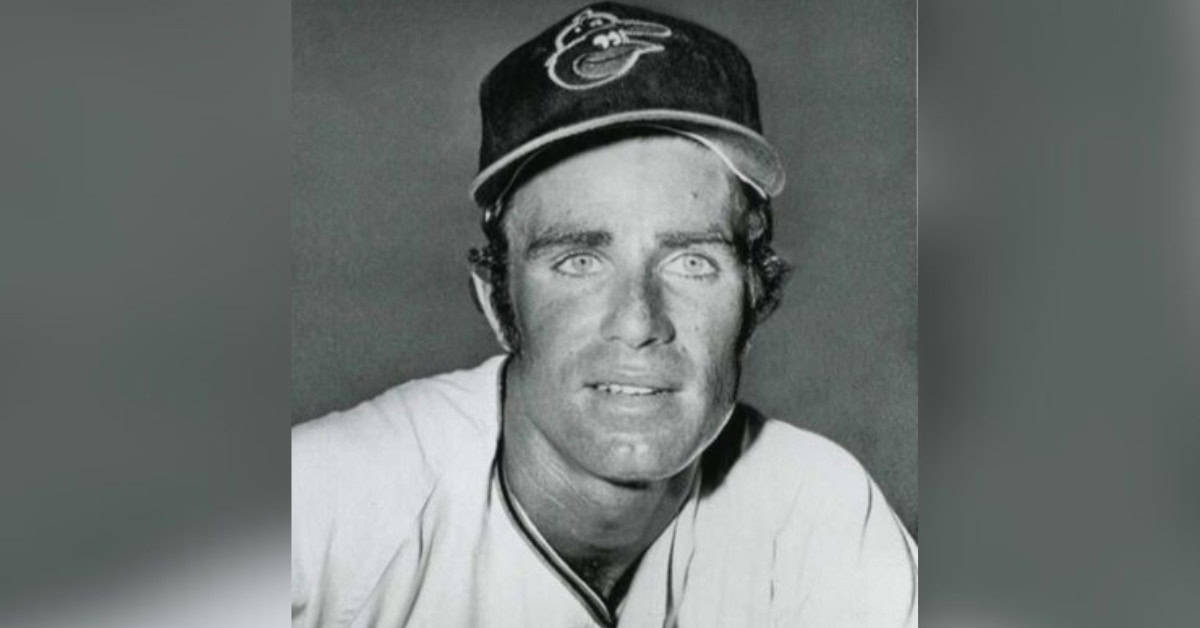
Before Palmer was posing in Jockey ads, he was collecting four Gold Gloves for the Orioles with athletic grace that matched his matinee idol looks. The right-hander’s ability to cover bunts and start double plays was poetry in motion. Palmer proved that you could be both pretty and pretty good at turning two.
Ron Guidry: Louisiana Lightning’s Left-Handed Magic
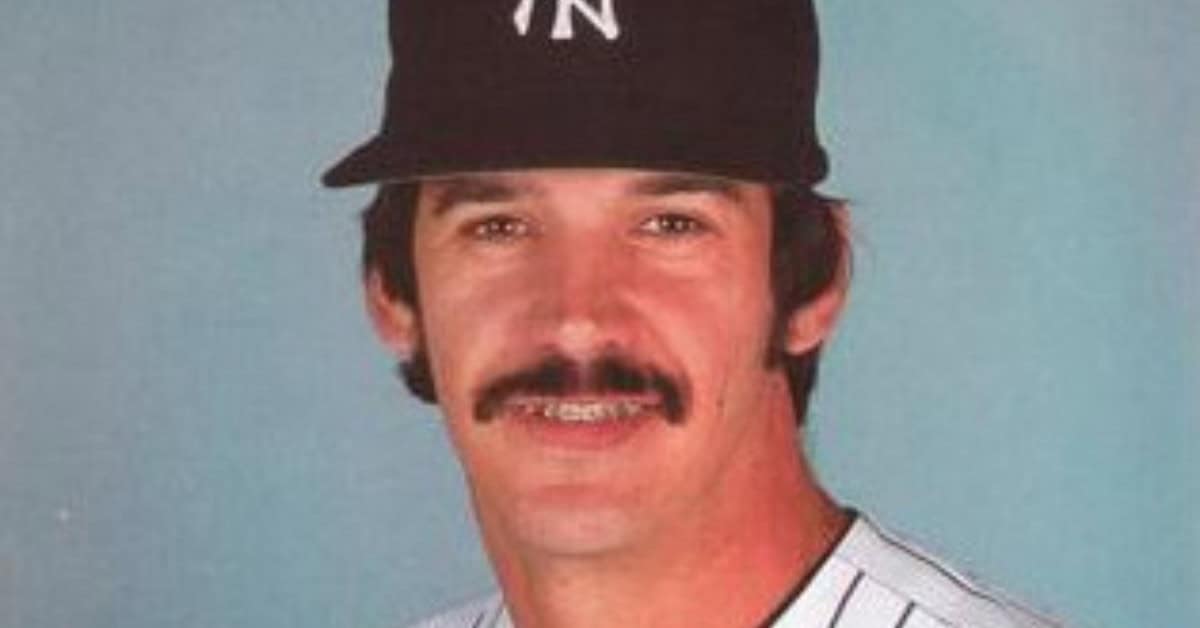
Gator Guidry’s five Gold Gloves complemented a slider that made right-handed hitters look foolish in the late 1970s. The Yankees lefty was cat-quick off the mound, turning potential base hits into outs with reflexes that seemed to defy his lanky frame. In 1978, when Guidry went 25-3, his glove work was just as dominant as his 1.74 ERA.
Bob Gibson: Ice Water in His Veins, Lightning in His Glove
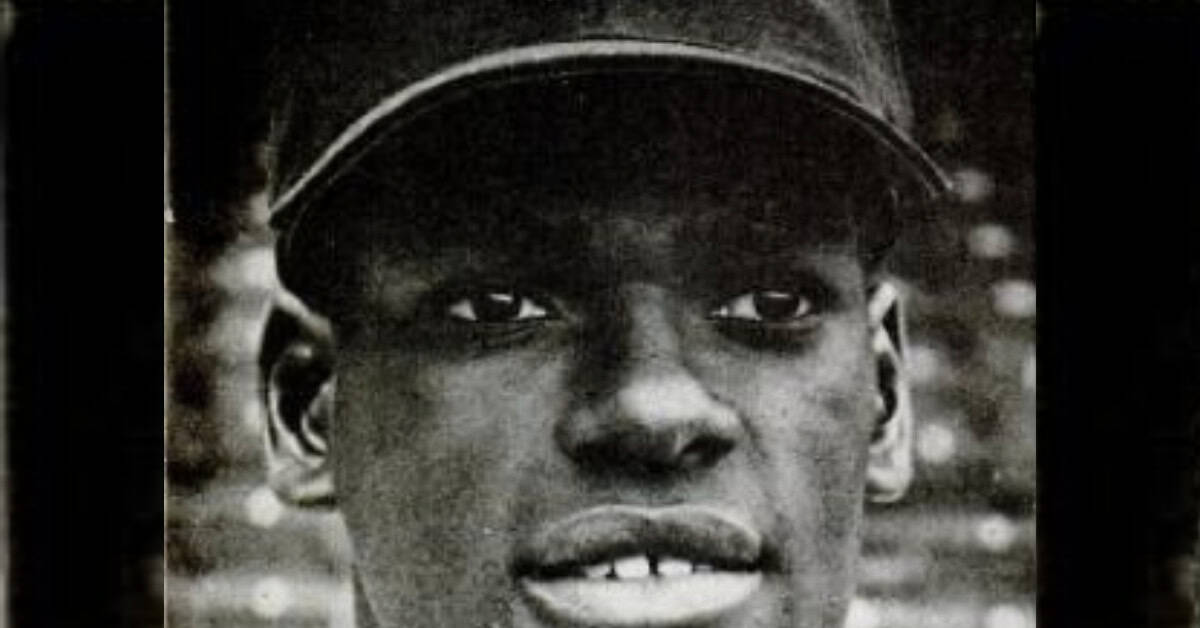
Hoot Gibson’s nine Gold Gloves were earned with the same intimidating precision he brought to every at-bat. The Cardinals ace could field bunts barehanded and fire strikes to any base with equal menace. Gibson’s defensive prowess was just another weapon in an arsenal that included a glare that could freeze lemonade in July.
Jim Kaat: 16 Gold Gloves and a Glove That Never Came Off
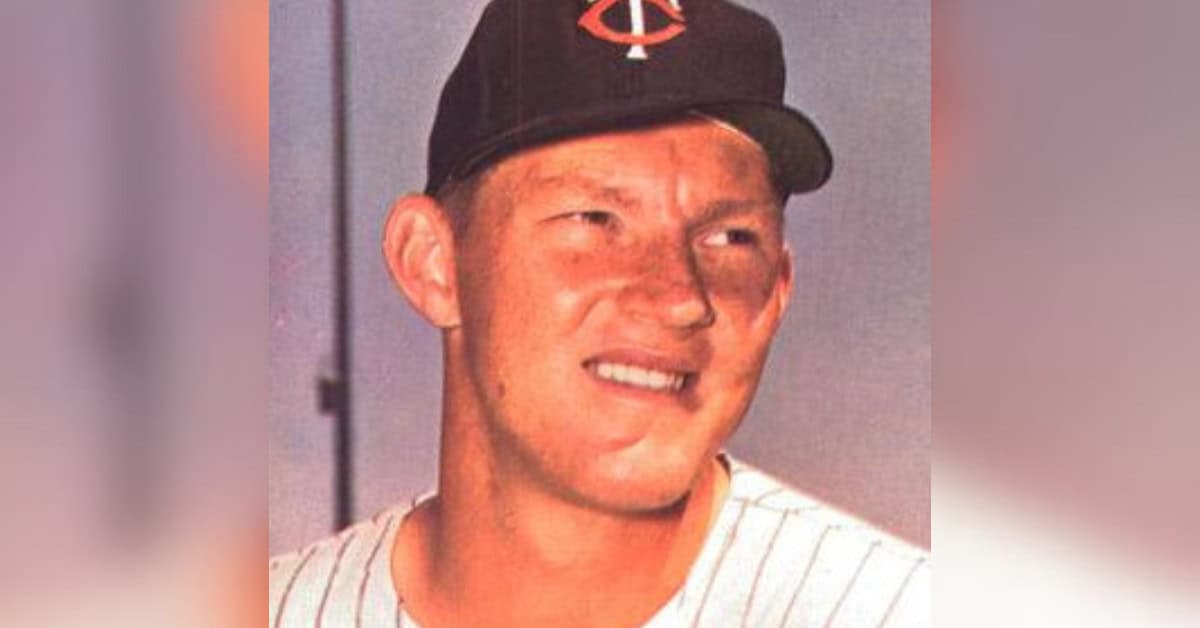
Kitty Kaat’s 16 consecutive Gold Gloves from 1962-1977 remain a record that may never be broken. The southpaw was so smooth around the mound that teammates joked his glove was surgically attached to his hand. In an era when pitchers were expected to go nine innings, Kaat proved that great defense could extend careers—his lasted 25 seasons.
Greg Maddux: The Professor Who Made Hitting Look Impossible

With 18 Gold Gloves, Greg Maddux didn’t just field his position—he redefined it. The man could pick off runners while seemingly adjusting his cap, and his ability to start double plays from the mound was so automatic that opposing base coaches would warn runners about getting too comfortable. Maddux made fielding look as effortless as his 88-mph fastball made hitting look impossible.