
Last Updated: June 17th, 2026 by Matthew Brown
Before fantasy baseball and sabermetrics turned the game into spreadsheet poetry, the AL East was home to legends who played with grit, swagger, and the kind of raw talent that made fathers drag their sons to ballparks on summer afternoons. This list will include legends from the franchises that are currently in the AL East—even if the players didn’t play while the team was in the division.
Don't lose this article. Enter your email below, and I'll send it to you right now. Plus, we'll send you other unbelievable stories from baseball's past.
Ted Williams and His .406 Season That Still Makes Purists Weep

The Splendid Splinter’s .406 batting average in 1941 remains baseball’s most untouchable record, a number that haunts modern hitters like a ghost in pinstripes. Williams refused to sit out the season’s final doubleheader to protect his average, going 6-for-8 instead and cementing his place in immortality. That swing—smooth as bourbon and twice as intoxicating—made Fenway’s left field wall seem like a suggestion rather than a barrier.
Lou Gehrig’s Farewell Speech That Silenced Yankee Stadium
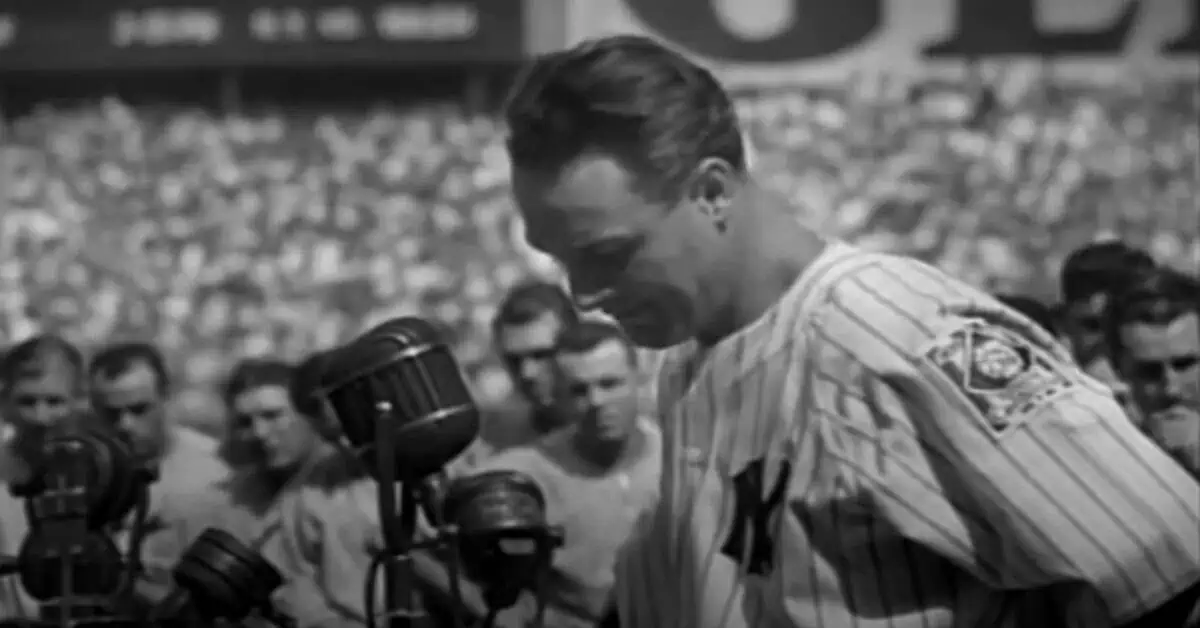
On July 4, 1939, the Iron Horse stood at home plate and called himself “the luckiest man on the face of the earth,” his voice echoing through a cathedral-quiet stadium. ALS was stealing his strength, but his dignity remained untouchable as 61,000 fans hung on every word. That speech didn’t just end a career—it defined what grace under pressure looked like when the world was watching.
Cal Ripken Jr. Playing Through Pain and Heartbreak

The Iron Man’s 2,632 consecutive games streak wasn’t just about showing up—it was about playing through everything life threw at him, from broken bones to broken hearts. Ripken turned reliability into an art form, suiting up every single day like a blue-collar hero punching a time clock. When he finally sat down in 1998, it felt like watching your grandfather retire from a job he’d worked for three decades.
Derek Jeter’s Clutch Gene That Activated in October

The Captain didn’t just play better in the postseason—he became a different species entirely, one that fed on pressure and thrived in moments that crushed lesser mortals. Jeter’s October batting average read like a love letter to clutch hitting, each swing seemingly choreographed by destiny itself. When the lights got brightest and the stakes got highest, number 2 turned into something between a magician and a surgeon.
Pedro Martinez Throwing 95 MPH Fastballs at Your Childhood Heroes
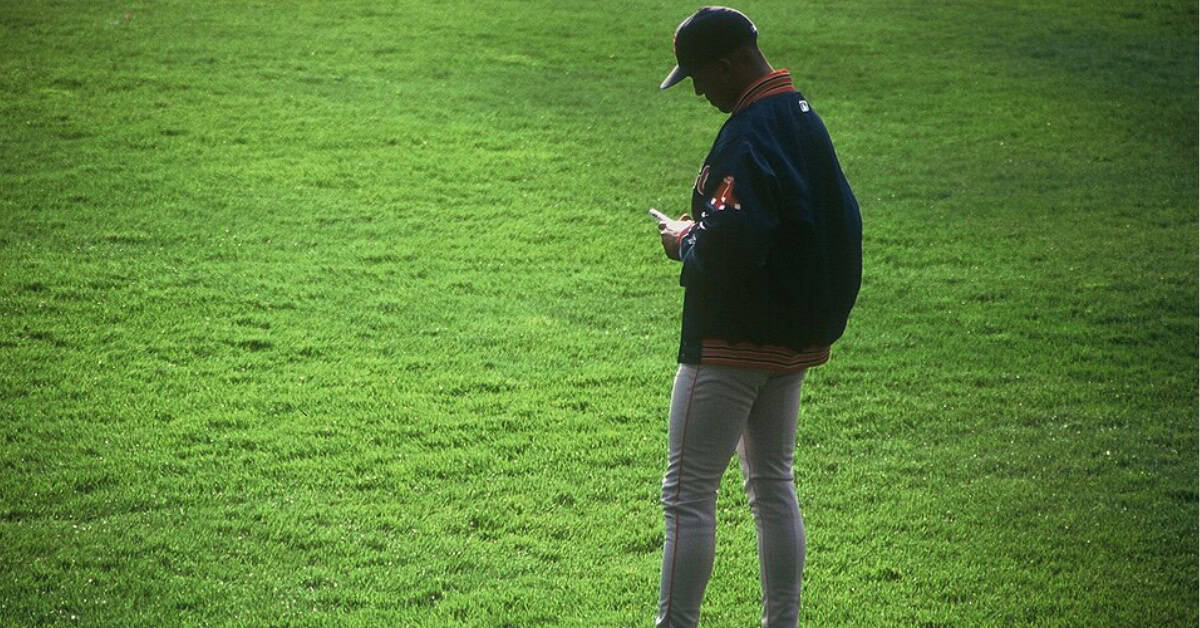
Pedro’s changeup didn’t just fool hitters—it made All-Stars look like Little Leaguers swinging at ghosts in broad daylight. The diminutive Dominican turned Fenway Park into his personal torture chamber, where opposing batters went to have their confidence systematically dismantled. When Pedro was on the mound, even Yankees fans had to admit they were watching something special, though they’d never say it out loud.
Joe Carter’s World Series Swing That Made Canada Cry with Joy

Carter’s walk-off home run in Game 6 of the 1993 World Series didn’t just win Toronto a championship—it made an entire nation lose its collective mind in the best possible way. The swing was pure, the moment was perfect, and the celebration was so joyous it could melt the coldest Canadian winter. When Joe rounded the bases with his arms raised, he wasn’t just running home—he was running into baseball immortality.
Carl Yastrzemski’s Triple Crown Season When Baseball Still Mattered
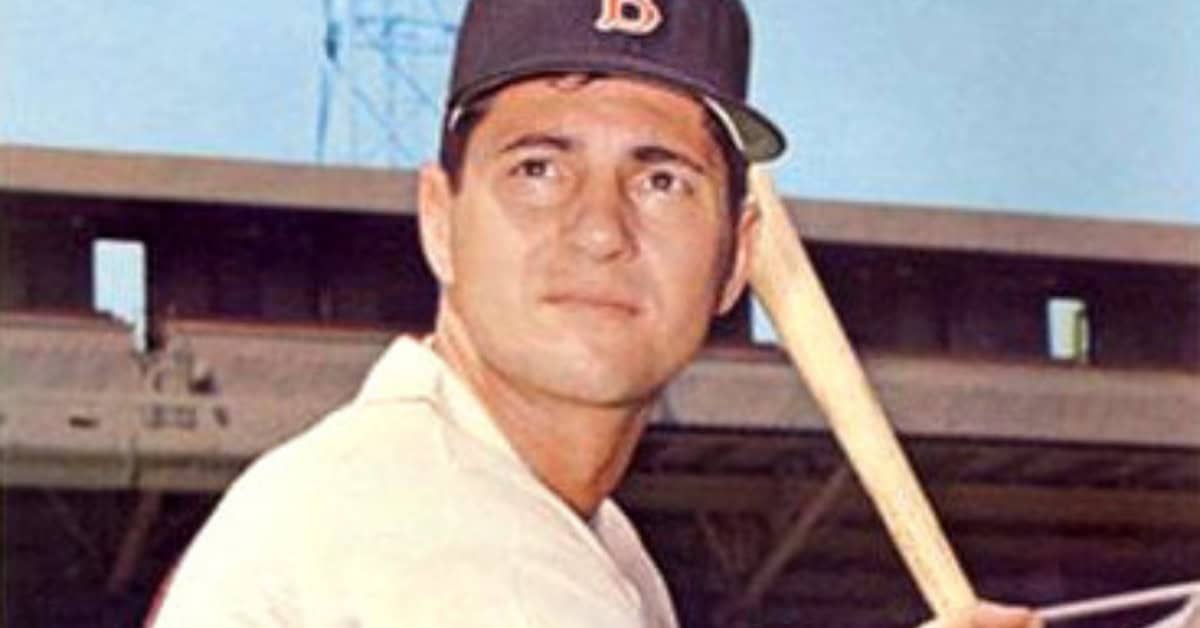
Yaz’s 1967 Triple Crown season came during the Summer of Love, but Red Sox fans were too busy falling in love with his swing to notice the hippies. Leading the league in average, home runs, and RBIs while carrying Boston to the World Series, Yastrzemski turned that impossible left field wall into his personal launching pad. His 1967 Triple Crown was a monumental achievement, one of the last of the 20th century before Miguel Cabrera accomplished the feat in 2012; Yaz made it look as natural as breathing.
Joe DiMaggio’s 56-Game Hitting Streak That Stopped the Nation
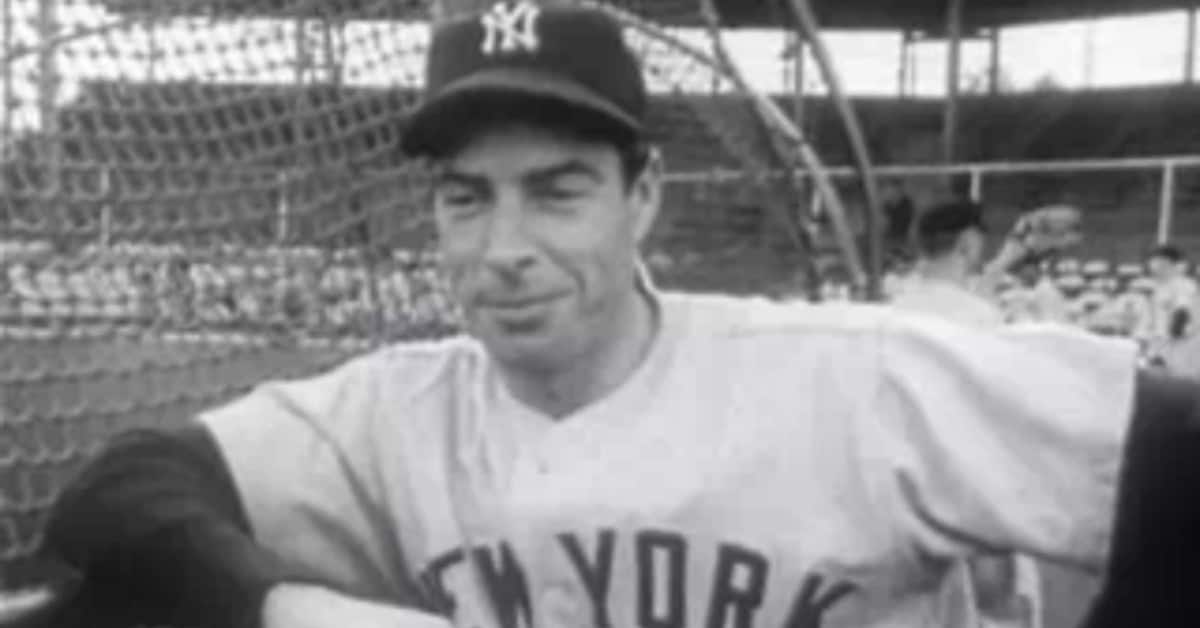
Joltin’ Joe’s 56-game hitting streak in 1941 captivated America like a real-life superhero story, with radio announcers breathlessly updating the nation on each at-bat. DiMaggio’s swing was as smooth as his slicked-back hair and twice as reliable, turning baseball into appointment television before television existed. When the streak finally ended, it felt like watching Superman lose his cape—shocking, devastating, and somehow unthinkable.
Carlton Fisk Willing That Home Run Fair with Body English
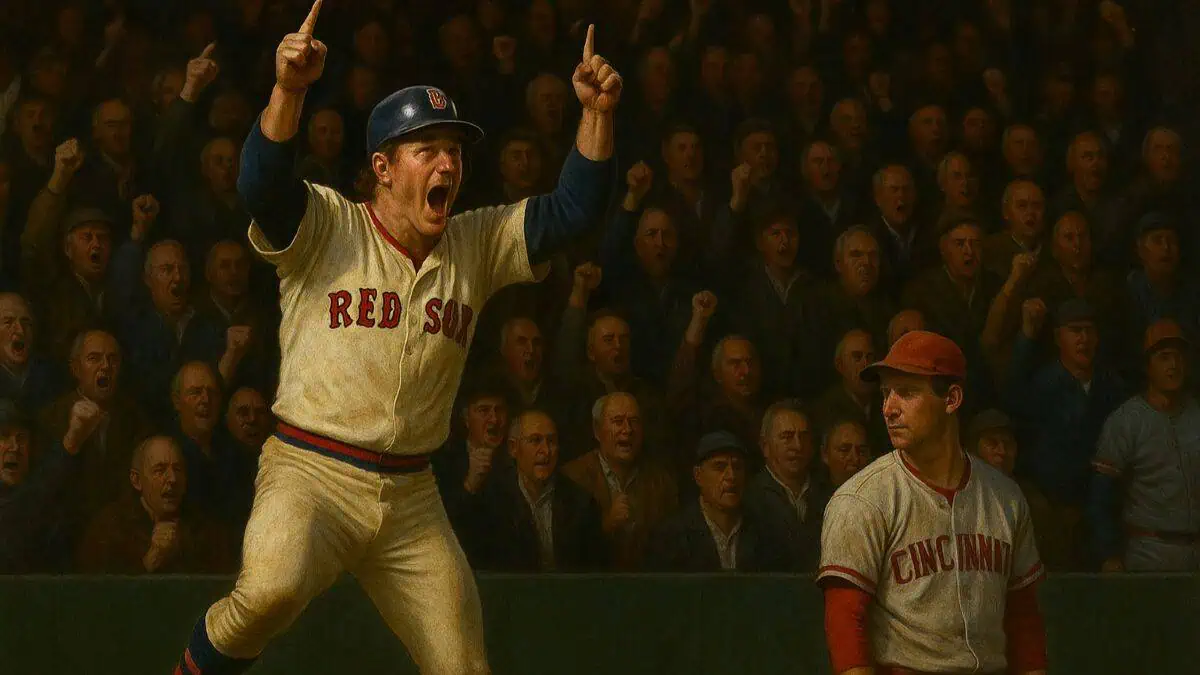
Fisk’s 12th-inning home run in Game 6 of the 1975 World Series wasn’t just a swing—it was a full-body prayer, complete with arm waving and soul pleading that turned physics into faith. The image of Pudge frantically gesturing the ball fair became baseball’s most iconic moment, a freeze-frame of pure desperation and joy. When that ball finally curved around the foul pole, it didn’t just win a game—it created the template for clutch hitting forever.
Evan Longoria’s Clutch September That Saved Tampa Bay’s Season
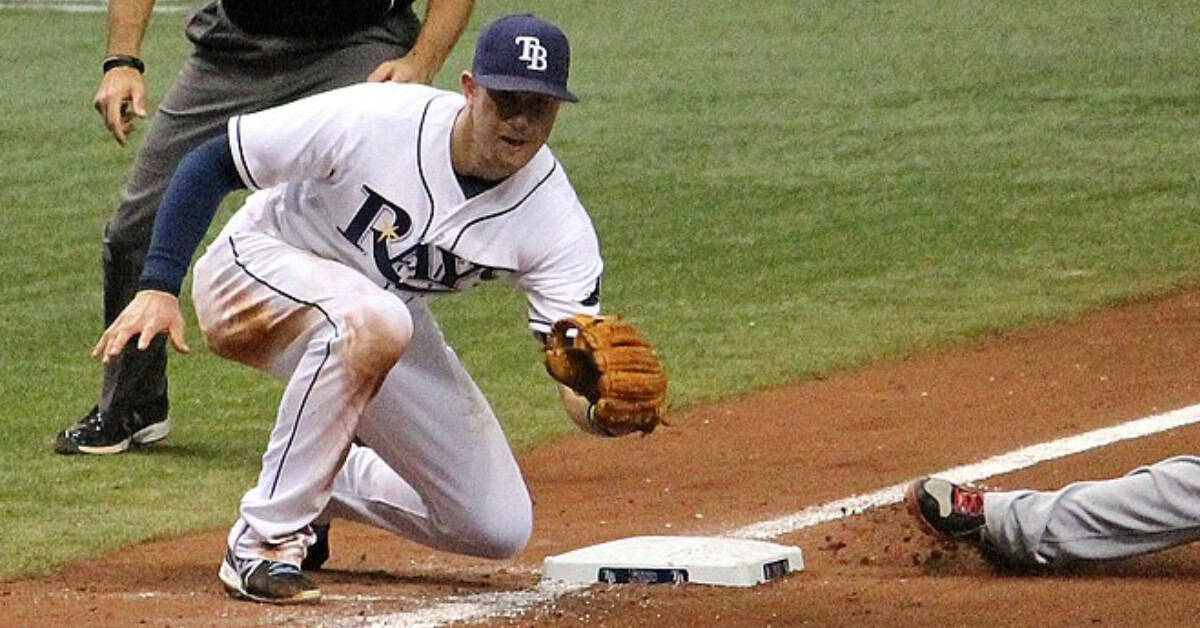
Longoria’s walk-off home run on the final night of the 2011 season didn’t just send Tampa Bay to the playoffs—it completed one of the most improbable comebacks in baseball history. With the Red Sox simultaneously collapsing in Baltimore, Longo’s swing off Yankee closer Mariano Rivera felt like destiny wrapped in cowhide. That moment turned the Trop from a mausoleum into a madhouse, proving that miracles still happen in September.
Jim Rice’s Line Drives That Could Decapitate Infielders
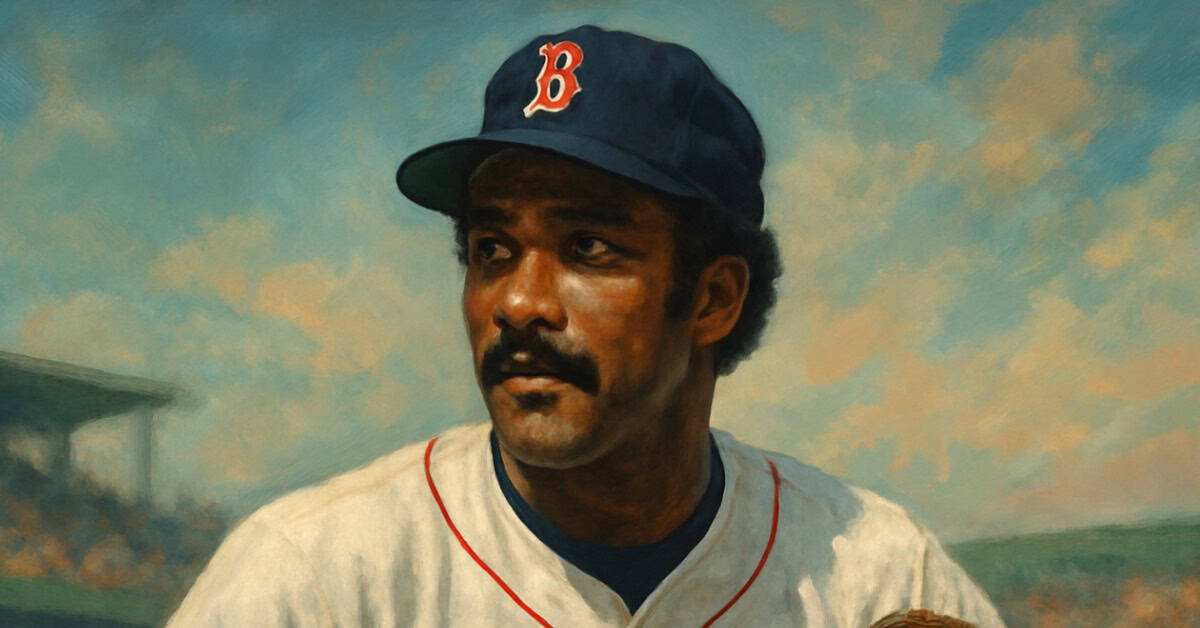
Rice didn’t just hit baseballs—he launched missiles that made infielders question their life insurance policies and career choices. His line drives came off the bat with such violence that they seemed to bend the laws of physics, turning routine grounders into potential homicides. When Jim Rice dug into the batter’s box, smart fielders took a step back and said a quick prayer to whatever baseball gods were listening.
Roberto Alomar’s Slick Fielding That Made Second Base Look Easy
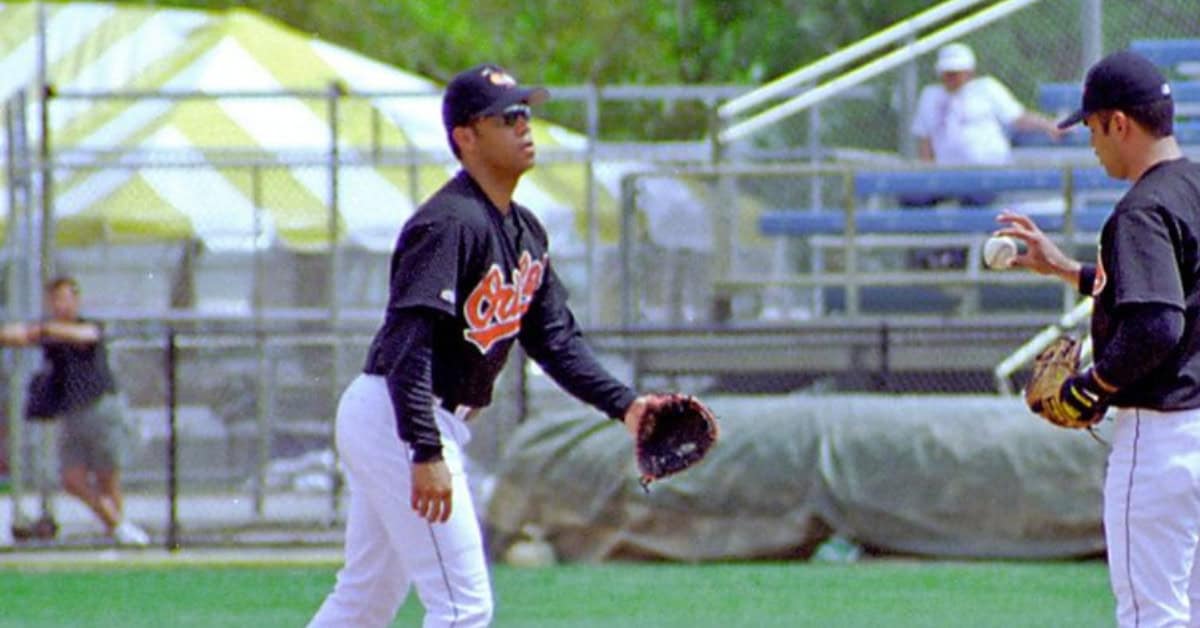
Alomar didn’t just turn double plays—he choreographed ballet performances with a baseball and glove, making the impossible look as routine as brushing your teeth. His hands were softer than cashmere and quicker than a pickpocket, turning second base into his personal art gallery. When Roberto was manning the keystone, ground balls didn’t just get fielded—they got transformed into poetry in motion.
Roger Clemens Throwing 100 MPH Heat When Radar Guns Were New
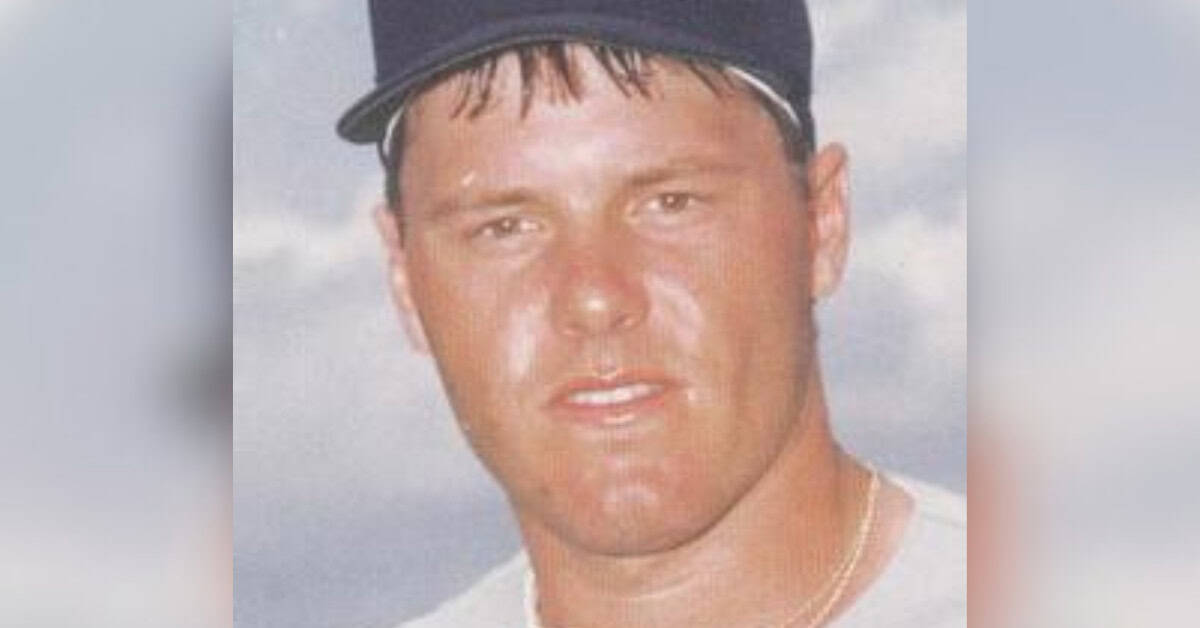
The Rocket’s fastball didn’t just blow by hitters—it announced its arrival with the kind of authority that made catchers’ mitts smoke and batters’ knees buckle. Clemens struck out 20 Mariners in 1986 when that number seemed as impossible as landing on Mars, his heater rising through the zone like a heat-seeking missile. When Roger wound up and fired, you could almost hear the air molecules screaming for mercy.
Frank Robinson’s Moonshots That Left Memorial Stadium
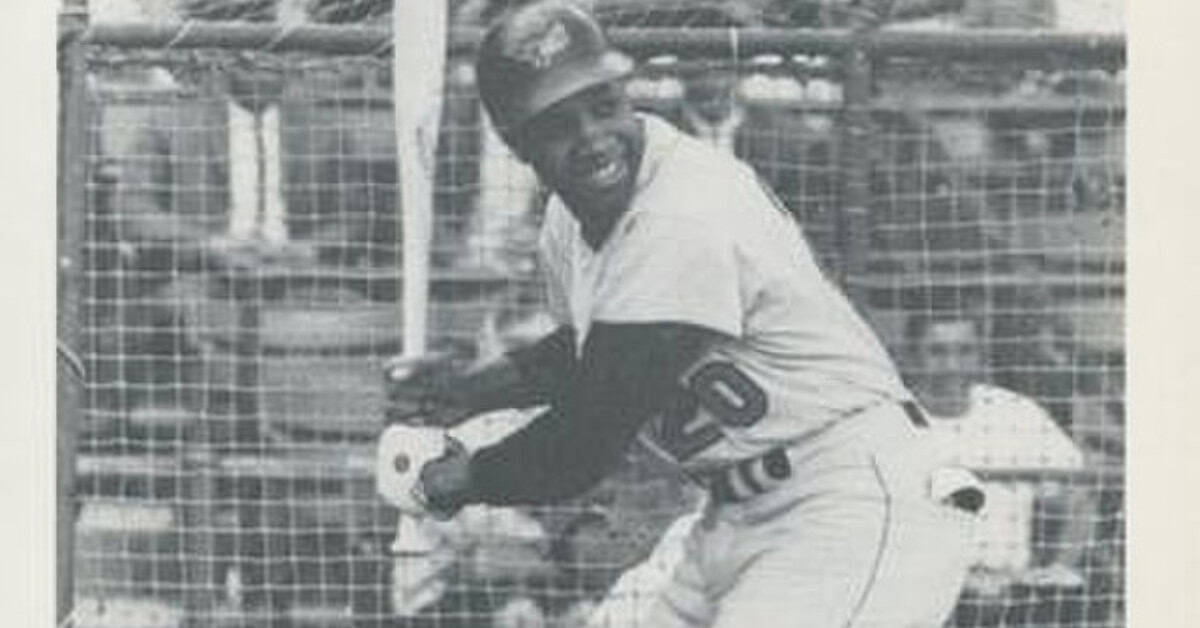
Frank Robinson’s home runs didn’t just clear the fence—they left the zip code entirely, sailing into Baltimore neighborhoods like guided missiles with serious attitude. The first African American manager in MLB history, Robinson commanded respect with both his bat and his presence, turning Memorial Stadium into his personal launching pad. When Frank connected, fans didn’t just cheer—they ducked for cover and checked their car windshields.
Wade Boggs Hitting .300 Whether He Wore Red Sox or Yankees Pinstripes
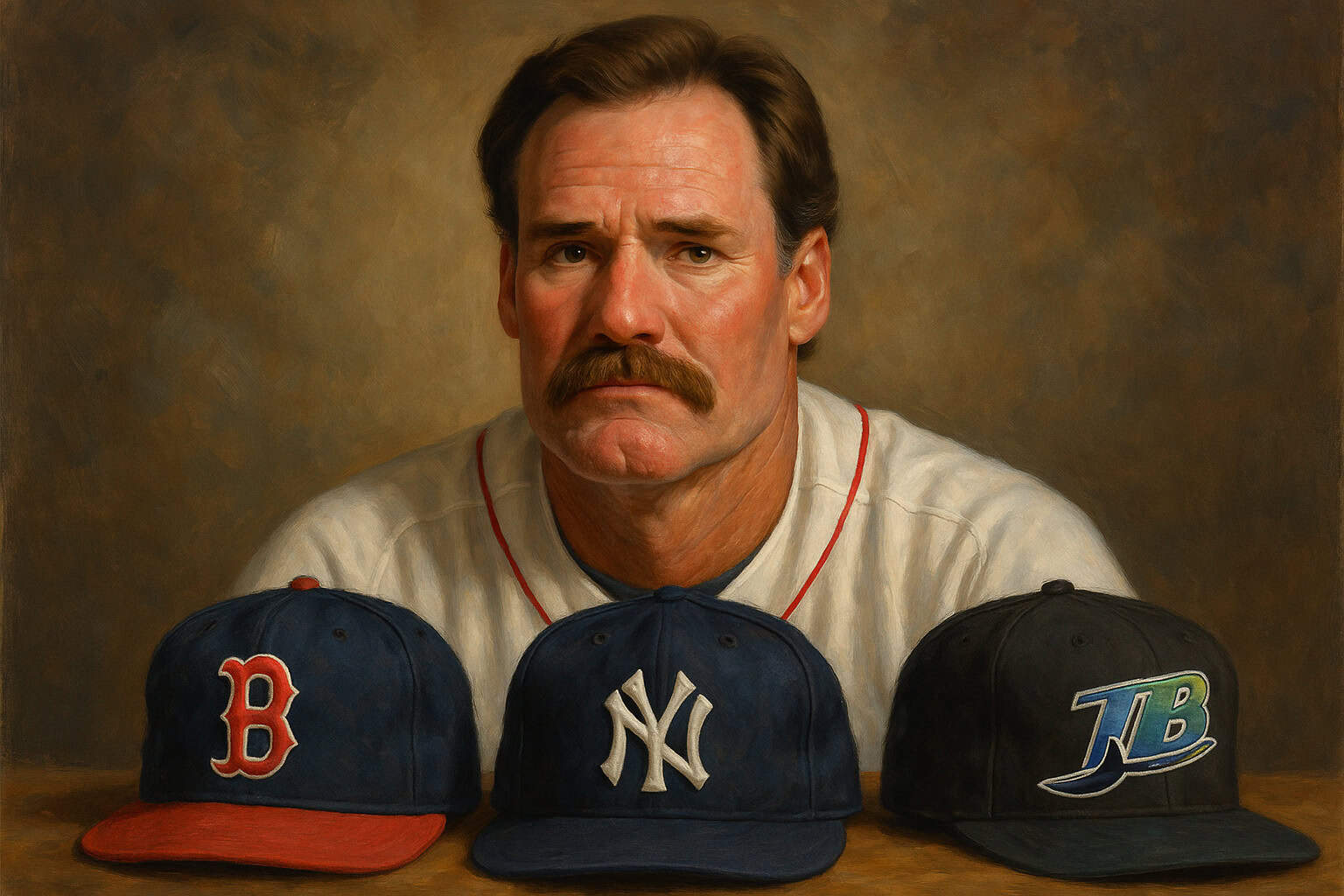
Boggs turned hitting .300 into a religious ritual, complete with pre-game chicken dinners and superstitions that would make a fortune teller blush. Whether he was breaking Red Sox hearts by signing with the Yankees or riding a police horse around Yankee Stadium after winning the World Series, Wade’s bat stayed consistent. Even in Tampa Bay at the end of his career, his swing was smoother than his off-field controversies, and twice as reliable as his dietary habits.
Mickey Mantle’s Tape-Measure Home Runs From Both Sides of the Plate
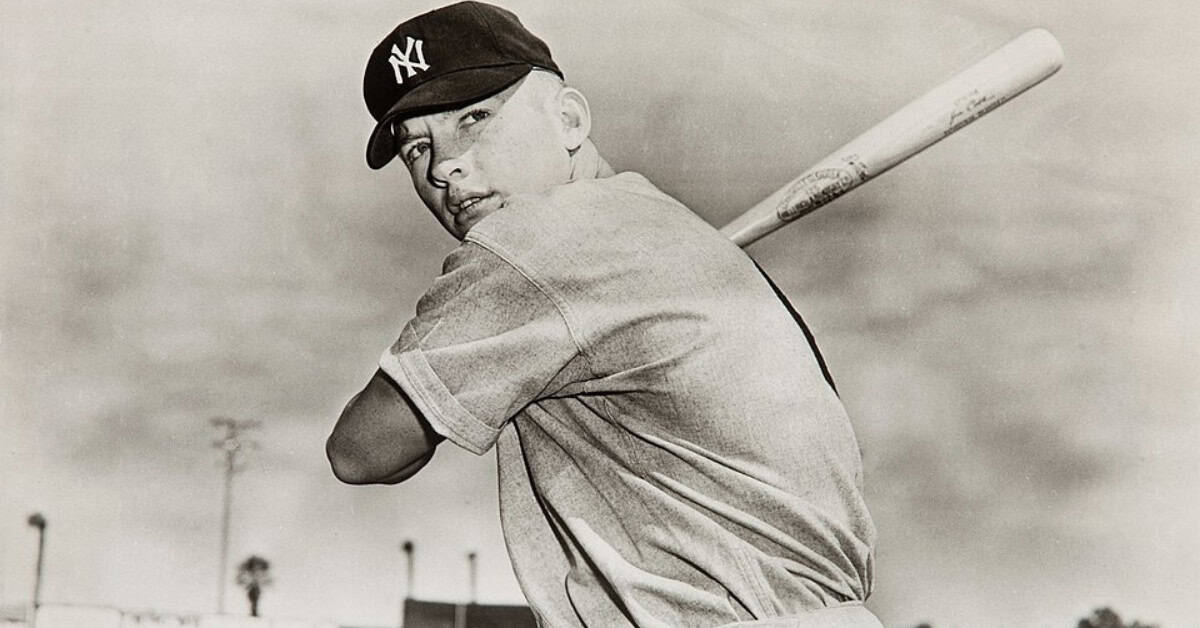
The Mick’s switch-hitting power defied both logic and gravitational pull, launching baseballs into orbit with equal authority from either side of the plate. Mantle’s home runs weren’t just measured in feet—they were measured in legends, with each moonshot adding another chapter to his mythical status. Playing on knees held together by tape and pure stubbornness, Mickey turned Yankee Stadium into his personal rocket launching facility.
Jim Palmer’s Curveball That Dropped Off the Table Like a Dying Quail
Palmer’s curveball didn’t just break—it shattered hitters’ dreams and confidence with the kind of devastating drop that made grown men weep into their batting helmets. The Orioles ace combined movie-star looks with Hall of Fame stuff, turning Memorial Stadium into his personal showcase for pitching perfection. When Palmer’s curve was working, batters looked like they were swinging at soap bubbles in a hurricane.
David Ortiz’s Clutch Postseason Bombs That Broke the Curse
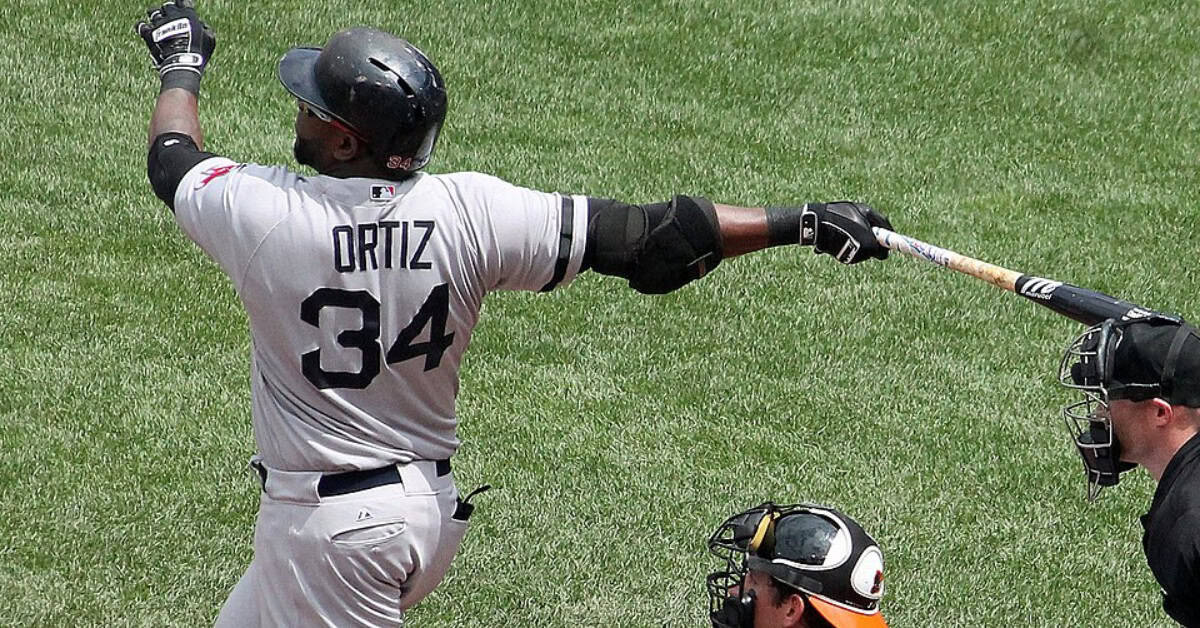
Big Papi didn’t just hit clutch home runs—he performed exorcisms on 86 years of Red Sox heartbreak, one mammoth swing at a time. His postseason heroics in 2004 didn’t just beat the Yankees—they rewrote the laws of physics and probability, turning impossible comebacks into inevitable destiny. When Ortiz stepped into the box in October, Fenway Park felt less like a ballpark and more like a cathedral where miracles happened nightly.
Brooks Robinson’s Glove That Turned Third Base Into a Vacuum Cleaner
The Human Vacuum Cleaner didn’t just field ground balls—he inhaled them with the kind of supernatural ability that made opposing batters question the fundamental laws of physics. Robinson’s glove work in the 1970 World Series was so spectacular that even Reds fans had to applaud, watching their sure hits disappear into Brooks’ mitt like magic tricks performed in broad daylight. When Brooks was guarding the hot corner, third base became less of a position and more of a black hole where baseballs went to die.
Babe Ruth Pointing to the Bleachers Like He Owned the Place

Whether the Bambino actually called his shot in the 1932 World Series or just happened to point at the exact spot where he’d launch his next home run, the legend became bigger than the truth. Ruth’s swagger was as massive as his appetite, turning every at-bat into theater and every home run into mythology that still echoes through ballparks today. The Sultan of Swat didn’t just change baseball—he invented the very idea that sports could be entertainment, spectacle, and pure American magic all rolled into one unforgettable package.