

Last Updated: June 17th, 2026 by Michael Schatz
The 1970s were a golden era for left field, when the position was dominated by sluggers who could launch moonshots into the upper deck while the smell of hot dogs and cigarette smoke drifted through packed stadiums. These were the days when players stayed with one team for decades, becoming local legends who defined an entire generation’s love affair with baseball.
Don't lose this article. Enter your email below, and I'll send it to you right now. Plus, we'll send you other unbelievable stories from baseball's past.
Carl Yastrzemski – The Last Triple Crown King Still Patrolling Fenway
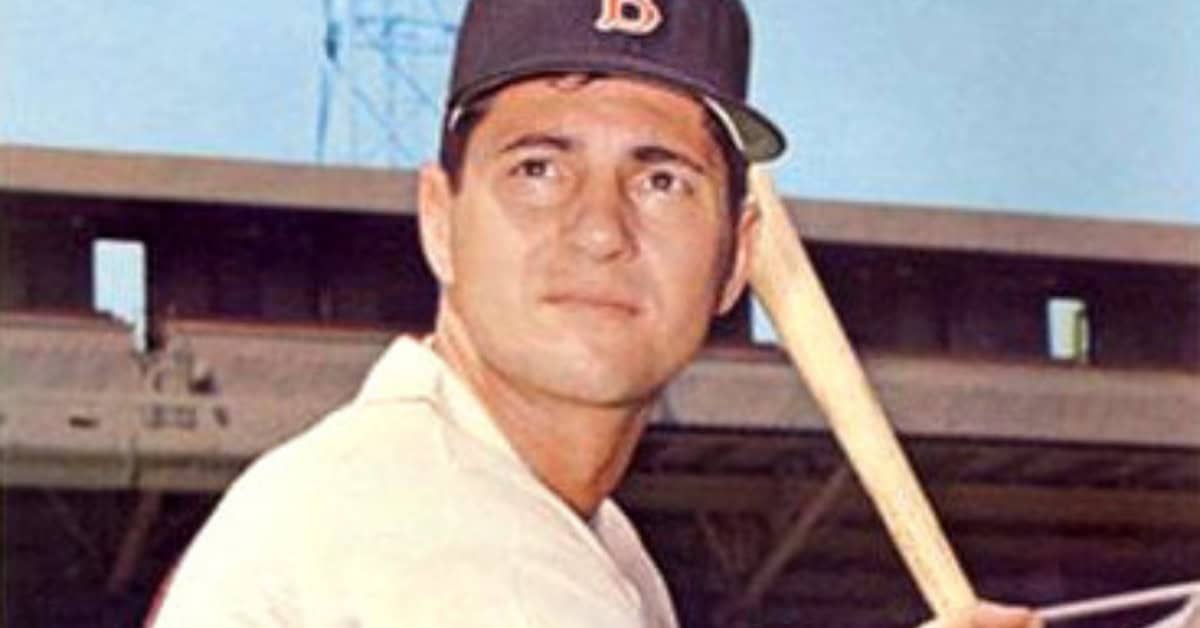
Yaz owned the Green Monster like no one before or since, turning that towering left field wall into his personal launching pad during the magical 1967 season when he captured the last Triple Crown. His distinctive batting stance—crouched low with his menacing glare—became as iconic as Fenway itself. Throughout the entire decade of the ’70s, he remained Boston’s heart and soul, accumulating over 96 career WAR while making left field look like an art form.
Jim Rice – The Intimidating Slugger Who Made Pitchers Sweat
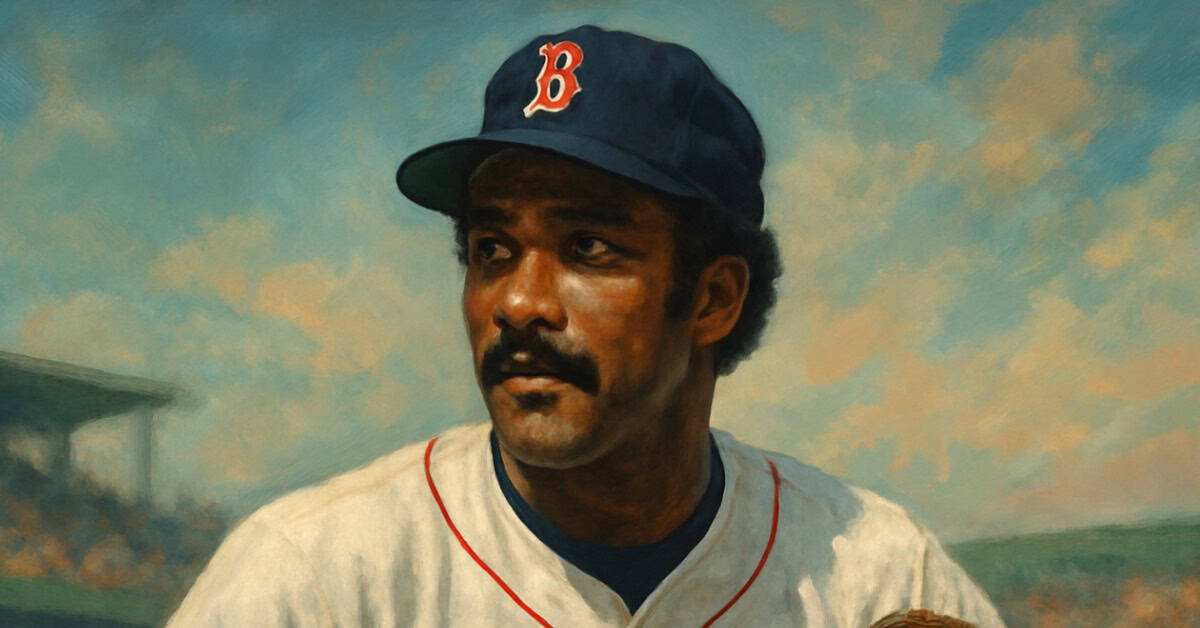
Rice’s bat made sounds that echoed through stadiums like cannon fire, and his 1978 MVP season remains one of the most dominant offensive displays in baseball history. He became the first player in 19 years to reach 400 total bases, terrorizing American League pitching with a combination of raw power and clutch hitting that made him must-see television. When Rice stepped into the box, you could feel the electricity in the air—and pitchers could feel their confidence slipping away.
George Foster – Cincinnati’s RBI Machine During the Big Red Era
Foster was the perfect cleanup hitter for the Big Red Machine, driving in runs with the mechanical precision of a factory assembly line. His 149 RBIs in 1977 led the National League and helped cement his reputation as one of the most clutch hitters of the decade. Playing in the shadow of Johnny Bench and Joe Morgan, Foster quietly became the offensive engine that powered Cincinnati’s championship dreams throughout the mid-’70s.
Greg Luzinski – “The Bull” Who Terrorized National League Pitching
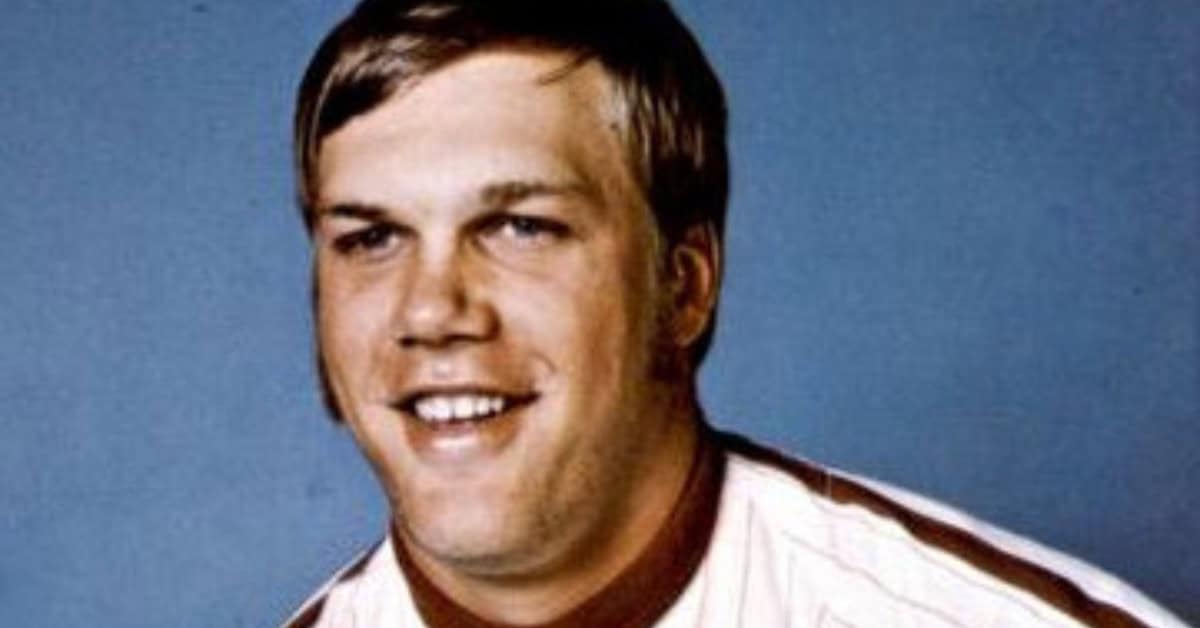
Luzinski earned his nickname “The Bull” through sheer brute force, turning Veterans Stadium into his personal home run derby throughout the decade. His massive frame and violent swing made him a fan favorite in Philadelphia, where his tape-measure blasts became the stuff of legend. The Bull’s presence in the Phillies lineup was so intimidating that pitchers often chose to walk him rather than risk serving up another meatball to his devastating power stroke.
Billy Williams – The Sweet-Swinging Cubs Legend in His Prime
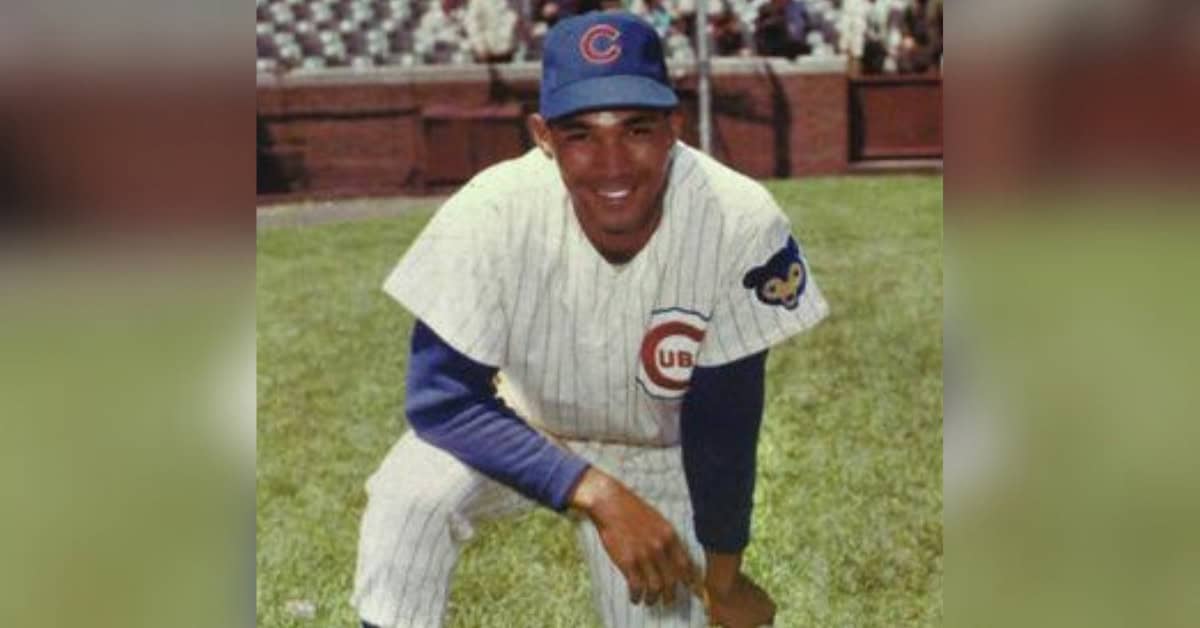
Williams possessed the smoothest swing in baseball—a thing of beauty. His swing made hitting look effortless, even when he was crushing 400-foot home runs. His consistency was legendary: he played in 1,117 consecutive games and never seemed to have a bad day at the plate. At Wrigley Field, where the ivy grew thick and the beer flowed freely, Williams was the steady heartbeat of Cubs baseball during some lean years for the franchise.
Willie Stargell – “Pops” and His Booming Home Runs Over Forbes Field
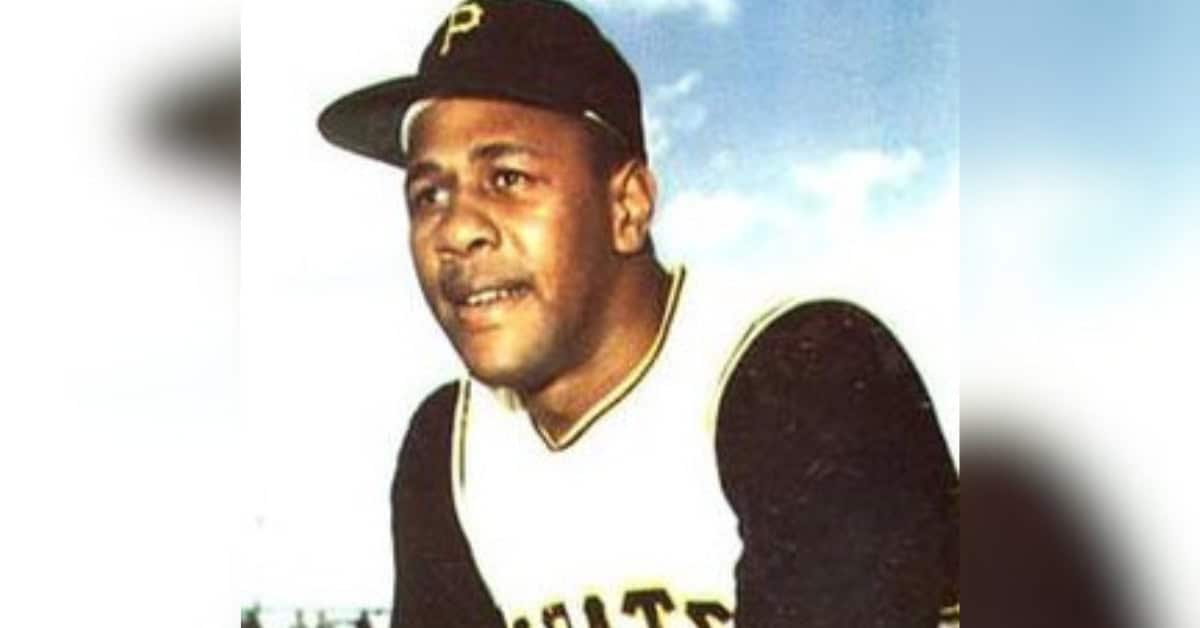
Stargell’s home runs didn’t just clear the fence—they demolished it, sailing into the Pittsburgh night like guided missiles launched from his powerful shoulders. “Pops” became the spiritual leader of the Pirates’ championship teams, distributing gold stars to teammates while launching baseballs into orbit. His windmill swing and infectious personality made him beloved throughout the Steel City, where his mammoth blasts became measuring sticks for power hitters everywhere.
Dusty Baker – The Steady Professional Who Did Everything Well
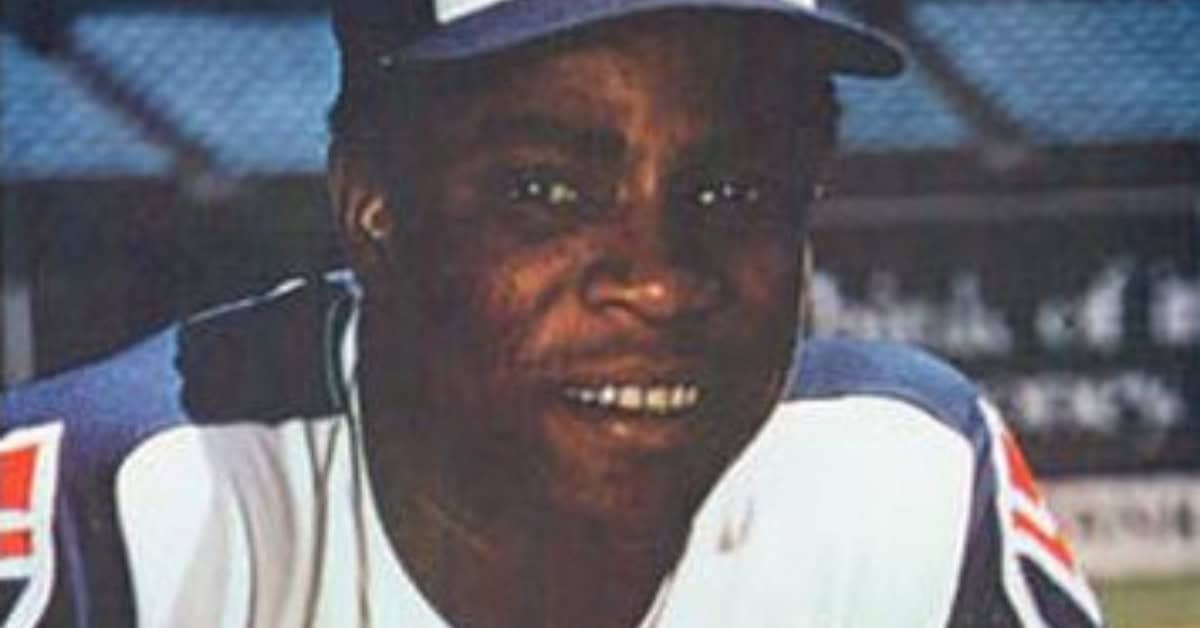
Baker was the ultimate professional—a player who showed up every day ready to contribute, whether the team needed a clutch hit, a stolen base, or solid defense. His steady presence in the Dodgers lineup provided the perfect complement to flashier teammates, and his baseball IQ was evident in every at-bat. Long before he became a legendary manager, Baker was the kind of player coaches dream about: reliable, intelligent, and always ready when the moment mattered most.
Jose Cardenal – The Colorful Character with the Perfect Swing
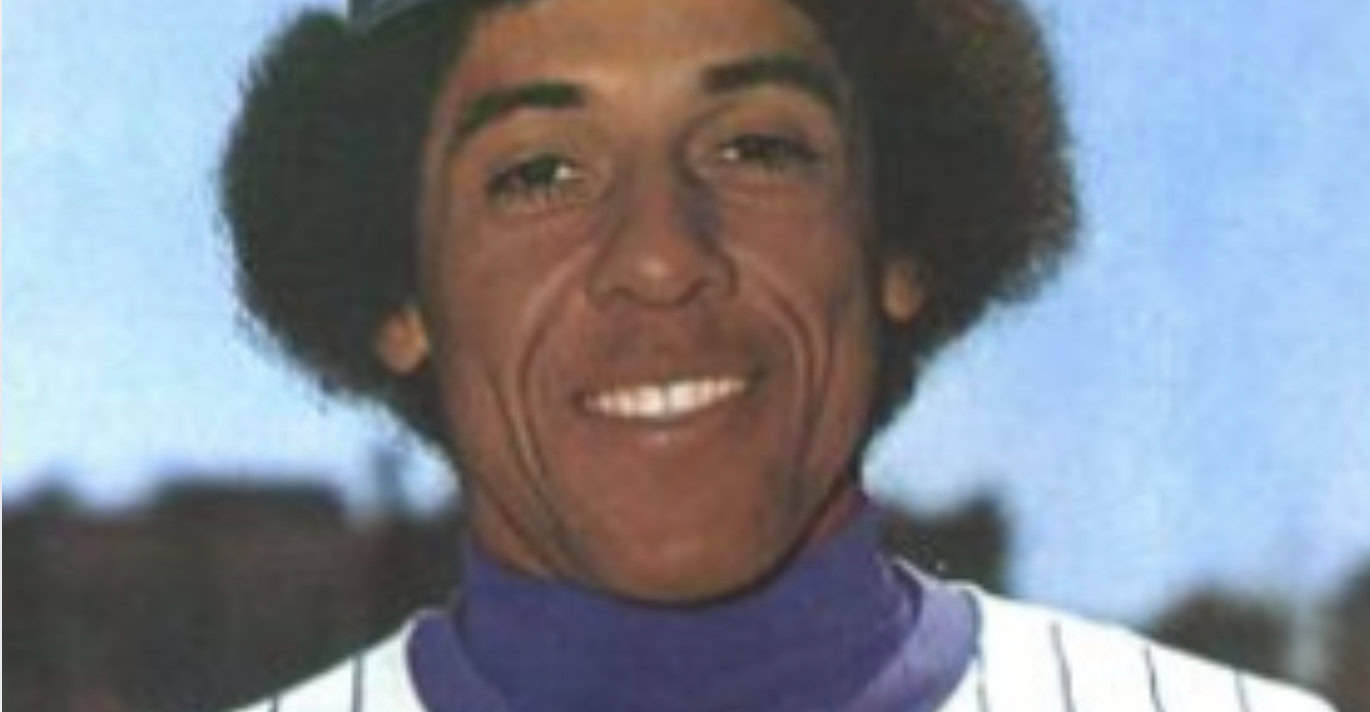
Cardenal brought flair to everything he did, from his distinctive batting stance to his colorful personality that made him a fan favorite wherever he played. His smooth swing produced consistent results throughout the decade, and his ability to get on base made him a valuable leadoff hitter. Whether he was wearing a Cubs uniform or representing other teams, Cardenal’s infectious enthusiasm and solid fundamentals made him one of the decade’s most underrated performers.
Lou Piniella – The Scrappy Competitor Who Never Backed Down
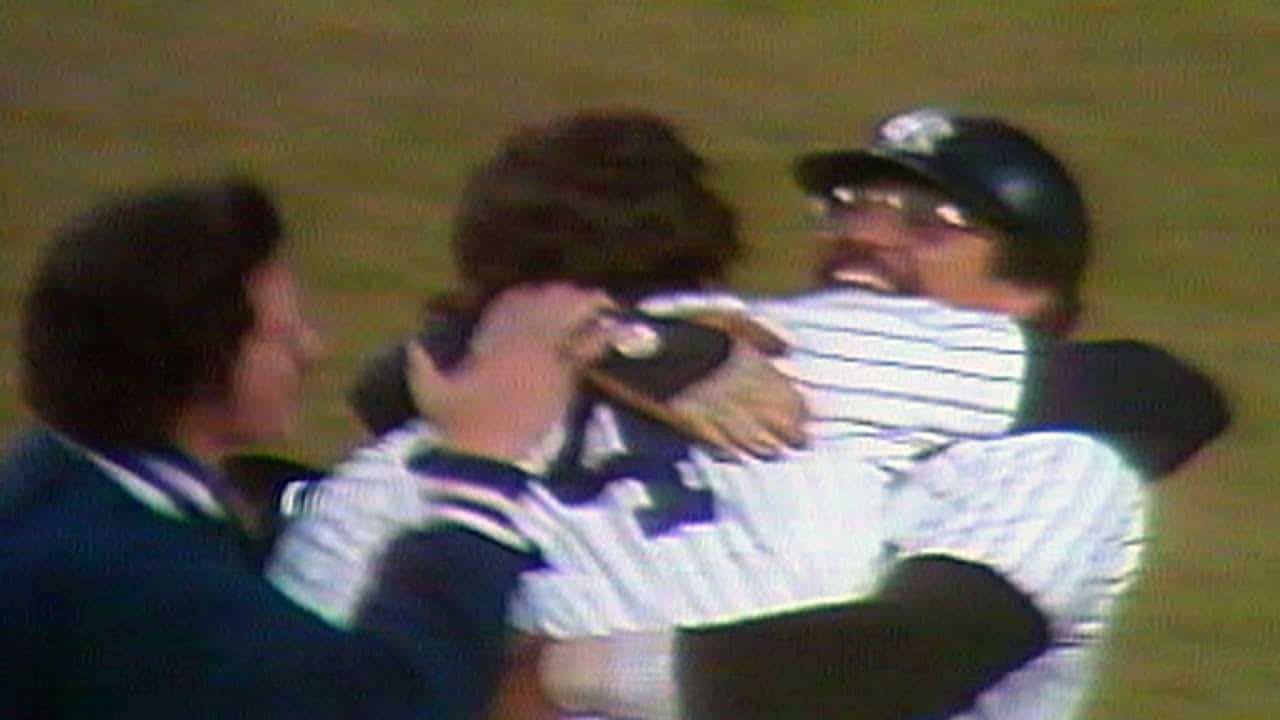
Piniella played with the heart of a warrior, turning every at-bat into a personal battle between him and the pitcher. His fiery temperament and clutch hitting made him a perfect fit for the Yankees dynasty of the late ’70s, where his intensity matched the city’s demanding expectations. Sweet Lou’s competitive fire burned so brightly that you could see it from the cheap seats, and his ability to deliver in pressure situations made him a postseason legend.
Rusty Staub – “Le Grand Orange” and His Clutch Hitting Magic

Staub’s red hair earned him his French nickname, but his clutch hitting earned him respect throughout the National League. He possessed an uncanny ability to deliver the big hit when his team needed it most, making him one of the most valuable players of the decade despite never putting up gaudy power numbers. “Le Grand Orange” was the kind of hitter who made pitchers nervous in late-inning situations, always seeming to find a way to get on base when the game was on the line.
Dave Parker – The Cannon-Armed Outfielder in His Early Years
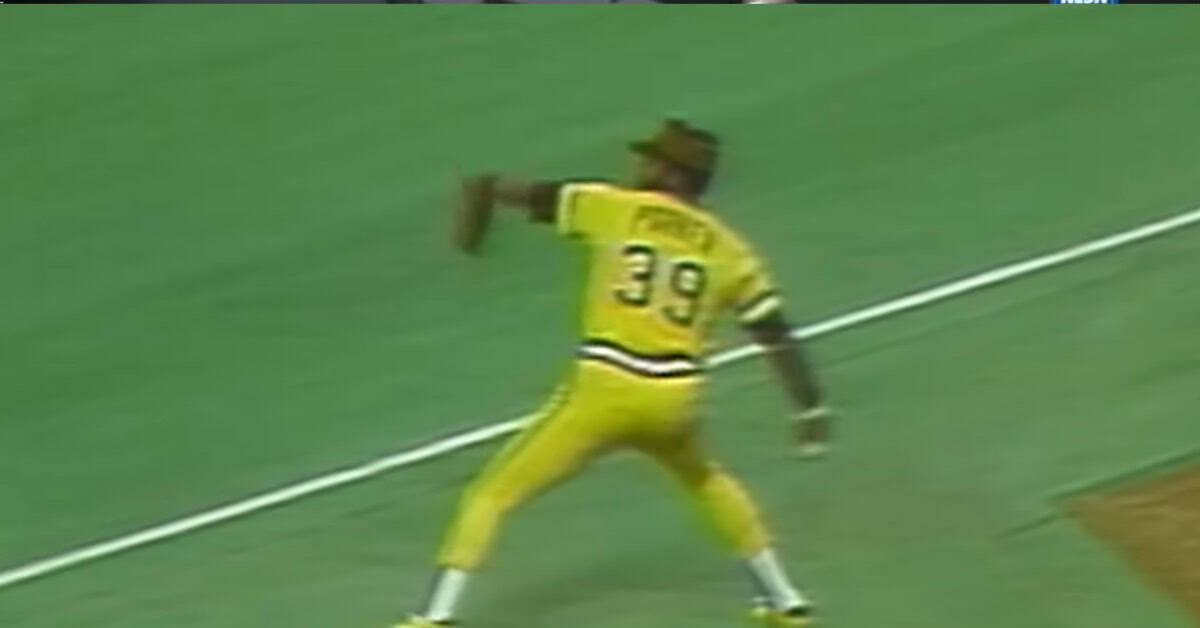
Parker’s arm was so strong that baserunners would think twice about testing him, even from second base. His combination of power hitting and defensive excellence made him one of the most complete players in the game during the late ’70s. The Cobra’s swagger and gold chains epitomized the flashy style of the era, and his ability to intimidate opponents both at the plate and in the field made him a cornerstone of Pittsburgh’s championship teams.
Gary Matthews – The Smooth Operator Who Could Do It All
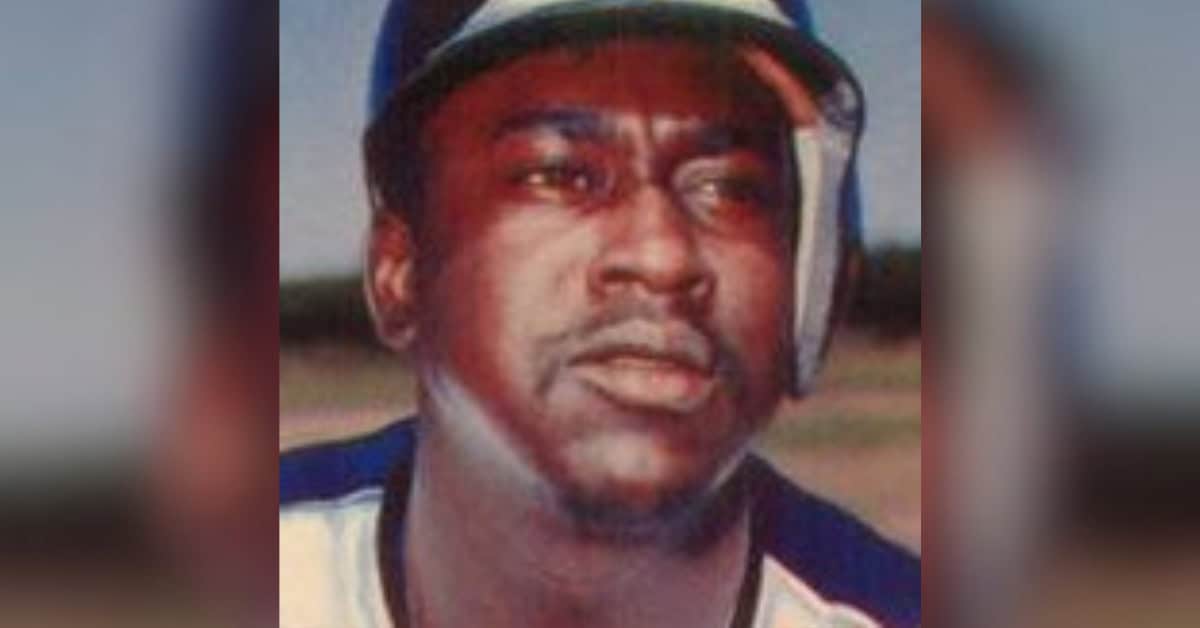
Matthews played the game with an effortless grace that made difficult plays look routine and routine plays look artistic. His smooth swing produced consistent offensive numbers, while his defensive instincts kept him among the league’s most reliable outfielders. “Sarge” was the kind of player who elevated his teammates’ game simply by being on the field, bringing a professional approach that younger players could emulate and veterans could respect.
Ralph Garr – “The Roadrunner” Who Terrorized Base Paths
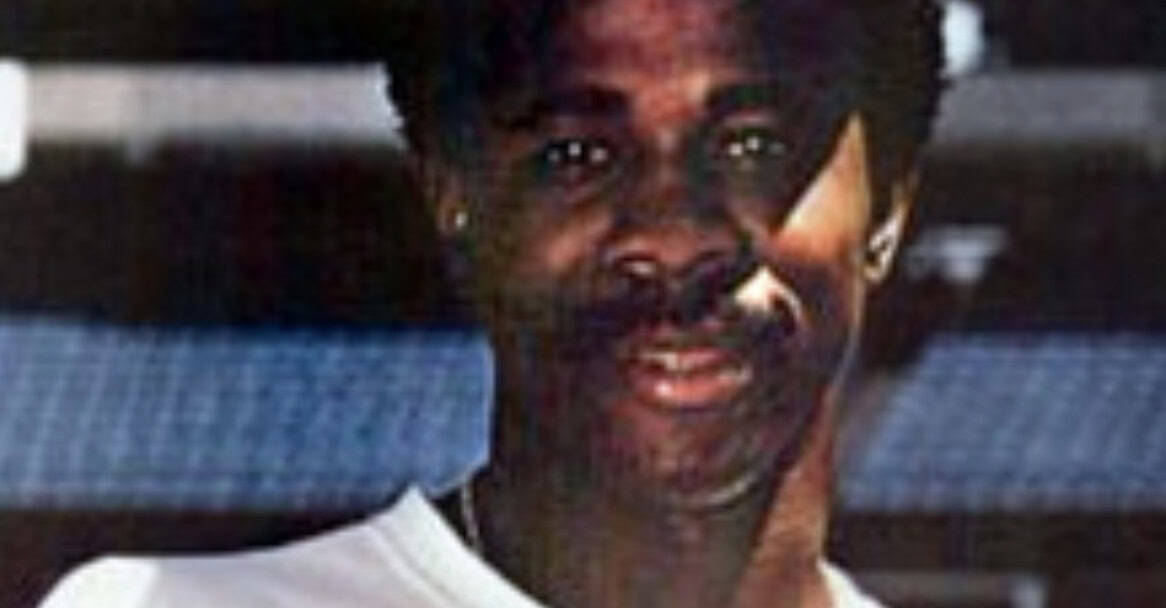
Garr’s speed was so legendary that his nickname perfectly captured his ability to turn routine grounders into infield hits and stolen base opportunities into guaranteed runs. His aggressive baserunning style kept opposing pitchers constantly looking over their shoulders, disrupting their rhythm and creating scoring opportunities for his teammates. The Roadrunner’s infectious energy and blazing speed made him one of the most exciting players to watch during an era when stolen bases were becoming an art form.
Bobby Bonds – The Five-Tool Talent Before His Son Barry

Bonds possessed the rare combination of power and speed that made him a constant threat to change the game with one swing or one stolen base. His ability to hit 30 home runs and steal 30 bases in the same season was virtually unheard of in the ’70s, making him a pioneer of the modern power-speed combination. Long before his son Barry became a household name, Bobby was establishing the Bonds family legacy as one of baseball’s most naturally gifted lineages.
Richie Zisk – The Underrated Power Hitter Who Delivered
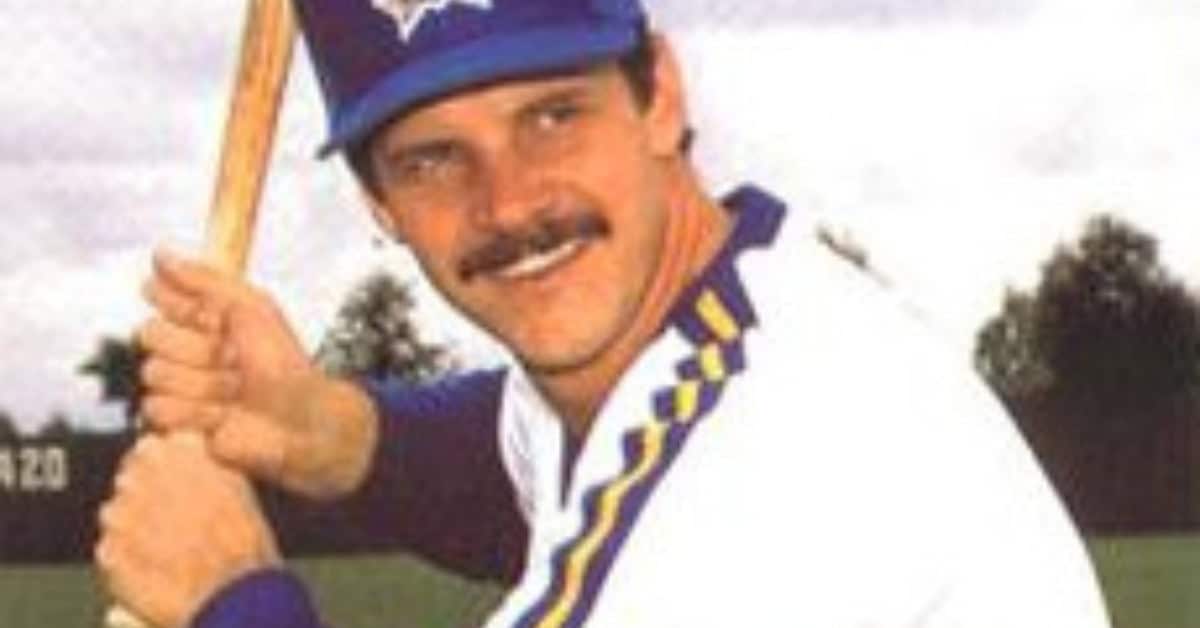
Zisk never got the recognition he deserved, but his consistent power numbers and clutch hitting made him one of the decade’s most reliable offensive performers. His compact swing generated surprising power, and his ability to drive in runs made him a valuable middle-of-the-order presence wherever he played. While other players grabbed headlines, Zisk quietly went about his business of hitting line drives and producing runs with the workmanlike efficiency that defined blue-collar baseball in the ’70s.
Jeff Burroughs – The 1974 MVP Who Packed a Powerful Punch
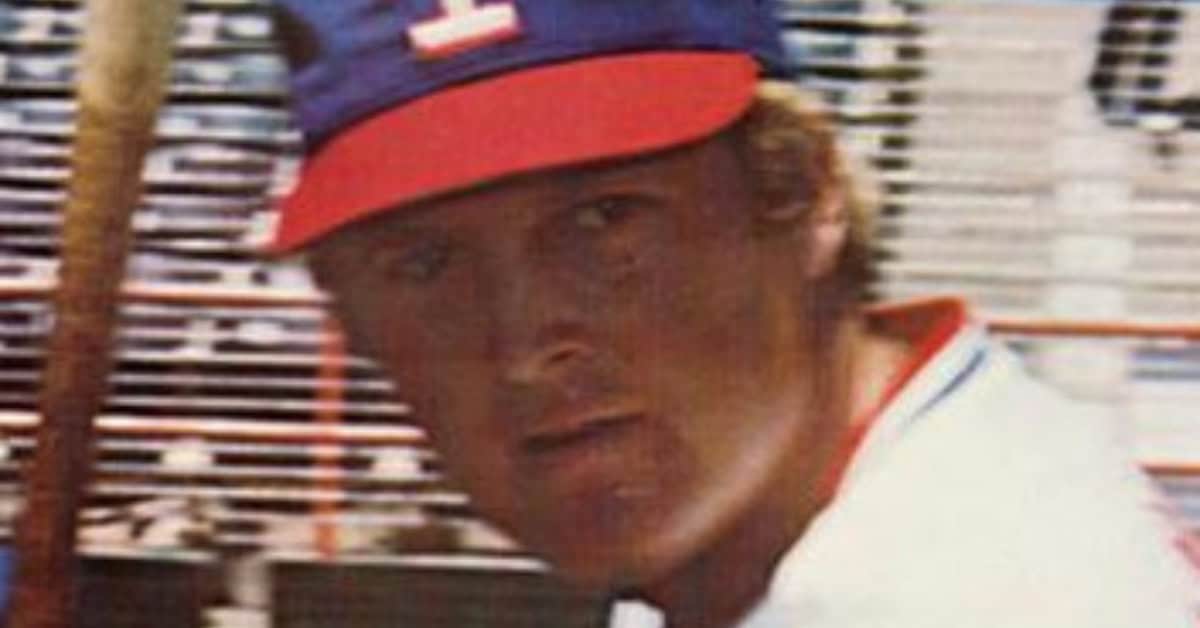
Burroughs’ 1974 MVP season came out of nowhere, as the young slugger suddenly discovered the power stroke that would define his career. His 25 home runs and 118 RBIs that season helped establish him as one of the American League’s premier power threats, and his success in the heat of Texas summers proved his toughness. The MVP award validated what scouts had always believed about Burroughs’ raw talent, finally unleashed in spectacular fashion during his breakthrough campaign.
Oscar Gamble – The Afro-Sporting Slugger Who Crushed Baseballs
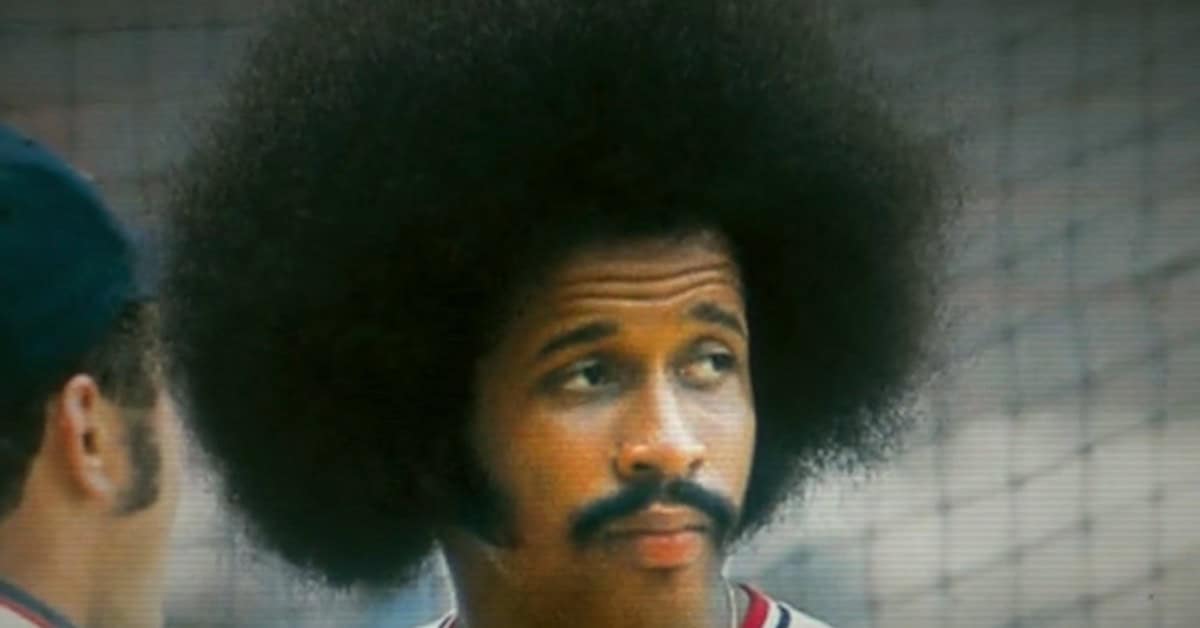
Gamble’s magnificent afro was as distinctive as his powerful swing, making him instantly recognizable in an era when individual style was celebrated. His ability to turn on fastballs and drive them into the upper deck made him a feared pinch-hitter and part-time starter throughout the decade. The combination of his unique look and legitimate power made Gamble a fan favorite wherever he played, proving that baseball was big enough for personalities as large as his legendary hairstyle.
Al Oliver – “Scoop” and His Picture-Perfect Batting Stance

Oliver’s batting stance was so mechanically perfect that hitting coaches used him as a textbook example of proper form. His smooth swing and consistent approach made him one of the most reliable hitters of the decade, capable of hitting for both average and power. “Scoop” earned his nickname through his defensive excellence, but it was his offensive consistency that made him a valuable contributor to every team he joined throughout his lengthy career.
Steve Kemp – The Consistent Hitter Who Never Got His Due

Kemp represented the steady, workmanlike approach that characterized much of 1970s baseball, producing solid offensive numbers without the flash that attracted media attention. His ability to hit for average while providing occasional power made him a valuable lineup piece, though he never received the recognition that his consistent production deserved. In an era dominated by superstars, Kemp was the kind of reliable professional that championship teams were built around, even if his contributions often went unnoticed by casual fans.
Mitchell Page – The Speedy A’s Outfielder Who Could Fly
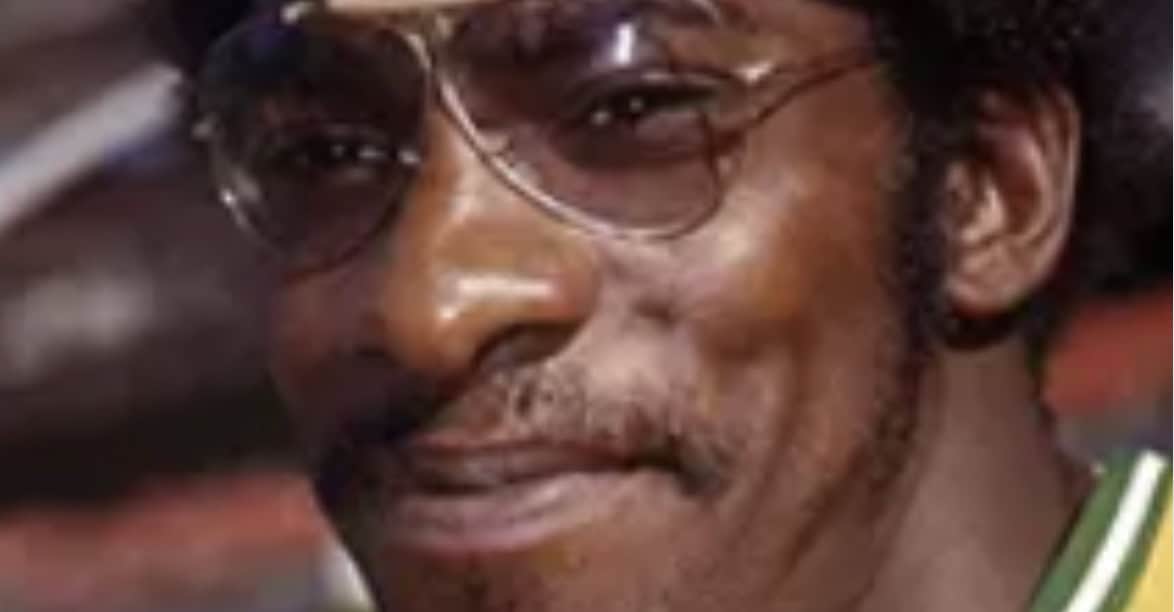
Page brought blazing speed to the Oakland Athletics during their post-championship rebuilding years, turning routine fly balls into doubles and singles into stolen base opportunities. His rookie season showed flashes of brilliance that suggested he could become a star, and his aggressive style of play epitomized the never-say-die attitude that defined Oakland baseball. Though injuries cut short his promising career, Page’s brief moment in the spotlight showcased the kind of raw athleticism that made baseball in the ’70s so exciting to watch.