


Last Updated: June 17th, 2026 by Michael Schatz
Don't lose this article. Enter your email below, and I'll send it to you right now. Plus, we'll send you other unbelievable stories from baseball's past.
The 1970s represented baseball’s golden age of pitching, when larger-than-life personalities dominated from sixty feet, six inches away. From spitballs to knuckleballs, from high kicks to screwballs, these twenty hurlers didn’t just play the game—they defined an era. Join us as we celebrate the men who made the mound their personal kingdom during the decade of disco.
1. Tom Seaver: The Franchise’s Perfect Form

Tom “The Franchise” Seaver defined excellence throughout the 1970s, winning 178 games against 101 losses while pitching primarily for the Mets. His perfect mechanics and devastating repertoire led to three Cy Young Awards and five strikeout titles during the decade. In 1971, he posted an incredible 1.76 ERA, showcasing the dominance that would eventually lead him to Cooperstown.
2. Jim Palmer: Baltimore’s Underwear Model Ace
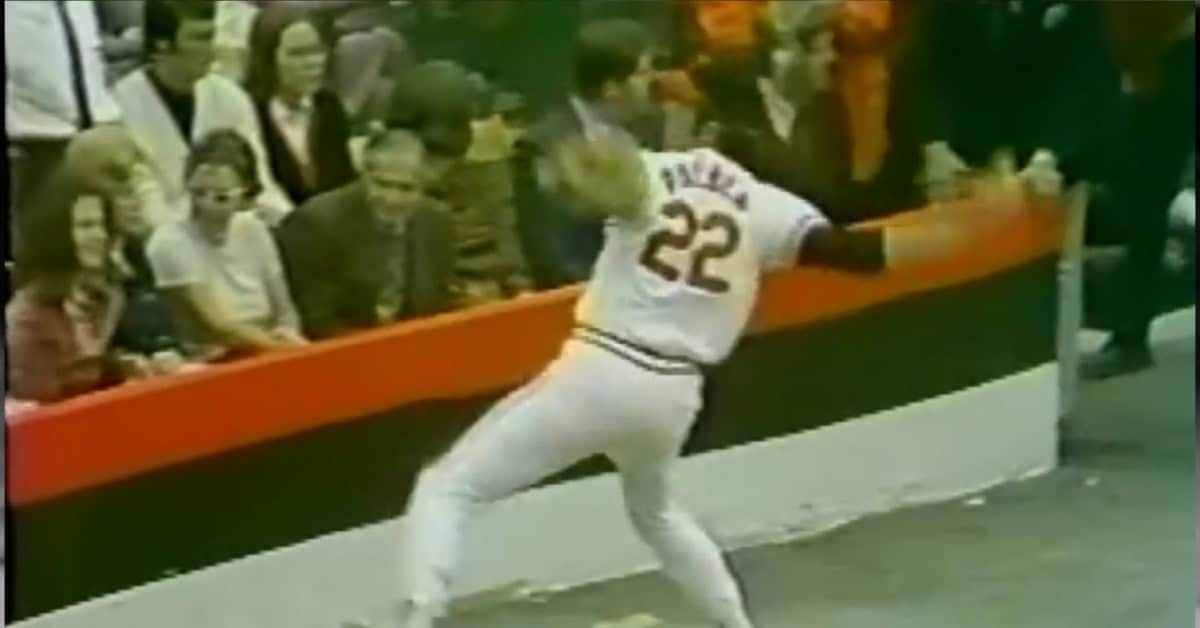
Palmer dominated the decade with three Cy Young Awards (1973, 1975, 1976) and eight 20-win seasons. The Orioles’ ace never surrendered a grand slam in his entire career and maintained impeccable control throughout the era. His high leg kick and model good looks made him the face of both Baltimore baseball and Jockey underwear.
3. Steve Carlton: Lefty’s Silent Dominance

Carlton’s 1972 season stands as one of baseball’s greatest achievements, winning 27 games for a Phillies team that won only 59 total. His 1.97 ERA and 310 strikeouts that year highlighted his mastery of the slider. Lefty’s innovative training methods, including martial arts and underwater exercises, revolutionized pitcher conditioning.
4. Nolan Ryan: The Express Rolls Through
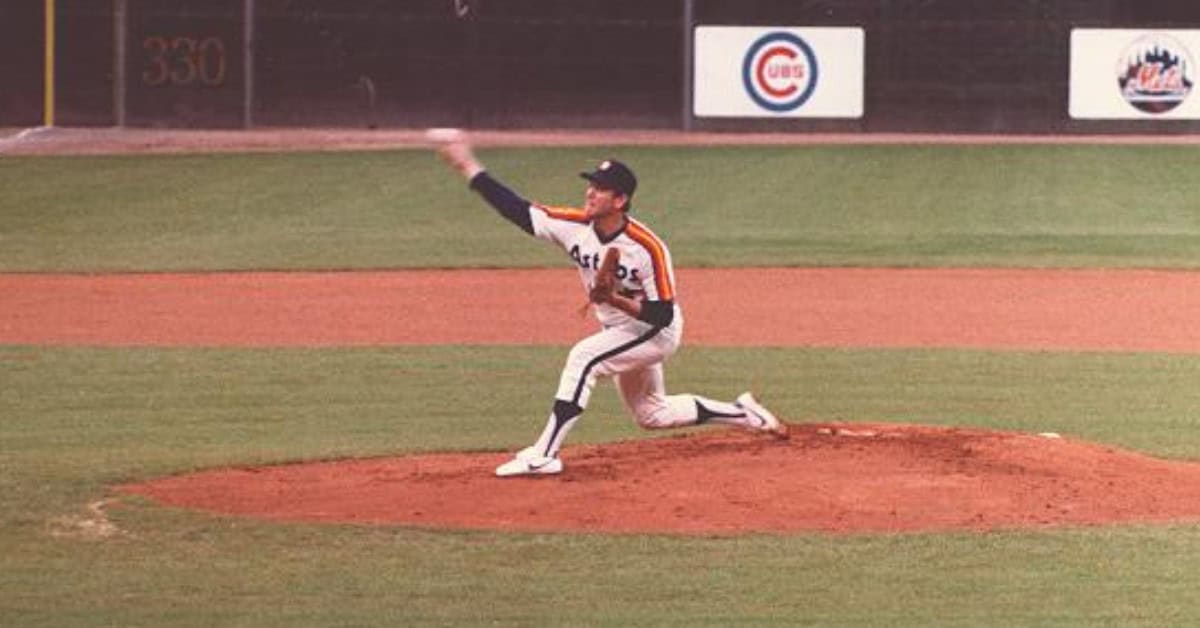
The Ryan Express terrorized batters throughout the ’70s with a fastball that regularly exceeded 100 mph. He led the league in strikeouts seven times during the decade, including a record 383 K’s in 1973. His no-hitters in 1973 and 1974 showcased his dominance, while his legendary durability saw him throw more than 300 innings in multiple seasons.
5. Gaylord Perry: The Spitball Specialist
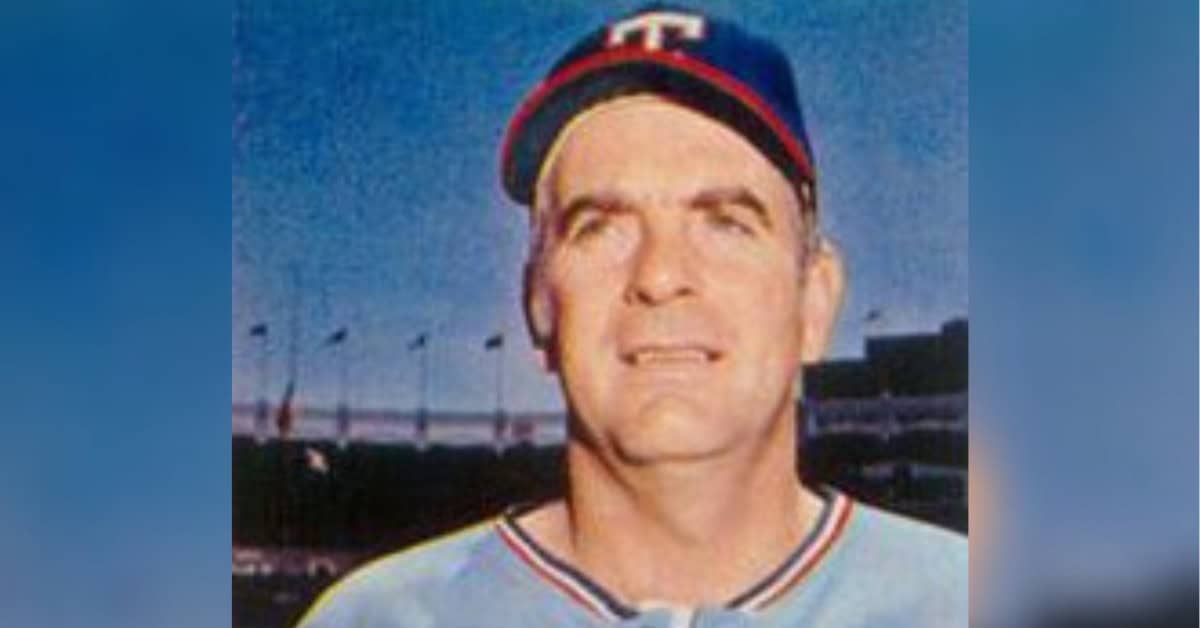
Perry’s reputation for doctoring the baseball was matched only by his incredible skill at actually pitching. He won Cy Young Awards in both leagues (1972 AL, 1978 NL), becoming the first pitcher to accomplish this feat. His autobiography “Me and the Spitter” came out mid-career in 1974, adding to his mystique while he continued winning games with or without extra moisture.
6. Catfish Hunter: The $3.75 Million Man

Hunter became baseball’s first big-money free agent, signing with the Yankees for $3.75 million in 1975. His perfect game in 1968 was just the beginning, as he won 20+ games five straight years (1971-1975). Catfish’s pinpoint control and competitive spirit made him the ace of both the A’s dynasty and the Yankees’ late-70s resurrection.
7. Vida Blue: Oakland’s Velocity King

Blue burst onto the scene in 1971, winning both the Cy Young and MVP awards with a 1.82 ERA and 301 strikeouts. His electric fastball and devastating curve made him the youngest pitcher to throw a no-hitter at the time. As part of the A’s dynasty, he won three straight World Series (1972-1974) while becoming one of baseball’s most popular stars.
8. Don Sutton: The Dodgers’ Iron Man
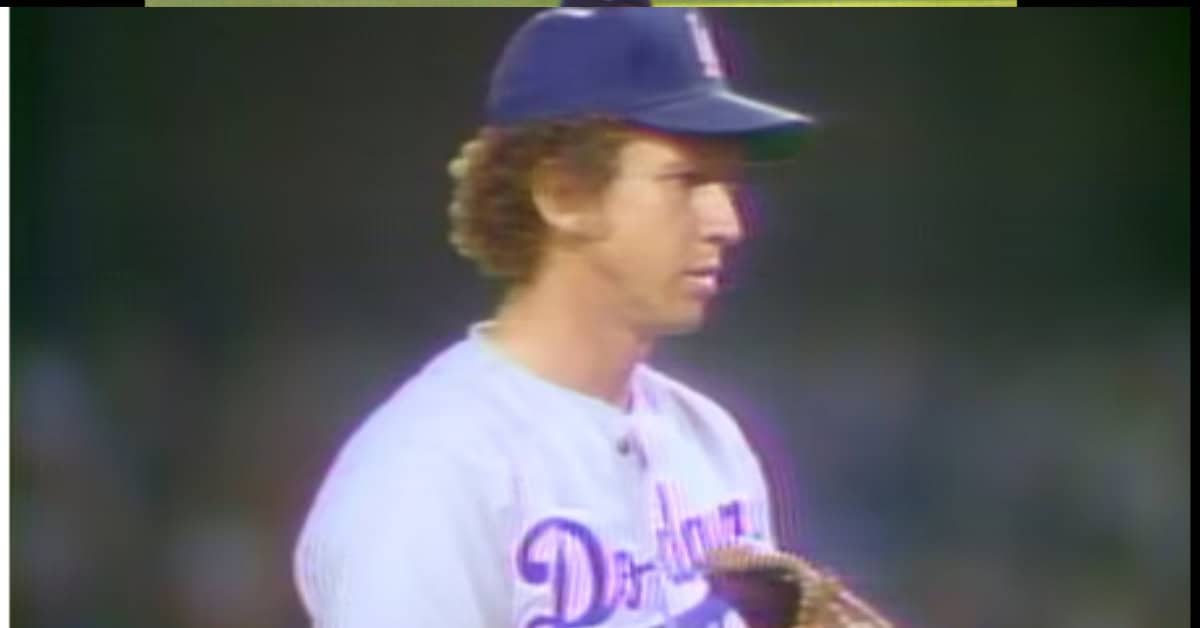
Sutton’s consistency throughout the 1970s was remarkable, as he made at least 30 starts every season. His mastery of the art of pitching led to five All-Star selections during the decade. Though often overshadowed by flashier stars, his durability and effectiveness made him one of the decade’s most reliable arms.
9. Fergie Jenkins: Chicago’s Canadian Craftsman
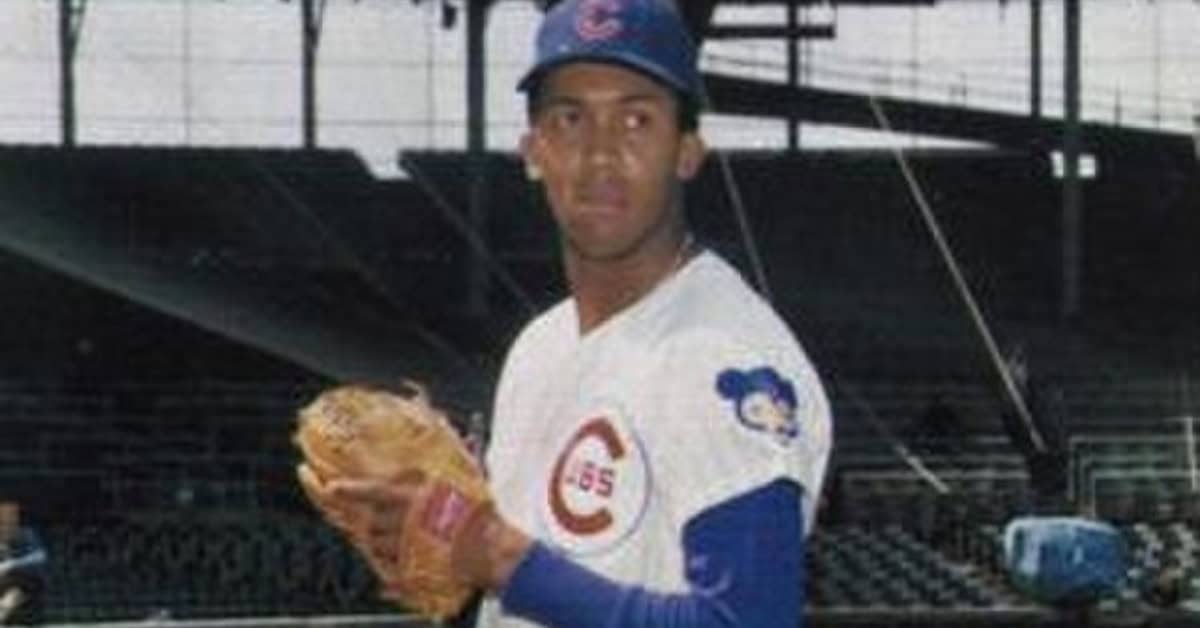
Jenkins’ remarkable control and stamina led to six consecutive 20-win seasons from 1967-1972. The Canadian ace won the 1971 Cy Young Award and led the league in complete games multiple times. His ability to throw strikes and work deep into games made him the model of pitching efficiency.
10. Phil Niekro: Knuckling Through the Seventies
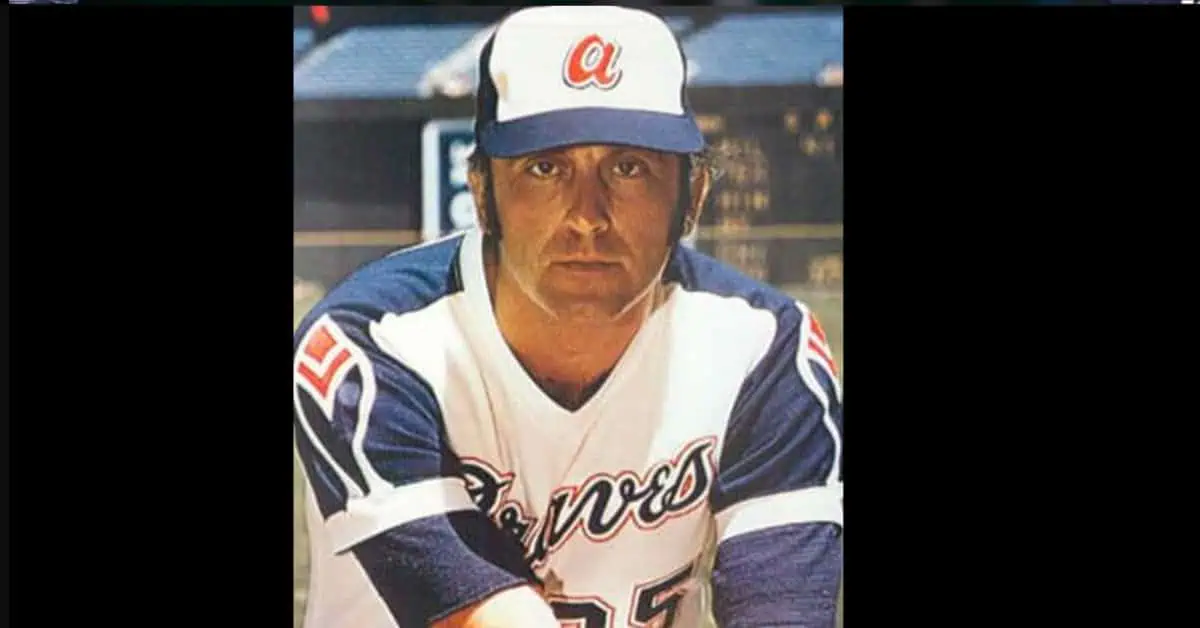
“Knucksie” mastered baseball’s most mysterious pitch, using his dancing knuckleball to win 221 games after turning 30. He led the league in innings pitched four times during the 1970s and complete games three times. His durability and effectiveness made him the decade’s premier knuckleball artist.
11. Bert Blyleven: The Curveball Master
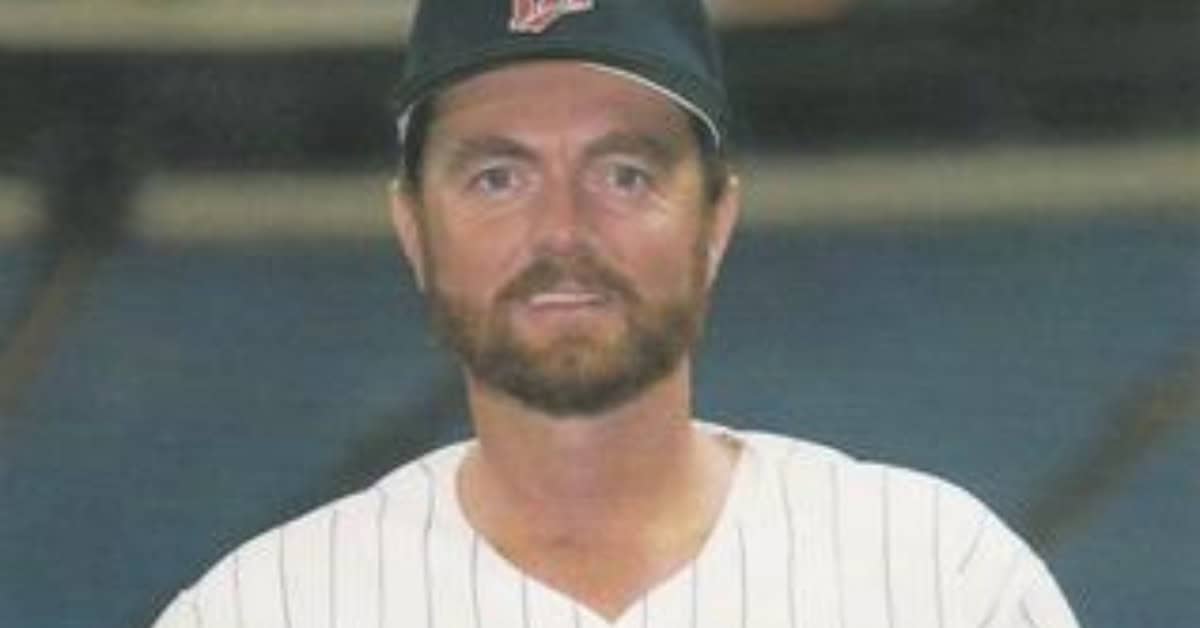
Blyleven’s curveball was considered the best in baseball, earning him the nickname “Dutch Master.” Despite pitching for mostly mediocre teams, he compiled impressive statistics throughout the decade, including 2,701 strikeouts. His ability to snap off devastating curves made him one of the era’s most feared pitchers.
12. Luis Tiant: El Tiante’s Twisted Delivery

Tiant’s unique delivery, turning his back completely to hitters, became legendary at Fenway Park. He reinvented himself after arm troubles, winning 20+ games three times for the Red Sox. His masterful performance in the 1975 World Series, especially Game 4’s complete-game victory, remains one of the decade’s greatest pitching displays.
13. Mickey Lolich: Detroit’s World Series Hero

Lolich’s durability was legendary, as he threw an incredible 376 innings in 1971 alone. The portly left-hander’s success proved that athletic builds weren’t necessary for pitching excellence. His 207 complete games during the decade demonstrated his remarkable stamina and competitive spirit.
14. Bob Gibson: The Intimidator’s Last Stand

Though his prime years came in the 1960s, Gibson remained dominant early in the new decade. He won his second Cy Young Award in 1970 and threw a no-hitter in 1971. His fierce competitiveness and intimidating presence continued to define pitching excellence until his retirement in 1975.
15. Juan Marichal: The High-Kick Artist
Marichal’s distinctive high leg kick and pinpoint control made him one of baseball’s most recognizable pitchers. Though his best years came in the 1960s, he remained effective into the early 1970s, completing his Hall of Fame career with style and grace. His ability to throw from multiple arm angles kept hitters off balance throughout his career.
16. Wilbur Wood: The Knuckleball Workhorse
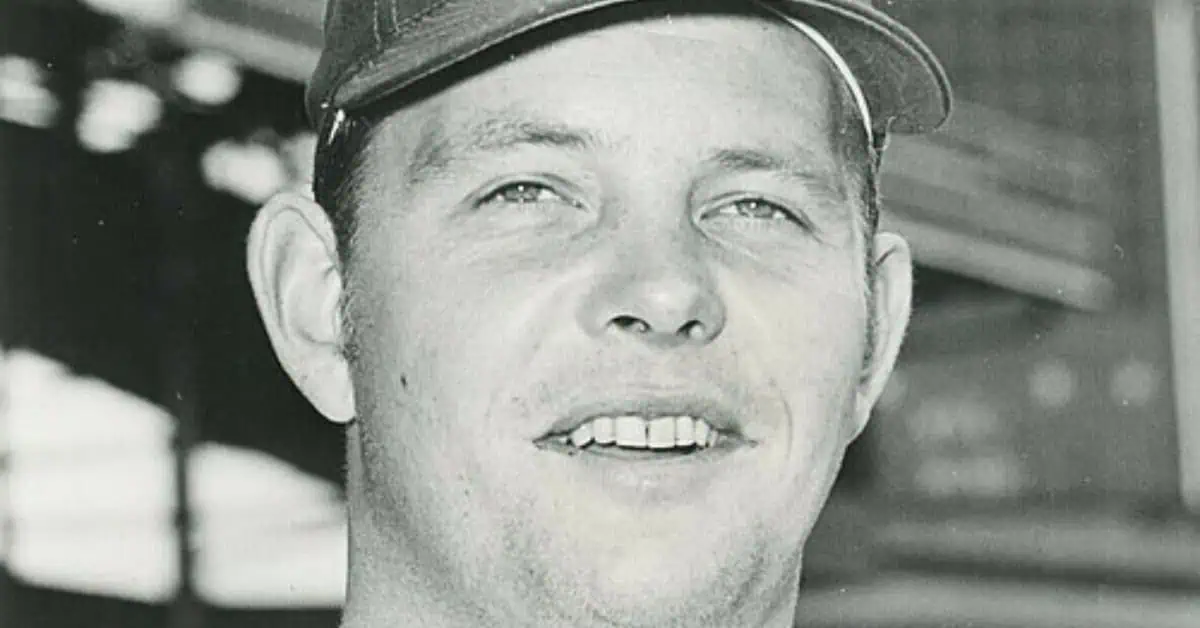
Wood’s knuckleball allowed him to start both games of a doubleheader multiple times. He won 20 or more games four straight seasons (1971-1974), including an remarkable 24-17 record in 1972 despite pitching for a losing team. His ability to take the ball every third day made him one of the decade’s most unique performers.
17. J.R. Richard: Houston’s Towering Talent
At 6’8″, Richard’s intimidating presence and blazing fastball made him one of the decade’s most feared pitchers. He led the National League in strikeouts in 1978 and 1979, with his career tragically cut short by a stroke in 1980. His combination of size and velocity created matchup nightmares for every hitter who faced him.
18. Mike Cuellar: The Screwball Sensation
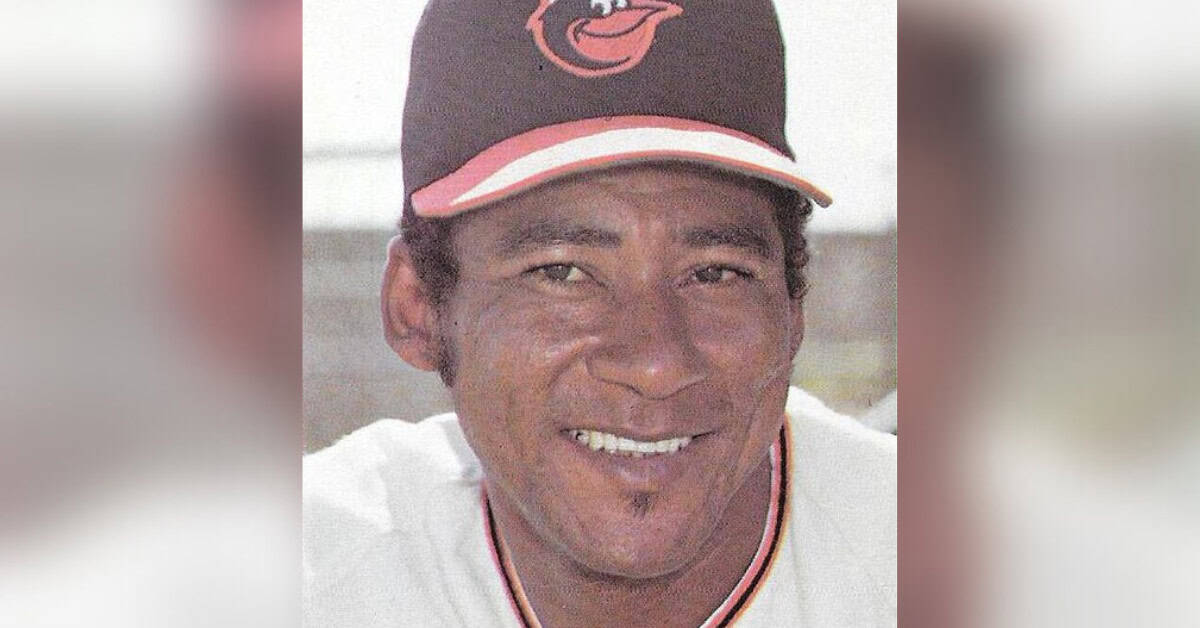
Cuellar’s masterful screwball helped him win 20 or more games four times in the early 1970s. The Cuban left-hander was a key part of the Orioles’ dominant rotation alongside Jim Palmer. His 1969 Cy Young Award was just the beginning of a remarkable run that included 143 wins during the decade.
19. Jerry Koosman: More Than Seaver’s Sidekick
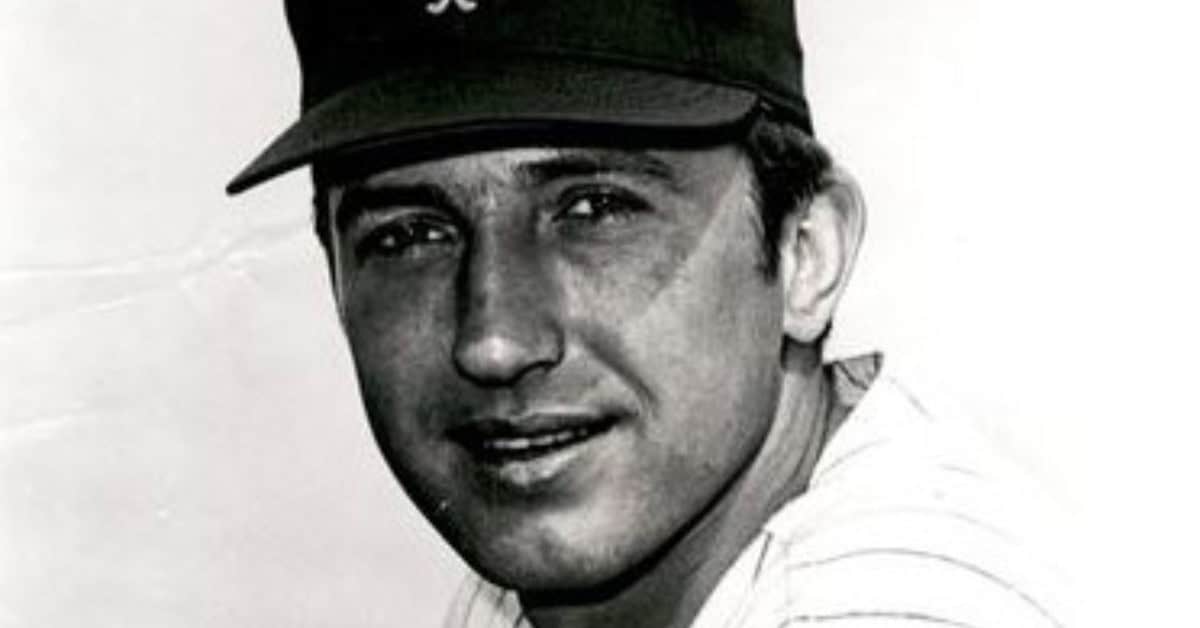
Often overshadowed by teammate Tom Seaver, Koosman was a stellar pitcher in his own right. He won 21 games in 1976 and consistently posted sub-3.00 ERAs throughout the decade. His clutch performance in the 1969 World Series carried over into the 1970s as he remained one of the National League’s most reliable left-handers.
20. Tommy John: The Surgery That Changed Baseball
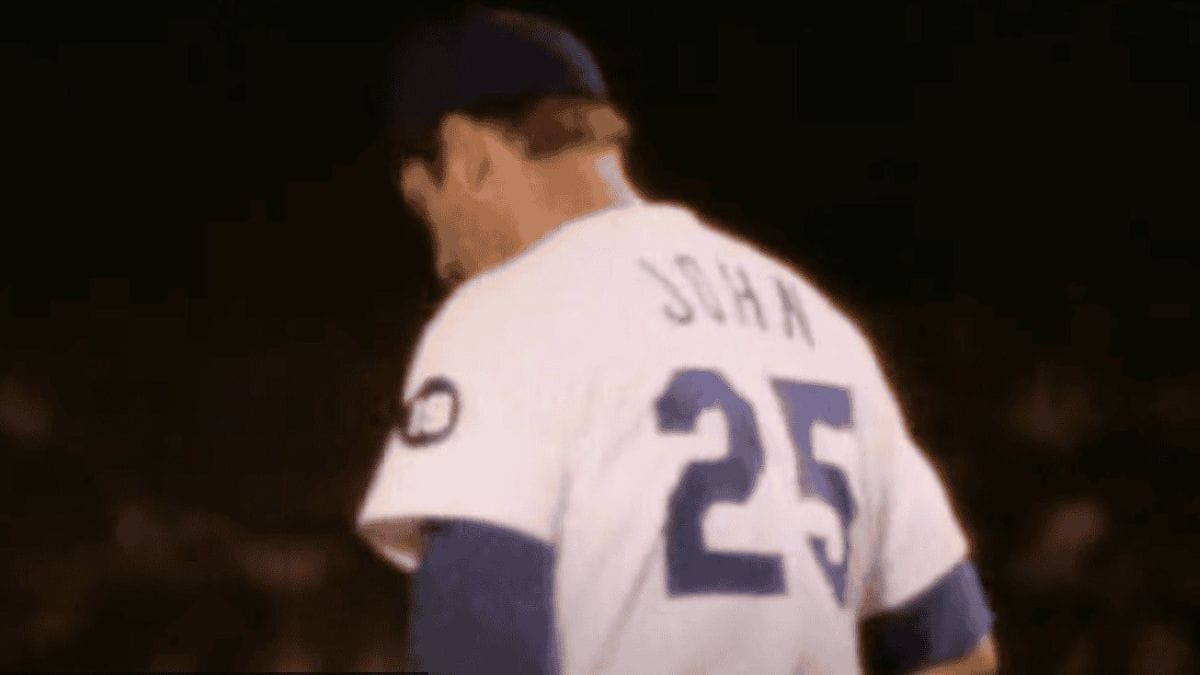
John’s career was nearly ended by an elbow injury in 1974, but revolutionary surgery by Dr. Frank Jobe gave him a second chance. He returned in 1976 to win 20 games, proving the procedure’s success. His comeback paved the way for countless pitchers to extend their careers through what became known as “Tommy John surgery.”