
Last Updated: September 1st, 2026 by Michael Schatz
Free agency is something that baseball pioneered in American sports. Since they were pioneers of this endeavor, they have had the most player-friendly set of free-agent rules in all of the major American sports.
Don't lose this article. Enter your email below, and I'll send it to you right now. Plus, we'll send you other unbelievable stories from baseball's past.
With that in mind, I want to go over some audacious deals that didn't pan out for franchises. You might recognize some.
10. B.J. Ryan’s Costly Contract with the Blue Jays
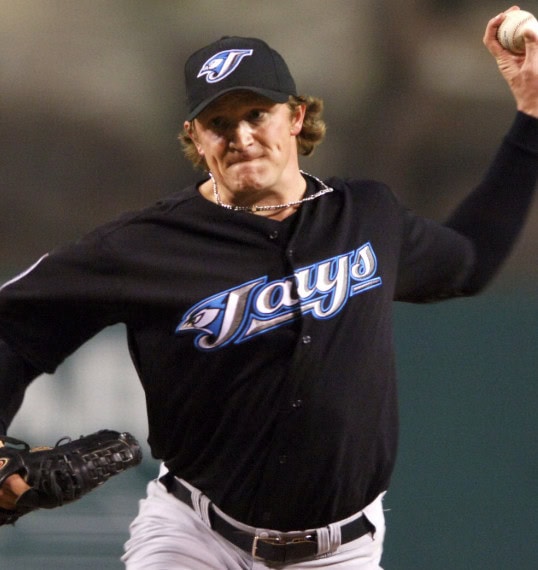
Left-handed relievers are interesting to think about, as they have been considered the most specialized part of a team in baseball. B.J. Ryan was a special case as he was given the opportunity to be the closer for the Orioles in 2005, and he excelled. He earned an All-Star selection and tallied 36 saves with his 2.43 ERA that season.
Then Toronto signed him to a five-year, $47 million deal that seemed to be paying off right away. In his first year as a Blue Jay, he earned another All-Star selection and pitched at an elite level. He had a 1.37 ERA with 38 saves. However, a Tommy John surgery in the following season derailed the rest of his career and the rest of that contract, which was expensive for a reliever.
9. Albert Belle’s Short-Lived Orioles Career
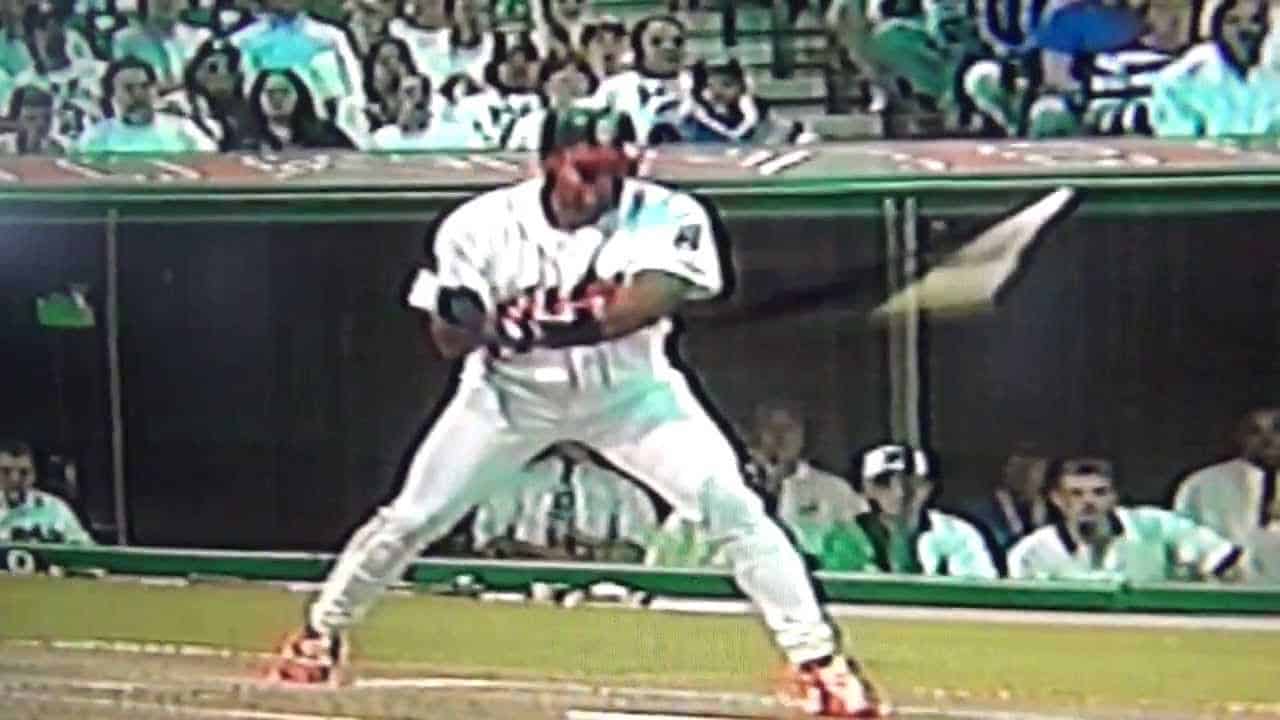
Albert Belle was one of the most feared hitters of the 1990s. He carved out a career that made him one of the most successful sluggers of that decade. He knew it too. There was a clause in his contract when he was with the Chicago White Sox that required his employer to pay him at a rate that was one of the top three highest-paid contracts in all of baseball.
When Chicago refused to do so, Belle immediately became a free agent. That's when Baltimore came calling and signed him to a five-year $65 million contract. It's hard to say if there were well-known injuries that Belle played through because he even played 163 games in 1998 before he came to Baltimore. But once he got there, those hip issues came to a head, and he gave the Orioles just one solid 37-home-run season and retired shortly after.
8. Pat Burrell’s Tampa Bay Disappointment

I know you're probably looking at the fact that this is the Tampa Bay Rays that we're talking about and thinking that there's no way that they spent a lot on a free agent.
You're right, they didn't. However, Pat Burrell was one of the key contributors to the Phillies winning a World Series over the Rays in 2008, and Tampa Bay wanted to sign him to a two-year, $16 million deal. The problem is that he couldn't find a rhythm at all with the Rays. He hit .221 with a measly 14 home runs for his standard and struck out 119 times.
Mind you, he was signed just to be the designated hitter for the team. He didn't even provide much value as a fielder. Tampa Bay traded him the year after, when he became a world champion with the San Francisco Giants. So, to the Giants, this was a steal of a contract. For the raise, it was a complete waste.
7. Pablo Sandoval’s Red Sox Regret
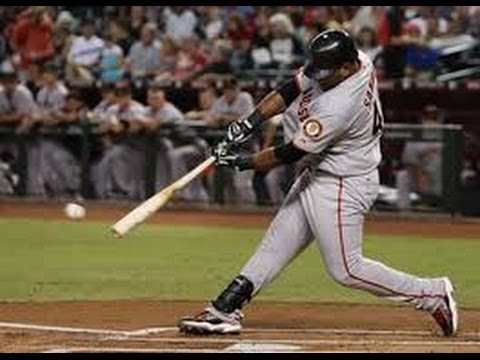
Pablo Sandoval had an iconic career in San Francisco. He was a two-time All-Star and a big part of their World Series successes. He seemed to be so important to how the Giants were able to win their three World Series that the Boston Red Sox wanted some Kung Fu Panda on their roster. He signed a $95 million contract to go to Boston, and it flopped immediately. He was their everyday third baseman and hit .245 with just 10 home runs and 47 RBI.
Those are numbers that are okay for maybe the first half of the season, but this was Sandoval's entire 2015. Boston eventually traded him before he could complete his third season back to his original home in San Francisco. Boston's $95 million investment mustered 14 home runs over three years and a .237 batting average.
6. Jacoby Ellsbury’s Yankees Nightmare
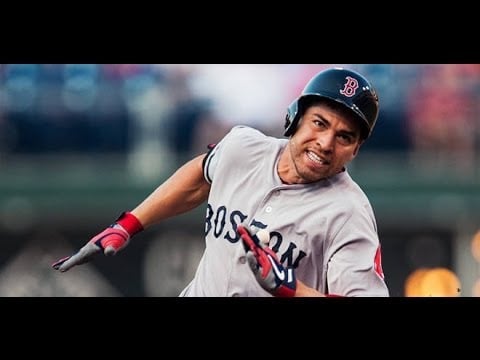
By the time Jacoby Ellsbury signed with the New York Yankees, he wasn't the first Red Sox center fielder in recent memory to go to their arch rival. The contract he signed was for $153 million over seven years as he became the everyday center fielder with some of the highest expectations that you'll find in sports.
Those expectations were sort of met in his first season in pinstripes as he hit .271 with a 111 OPS+, which is above average, and a fine start to his first season in the Bronx. However, he did not reach those numbers again. 83 and 88 OPS+, respectively, over the next two seasons suggest that he was a very below-average hitter, as he ended up playing just four seasons for the Yankees and did not come close to meeting the value of his contract.
5. Indians’ Loss of Manny Ramirez
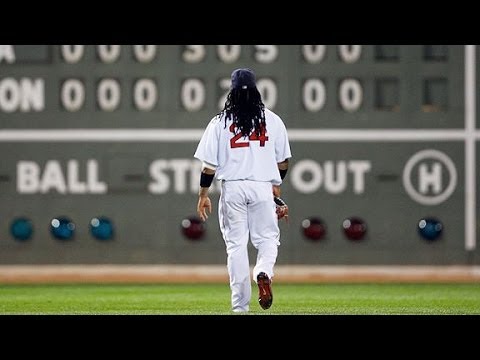
Let's take a different approach to the topic, as this is about a contract that never happened. By the time Cleveland came around to negotiating the contract of Manny Ramirez, they had no problem offering him the recognition of being the highest-paid player in baseball. Their offer was for seven years and $119 million.
Ramirez eventually decided to reject that offer and go with Boston's offer of eight years and $160 million with options that could push his total to $200 million for 10 years. Cleveland couldn't match that, and it turned the tide for the Red Sox as they eventually had Manny Ramirez help them break the Curse of the Bambino.
4. Jose Guillen’s Troubled Royals Tenure
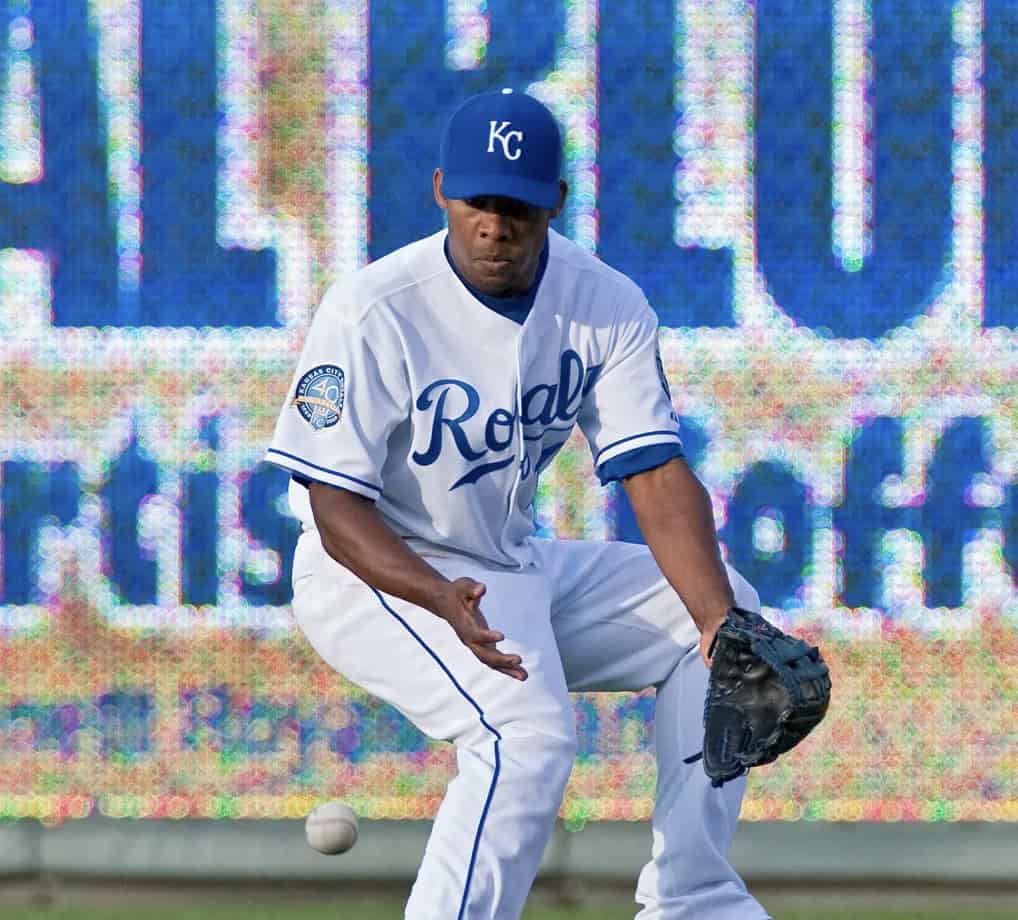
This contract isn't that big as Jose Guillen wasn't one of the premier players in the MLB. He was definitely a solid player and an above-average one at that. But he was never selected to an All-Star team, and he was looking to have a solid contract that could carry him to the end of his career. Well, the contract carried him to the end of his career. However, this three-year, $36 million contract was filled with more problems than not for Kansas City.
He accumulated a -0.5 WAR in his first season as a Royal. Then he followed that up with an astoundingly bad -2.0 WAR in just 81 games in 2009. This only gave the fans reasons to boo, and it got to a point where Jose Guillen was fighting them. He had to be pulled apart from a fan in a game one time, which made this contract seem like more money than what the Royals had already committed.
3. The David Ortiz Mistake

Here's another way to look at this topic, as this brings about a decision that made a player a free agent. The Minnesota Twins are famous for being the first team that David Ortiz played with in his career. He had a fairly unremarkable first half of his career, and Minnesota noticed it. He was due about $2 million if they went into arbitration.
So the Twins made the decision to release Ortiz and let him become a free agent. He eventually signed with the Boston Red Sox, and the rest is Hall of Fame history.
2. Adam Dunn’s White Sox Struggles
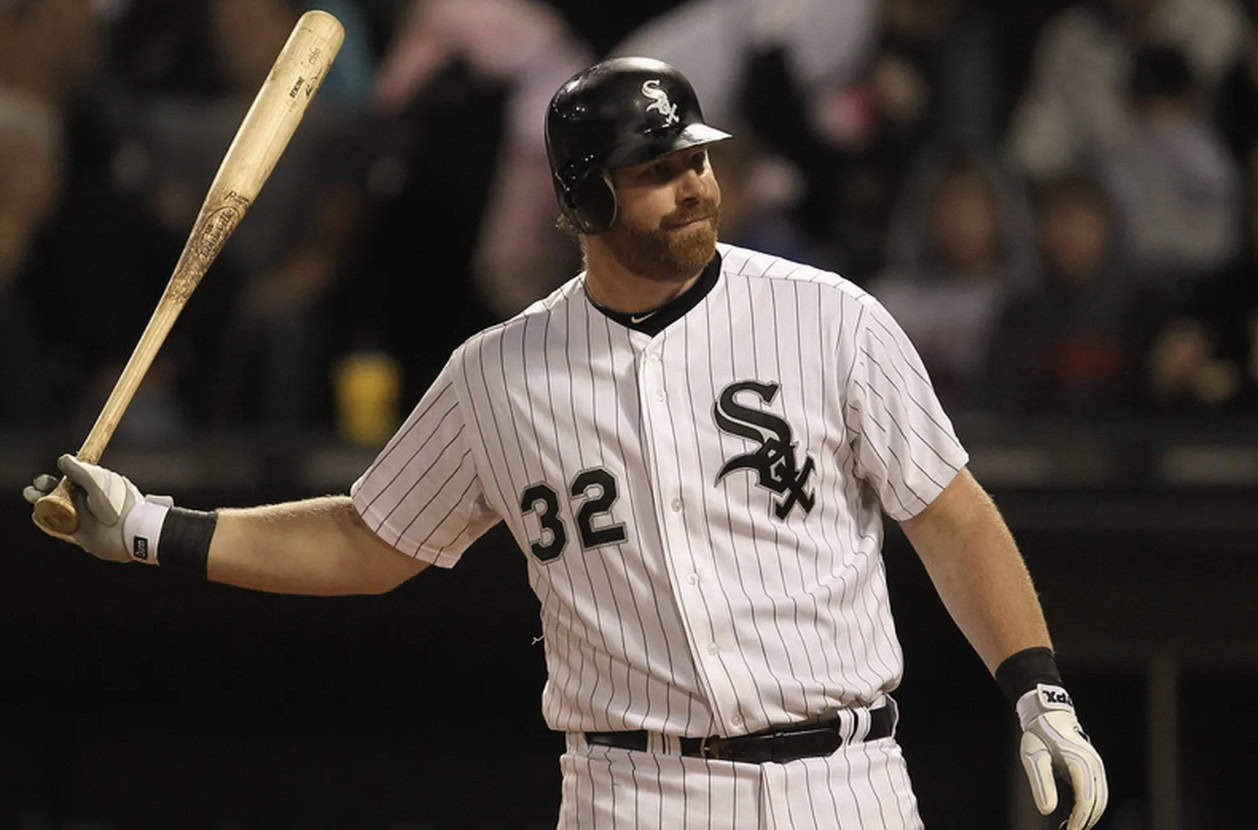
Adam Dunn was known as the king of three true outcomes. But when it came to his first year in Chicago, there was only one true outcome, and it was bad. Dunn was still one of the premier sluggers in baseball when he signed a four-year, $56 million deal to join the White Sox in 2011. To emphasize this article, we will only focus on that 2011 season.
It was historically bad, as Dunn produced a -2.9 WAR thanks to his .159 batting average, 11 home runs, and an atrocious 54 OPS+. They still trotted him out for 122 games that season. Luckily for Chicago, he kind of turned it around the following season, earning an All-Star selection, but he still only hit .204 that year.
1. Mike Moore’s Detroit Disaster
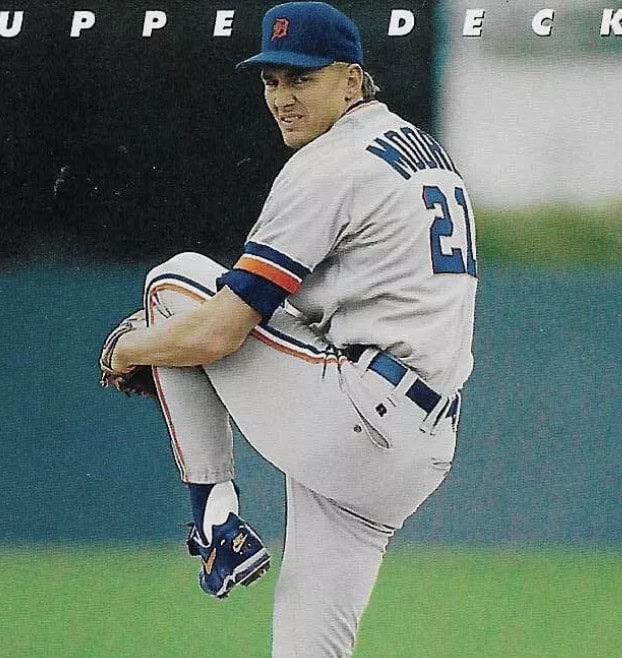
Pitchers can be tough to value sometimes because they can be seen as better or worse depending on how their offense supports them. Mike Moore had a tale of two careers by the time 1993 rolled around. He had seven years in Seattle where he was roughed up a lot, leading the league with 19 losses in 1987. Then he went to Oakland for four years and earned an All-Star selection while winning the same number of games that he won in Seattle in half the amount of time. So the Tigers were ready to take a chance.
They signed Moore to a three-year contract totaling $10 million. They were hoping for the Mike Moore that was in Oakland and not the Mike Moore that was in Seattle. Unfortunately for Detroit, they got the worst version of Mike Moore.
Over seven years in Seattle, his ERA was 4.38. Over three years in Detroit, it was a whopping 5.90. He ended up leading the league in losses for the second time in his career, as he posted -1.5 WAR in 1995, which was the final MLB season of his career.