Last Updated: September 23rd, 2026 by Matthew Brown
Pittsburgh has seen so many different players and personalities over the years. The Pirates have been an amalgamation of different play styles, so it should be a fun time to go over the best who have not had the honor of being inducted into the Hall of Fame.
Don't lose this article. Enter your email below, and I'll send it to you right now. Plus, we'll send you other unbelievable stories from baseball's past.
From Forbes Field to Three Rivers Stadium to PNC Park, let's celebrate the next best legends of the Pittsburgh Pirates.
19. Dick Groat: MVP Shortstop of the ’60 Champs

Dick Groat is easily one of the best shortstops that aren't in the Hall of Fame. The 1960 National League MVP won the batting title, hitting .325, scoring 85 times, and driving in 50.
He was an eight-time All-Star, earning six of them in Pittsburgh. He accumulated almost 1,500 hits over his 11 years with the Pirates, getting over 2,100 in his 14-year career.
| Dick Groat — Career | Total |
|---|---|
| G | 1929 |
| AB | 7484 |
| H | 2138 |
| HR | 39 |
| RBI | 707 |
| SB | 14 |
| AVG | .286 |
| OBP | .330 |
| SLG | .366 |
| OPS | .696 |
| MVP | 1 |
| All-Star selections | 5 |
| World Series titles | 2 |
18. Tony Pena: The Unconventional Catching Legend

One of the best catchers in the 1980s called Pittsburgh home. Tony Pena earned four out of his five career All-Star selections and three out of his four career Gold Gloves with the Pirates.
He brought a strong sense of stability and reliability at such an essential position for this franchise for seven years. He was also an above-average hitter, as he had a 104 OPS+ during his time in Pittsburgh.
| Tony Peña Sr. — Career | Total |
|---|---|
| G | 1988 |
| AB | 6489 |
| H | 1687 |
| HR | 107 |
| RBI | 708 |
| SB | 80 |
| AVG | .260 |
| OBP | .309 |
| SLG | .364 |
| OPS | .673 |
| All-Star selections | 5 |
| Gold Gloves | 4 |
17. Rennie Stennett: Seven Hits in One Game

Finding value at the second base position can be so important for franchises making a World Series run. What could be even more useful is a player who can give consistent contributions while getting inconsistent playing time.
Rennie Stennett was that type of player for the Pirates for nine years. He had some everyday starting opportunities at second base in the mid-1970s, then transitioned to more of a part-time role, still helping Pittsburgh win the 1979 World Series title.
| Rennie Stennett — Career | Total |
|---|---|
| G | 1237 |
| AB | 4521 |
| H | 1239 |
| HR | 41 |
| RBI | 432 |
| SB | 75 |
| AVG | .274 |
| OBP | .306 |
| SLG | .359 |
| OPS | .665 |
| World Series titles | 1 |
16. Mike Easler: “The Hit Man” of the Family
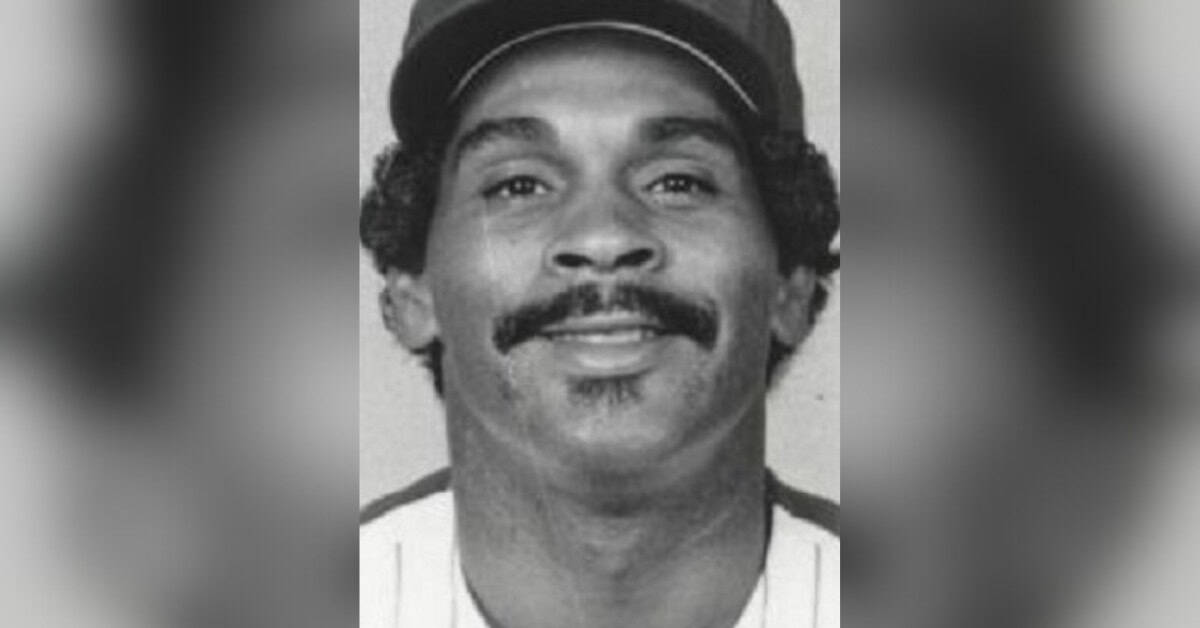
A player nicknamed The Hit Man filled that role in a key way for the Pirates for six solid seasons. After five seasons of under 25 games played at the MLB level, Easler got a little more of a shot in 1979.
We all know what the team accomplished that season, as his contributions led to more of an everyday role in the next year. He hit .338 in 1980 with 21 home runs and 74 RBI, then earned an All-Star selection the following year. He actually hit .302 throughout his six seasons in Pittsburgh.
| Mike Easler — Career | Total |
|---|---|
| G | 1151 |
| AB | 3677 |
| H | 1078 |
| HR | 118 |
| RBI | 522 |
| SB | 20 |
| AVG | .293 |
| OBP | .349 |
| SLG | .454 |
| OPS | .803 |
| All-Star selections | 1 |
| World Series titles | 1 |
15. Jose Lind: “Chico” and His Golden Defense

Jose Lind locked down the second base position for six years in Pittsburgh as he helped guide the franchise through the end of the '80s and the start of the '90s. His final year in Pittsburgh brought about an honor that was a long time coming.
He received a Gold Glove in 1992 as he led the league in fielding percentage for a second baseman after having led all players at the position in putouts in the two seasons prior.
| José Lind — Career | Total |
|---|---|
| G | 1044 |
| AB | 3677 |
| H | 935 |
| HR | 9 |
| RBI | 324 |
| SB | 62 |
| AVG | .254 |
| OBP | .295 |
| SLG | .316 |
| OPS | .611 |
| Gold Gloves | 1 |
14. Kent Tekulve: The Submarine Master of the Bullpen

One of the best relievers of his time, Kent Tekulve brought his low arm slot to face opponents every time he was called upon. With that submarine delivery, he had great durability, as he led the MLB in appearances and games finished in three seasons each while he was with the Pirates.
In over 1,000 innings, Tekulve kept a low 2.68 ERA in Pittsburgh. Fans could breathe a sigh of relief every time they saw him come out of the bullpen.
| Kent Tekulve — Career | Total |
|---|---|
| W | 94 |
| L | 90 |
| ERA | 2.85 |
| G | 1050 |
| IP | 1436.2 |
| SO | 779 |
| WHIP | 1.25 |
| SV | 184 |
| All-Star selections | 1 |
| World Series titles | 1 |
13. Dave Cash: Mr. “Two Hits a Day”
More people may know Cash for his time in Philadelphia, but he actually spent more time in Pittsburgh than any other franchise in his career. He came up as a 21-year-old, just looking to get some playing time at second base.
The Pirates found him roles to fill over his five seasons there as they saw his ability to put the bat on the ball effectively. Once he moved on to the Phillies, he rattled off three straight All-Star seasons.
| Dave Cash — Career | Total |
|---|---|
| G | 1422 |
| AB | 5554 |
| H | 1571 |
| HR | 21 |
| RBI | 426 |
| SB | 120 |
| AVG | .283 |
| OBP | .334 |
| SLG | .358 |
| OPS | .692 |
| All-Star selections | 3 |
| World Series titles | 1 |
12. Manny Sanguillen: Three-Time All-Star Behind the Plate
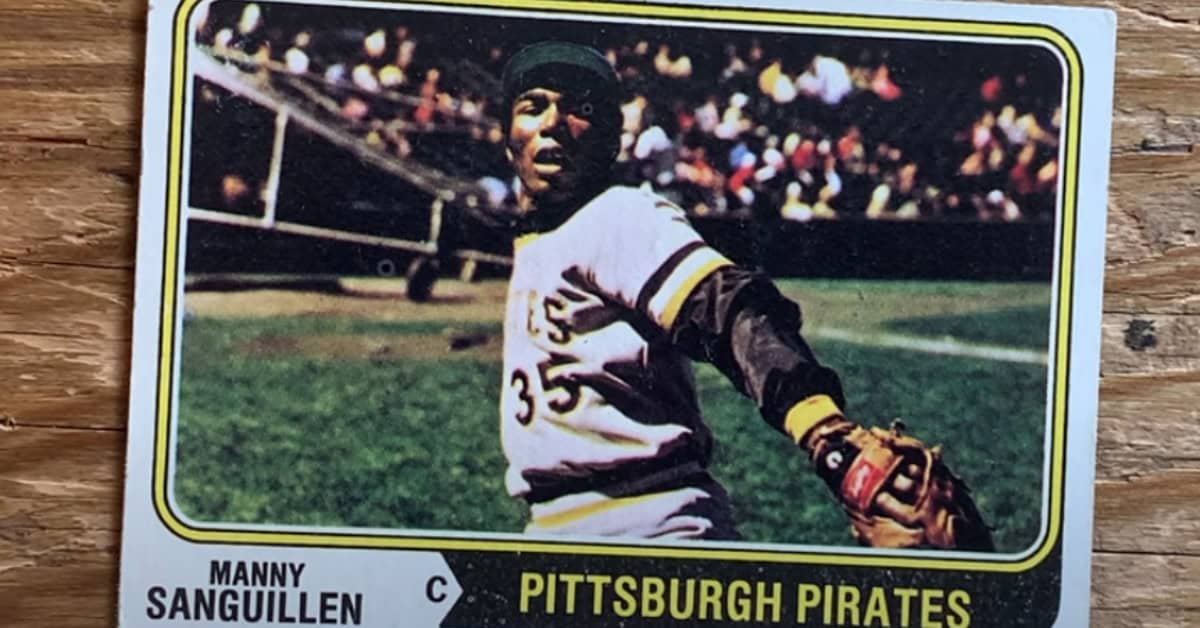
For all the great backstops that Pittsburgh has cheered for over the years, Manny Sanguillen might be the most beloved out of all of them. The three-time All-Star had a personality that could light up a room (or a stadium, for that matter).
He hit a great .299 throughout his 12 years with the Pirates, as he was relied upon to contribute in both of their World Series championships in the 1970s. Fond memories will always surround the great Manny Sanguillen.
| Manny Sanguillen — Career | Total |
|---|---|
| G | 1448 |
| AB | 5062 |
| H | 1500 |
| HR | 65 |
| RBI | 585 |
| SB | 36 |
| AVG | .296 |
| OBP | .326 |
| SLG | .398 |
| OPS | .724 |
| All-Star selections | 3 |
| World Series titles | 2 |
11. Bob Friend: The Workhorse of Forbes Field

Describing someone as a workhorse in baseball compares them to a constant force that can be relied upon day in and day out. Bob Friend had a nickname that went beyond that: The Warrior.
He endured some highs and lows while leading baseball in games started for three straight seasons. Battling through adversity in every start was what earned him the nickname. It all paid off as he earned four All-Star selections, an ERA title, and that 1960 World Series title.
| Bob Friend — Career | Total |
|---|---|
| W | 197 |
| L | 230 |
| ERA | 3.58 |
| G | 602 |
| IP | 3611.0 |
| SO | 1734 |
| WHIP | 1.29 |
| SV | 11 |
| All-Star selections | 3 |
| World Series titles | 1 |
10. Steve Blass: From World Series Hero to Baseball Mystery

Sometimes a legend isn't made over a long period of time. Steve Blass certainly knows that, as he spent his entire 10-year career in Pittsburgh and will always be remembered for his heroics in the 1971 World Series. He threw two complete games, including one in Game 7, to help them win the championship.
However, his legacy also contains what is known as Steve Blass Disease. He completely lost command and control of his pitches, which led to the infamous diagnosis from writers and fans alike.
| Steve Blass — Career | Total |
|---|---|
| W | 103 |
| L | 76 |
| ERA | 3.63 |
| G | 282 |
| IP | 1597.1 |
| SO | 896 |
| WHIP | 1.35 |
| SV | 2 |
| All-Star selections | 1 |
| World Series titles | 1 |
9. Jason Kendall: The Ironman Catcher Who Never Quit

Jason Kendall might be my favorite Pirate ever. I've always gravitated towards speed, and Kendall was known for his ability to steal bases at a high rate for a catcher. His 189 steals are the most by any catcher in the Modern Era.
He also delivered on the other end of that equation, leading the league five times in catching opposing baserunners in his career. It's just a cool way to play the position at a high level, in my opinion.
| Jason Kendall — Career | Total |
|---|---|
| G | 2085 |
| AB | 7627 |
| H | 2195 |
| HR | 75 |
| RBI | 744 |
| SB | 189 |
| AVG | .288 |
| OBP | .366 |
| SLG | .378 |
| OPS | .744 |
| All-Star selections | 3 |
8. Andy Van Slyke: The Golden Centerfielder
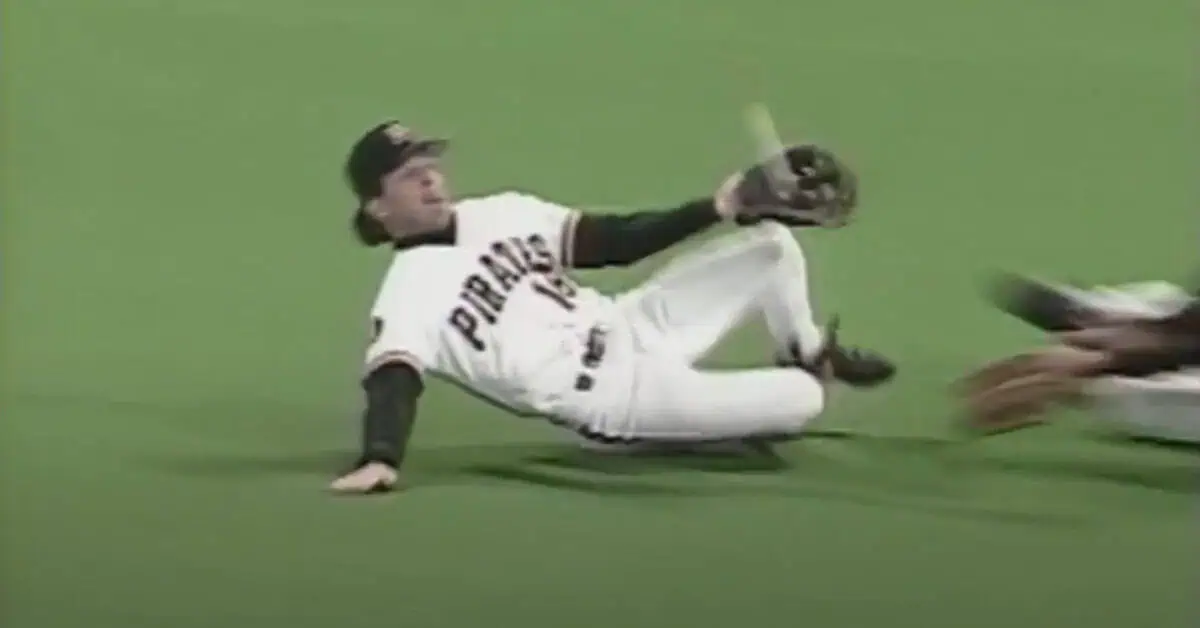
Great center fielders can be iconic cornerstones for a franchise. That's what Andy Van Slyke was to the Pittsburgh Pirates as he commanded center field at Three Rivers Stadium for most of his eight-year tenure. Van Slyke was one of the best defensive center fielders in baseball, winning five consecutive Gold Gloves.
He also had an effective bat, earning two Silver Sluggers to go along with his three All-Star selections. Andy Van Slyke is still talked about today among Pirates fans, and I would say it's for good reason.
| Andy Van Slyke — Career | Total |
|---|---|
| G | 1658 |
| AB | 5711 |
| H | 1562 |
| HR | 164 |
| RBI | 792 |
| SB | 245 |
| AVG | .274 |
| OBP | .349 |
| SLG | .443 |
| OPS | .792 |
| All-Star selections | 3 |
| Gold Gloves | 5 |
| Silver Sluggers | 2 |
7. Bill Madlock: “Mad Dog” and His Four Batting Titles

Bill Madlock had some of his best seasons in Pittsburgh as he reached his prime after being traded by the San Francisco Giants. Mad Dog won the batting title in two out of three years, which were the highlights of his seven-year tenure with the Pirates.
He also brought that competitive edge that instantly helped the franchise as they traded for him in 1979 and used his energy to help carry them to a World Series title.
| Bill Madlock — Career | Total |
|---|---|
| G | 1806 |
| AB | 6594 |
| H | 2008 |
| HR | 163 |
| RBI | 860 |
| SB | 174 |
| AVG | .305 |
| OBP | .365 |
| SLG | .442 |
| OPS | .807 |
| All-Star selections | 3 |
| World Series titles | 1 |
6. Richie Zisk: Three Rivers’ Forgotten Slugger
Richie Zisk is one of the most under-the-radar players in franchise history. He had a good bat with a great ability to find ways to get on base. He had a .299 batting average in his six years in Pittsburgh while maintaining an impressive .366 on-base percentage.
That was partially because of his solid plate discipline, drawing over 200 walks in just those six seasons.
| Richie Zisk — Career | Total |
|---|---|
| G | 1453 |
| AB | 5144 |
| H | 1477 |
| HR | 207 |
| RBI | 792 |
| SB | 8 |
| AVG | .287 |
| OBP | .353 |
| SLG | .466 |
| OPS | .819 |
| All-Star selections | 2 |
5. John Candelaria: The Candy Man’s Sweet Legacy

One of the tallest players in franchise history brought his entire 6'7 frame to the mound every time he was called upon. John Candelaria was a big part of the rotation for most of the first decade of his career.
In fact, his career-best year came in 1977, when he held opponents to a 2.34 ERA. He ended up leaving and coming back to the Steel City, which built up an ERA of 3.17 throughout his impressive 12 years with the organization.
| John Candelaria — Career | Total |
|---|---|
| W | 177 |
| L | 122 |
| ERA | 3.33 |
| G | 600 |
| IP | 2525.2 |
| SO | 1673 |
| WHIP | 1.18 |
| SV | 29 |
| All-Star selections | 1 |
| World Series titles | 1 |
4. Al Oliver: Baseball’s Most Underrated .300 Hitter

Al Oliver is certainly a valid player to look at for the Veterans Committee when they consider voting for their next Hall of Fame pick. Oliver earned three of his seven All-Star selections in Pittsburgh as he hit a very respectable .296 over 10 years with the franchise.
I don't know how much of an ovation he's gotten over the years, but I'd imagine it's large, as he earned it throughout his 18-year career.
| Al Oliver — Career | Total |
|---|---|
| G | 2368 |
| AB | 9049 |
| H | 2743 |
| HR | 219 |
| RBI | 1326 |
| SB | 84 |
| AVG | .303 |
| OBP | .344 |
| SLG | .451 |
| OPS | .795 |
| All-Star selections | 7 |
| Silver Sluggers | 3 |
| World Series titles | 1 |
3. Omar Moreno: The Speed Demon of Three Rivers

Omar Moreno was an essential part of what the Pirates were trying to do in 1979. The We Are Family team had a good balance of players who could get on base any way possible and sluggers who were ready to drive them in.
Moreno used his great speed to steal 71 bases in 1978 to lead all of baseball. He then followed that up with a league-leading 77 steals. The season after that was even more impressive as Moreno swiped 96 bags.
Somehow, he only finished third as Rickey Henderson entered the triple digits in steals that season. Still a notable stat that complements the ability he was able to display on a daily basis.
| Omar Moreno — Career | Total |
|---|---|
| G | 1382 |
| AB | 4992 |
| H | 1257 |
| HR | 37 |
| RBI | 386 |
| SB | 487 |
| AVG | .252 |
| OBP | .306 |
| SLG | .343 |
| OPS | .649 |
| World Series titles | 1 |
2. Roy Face: The Original Relief Ace

Probably the greatest reliever of all-time in Pittsburgh, Roy Face did an excellent job out of the bullpen in an era where starters were still expected to go the distance regularly. Face led the league in appearances and games finished in 1960.
He finished over 114 innings that year as he helped the Pirates to a World Series championship. That season actually followed Face's ridiculous 1959, when he went 18-1. That's a record that could get a starting pitcher Hall of Fame looks instantly, but Face did all of that coming out of the bullpen.
You could say he was a pioneer in his position, as not many were doing what he was doing at that time.
| Roy Face — Career | Total |
|---|---|
| W | 104 |
| L | 95 |
| ERA | 3.48 |
| G | 848 |
| IP | 1375.0 |
| SO | 877 |
| WHIP | 1.24 |
| SV | 193 |
| All-Star selections | 3 |
| World Series titles | 1 |
1. Barry Bonds: Before the Giants, Pittsburgh’s MVP

The more time passes, the more younger fans are unaware that Barry Bonds actually played seven years in Pittsburgh. He was producing at an amazing level already.
His 1990 All-Star season saw him mash 33 home runs and steal a whopping 52 bases. He followed that up with another 30-30 season a couple of years later, which was his final year as a Pirate.
He earned an impressive 50.3 WAR in just his time in Pittsburgh. That's how good he was even before the steroids.
| Barry Bonds — Career | Total |
|---|---|
| G | 2986 |
| AB | 9847 |
| H | 2935 |
| HR | 762 |
| RBI | 1996 |
| SB | 514 |
| AVG | .298 |
| OBP | .444 |
| SLG | .607 |
| OPS | 1.051 |
| MVP | 7 |
| All-Star selections | 14 |
| Gold Gloves | 8 |
| Silver Sluggers | 12 |