
Last Updated: September 17th, 2026 by Matthew Brown
For all the talk that the other Chicago team gets, the White Sox have had a rich history of their own. From 1900 – when they were known as the Chicago White Stockings – to now, there have been many great players who have helped create baseball history.
Don't lose this article. Enter your email below, and I'll send it to you right now. Plus, we'll send you other unbelievable stories from baseball's past.
The true greats like Frank Thomas, Minnie Minoso, and Nellie Fox can all be found elsewhere in many other lists. We want to go over some of the "next best". The White Sox players who may not get into Cooperstown but deserve some kind of recognition.
20. Joe Horlen: The Forgotten Ace of the ’60s
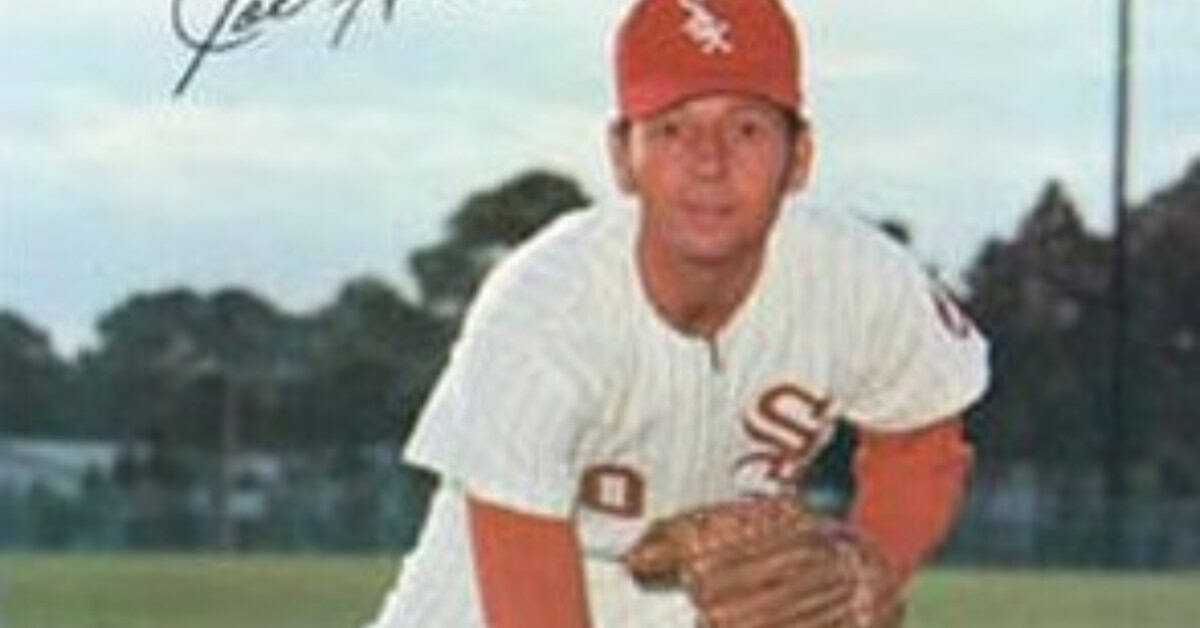
In terms of pitching, wins are overrated. I'm sure fans who remember Joe Horlen would agree. In 1967, he led the league with a 2.06 ERA while leading all of baseball with six complete-game shutouts and an impressive 0.953 WHIP. Boston's Jim Lonborg won the Cy Young Award with a much higher ERA of 3.16.
He did lead the league with 246 strikeouts, so maybe that cancels out. The only other category he led was wins, with 22 to Horlen's 19. I much more favor Horlen's superior ERA and WHIP in this case.
| Joe Horlen — Career | Total |
|---|---|
| W | 116 |
| L | 117 |
| ERA | 3.11 |
| G | 361 |
| IP | 2002.0 |
| SO | 1065 |
| WHIP | 1.19 |
| SV | 4 |
| All-Star selections | 1 |
| World Series titles | 1 |
19. Julio Cruz: The Spark That Lit the ’83 Fire
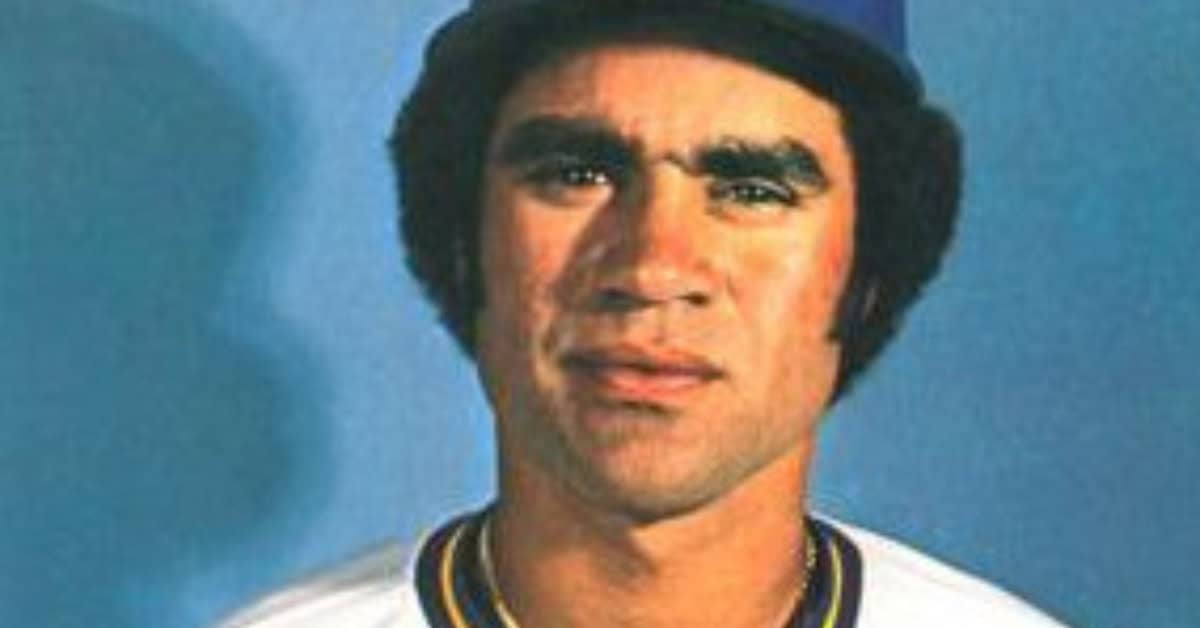
Winning Ugly was what the White Sox played by in 1983 and they traded for a speedy second baseman to help them in their run to the postseason.
Julio Cruz fit that bill perfectly as he stole over 40 bases for six straight seasons, all in Seattle until he moved over to Chicago. He ended up stealing 57 bases between the Mariners and the White Sox in that great '83 season and catalyzed the offense.
| Julio Cruz — Career | Total |
|---|---|
| G | 1156 |
| AB | 3859 |
| H | 916 |
| HR | 23 |
| RBI | 279 |
| SB | 343 |
| AVG | .237 |
| OBP | .321 |
| SLG | .299 |
| OPS | .620 |
18. Jermaine Dye: MVP of the ’05 Series Magic
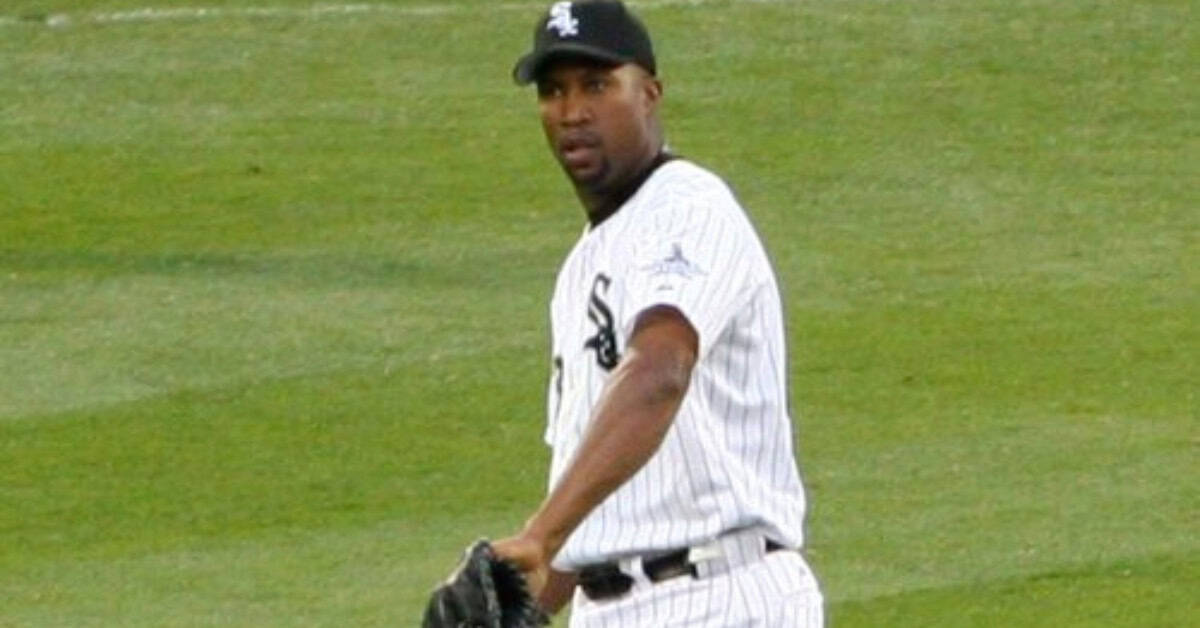
I think one of the most underrated outfielders of the 2000s found himself contributing to three different teams in the decade. Most notably, he was on that magical 2005 World Series team as one of its key cogs. Jermaine Dye hit 164 of his 325 career home runs with the White Sox in just five seasons.
It was actually 2006 that was his best, when he earned his second career All-Star selection and a Silver Slugger for his .315 batting average, 44 home runs, 120 RBI, and a whopping 1.006 OPS.
| Jermaine Dye — Career | Total |
|---|---|
| G | 1763 |
| AB | 6487 |
| H | 1779 |
| HR | 325 |
| RBI | 1072 |
| SB | 46 |
| AVG | .274 |
| OBP | .338 |
| SLG | .488 |
| OPS | .826 |
| All-Star selections | 2 |
| Gold Gloves | 1 |
| Silver Sluggers | 1 |
| World Series titles | 1 |
17. Carlos Quentin: The Intense Warrior
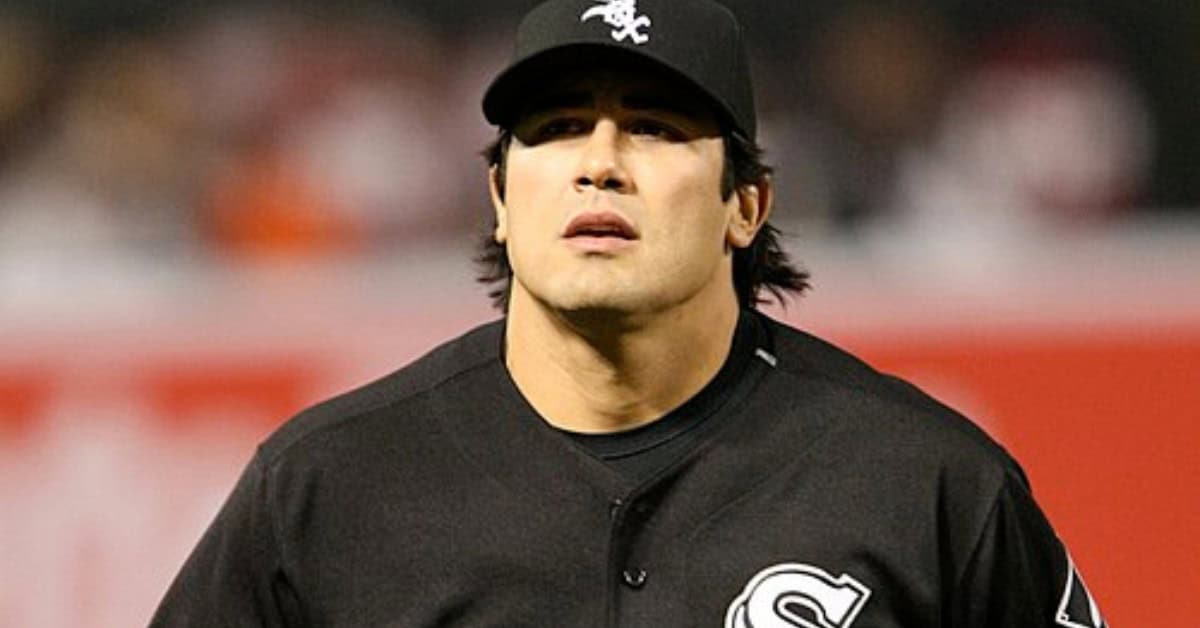
Carlos Quentin had one of the most frenetic careers since the turn of the century. He bookended his White Sox career with an All-Star selection on each end. He also got a Silver Slugger in 2008 thanks to his .288 batting average with 36 home runs and 100 RBI.
His total career only lasted nine seasons, which is unfortunately short for how good he was. His playing style was frenetic as well. Every time he made contact, he would fling his bat like it was a frisbee and sprint as hard as he could out of the box.
| Carlos Quentin — Career | Total |
|---|---|
| G | 834 |
| AB | 2790 |
| H | 702 |
| HR | 154 |
| RBI | 491 |
| SB | 16 |
| AVG | .252 |
| OBP | .347 |
| SLG | .484 |
| OPS | .831 |
| All-Star selections | 2 |
| Silver Sluggers | 1 |
16. Ron Kittle: The Local Boy Who Made Good
From nearby Gary, Indiana, Ron Kittle was the perfect local boy to join the team. He earned the 1983 Rookie of the Year award as he was a big offensive force in the Southside. He hit .254 with 35 home runs and 100 RBI.
He showed so much potential, but unfortunately did not quite match that production for the rest of his career. His 110 OPS+ for his career proves that he was well above average at the plate.
| Ron Kittle — Career | Total |
|---|---|
| G | 843 |
| AB | 2708 |
| H | 648 |
| HR | 176 |
| RBI | 460 |
| SB | 16 |
| AVG | .239 |
| OBP | .306 |
| SLG | .473 |
| OPS | .779 |
| All-Star selections | 1 |
| Rookie of the Year | 1 |
15. Bobby Thigpen: The Original Save King
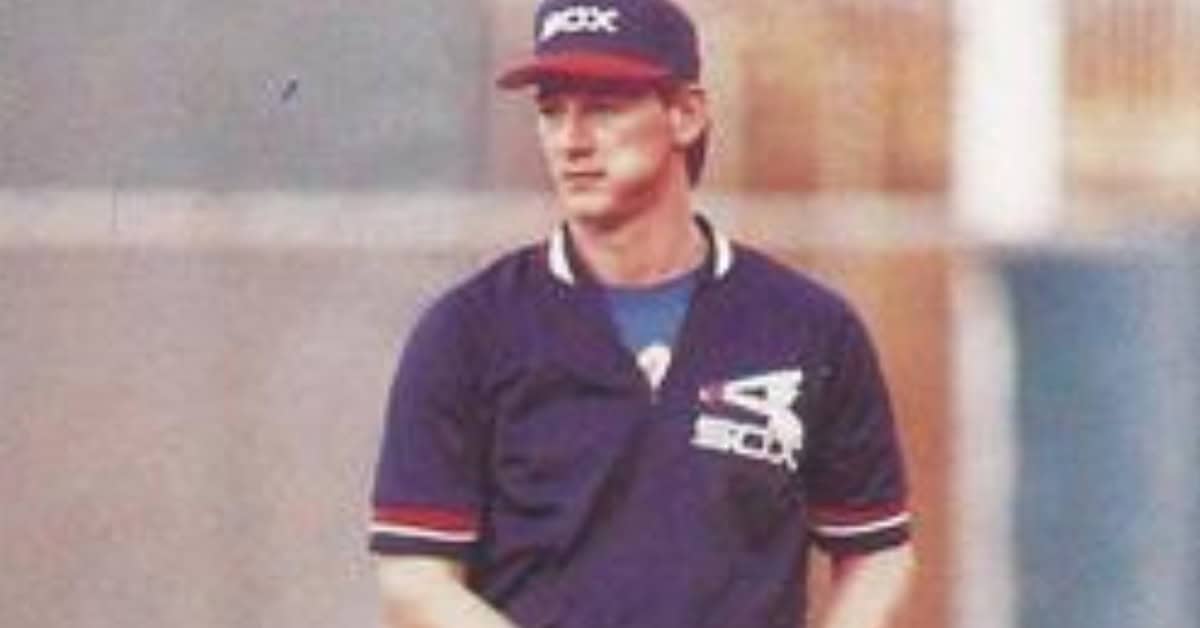
While Dennis Eckersley was terrorizing the MLB every time the ninth inning came around, Bobby Thigpen was matching him in Chicago. He led all of baseball with 57 saves in 1990, and he received an All-Star selection.
His 3.5 WAR that season was higher than any WAR that Eckersley accumulated in a single season while he was specifically a closer during his career.
| Bobby Thigpen — Career | Total |
|---|---|
| W | 31 |
| L | 36 |
| ERA | 3.43 |
| G | 448 |
| IP | 568.2 |
| SO | 376 |
| WHIP | 1.36 |
| SV | 201 |
| All-Star selections | 1 |
14. Paul Konerko: Paulie’s South Side Symphony
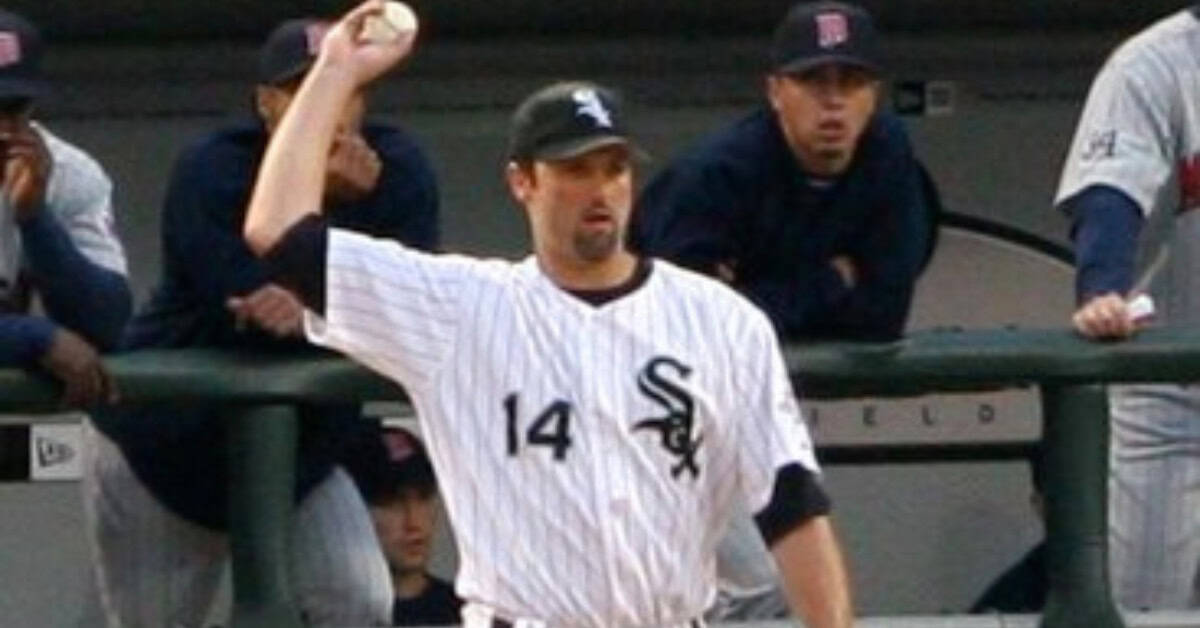
Even when combining both teams in the city, Paul Konerko is one of the greatest sluggers in Chicago history. His 432 home runs with the White Sox are the second-most in franchise history and in the top five among all Chicago players within their careers in the city.
Playoff moments like a World Series grand slam cemented his legacy in the South Side. His six All-Star selections and seven seasons hitting 30 home runs or more put him in a high tier of power hitters for his era.
| Paul Konerko — Career | Total |
|---|---|
| G | 2349 |
| AB | 8393 |
| H | 2340 |
| HR | 439 |
| RBI | 1412 |
| SB | 9 |
| AVG | .279 |
| OBP | .354 |
| SLG | .486 |
| OPS | .840 |
| All-Star selections | 6 |
| World Series titles | 1 |
13. Mark Buehrle: Perfect Game Poetry in Motion

Even as a fan of baseball for my whole life, I still very much enjoy the rule changes in the present day that have sped up the game. Well before those changes, there were pitchers like Mark Buehrle who worked at as fast a pace as any pitcher in history.
His perfect game in 2009 was one of my favorite-ever no-hitters that I've watched. The pace at which he worked that perfect game gave such a smooth rhythm that it makes it rewatchable even for today's newer fans.
| Mark Buehrle — Career | Total |
|---|---|
| W | 214 |
| L | 160 |
| ERA | 3.81 |
| G | 518 |
| IP | 3283.1 |
| SO | 1870 |
| WHIP | 1.28 |
| SV | 0 |
| All-Star selections | 5 |
| Gold Gloves | 4 |
| World Series titles | 1 |
12. Magglio Ordonez: The Venezuelan Thunder
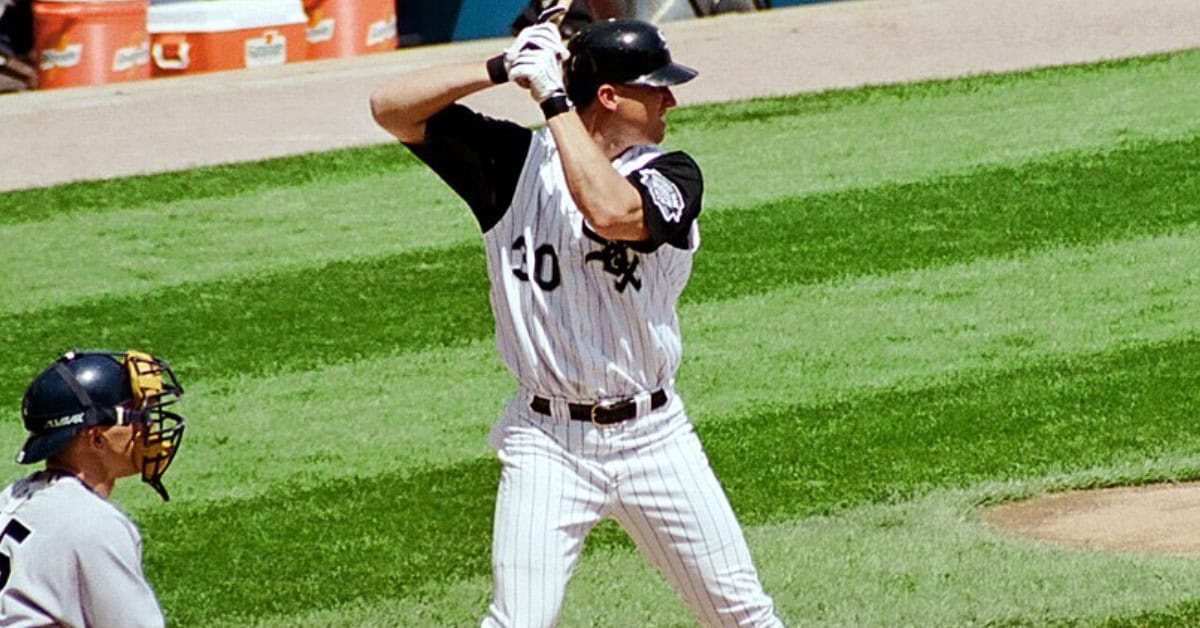
Magglio Ordonez could flat-out drive the ball. His 125 career OPS+ is right on the cusp of some Hall of Fame right fielders. A .309 lifetime batting average and .502 slugging percentage make him one of the best hitters of the 2000s. In eight seasons with the White Sox, Ordonez built up 25.3 WAR with a great .525 slugging percentage.
Doubles are one of my favorite counting stats to look at, and Ordonez doesn't disappoint. He hit the 40-double mark in four separate seasons while getting to 30 in four others. That complemented the four consecutive seasons where he slugged 30 home runs or more.
| Magglio Ordonez — Career | Total |
|---|---|
| G | 1848 |
| AB | 6978 |
| H | 2156 |
| HR | 294 |
| RBI | 1236 |
| SB | 94 |
| AVG | .309 |
| OBP | .369 |
| SLG | .502 |
| OPS | .871 |
| All-Star selections | 6 |
| Silver Sluggers | 3 |
11. Albert Belle: The Slugger Who Terrorized Pitchers
Albert Belle only spent two seasons in Chicago, but certainly made the most of it. He was an All-Star in 1997, which capped off his five-season run of consecutive selections. Then he followed that up with an even better year, smacking 200 hits for the only time in his career while mashing 49 home runs with 152 RBI.
That led to a league-leading .655 slugging percentage and 1.055 OPS. That earned him his fifth Silver Slugger of his career, yet he somehow didn't even reach the top five in MVP voting. I'm surprised more voters weren't intimidated into voting for the angriest slugger in the MLB.
| Albert Belle — Career | Total |
|---|---|
| G | 1539 |
| AB | 5853 |
| H | 1726 |
| HR | 381 |
| RBI | 1239 |
| SB | 88 |
| AVG | .295 |
| OBP | .369 |
| SLG | .564 |
| OPS | .933 |
| All-Star selections | 5 |
| Silver Sluggers | 5 |
10. Robin Ventura: The Grand Slam Master
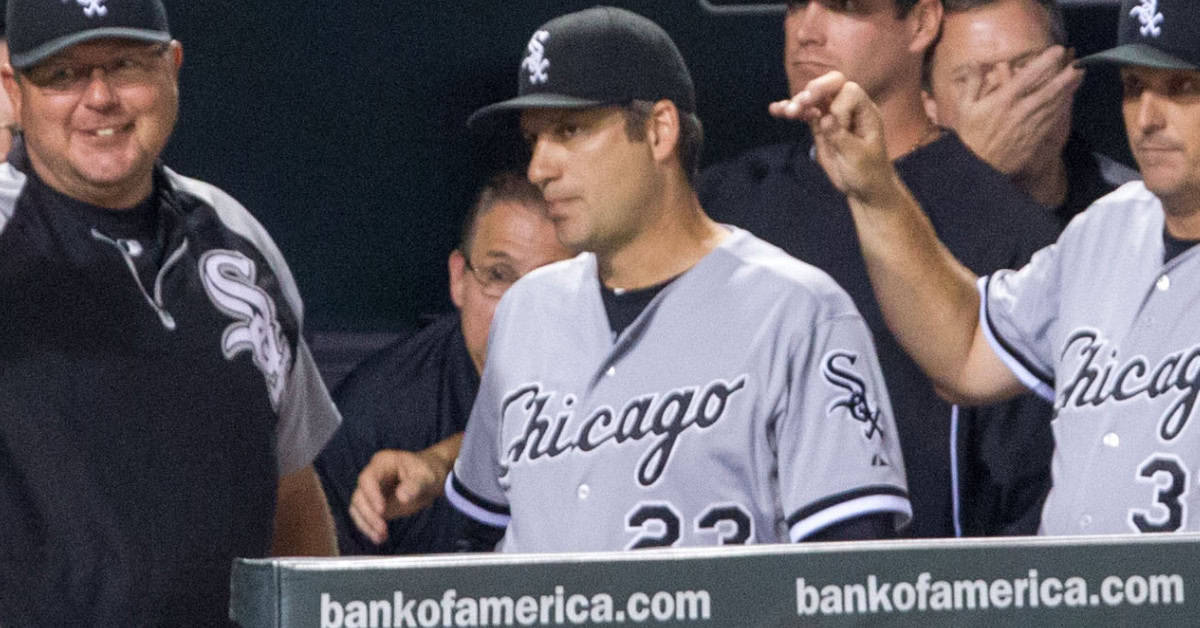
Throughout the early years of Frank Thomas, his partner in crime was Robin Ventura. While Thomas played first base, Ventura was across the diamond playing third. When Thomas would get pitched around and led the league in walks, Ventura took the responsibility to drive in runs.
In his 10 years in the Southside, Ventura had a very good 117 OPS+ while earning six career Gold Gloves.
| Robin Ventura — Career | Total |
|---|---|
| G | 2079 |
| AB | 7064 |
| H | 1885 |
| HR | 294 |
| RBI | 1182 |
| SB | 24 |
| AVG | .267 |
| OBP | .362 |
| SLG | .444 |
| OPS | .806 |
| All-Star selections | 2 |
| Gold Gloves | 6 |
9. Jack McDowell: Black Jack’s Rock Star Days
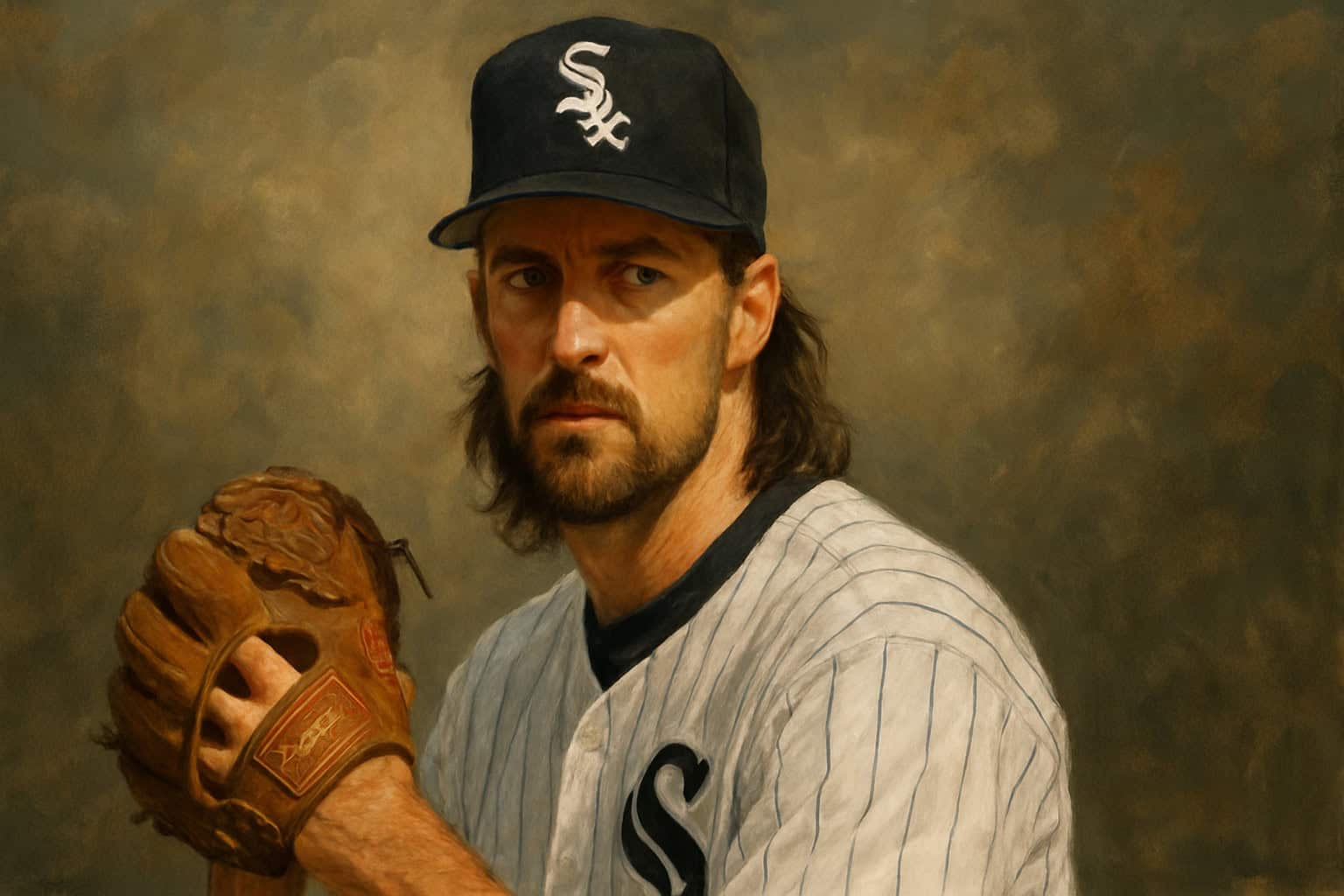
There aren't many pitchers from 1991 to 1993 who were better than Jack McDowell. His 1993 Cy Young season had an MLB-leading 22 wins and four complete-game shutouts.
He actually led baseball in complete games thrown in back-to-back years. Black Jack was one of the top workhorses, and it's pretty impressive how comparable he was to those other great pitchers of that time.
| Jack McDowell — Career | Total |
|---|---|
| W | 127 |
| L | 87 |
| ERA | 3.85 |
| G | 277 |
| IP | 1889.0 |
| SO | 1311 |
| WHIP | 1.30 |
| SV | 0 |
| Cy Young | 1 |
| All-Star selections | 3 |
8. Chet Lemon: The Centerfield Artist of the ’80s

Chet Lemon is just one of those players who many fans of the franchise can remember fondly, but the broader national scope has kind of forgotten. Lemon should absolutely be remembered more throughout baseball, as he was a really solid center fielder in the 1970s and 1980s.
With three All-Star selections in his career, including two in a row in Chicago, Lemon built up more than four WAR in five straight seasons. His career 55.6 WAR is actually top 25 all-time, ahead of Hall of Famers like Kirby Puckett, Earl Averill, and Oscar Charleston.
| Chet Lemon — Career | Total |
|---|---|
| G | 1988 |
| AB | 6868 |
| H | 1875 |
| HR | 215 |
| RBI | 884 |
| SB | 58 |
| AVG | .273 |
| OBP | .355 |
| SLG | .442 |
| OPS | .797 |
| All-Star selections | 3 |
| World Series titles | 1 |
7. Eddie Cicotte: The Shine Ball Master’s Rise and Fall
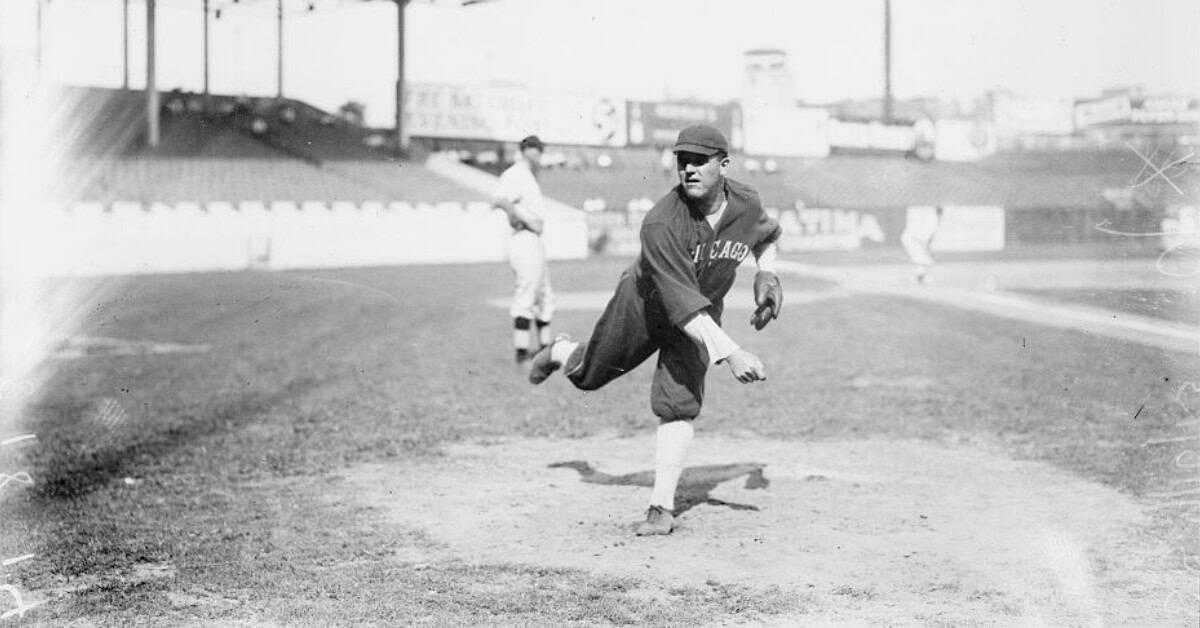
For 14 years, Eddie Cicotte was one of the better pitchers in baseball. He led the league in wins and innings pitched twice, as he kept a career ERA of 2.38.
Any semblance of a legendary legacy got derailed in 1919 thanks to the Black Sox scandal. That happened to be one of his best years, as he went 29-7 with a 1.82 ERA, leading baseball with 30 complete games and 306.2 innings pitched.
| Eddie Cicotte — Career | Total |
|---|---|
| W | 209 |
| L | 148 |
| ERA | 2.38 |
| G | 502 |
| IP | 3226.0 |
| SO | 1374 |
| WHIP | 1.15 |
| SV | 24 |
| World Series titles | 1 |
6. Shoeless Joe’s Teammates: The Other Seven Black Sox
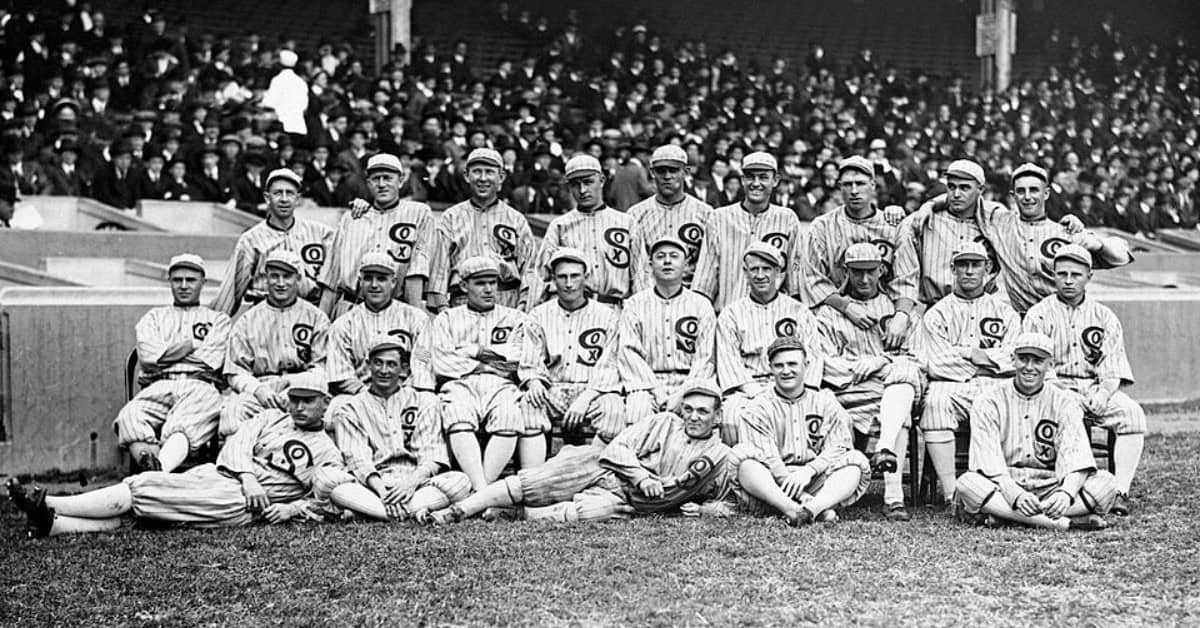
That infamous 1919 team had so many stars on it that it's sad they all have tainted legacies. Shoeless Joe Jackson was the easy headliner, batting .382 in 1920 before the lifetime ban kicked in. Buck Weaver continued his World Series performance by setting career highs with 208 hits on a .331 batting average.
Happy Felsch was also enjoying the best year of his career with a .338 average, 40 doubles, 15 triples, and 115 RBI. Just unfortunate that we can't see these careers as completely finished ones and, instead, we can only look at them in their abbreviated forms thanks to the bans.
5. Bill Melton: Beltin’ Bill of the South Side
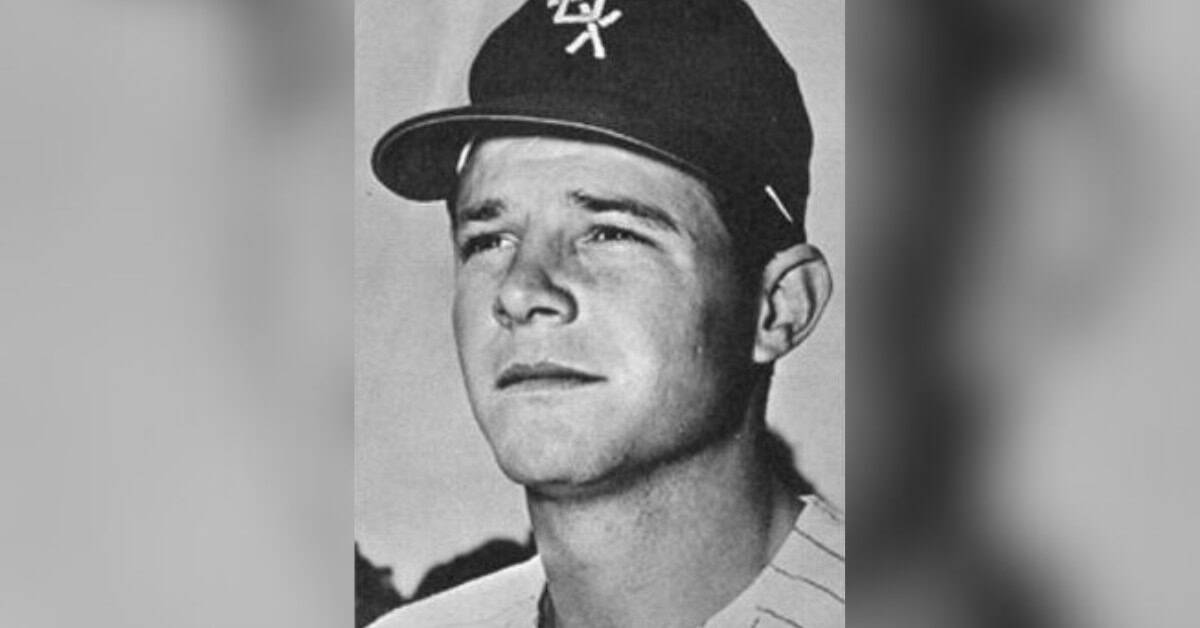
Bill Melton was a core part of the White Sox in the late '60s and early '70s. His consistent play at third base made him a reliable player for eight years in Chicago.
His All-Star season in 1971 included 33 home runs, which led the league and made Melton the first White Sox player to lead the league in that category. Fans not only gravitated towards this player for his offensive output. It was his happy demeanor that just brightened everybody's day at Comiskey Park.
| Bill Melton — Career | Total |
|---|---|
| G | 1144 |
| AB | 3971 |
| H | 1004 |
| HR | 160 |
| RBI | 591 |
| SB | 23 |
| AVG | .253 |
| OBP | .337 |
| SLG | .419 |
| OPS | .756 |
| All-Star selections | 1 |
4. Carlos May: The Man Who Played Without a Thumb
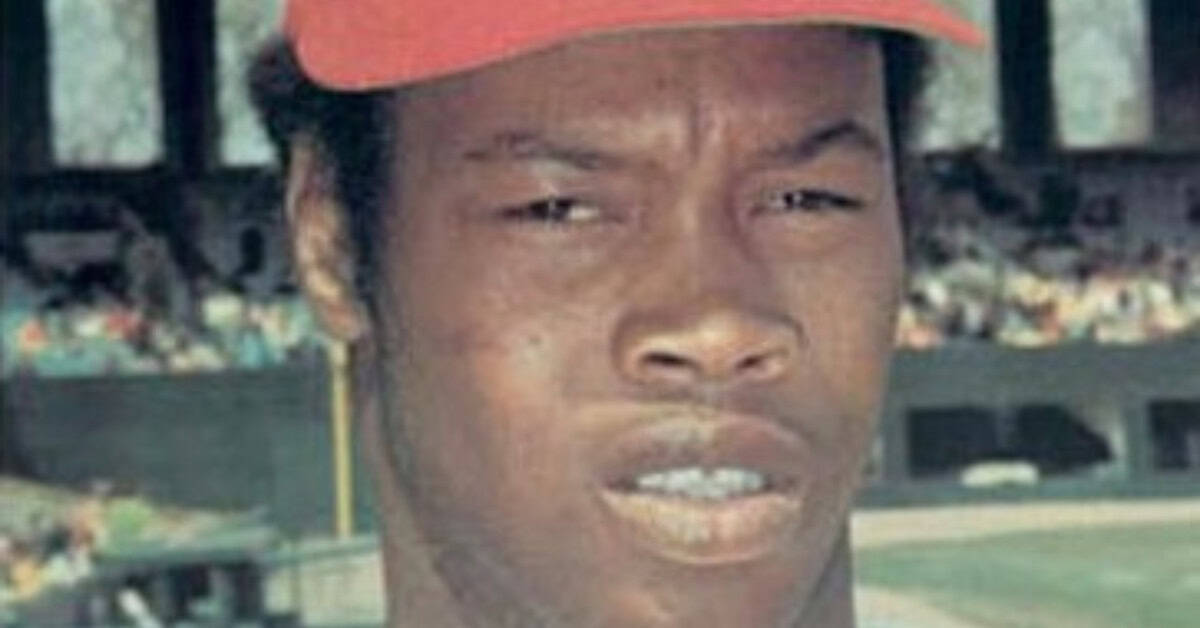
Can you imagine having to live without one of your thumbs? That's how Carlos May had to live and play baseball after suffering a military injury that required the amputation of his thumb.
He made it work, though, earning two All-Star selections in his nine seasons with the White Sox. Even though he had to finish out his career in the Bronx and Anaheim, May definitely found his success in Chicago, even with only one thumb on his body.
| Carlos May — Career | Total |
|---|---|
| G | 1165 |
| AB | 4120 |
| H | 1127 |
| HR | 90 |
| RBI | 536 |
| SB | 85 |
| AVG | .274 |
| OBP | .357 |
| SLG | .392 |
| OPS | .749 |
| All-Star selections | 2 |
3. Wilbur Wood: The Knuckleballer Who Baffled Baseball
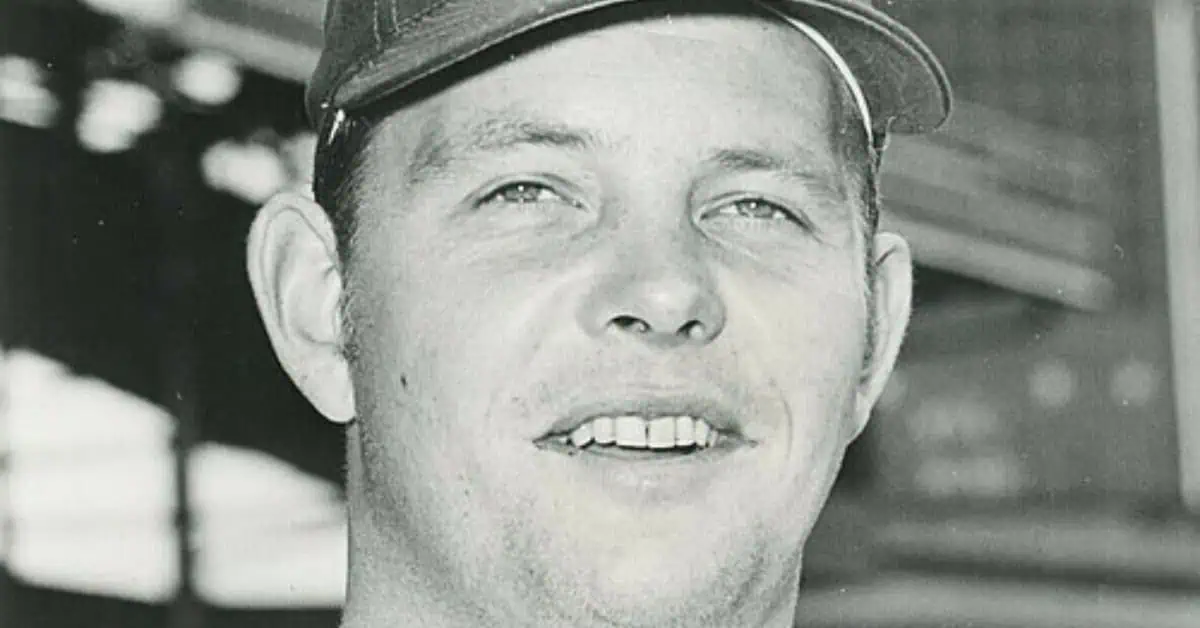
Knuckleball pitchers are some of the most memorable players in baseball history. Wilbur Wood fit that bill. He spent 12 out of his 17-year career in Chicago, where he earned three All-Star selections, jostling between the starting rotation and the bullpen.
Either way, he was leading the league in games started and games finished at different times in his career. That versatility makes him seem even more legendary. Wood was the ultimate arm on staff and ready when it's their time.
| Wilbur Wood — Career | Total |
|---|---|
| W | 164 |
| L | 156 |
| ERA | 3.24 |
| G | 651 |
| IP | 2684.0 |
| SO | 1411 |
| WHIP | 1.23 |
| SV | 57 |
| All-Star selections | 3 |
2. Billy Pierce: The Crafty Lefty Who Defined an Era
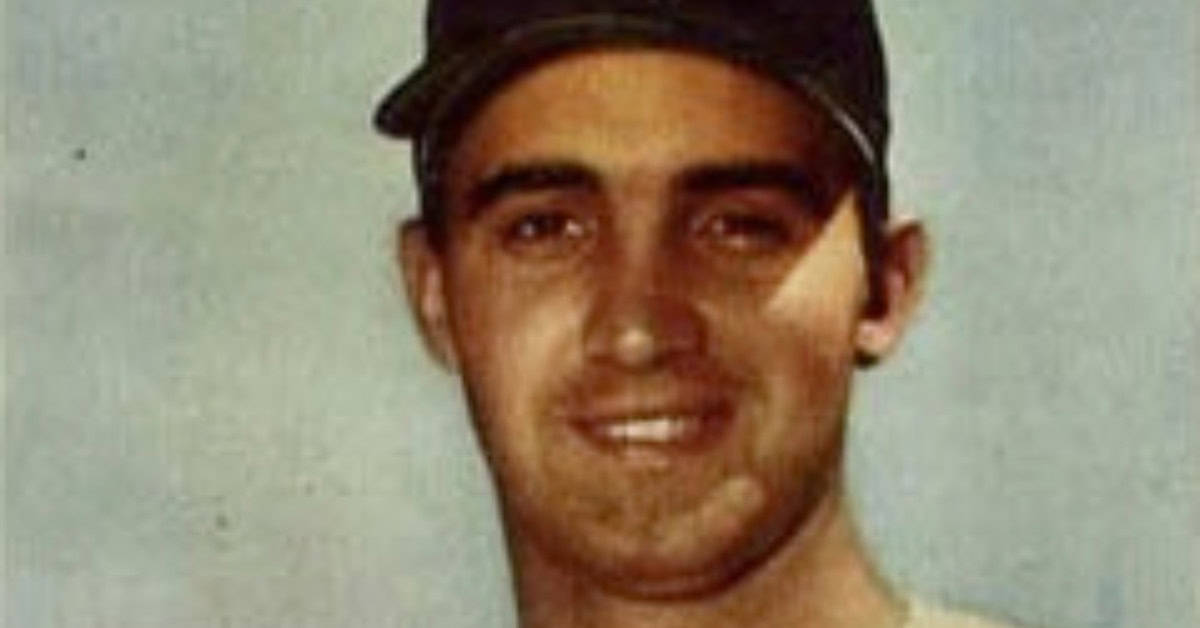
Sometimes, a special season can go a long way in the overall perception of a player's legacy. For Billy Pierce, it was 1995 when he won the ERA title at a minuscule 1.97 with 7.0 WAR.
He set the tone for a crafty left-handed pitcher in the franchise. That gave a good foundation for a guy like Mark Buehrle to come along in the distant future and make history with a perfect game.
| Billy Pierce — Career | Total |
|---|---|
| W | 211 |
| L | 169 |
| ERA | 3.27 |
| G | 585 |
| IP | 3306.2 |
| SO | 1999 |
| WHIP | 1.26 |
| SV | 32 |
| All-Star selections | 7 |
1. Dick Allen: The Misunderstood Slugger of the South Side (HOF)
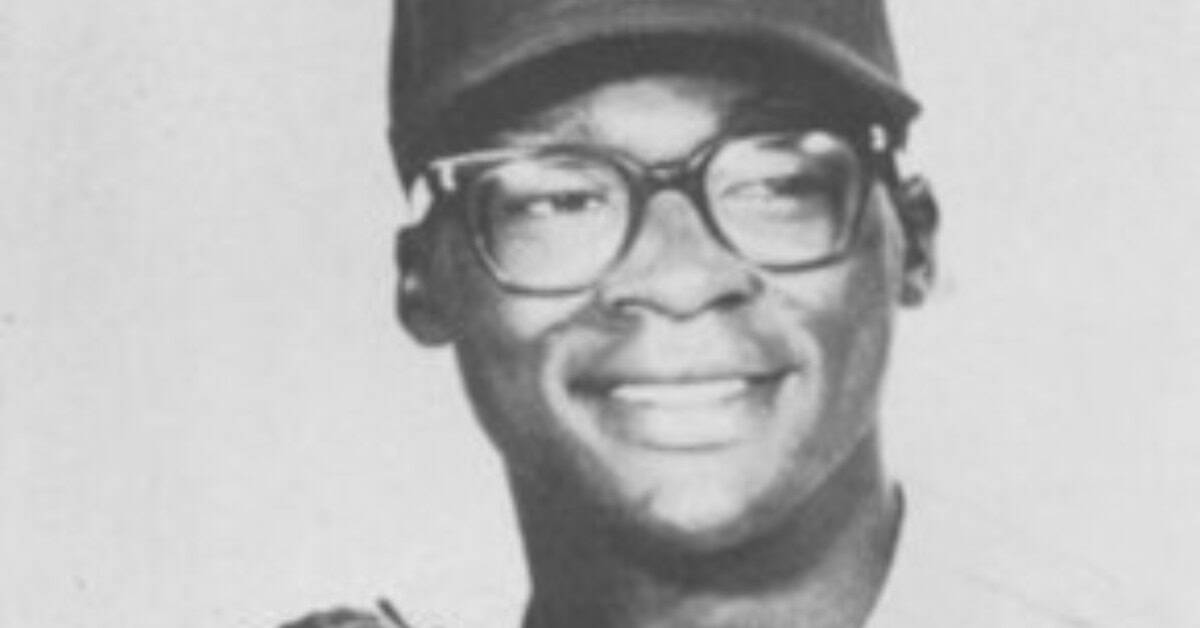
As this is being written in 2025, Dick Allen has waited far too long to be inducted into the Hall of Fame. So, we are approaching his induction ceremony, and it makes me feel a little bit better that he is being posthumously included in its hallowed halls.
Yes, I'm bending the rules a little bit by using the fact that the induction ceremony hasn't happened to include Allen on this list, as he is very deserving of both. No surprise, but the legendary slugger rounds out our list of great White Sox in history.
| Dick Allen — Career | Total |
|---|---|
| G | 1749 |
| AB | 6332 |
| H | 1848 |
| HR | 351 |
| RBI | 1119 |
| SB | 133 |
| AVG | .292 |
| OBP | .378 |
| SLG | .534 |
| OPS | .912 |
| MVP | 1 |
| All-Star selections | 7 |
| Rookie of the Year | 1 |