
Last Updated: October 14th, 2026 by Shaiel Ben-Ephraim
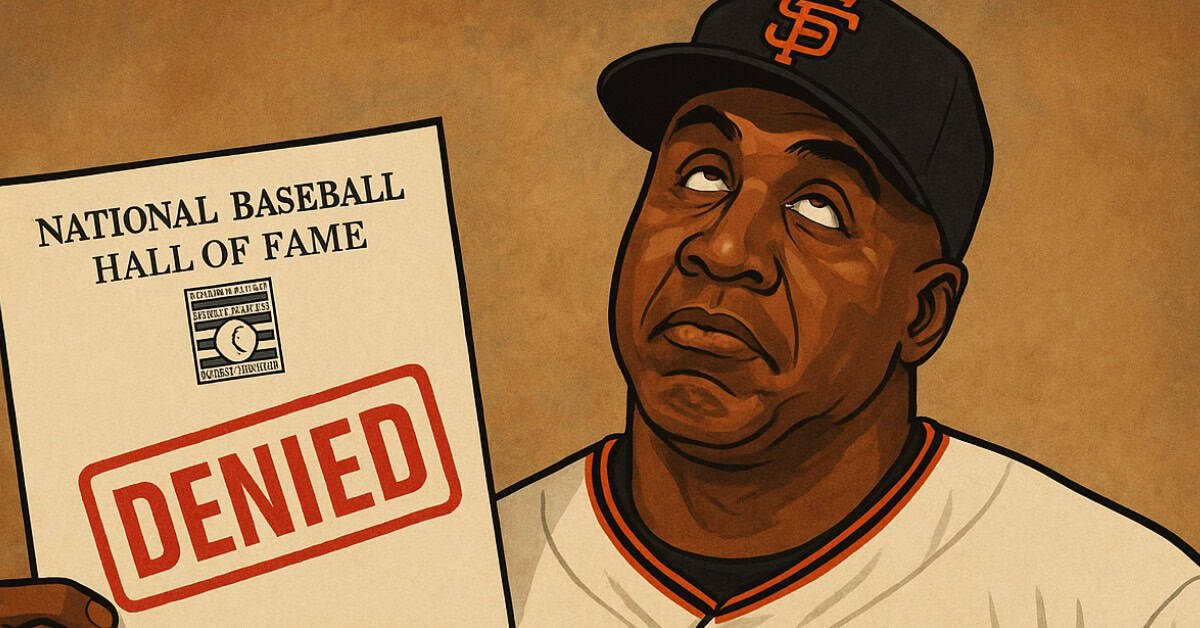
Probably worth remembering that the Hall of Fame isn't a place for great players; it's a place for the absolute greatest players, for 300 among the more than 20,000 men who have played a Major League game. That is a very exclusive club, and there are players out there who for some years of their career definitely belonged in that club but couldn't stay in it the whole time.
Don't lose this article. Enter your email below, and I'll send it to you right now. Plus, we'll send you other unbelievable stories from baseball's past.
And then, of course, there are the players who belong in and aren't in, who should be in but aren't in. And that is because the era didn't match up, their style didn't match up, or they committed some sort of supposed cardinal moral sin.
Some of the people we're going to talk about really belong in Cooperstown; some of them don't, but each one of them has an interesting debate to be had, and we're going to have that debate.
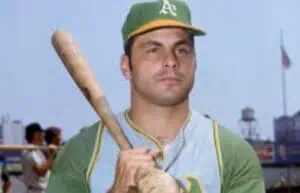
20. Bobby Grich: The Sabermetric Superstar Before His Time

Bobby Grich is the kind of player whose value was not understood at the time and was only understood after the Hall of Fame had moved on from him. Now today we know that 71.1 WAR for a second baseman is fantastic; in fact, it's the 8th best of any second baseman ever. And unfortunately, he only received 11 votes out of 430 in 1992.
And why was that? Well, people looked at his batting average. 266, and 1,833 hits, no batting titles, and they moved on.
They thought good player, not Hall of Fame caliber.
In '81, he did have a very good season by conventional metrics; he hit. 304 with 22 homers, which, just to show you how few homers were being hit that year, tied him for the American League lead. Now he didn't have as much WAR as he could have because in 1976, after being one of the first significant free agents of baseball history, he signed with the Angels.
And then, before he completed a season with them, he was carrying a heavy air conditioner up a flight of stairs, wrecked his back, needed disc surgery, lost most of 1977, and was never quite as good as he was before; he was undone by a household appliance.
Still, his numbers are enough that he should be in the Hall of Fame, but he didn't have that kind of look.
| Bobby Grich — Career | Total |
|---|---|
| G | 2008 |
| AB | 6890 |
| H | 1833 |
| HR | 224 |
| RBI | 864 |
| SB | 104 |
| AVG | .266 |
| OBP | .371 |
| SLG | .424 |
| OPS | .795 |
| All-Star selections | 6 |
| Gold Gloves | 4 |
| Silver Sluggers | 1 |
19. Omar Vizquel: From Shortstop Wizard to Hall of Fame Outcast
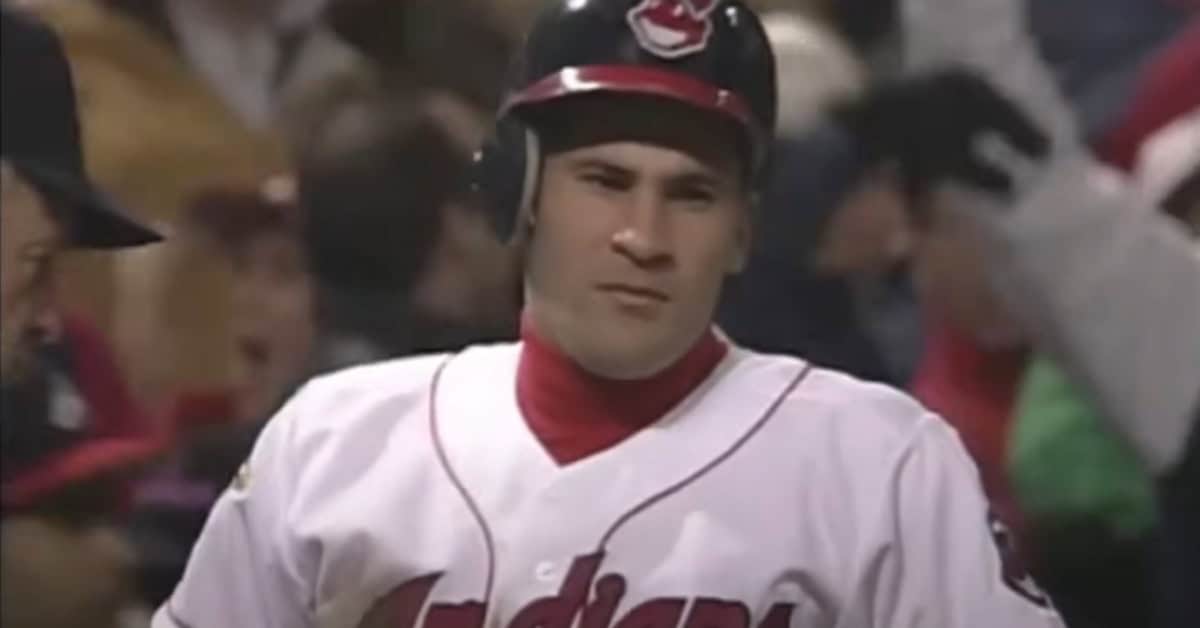
Omar Vizquel was doing quite well, no rhyme intended, in his quest to get to the Hall of Fame, coming on the ballot in 2018 with 37%. By 2020 he was at 52%, very high for someone who didn't get in.
Eventually, what happened? He fell in a single year by 25 points after his ex-wife publicly accused him of assaulting her. Records show a 4th-degree domestic violence charge from January 2016.
He denied everything, but then a former Birmingham Barons bat boy with autism sued, alleging harassment, and both matters were settled confidentially in 2022, but that gave quite the blow to his ambitions.
Now, if you just look passionately at the numbers, they are not there. His WAR is at 45, and much more damning, his OPS plus is at 82, which means that he's much worse than average hitter. So despite those 11 Golden Gloves and his truly amazing defensive prowess, I don't think that he had any business being there, domestic abuse charges or no.
| Omar Vizquel — Career | Total |
|---|---|
| G | 2968 |
| AB | 10586 |
| H | 2877 |
| HR | 80 |
| RBI | 951 |
| SB | 404 |
| AVG | .272 |
| OBP | .336 |
| SLG | .352 |
| OPS | .688 |
| All-Star selections | 3 |
| Gold Gloves | 11 |
18. Curt Schilling: How a Bloody Sock Became Political Dynamite
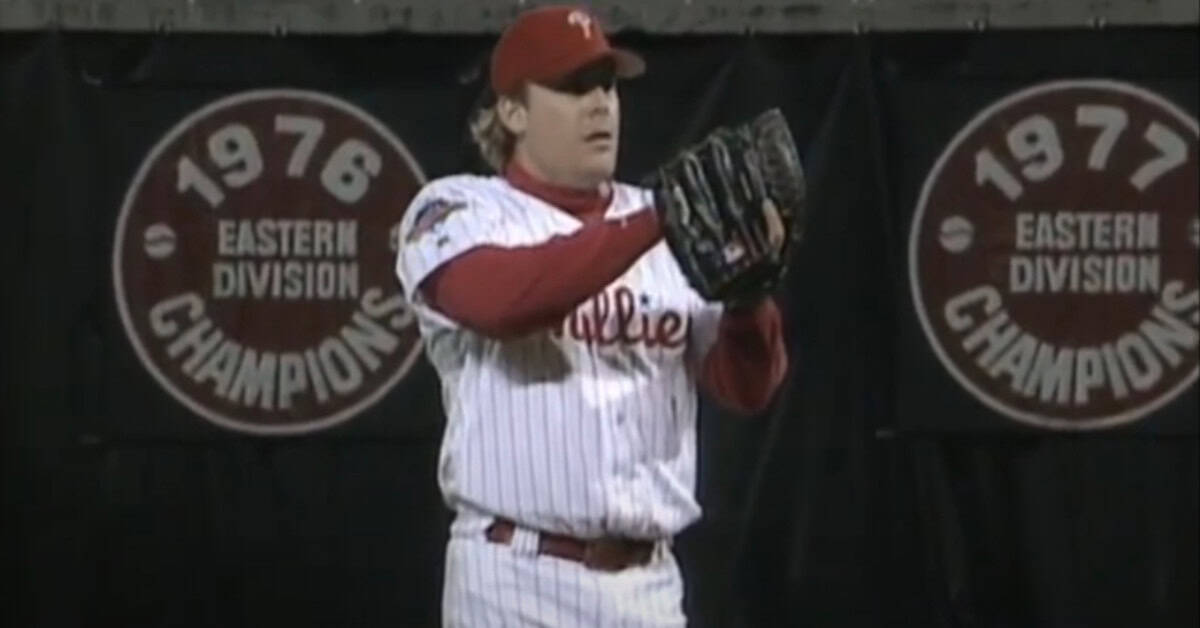
Curt Schilling is an exceptional man in so many ways, and his candidacy for the Hall of Fame has been nothing short of exceptional. He's the only candidate who ever asked to be taken off the ballot, and the only candidate I can think of for whom politics played a real role in why he's not in.
In 2020, it looked like he was going to get in; he had 70%. The next year, 71.1%, just 16 votes short of Cooperstown. In 2022, he was asking to be removed from the ballot; they refused to do so, and it fell to 58.6.
The next year, then he was out. Usually, in the last year, people gain, not Schilling.
Now the case for him, as far as the pitching is concerned, is very good. Over 3,000 strikeouts, 15th of all time, 79 career WAR, so that's better than amazing pitchers like Marichal, Whitey Ford, Don Drysdale, Juan Marichal. 127 ERA plus, unbelievable strikeout-to-walk ratio, 4.38, better than any pitcher in the modern era, no matter who you name.
But he never won a Cy Young; he finished second three times.
Some of that is bad luck of being next to Randy Johnson all the time. You just had that fantastic career. Let's not forget the bloody sock, when he came on with an ankle that had been surgically sutured days earlier, showing what a warrior he was.
And what kicked him out is politics. He was fired by ESPN in 2016 over a social media post. In 2021, he publicly defended the people who stormed the Capitol, and a lot of voters have been holding their noses.
And he didn't make it. Is that fair? Regardless of your politics, probably not; that's not what the Hall of Fame is about.
But you may disagree.
| Curt Schilling — Career | Total |
|---|---|
| W | 216 |
| L | 146 |
| ERA | 3.46 |
| G | 569 |
| IP | 3261.0 |
| SO | 3116 |
| WHIP | 1.14 |
| SV | 22 |
| All-Star selections | 6 |
| World Series titles | 3 |
17. Steve Garvey: Mr. Clean’s Dirty Politics

Early on, it really looked like Garvey had a ticket to Cooperstown, and his resume was impressive. First of all, he was loved, considered Mr. Clean, a good-looking guy, and he had a resume that seemed very impressive at the time: 1,207 consecutive games, '74 MVP, getting on the All-Star ballot without even being on it by being written in, winning the MVP for the All-Star Game, 10 All-Star appearances, four Gold Gloves. It all looked very impressive.
So he started with the writers, first year with 42% of the votes; that's a really good start, but it got worse and worse. And the reason for that is twofold: one, he never walked; he had a .329 career on-base percentage, and over the years people started realizing, Moneyball and all that, how important walks are. And when WAR came into the picture, people saw he only had 38.
That meant that he was really out of contention.
Then his Mr. Clean image was shattered by a series of divorces and scandals. So the image changed, the numbers look different, Garvey's still the same. Garvey never belonged in the Hall of Fame, and he's not going to get in.
| Steve Garvey — Career | Total |
|---|---|
| G | 2332 |
| AB | 8835 |
| H | 2599 |
| HR | 272 |
| RBI | 1308 |
| SB | 83 |
| AVG | .294 |
| OBP | .329 |
| SLG | .446 |
| OPS | .775 |
| MVP | 1 |
| All-Star selections | 10 |
| Gold Gloves | 4 |
| World Series titles | 1 |
16. Dwight Evans: Boston’s Forgotten Star
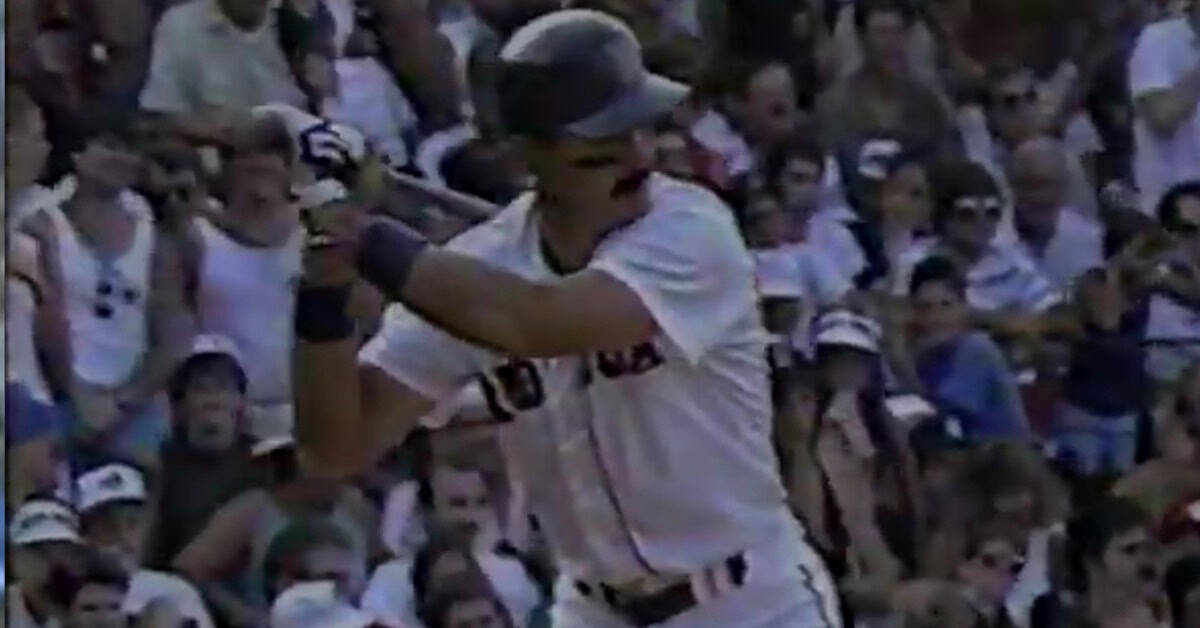
Dwight Evans has gotten closer than just about anyone who's not in the Hall of Fame. In December 2019, the Modern Baseball era committee, and those are people who really study their candidates, gave him eight out of 16, 50%, 10% though, from the writers. Nothing about Dwight Evans changed in the 20 years in between; the amount of attention did, and the importance of advanced stats did.
Evan's case is strong, and the more you look at it, the stronger it gets; 67 career WAR is Hall of Fame territory for an outfielder. It gives you a lot more than people who are not really questioned in the whole thing, like Winfield, Dawson, Guerrero, and Rice. And he was a player with a lot going for him: eight Gold Gloves, 385 home runs, 127 LPS Plus, and a good on-base percentage of 370.
He did leave the American League and walked three times. Dwight Evans hit more home runs in the '80s than any player in baseball, more than Schmidt, more than anyone else.
That was an era when people weren't hitting that many home runs, and that means that his 385 home runs are worth more than 400 in most other eras. And he was forgotten for no real reason. And I think that it's really time that he got another look.
| Dwight Evans — Career | Total |
|---|---|
| G | 2606 |
| AB | 8996 |
| H | 2446 |
| HR | 385 |
| RBI | 1384 |
| SB | 78 |
| AVG | .272 |
| OBP | .370 |
| SLG | .470 |
| OPS | .840 |
| All-Star selections | 3 |
| Gold Gloves | 8 |
| Silver Sluggers | 2 |
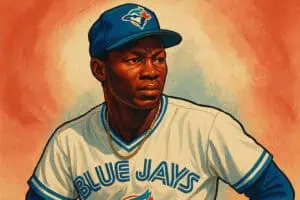
15. Tommy John: The Surgery Legend Without a Plaque
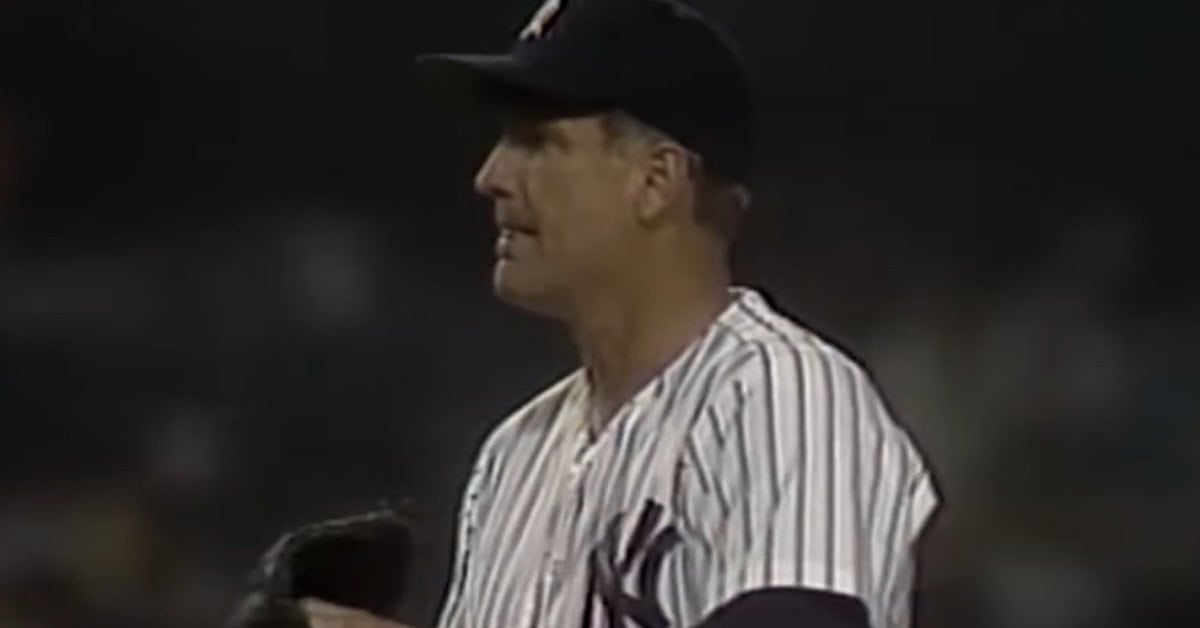
To entire generations of fans, Tommy John is the name of a surgery, but it was also the name of a great pitcher. Unfortunately, Tommy John died on August 17th 2026, of bladder cancer in Florida. He was being considered back in December 2024 by the Classic Baseball Era Committee and received seven of 16 votes.
That was closer than he'd ever been before; they'll meet again in December 2027.
And maybe now that he's passed away, he'll get a better hearing. There's a pretty compelling case to put him in. he has 288 wins; that's 26th of all time. That means that with 26 Seasons, he ties the record for the most seasons any player pitched.
He had 62 career Wins. Now, he was never an overpowering, dominant pitcher. He didn't win a Cy Young. he wasn't on any All-Star teams.
He never won a World Series ring, though. he pitched in three, and, of course, one of the things he's most remembered for is the surgery in 1974.
He was 13, and 3 his elbow gave out; Dr. Frank Job transplanted a tendon from John's right forearm into his left elbow. No one had ever done that before. Job told him the odds of pitching again were one in 100.
He missed all of '75 but came back in '76 to win comeback player of the year. He won 20 games, and the amazing part is he had 124 wins before the surgery and 164 after.
As a pitcher, he had more wins than Jim Cat. For example, Cat's WAR was 17 points lower. There's really no reason that Cat should be in, and John shouldn't, especially doing something that important.
Of course, Frank Joe is in Cooperstown, and Tommy John, after whom surgeries are named, is not, between the pitching and the notoriety. I hope they will wake up; too bad it couldn't be before this great pitcher passed away.
| Tommy John — Career | Total |
|---|---|
| W | 288 |
| L | 231 |
| ERA | 3.34 |
| G | 760 |
| IP | 4710.1 |
| SO | 2245 |
| WHIP | 1.28 |
| SV | 4 |
| All-Star selections | 4 |
14. Curt Flood: The Man Who Changed Baseball But Lost His Place
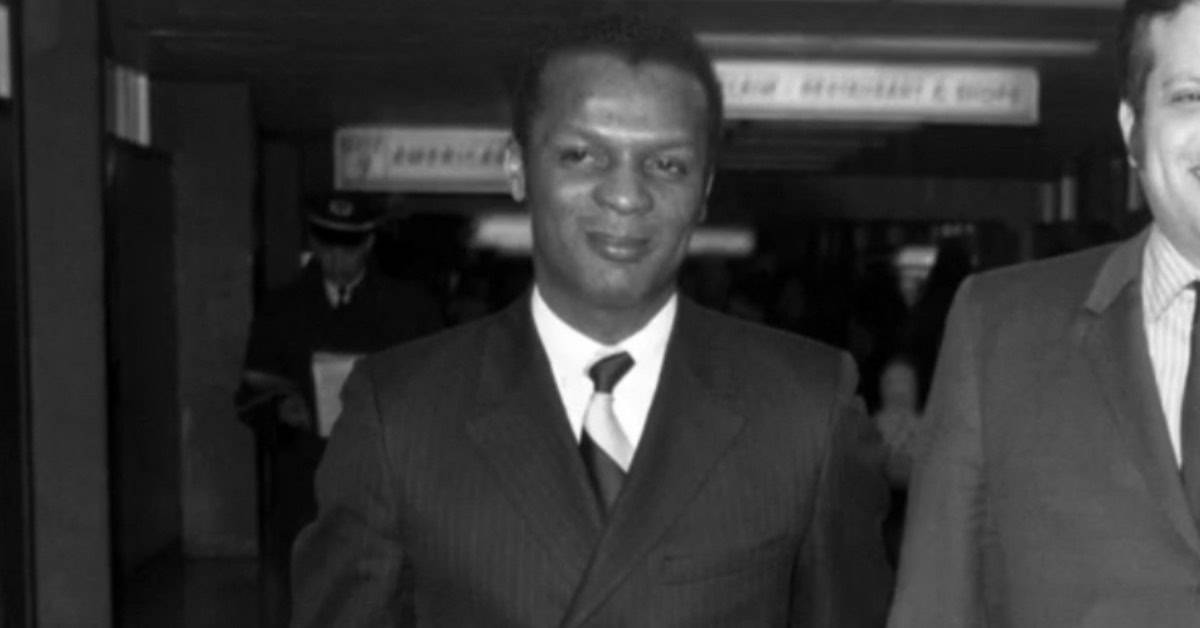
Curt Flood is remembered for two things: his glove and his effect on free agency. He won seven straight Gold Gloves and played center field from 63 to 69. He was also quite the hitter, 293 career, 1,861 hits, two World Series rings with the Cardinals it's 67, he even had 335.
So, for a decade, he was the best center fielder in the National League. Everything changed in 69 when the Cardinals tried to trade him to the Phillies after 12 years; he just wouldn't go. He visited commissioner Bowie Kuhn and said, "I do not feel I am a piece of property to be bought and sold irrespective of my wishes." So he didn't play; he got death threats; it went to the Supreme Court, which ruled against him.
But in later years, Congress passed the Curt Flood Act, which allowed free agency. That was in 1997. Unfortunately, they did it a year after he passed away, named after him, and he never saw it.
Now Marvin Miller, the union boss whose movement Flood's fight energized, made it to the Hall of Fame in 2020.
So he has a plaque, but Flood doesn't. Considering Flood was also a great player, that seems pretty unfair to me. There are members of Congress who have picked up his case, and honestly, between his influence on the game and his greatness when he was playing, I think he deserves it.
| Curt Flood — Career | Total |
|---|---|
| G | 1759 |
| AB | 6357 |
| H | 1861 |
| HR | 85 |
| RBI | 636 |
| SB | 88 |
| AVG | .293 |
| OBP | .342 |
| SLG | .389 |
| OPS | .731 |
| All-Star selections | 3 |
| Gold Gloves | 7 |
| World Series titles | 2 |
13. Dale Murphy: The Clean Superstar Left Outside
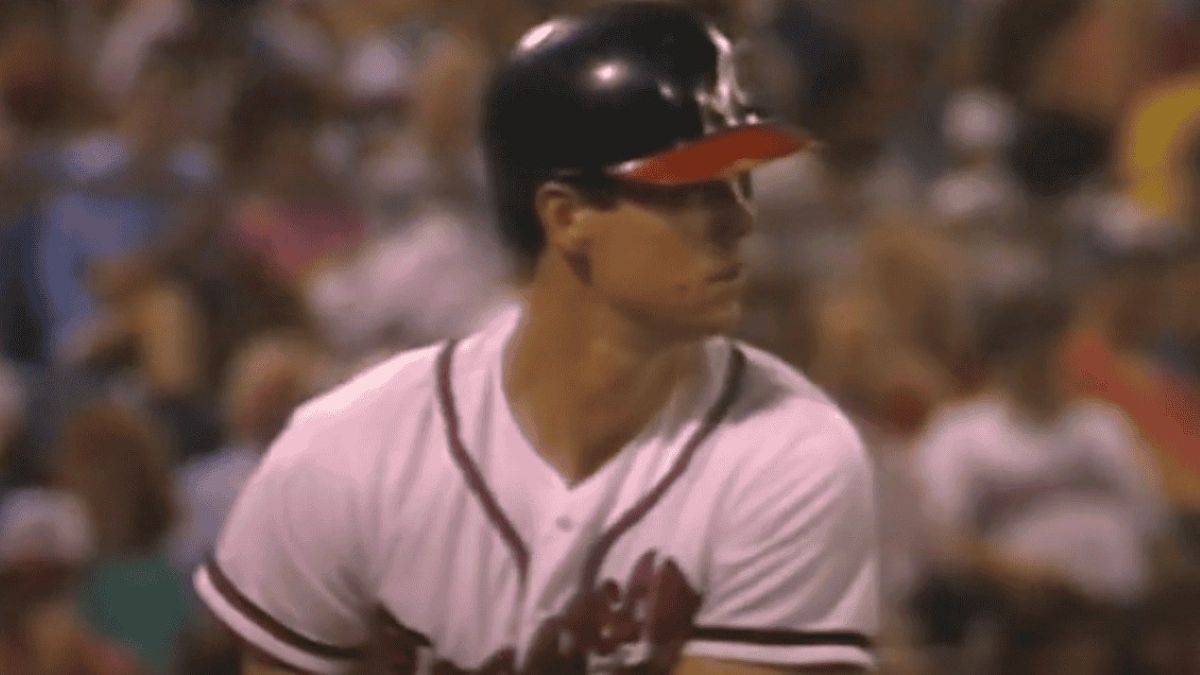
Dale Murphy's been examined from every single angle and found wanting, and that's for good reason. He was a fantastic player at his peak, winning back-to-back MVPs in 82 and 83, five straight Gold Gloves, and all that, and sadly, 740 consecutive games. But then his knees went.
He moved to right field, then first base. He hit 232 by age 31; he was finished. He had a 47; center fielders are supposed to be at 670 to make it, and he had 398 home runs.
If he had 400, maybe you'd have more of a case, and his character certainly was standing in his favor. He was truly beloved.
He visited children who were sick, including a famous case where he went to visit a little girl in Atlanta who would love to have an eye, promised to hit two home runs for her that night, and then did it. Typical Dale Murphy. Unfortunately, he didn't have enough seasons to make it to Cooperstown.
| Dale Murphy — Career | Total |
|---|---|
| G | 2180 |
| AB | 7960 |
| H | 2111 |
| HR | 398 |
| RBI | 1266 |
| SB | 161 |
| AVG | .265 |
| OBP | .346 |
| SLG | .469 |
| OPS | .815 |
| MVP | 2 |
| All-Star selections | 7 |
| Gold Gloves | 5 |
| Silver Sluggers | 4 |
12. Don Mattingly: Donnie Baseball’s Missing Plaque
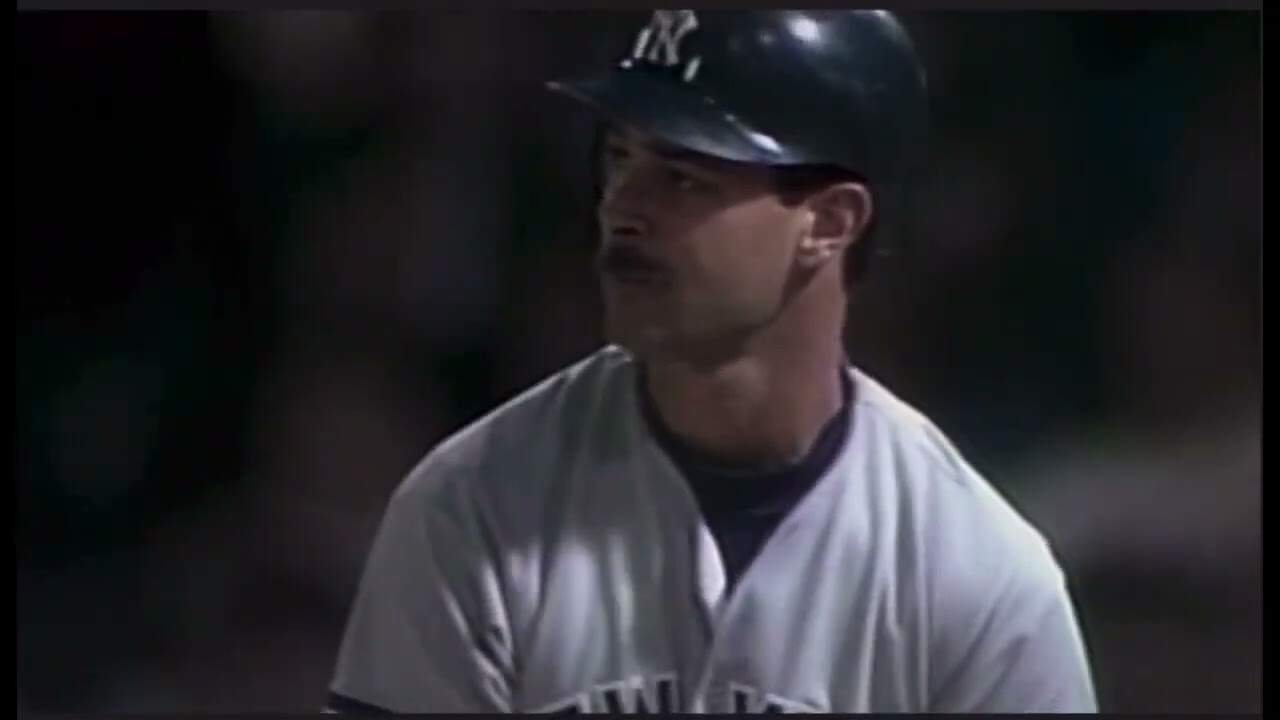
Don Mattingly was a truly beloved player, so he got every opportunity. He was on the ballot for 15 full years, and after debuting with 28% in 2001, he finished with nine, and a lot of that is because advanced stats showed that he didn't have the WAR that you need in order to get in.
He always has 42; that's nowhere near what you expect from a first baseman who's expected to hit a lot. Of course his peak was magnificent, and it's because of his back; they didn't have those numbers, but he didn't.
One of the things that people held against him was that he wasn't good with the postseason, which, the only time he made it was at 95 at 34, when he was already way past his prime, and he hit 417 with the homer and six RBIs. He still has a chance.
He's been on the last two contemporary-era ballots; he got six of 16 last time, that's around 38%, and now that he's doing very well as a manager, he might get another shot through that. So let's stay hopeful; the man is a legend after all.
| Don Mattingly — Career | Total |
|---|---|
| G | 1785 |
| AB | 7003 |
| H | 2153 |
| HR | 222 |
| RBI | 1099 |
| SB | 14 |
| AVG | .307 |
| OBP | .358 |
| SLG | .471 |
| OPS | .829 |
| MVP | 1 |
| All-Star selections | 6 |
| Gold Gloves | 9 |
| Silver Sluggers | 3 |
11. Thurman Munson: The Captain’s Incomplete Journey
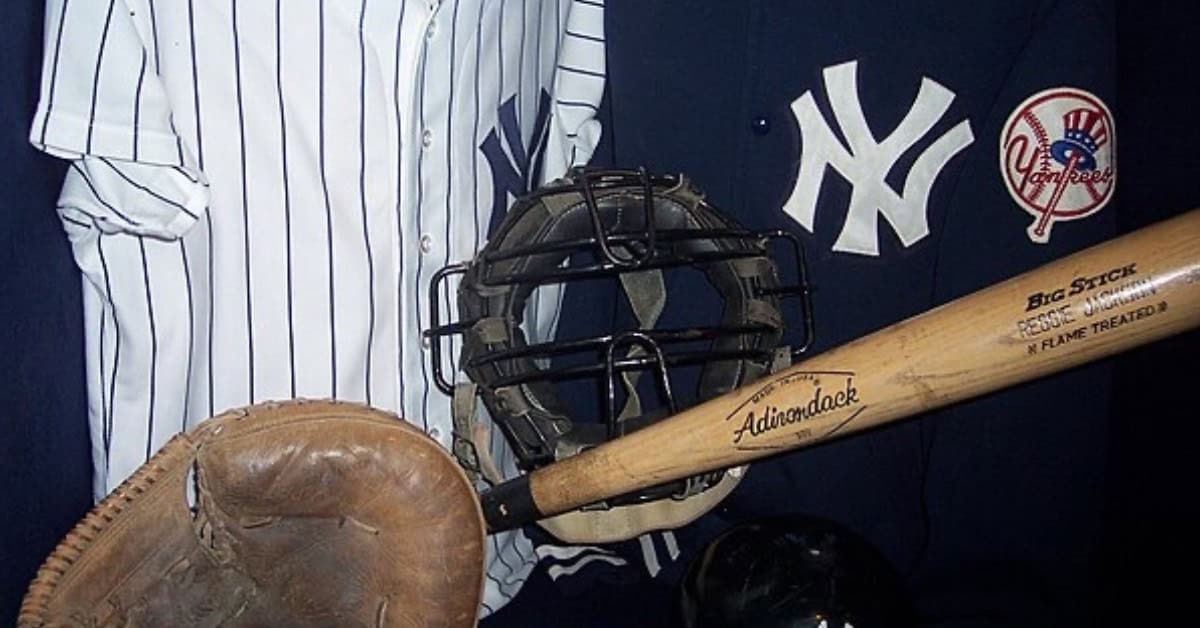
Thurman Munson was given every consideration to try to get into the Hall of Fame. They actually waived the five-year waiting period when he died in that plane crash, so he was on the ballot already in 1981, just 18 months after the crash, but he only got 15.5%, and he never got better.
They looked as hard and as long as they possibly could, and people really wanted him to get in, but he just didn't have the number of years and the numbers to get in there. He was 1970 Rookie of the Year, 1976 MVP, and he had 300 RBI years in a row, the only catcher in the history of baseball to do that, with a .357 career postseason average.
But still, when he was compared to Johnny Bench, his own manager, Sparky Anderson, said, "Don't ever embarrass anybody by comparing them to Johnny Bench." He spent his whole career being the other guy. And he died when he tried to fly home to see his three kids, and came down short of the runway at the Akron-Canton Airport. The other passengers got out; he didn't.
And when the Yankees took the field next, they took the field with nobody behind the plate. Doesn't look like he's going to get in, though he will have another chance with the classic baseball era committee. He'd be competing with Pete Rose and Shoeless Joe Jackson.
The numbers aren't going to change; it just doesn't quite have them.
| Thurman Munson — Career | Total |
|---|---|
| G | 1423 |
| AB | 5344 |
| H | 1558 |
| HR | 113 |
| RBI | 701 |
| SB | 48 |
| AVG | .292 |
| OBP | .346 |
| SLG | .410 |
| OPS | .756 |
| MVP | 1 |
| All-Star selections | 7 |
| Gold Gloves | 3 |
| World Series titles | 2 |
| Rookie of the Year | 1 |
10. Lou Whitaker: Detroit’s Overlooked Diamond
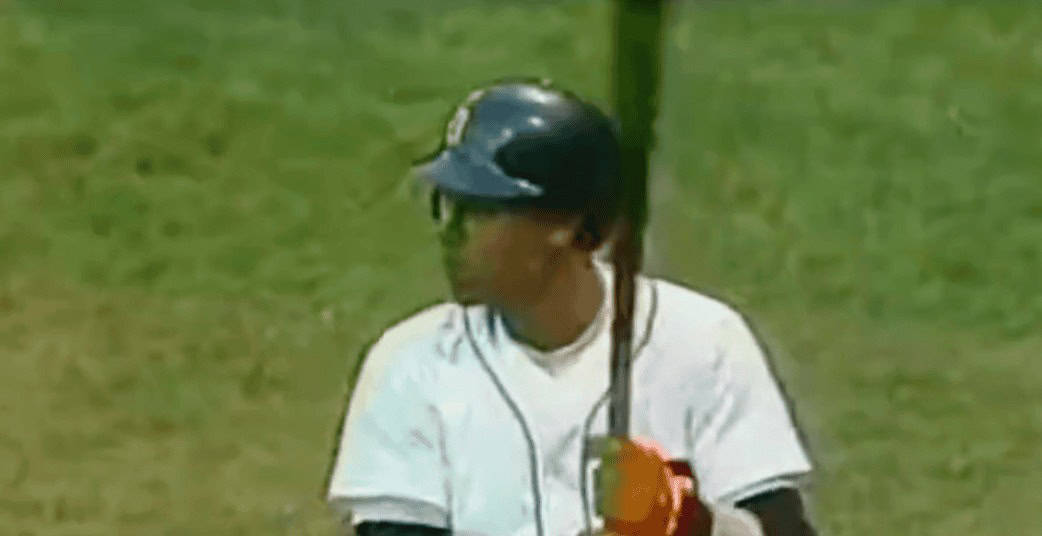
Lou Whitaker belongs in the Hall of Fame, and I would say maybe the main thing that kept him out was that he was completely and totally indifferent to fame. He never asked anyone for anything, never campaigned, never tried to carry favor with the press, and it cost him.
Let's look at the numbers. He has 75.1 WAR; that's Hall of Fame, especially at his position. 19 seasons with Detroit, 2,369 hits, 244 home runs, 117 Ops plus, 5 All-Star teams, three Gold Gloves for Silver Sluggers, and a Rookie of the Year as well as a ring.
Now why do I say that his WAR is a Hall of Fame WAR? It's higher than Biggio, higher than Alomar, higher than Ryan Sandberg, and higher than Alan Tramel, his own shortstop. He and Tramel debuted the same year, on the same team.
Tramel has a lower WAR, and Tramel made it in.
Whitaker got one afternoon of consideration and was shafted. Tramel was better; he campaigned more, and those were the results. That's what got him to Cooperstown, and it's a great injustice, but the good news is that Lou doesn't really care.
| Lou Whitaker — Career | Total |
|---|---|
| G | 2390 |
| AB | 8570 |
| H | 2369 |
| HR | 244 |
| RBI | 1084 |
| SB | 143 |
| AVG | .276 |
| OBP | .363 |
| SLG | .426 |
| OPS | .789 |
| All-Star selections | 5 |
| Gold Gloves | 3 |
| Silver Sluggers | 4 |
| World Series titles | 1 |
| Rookie of the Year | 1 |
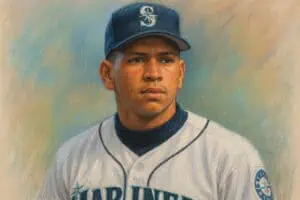
9. Alex Rodriguez: 696 Homers of Complicated Legacy

The thing about the A-Rod candidacy for the Hall of Fame is that it's still moving, and it's moving in the right direction. In 2026, he got 40%, and that was up from 37.1. 5 years left and needs 75%.
There's a reason to believe he might get there or get close to getting there.
The Hall of Fame purged its voters, and the electorate shrank from 570 to 425. Those who are not actively covering baseball anymore are gone. Also, A-Rod is now a beloved announcer, and that's improved his image.
The resume is still absolutely fantastic. He has three MVPs, almost 700 home runs, over 3,000 hits- just stellar numbers- not to mention 57 homers while playing shortstop; no one's ever done that.
And he had admitted using substances in 2013, biogenesis, he was suspended for 211 games, the longest drug suspension in the history of baseball. But it wasn't just that. He also sued Major League Baseball, sued his own players' union, and sued the Yankees team doctor.
That really got him on the list of unpopular players for a while, but the tide is shifting.
| Alex Rodriguez — Career | Total |
|---|---|
| G | 2784 |
| AB | 10566 |
| H | 3115 |
| HR | 696 |
| RBI | 2086 |
| SB | 329 |
| AVG | .295 |
| OBP | .380 |
| SLG | .550 |
| OPS | .930 |
| MVP | 3 |
| All-Star selections | 14 |
| Gold Gloves | 2 |
| Silver Sluggers | 10 |
| World Series titles | 1 |
8. Rafael Palmeiro: How One Finger Wag Changed Everything

Among all these names, Rafael Palmeiro is unique, not necessarily in a good way. He's the only person to get 3,000 hits and get thrown out of the Hall of Fame ballot for lack of support and the very low numbers: 11%, 12.6, 8.8, 4.4, then removal.
You might be thinking that there are others, but Pete Rose has never appeared on a ballot; A-Rod is still on one, so Rafael is the only one who was actively voted out with 3,000. He was there as ballast; the Contemporary Era ballot had him in what one animal is described as a distraction. He wasn't a candidate; he was there so voters could focus on someone else.
And that's not cuz of his resume; the resume is fantastic. 569 homers, the aforementioned 3,000 hits. But the thing is, Palmeiro got caught.
He said he never used steroids, period. Then he got caught. There's really nothing you can say after that, and less than 3 weeks after his 3,000th hit, he was suspended for testing positive.
But let's not forget that he was an amazing ball player.
| Rafael Palmeiro — Career | Total |
|---|---|
| G | 2831 |
| AB | 10472 |
| H | 3020 |
| HR | 569 |
| RBI | 1834 |
| SB | 97 |
| AVG | .288 |
| OBP | .371 |
| SLG | .515 |
| OPS | .886 |
| All-Star selections | 4 |
| Gold Gloves | 3 |
| Silver Sluggers | 2 |
7. Sammy Sosa: From Wrigley Hero to Hall Zero

A lot of us have fun memories of Sammy Sosa because his personality was so irresistible and he was a fantastic home run hitter, the only one with over 360 Homer Seasons: 66 and 98, 63 and 99, 64 2001. But it's worth remembering that he was a limited hitter, didn't walk much, didn't hit much, and that's why he had fewer WAR than, for example, Kenny Lofton, for most casual fans couldn't pick him out of a lineup.
There's a lot of controversy around him; obviously, there's the cork that exploded. It's worth remembering that on that day in 2003, the other bats that were checked, all 76, were clean.
Now what really finished him was the Congressional Hearing in 2005 when he pretended not to be able to talk English to avoid questions about the steroids, and everyone had seen him give interviews in English for years. That really killed him.
However, he walked back onto Wrigley Field in 2025 for the first time in 21 years; the ovation he got was enormous. He didn't get Cooperstown, but at least he got Chicago back, and that's got to count for something.
| Sammy Sosa — Career | Total |
|---|---|
| G | 2354 |
| AB | 8813 |
| H | 2408 |
| HR | 609 |
| RBI | 1667 |
| SB | 234 |
| AVG | .273 |
| OBP | .344 |
| SLG | .534 |
| OPS | .878 |
| MVP | 1 |
| All-Star selections | 7 |
| Silver Sluggers | 6 |
6. Mark McGwire: When 70 Home Runs Wasn’t Enough
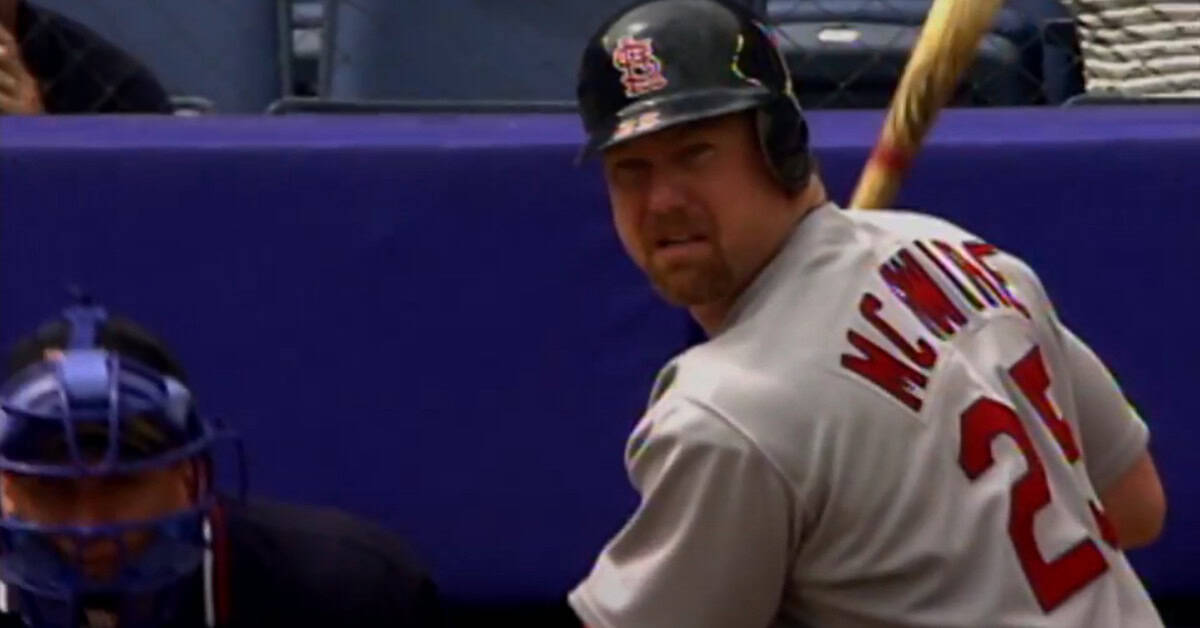
Mark McGuire is different from the other people we've been talking about. he hasn't gone forward in his candidacy; every year that he was being considered on the ballot, he went backward. He debuted in the low twenties percent in 2007 and finished at 12.3% in 2016, and sadly, he was the only one who really told the truth; he admitted everything in January 2010 when the Cardinals hired him as a hitting coach.
Bonds never admitted a thing; Clemens sued people, but McGuire confessed, and his number still went down. He also got a Committee hearing, which most of the men on this list never did.
But his actual baseball case is that of course he was one of the great home run hitters who ever lived, 583 homers, 163 OPS plus, and homered every 10.6 at bats, more than anyone else, even Bonds or Ruth didn't do it that much. But because he had a lot of injuries, and because his average was low, he had a 62 career WAR, which is not that impressive for a first baseman who's there to hit.
So it's likely that he will never get it, but it has to be said, baseball forgave him; he got all these jobs as a hitting coach, but Cooperstown is still not going to let him in.
| Mark McGwire — Career | Total |
|---|---|
| G | 1874 |
| AB | 6187 |
| H | 1626 |
| HR | 583 |
| RBI | 1414 |
| SB | 12 |
| AVG | .263 |
| OBP | .394 |
| SLG | .588 |
| OPS | .982 |
| All-Star selections | 12 |
| Gold Gloves | 1 |
| Silver Sluggers | 3 |
| World Series titles | 1 |
| Rookie of the Year | 1 |
5. Keith Hernandez: The Gold Glove Revolutionary Who Changed First Base

The basic story about Keith Hernandez is one that everyone knows now: almost definitely the greatest defensive first baseman of all time, 11 consecutive gloves, '78 to 1988, and his 128 OPS Plus shows that he was way above average hitter. His WAR: 60 career WAR, more than McGriff, Perez, Pepita, and Hodges.
He has an MVP, and he has two rings. And of course he revolutionized the position. He would play so far off the bag and charge one so violently they wouldn't call the sacrifice against his teams, and that changed the way the offenses played.
Now we know that he's out at least partially because of the Pittsburgh drug trials, when Hernandez testified under immunity and admitted to using cocaine. And if that seems like a good reason to keep him out to you, keep the following in mind: Paul Molitor had a real cocaine problem, or only in his career, and he was elected first ballot. Dennis Eckersley had his own substance problems.
Orlando Cepeda served in prison for 10 months for smuggling marijuana. Ferguson Jenkins was stopped at the Toronto airport with cocaine in his luggage. So why did they get in and she didn't?
I don't see any reason. That's just a mood, not a standard.
| Keith Hernandez — Career | Total |
|---|---|
| G | 2088 |
| AB | 7370 |
| H | 2182 |
| HR | 162 |
| RBI | 1071 |
| SB | 98 |
| AVG | .296 |
| OBP | .384 |
| SLG | .436 |
| OPS | .820 |
| MVP | 1 |
| All-Star selections | 5 |
| Gold Gloves | 11 |
| Silver Sluggers | 2 |
| World Series titles | 2 |
4. Shoeless Joe Jackson: The Black Sox Case Returns to the Hall Debate
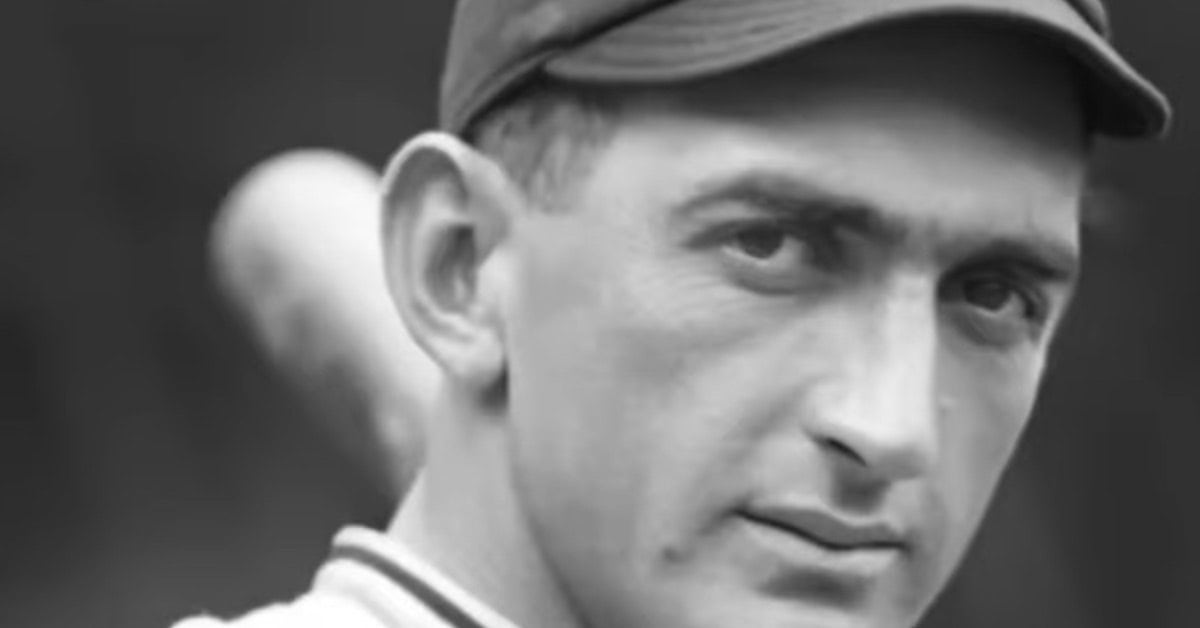
Shoeless Joe Jackson. "Say It Ain't So Joe," apparently something that was never said to Joe, at least according to his court documents. So here's something about Shoeless Joe that no one really talks about: he was 32 years old when he played his last game.
He hit .382 that year and led the American League in triples; he was at his absolute peak.
And according to projections, he probably would have had five or six more years of excellence, and the numbers he had then would have made him clearly one of the greatest of all time. He ended anyway with a .356 career average, the third highest in baseball history. Babe Ruth says that he copied his swing.
Of course the reason he's not in is because of the 1919 World Series, and he did take $5,000 and admitted it, and that's pretty damning. But he tried to tell White Sox owner Charles Comiskey about it, and Comiskey wouldn't meet with him. He also signed the grand jury statements swearing that he couldn't read, and that's why he had no idea what he was signing.
What's happening now is that since he's been dead for a long time, since '51, and permanent ineligibility stops at death, he can be considered in December 2027. And since all his enemies are dead, that's a pretty good chance of getting in.
| Joe Jackson — Career | Total |
|---|---|
| G | 1332 |
| AB | 4981 |
| H | 1772 |
| HR | 54 |
| RBI | 785 |
| SB | 202 |
| AVG | .356 |
| OBP | .423 |
| SLG | .517 |
| OPS | .940 |
| World Series titles | 1 |
3. Roger Clemens: The Rocket’s Hall of Fame Crash Landing

Roger Clemens, just like Barry Bonds, if you'd never taken anything, would be in Cooperstown, and there's no question about it. The allegations in the Mitchell report regarding Clemens cover 1998 through 2001, so just stop the clock in '97, and he already had four Cy Young Awards and MVP, over 200 wins, nearly 3,000 strikeouts, and both of his 20-strikeout games.
The career totals that he has are barely believable. He has 4,672 strikeouts, a 140 ERA plus, and seven Cy Young Awards, so he ended up going from being one of the best pitchers to arguably the best. But he's still a Hall of Famer either way.
What makes him different from a lot of the others in the article is that Clemens is the only man here who is criminally charged and tried in a federal courtroom. In 2012, a jury acquitted him on all counts, and he got pretty close to getting in. In 2022, he topped out at 65.2%, and it's his final year with the Yankees.
Just like Bonds, he's eligible again in 2031.
I think Andy Pettitte's testimony that Clemens used HGH really hurt him, because everyone knew Pettitte had nothing to gain by going against his friend. Like Bonds, Clemens might get a different hearing in 2031.
| Roger Clemens — Career | Total |
|---|---|
| W | 354 |
| L | 184 |
| ERA | 3.12 |
| G | 709 |
| IP | 4916.2 |
| SO | 4672 |
| WHIP | 1.17 |
| SV | 0 |
| MVP | 1 |
| Cy Young | 7 |
| All-Star selections | 11 |
| World Series titles | 2 |
2. Barry Bonds: 762 Homers, Zero Plaques

What more can we say about Barry Bonds? Well, let's not talk about the 762 home runs for a second; let's imagine his career ended in 1998, before Balco, before the body changed, before there was any suspicion that he was using steroids.
At that point, Barry Bonds had 411 home runs and 445 stolen bases; that would make him the only man in history with 400 in both, three MVPs, eight Golden Gloves, a .290 average, and 99.9 WAR. Think about that: 99.9 WAR. Ken Griffey, for his entire career, has 83.8, so as much as we love Griffey, he was already a better player than Griffey at that time.
But we have a player with incredible power, not the most power in history, and also incredible speed. Then, of course, with the help of steroids, he played for nine more years and hit .351 more home runs that are tainted, and there's no way around them. We're talking about the most examined candidate in the history of Hall of Fame voting.
He spent 10 years on the ballot when everybody was talking about nothing but him, nobody neglected Barry Bonds, they looked at him as hard as they could. He got pretty close; he topped out at 66% with the writers in 2022, and then, in the irony of ironies, Jeff Kent, his own second baseman with whom he had a fight in the Giants Dugout, was preferred over him.
Now he can't be considered until 2031; we'll see what happens then. The conversation might be different in five years. But just like in the case of Pete Rose, his ball, the 756 home run, is on display in Cooperstown, but Barry has not been inducted.
| Barry Bonds — Career | Total |
|---|---|
| G | 2986 |
| AB | 9847 |
| H | 2935 |
| HR | 762 |
| RBI | 1996 |
| SB | 514 |
| AVG | .298 |
| OBP | .444 |
| SLG | .607 |
| OPS | 1.051 |
| MVP | 7 |
| All-Star selections | 14 |
| Gold Gloves | 8 |
| Silver Sluggers | 12 |
1. Pete Rose: Baseball’s Hit King Is Eligible for Hall Consideration

Let's talk about Pete Rose. Let's try to get angles that are a little less obvious than what people usually talk about. Let's not spend too much time talking about how great a player he was: 4,256 hits, nobody is even close, most games played, most at-bats, 17 All-Star selections at five different positions, three rings, a 44-game hitting streak.
He's one of the best players who ever lived, and we know that he belongs in the Hall of Fame as far as playing is concerned.
Now, here are some fascinating things about Pete Rose and his eligibility for Cooperstown. The reason he was not eligible is that they had to make a special law for Pete Rose. In 1991 the Hall of Fame wrote a bylaw it never needed before, that anyone who's on baseball's permanently ineligible list is barred from the ballot.
That was created just for Pete Rose, and it's something that Cooperstown is going to have to contend with from now on. What that means is that Pete Rose never appeared on a Hall of Fame ballot in his life.
That is probably about to change. Rob Manfred ruled that permanent ineligibility ends at death, and tragically Pete Rose died on September 30th, 2024. So he could get in through the classic baseball era committee, which convenes next in December 2027.
He could be in the class of 2028, but that just means he'll be considered, not that he will be selected. He gets elected eventually.
And here's the thing to remember: Cooperstown, the museum, has displayed his bat, ball, and records the whole time. The building was fine with Rose. It was the committees that didn't.
Let's see what happens now.
| Pete Rose — Career | Total |
|---|---|
| G | 3562 |
| AB | 14053 |
| H | 4256 |
| HR | 160 |
| RBI | 1314 |
| SB | 198 |
| AVG | .303 |
| OBP | .375 |
| SLG | .409 |
| OPS | .784 |
| MVP | 1 |
| All-Star selections | 17 |
| Gold Gloves | 2 |
| Silver Sluggers | 1 |
| World Series titles | 3 |
| Rookie of the Year | 1 |