
Last Updated: June 17th, 2026 by Matthew Brown
Before steroids and launch angles, before million-dollar contracts and instant replay, baseball was a different animal altogether. The Dead Ball Era (1900-1919) demanded a special breed of player – masters of small ball, defensive wizards, and pitchers who could throw all day. These 1960s stars would have felt right at home in that gritty, strategic era, where a single run could make all the difference.
Don't lose this article. Enter your email below, and I'll send it to you right now. Plus, we'll send you other unbelievable stories from baseball's past.
Willie Mays: The Say Hey Kid Would’ve Been the Dead Ball King
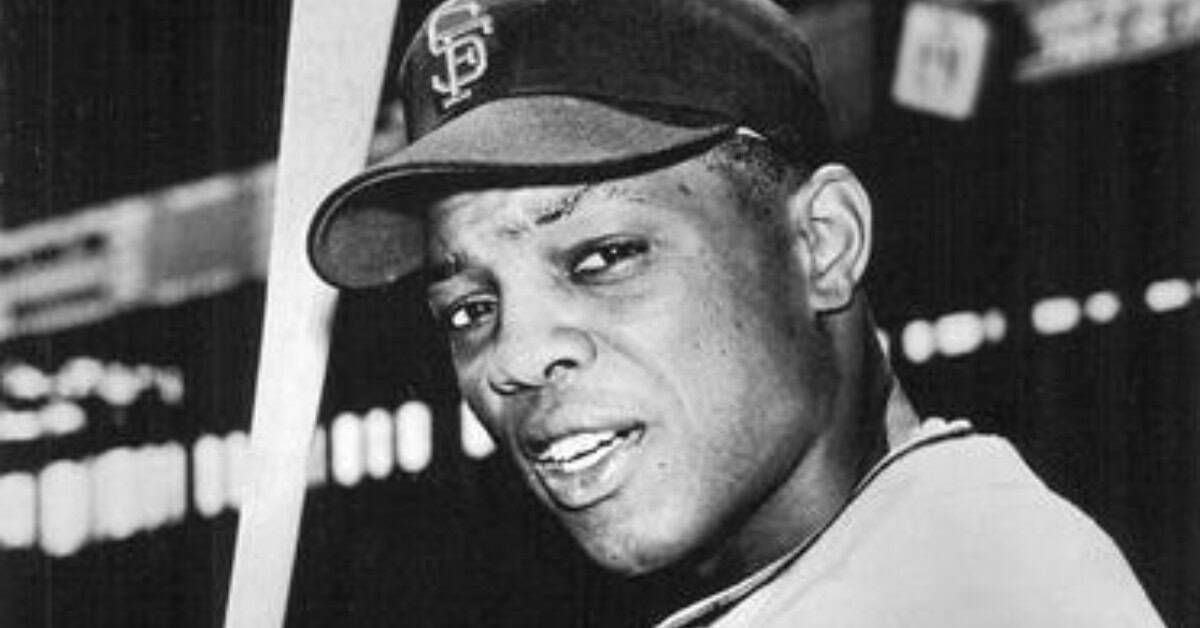
With his basket catches and unmatched instincts, Mays would’ve been worth his weight in gold during the Dead Ball Era. His combination of speed, defense, and contact hitting was tailor-made for the small-ball style of the 1900s, where his famous “Say Hey” catches would’ve saved countless extra-base hits on those vast, unmanicured outfields.
Lou Brock: Base-Stealing Poetry in a Small Ball Era
In an era where manufacturing runs were everything, Brock’s base-stealing prowess would’ve been revolutionary. Those leather gloves and primitive catching equipment of the 1900s wouldn’t have stood a chance against his explosive first step and masterful sliding technique.
Sandy Koufax: When Perfect Pitch Met Perfect Rules
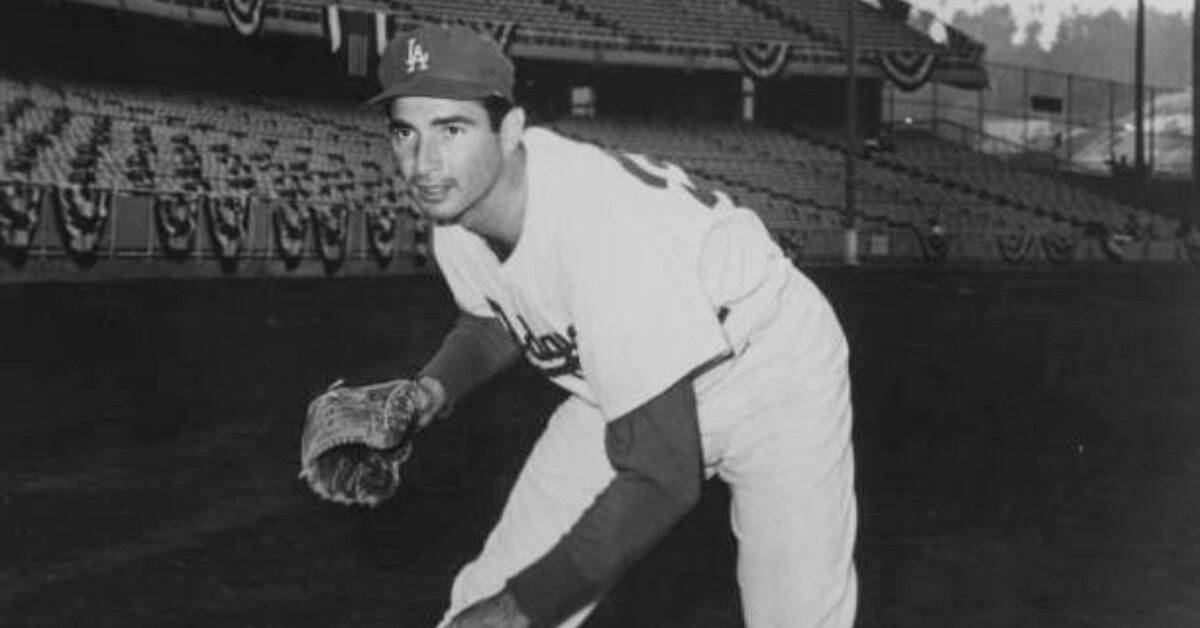
Imagine Koufax’s devastating curve with those pre-1920 rules that favored pitchers. In an era where spitballs were legal and balls stayed in play until they practically unraveled, his already unhittable arsenal would’ve been practically supernatural.
Roberto Clemente: The Cannon Arm That Would’ve Ruled 1910
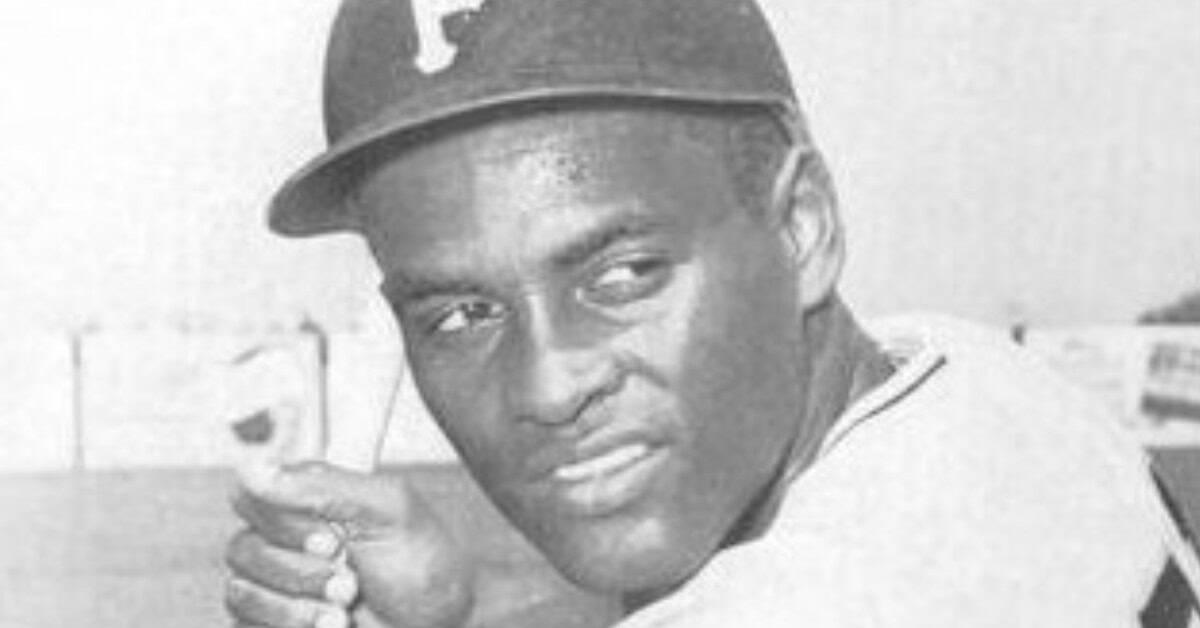
Clemente’s legendary arm would’ve been even more devastating in an era where outfield assists were crucial. With those dead balls that didn’t travel as far, his precise throws and aggressive fielding style would’ve turned right field into a no-man’s land for opposing baserunners.
Brooks Robinson: The Human Vacuum at Dead Ball Third
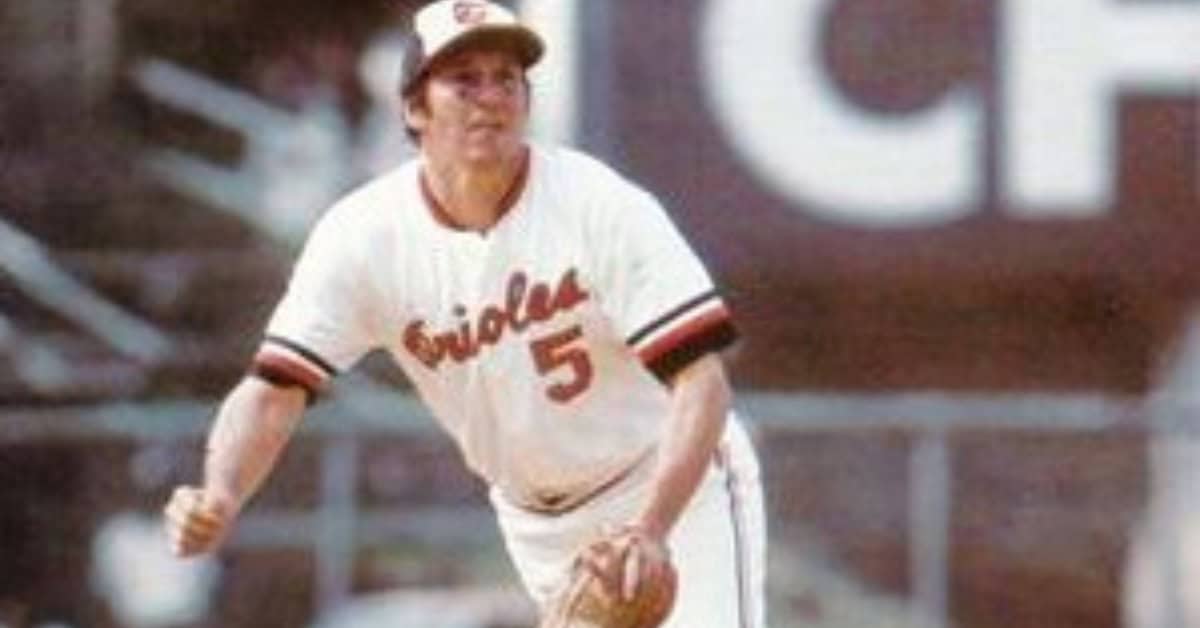
The Human Vacuum Cleaner would’ve been even more valuable in an era where bunting was an art form. Robinson’s supernatural reflexes and bare-handed prowess would’ve shut down the entire left side of the infield when teams were scratching for every single run.
Juan Marichal: High Kicks and Higher Stakes
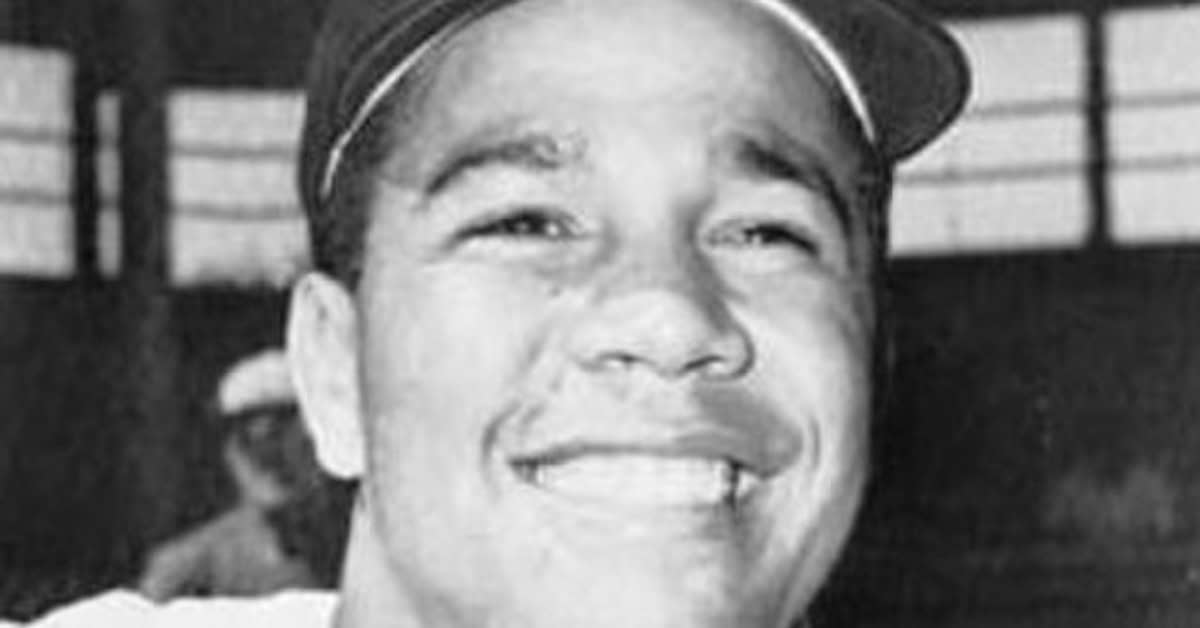
Marichal’s deceptive delivery and pinpoint control would’ve been devastating with those generous 1900s strike zones. His high leg kick and array of arm angles would’ve baffled hitters who were already struggling with the dead ball, making his pitches nearly impossible to track.
Bob Gibson: When 1.12 ERA Meets 1900s Baseball
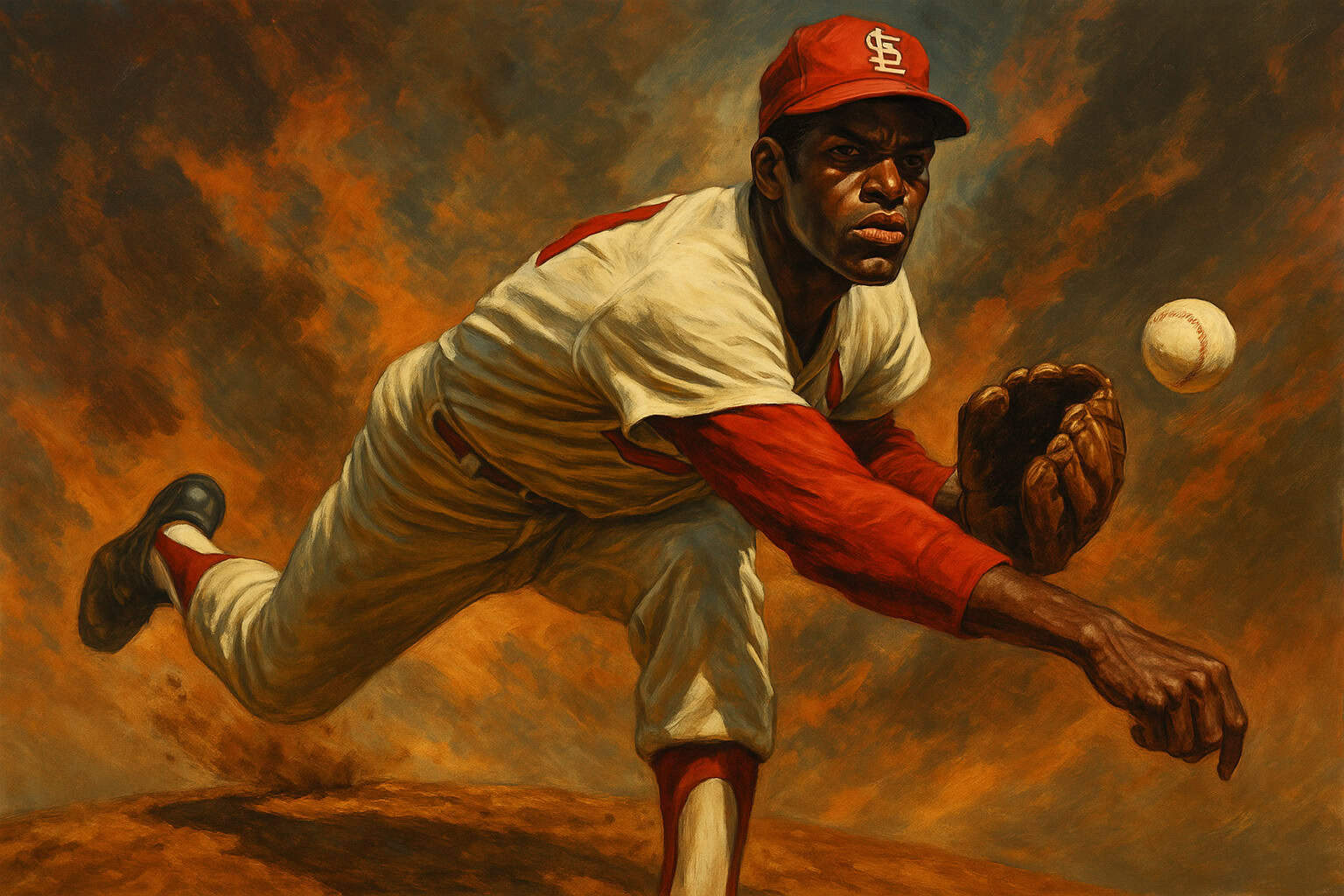
Gibson’s intimidating presence and devastating slider would’ve been even more fearsome in an era where pitchers ruled supreme. His famous 1968 season with a 1.12 ERA might have been even more impressive in the Dead Ball Era, where his aggressive inside pitching would’ve sent those old-time batters diving for cover.
Luis Aparicio: The Ghost of Dead Ball Shortstops
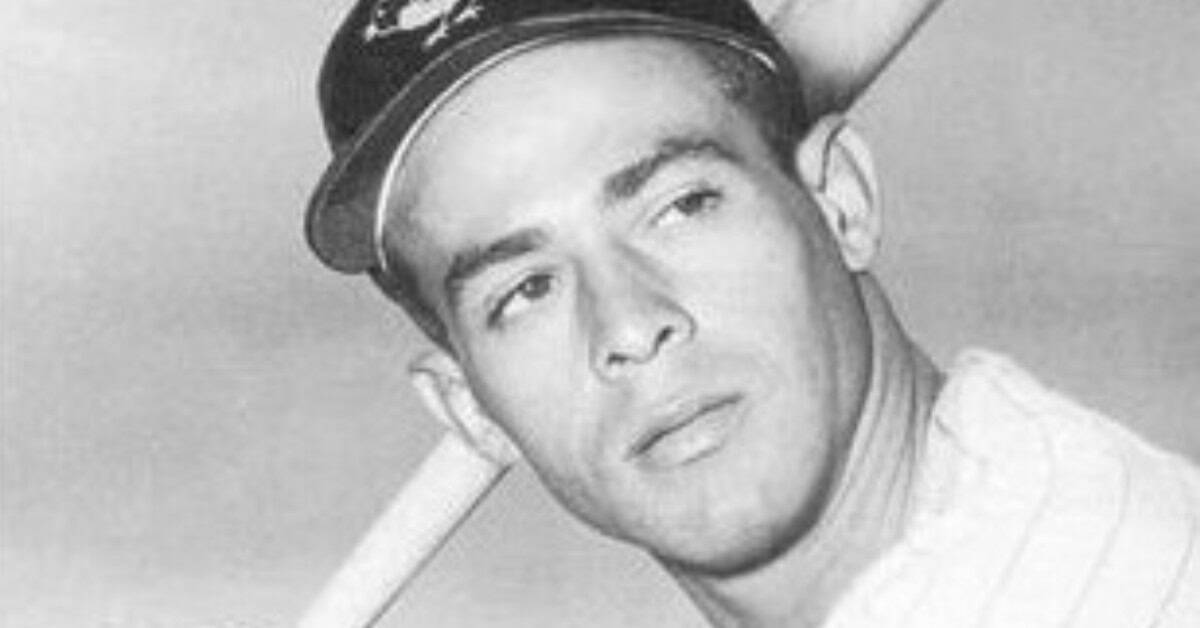
Little Louie’s blend of speed, defense, and contact hitting was straight out of the Dead Ball Era playbook. His nine consecutive stolen base titles would’ve been even more valuable in an era where a single stolen base could decide a game, and his slick fielding would’ve thrived on those rough-cut infields.
Al Kaline: Mr. Tiger Meets Mr. Deadball
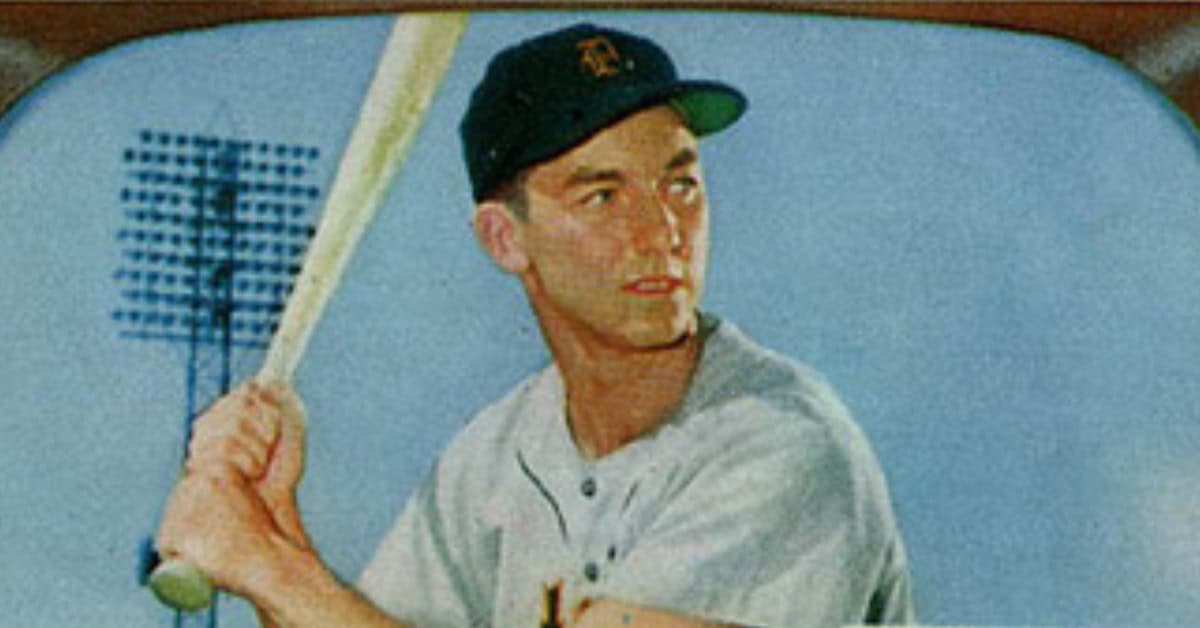
Kaline’s pure hitting approach and defensive excellence would have made him a Dead Ball superstar. His compact swing and gap-to-gap power would’ve produced countless doubles and triples in those sprawling outfields, while his rocket arm would’ve kept runners honest on those muddy basepaths.
Hoyt Wilhelm: The Knuckleball Time Machine
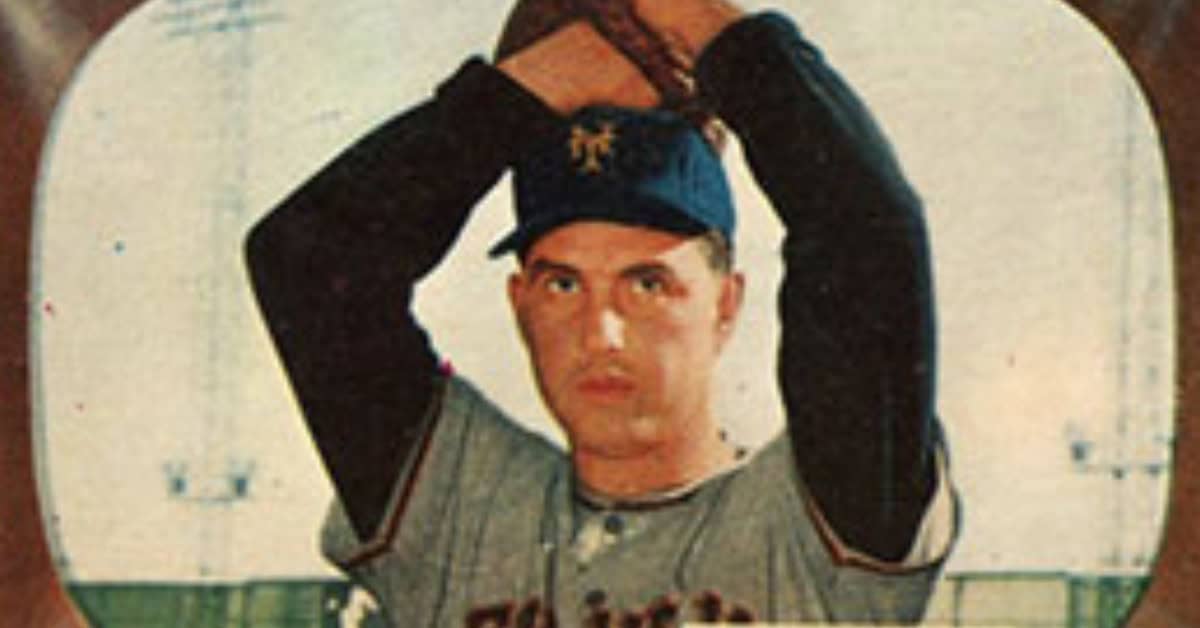
Wilhelm’s dancing knuckleball would’ve been nearly impossible to hit with those heavy, soft-centered baseballs of the Dead Ball Era. Imagine trying to connect with his floating butterfly pitch while wielding those thick-handled bats, all while the ball dips and dives through the shadows of those unlit ballparks.