

Last Updated: June 17th, 2026 by Matthew Brown
Before iPads in dugouts and launch angles dominated baseball, the game was ruled by larger-than-life characters who managed by instinct, experience, and sometimes pure stubbornness. These weren’t just managers – they were baseball philosophers who could smell a hot streak coming and knew exactly when their cleanup hitter was due for a big night. Here’s to the last generation of skippers who trusted their gut over algorithms.
Don't lose this article. Enter your email below, and I'll send it to you right now. Plus, we'll send you other unbelievable stories from baseball's past.
Casey Stengel: The Professor Who Never Went to Class
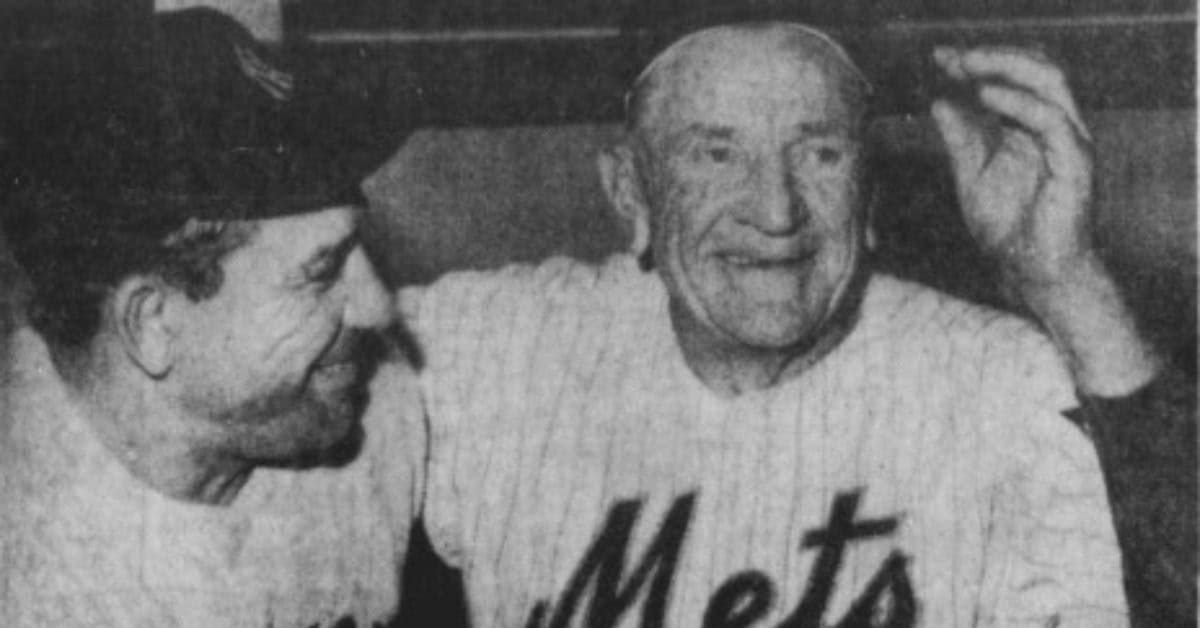
The Old Professor’s rambling stories and seemingly nonsensical decisions drove Yankees brass crazy – until they checked the scoreboard. Stengel won 10 pennants and 7 World Series by playing hunches, juggling lineups like a street magician, and somehow always being right when it mattered most. His secret weapon? “Good pitching will always stop good hitting and vice versa.”
Earl Weaver: Baltimore’s Chain-Smoking Chess Master

While today’s managers politely discuss calls with umpires, Earl Weaver turned arguing into performance art. Between cigarettes and ejections, he pioneered the “three-run homer” philosophy decades before launch angle was a thing. The Little Genius managed with a brilliance that couldn’t be quantified – unless you counted the cigarette butts in the dugout after a close win.
Sparky Anderson: When White Hair Meant Pure Baseball Wisdom
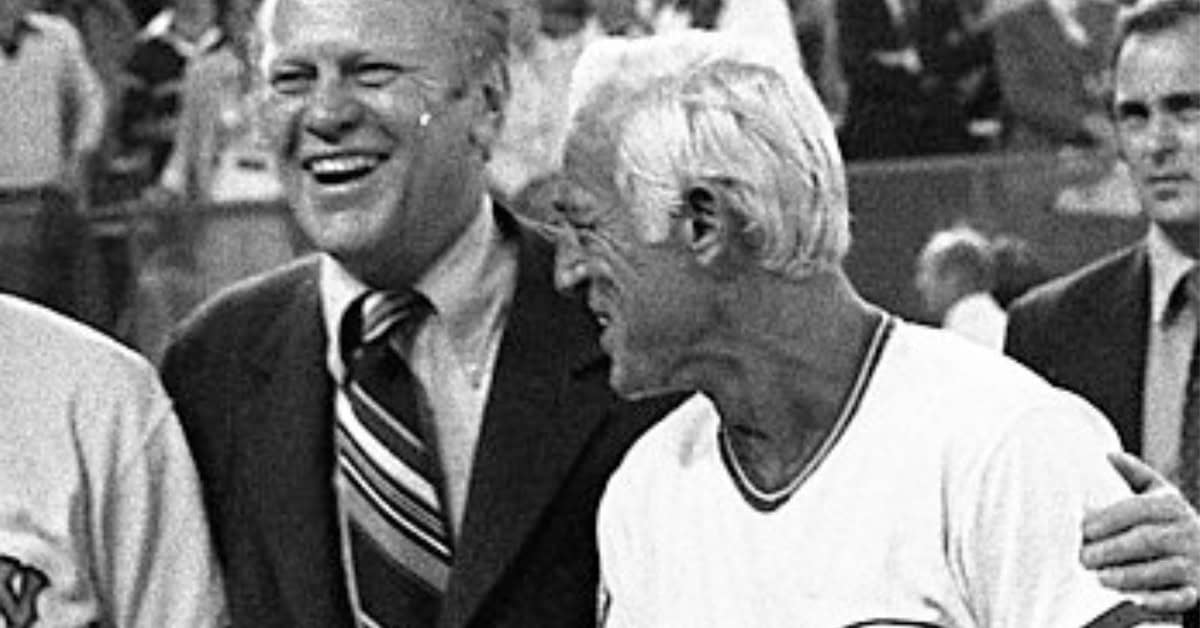
Captain Hook earned his nickname by trusting his eyes over his starter’s pitch count. The first manager to win World Series in both leagues did it by reading faces, not spreadsheets. Those prematurely white locks seemed to contain some mystical baseball knowledge that no computer could match.
Tommy Lasorda: The Dodger Blue Blood Pressure Machine
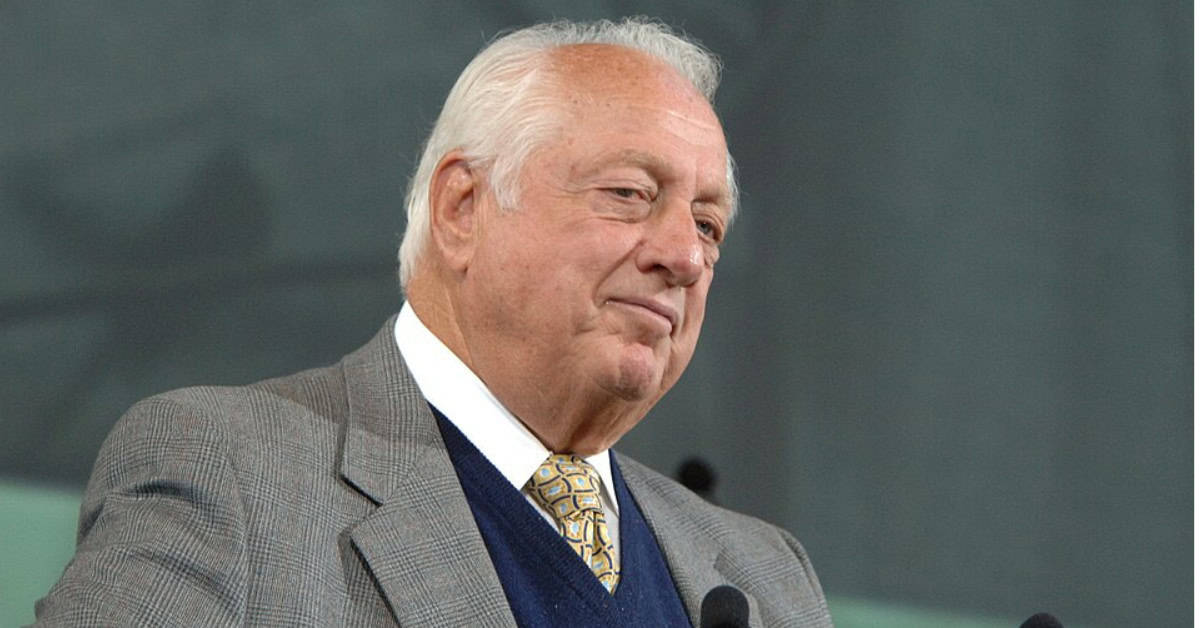
Before analytics, there was pasta and passion. Lasorda managed the Dodgers like an Italian family dinner – loud, emotional, and somehow always succeeding. He claimed to bleed Dodger blue, and his gut feelings about players were usually right, even if his blood pressure readings weren’t.
Billy Martin: Five Teams, Five Resurrections, Zero Calculators

Baseball’s ultimate fixer-upper took four different teams to the playoffs without ever consulting an algorithm. Martin’s style was pure instinct mixed with controlled chaos – he’d bunt with power hitters, start fights with his own players, and somehow turn losing teams into winners through sheer force of will.
Walter Alston: 23 Years of Managing by Silence
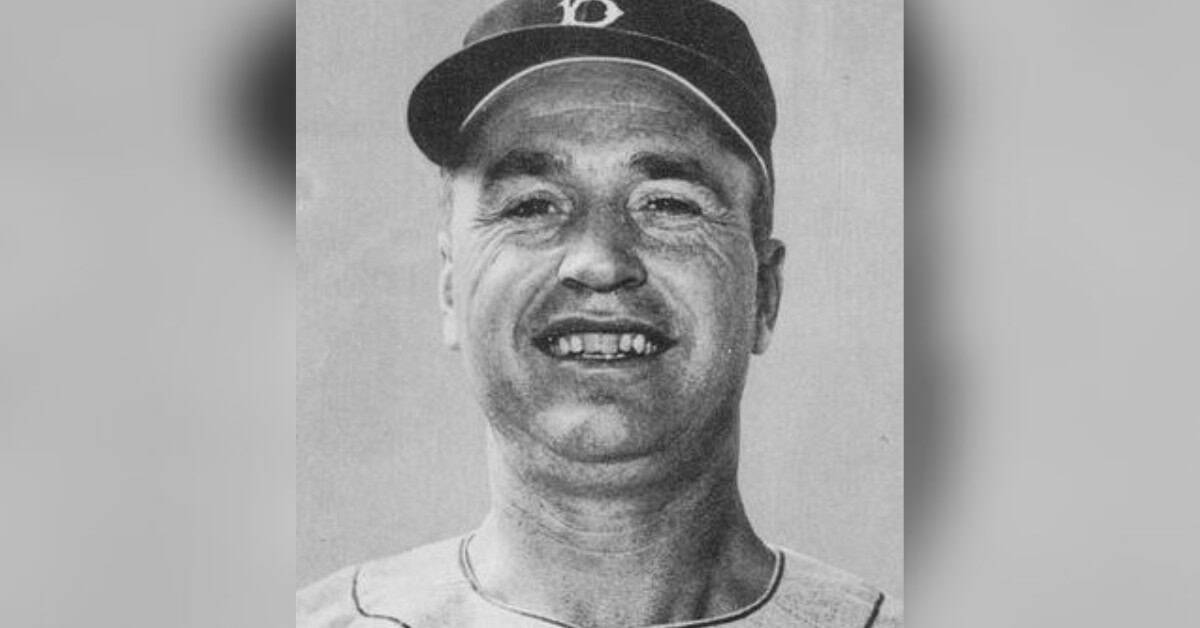
The Quiet Man never needed advanced metrics – his stern glare said it all. Alston worked on one-year contracts for his entire career, letting his four World Series rings do the talking. He could spot a pitcher’s trouble before any radar gun could confirm it, usually with just a slight tilt of his head.
Whitey Herzog: The White Rat Who Rewrote Speed Limits
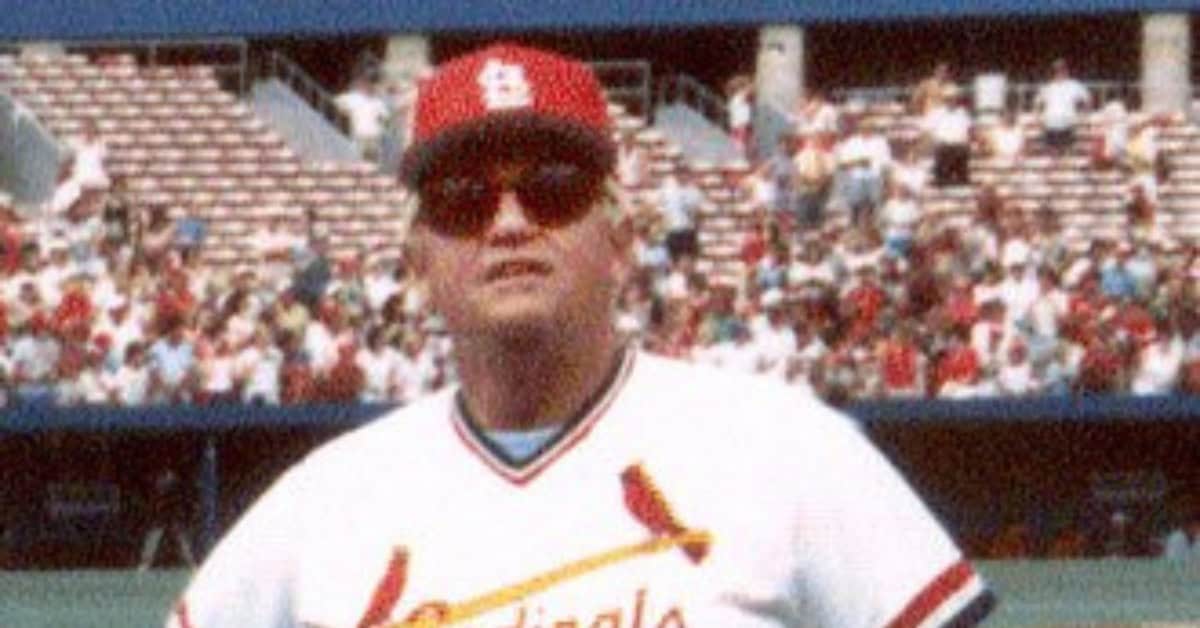
While everyone else was waiting for three-run homers, Herzog was stealing bases and manufacturing runs like a baseball anarchist. His Cardinals teams ran wild on the AstroTurf, proving that sometimes the best analytics were just watching your speedsters drive the other team crazy.
Gene Mauch: Baseball’s Beautiful Mind (Before Moneyball)
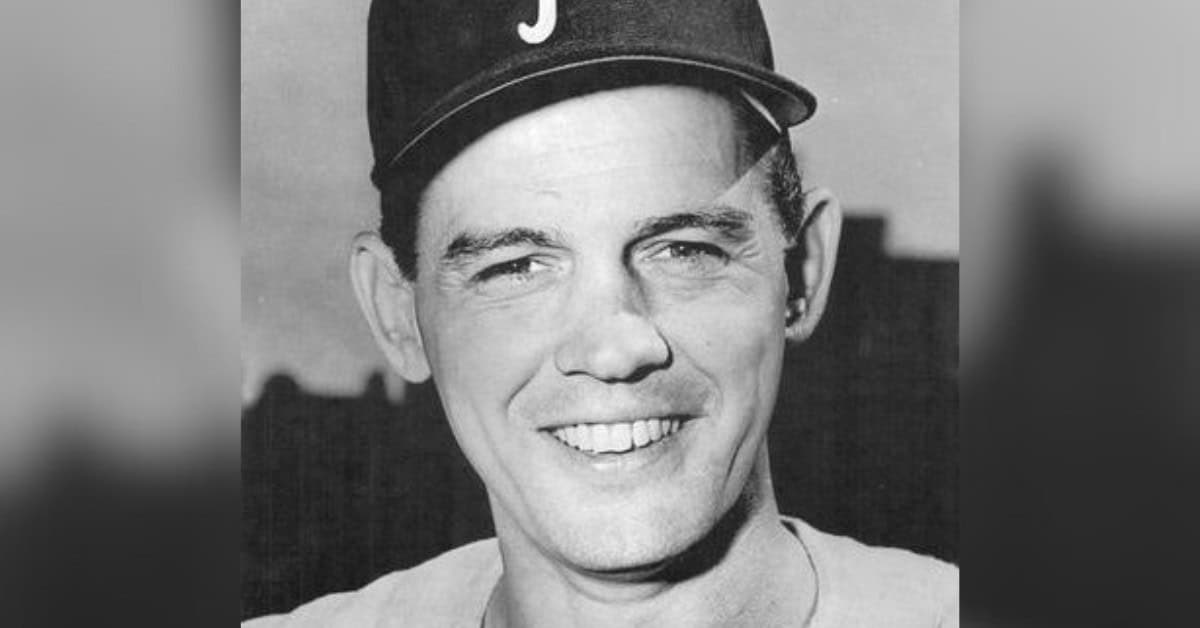
The Little General was playing chess while everyone else was playing checkers. Mauch kept detailed notebooks decades before Statcast, but his genius was in reading the game’s subtle rhythms. He could predict how a game would unfold just by watching batting practice – no computer required.
Ralph Houk: When Battlefield Experience Beat Spreadsheets
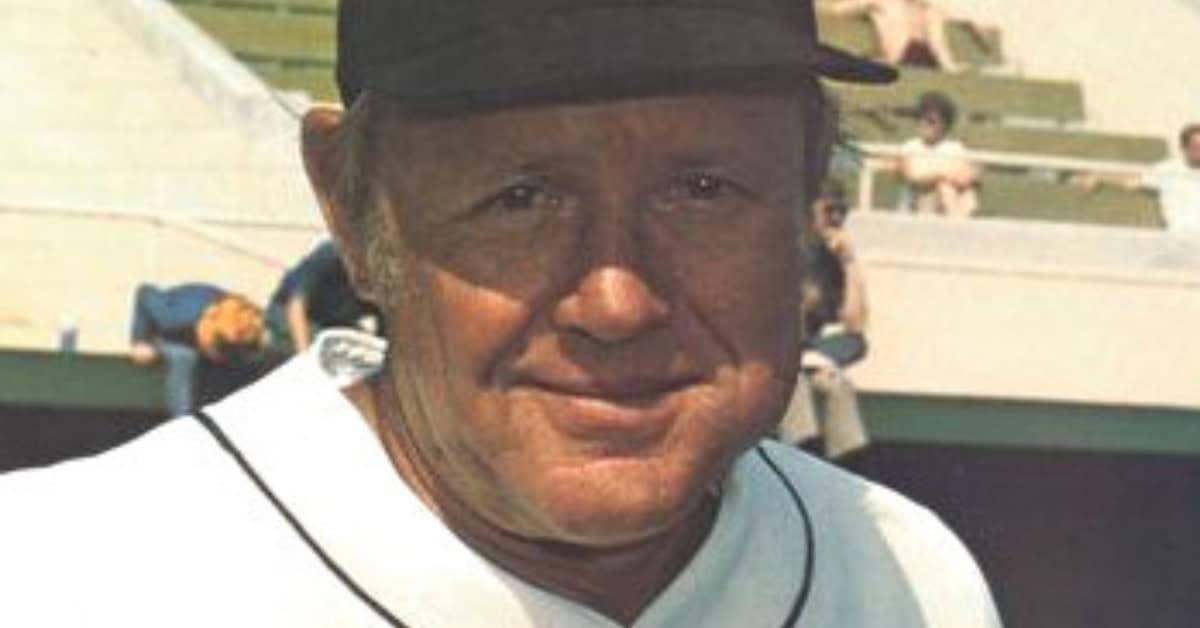
The Major earned his stripes as a combat leader in WWII before managing the Yankees to three straight pennants. Houk ran his dugout like a military operation, trusting his battlefield-honed instincts over any newfangled statistics. His players would have followed him anywhere – even if it meant bunting in the first inning.