

Last Updated: June 17th, 2026 by Matthew Brown
Baseball in the 1970s wasn’t just a different era—it was practically a different sport. Before specialized relievers, sports science, and luxury clubhouses, the game demanded a special kind of toughness that would shock today’s players. Let’s take a trip back to when baseball was played with grit, grime, and maybe a little gamesmanship.
Don't lose this article. Enter your email below, and I'll send it to you right now. Plus, we'll send you other unbelievable stories from baseball's past.
When Complete Games Weren’t Optional: The 300-Inning Season

In 1971, Mickey Lolich threw 376 innings across 45 starts, completing 29 games. Today’s pitchers might need a month’s rest just reading those stats. Back then, you pitched until the job was done, and “load management” meant taking a few aspirin between starts.
Artificial Turf That Could Strip Your Knees Raw
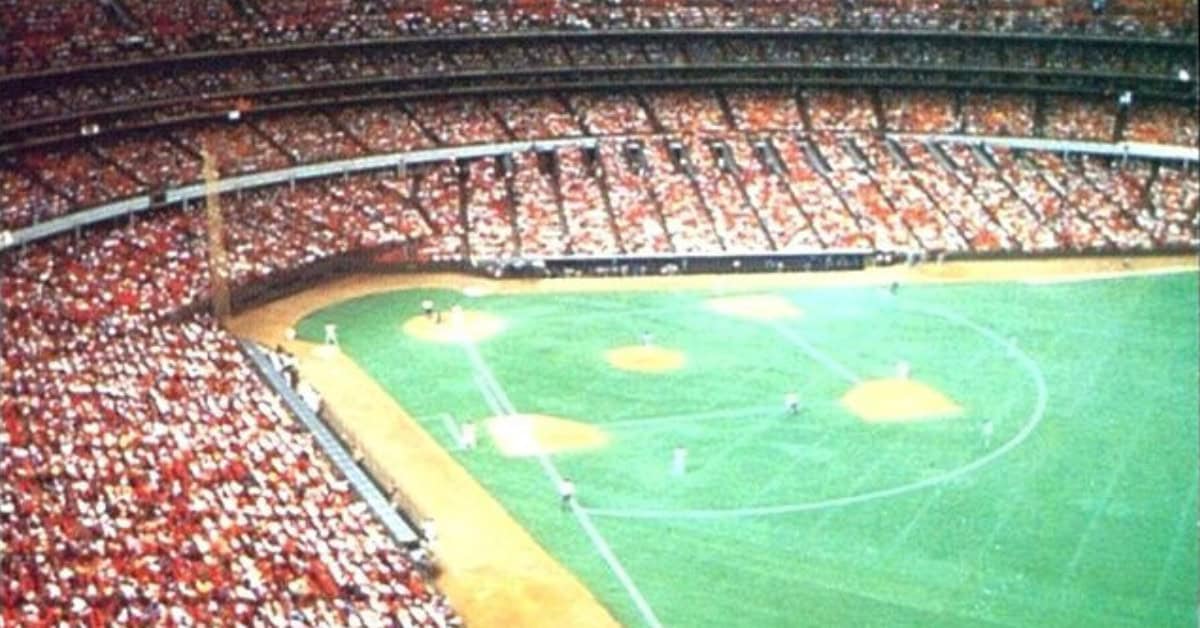
That green carpet they called AstroTurf was basically painted concrete with a hint of plastic grass. Players would finish games with burns, scrapes, and knees that looked like they’d been attacked by a cheese grater. The heat coming off that surface could cook an egg—or a ballplayer’s cleats.
Sharpened Spikes and No Batting Gloves Required

Players would sharpen their spikes before games like they were preparing for battle—because they were. Most guys gripped the bat with bare hands, getting splinters and developing calluses that looked like body armor. Pine tar was your batting glove, and you liked it that way.
When Brushback Pitches Were Part of the Game Plan
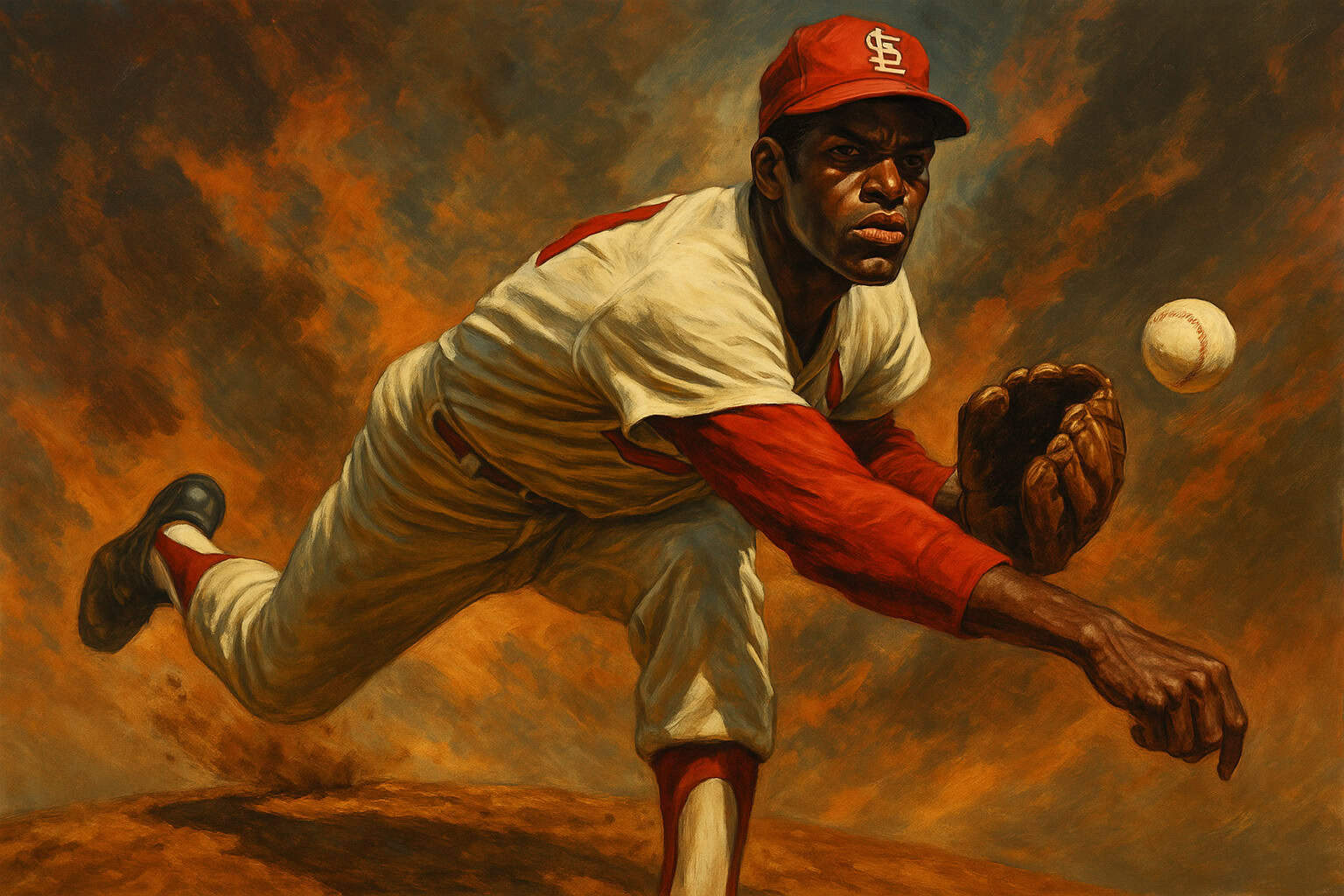
Bob Gibson once said, “The inside part of the plate is mine.” There was no warning about pitching inside—it was expected. Batters knew if they dug in too comfortable, they’d be diving for cover on the next pitch.
Doubleheaders: Playing Two in 95-Degree Heat
Scheduled doubleheaders were regular events, not weather-related inconveniences. Players would suit up at noon and play until sunset, often in brutal summer heat. Between games? A hot dog and maybe a quick shower if you were lucky.
No Trainers, Just a Cold Beer and Some Aspirin
The training room consisted of an ice pack, some tape, and maybe a whirlpool if you played for a rich team. Post-game recovery meant a couple of cold ones in the clubhouse. The team trainer was often just the guy who knew where the Band-Aids were kept.
Cross-Country Travel in Coach, No Rest Days

Teams flew commercial, often middle seats next to regular passengers. You’d play a night game in Los Angeles, catch a red-eye to Chicago, and be expected to play that evening. Sleep? That’s what the offseason was for.
When Batting Practice Meant Actual Practice
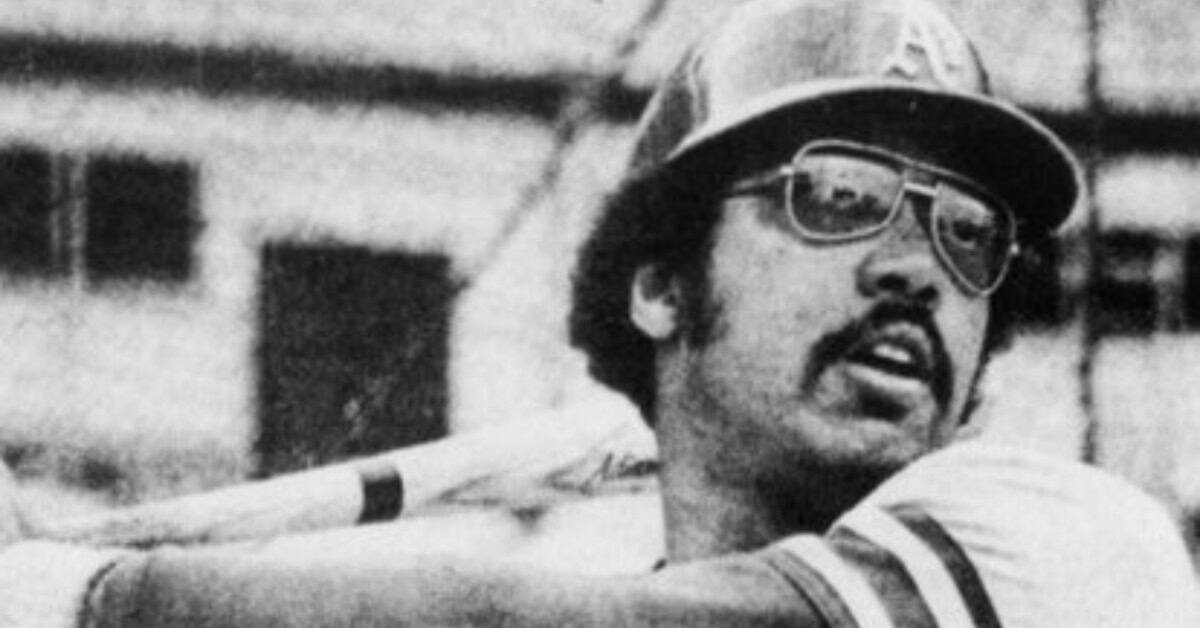
No launch angles or exit velocity here—just a bucket of balls and endless repetition. Players would spend hours working on bunts, hit-and-runs, and situational hitting. If you couldn’t move a runner over, you might find yourself riding the pine.
Clubhouses with More Cigarettes Than Smoothies
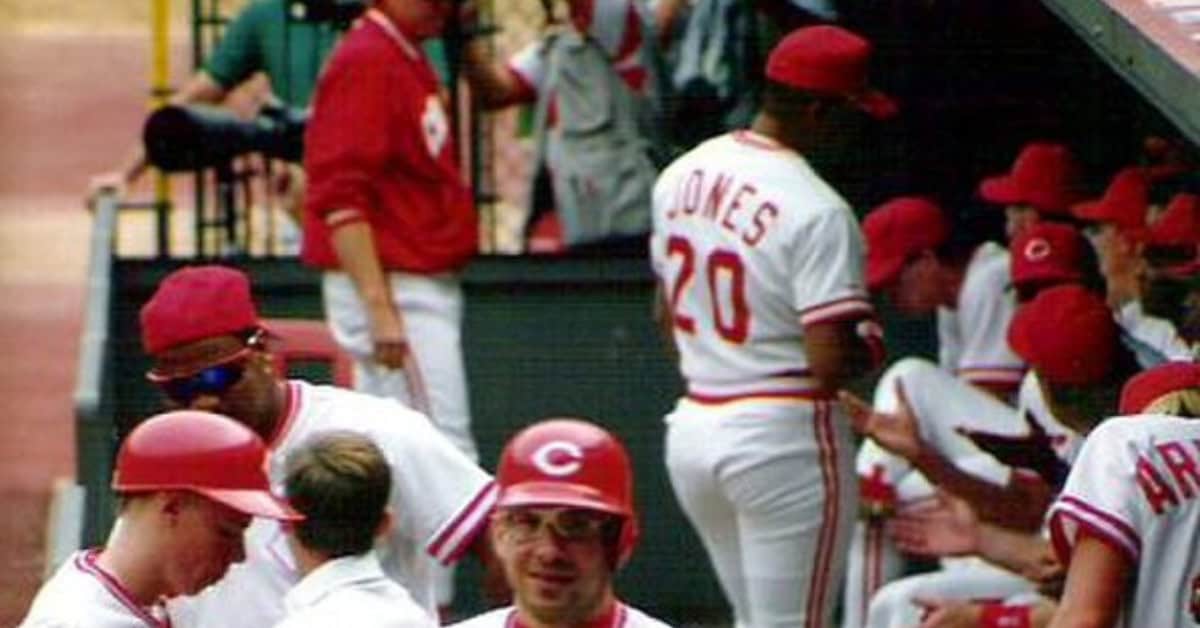
The modern clubhouse smoothie bar? Try an ashtray at every locker. Players would light up between innings, managers would chain-smoke in the dugout, and the postgame spread was more likely to feature beer and burgers than kale and quinoa.
Four-Man Rotations: No Pitch Count Needed

Your arm hurt? Tough. With four-man rotations, you pitched every fourth day, period. Pitch counts were for Little League, and if you didn’t go at least seven innings, you weren’t doing your job. The bullpen was where you sent pitchers who couldn’t finish what they started.