

Last Updated: June 17th, 2026 by Michael Schatz
The 1950s were an age of remarkable talent in baseball, particularly at second base, where players were often the heartbeat of their teams, turning double plays with ballet-like precision and slapping singles through drawn-in infields. These were the days when gloves were barely bigger than your hand and every ground ball was an adventure in leather and luck.
Don't lose this article. Enter your email below, and I'll send it to you right now. Plus, we'll send you other unbelievable stories from baseball's past.
Jackie Robinson – The Pioneer Who Redefined Second Base

Jackie Robinson didn’t just break baseball’s color barrier—he revolutionized second base with his aggressive baserunning and fearless style. Playing primarily at second from 1947-1956, Robinson posted a career .313 batting average with a .983 fielding percentage at the position, turning 607 double plays while famously stealing home 19 times in his career. His pigeon-toed stance and daring leads off second base drove pitchers to distraction, while his ability to turn the 4-6-3 double play became poetry in motion for Brooklyn Dodgers fans who still remember the crack of his bat echoing through Ebbets Field, a testament to his impact during a transformative period for the sport.
Nellie Fox – The Contact King with the Unbreakable Bat

Nellie Fox was the master of the choked-up swing and the perfectly placed bunt, playing second base for the Chicago White Sox like a chess grandmaster. Over his career, Fox struck out just 216 times in over 10,000 plate appearances—a feat that seems impossible in today’s swing-for-the-fences era. His tobacco-stained uniform and ever-present wad of chewing gum became as iconic as his numerous All-Star selections, while his .988 fielding percentage anchored Chicago’s “Go-Go Sox” teams that relied on speed, defense, and Fox’s uncanny ability to make contact with any pitch within the strike zone.
Red Schoendienst – The Cardinal Craftsman
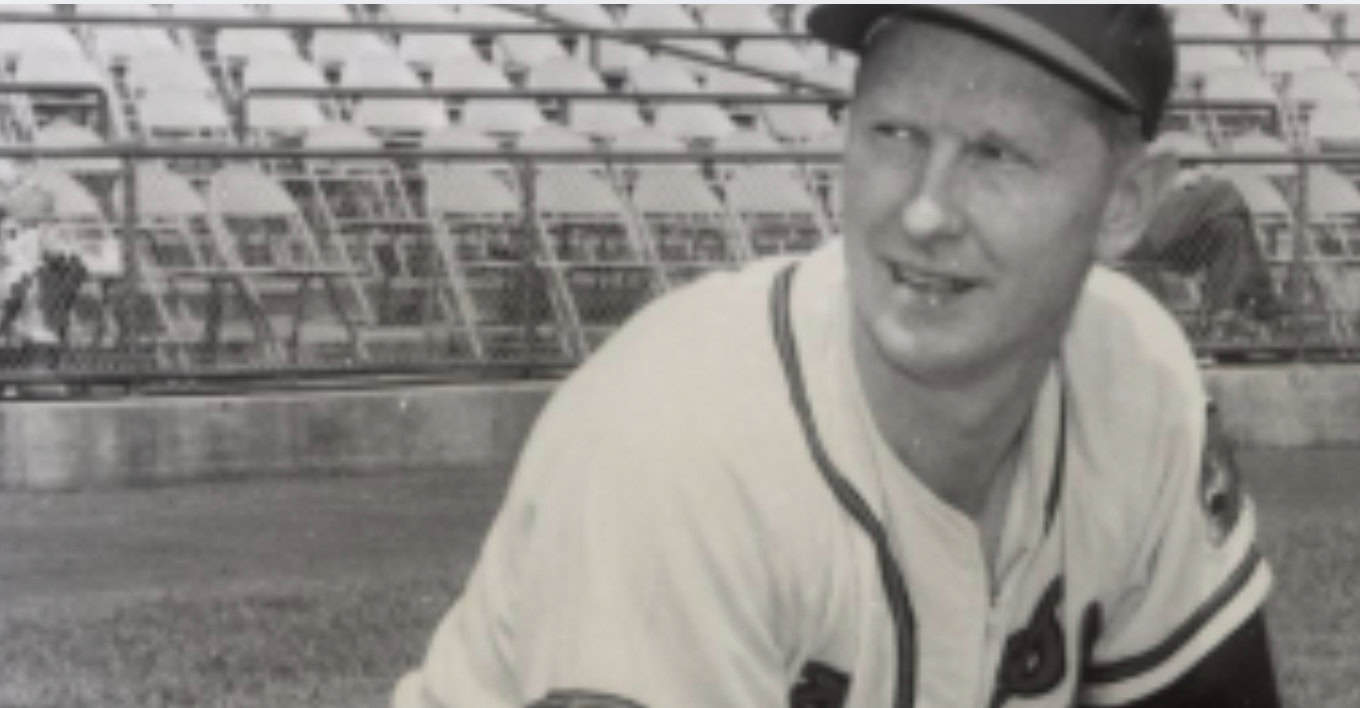
Red Schoendienst epitomized the steady, workmanlike approach that defined much of 1950s baseball, playing second base with remarkable precision. His .983 career fielding percentage and ability to turn the double play made him the cornerstone of St. Louis Cardinals teams throughout the decade. Schoendienst’s switch-hitting prowess—he batted .289 lifetime—and his knack for clutch hitting in October made him a fan favorite at old Sportsman’s Park, where the smell of beer and bratwurst mixed with the crack of his bat on lazy Sunday afternoons when baseball was a cherished American pastime.
Bobby Doerr – Boston’s Steady Hand at the Keystone
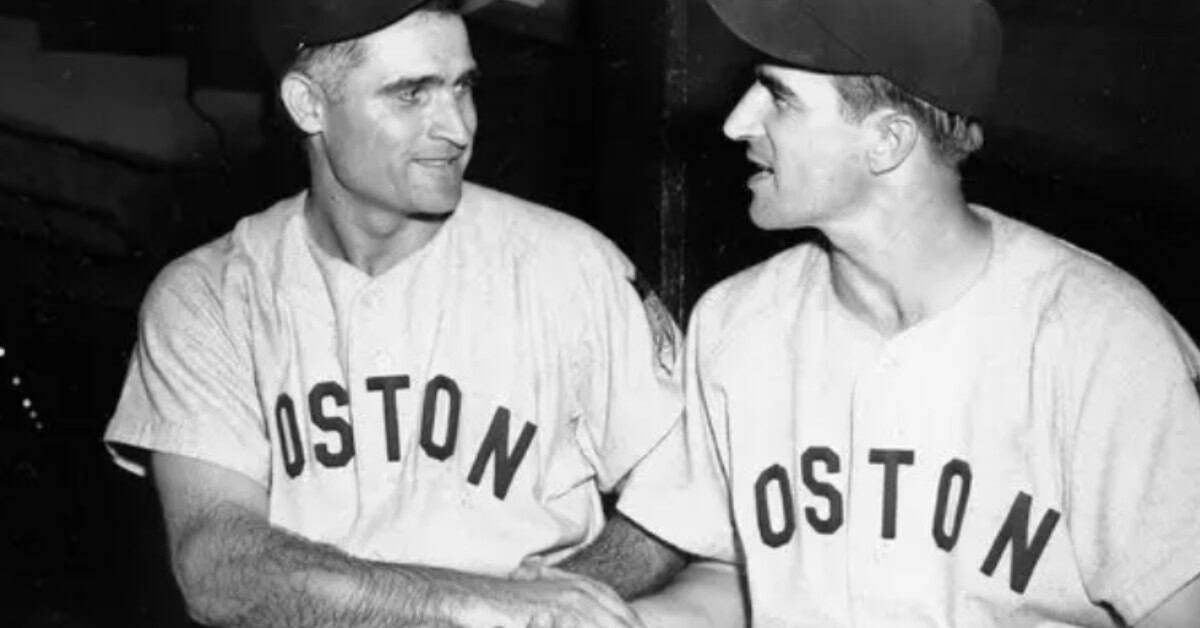
Bobby Doerr was the quiet professional who anchored Boston’s infield through the 1940s and early 1950s, retiring in 1951 after a Hall of Fame career. His .288 batting average and 223 home runs made him one of the era’s most complete second basemen, while his partnership with shortstop Johnny Pesky became legendary at Fenway Park. Doerr’s smooth pivot on the double play and his ability to handle Ted Williams’ ego in the clubhouse made him invaluable to Red Sox teams that always seemed one player away from greatness, playing when Fenway’s Green Monster was already a formidable and iconic feature of the ballpark.
Bobby Avila – Cleveland’s Batting Champion
Bobby Avila brought Mexican flair to Cleveland’s Municipal Stadium, becoming the first Mexican-born player to win an American League batting title when he hit .341 in 1954. His quick hands and line-drive swing made him a perfect fit for the Indians’ powerhouse teams of the mid-1950s, playing alongside Larry Doby and Early Wynn on a Cleveland team that was one of baseball’s most integrated franchises. Avila’s 80 home runs during the 1950s led all primary second basemen of the decade, while his infectious smile and hustle endeared him to fans who packed the cavernous lakefront stadium to watch him turn routine grounders into highlight-reel plays with his acrobatic fielding style.
Junior Gilliam – Brooklyn’s Versatile Veteran
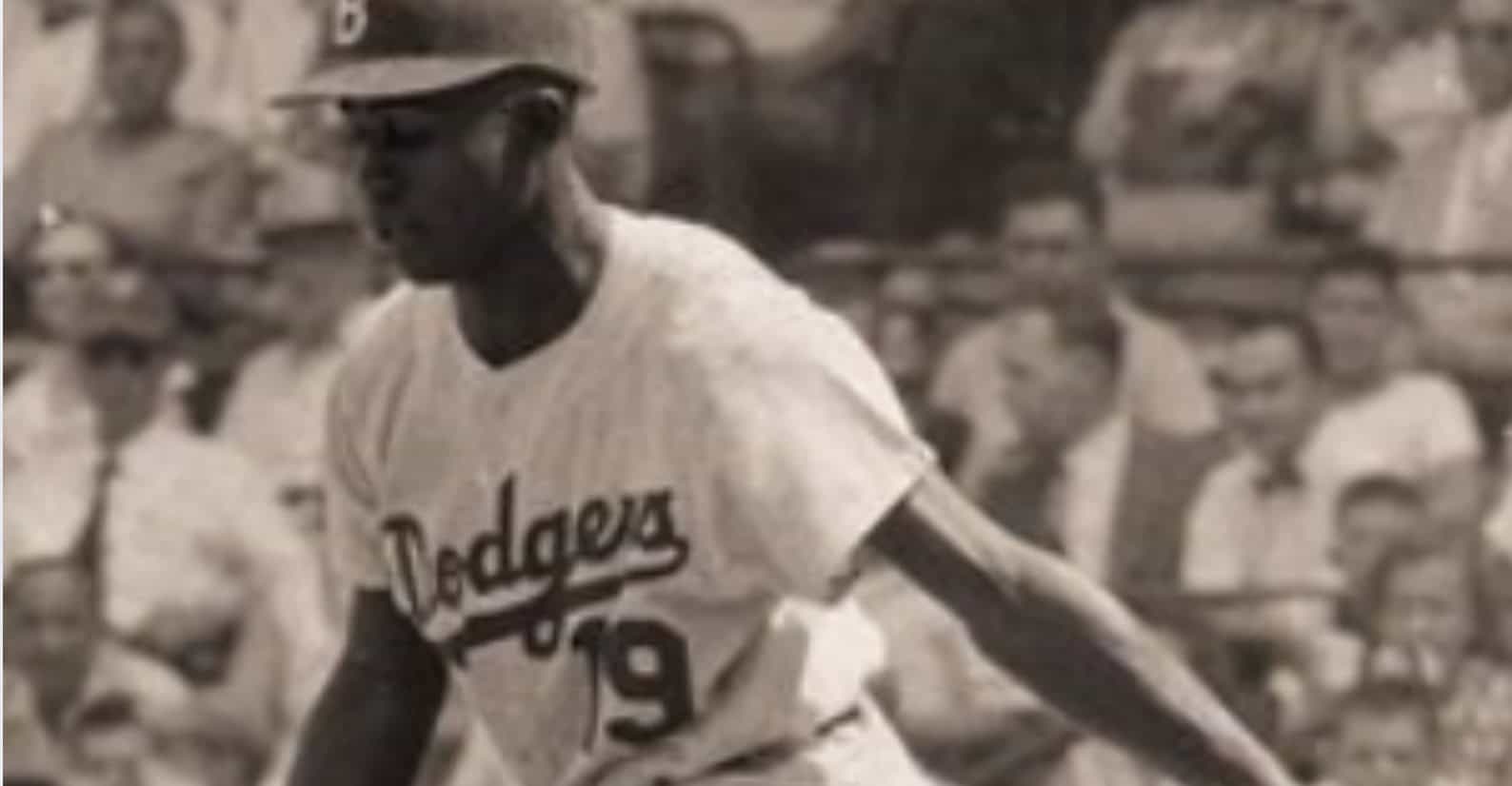
Junior Gilliam was the Swiss Army knife of the Brooklyn Dodgers, seamlessly moving between second base, third base, and left field as the team’s needs demanded throughout the 1950s. His patient approach at the plate—he walked 100+ times in four different seasons—perfectly complemented the Dodgers’ aggressive style, while his steady glove provided an excellent complement to Jackie Robinson’s flair. Gilliam’s ability to get on base and his clutch performances in Brooklyn’s seven World Series appearances during the decade made him a fan favorite at Ebbets Field, where his quiet professionalism stood in stark contrast to the borough’s boisterous baseball culture.
Billy Martin – The Scrappy Yankee Sparkplug
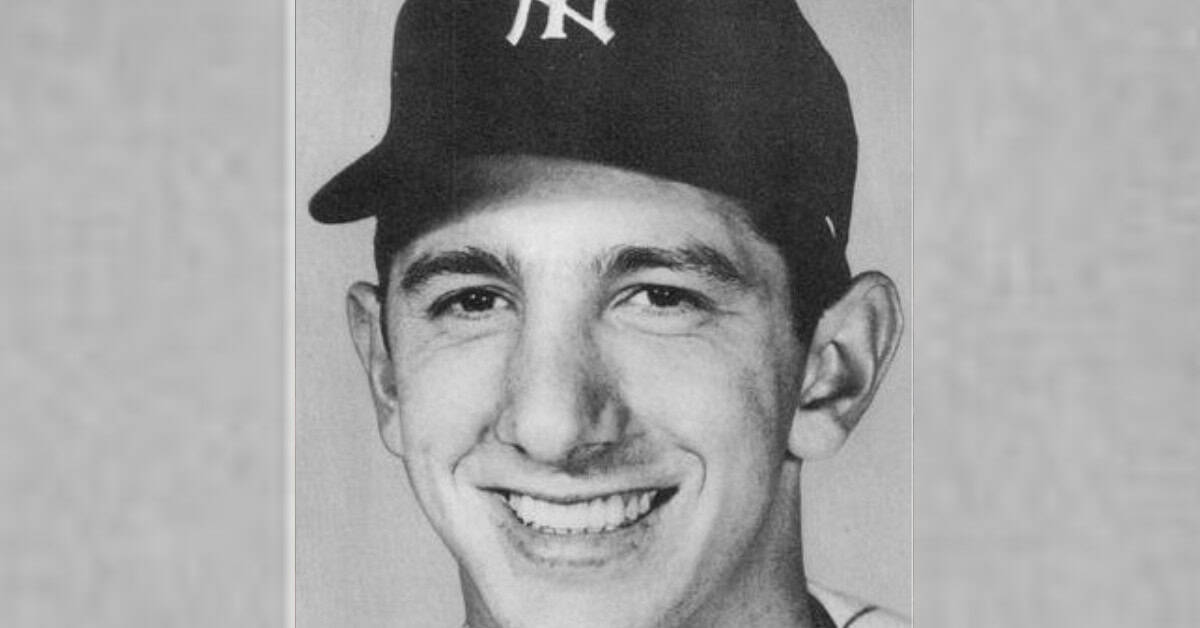
Billy Martin embodied the scrappy, never-say-die attitude that defined Yankees baseball in the 1950s, playing second base with the intensity of a street fighter. His .333 batting average in World Series play and his famous diving catch in the 1952 Series became the stuff of Yankee legend, while his fiery personality made him both Casey Stengel’s favorite and biggest headache. Martin’s ability to rise to the occasion—he hit .500 in the 1953 World Series—and his partnership with shortstop Phil Rizzuto made the Yankees infield virtually impenetrable during their dynasty years, when pinstripes meant perfection and second place was considered failure in the House That Ruth Built.
Pete Runnels – The Pure Hitter from Texas
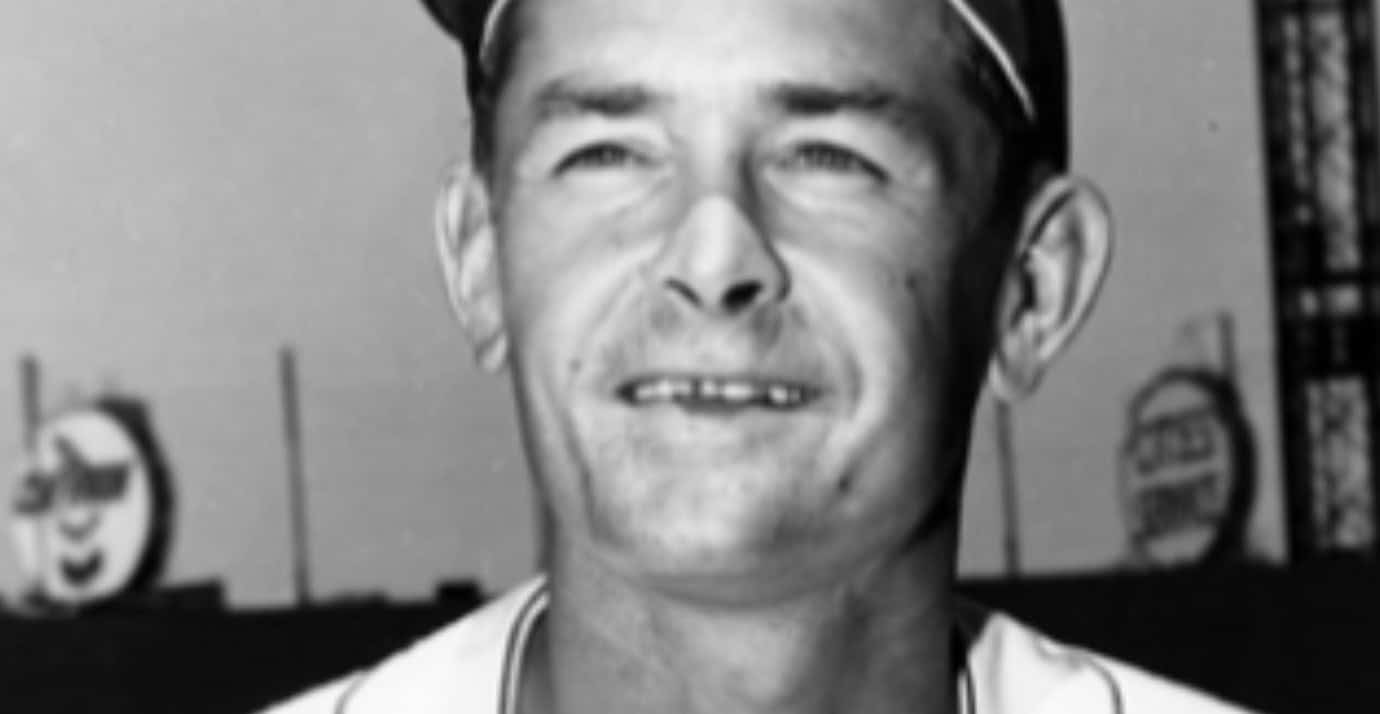
Pete Runnels was the epitome of the contact hitter, a Texas gentleman who won two American League batting titles while playing second base with textbook fundamentals. His .291 career average and ability to hit for average from both sides of the plate made him a valuable commodity when stolen bases and hit-and-run plays were the norm. Runnels’ smooth swing and patient approach at the plate perfectly embodied the scientific hitting approach that dominated baseball before the home run became king, a time when batting practice was taken seriously. Every at-bat was a chess match between pitcher and hitter.
Johnny Temple – Cincinnati’s Reliable Infielder
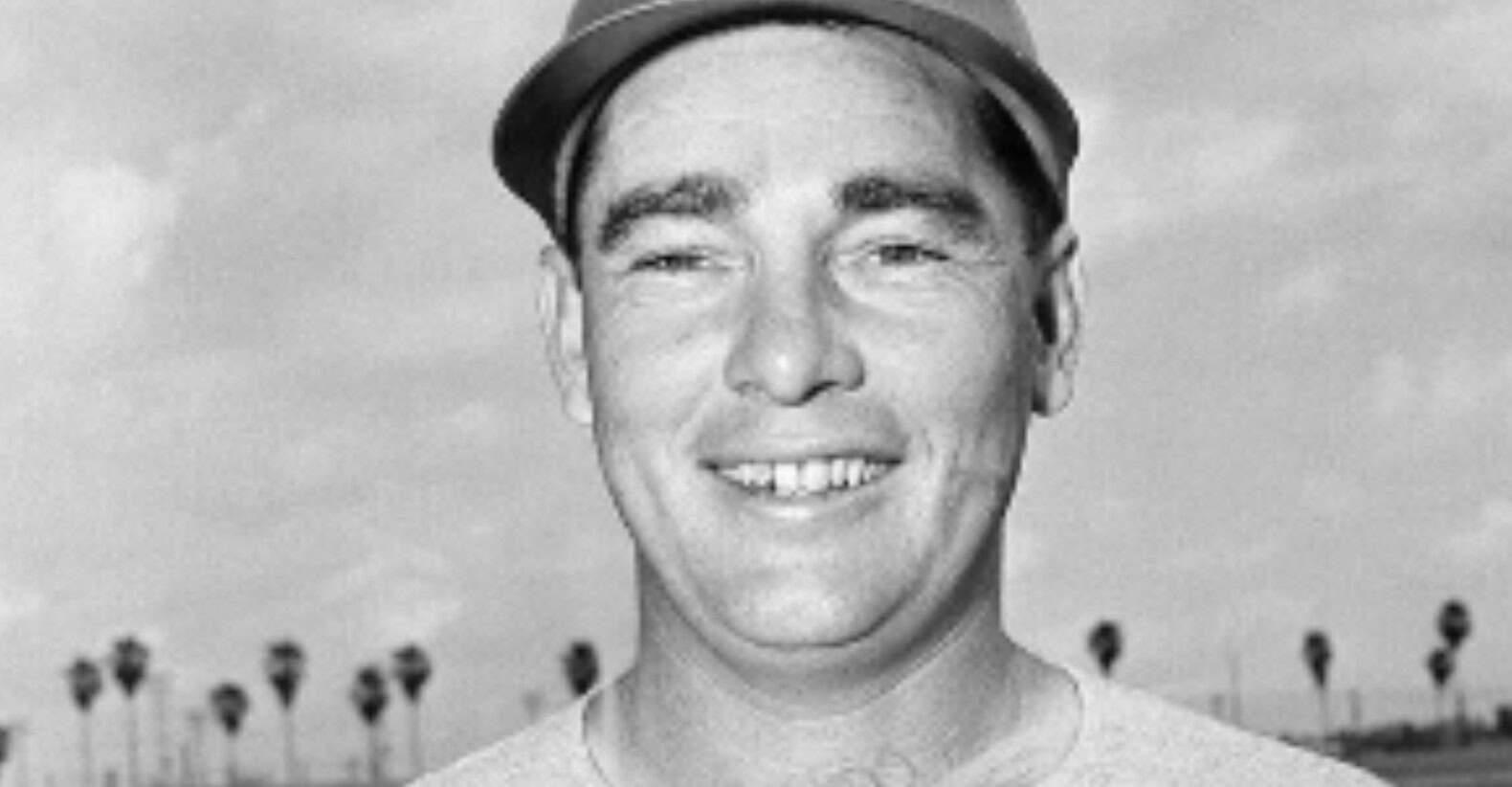
Johnny Temple anchored Cincinnati’s infield throughout the 1950s with the steady reliability of a metronome, playing second base with workmanlike precision at Crosley Field. His ability to turn the double play and his knack for getting on base made him a perfect fit for the Reds’ small-ball approach, while his 119 double plays in 1955 led all National League second basemen. Temple’s consistent .284 batting average and his partnership with shortstop Roy McMillan gave Cincinnati one of the league’s most dependable middle infields, contributing significantly when defense was valued as much as offense and every run was precious in the pitcher-friendly ballparks of the decade.
Gerry Priddy – The Forgotten All-Star
Gerry Priddy was one of the American League’s underrated second basemen, playing with Detroit and St. Louis during the 1950s with a combination of power and defense that deserved more recognition. His 13 home runs in 1950 were a notable total for a middle infielder at the time, and he hit 34 home runs between 1950-1953, showcasing surprising pop. His steady glove work helped anchor teams that were always competitive but never quite championship caliber. Priddy’s professional approach and his ability to handle pressure situations made him a manager’s dream, as second basemen were then expected to be defensive specialists first and offensive contributors second, making his power numbers noteworthy.
Danny O’Connell – The Steady Professional
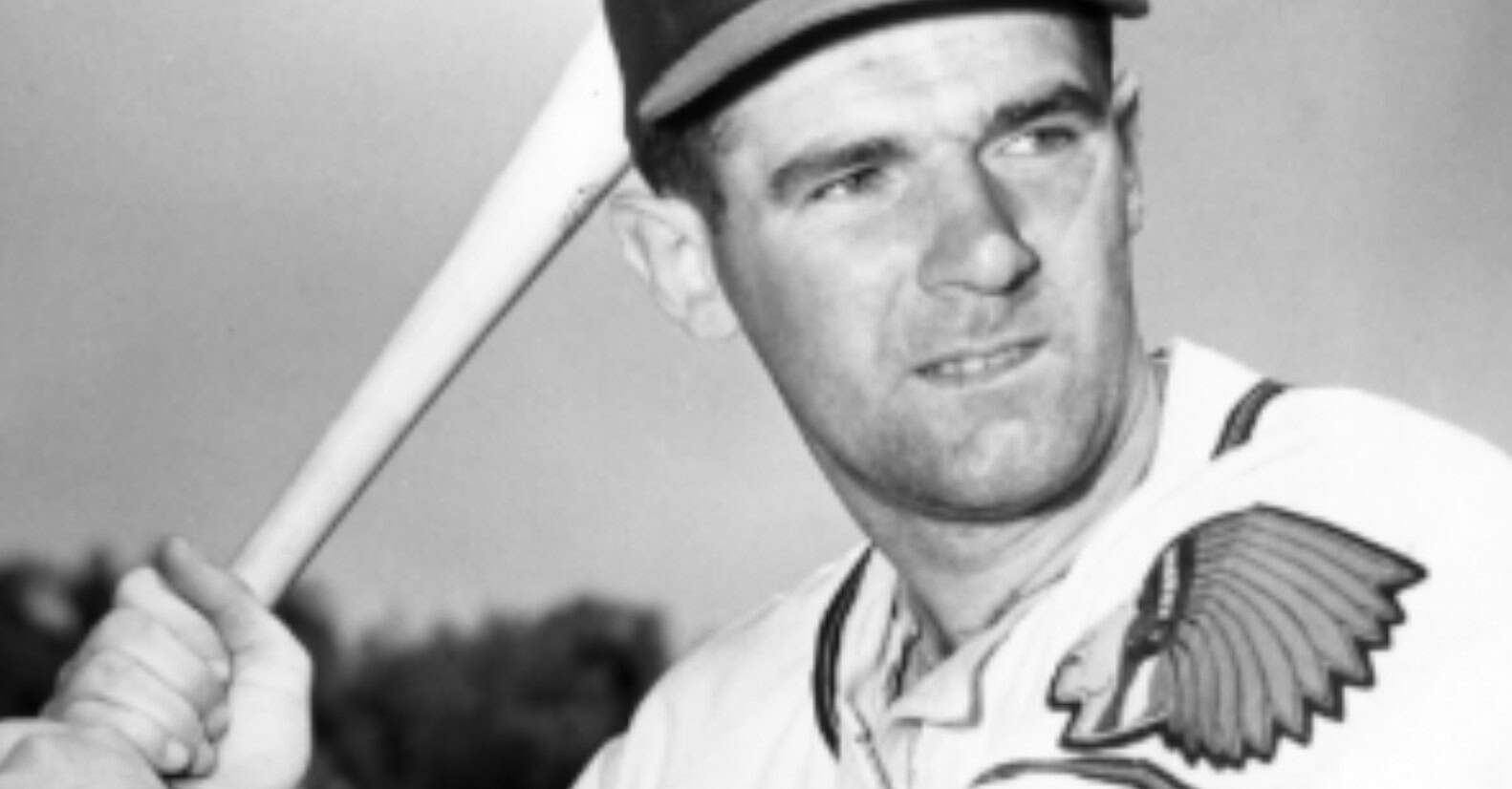
Danny O’Connell represented the blue-collar work ethic that defined 1950s baseball, playing second base for Pittsburgh and Milwaukee with the determination of a man who earned every opportunity. His .260 career batting average doesn’t tell the full story of his value—O’Connell’s ability to work counts, turn double plays, and provide veteran leadership made him invaluable to teams building toward contention. His steady presence in the Braves’ infield after joining them in Milwaukee helped stabilize a franchise that had recently transitioned from Boston, reflecting an era when loyalty to your team meant something and players took pride in wearing the same uniform for years.
Solly Hemus – St. Louis’s Fiery Competitor
Solly Hemus brought intensity and grit to the Cardinals’ infield throughout the early 1950s, playing second base with the fire of a man who refused to be outworked. His .273 career batting average and his ability to draw walks made him a valuable table-setter, while his fiery personality and competitive drive earned him respect from teammates and opponents alike. Hemus’s later success as a manager proved his baseball intelligence, but it was his playing days at second base that showcased his understanding of the game’s nuances, at a time when smart baseball was often more important than raw talent and every advantage had to be earned through preparation and hustle.
Gil McDougald – The Yankee Utility King
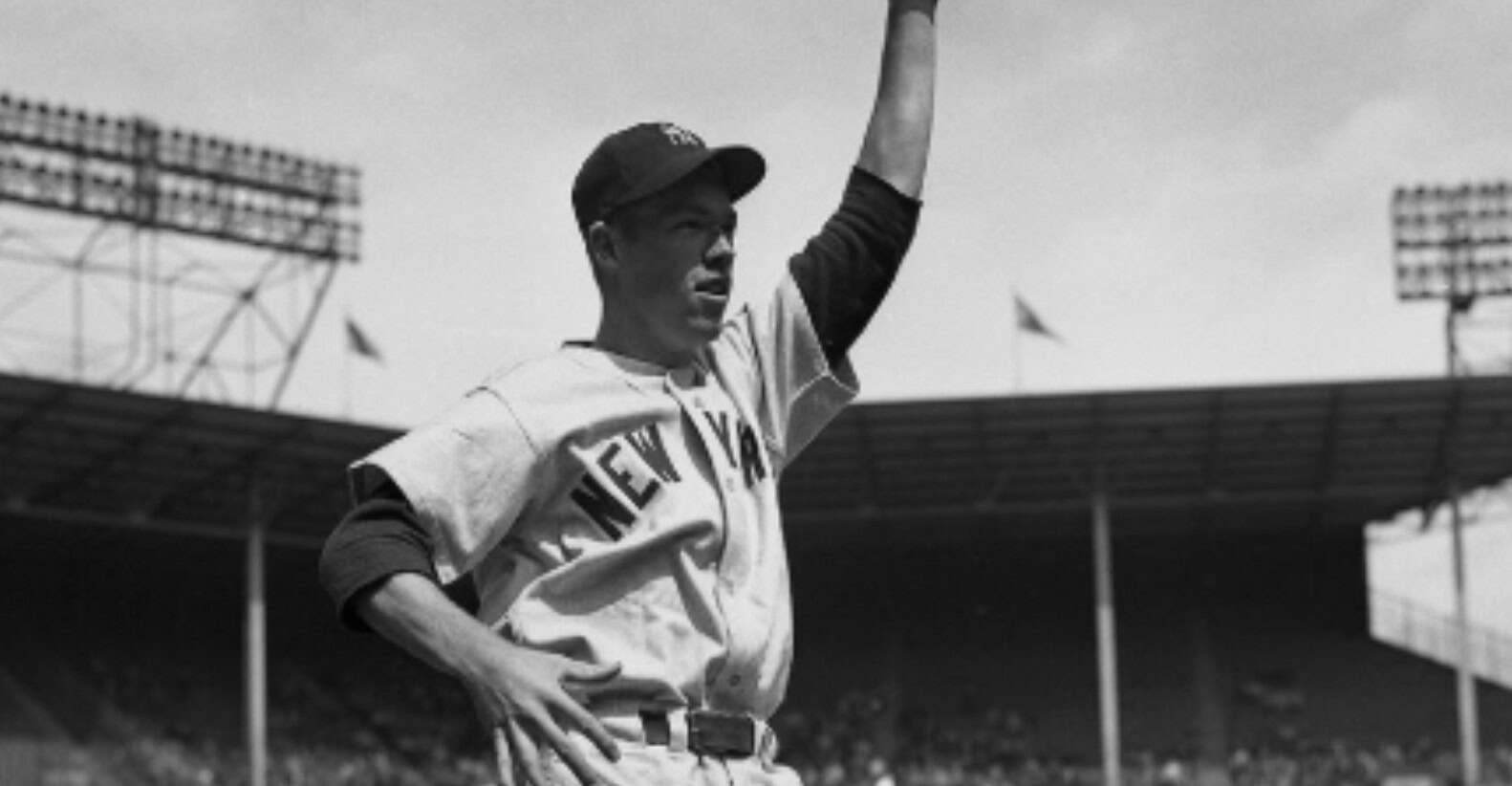
Gil McDougald was the ultimate Yankee professional, seamlessly moving between second base, third base, and shortstop as Casey Stengel’s needs demanded throughout the 1950s. His unusual batting stance—an open, almost sideways approach—produced a .276 career average and 112 home runs, while his versatility made him invaluable during the Yankees’ unprecedented run of success. McDougald’s participation in eight World Series and his clutch hitting in October epitomized the Yankee way, playing with the quiet confidence that came from wearing pinstripes and knowing that anything less than a championship was considered a disappointment in the most successful franchise in sports history.
Dave Williams – The Quiet Contributor
Dave Williams embodied the journeyman spirit of 1950s baseball, playing second base for multiple teams with the professionalism of a man who understood his role. His steady glove work and ability to handle different team situations made him a valuable commodity when roster flexibility was crucial for success. Williams represented the thousands of players who formed baseball’s backbone during the decade, men who may not have been stars but who understood that every game mattered and every play could be the difference between winning and losing in a sport where margins were often razor-thin.
Cass Michaels – The Steady Glove from Chicago
Cass Michaels was a defensive anchor for Chicago White Sox teams in the late 1940s and briefly returned in the early 1950s, playing second base with the precision of a craftsman who took pride in his work. His .262 career batting average and solid fielding percentage made him a reliable presence in Chicago’s infield, while his professional approach and team-first attitude earned him respect throughout the American League. Michaels played during a transition period when the White Sox were building toward their “Go-Go” era, providing steady defense and veteran leadership that contributed to the foundation for Chicago’s success later in the decade.
George Strickland – Cleveland’s Dependable Double-Play Partner

George Strickland was the perfect complement to Cleveland’s star-studded lineup, playing second base and shortstop with steadfast reliability throughout the 1950s. His ability to turn the double play and his knack for making the routine play look easy made him invaluable to Indians teams that featured bigger names but needed his steady presence to function. Strickland’s .224 career batting average tells only part of his story—his defensive prowess and his ability to handle pressure situations made him a manager’s dream, performing in an environment where defense was highly valued and every run prevented was as important as every run scored.
Eddie Yost – The Walking Man Who Could Turn Two
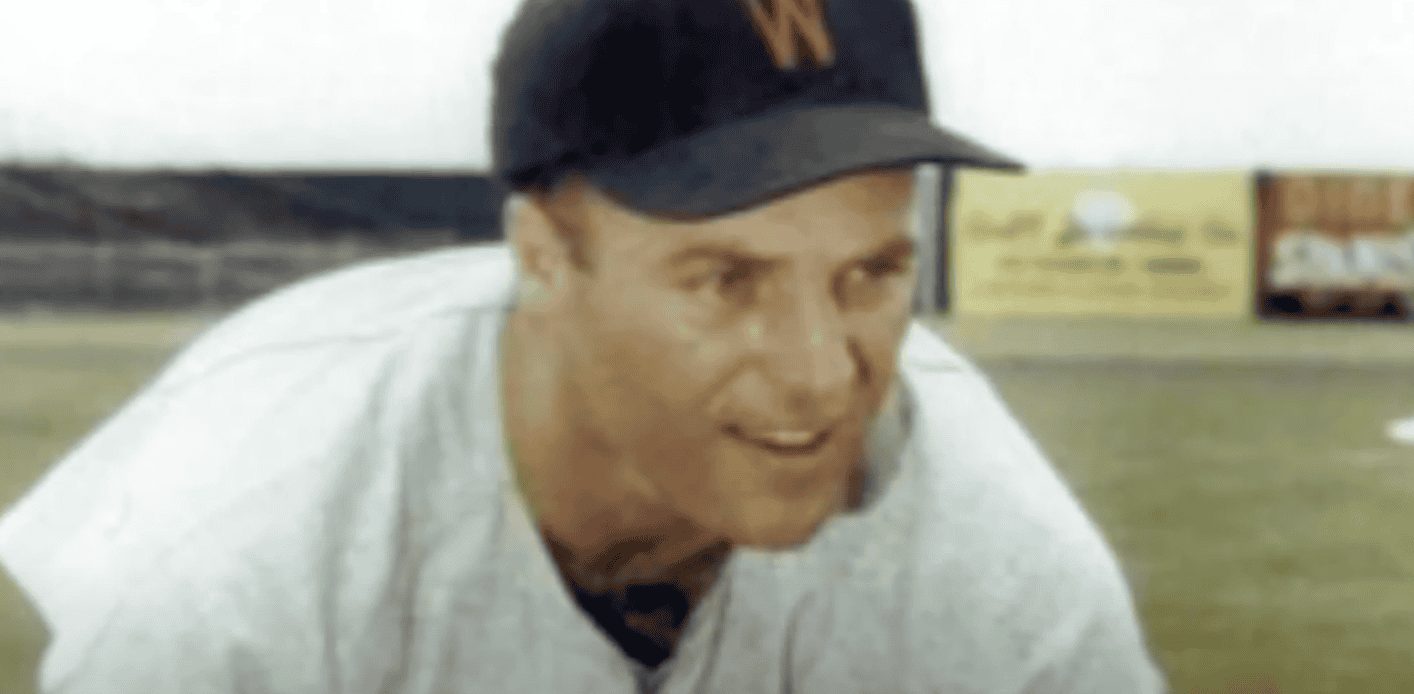
Eddie Yost earned his nickname “The Walking Man” through his incredible patience at the plate, leading the American League in walks six times while also providing solid defense, primarily at third base with appearances at second. His .254 career batting average doesn’t reflect his true value—Yost’s .394 on-base percentage and his ability to work counts made him a perfect leadoff hitter for Washington Senators teams that needed every advantage they could get. His defensive versatility and his understanding of the strike zone represented the cerebral approach to baseball that characterized the 1950s, when every at-bat was a battle of wits and every pitch had meaning.
Frank Bolling – Detroit’s Smooth Operator
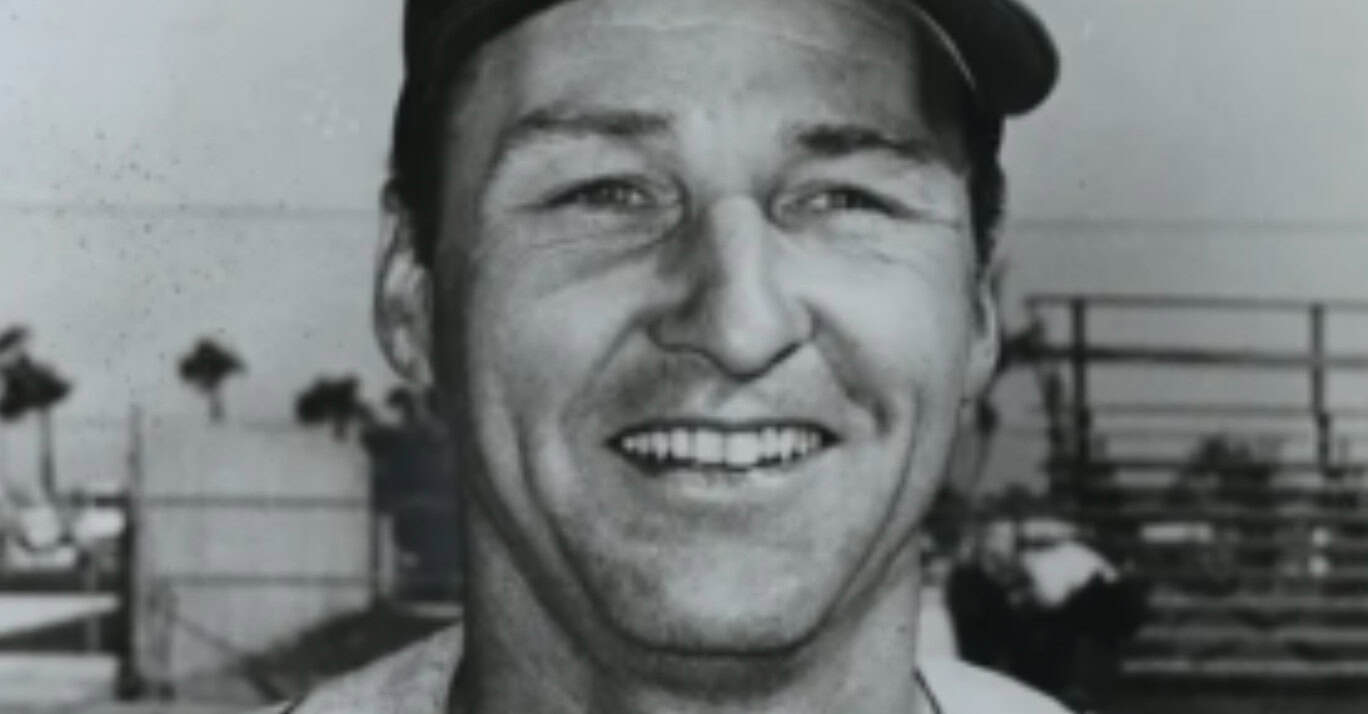
Frank Bolling brought smooth fielding and consistent offense to Detroit’s infield during the late 1950s, playing second base with the effortless grace that made difficult plays look routine. His .254 career batting average and solid defensive numbers made him a valuable contributor to Tigers teams that were always competitive but never quite able to break through to championship level. Bolling’s professional approach and his ability to handle the pressure of playing in Detroit’s passionate baseball environment made him a fan favorite at Briggs Stadium, where his steady play provided a foundation for the Tigers’ hopes during a highly competitive decade.
Billy Goodman – The Versatile Batting Champion
Billy Goodman achieved the remarkable feat of winning the 1950 American League batting title (.354) without having a regular position, playing second base, third base, first base, and outfield for the Boston Red Sox with equal skill. His versatility and his pure hitting ability made him invaluable to Red Sox teams that featured Ted Williams but needed Goodman’s consistency and flexibility to compete. His .300 career batting average and his ability to come through in clutch situations epitomized the professional approach that characterized 1950s baseball, when players took pride in being able to contribute wherever their team needed them most, making him an outstanding example of baseball’s ultimate utility player.
Jerry Coleman – The Yankee Clutch Performer
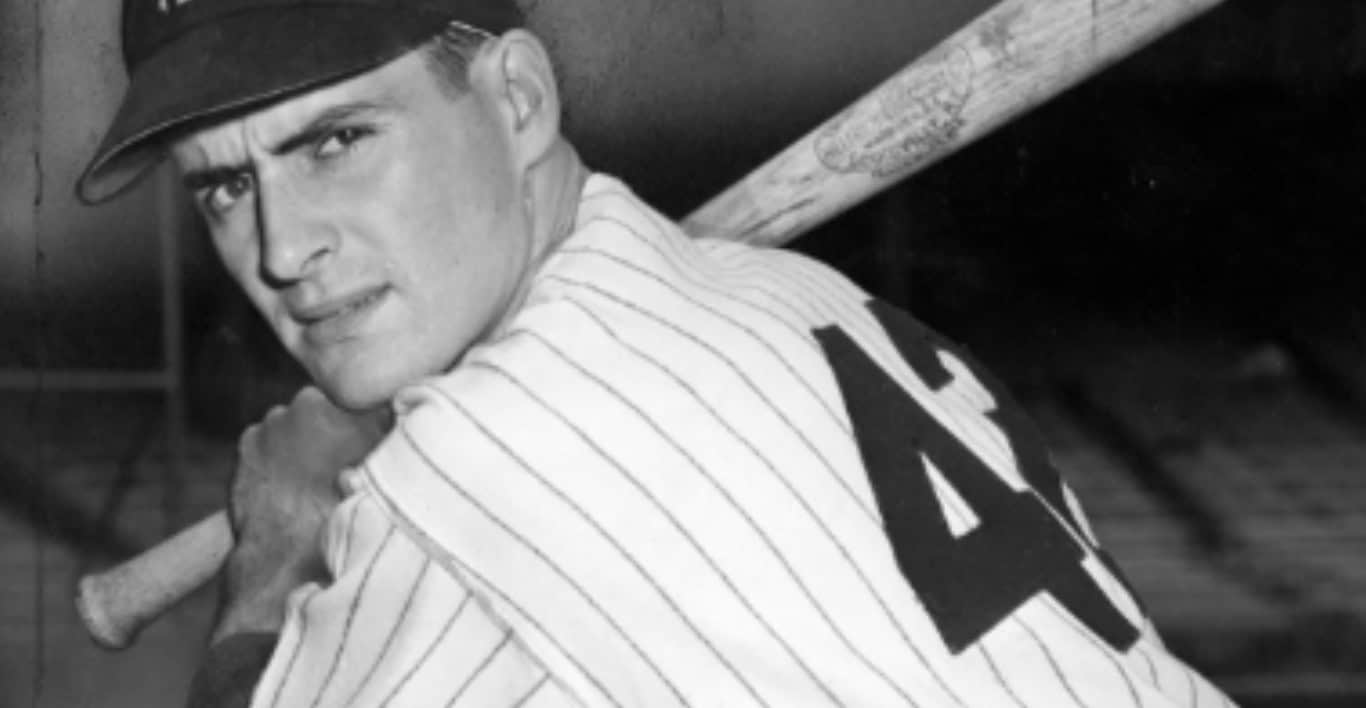
Jerry Coleman was the steady hand who helped guide the Yankees through their most successful decade, playing second base with the quiet professionalism that defined championship teams. His .263 career batting average and his clutch performances in six World Series made him an integral part of Yankee lore, while his military service during both World War II and the Korean War added to his legend as a man of character and courage. Coleman’s ability to rise to the occasion—he hit .275 in World Series play—and his partnership with Phil Rizzuto in the Yankees’ infield made him a prime example of how role players could become heroes when the stakes were highest, embodying the team-first mentality that fueled the Yankees dynasty.