
Last Updated: September 23rd, 2026 by Matthew Brown
The Cardinals are one of the blue-blood franchises of baseball. Coming from the 19th century, there have been so many legends who have helped shape the history of the MLB. Stan Musial and Bob Gibson gave way to Albert Pujols and Scott Rolen.
Don't lose this article. Enter your email below, and I'll send it to you right now. Plus, we'll send you other unbelievable stories from baseball's past.
All of those guys made it to the Hall of Fame in a respectable amount of time. We want to focus on the Redbirds who either haven't made it or have waited a while for their enshrinement. I'm sure you'll know many on this list and hope you enjoy.
20. Terry Pendleton: The Defensive Wizard Who Could Hit

Terry Pendleton laid the foundation for his future MVP season while he started his career in St. Louis. For seven seasons, Pendleton was the everyday starter in the hot corner for the Cardinals. He was better known for his defense, as he earned two Gold Glove Awards as a Redbird.
That would be the groundwork that was laid for him to eventually become the 1991 NL MVP in his first season with the Atlanta Braves. Without his time in St. Louis playing next to the great Ozzie Smith, I don't think we would have seen the MVP year from Pendleton that became a pleasant surprise for the league.
| Terry Pendleton — Career | Total |
|---|---|
| G | 1893 |
| AB | 7032 |
| H | 1897 |
| HR | 140 |
| RBI | 946 |
| SB | 127 |
| AVG | .270 |
| OBP | .316 |
| SLG | .391 |
| OPS | .707 |
| MVP | 1 |
| All-Star selections | 1 |
| Gold Gloves | 3 |
19. Jose Oquendo: The Secret Weapon of Whitey Ball
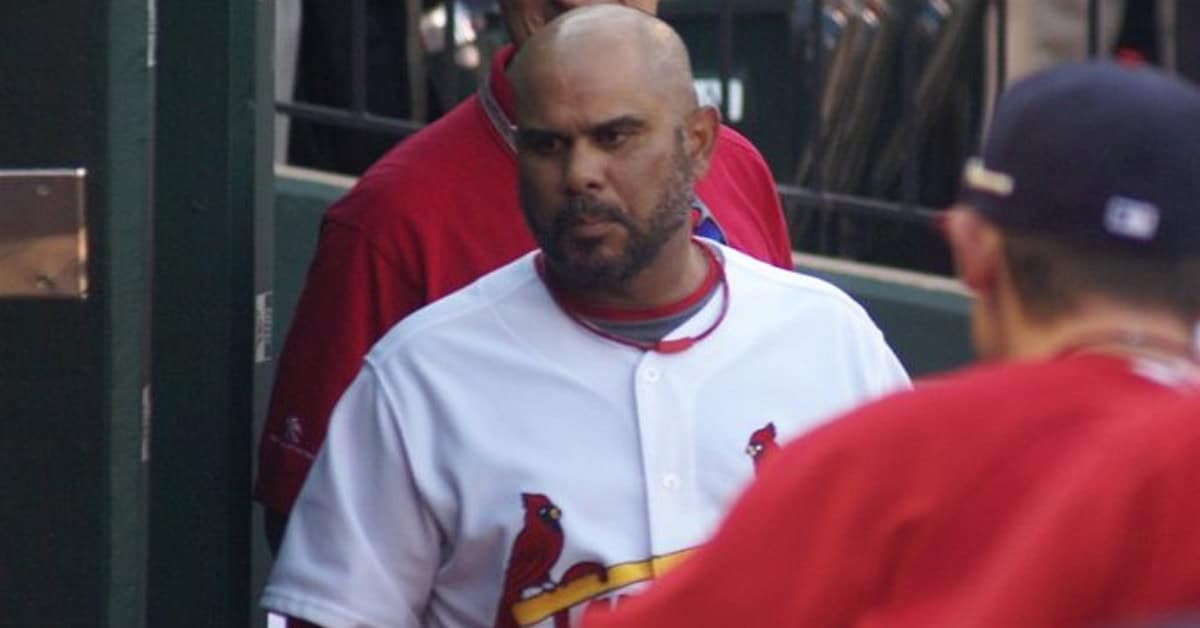
It must have been cool to be known as the Secret Weapon for legendary manager Whitey Herzog. Jose Oquendo saw action at every single position on the field, including pitcher and catcher. He just did the job he was called to do every time and kept his production as high as possible.
In the one season he was able to play, he played in 163 games and maintained a good .291 batting average, along with 28 doubles. Oquendo was just so capable of filling any role, and it's almost like we wish he was given more opportunities to shine, like many Cardinals fans believe he could.
| José Oquendo — Career | Total |
|---|---|
| G | 1190 |
| AB | 3202 |
| H | 821 |
| HR | 14 |
| RBI | 254 |
| SB | 35 |
| AVG | .256 |
| OBP | .346 |
| SLG | .317 |
| OPS | .663 |
18. Matt Morris: The Last Ace of Old Busch Stadium
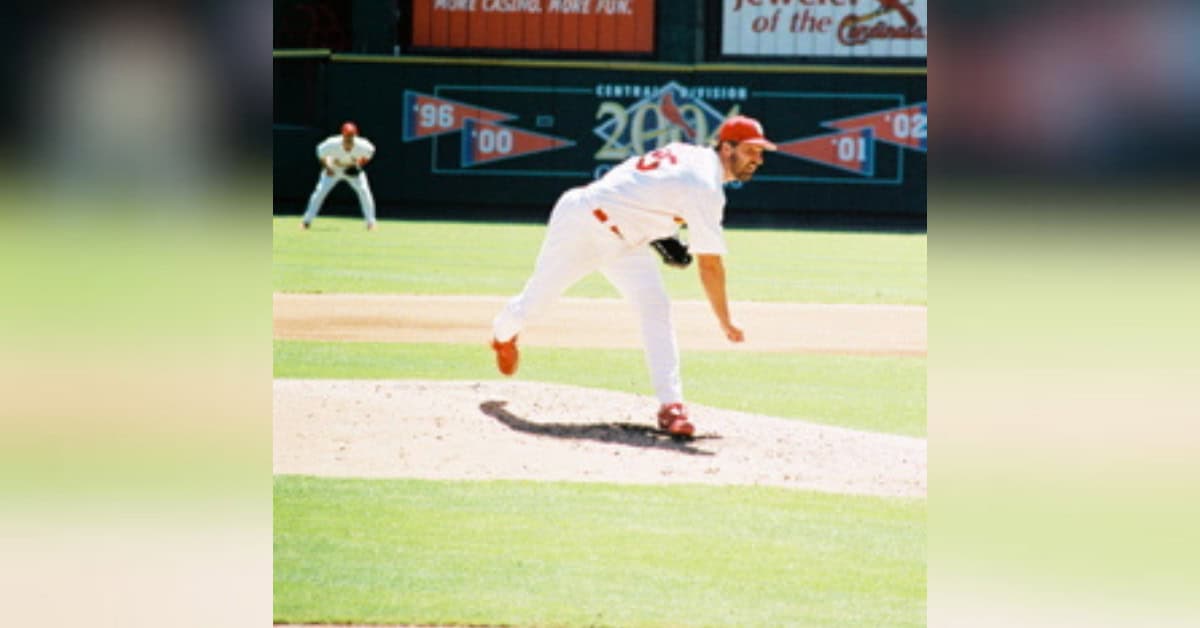
One of the more forgotten pitchers of the 2000s, Matt Morris was really productive in the Cardinals' rotation. He earned 101 wins in just eight seasons in St. Louis. His best came in 2001 when he finished top three in Cy Young Award voting.
He tallied up an MLB-leading 22 wins on a 3.16 ERA and 185 strikeouts. That came out to an advanced metric of 137 OPS+, which suggests he was pitching at a Hall of Fame level for that time period.
| Matt Morris — Career | Total |
|---|---|
| W | 121 |
| L | 92 |
| ERA | 3.98 |
| G | 307 |
| IP | 1806.0 |
| SO | 1214 |
| WHIP | 1.32 |
| SV | 4 |
| All-Star selections | 2 |
17. Ray Lankford: The Bridge Between Whitey Ball and Big Mac
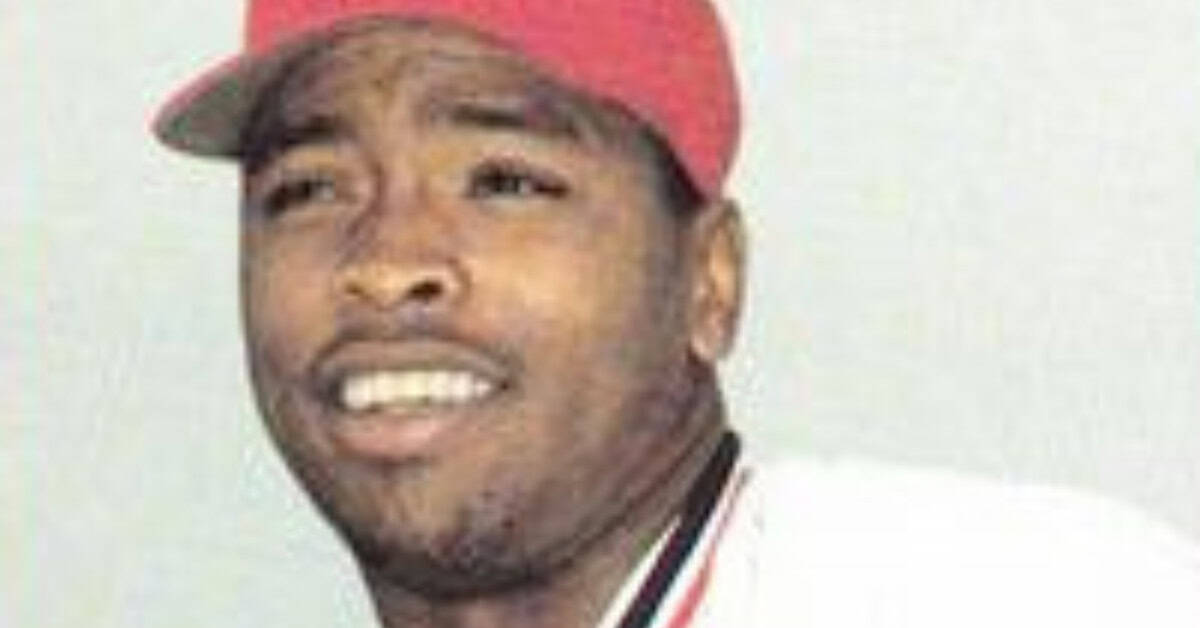
Ray Lankford was a catalyst for the Cardinals for 13 years. His best display of speed came in his rookie year in 1991. Lankford would smack 15 triples and steal 44 bags.
Eventually, sluggers like Mark McGwire would join the cause, and Lankford's table-setting ability got even more valuable. Lankford had a very solid .365 on-base percentage during his Cardinals career, which led to him scoring almost 1,000 times.
| Ray Lankford — Career | Total |
|---|---|
| G | 1701 |
| AB | 5747 |
| H | 1561 |
| HR | 238 |
| RBI | 874 |
| SB | 258 |
| AVG | .272 |
| OBP | .364 |
| SLG | .477 |
| OPS | .841 |
| All-Star selections | 1 |
16. Joaquin Andujar: One Tough Dominican Dandy
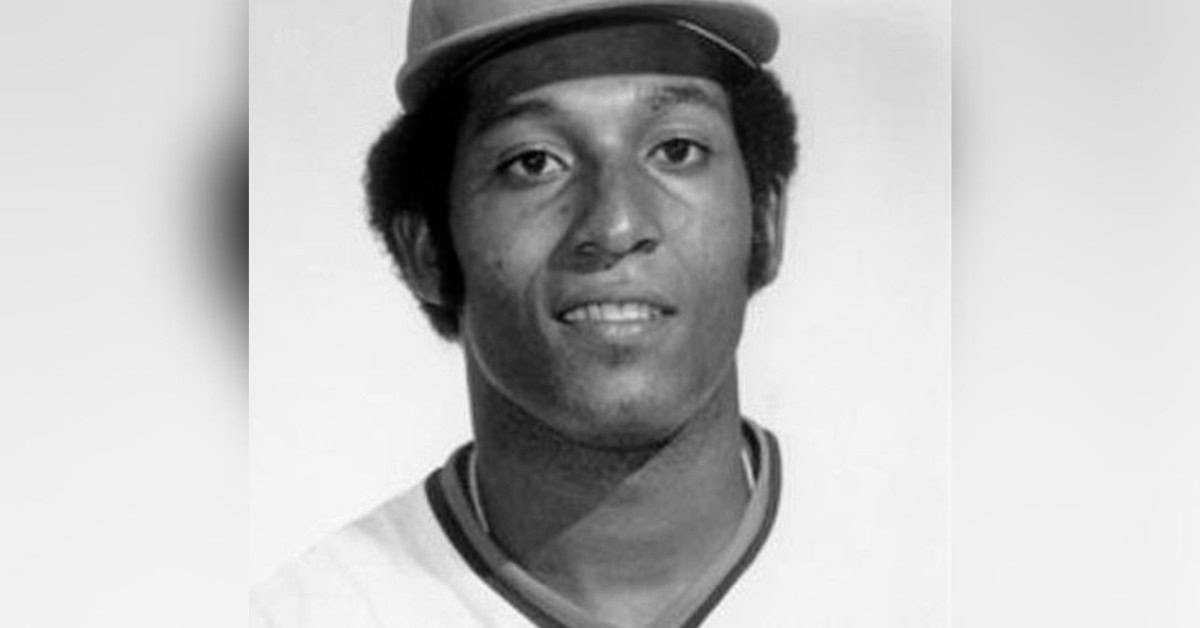
Joaquin Andujar was a pitcher whom the Cardinals got at the right time. He had been selected to two All-Star teams while in Houston, but never really reached his full potential. Then, in his first full season as a Cardinal, Andujar had a career-best 2.47 ERA, leading to 15 wins and a World Series run.
He would then go 2-0 in the World Series, allowing only two earned runs over 13 innings. That certainly helped them win the title and gave Andujar more opportunities, as he would go on to earn two more All-Star selections later in his career.
| Joaquin Andujar — Career | Total |
|---|---|
| W | 127 |
| L | 118 |
| ERA | 3.58 |
| G | 405 |
| IP | 2153.0 |
| SO | 1032 |
| WHIP | 1.28 |
| SV | 9 |
| All-Star selections | 4 |
| Gold Gloves | 1 |
| World Series titles | 1 |
15. George Hendrick: Silent George and His Untucked Legacy
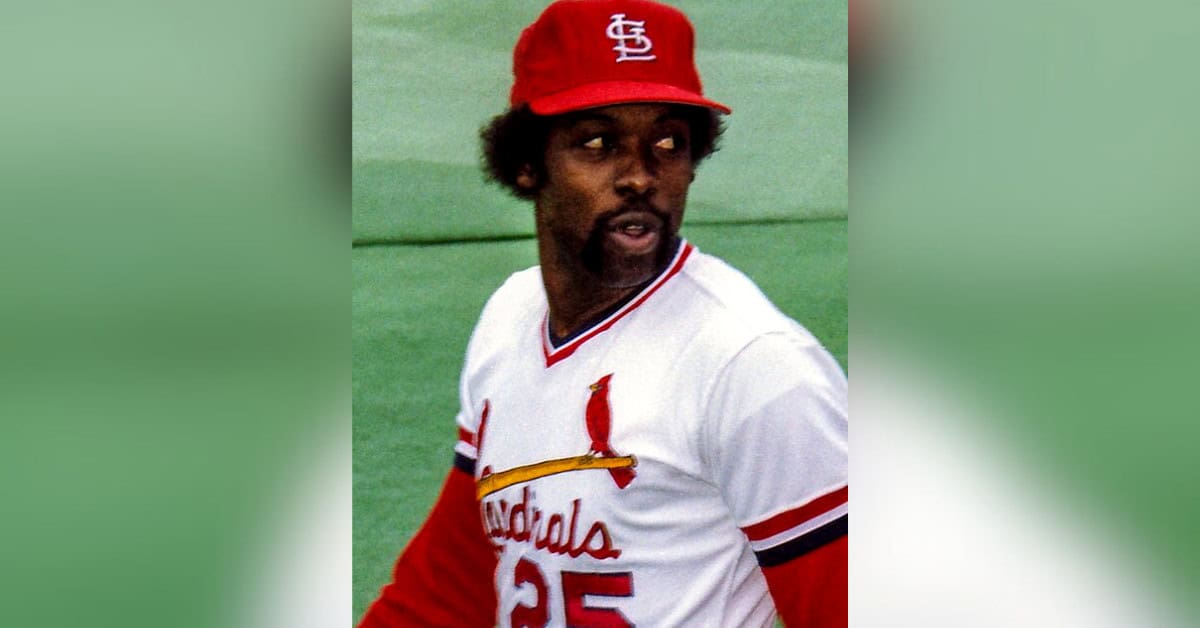
George Hendrick was in the middle of his prime by the time he got to St. Louis. He maintained a strong .294 batting average for most of the seven seasons he spent as a Redbird after being traded from San Diego. He earned two All-Star selections, which also led to two Silver Slugger seasons, and was known as an elite hitter among right fielders.
Hendrick put forth his best work in the 1982 World Series as he hit .321 with five RBI and five runs scored. He was a run producer for St. Louis when they needed it, as that series went all seven games.
| George Hendrick — Career | Total |
|---|---|
| G | 2048 |
| AB | 7129 |
| H | 1980 |
| HR | 267 |
| RBI | 1111 |
| SB | 59 |
| AVG | .278 |
| OBP | .329 |
| SLG | .446 |
| OPS | .775 |
| All-Star selections | 4 |
| Silver Sluggers | 2 |
| World Series titles | 2 |
14. Bob Caruthers: The 19th Century’s Two-Way Superstar
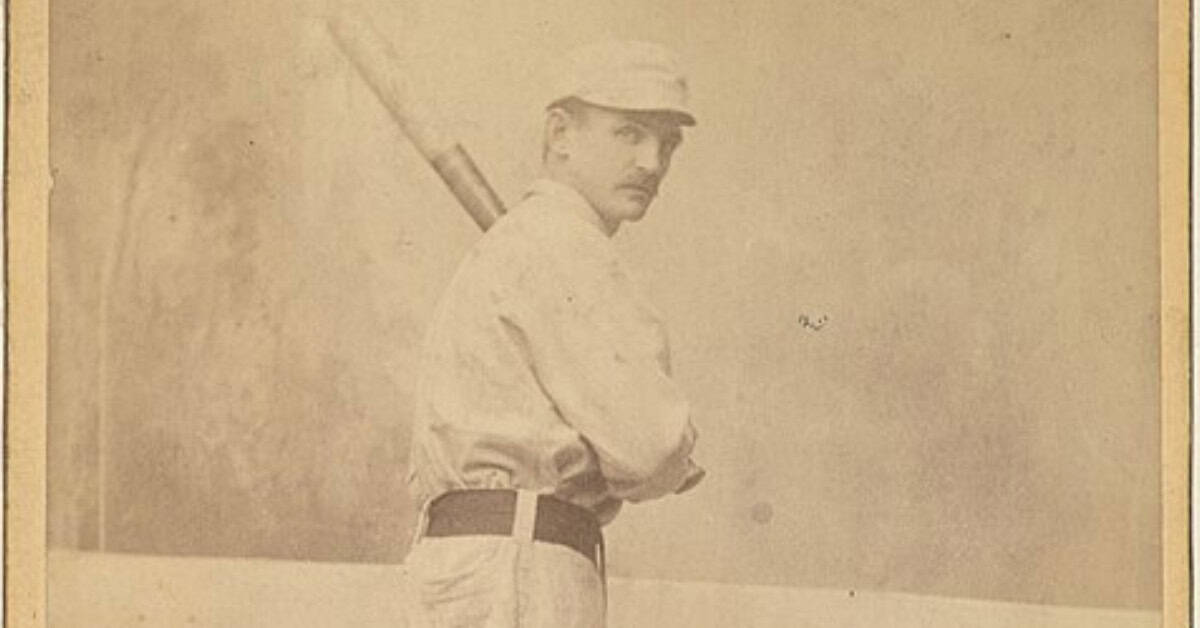
In just a nine-year career, Bob Caruthers gave us a glimpse into what the greats could be doing in the future. Caruthers won the ERA title in 1885 with a 2.07 ERA, leading to a league-leading 40 wins.
The next year, he was still able to win 30 games with a 2.32 ERA, but then led the league in OPS as a hitter. He displayed an elite two-way ability, becoming one of the league's best to ever do that.
| Bob Caruthers — Career | Total |
|---|---|
| W | 218 |
| L | 99 |
| ERA | 2.83 |
| G | 340 |
| IP | 2828.2 |
| SO | 900 |
| WHIP | 1.16 |
| SV | 3 |
13. Bill White: The Voice of Summer Before The Mic
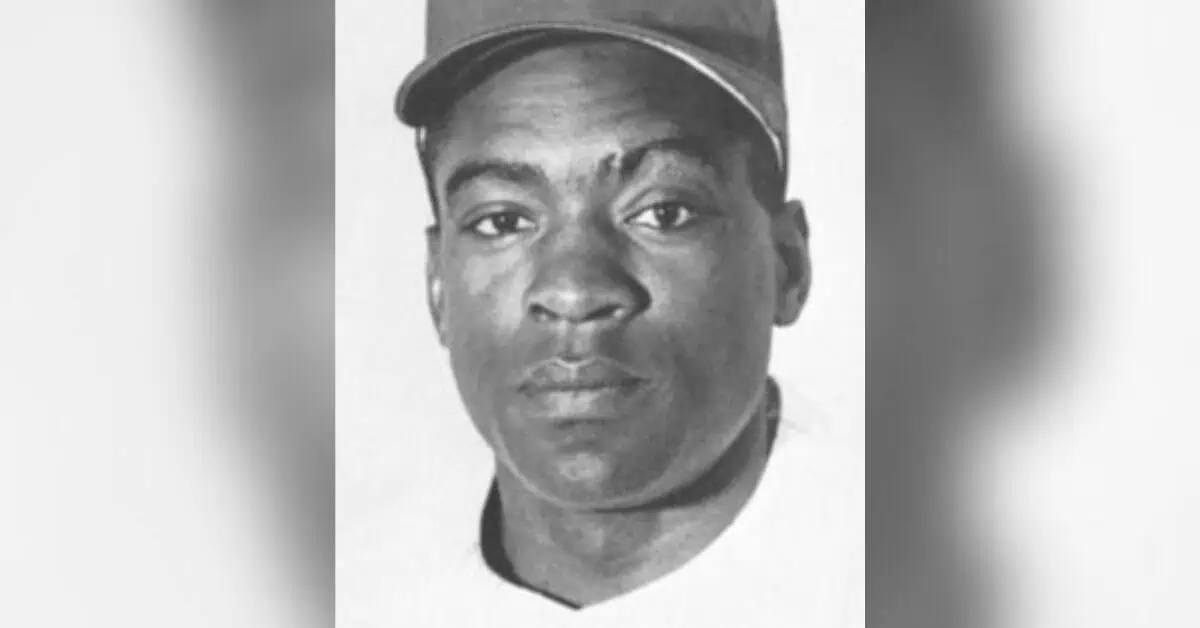
Some may remember Bill White as a broadcaster or as the president of the National League. I think it is just as important to remember him as a key cog in this franchise throughout the eight years he played in St. Louis.
He earned eight All-Star selections, seven Gold Gloves, and a World Series ring. White's playing career may have been on the shorter side at 13 years, but he sure dedicated his life to the game after his playing days were over.
| Bill White — Career | Total |
|---|---|
| G | 1673 |
| AB | 5972 |
| H | 1706 |
| HR | 202 |
| RBI | 870 |
| SB | 103 |
| AVG | .286 |
| OBP | .351 |
| SLG | .455 |
| OPS | .806 |
| All-Star selections | 5 |
| Gold Gloves | 7 |
| World Series titles | 1 |
12. Bob Forsch: Mr. Cardinal and His Two No-Hitters
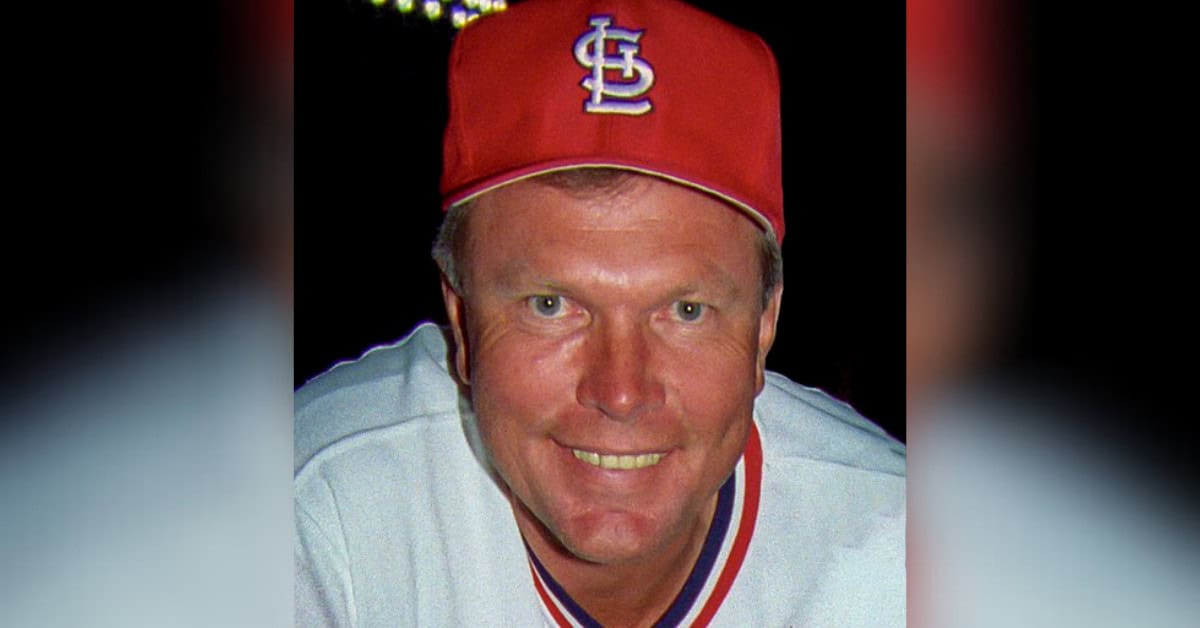
Bob Forsch was a mainstay in the Cardinal rotation for 15 seasons. He worked his way through over 2,500 innings, finding his way into the top three in franchise history with 163 wins as a Redbird.
Forsch had some special nights with the franchise, hurling two no-hitters in his career while also contributing to their World Series title in 1982. I'm pretty certain that Cardinal history would be pretty different without Bob Forsch.
| Bob Forsch — Career | Total |
|---|---|
| W | 168 |
| L | 136 |
| ERA | 3.76 |
| G | 498 |
| IP | 2794.2 |
| SO | 1133 |
| WHIP | 1.29 |
| SV | 3 |
| Silver Sluggers | 2 |
| World Series titles | 1 |
11. John Tudor: The Professor Who Mastered October
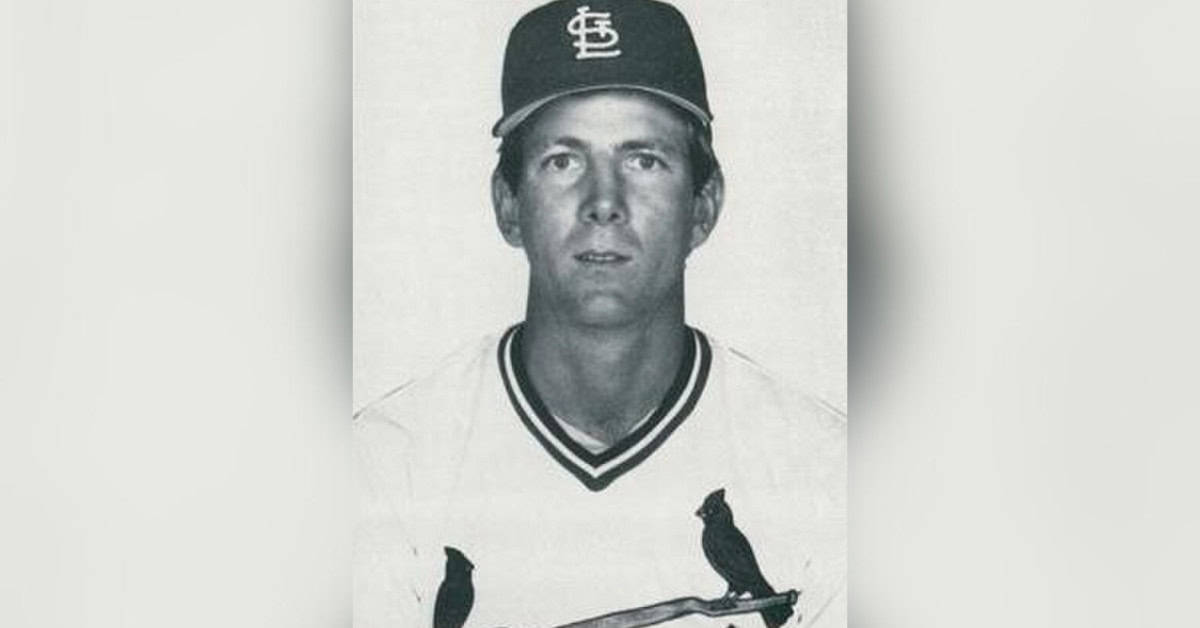
John Tudor was a mediocre pitcher when he was finding his footing in Boston and Pittsburgh to start his career. Then he found his way to St. Louis and became a whole new pitcher. Tudor's first year as a Cardinal saw him keep a Cy Young-worthy 1.93 ERA on an MLB-leading 10 complete-game shutouts and a 0.938 WHIP.
It's just so unfortunate that he just so happened to do that in the same year as Dwight Gooden's legendary 1985. It's crazy to think about how the runner-up that year had just as legendary a season, so we must honor Tudor here at the very least.
| John Tudor — Career | Total |
|---|---|
| W | 117 |
| L | 72 |
| ERA | 3.12 |
| G | 281 |
| IP | 1797.0 |
| SO | 988 |
| WHIP | 1.20 |
| SV | 1 |
| World Series titles | 1 |
10. Joe Torre: Before He Was The Yankees' Genius (HOF)
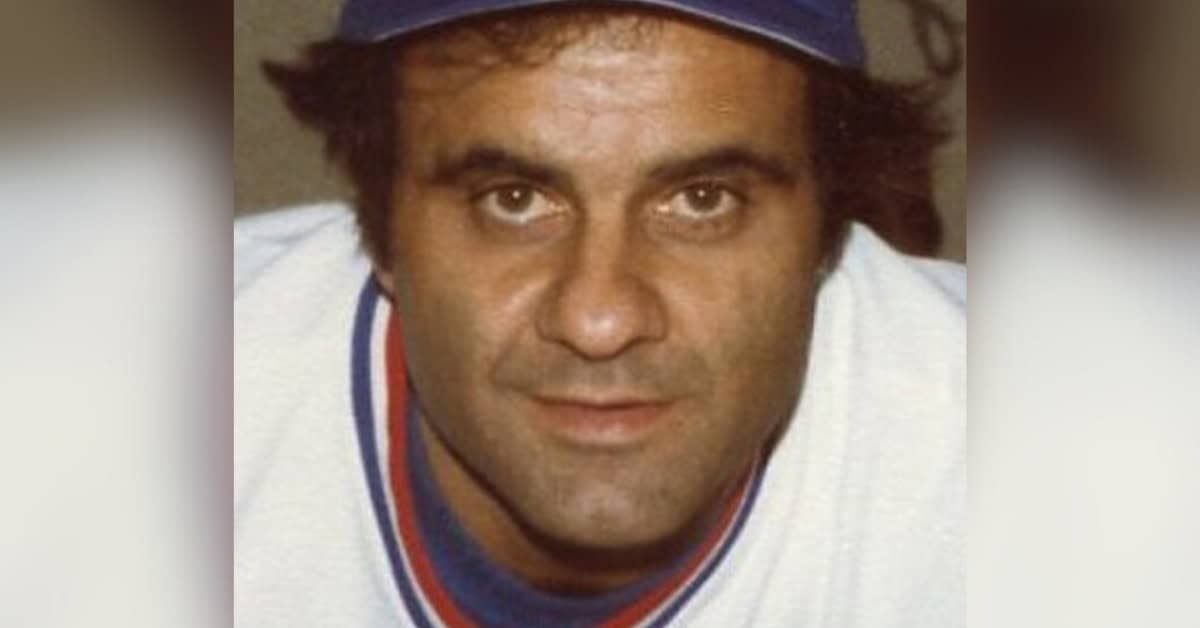
Yes, Joe Torre is in the Hall of Fame. However, he is in the Hall of Fame for his managerial success, not as a player. For those who aren't Cardinals fans or Braves fans, they may not remember that Joe Torre was a terrific player as well.
He earned the 1971 MVP as a St. Louis Cardinal, leading all hitters with a .363 batting average, accumulating a massive 230 hits and 137 RBI. He accumulated over 1,000 hits in just six seasons with the Cardinals, maintaining a .308 batting average.
| Joe Torre — Career | Total |
|---|---|
| G | 2209 |
| AB | 7874 |
| H | 2342 |
| HR | 252 |
| RBI | 1185 |
| SB | 23 |
| AVG | .297 |
| OBP | .365 |
| SLG | .452 |
| OPS | .817 |
| MVP | 1 |
| All-Star selections | 9 |
| Gold Gloves | 1 |
9. Lance Berkman: The Big Puma’s Last Dance in Red
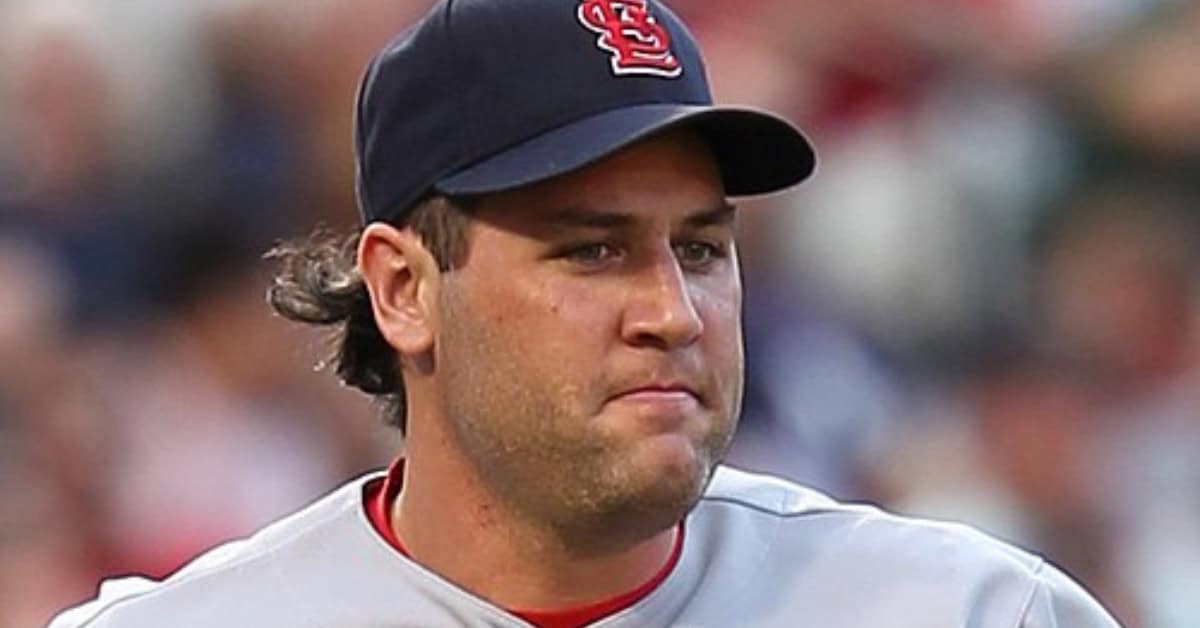
One of the more prolific sluggers during his time, Lance Berkman, had a great first 12 years of his career in Houston. He then signed with St. Louis and gave them one more great year. He hit .301 with 31 home runs and 94 RBI.
Then he cemented his St. Louis legacy by giving them a performance of a lifetime in the 2011 World Series. He had a .423 batting average that included clutch hitting, which the Cardinals needed to take down the Rangers in seven games.
| Lance Berkman — Career | Total |
|---|---|
| G | 1879 |
| AB | 6491 |
| H | 1905 |
| HR | 366 |
| RBI | 1234 |
| SB | 86 |
| AVG | .293 |
| OBP | .406 |
| SLG | .537 |
| OPS | .943 |
| All-Star selections | 6 |
| World Series titles | 1 |
8. Jim Edmonds: Hollywood Jim’s Circus Act in Center Field
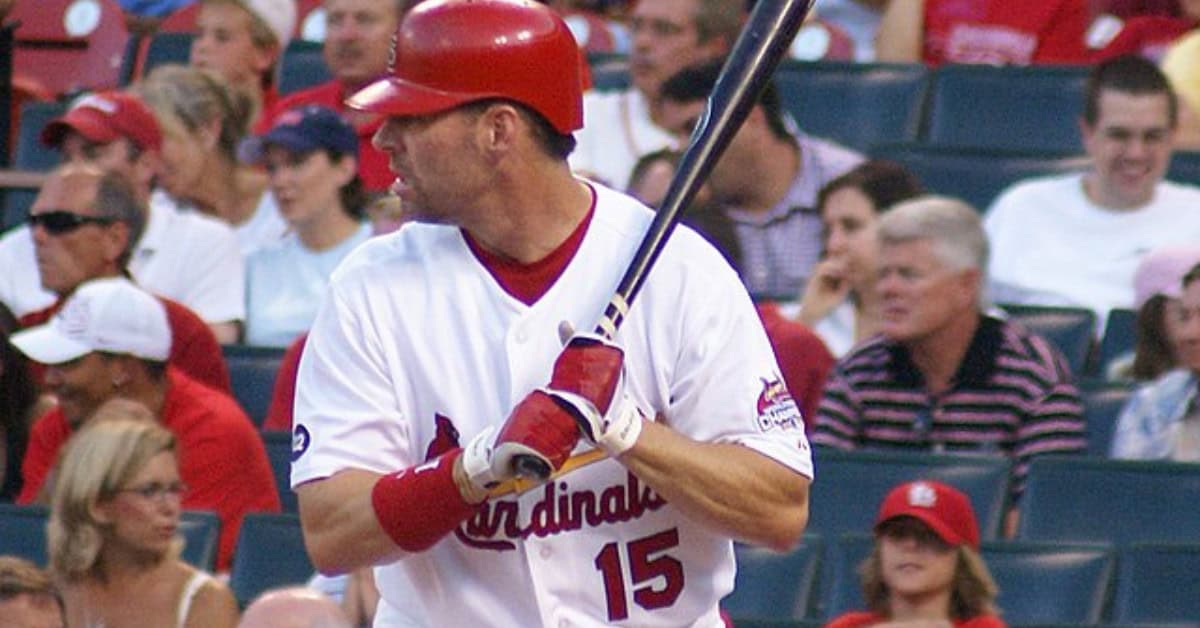
There is something to be said about the term highlights and how it is used in sports. Most of the time, highlights are reserved for the offense. In baseball, a lot of it is through the home run. But when it came to Jim Edmonds, it was about the defense.
He won eight Gold Glove awards while dazzling fans with his unbelievable catches. I wonder if he would have been able to reach 2,000 hits, 400 home runs, and 1,200 RBI (all of which he is very close to); he would be considered more likely to be voted into Cooperstown.
| Jim Edmonds — Career | Total |
|---|---|
| G | 2011 |
| AB | 6858 |
| H | 1949 |
| HR | 393 |
| RBI | 1199 |
| SB | 67 |
| AVG | .284 |
| OBP | .376 |
| SLG | .527 |
| OPS | .903 |
| All-Star selections | 4 |
| Gold Gloves | 8 |
| Silver Sluggers | 1 |
| World Series titles | 1 |
7. Curt Flood: The Man Who Changed Baseball Forever

For all the great names that we have on this list, there may not be one that is more impactful to the game of baseball or to sports than Curt Flood. He earned three All-Star selections and seven Gold Gloves during his 12-year tenure in St. Louis. That brought about a big argument for him to be valued more by the organization.
Flood fought baseball's reserve clause, which eventually led to the free agent market we see today. Billions of dollars have been made by baseball players partly because Curt Flood sacrificed the rest of his career to get rules to that point.
| Curt Flood — Career | Total |
|---|---|
| G | 1759 |
| AB | 6357 |
| H | 1861 |
| HR | 85 |
| RBI | 636 |
| SB | 88 |
| AVG | .293 |
| OBP | .342 |
| SLG | .389 |
| OPS | .731 |
| All-Star selections | 3 |
| Gold Gloves | 7 |
| World Series titles | 2 |
6. Ted Simmons: The Switch-Hitting Sage of the '70s (HOF)
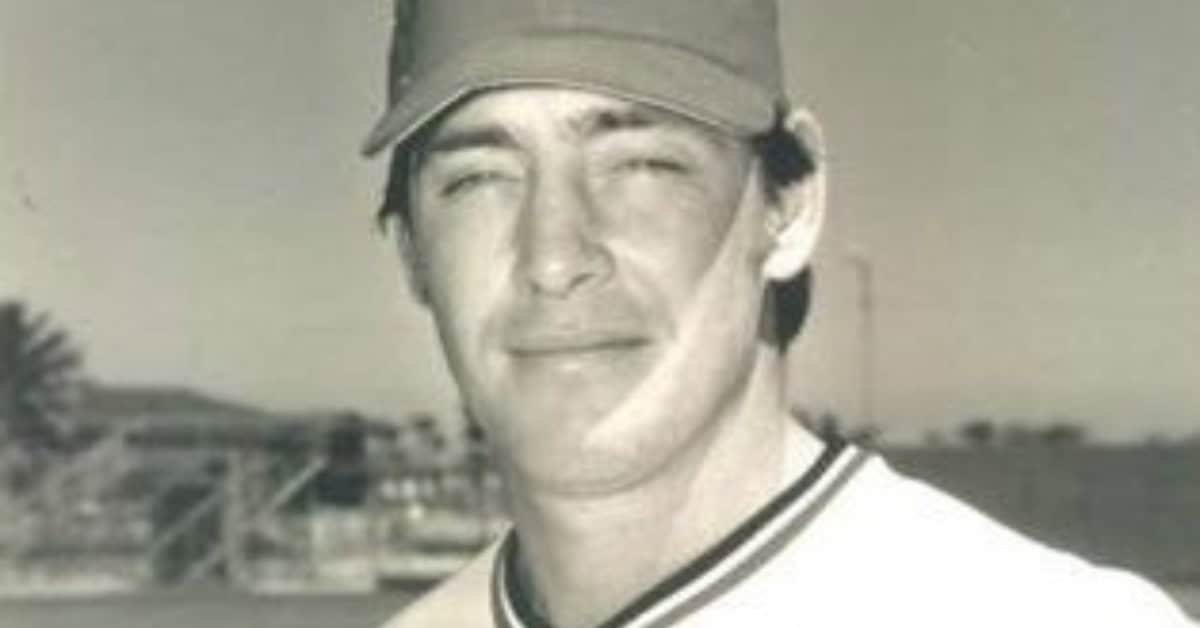
Ted Simmons is our example of waiting an exorbitantly long time to be inducted into the Hall of Fame. The eight-time All-Star won a Silver Slugger back in 1980, which was his last season in St. Louis. That wasn't even his most productive offensive season, as the switch-hitter showed another dimension of offense that catchers could provide.
But it took all the way until 2021 for him to be officially inducted. He was announced in 2019, but the COVID-19 pandemic forced him to wait even longer. I'm just glad it happened while he was still alive.
| Ted Simmons — Career | Total |
|---|---|
| G | 2456 |
| AB | 8680 |
| H | 2472 |
| HR | 248 |
| RBI | 1389 |
| SB | 21 |
| AVG | .285 |
| OBP | .348 |
| SLG | .437 |
| OPS | .785 |
| All-Star selections | 8 |
| Silver Sluggers | 1 |
5. Willie McGee: The Shy Superstar Who Stole St. Louis Hearts
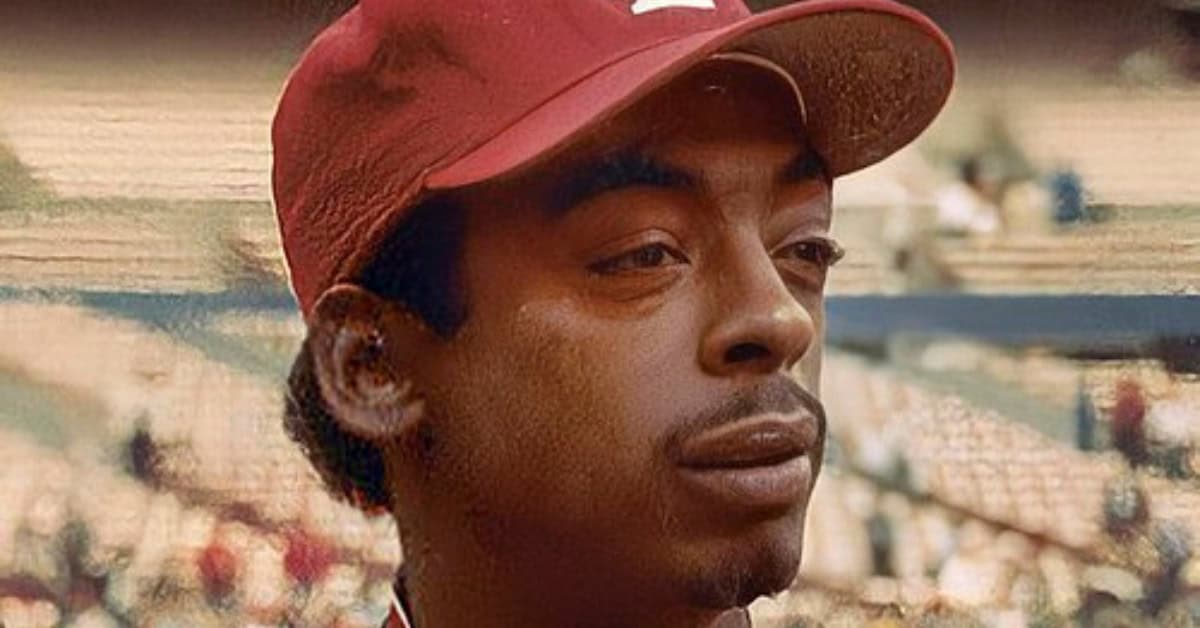
With speedsters, the peak can be as exciting as any power hitter that you'll ever see. In 1985, Willie McGee took the league by storm as he won the batting title with a .353 batting average on 216 hits and an amazing 18 triples.
He also had Gold Glove defense, which led him to lead the league with an 8.2 WAR. That wasn't his only good season, though, as McGee earned four All-Star selections during his 13-year career in St. Louis.
| Willie McGee — Career | Total |
|---|---|
| G | 2201 |
| AB | 7649 |
| H | 2254 |
| HR | 79 |
| RBI | 856 |
| SB | 352 |
| AVG | .295 |
| OBP | .333 |
| SLG | .396 |
| OPS | .729 |
| MVP | 1 |
| All-Star selections | 4 |
| Gold Gloves | 3 |
| Silver Sluggers | 1 |
| World Series titles | 1 |
4. Keith Hernandez: The Gold Glove Guru Who Changed First Base Forever
I still will say that Keith Hernandez deserves to be in the Hall of Fame, though it seems like it may never happen. He is the best defensive first baseman of all time with his 11 Gold Gloves to go along with five All-Star selections and two Silver Sluggers.
His time in St. Louis was legendary. He won the 1979 MVP by winning the batting title with a .344 batting average and a whopping 48 doubles. He maintained a perfectly good 130 OPS+ in his decade-long stay with the Cardinals, combining great offense with his great defense.
| Keith Hernandez — Career | Total |
|---|---|
| G | 2088 |
| AB | 7370 |
| H | 2182 |
| HR | 162 |
| RBI | 1071 |
| SB | 98 |
| AVG | .296 |
| OBP | .384 |
| SLG | .436 |
| OPS | .820 |
| MVP | 1 |
| All-Star selections | 5 |
| Gold Gloves | 11 |
| Silver Sluggers | 2 |
| World Series titles | 2 |
3. Ken Boyer: The Forgotten Captain of Camelot
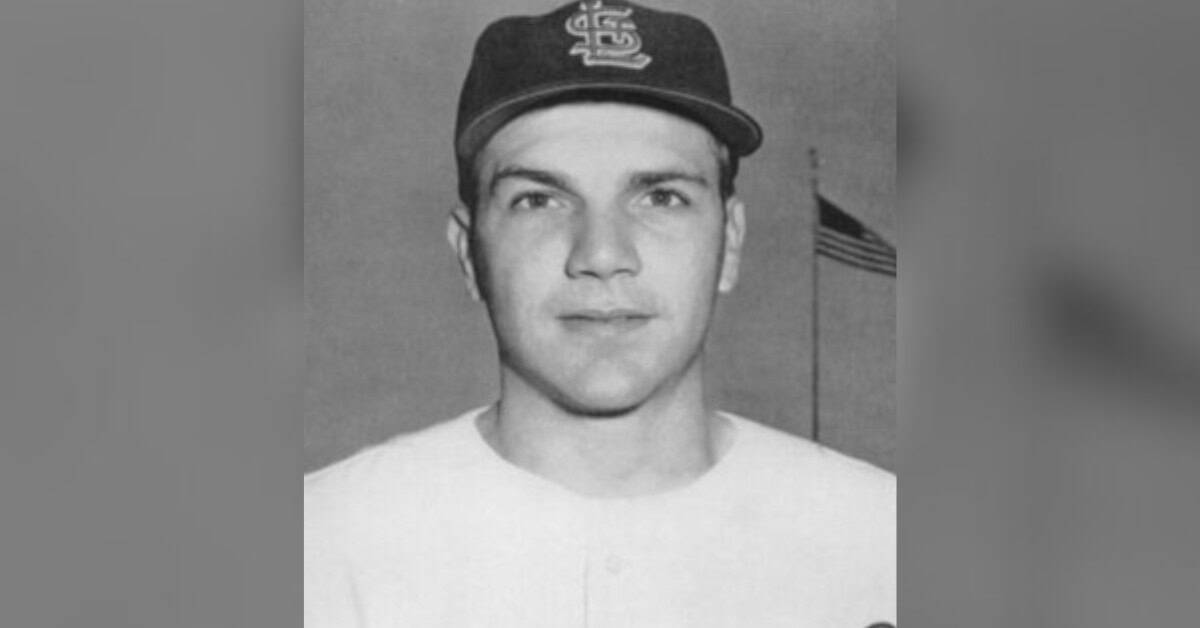
Ken Boyer is right at the cusp of immortality. The 1964 MVP batted .295 and led everybody with 119 RBI. That was just the pinnacle of what was consistent production at a high level. He smacked over 20 home runs in seven straight seasons and eight out of the 11 years he spent in St. Louis.
His career had a later start than it could have due to his military service when he was young. Once the 24-year-old got to the MLB, he was off and running.
| Ken Boyer — Career | Total |
|---|---|
| G | 2034 |
| AB | 7455 |
| H | 2143 |
| HR | 282 |
| RBI | 1141 |
| SB | 105 |
| AVG | .287 |
| OBP | .349 |
| SLG | .462 |
| OPS | .811 |
| MVP | 1 |
| All-Star selections | 7 |
| Gold Gloves | 5 |
| World Series titles | 1 |
2. Chris Carpenter: The Warrior Who Defined Cardinal Grit
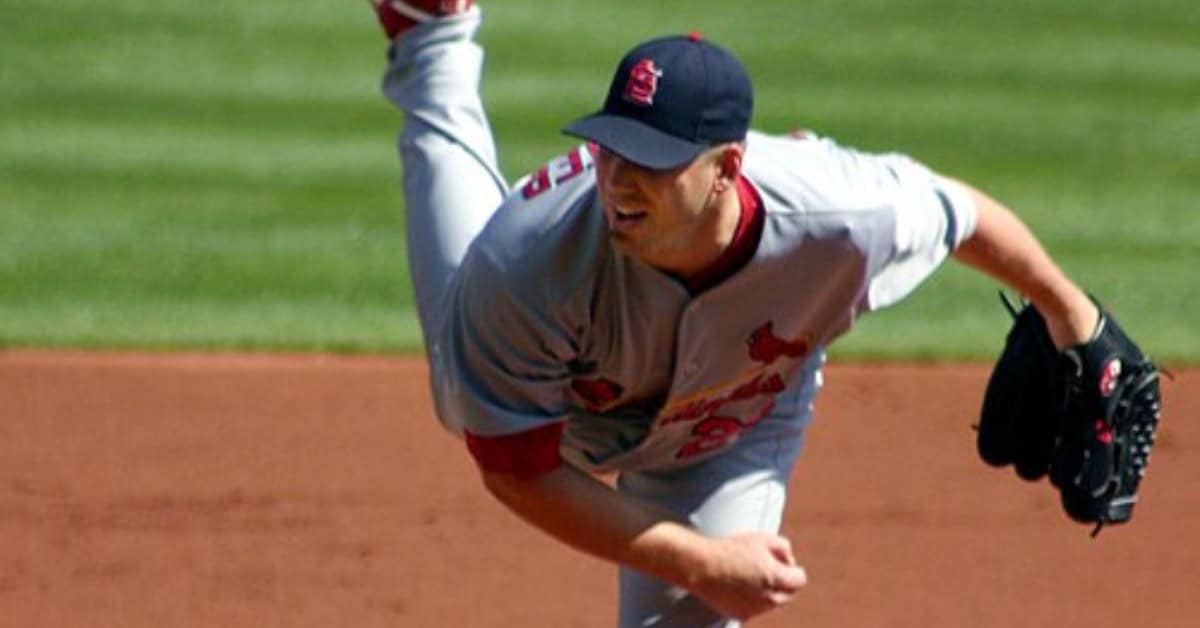
Coming in from Toronto, Chris Carpenter blossomed once he started playing for Tony La Russa. He had a 3.07 ERA during a time when sluggers were all over the place. That comes out to a 133 ERA+ for his time in St. Louis.
For nine years, that's more than good enough to have Hall of Fame consideration. Carpenter won the Cy Young Award in 2005 and brought a level of greatness to the rotation throughout his tenure.
| Chris Carpenter — Career | Total |
|---|---|
| W | 144 |
| L | 94 |
| ERA | 3.76 |
| G | 350 |
| IP | 2219.1 |
| SO | 1697 |
| WHIP | 1.28 |
| SV | 0 |
| Cy Young | 1 |
| All-Star selections | 3 |
| World Series titles | 2 |
1. Mark McGwire: The Summer That Changed Baseball Forever
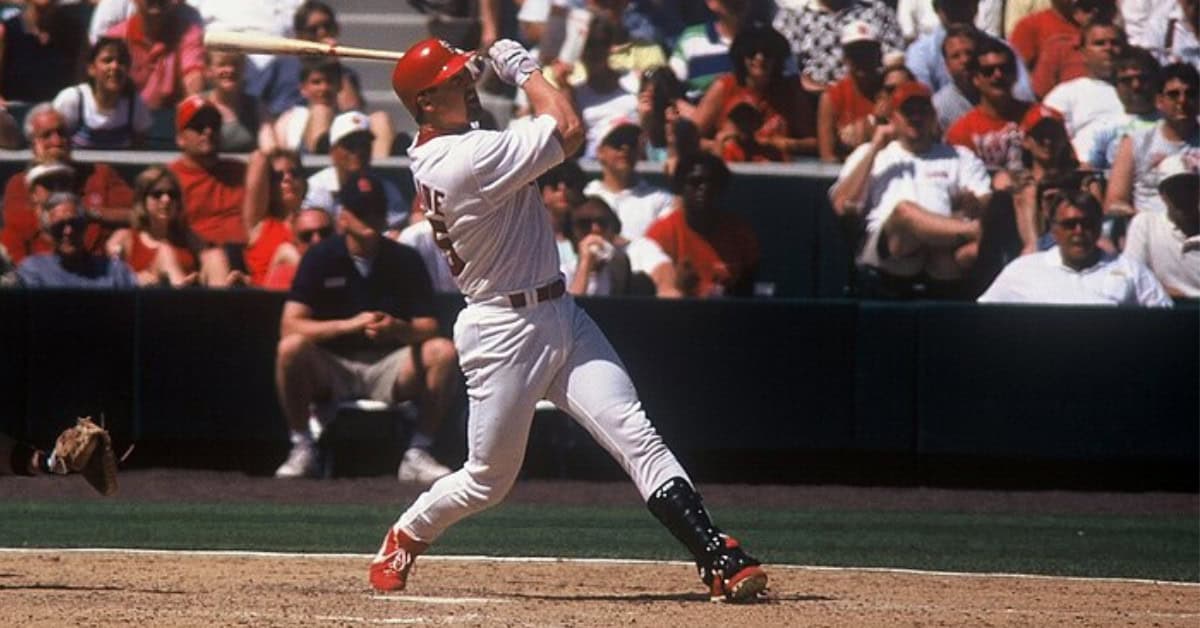
Mark McGwire spent just four and a half years of his 16-year career in St. Louis, but he made the most of that time as one of the biggest sluggers of that era.
His first full season with the Cardinals was historic as he broke the previously unbreakable single-season home run record. That would be the first of a back-to-back home run lead, where he hit 70 in 1998 and 65 in 1999. Truly iconic power that helped revive the popularity of baseball.
| Mark McGwire — Career | Total |
|---|---|
| G | 1874 |
| AB | 6187 |
| H | 1626 |
| HR | 583 |
| RBI | 1414 |
| SB | 12 |
| AVG | .263 |
| OBP | .394 |
| SLG | .588 |
| OPS | .982 |
| All-Star selections | 12 |
| Gold Gloves | 1 |
| Silver Sluggers | 3 |
| World Series titles | 1 |
| Rookie of the Year | 1 |