
Last Updated: September 24th, 2026 by Matthew Brown
Catchers are such a unique breed of athletes. They have a skill set that is specialized to be able to handle pitches coming in at 100 miles per hour and spinning at over 3,000 revolutions per minute. They also still have to be able to contribute in the batting order alongside all the other position players on a daily basis.
Don't lose this article. Enter your email below, and I'll send it to you right now. Plus, we'll send you other unbelievable stories from baseball's past.
When it comes to good catchers who dedicated much of their careers to one team, there is a special love that fans have for them. That being said, let's take a look at beloved catchers throughout baseball history who are not in the Hall of Fame and deserve the love that they get.
20. Thurman Munson: The Captain’s Tragic Tale
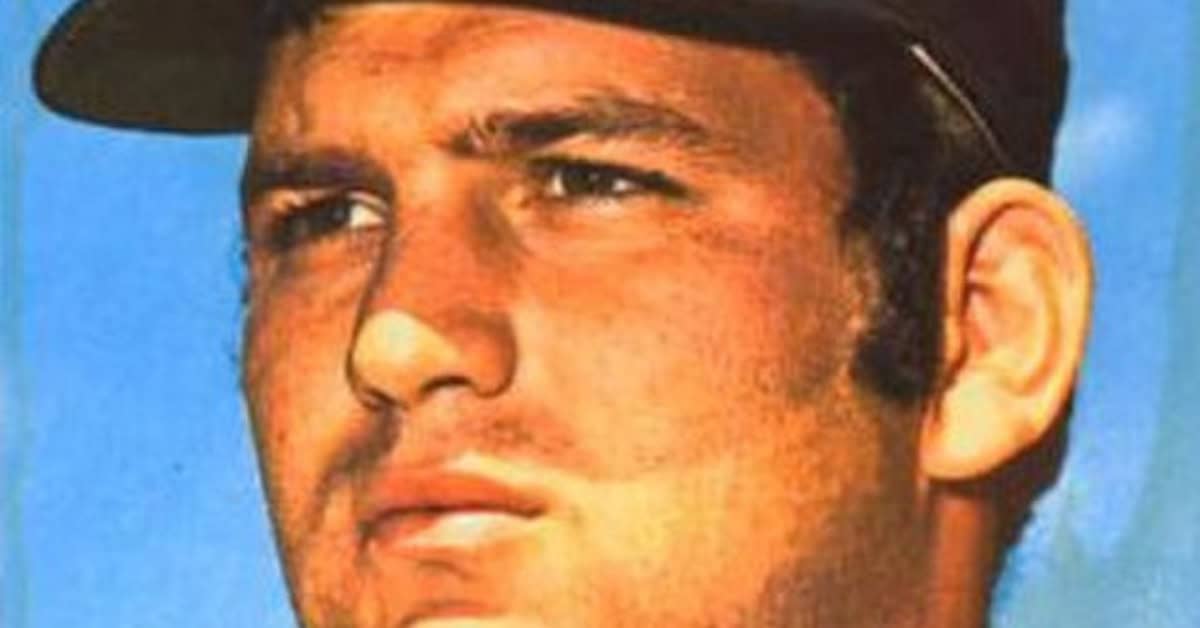
The memory of Thurman Munson is what unfortunately has to drive his legacy. The tragic plane crash was an abrupt ending to a great career. Seven All-Star selections and three Gold Gloves verified his Rookie of the Year Award and MVP.
Those accolades support the fact that fans have such passion for this catcher's career that it has brought up discussions about whether his short career was sweet enough to get the ultimate recognition.
19. Bill Freehan: Detroit’s Iron Man Behind the Plate
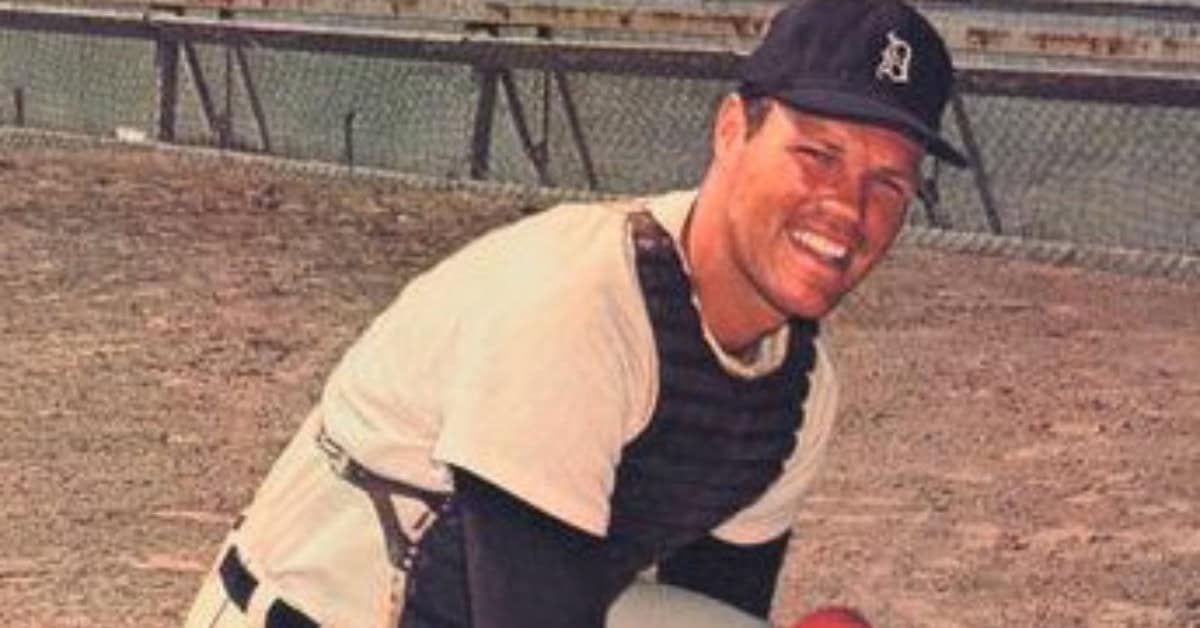
11 All-Star selections usually are a shoo-in for the Hall of Fame. Somehow, Bill Freehan has been passed up this entire time. A five-time Gold Glove winner, he handled Detroit pitchers masterfully for 15 years. If the question is about his bat, he had that too.
A 112 career OPS+ says that he was well above average at the plate. For example, the great Cal Ripken Jr. has the exact same career OPS+. And that's as a shortstop.
18. Gene Tenace: The Walk and Power Pioneer
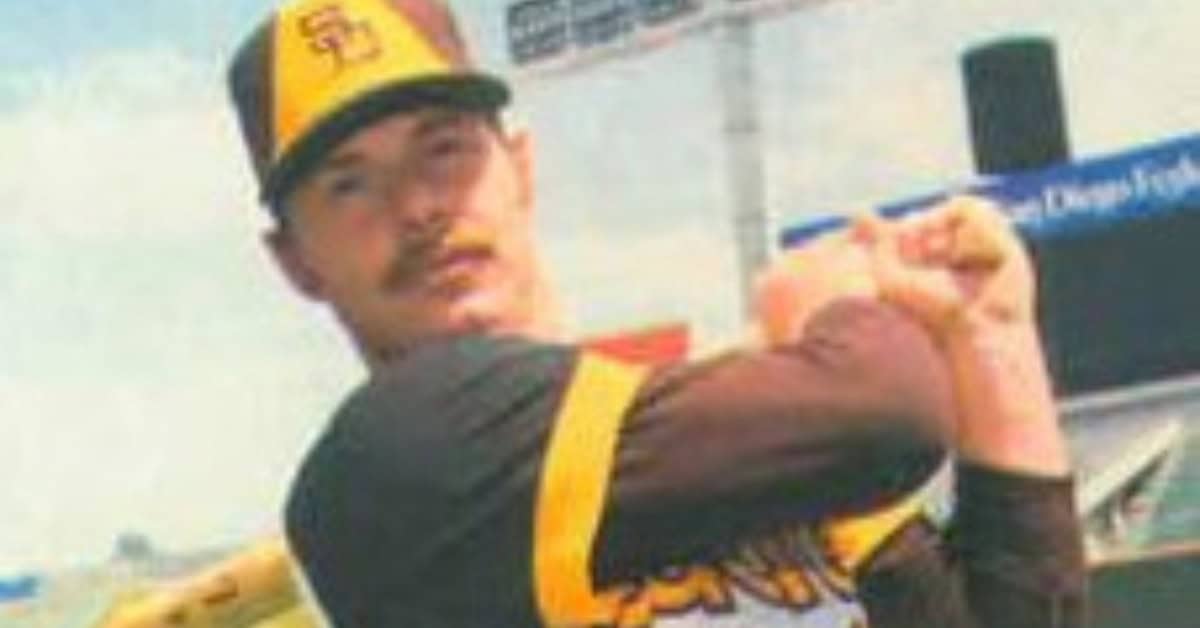
Gene Tenace is one of the best offensive catchers of all time. I understand that may sound like a bold statement, but I have a stat to support it. His career OPS+ is 136. That is the fifth-highest all-time.
If you move the needle a little higher and require 1,000 games to have been played in a career, Tenace would only be behind Hall of Famer Mike Piazza in that category. Pretty wild to think about and an intriguing fact to consider.
17. Lance Parrish: The Big Wheel of Motor City
Longevity is so tough for a catcher. The knees degrade over time, and the body just starts to say no. Not for Lance Parrish. For all 19 years of his career, Parrish was a primary catcher.
So many other catchers have transitioned to positions like first base late in their careers. But Parrish stuck it out to the end, earning eight All-Star selections, three Gold Gloves, and six Silver Sluggers.
16. Jim Sundberg: The Golden Glove of Arlington
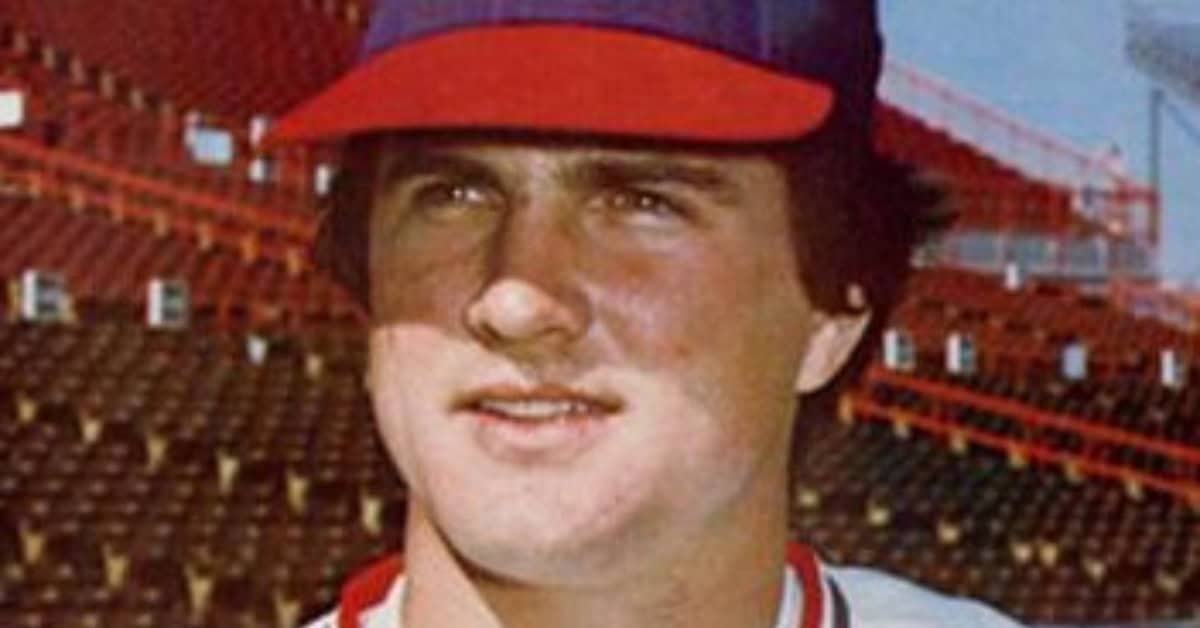
Jim Sundberg was a defensive standard for the position throughout his 16-year career. The three-time All-Star earned six Gold Gloves in his career. He led the league's catchers in putouts, assists, and fielding percentage six times, all as a Texas Ranger.
He would contribute to the Royals, Cubs, and Brewers in his career, providing stability at the position wherever he went.
15. Darrell Porter: The Cardinal Who Conquered Demons
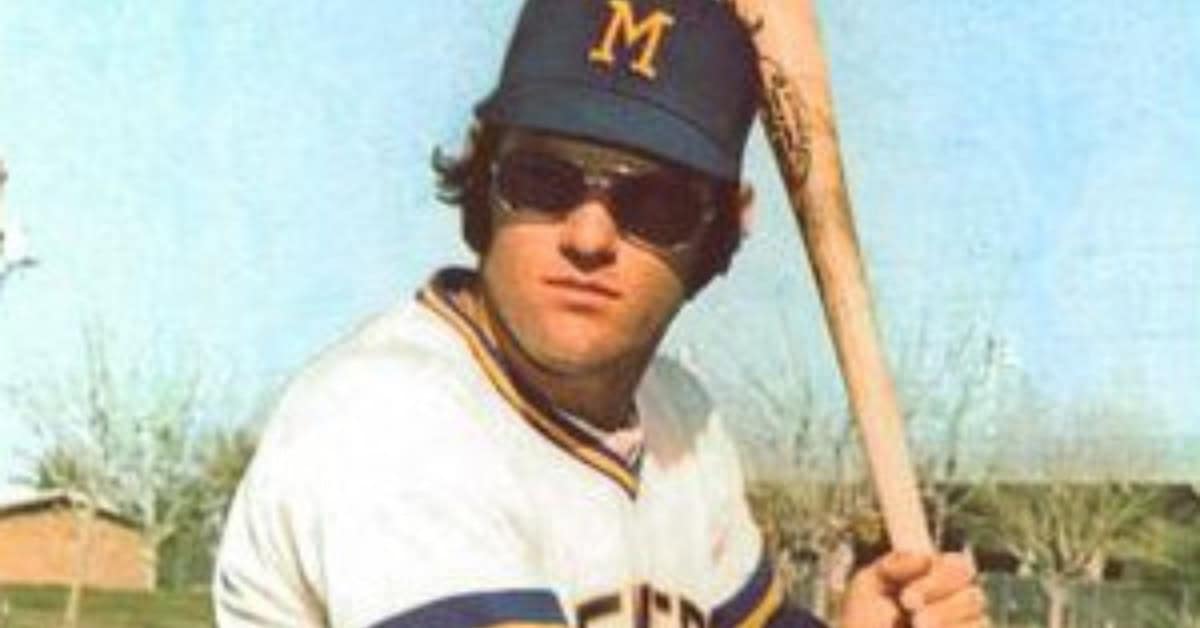
Everyone has their demons. Darrell Porter just had more people aware of him than most in the world. He had to overcome adversity to be a four-time All-Star in a successful 17-year career. His legendary playoff run with the St. Louis Cardinals in 1982 will be forever remembered.
He hit .351 with a home run, five doubles, six RBI, and four runs scored across 10 games. That led to him being named the NLCS MVP and World Series MVP. He was a true star that season.
14. Tony Pena: The Man Who Caught From His Knees

The 18-year career of Tony Pena was one of innovation. When you see catchers today, almost every one of them is catching with one knee on the ground. Pena is credited as baseball's innovator of that style. It helped him earn five All-Star selections and four Gold Gloves.
I know the offensive numbers aren't quite impressive, but his defensive prowess and overall durability are where his value lies. He led the league in games caught and putouts five times in his career, proving that his one-knee technique preserved his body effectively.
13. Bob Boone: Baseball’s Defensive Dynasty
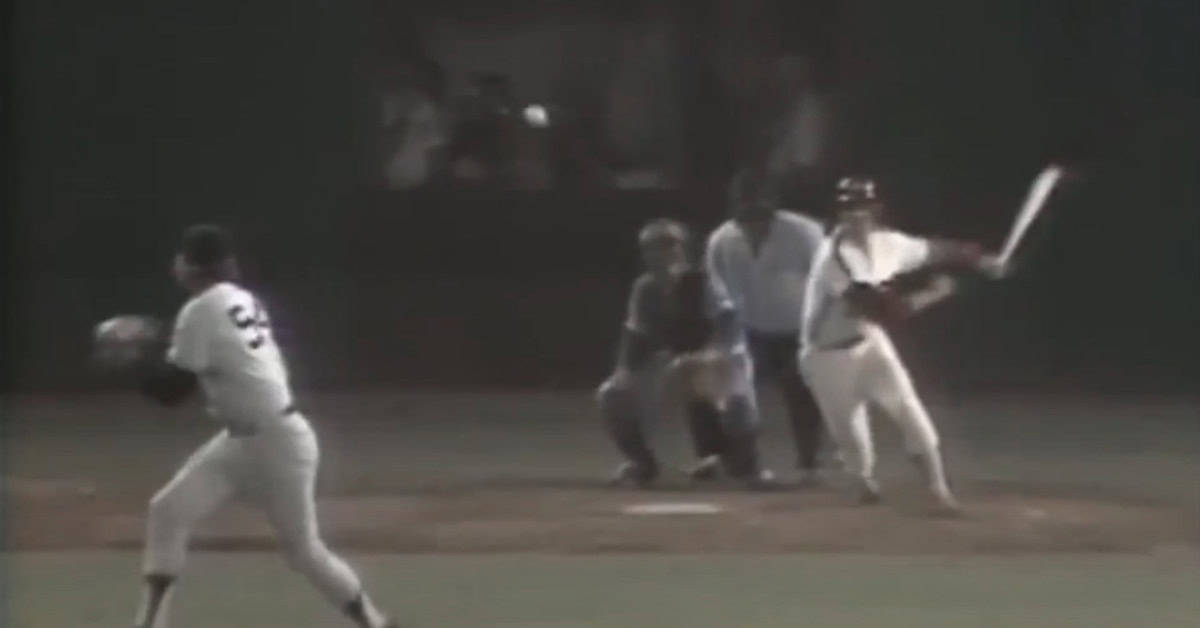
We highlight another very durable catcher on this list. Bob Boone is probably known as a Phillies legend and patriarch of a great baseball family.
Many might forget that his career spanned 19 years, with Gold Glove awards coming all the way down to his penultimate season. A four-time All-Star, Boone won his seventh Gold Glove at the age of 41, showing how defense doesn't fade with age.
12. Elston Howard: Breaking the Yankees’ Color Barrier
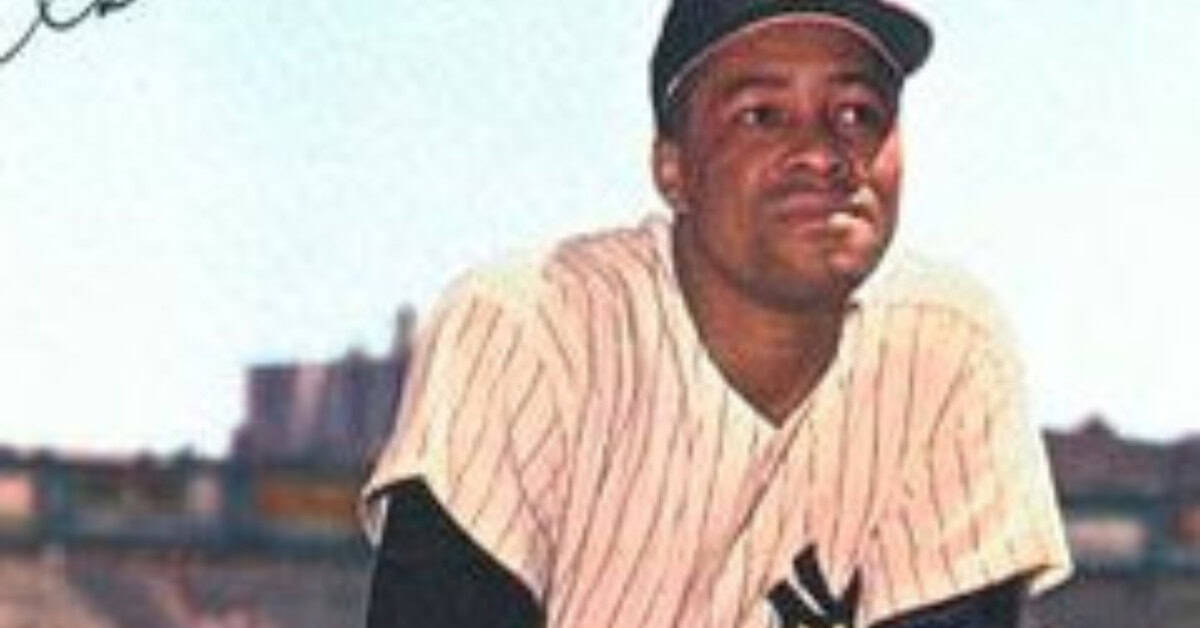
Elston Howard is more than just a barrier-breaking pioneer. He was a terrific player who earned 12 All-Star selections and two Gold Gloves. Those only complement his 1963 MVP season, where he hit .287 with 28 home runs and 85 RBI.
Not only that, but he was the catcher for four World Series-winning Yankee teams, continuing the franchise's excellence at the position.
11. Wally Schang: The Forgotten Dead Ball Era Star
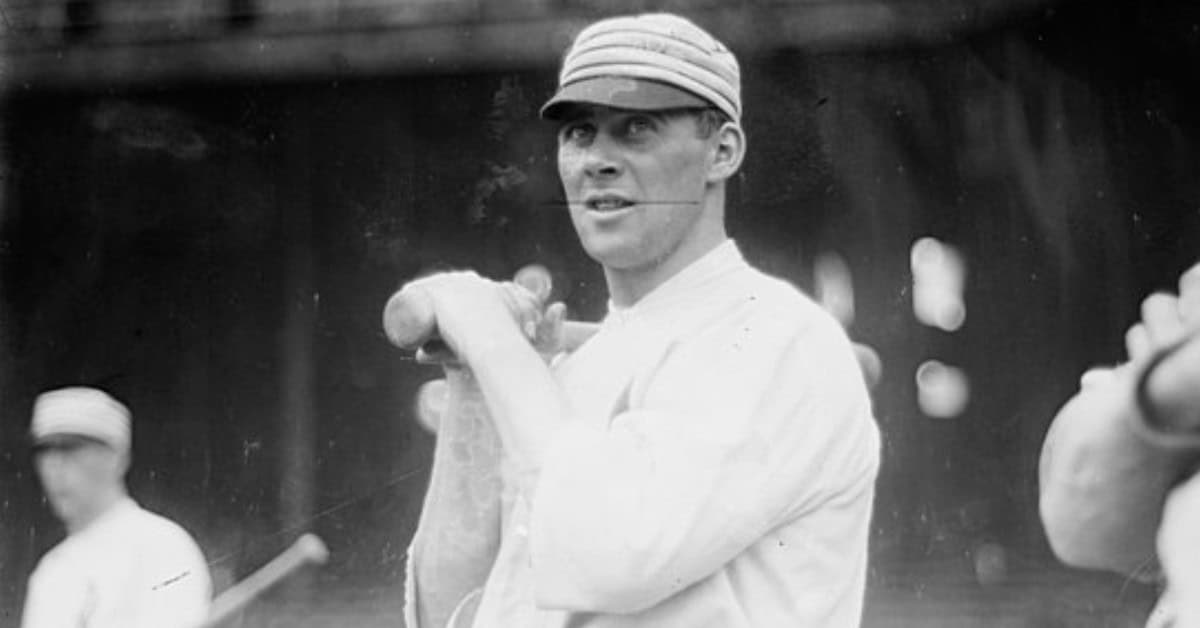
Wally Schang was a pioneer in a different way. The Dead-ball Era catcher did damage from both sides of the plate as a switch-hitter. He was a valuable backstop who had a bat that forced teams to try to keep him in the lineup by putting him at different positions.
Schang was so good defensively that he had even played center field and shortstop in his career. All of that said, he was a winner, as he helped three different franchises win a World Series.
10. Jason Kendall: The Tough Guy’s Tough Guy

Jason Kendall might have been the most athletic catcher in the history of baseball. His speed led to 189 stolen bases in his career, leading all at the position.
He was able to accumulate over 2,100 hits in his career while playing in 2,085 games. Six catchers who have played in over 2,000 games are in the Hall of Fame. I think there's a good case for that number to grow.
9. Terry Kennedy: San Diego’s Steady Hand
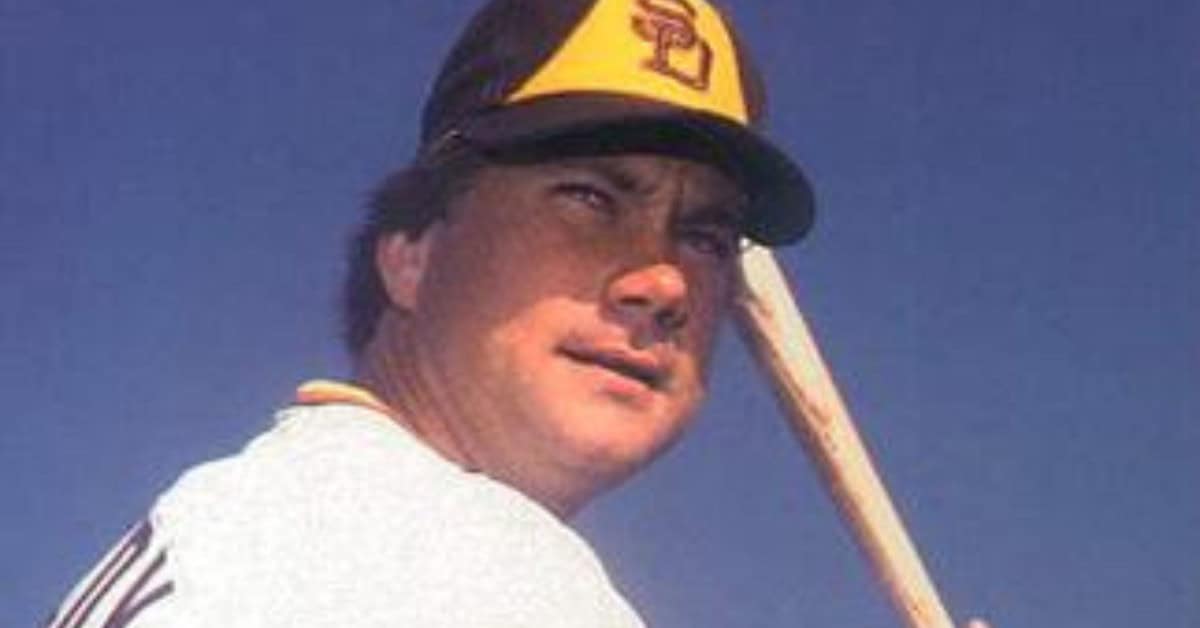
There are so many ways that a catcher can provide value. Sometimes it's just providing stability in an organization that was looking for it. Tony Gwynn was just getting started while Terry Kennedy was in San Diego. The Padres were just looking to get their footing in the MLB.
This was a franchise that had only seen one winning season until Kennedy started to handle the pitching staff and Gwynn started to handle the offensive part of the game. Kennedy would earn four All-Star selections in his career, including a Silver Slugger in 1983.
8. Mike Scioscia: The Wall at Home Plate
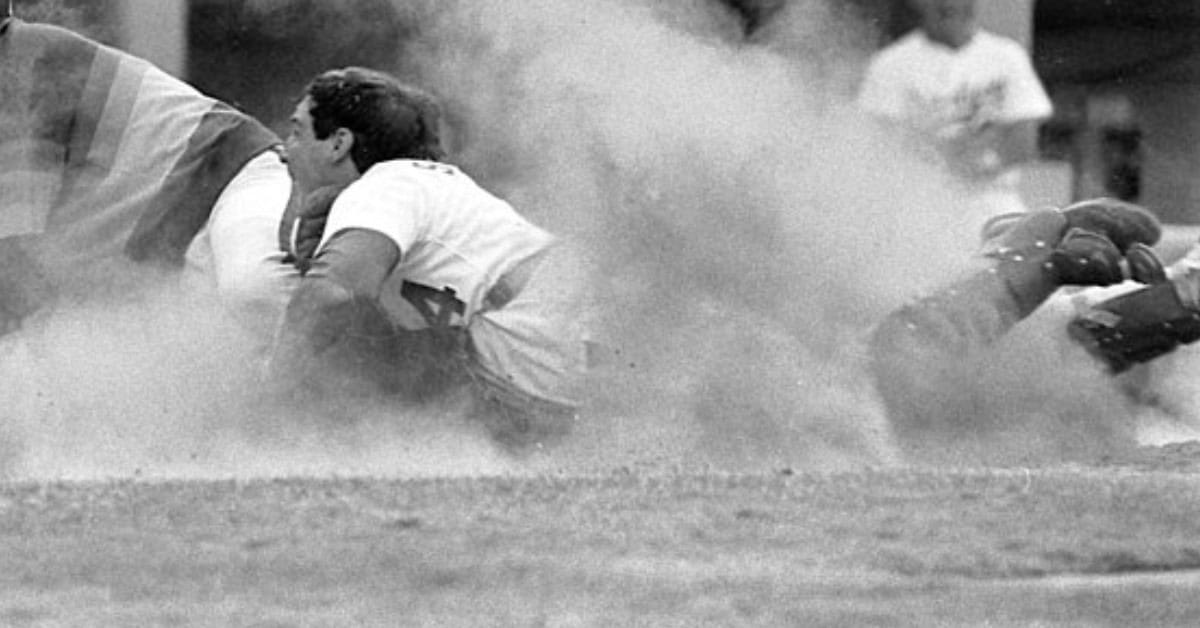
Some remember him as the two-time Manager of the Year and World Series champion with the Anaheim Angels. Many in Los Angeles actually remember Mike Scioscia as a career Dodger.
He gave the Boys in Blue 13 solid seasons, earning two All-Star selections and winning two World Series with them. His greatest attribute was immeasurable, as he was known for blocking the plate and withstanding a ton of physical plays to get outs.
7. Manny Sanguillen: The Pirates’ Smiling Backstop
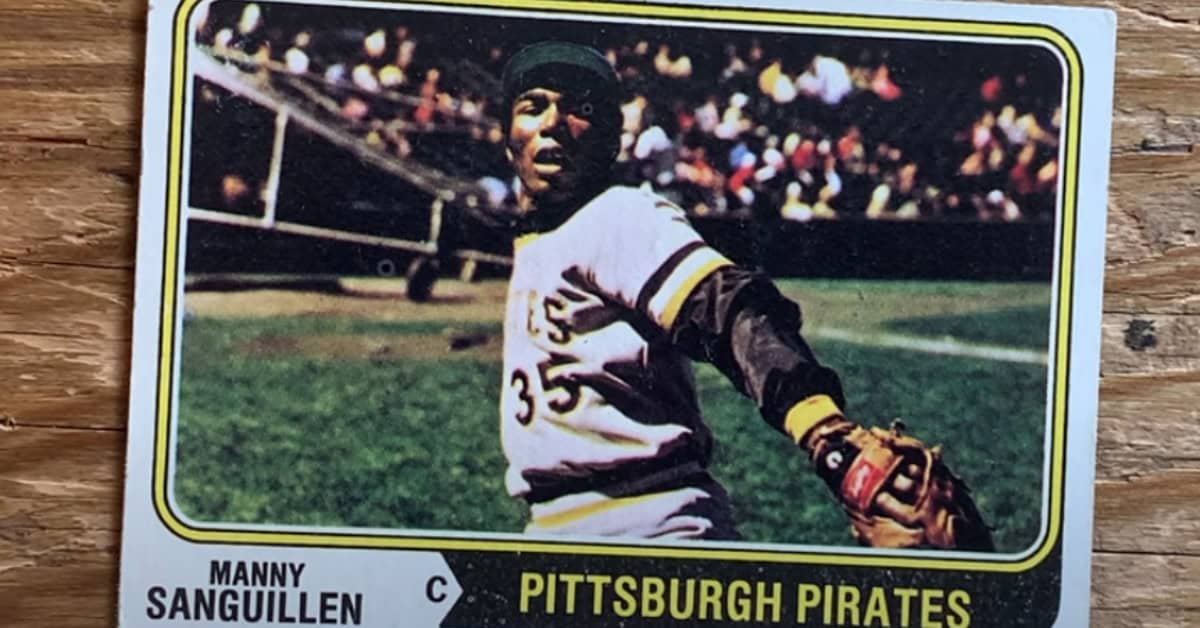
The Pittsburgh Pirates in the 1970s had so many great people in their franchise. Of course, they were led by the great Roberto Clemente and Willie Stargell. But Manny Sanguillen was right there with them in terms of team chemistry. His infectious personality only helped his on-field production.
The Pirate backstop earned three All-Star selections while being a part of their two World Series championships during that time. His 13-year career might have been on the shorter side, but he did a lot in it.
6. John Roseboro: More Than Just The Marichal Incident
In my opinion, there is no rivalry that's better than the Dodgers and Giants (sorry Yankees and Red Sox fans). Roseboro is a big part of this history with his intentional throw to Juan Marichal's head and Marichal whacking his head with a bat.
Willie Mays is quoted as saying Roseboro's eye was out due to the brawl, but it didn't faze him. Roseboro would go on to earn six All-Star selections, two Gold Gloves, and three World Series rings in his career.
5. Rick Dempsey: The Clown Prince of Rain Delays

Rick Dempsey just loved baseball. Even during rain delays, he was providing entertainment. His passion is part of the reason why he played 24 years in the MLB. It's a shame he never got All-Star recognition, nor a Gold Glove Award. He led all catchers in fielding percentage twice in his career while leading in double plays and assists at the position once each.
He won two World Series while being the star of one of them. His 1983 World Series MVP is probably as validating an accolade as one can get.
4. Ernie Whitt: The Blue Jays’ Original Star
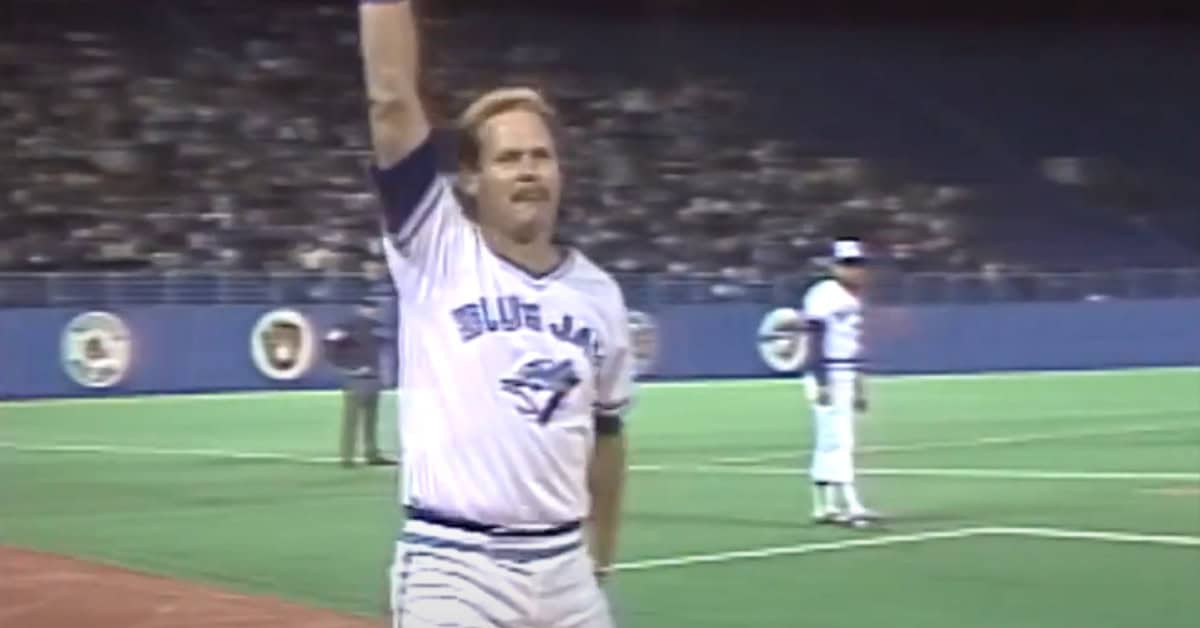
Ernie Whitt caught some great pitchers during his 15-year career. That included another player whom we have talked about, from the outside looking in, at the Hall of Fame.
His ability to call games for guys like Dave Stieb helped get the Toronto Blue Jays franchise established in the league before they were able to get to their World Series-winning ways. Whitt was able to get an All-Star selection in 1985 as he had an above-average bat to go along with his solid play behind the plate.
3. Mickey Tettleton: Frosted Flakes and Long Balls
Mickey Tettleton was one of the best hitting catchers during his prime. He had the ability to hit with power and be patient at the plate. He hit more than 30 home runs in three straight seasons and four seasons overall in his career.
He also led the league once with 122 walks in 1992. Throughout his 14-year career, Tettleton maintained a 122 OPS+. For reference, Hall of Famers Yogi Berra and Roy Campanella have a 125 career OPS+. That's how well Tettleton did offensively.
2. Charlie Bennett: The Victorian Era’s Finest
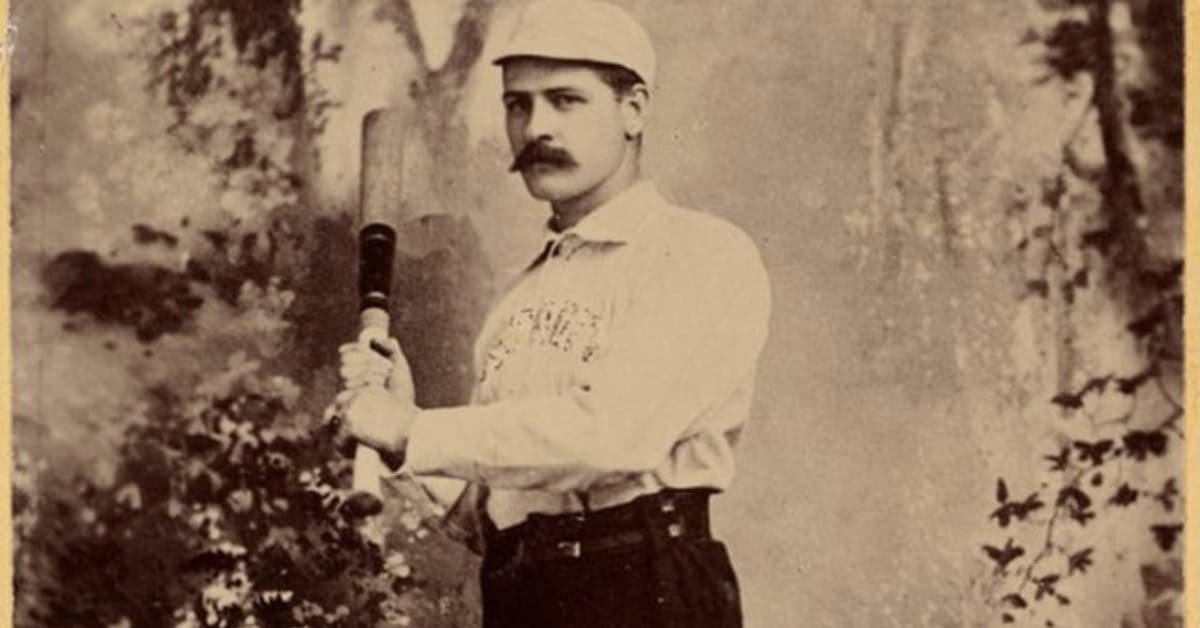
Let's go all the way back to the 1880s. Charlie Bennett was a pioneer of the position. From 1881 to 1888, Bennett had a staggering OPS+ of 143. He also set multiple defensive records for a catcher that would last until the turn of the century.
His career was cut short after a train accident damaged his legs. The city of Detroit came together for him, and Bennett Park was named in his honor to be the home of the Detroit Tigers and a young Ty Cobb until 1911.
1. Jorge Posada: Hip Hip Jorge’s Bronx Tales
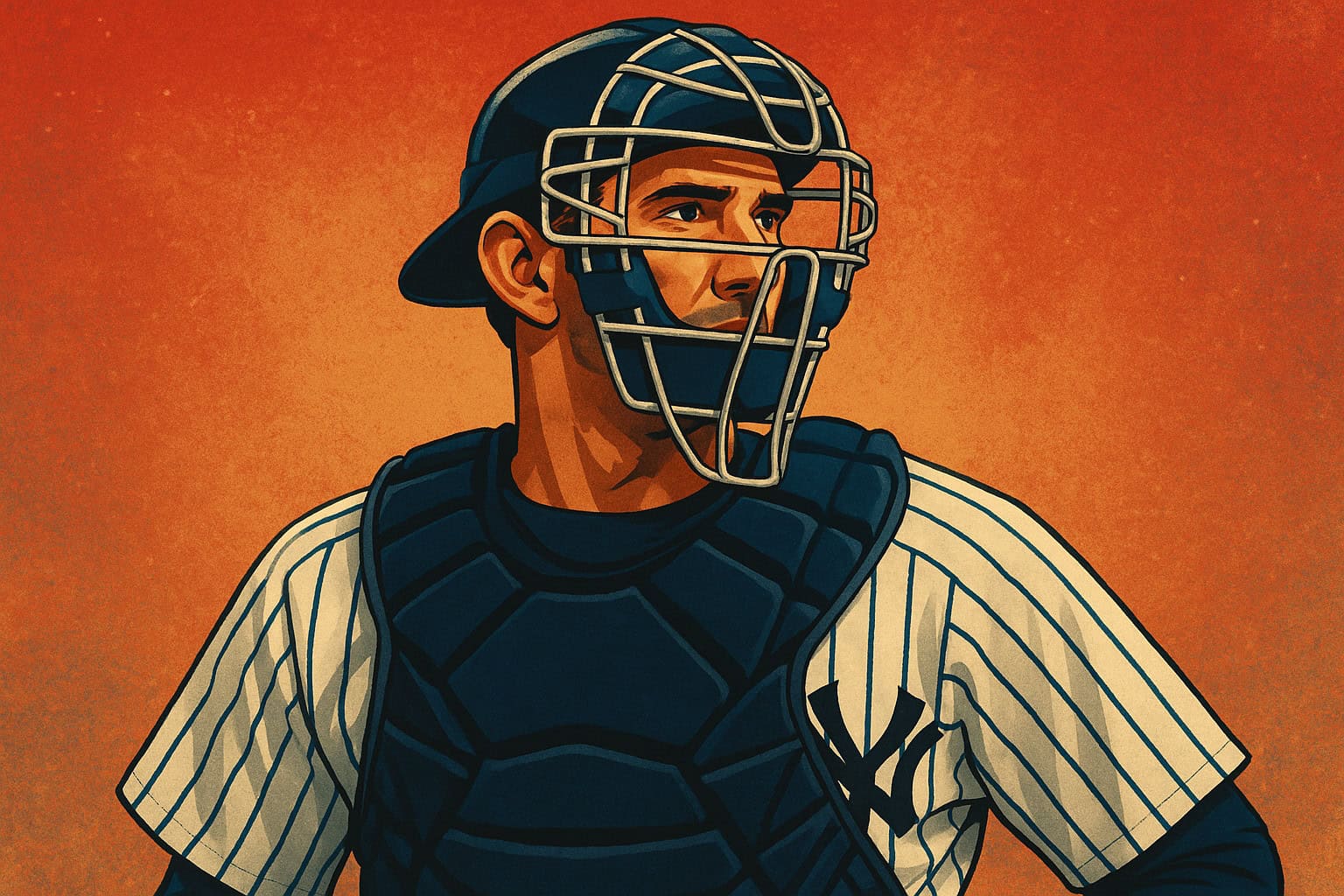
Sometimes winning can help perception. I think Jorge Posada has accumulated some stats that are very good, but not at a level that we may have thought it was. The thing is, catchers have such an effect on winning that Posada's value is probably higher than his numbers suggest.
The five-time All-Star and five-time Silver Slugger was great at the plate with a career 121 OPS+. He hit 275 home runs and 379 doubles, which are both very high for the position. He never won a Gold Glove, but was always the one to handle some of the great pitching staffs of that time.
The Yankees would win four World Series Championships during his illustrious career. It makes you think that stats aren't the only thing to take into consideration when debating the National Baseball Hall of Fame.