
Last Updated: October 14th, 2026 by Shaiel Ben-Ephraim
Look, I'm just going to say it: first basemen are very underrated in terms of the importance of their defensive contribution. They touch the ball more than anyone; their mistakes can be absolutely crucial in every game. They scoop the balls up, they block them, dig cold runners, do all sorts of things that are very different, and it doesn't really show up in the stats, and everyone takes it for granted.
Don't lose this article. Enter your email below, and I'll send it to you right now. Plus, we'll send you other unbelievable stories from baseball's past.
And because people take first base for granted, because it's players who can't run and can't throw but do a lot of other things really well, they have to hit like God's, like Lou Gehrig, like Jimmy Fox; that's the bar, incredibly high. So everything they do with their glove is invisible, and everything they do with their bat is measured against the two most terrifying hitters in American League history. And it actually gets worse, because when first basemen started getting amazing numbers in the 90s and 2000s, they were underrated cuz there was such an inflation, and then because of steroids those numbers were thrown out.
So there's no clear criteria for any of this. The steroid era raised the bar for first basemen and then poisoned the men who cleared it. So there are too many offensive expectations of first basemen and not anywhere near enough appreciation for their defense, and that shows in some of these elections that aren't exactly ideal.
20. Don Mattingly: Donnie Baseball’s Perfect Prime
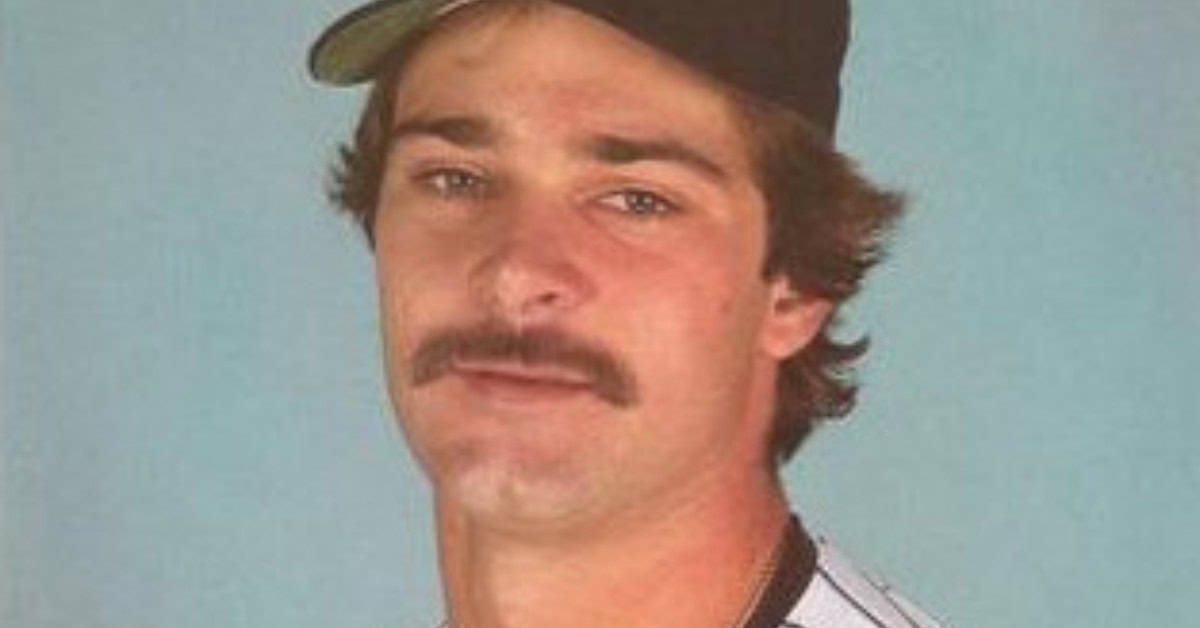
Don Mattingly is a great example of how impossible the standards are for hitting, while complete disregard remains for his fielding. At his peak, Don Mattingly won nine Golden Gloves and hit .327 over six seasons, during which he collected more hits and doubles than any player in baseball, including a batting title in '84 and an MVP in '85 with 35 homers.
Now, of course, his back gave out at age 28, which is why he ended up with only 42 career WAR, and that's less than the average first baseman in Cooperstown. But with George Kelly in with 25 and Jim Bottomley in at 35, and Frank Chance not much above his numbers, it really would seem like he should be there.
But he didn't hit enough home runs; he's expected to be Lou Gehrig, and that's why the great Don Mattingly is not in the Hall. Maybe his managerial career will help him get it.
19. Steve Garvey: The Iron Man of Los Angeles
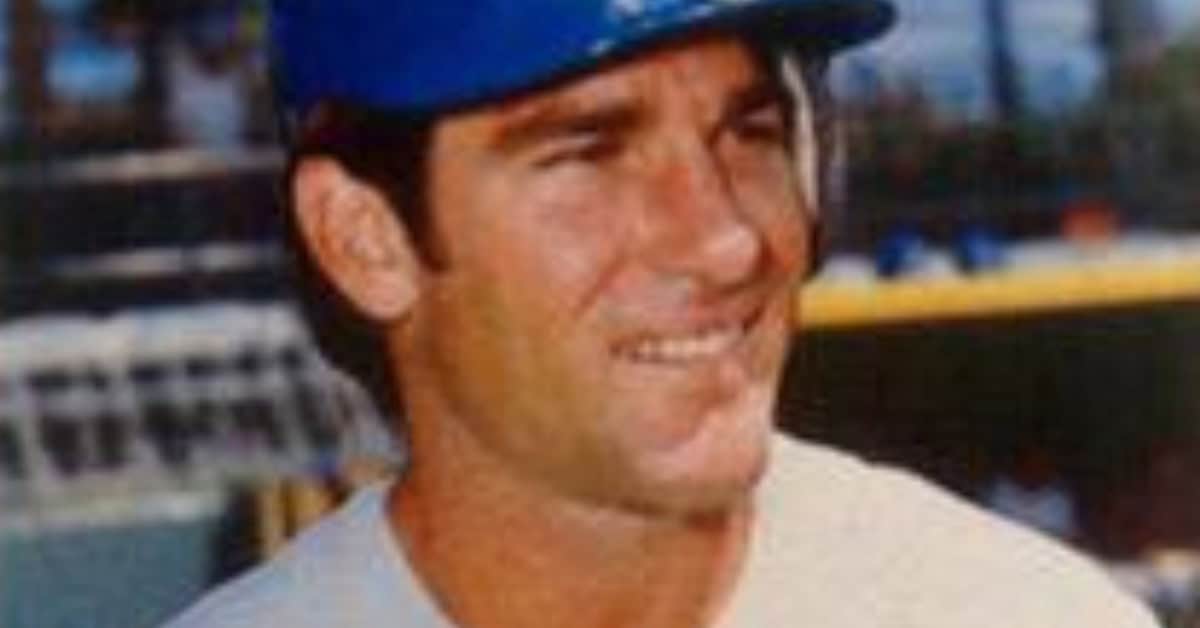
Steve Garvey is another player whose defense was completely taken for granted despite being fantastic. He won four straight Gold Gloves from '74 to '77, and in 1984 he played an entire season without committing a single error. He was as close to perfect in that position as you could be.
He came up as a third baseman, but his mobility had been limited by college football injuries, so Bill Buckner gave up his position to go play left field so Garvey could take first base. Yep, it was Buckner who made Garvey a star.
His offense was fantastic as well. He was the 1974 NL MVP after he hadn't even been on the All-Star ballot, but fans wrote him in. He had 1,207 consecutive games, six 200-hit seasons, 10 All-Star teams, and 2,599 hits.
Now there is a good case against him being in the Hall of Fame, because he only had a .329 on-base percentage, which is one of the major reasons he had a 38 career WAR, the lowest figure really among any of the people in this list, with only 479 walks in 19 seasons. That's the issue. He didn't really have the all-around offensive capabilities to make up for the high standard that you need at first base.
18. Will Clark: The Sweetest Swing in The Bay
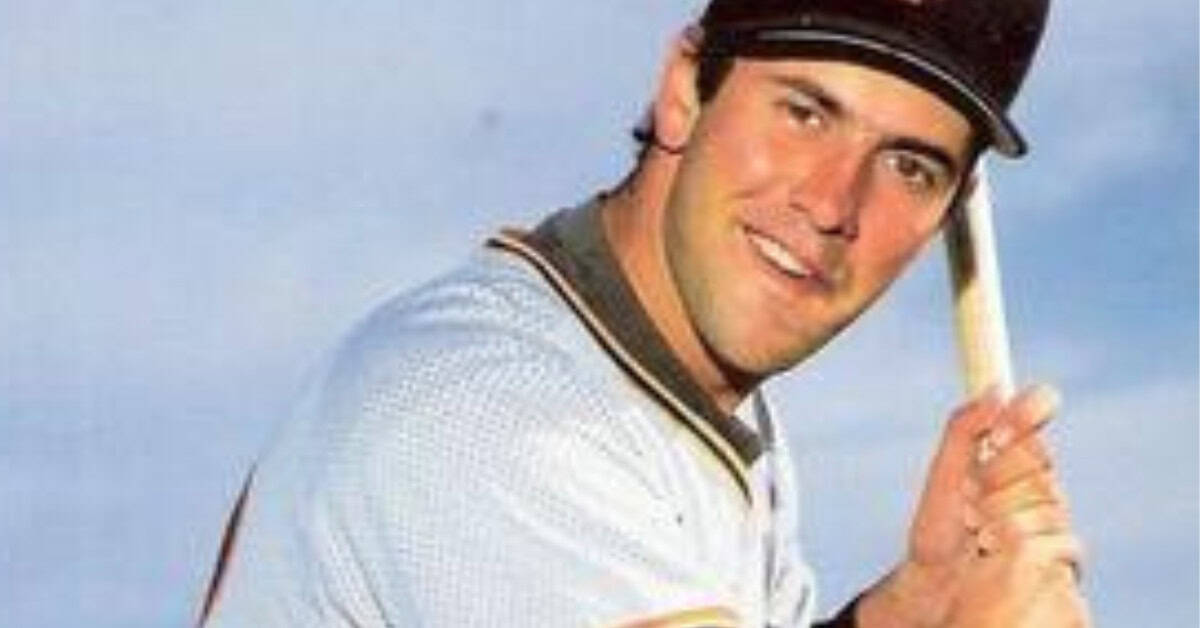
Will Clark was similar to Garvey in some ways but got a lot more walks, which made him a much more effective offensive player. He had six All-Star appearances, a. 384 on-base percentage, and a 56.5 WAR.
That led to only 4.4% of the vote before being removed forever, a real injustice; that is a lot more WAR than several Hall of Fame first basemen.
With a 303 career average, 137 Ops plus, over 2,000 hits, and 284 homers, he led the National League in RBIs in 88. And in '98, he hit .330… .333 with 23 homers and 111 RBI, losing the MVP to his own teammate Kevin Mitchell, from 87% in the league.
And his Ops plus is higher than people like Fred McGriff, higher than Todd Helton, higher than Eddie Murray, higher than Tony Perez, higher than Orlando Cepeda, higher than Gil Hodges. He really does seem to belong there.
And he also performed at the great moments, the important moments, the 1989 NLCS. He hit 13 for 20, or a. 650 average, including hitting a grand slam off the great Greg Maddox.
Now he's out because he had injuries after 1991. And I just don't see why. His numbers certainly are within the range that you would expect for a Hall of Famer, but again, the offensive expectations from the first baseman are so high that they allowed themselves to pass on this great player.
17. Carlos Delgado: Puerto Rico’s Power Pioneer
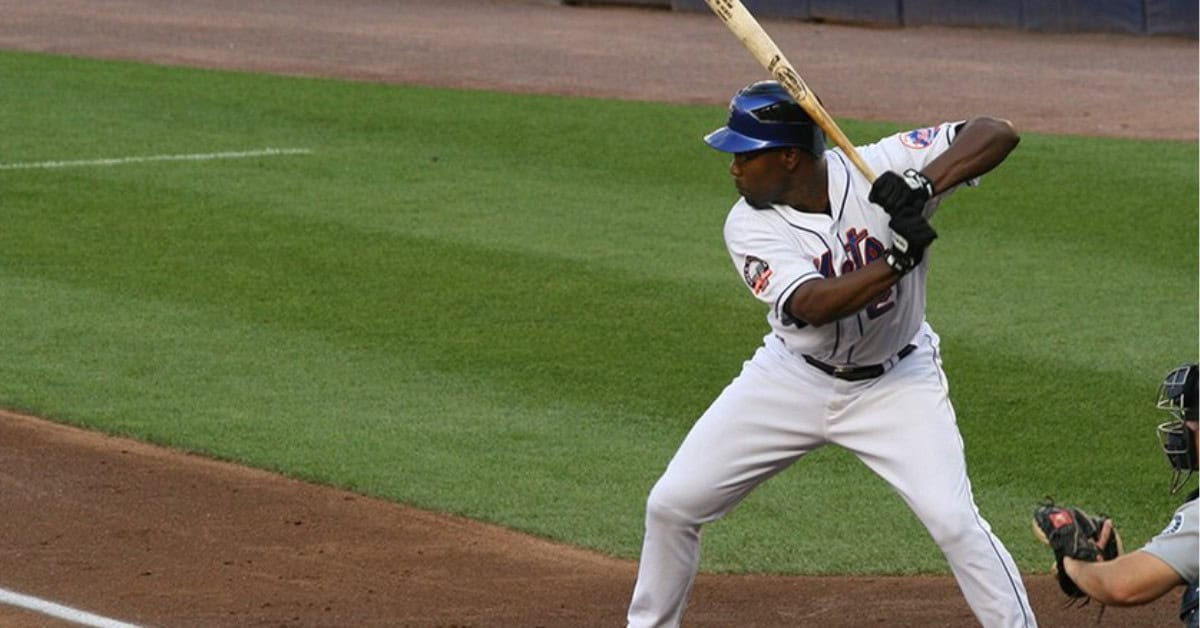
Right now, Delgado seems to be the person on this list most likely to get in. In December '25, the Contemporary Baseball Era Committee gave him nine of 16 votes. That's second highest behind Jeff Kent, who got in with 14.
He finished ahead of Mattingly, Murphy, Sheffield, Bonds, and Clemens.
Now the case is a strong one: 473 home runs, 1,512 RBIs, 138 OPS Plus, a 383 on-base percentage, 10 consecutive seasons of 30 or more home runs. Only six players in the history of baseball have done that. Pretty incredible.
His best season was 2000, when he had 344 with 41 homers and came in fourth in the MVP voting. 2003, he had 42 homers and 145 RBIs, and finished second to A-Rod in the MVP race.
The saddest part is he was only a two-time All-Star despite his amazing numbers. He was a guy that people sort of forgot to vote for. He didn't have the high profile that he deserved.
And hip injuries ended things for him at 37, and otherwise he probably would have reached 500, which definitely would have put him in there.
Maybe there's some ill will against him because, in 2004, Delgado stopped coming out of the dugout for God Bless America to protest the Iraq War, which he called the stupidest war ever. His advanced stats are good enough that I believe that one way or another he will get in. He certainly deserves to.
16. Hal Trosky: The Forgotten ’30s Superstar
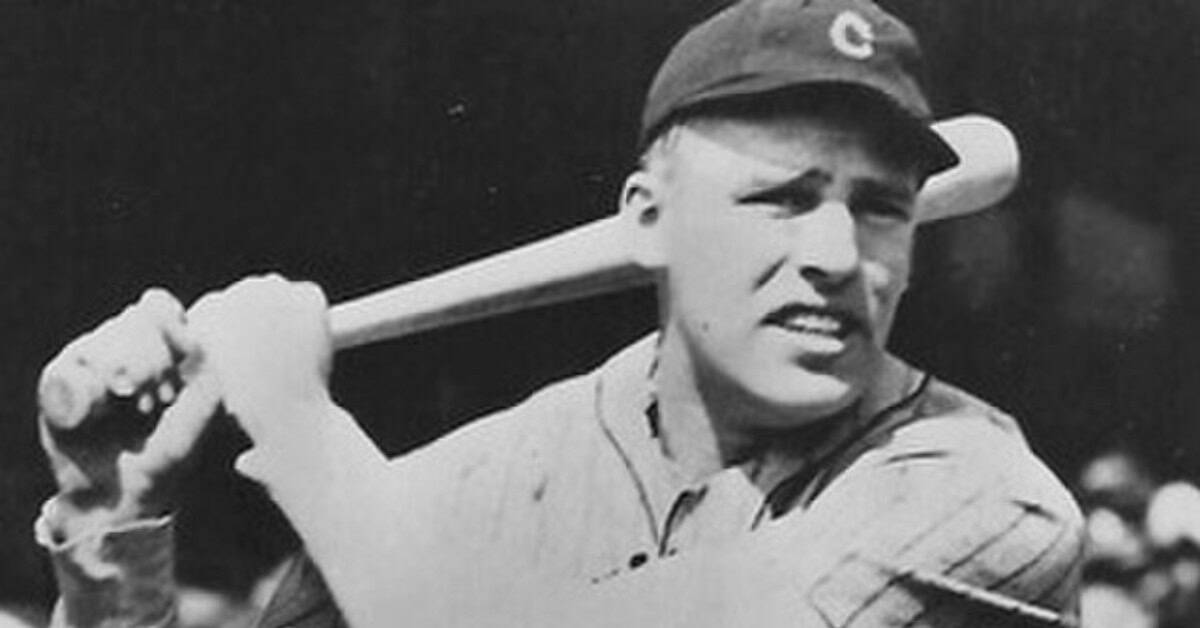
When you look at Hal Trosky's numbers, they are really something. Take 1936, for example: you have .343, 42 homers, 162 RBIs, leading the American League. He also led the league in total bases.
Career .302, 228 homers, and 1,112 RBIs in 11 seasons, with six straight years of 100-plus RBIs. As a rookie, he hit .330 with 35 homers and 142 RBIs. Pretty impressive, but he never made a single All-Star team.
A lot of that is luck. He was in the American League with Lou Gehrig, Jimmy Fox, and Hank Greenberg, the best generation of first basemen in baseball history, so he was the fourth-best first baseman in the American League. Despite being amazing, he could not overtake all of them.
Now his numbers are incredible, but if you adjust it for his era, they're only a 128 OPS plus, and that's because it was an incredible hitting environment, the highest in Modern Baseball history.
So he was an excellent player in a batting-practice league rather than a complete injustice here, but he also had some serious health problems. He had migraines that derailed his entire career, and it turned out that Hal, who was the Iowa farmer, was allergic to dairy. When he cut his milk and took the shots, they finally gave him relief, but it was far too late.
His career had been finished at 28. So if he hadn't been allergic to dairy, he might be in the Hall of Fame.
15. Mark McGwire: The Summer That Changed Everything
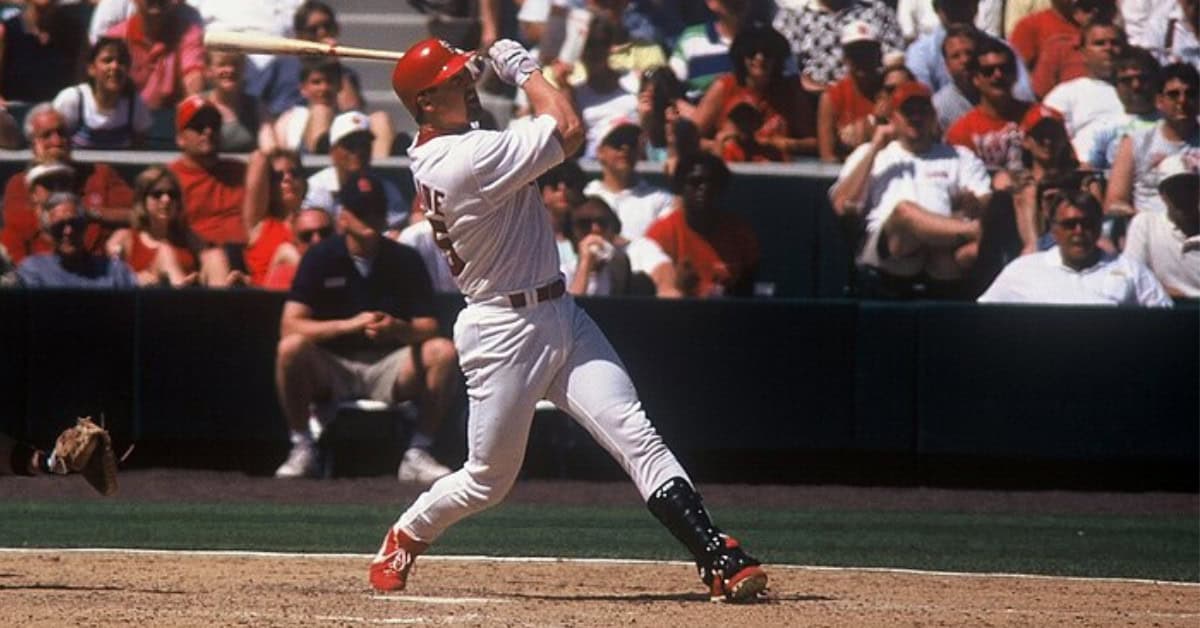
Mark McGwire is one of the reasons we overlook any first baseman who doesn't hit a ton of homers. He completely changed the position. Before him, before 1998, 40 homers from the first baseman was a monster season.
After it, 40 was Tuesday. And McGuire's 70 is why Delgado's homers and Will Clark's homers don't seem to be quite enough, and why Don Mattingly seems basically routine.
He broke the position, and he's still not in the Hall of Fame. Of course there's the steroid issue, and we're not going to talk about that, but his power, of course, is one of the most incredible of any player in Major League history.
583 homers, 163 OPS plus, which is what Jimmy Fox's career figure was, for example. He homered more per at-bat than anyone has ever managed, and he even had a Gold Glove in 1990. But he was a very one-dimensional hitter.
He only had 62 career WAR, a .263 batting average, and 1,626 hits.
Just a one-dimensional player who missed a lot of time to injuries and, of course, had that terrible scandal as well. So because his career wasn't quite spectacular enough to overcome the scandals, we're probably not going to see him in the Hall.
14. George Scott: The Boomer and His Thumper

George Scott is among the three top first basemen in terms of Gold Gloves. Keith Hernandez has 11, Don Mattingly has nine, George Scott has eight. None of them are in the Hall, and that is not a coincidence.
No one cares about your fielding at first base, and they should. Now, Scott had some really great years, not only those gold gloves but also 1975, when he tied Reggie Jackson for the American League lead with 36 homers and led the league outright with 109 RBIs.
He ended his career with not particularly impressive offensive numbers though, .268, 271 homers, just over a thousand RBIs, and 14 seasons, and 119 OPS Plus. Personality was very memorable; he called home runs taters, and he called his glove Black Beauty.
He told people that his beaded necklace had teeth on it. And he was also harassed for his race and for his weight and humiliated by coaches and teammates, probably one of the reasons he didn't put up greater numbers.
13. Kent Hrbek: Minnesota’s Home-Grown Hero
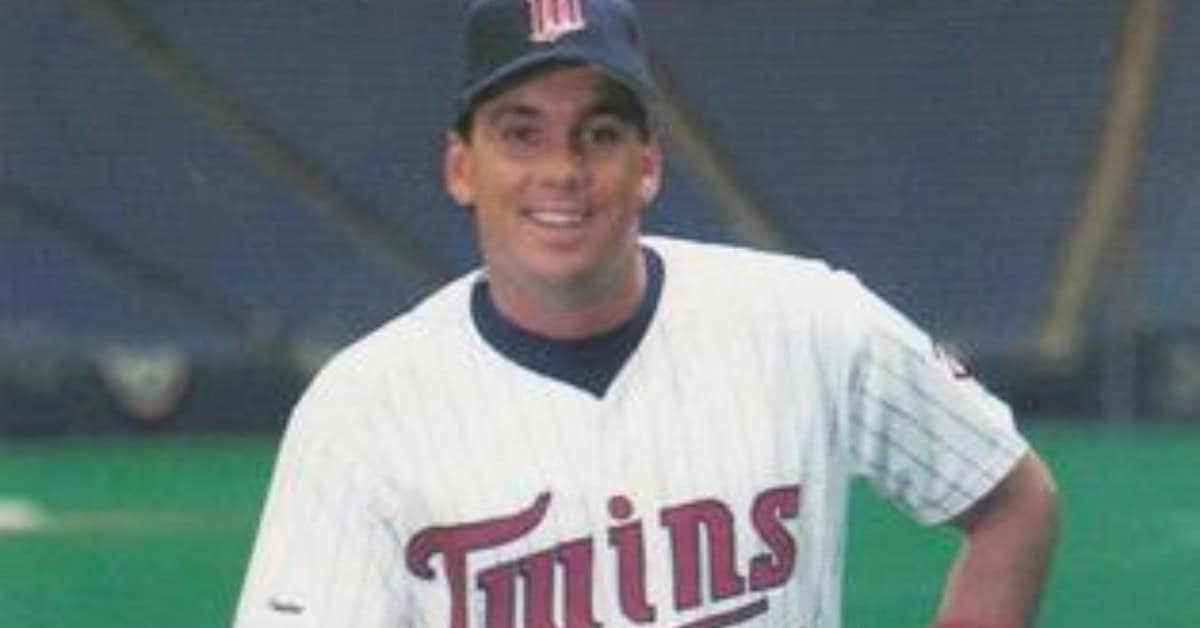
Kent Hrbek played every single game of his career with the Twins. 14 seasons, he had a .282 batting average, 293 homers, over a thousand RBIs, and a .367 on-base percentage. The OPS plus of 128 is respectable, and he won two World Series rings with them, 87 and 91.
He finished second in Rookie of the Year behind Cal Ripken, and he finished second in American League MVP voting in 84.
Now, he was only a one-time All-Star in his rookie year, and never again. Golden Glove: he was excellent at first base by all accounts, but never won a single Golden Glove because he was blocked by Don Mattingly. His great moment was an 87 Game 6 of the World Series when he hit a grand slam off Ken Dayley in the Metrodome.
That's the swing that won the Twins the title.
Now, he retired only at age 34 after the 94 strike because of injuries. He just wanted to go home, hunt and fish. He was seven homers short of 300, and he didn't really seem to care.
That would have made a big difference.
He grew up in Bloomington, in the shadow of the old Metropolitan Stadium, and signed with the team he grew up watching. In 1982, his father died of Lou Gehrig's disease, and Hrbek spent the rest of his life raising money and awareness for it, and in 91 he won the Lou Gehrig Memorial Award. Wasn't quite a Hall of Famer, but he was pretty close to it.
12. Rafael Palmeiro: 3,000 Hits, 500 Homers, Zero Plaques

Rafael Palmeiro is probably a better player than most of the first basemen in Cooperstown already. He has 72 career WAR, more than Murray, more than McCovey, more than Hilton, more than Killebrew, more than Greenberg. The list goes on and on.
Very few players at his position had more: Derek Foxx, Anson, Bagwell, Thomas, and Pooles; that's it.
And with 3,000 hits and 569 home runs, very few have both of those things with the homers and the hits: Aaron, Mays, Murray, Palmeiro, Arad, Pujols, Cabrera. And unfortunately, he only won four All-Star selections in 20 years. He wasn't acknowledged as much as he should have during his time.
And in '99 he won the Gold Glove, a position he'd essentially stopped playing earlier on in his career.
The only reason he's not in is that he pointed at Congress in a hearing in 2005 and said he'd never use steroids, period. Then he was suspended. It's a real shame.
Another sad fact about him: he played more games than any player who never appeared in a World Series- 2,831. A lot of bad luck, but some of the luck was his own doing.
11. Boog Powell: Baltimore’s Barbecue King

In 1969 and 1970, Powell was about as good a player as there was in baseball. He was second in the MVP voting in '69 and won it in 1970. His career numbers are pretty good: 339 homers, 1,187 RBIs, 361 on-base percentage, and 134 OPS+.
Now, the OPS+, we need to talk about it. It matters a lot more than it sounds. It sounds impressive, but it's way more impressive than it sounds.
We're talking about an era when the hitting was at its absolute lowest. The mid-to-late '60s were when pitchers were completely dominant.
Powell's numbers were completely suppressed by the densest offensive era since the dead ball. You see this again and again; players' cases are being massively influenced by the era in which they lived.
134 OPS+ ties him with Griffith, beats Eddie Murray, beats Tony Perez, beats Gil Hodges. So he beats a bunch of these guys. His WAR unfortunately is in the mid-30s.
He was slow, wasn't a great defender, and his full-time peak was short. The bat was Hall of Fame quality, but nothing else really was, and maybe not for long enough.
10. Cecil Cooper: The Sweet Swinger of County Stadium
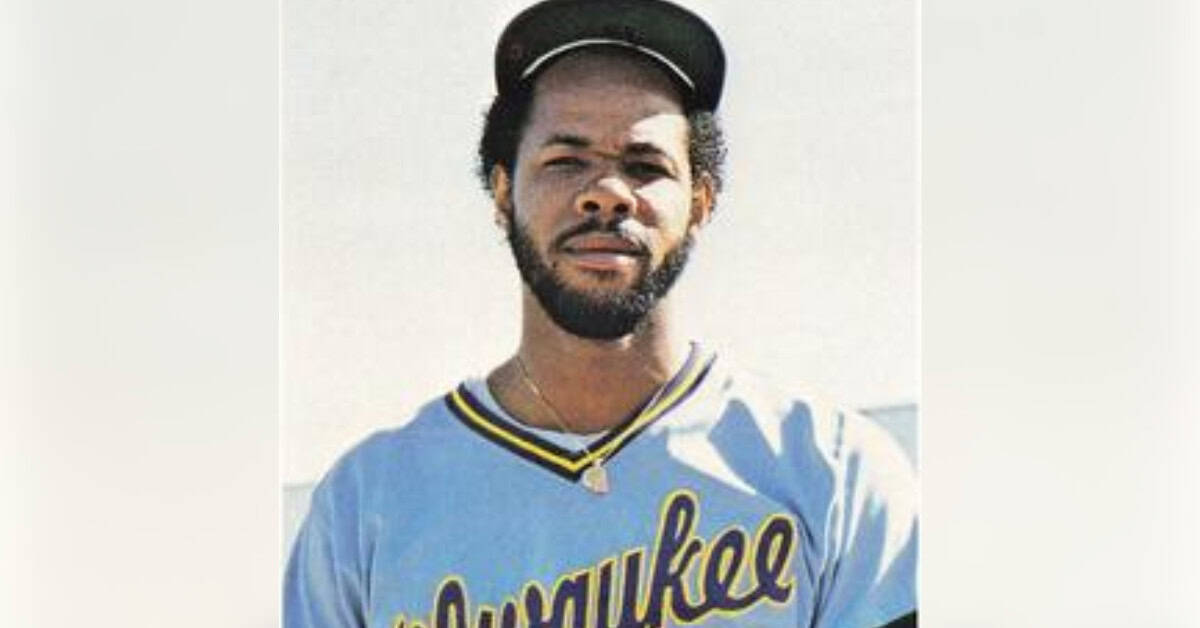
First base can be a real traffic jam, and that's how it turned out for Cecil Cooper, who was stuck behind Carly Yastrzemski and George Scott for the Red Sox, and despite hitting 280 reliably in those years, couldn't get enough at-bats.
He was traded in '76 to Milwaukee for Cecil Cooper, and that's where he really blossomed, especially in 1980 when he had 352 with 25 homers and led the league with 122 RBIs, finishing 5th in the MVP voting.
His career numbers were good: 298 hitter, 2192 hits, 1,125 RBIs, 241 home runs, and a 121 OPS+. He had five All-Star teams and two Gold Gloves. Now, he's out for a good reason: his on-base percentage was very low, 337, and that led to a WAR in the mid-30s, and first basemen are expected to hit more than that.
9. Norm Cash: Tiger Stadium’s Corked Legend
Norm Cash is remembered as a sort of lovable prankster even though he was basically a real cheapskate. In 1961, he won the batting title with 361, which he later admitted he did with the corked bat. He called 1961 the year of the corked bat.
He drilled it out, filled it, and hit 361, and nobody really held it against him; in comparison to what happened to McGuire and Palmero, people treated it very differently.
That was an amazing season for him; he hit 41 homers, 132 RBIs, and a .487 on-base percentage. Without that cork, though, I wonder how much he would have hit. The next year I guess he wasn't using the cork's bat, cuz he hit 243, still had 39 homers though.
His career numbers are very good, we'll talk about 377 home runs, 374 on base percentage, and 139 OPS plus over 15 seasons in Detroit. That beats a lot of Hall of Famers, and his WAR isn't as high, but it's 52, which is higher than a lot of the great first basemen's all-star teams.
He did really well in the 68 World Series, and he had a very tragic drowning in October 1986 at 51 after falling from a dock. He has a better case than most. It's really time to reexamine, corked bat and all.
8. Jason Giambi: The Bash Brother Who Found Redemption

You really forget how good Giambi was because he was so good at getting walked. His numbers are incredible, and of course they were better than Spire Moneyball.
When the Angels lost Giambi in 2001, the Yankees tried to figure out how to replace this 40077 on-base percentage, and that's how the whole thing started. At least, according to the book. I don't know if reality was quite that clean-cut.
Now, his on-base percentage overall for his career is .399, the highest of any of the men on this list.
His peak was the 2000 American League MVP season. Amazing season: 333, average 43 homers, 137 RBIs, 476 on-base percentage, and he had other Seasons that were comparable. Five straight All-Star teams, and he tried to learn everything from Reading Ted Williams: The Science of Hitting.
Now, in 2004, the San Francisco Chronicle published his leaked Valco grand jury testimony, where he admitted to using steroids. He apologized to USA Today, which I respect, but he only got 1.5% of the vote as a result, and he was out after a year. No one had better discipline than Giambi, an incredible hitter who sat and waited for the right pitch to crush for a home run; sad that he felt the need to supplement that.
7. Bill White: The Voice Before The Mic
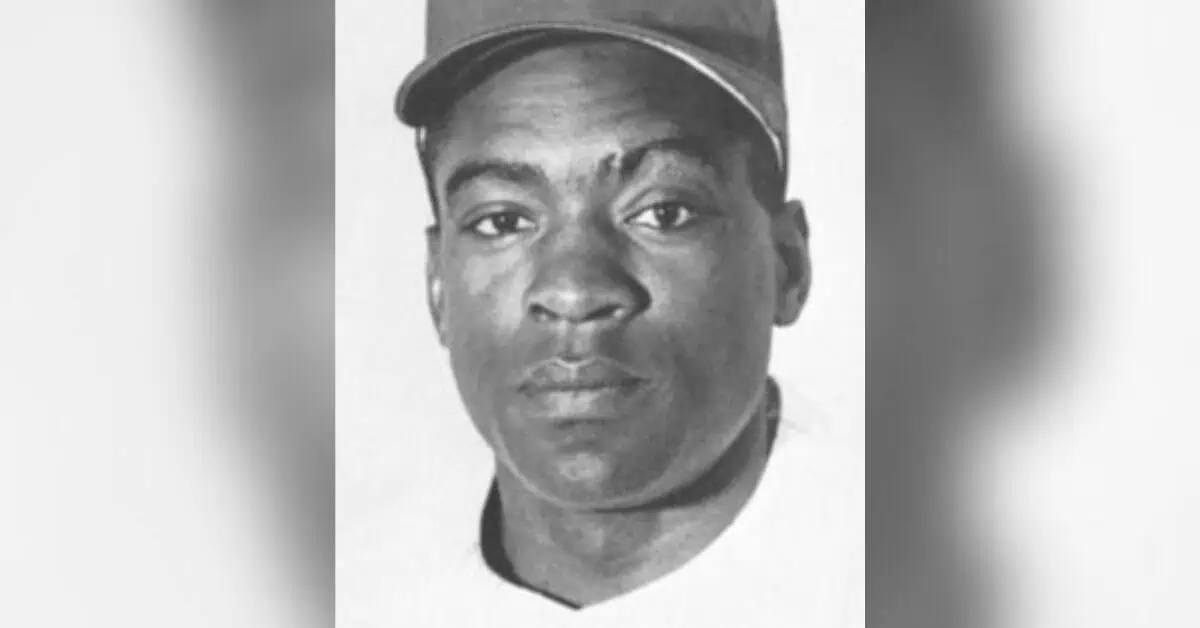
Here we go again, another top Gold Glove getter who is not in the Hall of Fame. Hernandez, Mattingly, and Scott are the top three Gold Glove winners at first base ever. Bill White is 4th and he's not in the Hall of Fame either.
None of them are. That tells you a lot about how little respect first basemen get for their defense.
He won seven straight Gold Gloves, eight All-Star selections. His career, not as spectacular, is why you didn't get in. 286 batting average, 202 home runs, 114 OPS plus.
But he had some really great years, like 324 in 1962, with 27 homers and 109 RBIs. '64, he finished third in the MVP vote.
Now, his homers and WAR are not a Hall of Fame resume, and if this was only about his playing, you wouldn't be in this conversation. But in 1953, in the Class B Carolina League, he was the only black player in the league, and he hit 298 with 20 homers despite what he would later describe as the worst year of his life. In 1961, in spring training, he said publicly, "When will we be made to feel like humans?" And that worked.
The Cardinals were owned by the man who also owns Budweiser. A St. Louis newspaper called for a boycott of Busch beer, and the problem was fixed. Stan Musial moved in alongside his black teammates.
So he was also an important human rights activist.
And then, of course, in 1971, White joined the Yankees booth alongside Phil Rizzuto, and he was the first black broadcaster for a major league team, and he was deeply beloved. So Bill White's real path to Cooperstown isn't the players' ballot; it's the executives and pioneers route, and he really should be pushed there, but isn't. And once again, he's being discriminated against, to be honest.
6. Chris Chambliss: October’s Walkoff Hero
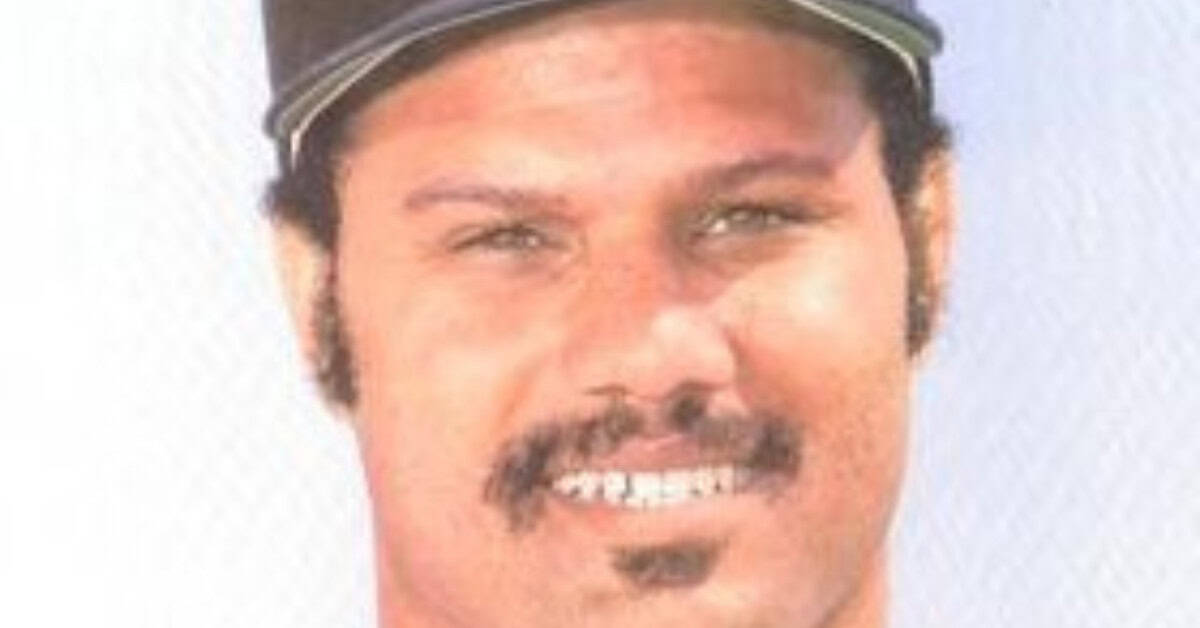
Chambless was not a Hall of Famer; he's more of a control case here. He had 185 homers and just 108 OPS plus which puts him at slightly above average, a useful everyday first baseman, not a Hall of Famer.
But he had one of the great moments, 1976 ALCS game 5, Yankees hadn't been to a World Series in 64. Brett had just tied it with a three-run homer in the 8th. On the first pitch, Chambliss was gone over the right field wall.
The entire stadium comes apart, fans pour over the railings before he even reached second, home plate is taken away, so he had to touch the dirt where home plate was before.
He was one of the main reasons the Yankees won that series with 524, 11 for 21, and two home runs. 1971 Rookie of the Year, great player, six World Series rings, two as a player, four more as a hitting coach, one of the great Yankee winners, but not a Hall of Famer.
5. Dolph Camilli: Brooklyn’s Pre-War Power
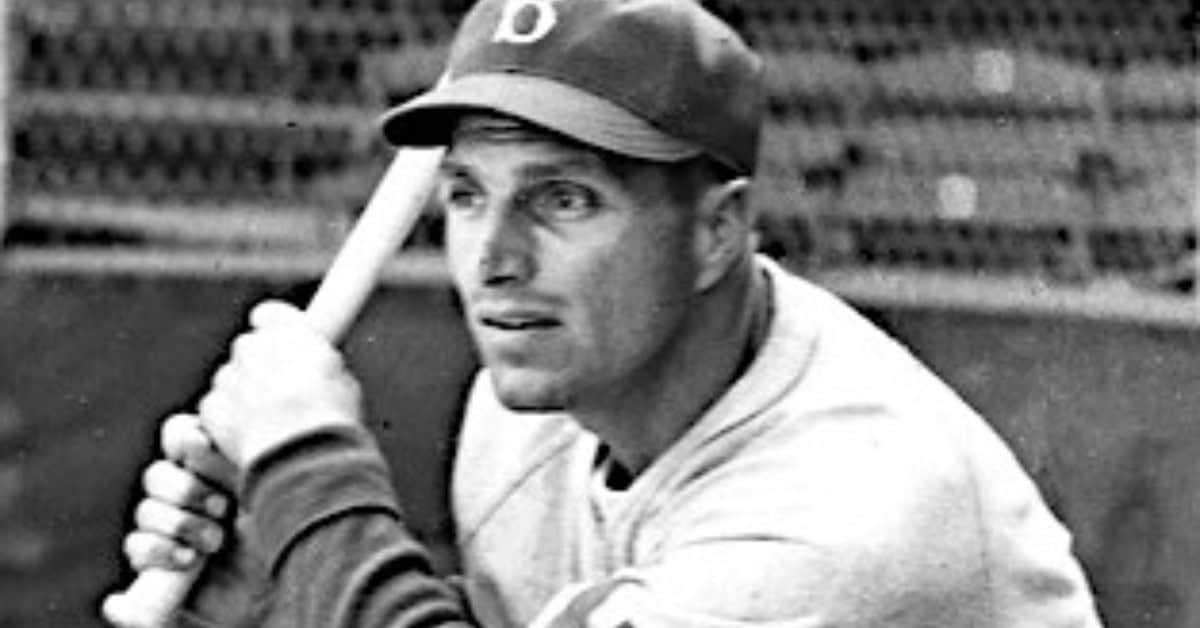
Dolph Camilli was the greatest star the Dodgers had before their 1950s heyday. He was the '41 National League MVP when he led the league in homers and RBIs, and Brooklyn won 100 games and their first pennant in 21 years. His career was less impressive, 239 homers, but he had a .388 on base percentage, and because of his own base percent, he had 137 OPS plus across 12 seasons.
Of course, at that time they didn't appreciate the meaning of all that. He led the National League in walks twice and strikeouts twice; that's a very rare combination, and it was not understood at the time. He was basically the Jason Giambi of his time, and he established the modern first base template at a time when that wasn't completely understood.
But even at the time, he won two All-Star selections.
In '43, the Dodgers traded him to the Giants, but he wouldn't even report. He said, "I hated the Giants, their fans hated us, our fans hated them. I said nuts to them and I quit." He'd rather quit than wear that uniform.
Got to give that respect.
4. John Olerud: The Helmet Hero of Two Countries
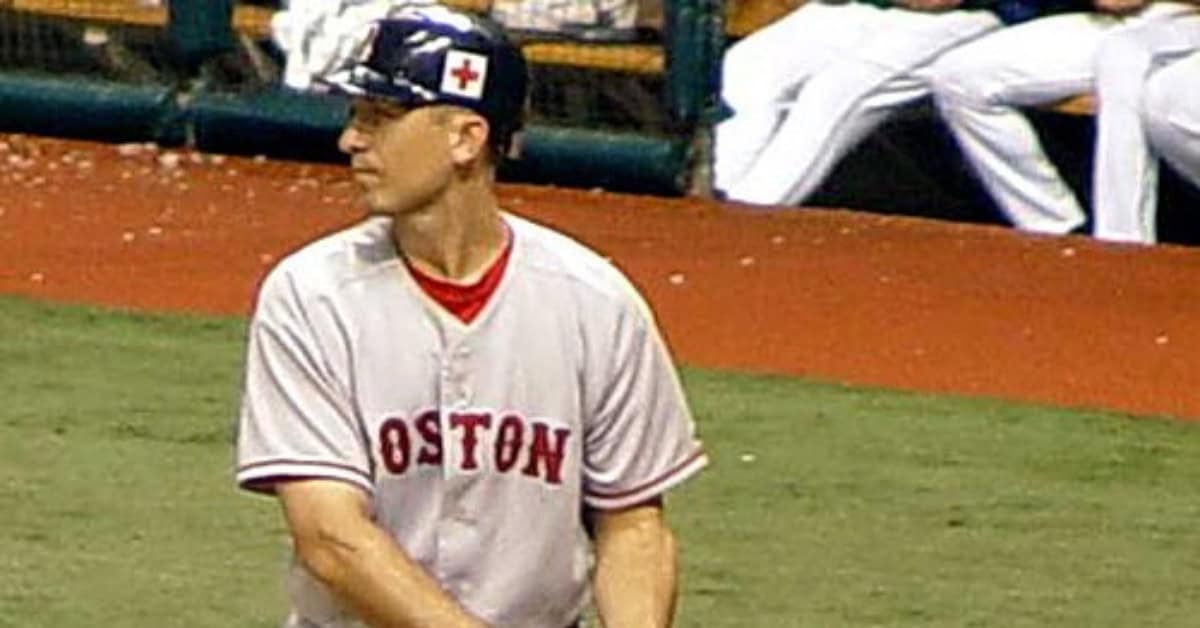
Olerud is really the kind of player thinking of when you're thinking about players who were inexplicably overlooked. He has a 58 career WAR that should really put him in the Hall of Fame. He has more than Sapita, more than Perez, more than Hodges.
He received only four votes in 2011 and was removed after a year.
With advanced stats, he would be considered a lot more. He had a 398 on-base percentage, three Gold Gloves. Not a lot of players have 58 WAR with that little hype around his career.
In '93 he had 363, leading the American League, with an on-base percentage of 473.
He led in doubles at 54, finished only third in the MVP vote, and won the World Series. He was hitting over 400 going into August, and I really think that he should be in the Hall of Fame. Of course, I'm a Mets fan, so very biased.
3. Mark Teixeira: The Switch-Hitting Gold Glover
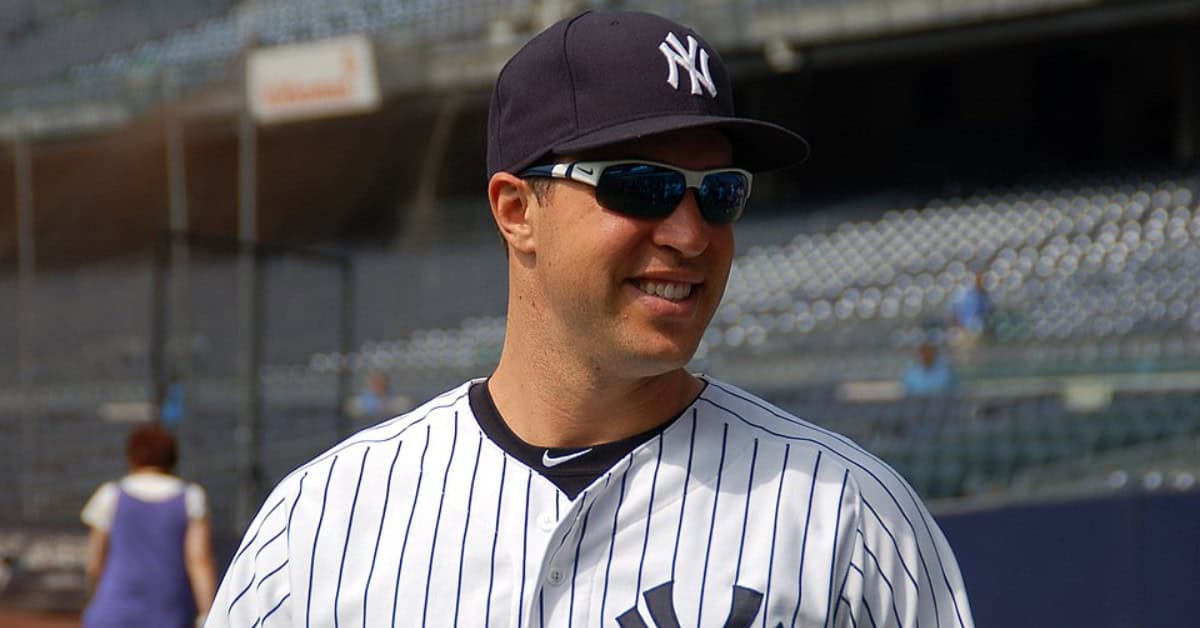
Mark Teixeira was a wonderful all-around player. First of all, we're talking about the fifth switch-hitter in history to reach 400 home runs, ahead of him only Mantle, Murray, Chipper Jones, and Beltran, all of whom are in the Hall of Fame. He was off the ballot in one year, though, and that raises a lot of questions.
He was on three All-Star teams, he had five Gold Gloves, and was statistically the best fielder you can imagine at first base.
Unfortunately, he tore his wrist sheath in 2013 at age 33 and ended his prime; his last years just weren't at the same level, and that's how Yankees fans remember him: as a shell of himself. But the numbers are really up there and he was also a true all around player.
2. Jake Daubert: The Deadball Era’s Artist
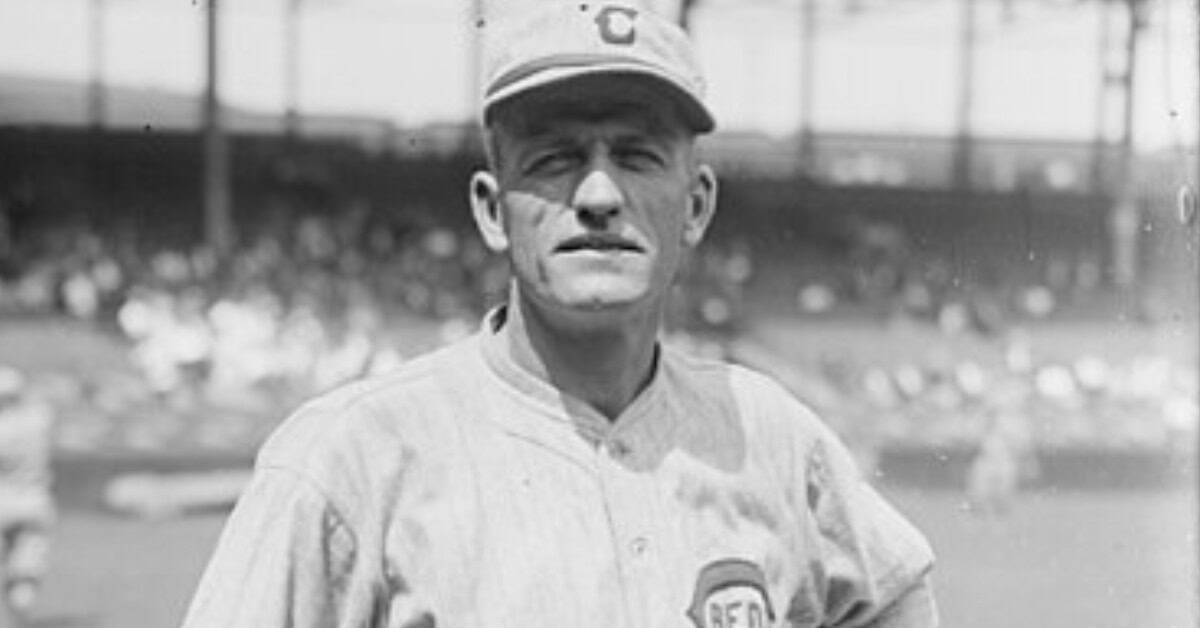
No longer a household name, Jake Daubert was certainly back in 1913 and 1914, when he won back-to-back batting titles with .350 in 1913 and .329 in 1914, and he won the Chalmers Award in 1913, which was the MVP of its day.
His career average is .303 and 56 career home runs, which wasn't so bad for that time. He was one of the two or three best first basemen alive at his time. He played a version of the position that doesn't really exist.
He had, for example, 392 career sacrifice hits, a record that will never be broken because who would let their first baseman bunt 392 times.
He once laid down four sacrifices in a single game, and an observer compared his bunting to a rifle killer. He also led the National League in triples with 22 at age 38, but the way he played has nothing to do with the way it's played today.
Now, he's not quite Cooperstown caliber with 121 OPS Plus, but he's here as a reminder of what first base used to be like. In 1924, he was hit by a pitch in the head. He was never all right after that.
He died a few months later, an active Major League star gone within a week of his last game.
1. Keith Hernandez: The Smoothest Glove in Baseball History

What can we say about Keith Hernandez, the man who completely redefined the position, most likely the greatest defensive first baseman to ever live? 11 consecutive Gold Gloves, but he only reached 11% of the Hall of Fame vote.
And of course he was a very good hitter too; his 128 Ops plus with his fielding, in 60 career WAR, should have done it, especially since other Hall of Famers have less WAR.
We're also talking about the 1979 National League MVP, two rings, both of which he was instrumental in for the Cardinals and the Mets.
He completely changed how the sacrifice is called, how you charge your bases, how you field the position in every way.
But one of the main reasons he's out is because in 1985 Hernandez testified under immunity at the Pittsburgh drug trials and admitted to using cocaine.
But he really needs to be reconsidered.