

Last Updated: June 17th, 2026 by Michael Schatz
The 1970s were a golden era for first base, when giants roamed the bag with lumber in their hands and leather on their mitts. From Rod Carew’s sweet stroke to Willie Stargell’s moonshot homers, these were the men who made first base an art form. Here are the 20 greatest first basemen who defined a decade of baseball magic.
Don't lose this article. Enter your email below, and I'll send it to you right now. Plus, we'll send you other unbelievable stories from baseball's past.
Rod Carew: The Sweet-Swinging Magician Who Made .300 Look Easy

Rod Carew made hitting look like poetry in motion, his wrists flicking through the zone with the precision of a Swiss watchmaker. The seven-time batting champion could spray line drives to all fields while maintaining that effortless stance that made .300 seasons feel inevitable. When he won the 1977 AL MVP hitting .388, it felt like watching Michelangelo paint—pure artistry that transcended mere statistics.
Willie Stargell: “Pops” and His Tape-Measure Blasts That Rattled Three Rivers
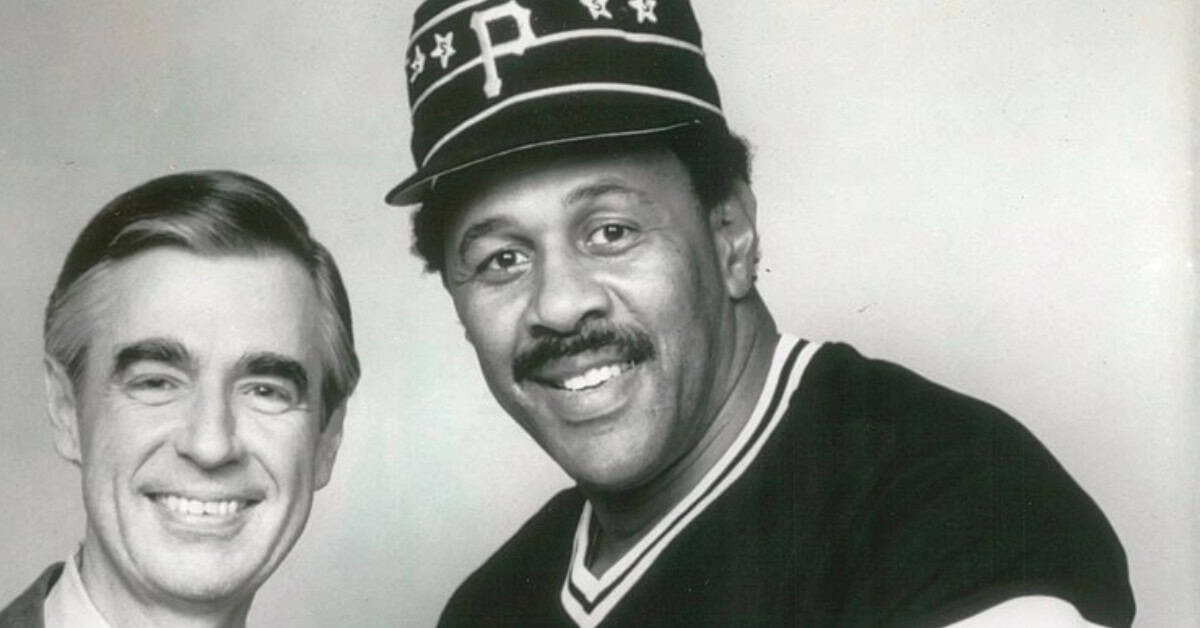
“Pops” Stargell turned Three Rivers Stadium into his personal launching pad, sending baseballs into orbit with that distinctive windmill swing. His 475 career homers included some of the longest blasts ever witnessed, and his leadership of the “We Are Family” Pirates in 1979 made him a folk hero in Pittsburgh. When Stargell stepped into the box, even the steel workers in the upper deck stopped what they were doing to watch magic happen.
Steve Garvey: The Iron Man with Hollywood Looks and Steady Hands
Steve Garvey looked like he stepped off a movie set and into Dodger Stadium, his perfectly coiffed hair never seeming to move even during double-headers. The six-time All-Star during the 1970s played 1,207 consecutive games while maintaining a .294 career average and providing clutch hits when the Dodgers needed them most. His reliability was so legendary that teammates joked you could set your watch by his defensive plays—every scoop, every stretch, executed with mechanical precision.
Carl Yastrzemski: Yaz’s Triple Crown Glory and Fenway Mastery
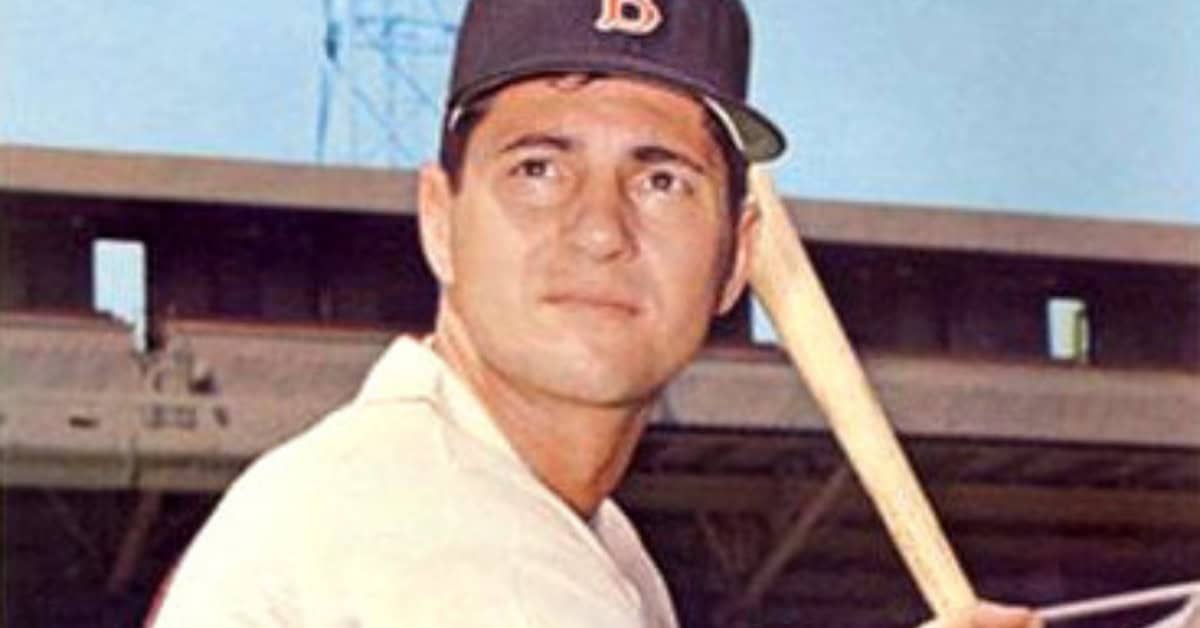
Carl Yastrzemski’s 1967 Triple Crown season remains one of baseball’s greatest individual achievements, carrying the Red Sox to an impossible pennant with clutch hit after clutch hit. Though primarily known for left field, Yaz spent significant time at first base during the 1970s, bringing that same intensity and Green Monster mastery to the infield. His distinctive batting stance—crouched and coiled like a spring—became as iconic as the Fenway scoreboard itself.
Hank Aaron: Hammerin’ Hank’s Record Chase and Quiet Dignity
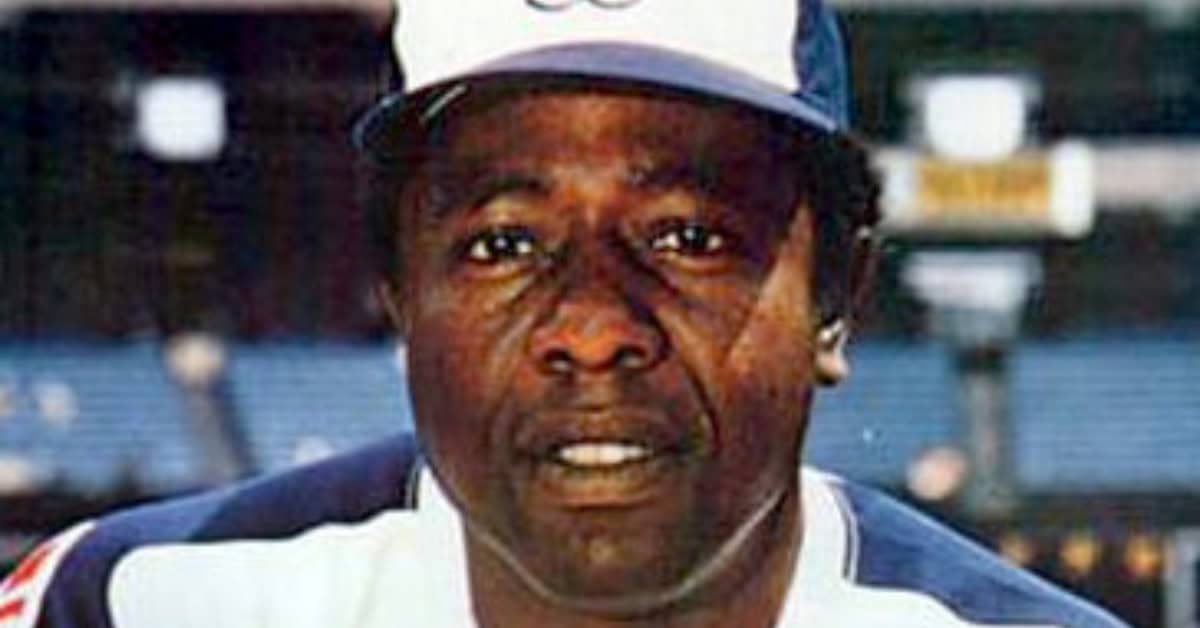
Hank Aaron’s pursuit of Babe Ruth’s home run record defined the early 1970s, each swing carrying the weight of history and hope. When he moved to first base later in his Braves career and then with the Milwaukee Brewers, “Hammerin’ Hank” brought that same smooth stroke and unwavering composure to a new position. His 715th homer on April 8, 1974, didn’t just break a record—it shattered barriers and proved that greatness transcends both position and prejudice.
Tony Perez: The Big Red Machine’s RBI King and Clutch Master

Tony Perez was the steady heartbeat of Cincinnati’s Big Red Machine, driving in runs with the reliability of a Swiss timepiece. “Doggie” could turn any 2-2 count into an RBI opportunity, finishing the decade with 959 RBIs and a reputation for clutch hitting that made opposing pitchers lose sleep. His smooth swing and calming presence anchored a lineup that included Rose, Morgan, and Bench—no small feat in that star-studded constellation.
Dick Allen: The Controversial Slugger Who Made Pitchers Sweat
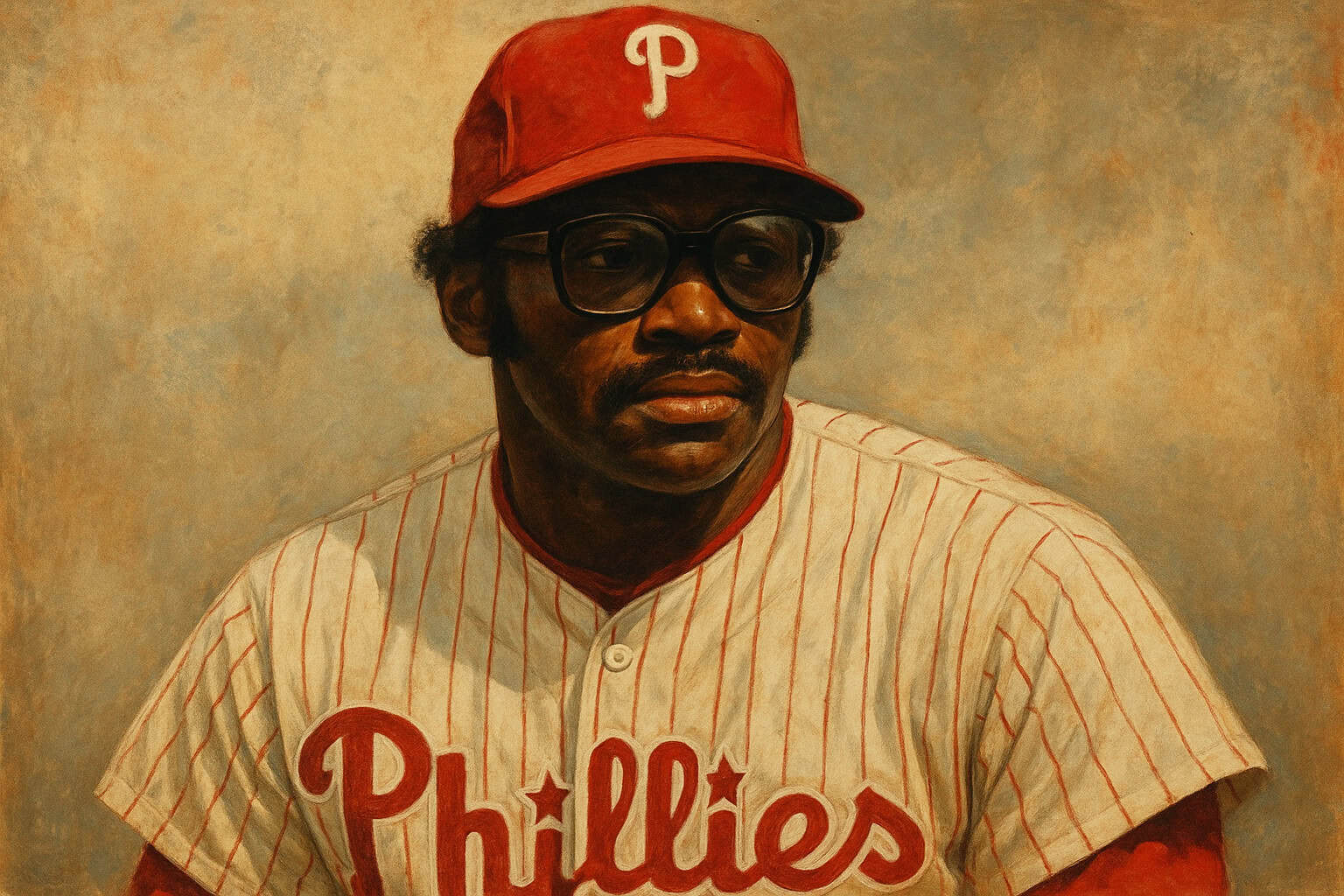
Dick Allen’s 42-ounce bat was like Thor’s hammer in human hands, capable of turning routine fastballs into upper-deck moonshots. The 1972 AL MVP brought an intimidating presence to first base, his powerful frame and quick wrists making even veteran pitchers reconsider their approach. Allen’s controversial reputation couldn’t overshadow his pure hitting ability—when he connected, the sound echoed through stadiums like a thunderclap, and infielders instinctively ducked for cover.
George Scott: “Boomer” and His Gold Glove Magic at the Bag

George “Boomer” Scott redefined first base defense with eight Gold Gloves and hands softer than a grandmother’s quilts. His acrobatic stretches and impossible scoops turned routine grounders into highlight-reel plays, while his booming home runs provided the offensive punch to match his defensive wizardry. Scott’s combination of power and glove work made him the complete package—a first baseman who could pick line drives out of the dirt and launch baseballs into the stratosphere with equal ease.
Bob Watson: The Versatile Star Who Scored Baseball’s Millionth Run

Bob Watson made history on May 4, 1975, by scoring Major League Baseball’s one millionth run, but his contributions went far beyond trivia. “The Bull” was a consistent .300 hitter who could play multiple positions while providing steady power and clutch hitting for the Astros. His versatility and professionalism made him invaluable during Houston’s rise to prominence, and his smooth swing produced the kind of line drives that made pitching coaches tear up their scouting reports.
Keith Hernandez: The Defensive Wizard with the Perfect Mustache

Keith Hernandez burst onto the scene in the late 1970s with defensive skills that seemed to defy physics and a mustache that defined an era. His ability to charge bunts, turn double plays, and position fielders made him a manager’s dream, while his smooth left-handed swing produced the 1979 NL co-MVP award. Watching Hernandez field was like watching a chess master—every move calculated, every throw precise, every play executed with an intelligence that separated good players from great ones.
John Mayberry: The Kansas City Crusher with 40-Homer Power
John Mayberry’s massive frame and powerful swing made him the perfect fit for Kansas City’s spacious Kauffman Stadium, where his towering home runs became legendary. “Big John” could turn any hanging curveball into a 450-foot souvenir, and his presence in the Royals lineup helped transform Kansas City from expansion afterthought to playoff contender. His patient approach at the plate and devastating power stroke made him one of the most feared hitters in the American League during the mid-1970s.
Wes Parker: The Smooth-Fielding Dodger Who Redefined First Base Defense
Wes Parker turned first base into an art form with six consecutive Gold Gloves and defensive skills that made routine plays look effortless. His ballet-like movements around the bag and uncanny ability to dig throws out of the dirt helped anchor some of the greatest Dodgers teams in franchise history. Parker’s smooth swing and clutch hitting complemented his defensive wizardry, making him the prototype for the modern first baseman who could excel on both sides of the ball.
Lee May: “The Big Bopper” and His Consistent Power

Lee “The Big Bopper” May’s thunderous swing and towering home runs made him one of the most prolific power hitters of the 1970s, hitting 257 home runs during the decade. His 354 career homers included some absolute moonshots that seemed to hang in the air forever before disappearing into the night sky. May’s intimidating presence at the plate and ability to drive in runs in clutch situations made him a cornerstone for both the Reds and Astros, providing the kind of middle-of-the-order thump that championship teams require.
Willie Montanez: The Flashy Fielder with the Hot Dog Style
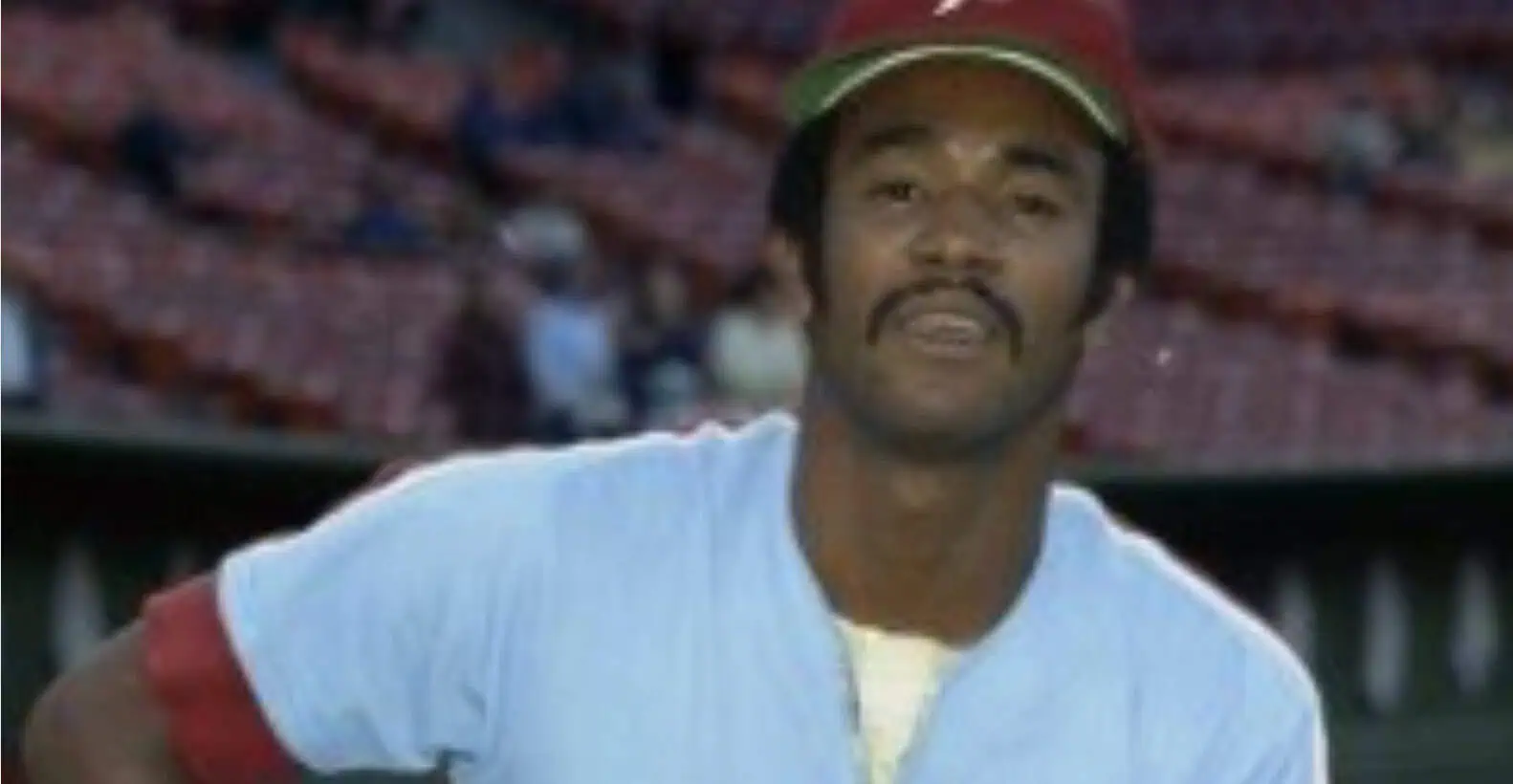
Willie Montanez brought showmanship to first base with his flamboyant fielding style and flair for the dramatic. His basket catches and elaborate stretches made routine plays look like Broadway performances, while his smooth swing produced consistent offensive numbers throughout the decade. “Hot Dog Willie” understood that baseball was entertainment, and his colorful personality and reliable production made him a fan favorite wherever he played, from Philadelphia to San Francisco to Atlanta.
Eddie Murray: The Rookie Sensation Who Started a Hall of Fame Career
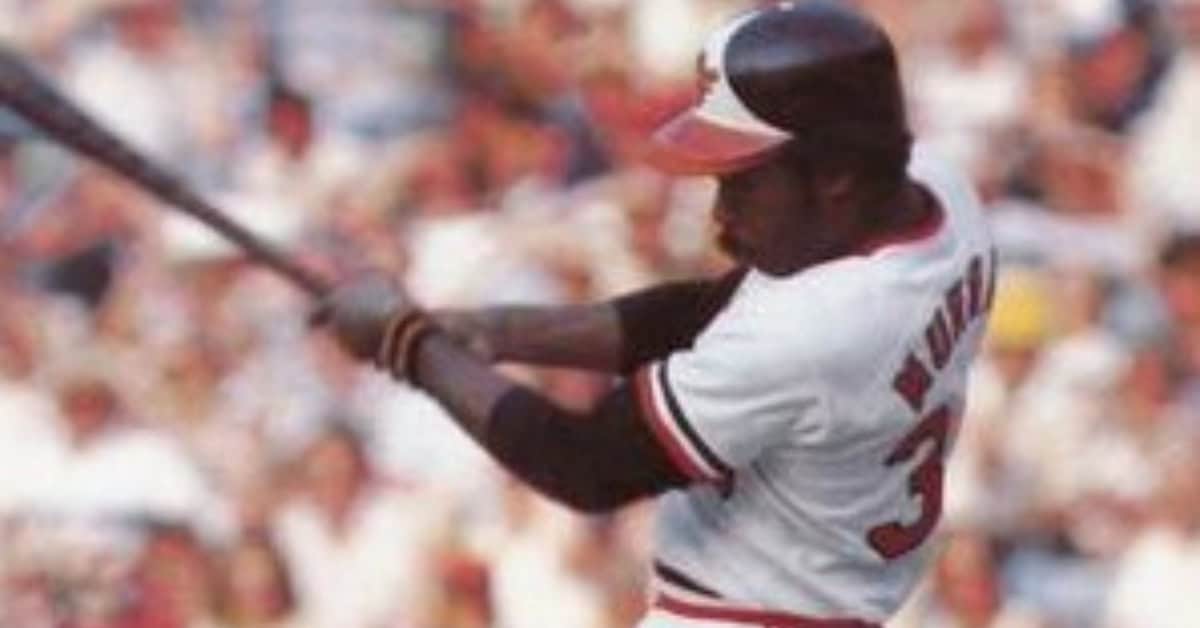
Eddie Murray burst onto the scene in 1977 with a Rookie of the Year performance that announced the arrival of a future Hall of Famer. His switch-hitting ability and clutch gene made him an instant star in Baltimore, where his quiet leadership and consistent production became the foundation of Orioles excellence. Murray’s smooth stroke from both sides of the plate and defensive reliability at first base provided a glimpse of the greatness that would define the next two decades of his career.
Nate Colbert: The Padres’ Power Source in Baseball’s Outpost
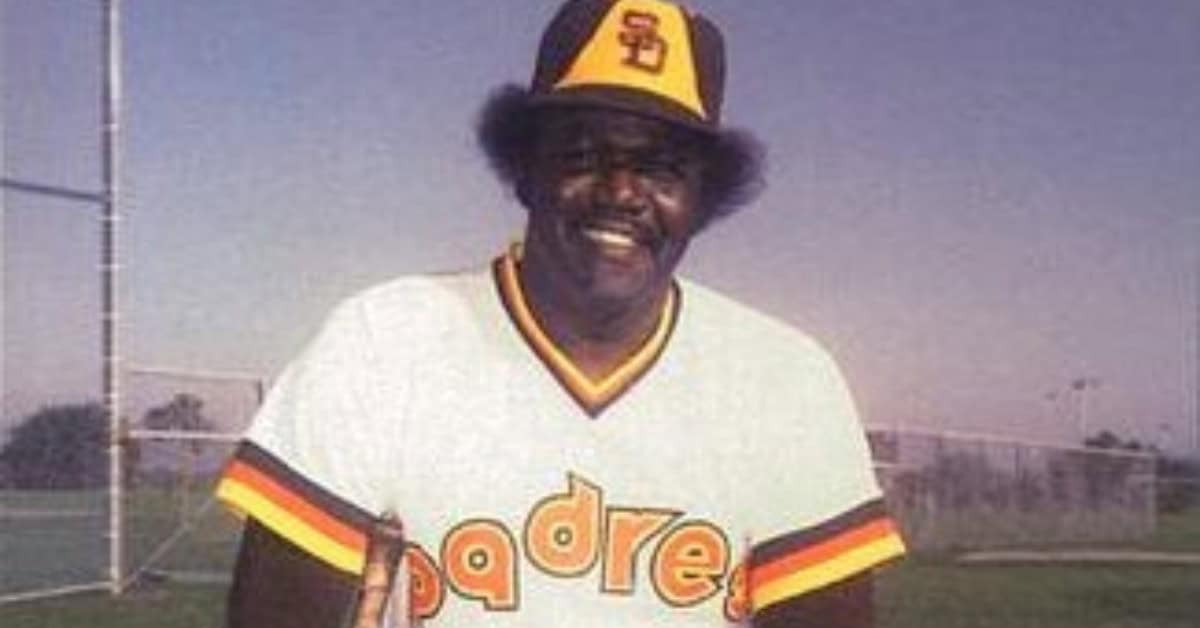
Nate Colbert provided the offensive fireworks for the expansion San Diego Padres, his towering home runs giving fans in baseball’s newest outpost something to cheer about. His historic five-homer, 13-RBI doubleheader performance in 1972 remains one of baseball’s greatest single-day achievements, while his consistent power production helped establish the Padres as a legitimate major league franchise. Colbert’s booming bat and gentle demeanor made him the perfect ambassador for baseball in America’s Finest City.
Cecil Cooper: The Smooth Stroke That Made Milwaukee Proud
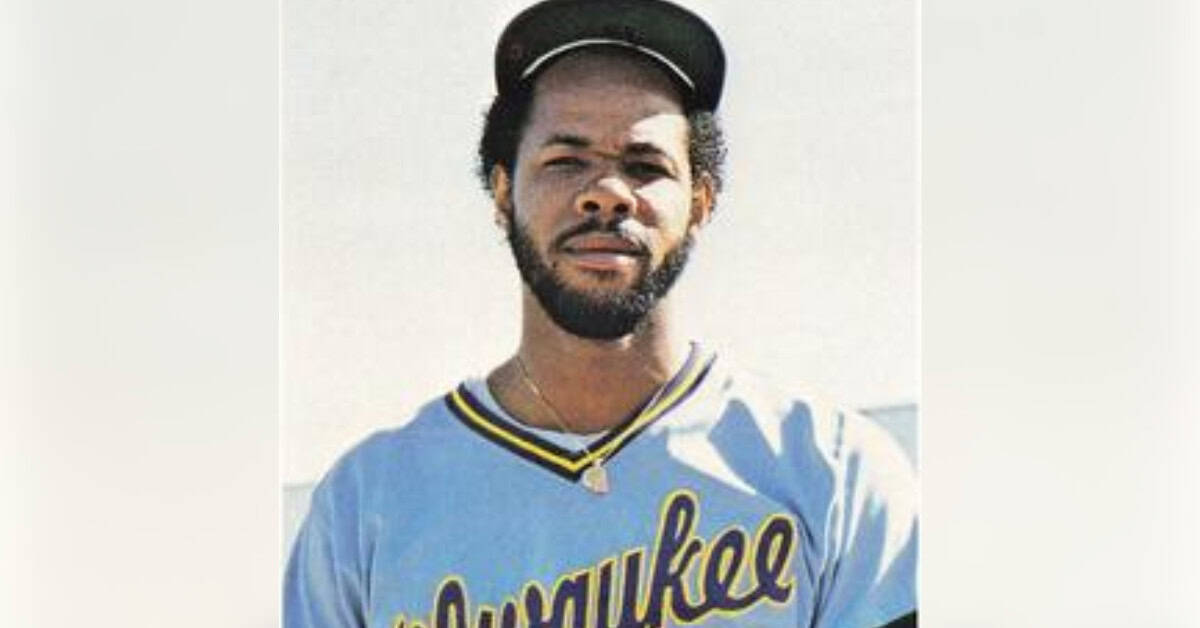
Cecil Cooper’s silky smooth swing and line-drive stroke made him one of the most consistent hitters of the late 1970s. After moving from Boston to Milwaukee, “Coop” blossomed into a star, his patient approach and clutch hitting helping transform the Brewers into contenders. His textbook swing and professional approach at the plate made him a hitting instructor’s dream, while his steady glove work and quiet leadership provided the foundation for Milwaukee’s surprising success in the American League.
Boog Powell: The Gentle Giant Who Terrorized American League Pitching
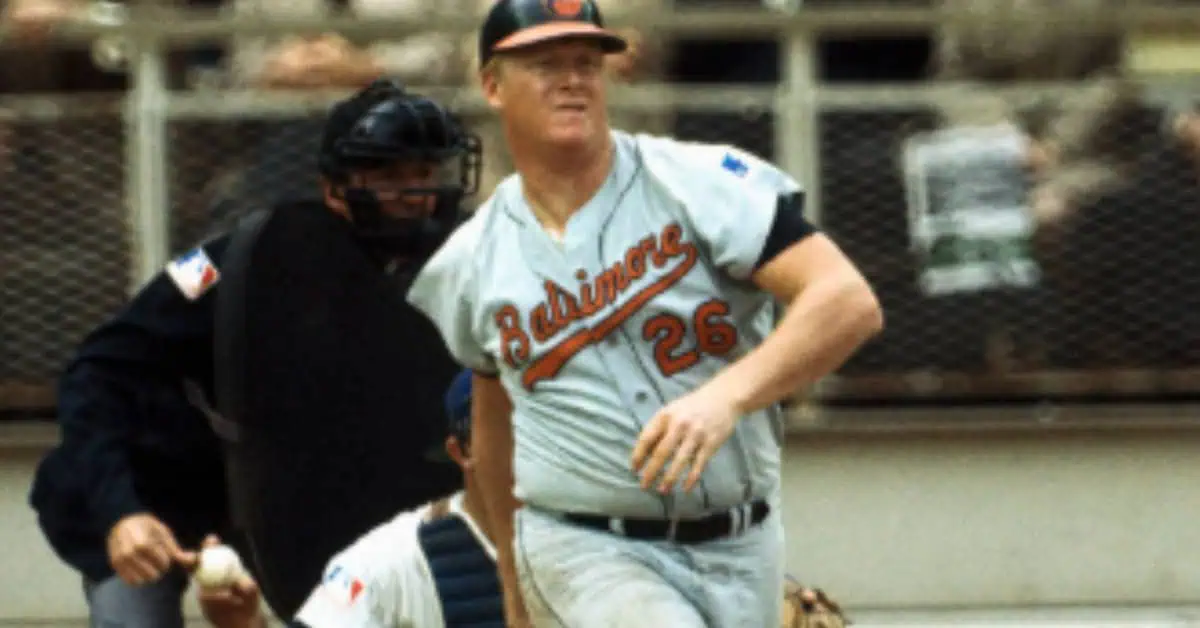
Boog Powell’s massive 6’4″, 270-pound frame made him an intimidating presence at the plate, but his gentle personality and infectious smile made him beloved by teammates and fans alike. The 1970 AL MVP could turn any mistake pitch into a 400-foot souvenir, his powerful swing helping anchor the great Orioles teams of the early 1970s. Powell’s combination of raw power and surprising agility around first base made him one of the most feared hitters in the American League during Baltimore’s championship years.
Andre Thornton: The Quiet Slugger Who Carried Cleveland’s Hopes
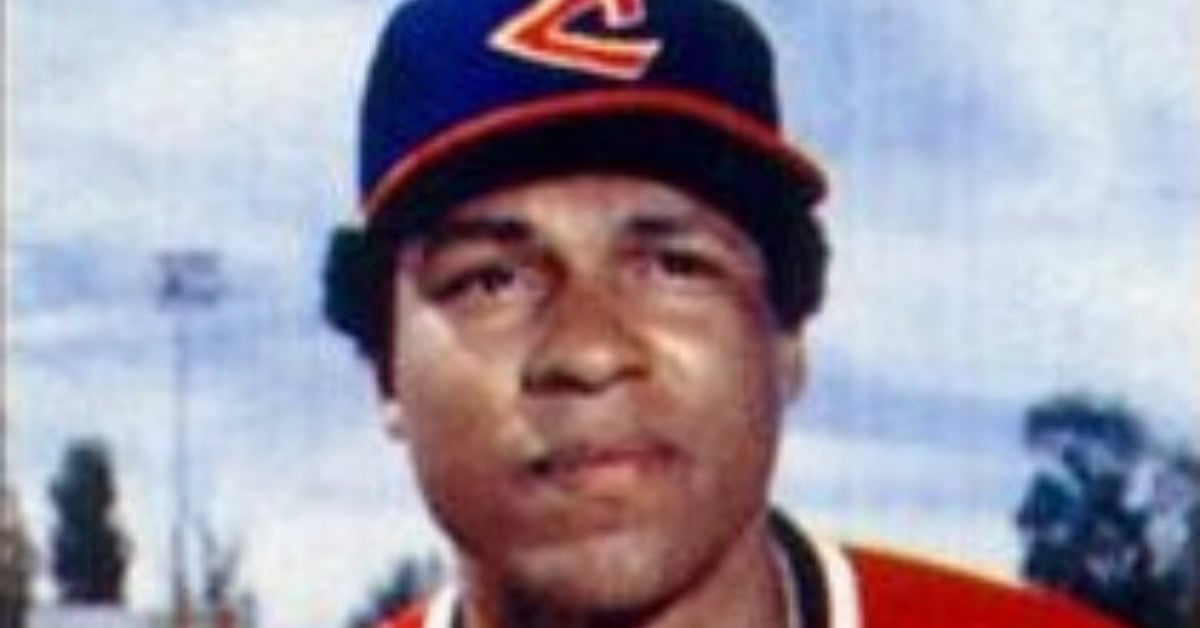
Andre Thornton brought dignity and power to Cleveland during some of the franchise’s darkest years, his consistent production providing hope for long-suffering Indians fans. “Thunder” could launch baseballs into the upper deck at Municipal Stadium with that smooth, powerful swing, while his quiet leadership and professional approach made him a respected figure throughout baseball. Thornton’s ability to perform in clutch situations and his unwavering consistency made him one of the most underrated stars of the decade.
Chris Chambliss: The Yankees’ Clutch Captain of the Infield
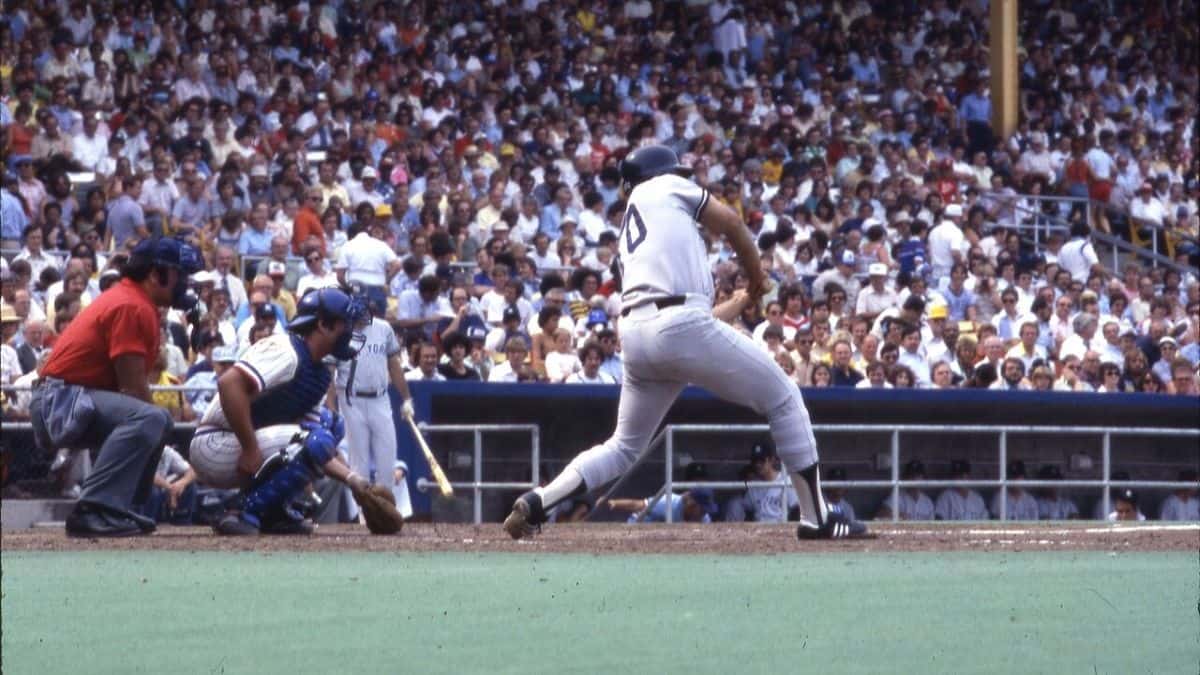
Chris Chambliss was a cornerstone of the New York Yankees’ resurgence in the mid-1970s, known for his steady glove at first base and clutch hitting. His most iconic moment, a walk-off home run to win the 1976 ALCS, sent the Yankees to their first World Series in 12 years. Chambliss was an All-Star and Gold Glove winner, providing consistent offensive production and reliable defense for a team that reclaimed its championship mantle during the decade.