
Last Updated: September 8th, 2026 by Michael Schatz
The Baseball Hall of Fame is such a hallowed recognition that it easily receives the most criticism of any sports hall of fame. There's a lot of frustration that goes into it, but also just so much passion that makes these debates fun.
Don't lose this article. Enter your email below, and I'll send it to you right now. Plus, we'll send you other unbelievable stories from baseball's past.
For fans, it's a bit of why we love this sport, as baseball can be so scrutinized down to the smallest statistic. There are so many different reasons why a player has been inducted into the Hall of Fame, and I'm sure you will have your reasons too for some of these on this list. Let us know as you read this, as I'm sure that we will get some flak for our opinions of the next 12 Hall of Famers.
12. Harold Baines: The Designated Hitter Who Coasted to Cooperstown (HOF)
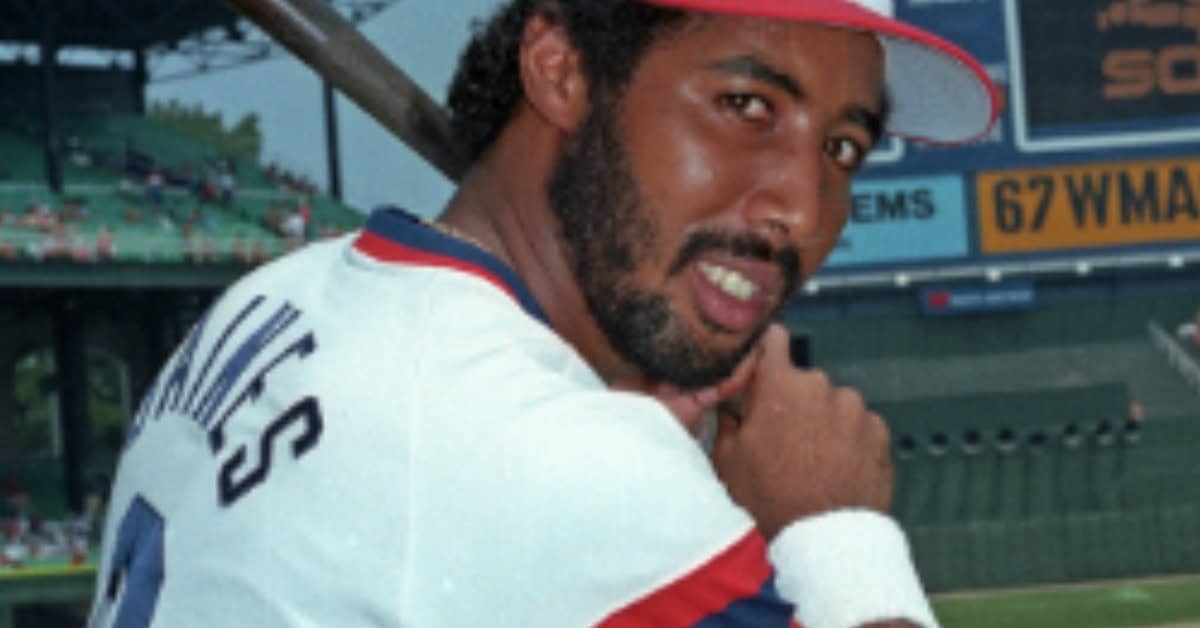
Unfortunately, when Harold Baines was announced as a selection for the Baseball Hall of Fame, it immediately brought up a ton of questions, and most of them started with the simple word "why." For a player who is most notably a designated hitter, you would think that his hitting stats would blow most other players out of the water.
However, a career .289 batting average, 2,866 hits, and 384 home runs are marks for a very good player, but not exactly a Hall of Fame one.
| Harold Baines — Career | Total |
|---|---|
| G | 2830 |
| AB | 9908 |
| H | 2866 |
| HR | 384 |
| RBI | 1628 |
| SB | 34 |
| AVG | .289 |
| OBP | .356 |
| SLG | .465 |
| OPS | .821 |
| All-Star selections | 6 |
| Silver Sluggers | 1 |
11. Jim Rice: Boston's Golden Boy Who Never Lived Up to the Hype (HOF)
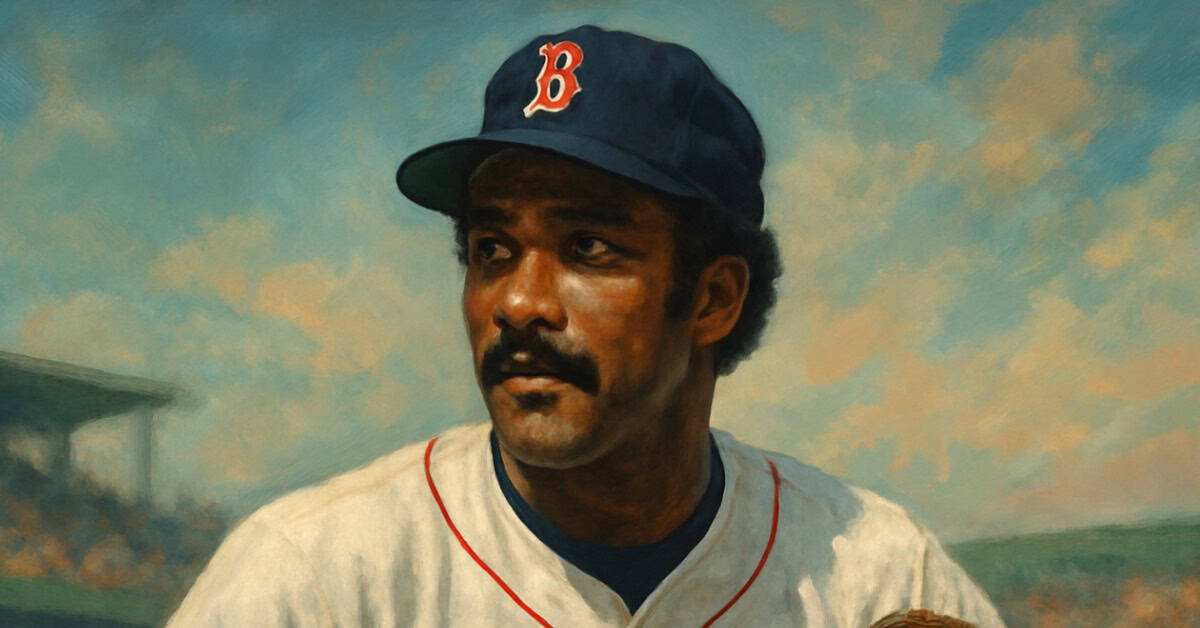
Jim Rice follows a similar logic to that of Harold Baines. He has very good career stats at a .298 batting average, 2,452 hits, and 382 home runs. He even has more accolades with eight All-Star selections, two Silver Sluggers, and an MVP award. It's just that offense is once again expected from a player like this who played most of his career in left field or in the DH spot.
Both require a hitter to have elite offensive numbers to be considered a shoo-in for the Hall of Fame. I just don't think Rice quite gets there. Or maybe I would prefer Fred Lynn to join him as a Red Sox legend with a similar resume.
| Jim Rice — Career | Total |
|---|---|
| G | 2089 |
| AB | 8225 |
| H | 2452 |
| HR | 382 |
| RBI | 1451 |
| SB | 58 |
| AVG | .298 |
| OBP | .352 |
| SLG | .502 |
| OPS | .854 |
| MVP | 1 |
| All-Star selections | 8 |
| Silver Sluggers | 2 |
10. Bruce Sutter: The Split-Finger Specialist with a Short Peak (HOF)
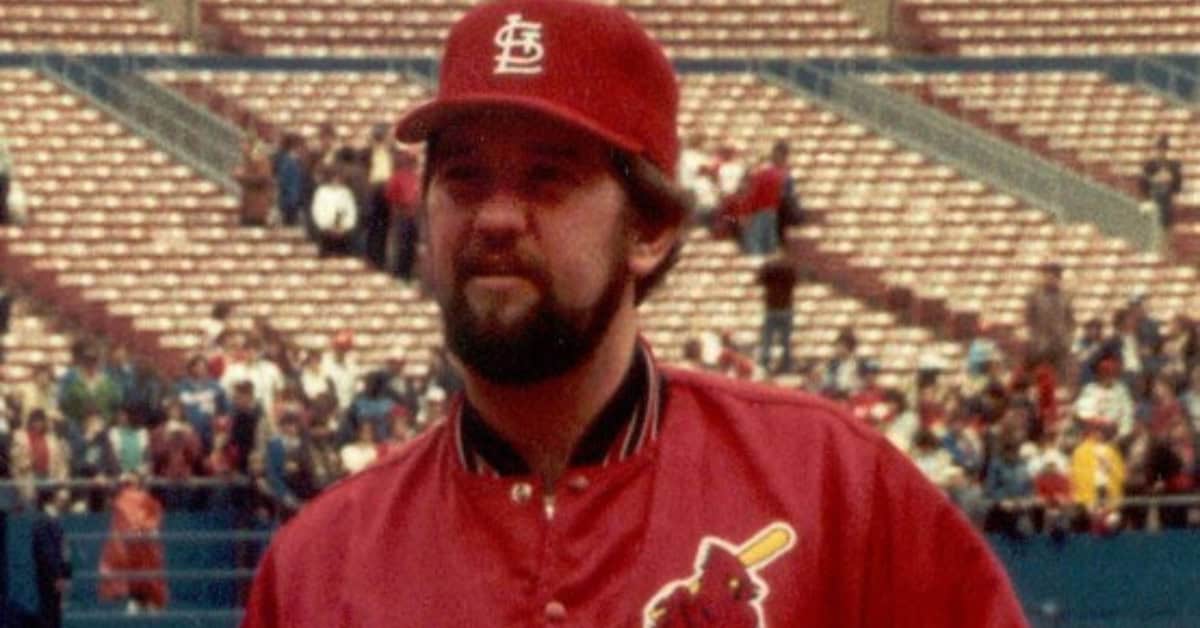
Bruce Sutter was part of a revolution in the use of relief pitchers. He led the league five times in saves while even winning the Cy Young Award in 1979. The thing is, his career lasted only 12 years, with a handful of duds towards the end. 300 saves in that short amount of time is impressive, sure.
But Sutter doesn't quite have the eye-popping numbers that some other relievers have, even from before his time. His inclusion in Cooperstown will always tilt my head in wonder.
| Bruce Sutter — Career | Total |
|---|---|
| W | 68 |
| L | 71 |
| ERA | 2.83 |
| G | 661 |
| IP | 1042.0 |
| SO | 861 |
| WHIP | 1.14 |
| SV | 300 |
| Cy Young | 1 |
| All-Star selections | 6 |
| World Series titles | 1 |
9. Bill Mazeroski: Great Glove, Terrible Bat, Questionable Selection (HOF)
Bill Mazeroski absolutely had a Hall of Fame moment when he hit that home run to win Game 7 of the 1960 World Series. Other than that, his bat actually was pretty below average. He held a .260 career batting average with little power. His calling card was his defense, with his eight career Gold Gloves.
Those definitely help his case, but I just don't see it as being enough to overlook the paltry career 84 OPS+. Trust me, I like defense as much as the next fan, but this is going a bit further in his rating than I'm comfortable with.
| Bill Mazeroski — Career | Total |
|---|---|
| G | 2163 |
| AB | 7755 |
| H | 2016 |
| HR | 138 |
| RBI | 853 |
| SB | 27 |
| AVG | .260 |
| OBP | .299 |
| SLG | .367 |
| OPS | .666 |
| All-Star selections | 7 |
| Gold Gloves | 8 |
| World Series titles | 2 |
8. Phil Rizzuto: The Scooter Who Broadcasting Boosted into the Hall (HOF)

It is pretty crazy to hear that part of the reason why a player is in the Hall of Fame is for their contributions in the broadcast booth. That's how it was for Phil Rizzuto, as he was picked by the Veterans Committee long after his playing career was over. Rizzuto had been a broadcaster for longer than he had been a player, which apparently influenced the decision in his favor.
Now I'm not saying broadcasters don't get to be in the Hall of Fame. I just need to remind everyone that they have their own wing where the coveted Ford C. Frick Award is, which recognizes the best broadcasters the sport has ever heard.
| Phil Rizzuto — Career | Total |
|---|---|
| G | 1661 |
| AB | 5816 |
| H | 1588 |
| HR | 38 |
| RBI | 563 |
| SB | 149 |
| AVG | .273 |
| OBP | .351 |
| SLG | .355 |
| OPS | .706 |
| MVP | 1 |
| All-Star selections | 5 |
| World Series titles | 7 |
7. Catfish Hunter: More Famous Name Than Dominant Pitcher (HOF)
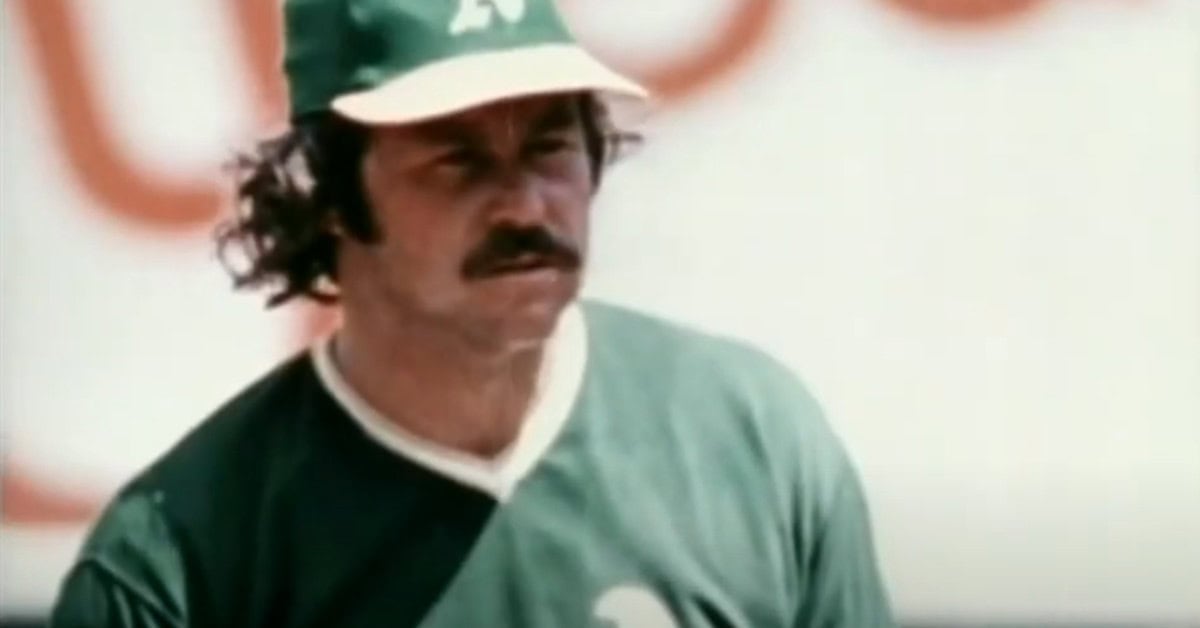
Catfish Hunter had an undoubtedly amazing run where he won more than 20 games in five straight seasons across two different World Series-winning franchises. He also had an impressive Cy Young season in 1974 at the peak of that run.
But was all of that enough for us to basically ignore the seasons of struggle? Hunter had seven years where his ERA was above 3.50. With 100 being the average, ERA+ is a good measurement to compare eras, and Hunter's ERA+ was below 100 for seven years of his career.
| Catfish Hunter — Career | Total |
|---|---|
| W | 224 |
| L | 166 |
| ERA | 3.26 |
| G | 500 |
| IP | 3449.1 |
| SO | 2012 |
| WHIP | 1.13 |
| SV | 1 |
| Cy Young | 1 |
| All-Star selections | 8 |
| World Series titles | 5 |
6. Tony Perez: The Big Red Machine's Weakest Link in Cooperstown (HOF)
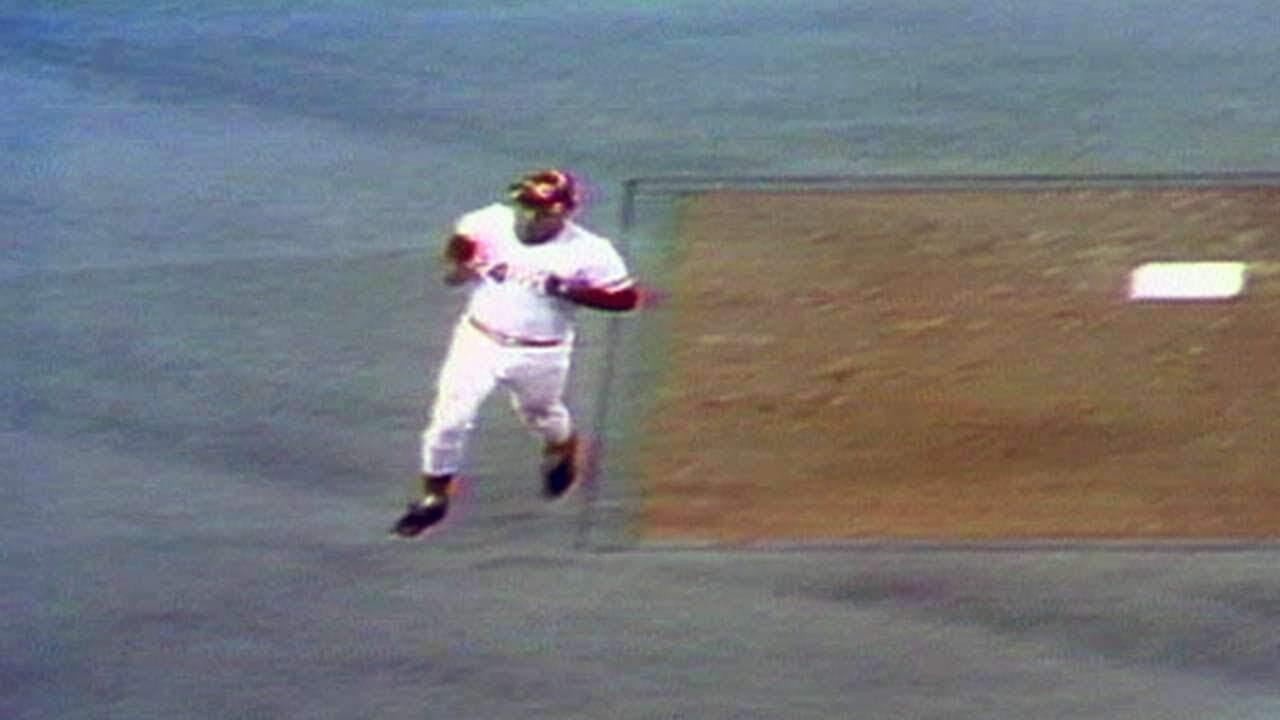
Baseball is so unique in that it is a team sport where individuals still have to deliver on their own. That's what makes having elite teammates around a certain Hall of Famer so interesting to debate. Tony Perez was the anchor in the Big Red Machine, as he was relied upon to drive in runs when his teammates were able to get on base at an elite level. He delivered with six seasons at over 100 RBI.
The only thing is, he never led the league in any offensive statistical category, and he led the league in errors defensively four times. Those don't usually add up to a Hall of Famer.
| Tony Perez — Career | Total |
|---|---|
| G | 2777 |
| AB | 9778 |
| H | 2732 |
| HR | 379 |
| RBI | 1652 |
| SB | 49 |
| AVG | .279 |
| OBP | .341 |
| SLG | .463 |
| OPS | .804 |
| All-Star selections | 7 |
| World Series titles | 2 |
5. Orlando Cepeda: The Baby Bull Who Limped into the Hall (HOF)
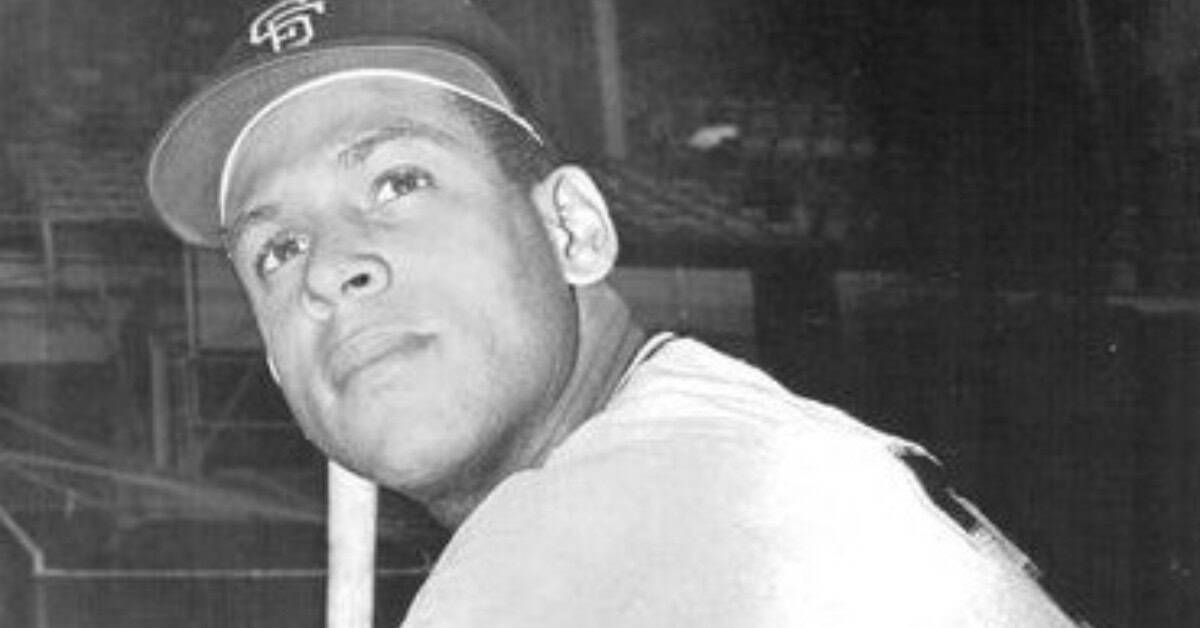
There are definitely some Hall of Famers who dealt with injuries throughout their careers and have their status justified by how elite they were when they were healthy. Orlando Cepeda was definitely a very good player for the San Francisco Giants, but he didn't quite last long as injuries started to pile up around his age-27 season.
He accumulated less than 2,400 career hits with under 1,400 RBI and just 379 home runs. All of those are very good stats, just not elite ones. We bring back positioning when considering guys like this, as he played first base, where his hitting stats are expected to be high.
| Orlando Cepeda — Career | Total |
|---|---|
| G | 2124 |
| AB | 7927 |
| H | 2351 |
| HR | 379 |
| RBI | 1365 |
| SB | 142 |
| AVG | .297 |
| OBP | .350 |
| SLG | .499 |
| OPS | .849 |
| MVP | 1 |
| All-Star selections | 7 |
| World Series titles | 1 |
| Rookie of the Year | 1 |
4. Don Sutton: The Compiler Who Accumulated His Way to Glory (HOF)
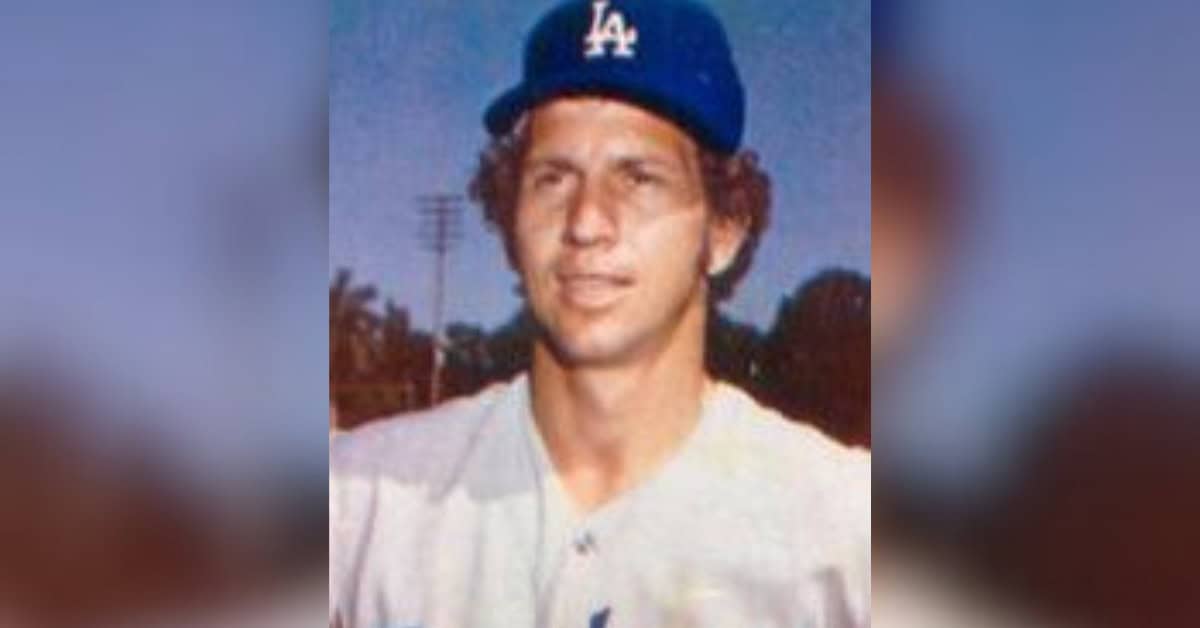
Now we get to a player who has legitimate accumulation in his statistics. Don Sutton has some no-doubt stats that support his Hall of Fame status. He collected 324 wins in his career to go along with 3,574 strikeouts. Both of those far exceed thresholds that are well known to voters.
However, his sustained excellence wasn't exactly there, as his career ERA+ sits at 108. That suggests that he was much closer to the average pitcher in his era than we have lifted him up to be. I know there are many who swear by Don Sutton's accomplishments and they're hard to argue, but I'm just saying that those arguments are still legitimate.
| Don Sutton — Career | Total |
|---|---|
| W | 324 |
| L | 256 |
| ERA | 3.26 |
| G | 774 |
| IP | 5282.1 |
| SO | 3574 |
| WHIP | 1.14 |
| SV | 5 |
| All-Star selections | 4 |
3. Kirby Puckett: Minnesota's Beloved Star with a Brief Prime (HOF)
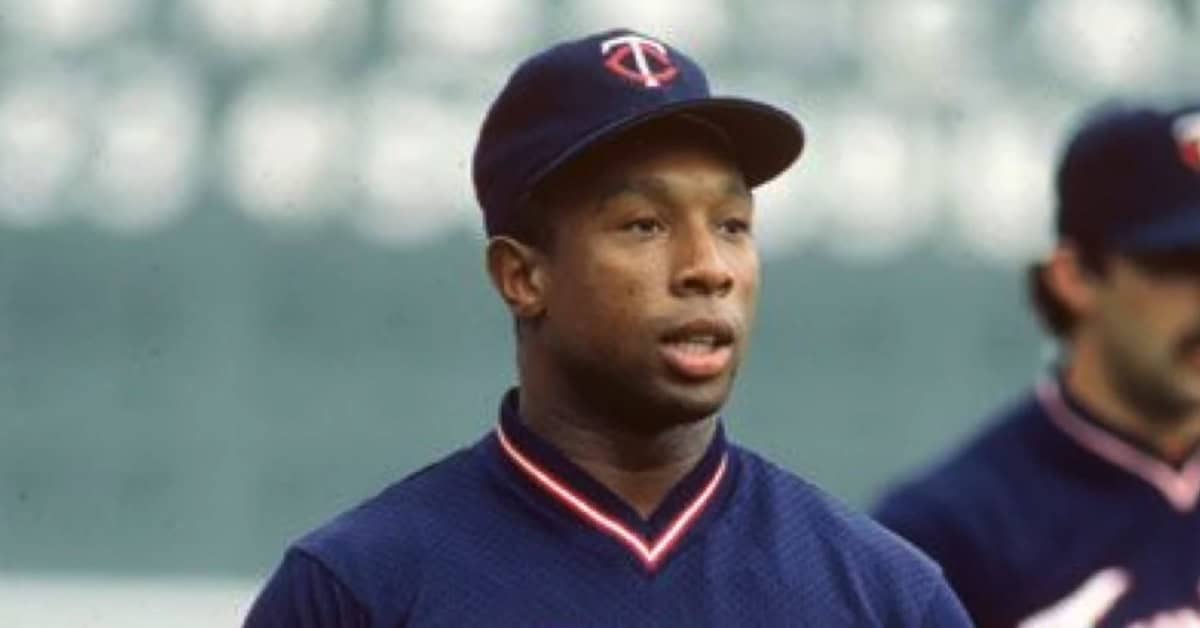
Kirby Puckett is absolutely an icon of Minnesota sports. He is the star who carried them to incredible heights, leading to that 1991 World Series title. He was a great center fielder with six Gold Gloves, supported by a consistent bat with a .318 career batting average.
However, the argument is pretty simple. His career lasted only 12 years, and I question whether he was able to build up enough of a resume to really be comparable among the best of the best. I get it. Puckett's isn't the shortest Hall of Fame career, but among his contemporaries, it's pretty brief.
| Kirby Puckett — Career | Total |
|---|---|
| G | 1783 |
| AB | 7244 |
| H | 2304 |
| HR | 207 |
| RBI | 1085 |
| SB | 134 |
| AVG | .318 |
| OBP | .360 |
| SLG | .477 |
| OPS | .837 |
| All-Star selections | 10 |
| Gold Gloves | 6 |
| Silver Sluggers | 6 |
| World Series titles | 2 |
2. Lee Smith: The Closer Who Rode the Save Stat to Fame (HOF)

Lee Smith was as intimidating a closer as there ever has been. He was able to accumulate an amazing number of saves, 478, in his 18-year career. However, his career ERA does not exactly support the fact that he was an elite bullpen arm. A 3.03 ERA is certainly solid, but for how dominant his mystique has been, it certainly suggests that he could be scored upon.
What I think is impressive about Smith's career is that he was throwing multiple innings in more appearances than not. That being said, I would like to see more relievers in the Hall of Fame of that ilk if Lee Smith is also in there.
| Lee Smith — Career | Total |
|---|---|
| W | 71 |
| L | 92 |
| ERA | 3.03 |
| G | 1022 |
| IP | 1289.1 |
| SO | 1251 |
| WHIP | 1.26 |
| SV | 478 |
| All-Star selections | 7 |
1. Jim Kaat: The Kitty Cat Who Pitched Forever but Never Dominated (HOF)
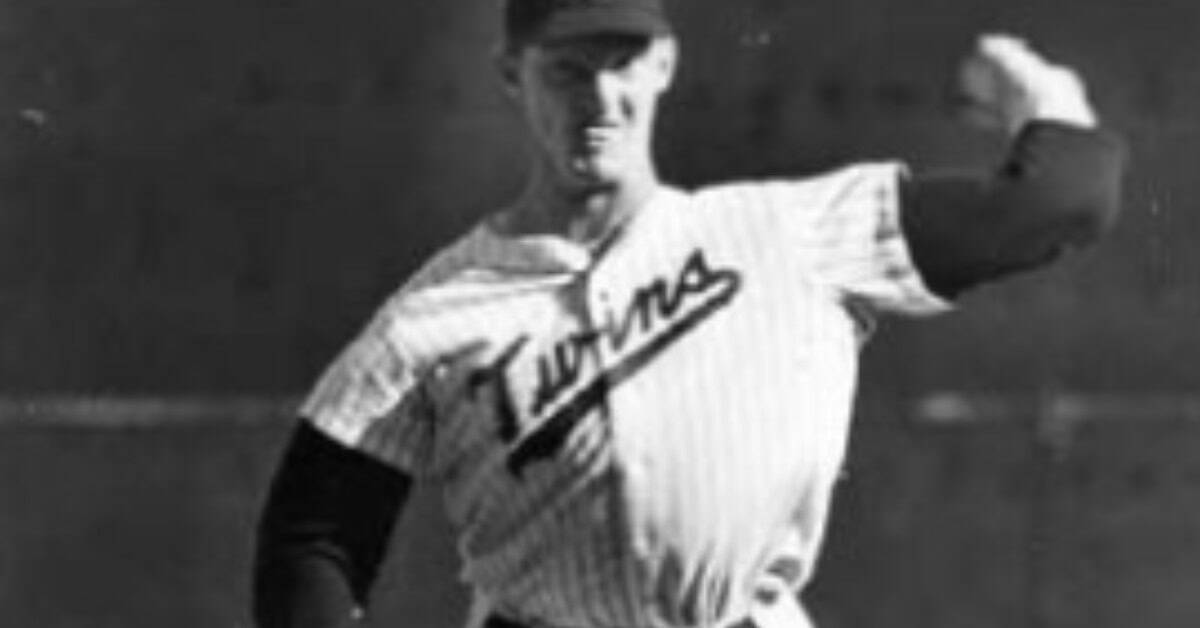
There are so many things about Jim Kaat's career that make me scratch my head. There is no doubt that he was a very solid pitcher for an incredibly long time, but was it really enough to put him in the Hall of Fame?
Kaat played for 25 years and was selected to be an All-Star just three times. He never once led the league in ERA or strikeouts. His biggest claim to his status is that he won an impressive 16 Gold Gloves. That's usually an indicator of a league-leading fielder.
Kaat never once led the league in fielding percentage. In fact, he led the league in errors twice. Both of those seasons were Gold Glove seasons. He doesn't have the magical 300 career wins or 3,000 career strikeouts, so we're just going to have to assume that longevity and supposed defense put Jim Kaat into Cooperstown.
| Jim Kaat — Career | Total |
|---|---|
| W | 283 |
| L | 237 |
| ERA | 3.45 |
| G | 898 |
| IP | 4530.1 |
| SO | 2461 |
| WHIP | 1.26 |
| SV | 18 |
| All-Star selections | 3 |
| Gold Gloves | 16 |
| World Series titles | 1 |