

Last Updated: June 17th, 2026 by Matthew Brown
Before defensive shifts and launch angles ruled the day, left field was where baseball’s most colorful characters roamed—sluggers who could turn on a fastball, speedsters who made impossible catches look routine, and legends whose stories are still told in barroom arguments decades later. These are the players who owned the left field line but somehow never got the call to Cooperstown.
Don't lose this article. Enter your email below, and I'll send it to you right now. Plus, we'll send you other unbelievable stories from baseball's past.
Albert Belle: Cleveland’s Beautiful Monster Who Terrorized Pitchers
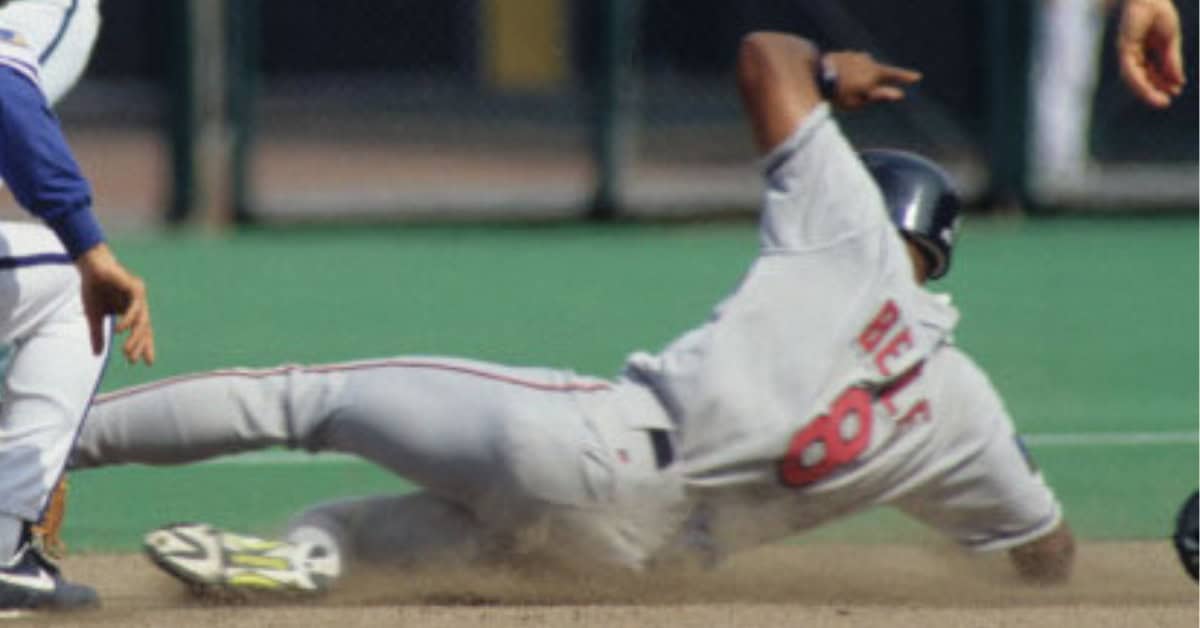
Albert Belle was baseball’s most intimidating presence, a man who could clear a dugout with a stare and clear the bases with one swing. His 1995 season, where he became the only player in MLB history to hit 50 home runs and 50 doubles in a strike-shortened year, remains one of the most dominant offensive displays. Yet, his volcanic temper, a corked bat incident, and later suspicions kept him out of Cooperstown. Sometimes the most talented players are also the most troubled—and Belle was both in equal measure.
Harry Stovey: The 19th Century Slugger Who Innovated at the Plate
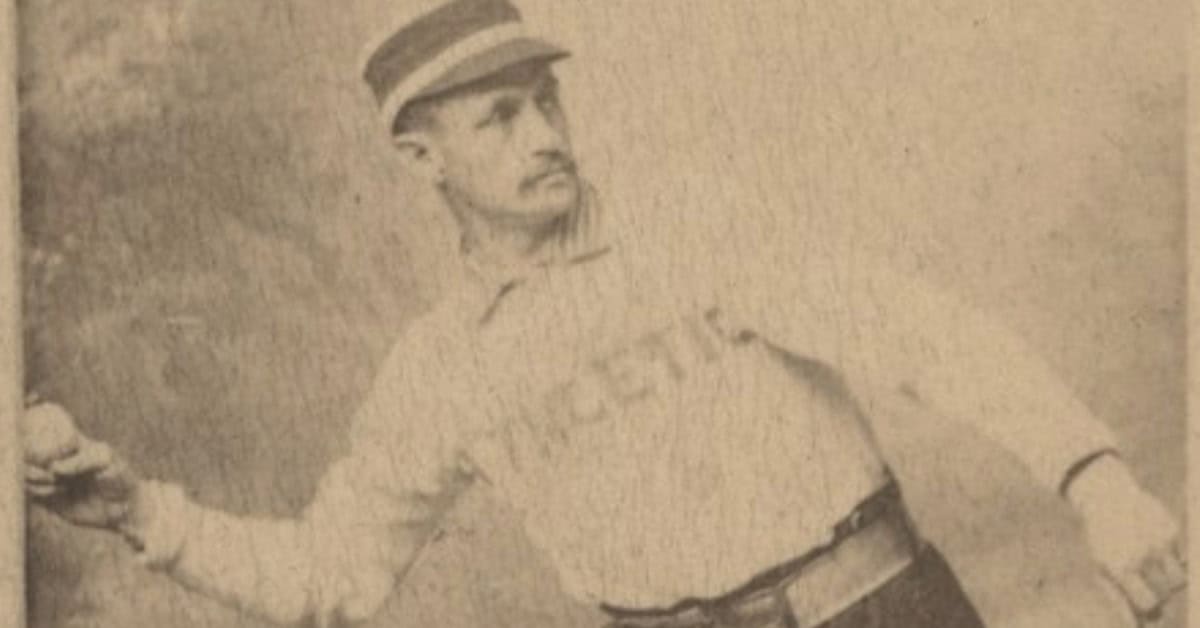
Harry Stovey was baseball’s first true power hitter, a 19th-century pioneer who led his league in home runs five times when homers were still rare treasures. His innovative sliding technique and reportedly flamboyant style around the bases made him one of baseball’s early celebrity athletes, proving that flair and substance could coexist even in the game’s earliest days. Sometimes the most important players are the ones who came before anyone was keeping careful track of their contributions.
George Foster: The Big Red Machine’s RBI Sultan
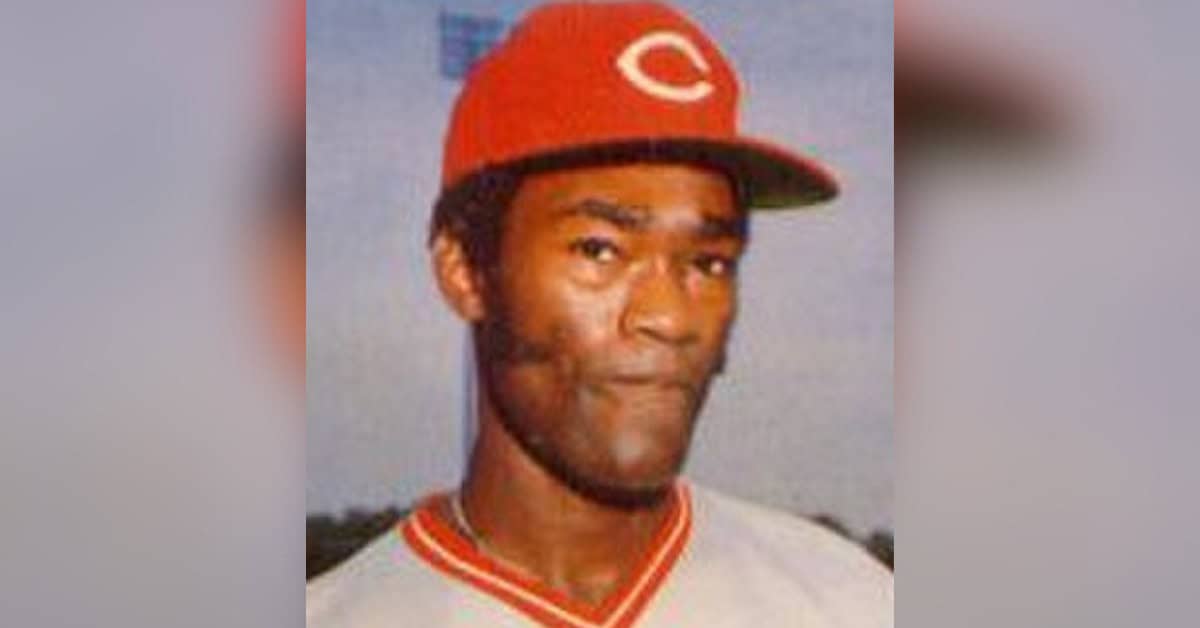
George Foster’s 149 RBIs in 1977 was a remarkable feat, one of the highest totals of that decade and not surpassed until the offensive surge of the 1990s, a testament to his clutch hitting in Cincinnati’s championship machine. His black bat and intimidating presence made him the perfect cleanup hitter for the Big Red Machine, yet he remains an overlooked star of that famed dynasty. When you’re surrounded by Hall of Famers, sometimes excellence isn’t enough to stand out.
Shoeless Joe Jackson: The Natural Swing That Baseball Can’t Forgive
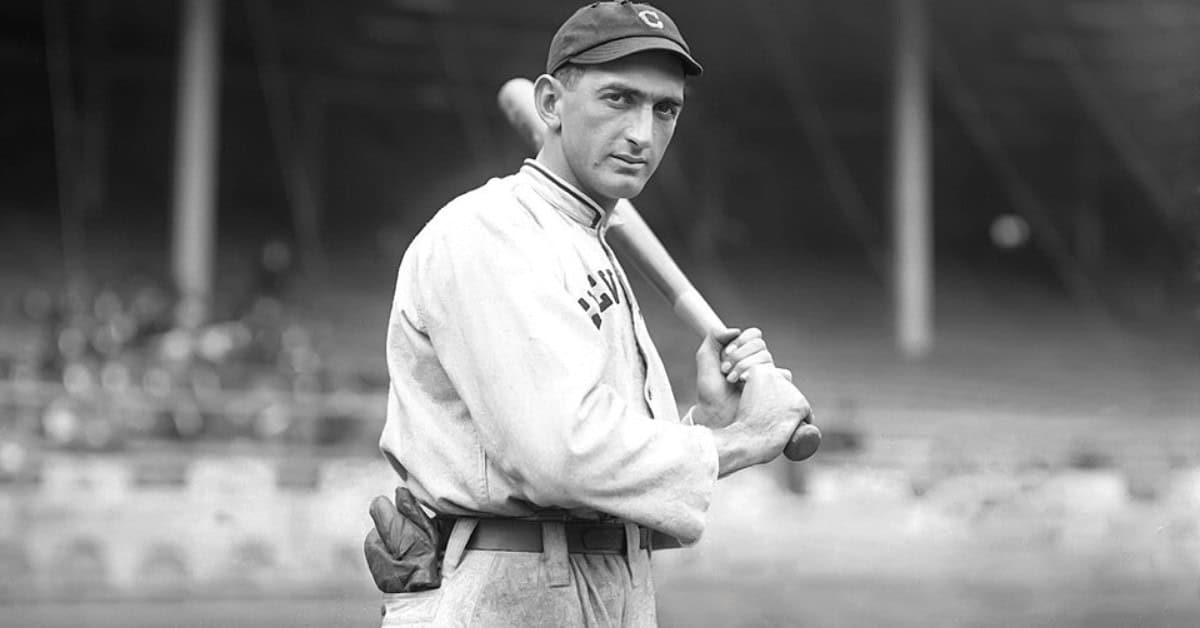
Shoeless Joe Jackson had one of the purest swings in baseball history, a natural talent so profound that Babe Ruth copied his stance and Ted Williams called him the greatest hitter ever. His .356 lifetime batting average and legendary performance in the 1919 World Series—where he hit .375 despite allegedly throwing games—remains baseball’s most enduring tragedy. Sometimes the most gifted players make the worst decisions, and baseball never forgives either.
Garret Anderson: The Silent Assassin Who Let His Bat Do All the Talking
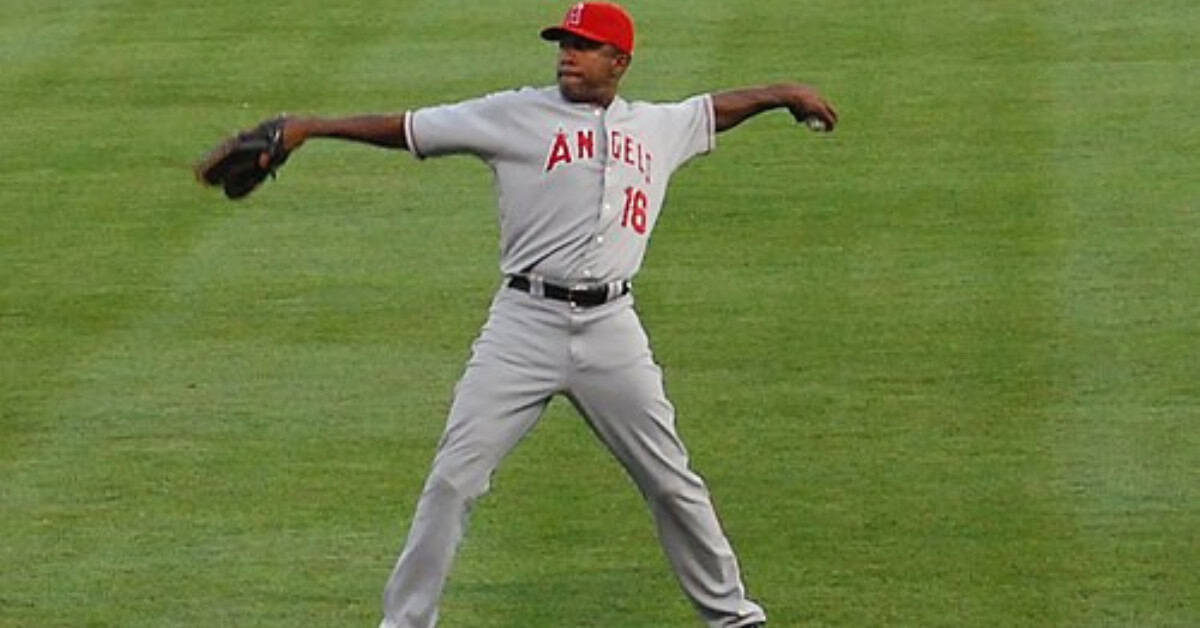
Garret Anderson was the definition of quiet excellence, a consistent hitter with a .293 career average who drove in 100 runs four times while never saying a word to draw attention to himself. His 287 career home runs and clutch hitting anchored Anaheim’s 2002 championship team, proving that sometimes the best players are the ones who show up, do their job, and go home. In an era of showboating and self-promotion, Anderson was a throwback to when letting your performance speak was enough.
Sherry Magee: The Deadball Era’s Forgotten Slugger
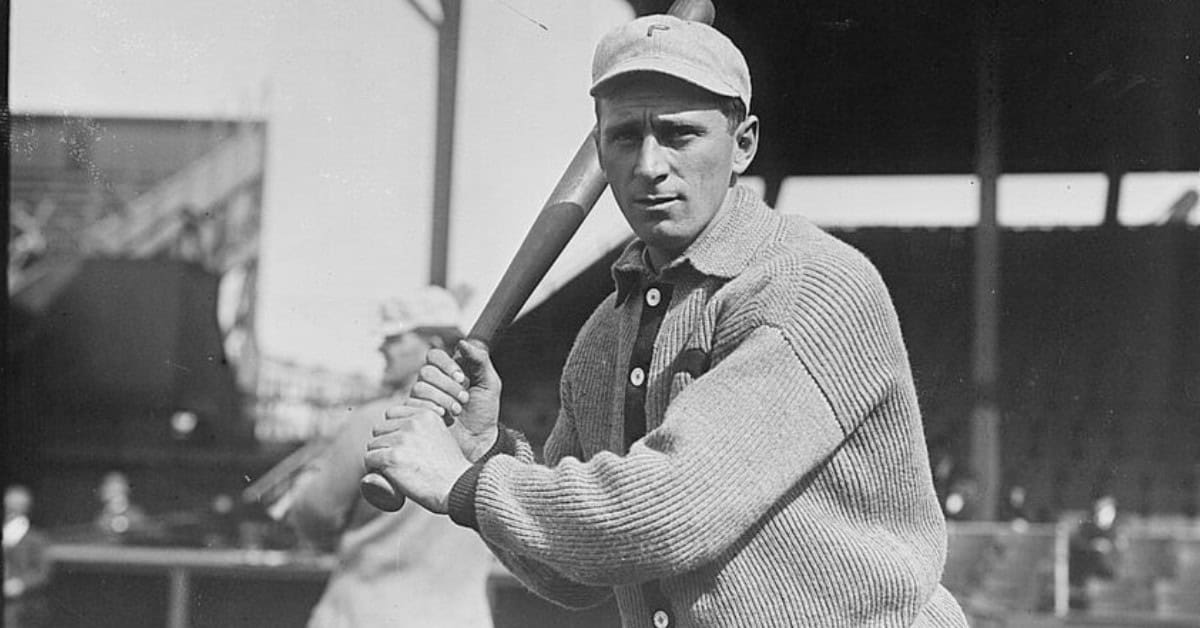
Sherry Magee was hitting home runs when they were still rare commodities, leading the National League four times in RBIs during the deadball era when runs were precious. His fiery temper and aggressive play made him one of baseball’s first true superstars, yet time has forgotten his contributions to the game’s early evolution. Sometimes being ahead of your time means history leaves you behind.
Bob Johnson: Philadelphia’s Quiet Consistent Star

Bob Johnson was the steady heartbeat of Philadelphia’s Athletics, a consistent hitter with a .296 career average who drove in 100 runs eight times without ever making headlines or demanding attention. His quiet excellence and professional approach made him the perfect complement to the A’s more colorful stars, yet his lack of flash meant his Hall of Fame-worthy numbers were overlooked. Sometimes the best players are the ones you notice least—until you look at their statistics.
Lance Berkman: The Big Puma Who Could Hit From Both Sides
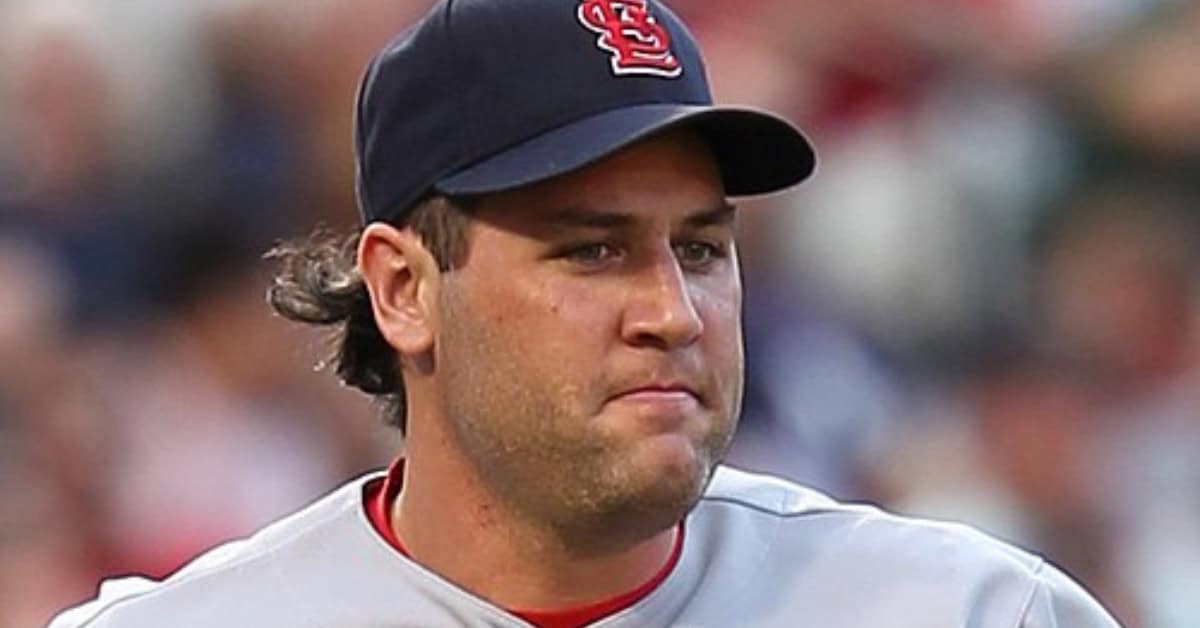
Lance Berkman was the rare switch-hitter who could terrorize pitchers from both sides of the plate, combining power, patience, and clutch hitting into one of the most complete offensive packages of his era. His .293 career average and 366 home runs anchored Houston’s golden years, yet his lack of defensive prowess and team success kept him out of Hall of Fame consideration. Sometimes being great at hitting isn’t enough.
Luis Gonzalez: Arizona’s Blooper Single That Won a World Series
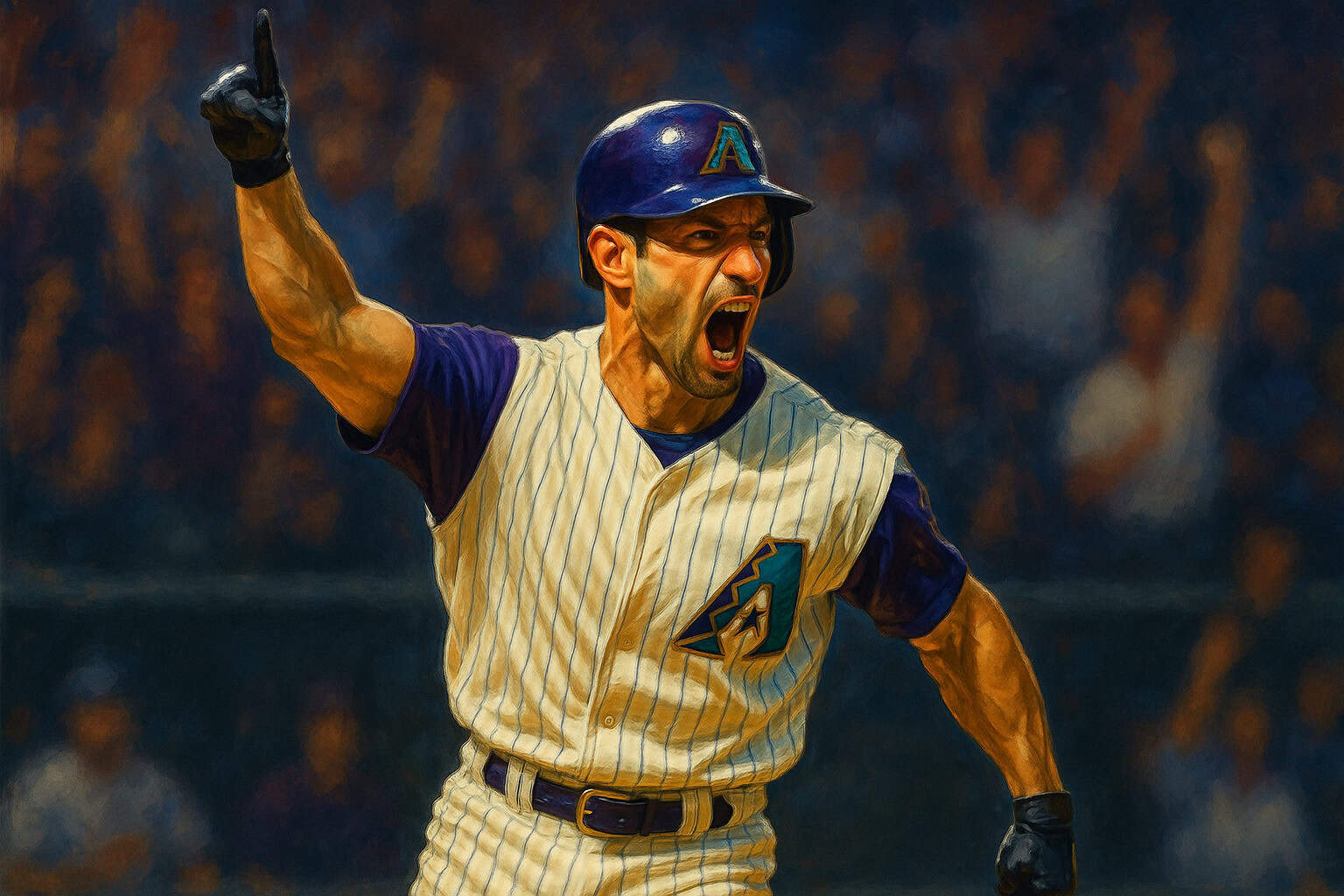
Luis Gonzalez will forever be remembered for the bloop single that beat Mariano Rivera and gave Arizona its only World Series championship, but his 57 home runs in 2001 proved he was more than just a clutch hitter. His transformation from contact hitter to power threat coincided with baseball’s steroid era, casting shadows over his greatest season. Sometimes one swing defines a career, even when that career was defined by so much more.
Ron Gant: Atlanta’s Power-Speed Combo Before It Had a Name
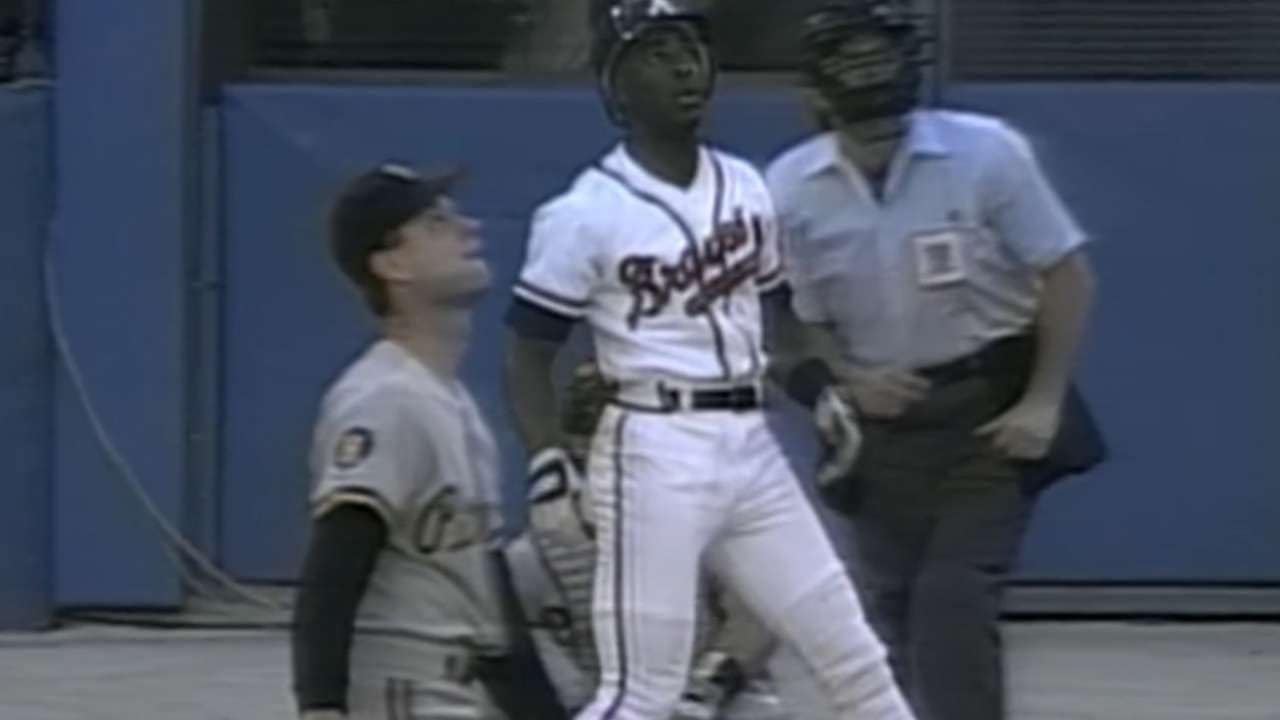
Ron Gant was stealing 30 bases and hitting 30 home runs, joining the exclusive 30-30 club multiple times, a dynamic force who helped power Atlanta’s rise from worst to first in 1991. His combination of speed and power made him the prototype for the modern outfielder, yet injuries and inconsistency prevented him from reaching his full potential. Sometimes being ahead of the curve means you get forgotten when the curve catches up.
Greg Vaughn: The Quiet Slugger Who Let His Bat Do the Talking
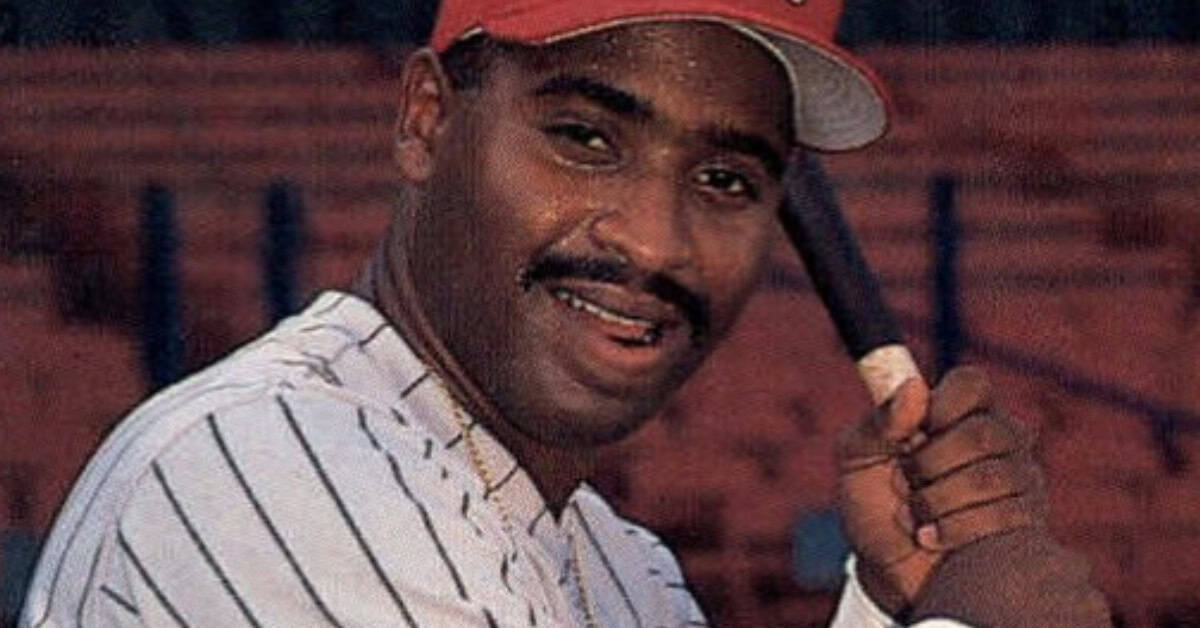
Greg Vaughn’s 50 home runs in 1998 got lost in the McGwire-Sosa circus, but his consistent power and professional approach made him one of the most reliable sluggers of the 1990s. His 355 career home runs and two 40-homer seasons proved that he belonged among the era’s elite power hitters, yet his quiet personality meant he never received the recognition he deserved. Sometimes the loudest statement is made in silence.
Cliff Floyd: The What-If Story That Injuries Wrote Too Soon
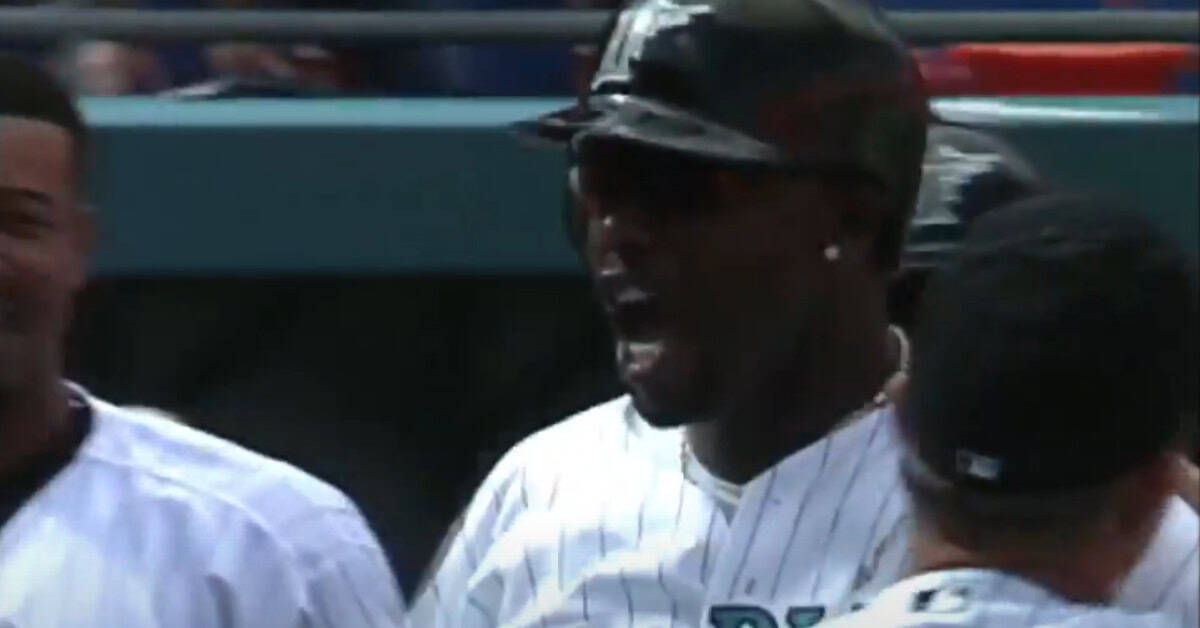
Cliff Floyd had all the tools to be a superstar—power, speed, a rocket arm, and the kind of natural hitting ability that can’t be taught. His 233 career home runs tell only part of the story; the other part is written in medical reports and what-if scenarios that haunt baseball fans who saw his potential. Sometimes the cruelest opponent is your own body, and Floyd’s betrayed him just when greatness was within reach.
Matt Holliday: The Rockies Masher Who Made Coors Field Sing
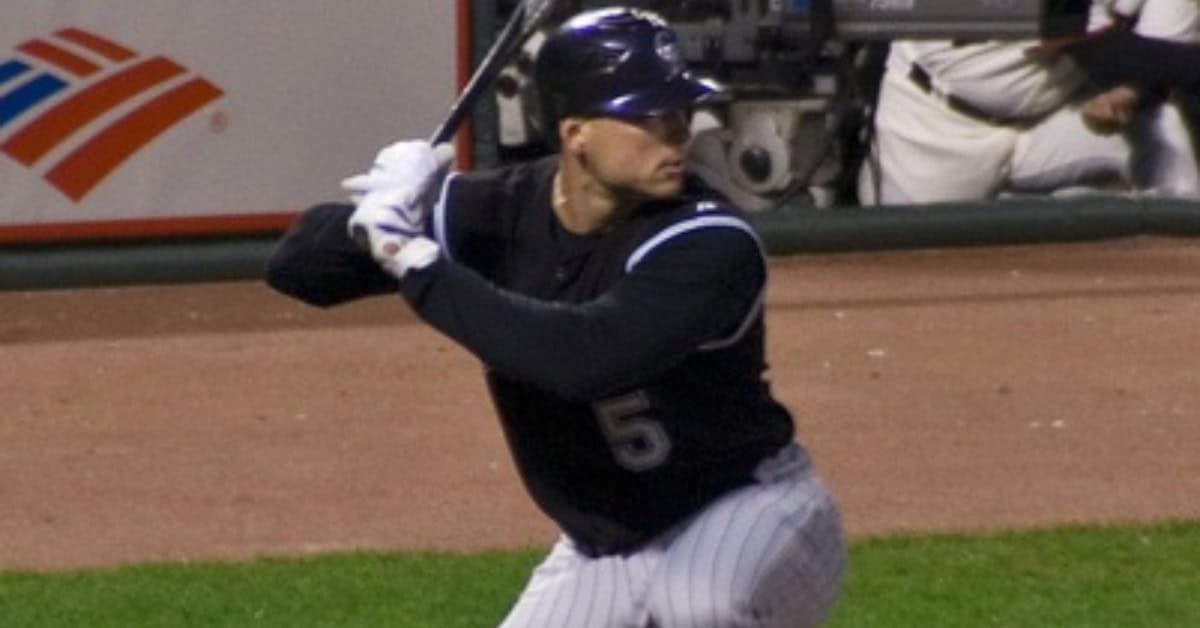
Matt Holliday’s 2007 season was pure Rocky Mountain magic—36 home runs, 137 RBIs, and a batting title that carried Colorado to its first World Series appearance. His line-drive swing was perfectly suited for Coors Field’s thin air, yet critics always wondered how much of his success was altitude and how much was talent. Sometimes playing in paradise means your accomplishments get an asterisk, fair or not.
Carlos Lee: El Caballo’s Consistent Excellence Nobody Remembers
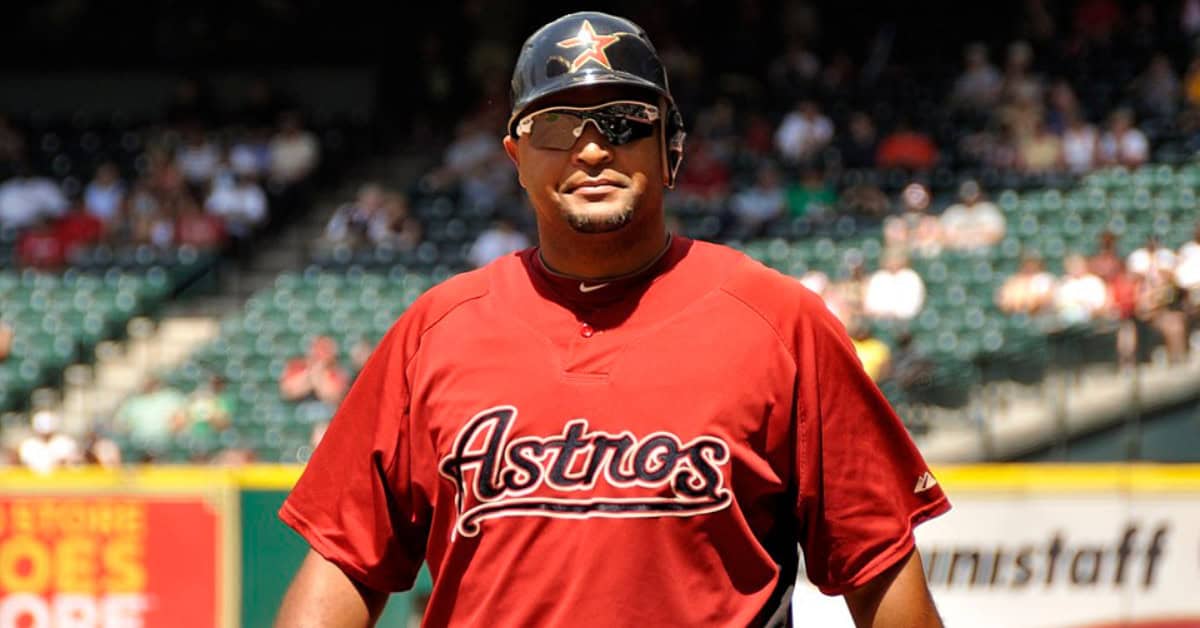
Carlos Lee was the definition of consistent excellence, driving in 100 runs seven times and hitting 30 home runs six times without ever making headlines or demanding attention. His professional approach and clutch hitting made him one of the most reliable run producers of his era, yet his quiet demeanor meant he was always overshadowed by flashier stars. Sometimes being consistently great isn’t enough when great isn’t spectacular.
Manny Ramirez: Manny Being Manny Until Manny Became a Problem
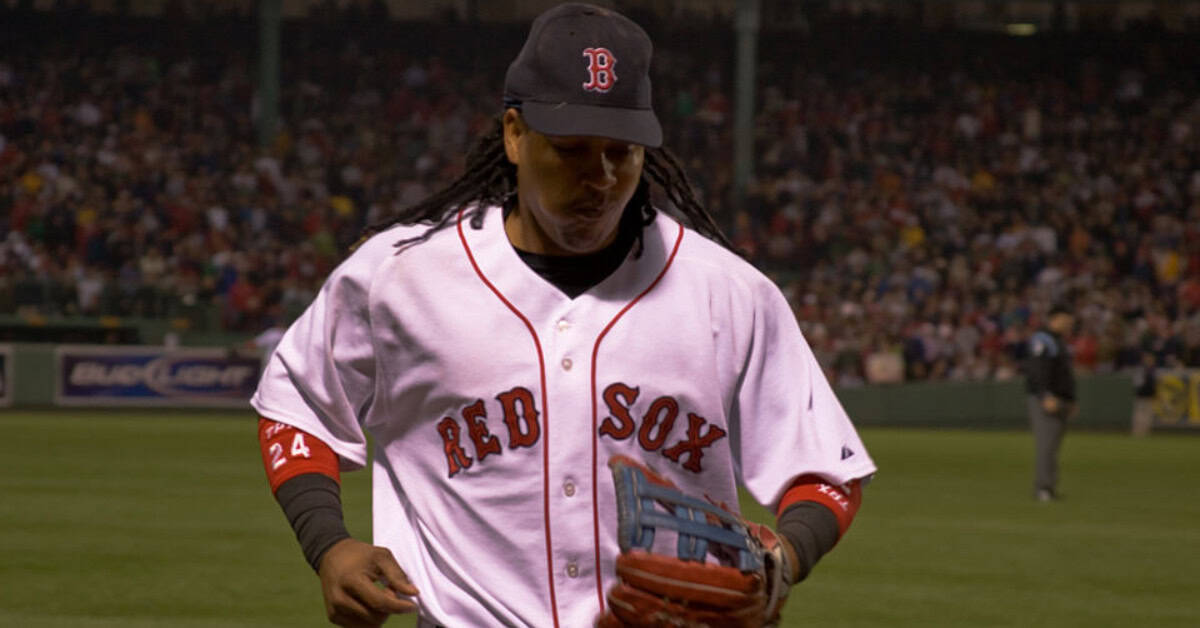
Manny Ramirez had one of the purest right-handed swings in baseball history, a natural hitter who made his 555 home runs look effortless and October magic look routine. His eccentric personality and clutch postseason performances made him a Boston legend until PED suspensions tainted his legacy and closed Cooperstown’s doors. Sometimes being yourself is exactly what makes you great—and exactly what destroys you.
Barry Bonds: The Home Run King Whose Crown Came with Asterisks
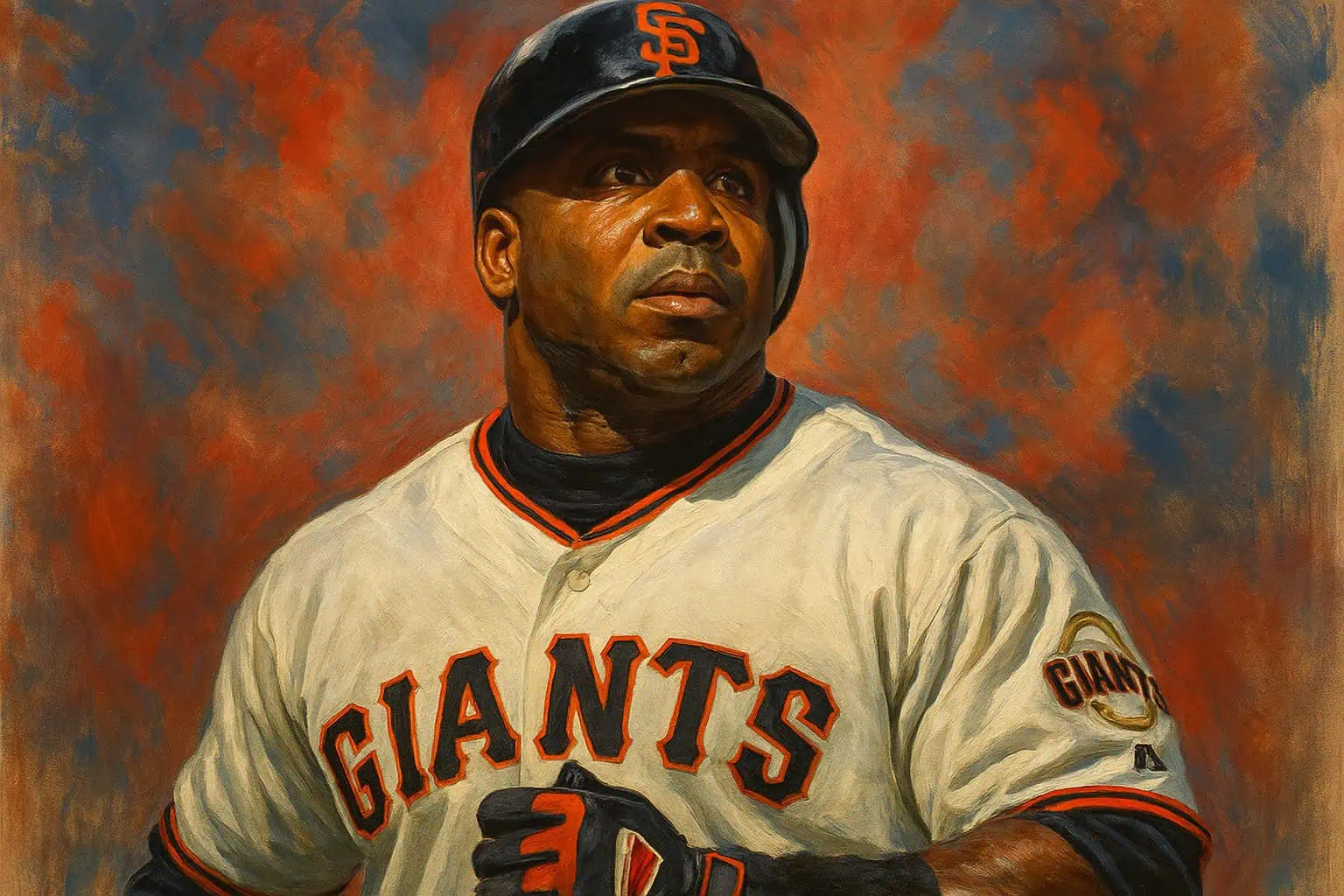
Barry Bonds is baseball’s home run king, a seven-time MVP who revolutionized the game with his combination of power, patience, and pure hitting ability. His 762 home runs and record 73 in a single season should have made him a first-ballot Hall of Famer, yet steroid allegations and a prickly personality kept him out of Cooperstown. Sometimes being the greatest player ever isn’t enough when your greatness is overshadowed by suspicion.
Pete Rose: Charlie Hustle’s Hit King Legacy That Betting Destroyed
Pete Rose embodied everything baseball claimed to value—hustle, determination, and an unquenchable desire to win that earned him 4,256 hits and three World Series championships. His headfirst slides and all-out effort made him Cincinnati’s favorite son, until gambling allegations destroyed his reputation and led to a lifetime ban, preventing his consideration for the Hall of Fame. Sometimes the thing that drives you to greatness is the same thing that brings you down.
Alfonso Soriano: The 40-40 Man Who Made Chicago Believe Again
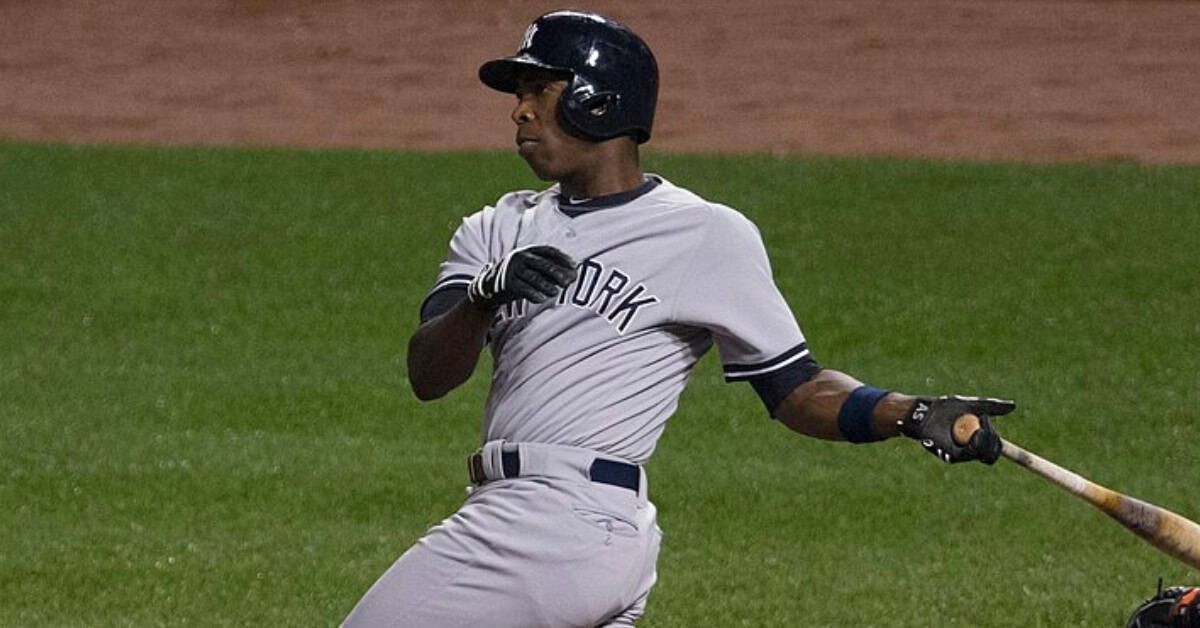
Alfonso Soriano’s 2006 season was pure magic—46 home runs and 41 stolen bases that made him just the fourth player in history to join the 40-40 club. His explosive speed and surprising power transformed him from second baseman to left field star, giving Washington and later Chicago a dynamic force who could change games with one swing. Sometimes reinventing yourself is the key to greatness, even if that greatness comes in unexpected packages.
Raul Ibanez: The Ageless Wonder Who Found Power After 30
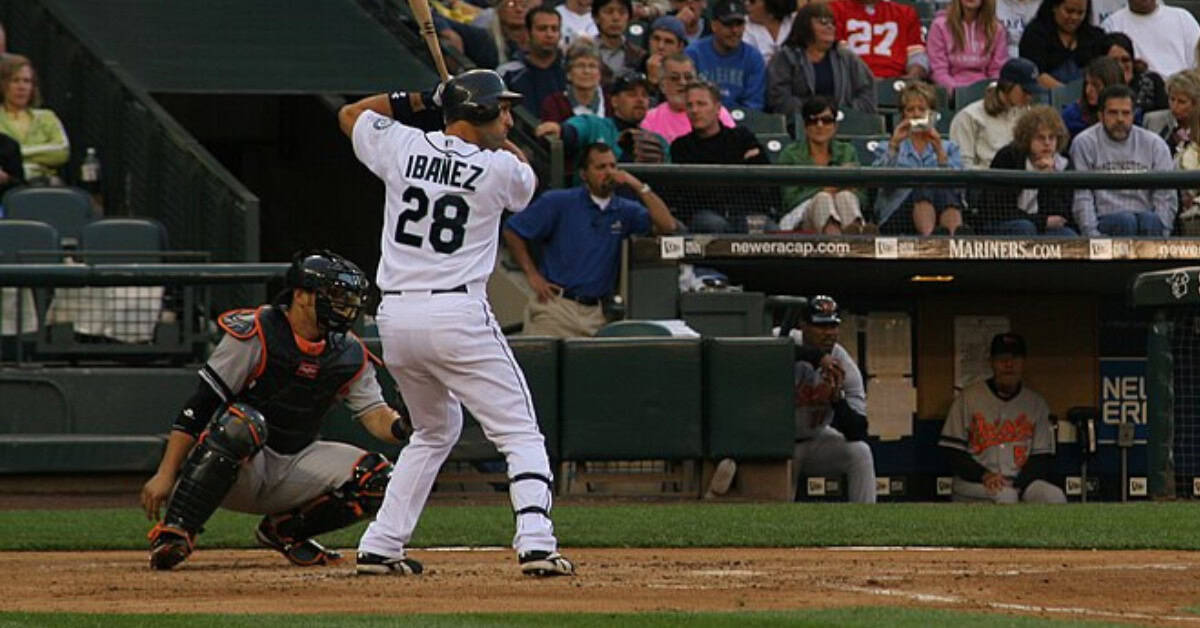
Raul Ibanez was baseball’s ultimate late bloomer, a journeyman who didn’t hit his first 30-home run season until age 34 and kept mashing well into his 40s. His clutch postseason heroics and professional approach made him a fan favorite wherever he played, proving that sometimes the best stories are about persistence rather than prodigy. When talent meets determination and refuses to quit, magic can happen at any age.
Ryan Braun: Milwaukee’s Golden Boy Whose Shine Got Tarnished

Ryan Braun was supposed to be Milwaukee’s savior, a charismatic slugger whose Rookie of the Year and MVP awards gave the small-market Brewers a legitimate superstar for the first time in decades. His smooth swing and clutch hitting made him the face of the franchise, until PED allegations and a suspension destroyed his reputation and Hall of Fame chances. Sometimes the brightest stars burn out the fastest, leaving only the memory of what might have been.