

Last Updated: June 17th, 2026 by Michael Schatz
Remember when baseball cards came with that powdery pink gum that tasted like sweetened cardboard? Back then, pulling a rookie card felt like striking gold—especially if that fresh-faced kid went on to become a legend. These 12 Rookie of the Year winners didn’t just have promising debuts; they transformed into the superstars who defined America’s pastime for generations.
Don't lose this article. Enter your email below, and I'll send it to you right now. Plus, we'll send you other unbelievable stories from baseball's past.
Jackie Robinson (1947) – The Pioneer Who Changed Everything
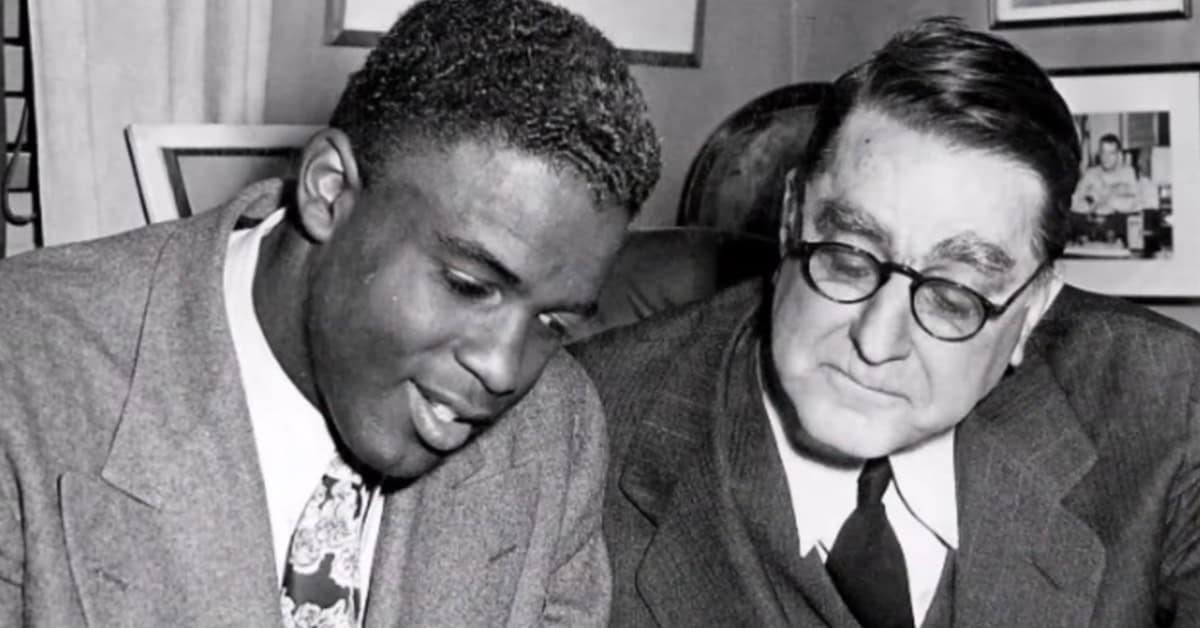
Before Jackie Robinson stepped onto Ebbets Field that April afternoon in 1947, baseball was as segregated as water fountains in the South. The 28-year-old infielder didn’t just win the inaugural Rookie of the Year Award with his .297 average and 125 runs scored—he shattered a barrier that had stood for over 60 years. Robinson’s courage under pressure, sliding spikes-first into bases while enduring racial slurs from the stands, transformed him from rookie sensation into American icon, proving that talent transcends color lines.
Willie Mays (1951) – The Say Hey Kid’s Legendary Launch
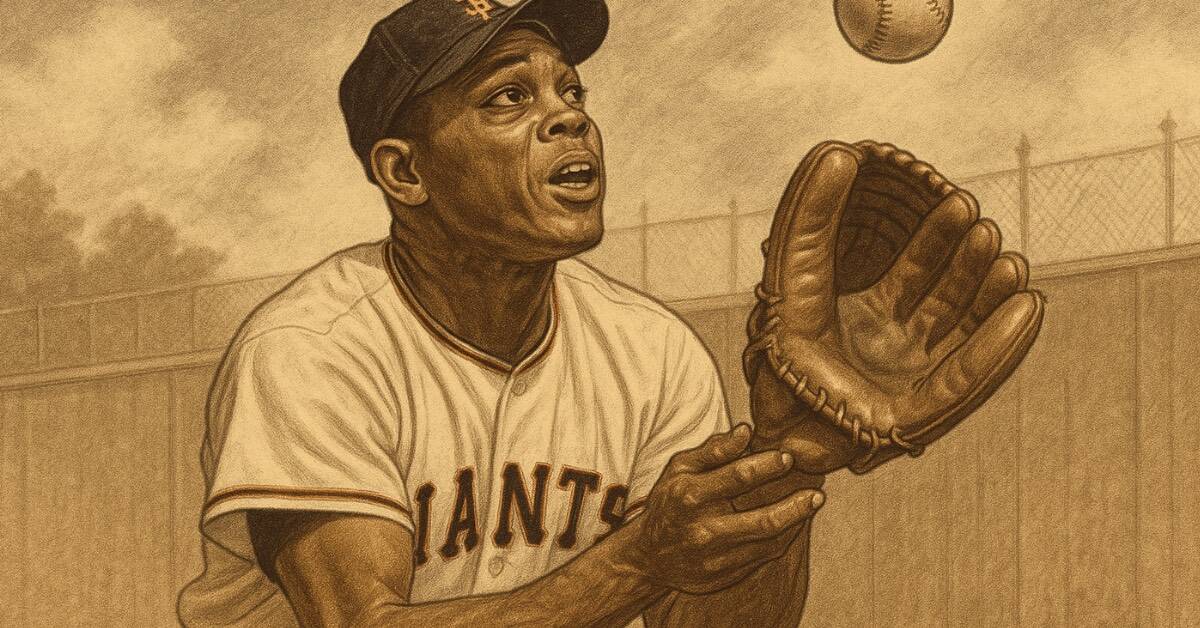
Willie Mays arrived in New York like a tornado in cleats, earning Rookie of the Year honors in 1951 with 20 home runs and that infectious “Say Hey!” greeting that became his trademark. The Alabama native’s rookie season was just the appetizer to a 23-year feast of baseball excellence that included 660 home runs, 24 All-Star selections, and “The Catch” at the Polo Grounds that still gives old-timers goosebumps. Mays didn’t just play center field—he owned it, patrolling the outfield with the grace of a ballet dancer and the instincts of a hunting dog.
Frank Robinson (1956) – Triple Crown Power Personified
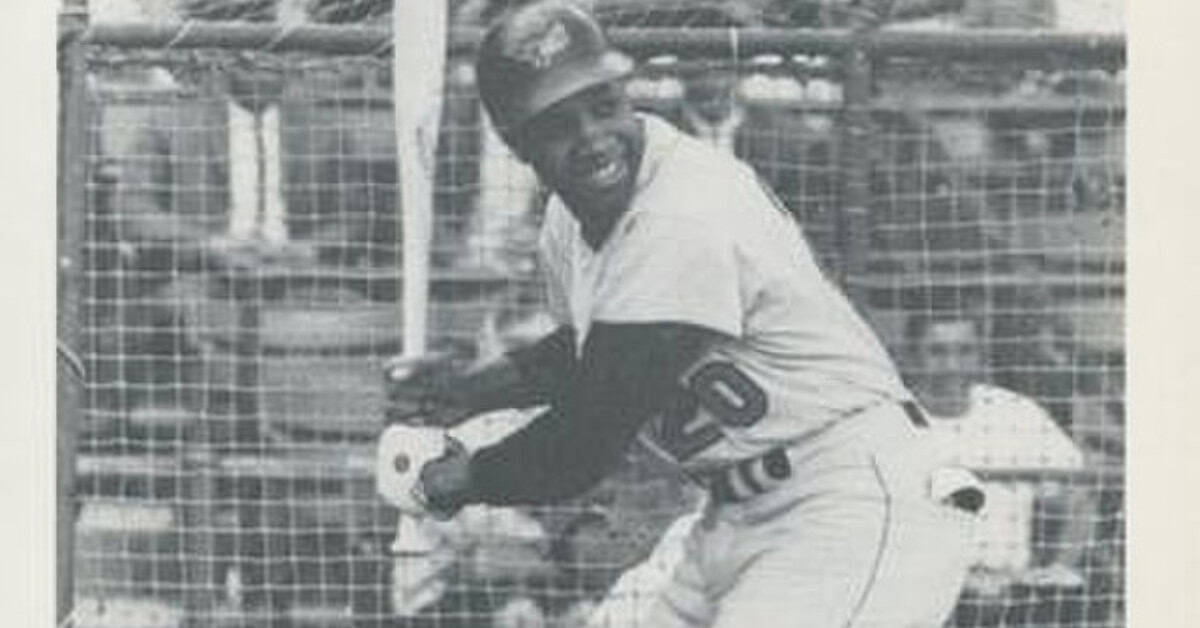
Frank Robinson’s 1956 rookie season with Cincinnati was like watching a demolition expert at work—38 home runs and 83 RBIs that announced the arrival of pure power. The future Hall of Famer’s rookie campaign was merely the opening act to a career that would make him the first player to win MVP awards in both leagues and later become baseball’s first Black manager. Robinson’s aggressive style at the plate, crowding home plate like he owned it, earned him a reputation as the most feared hitter of his generation and 586 career home runs that still echo in baseball lore.
Orlando Cepeda (1958) – The Baby Bull’s Explosive Debut
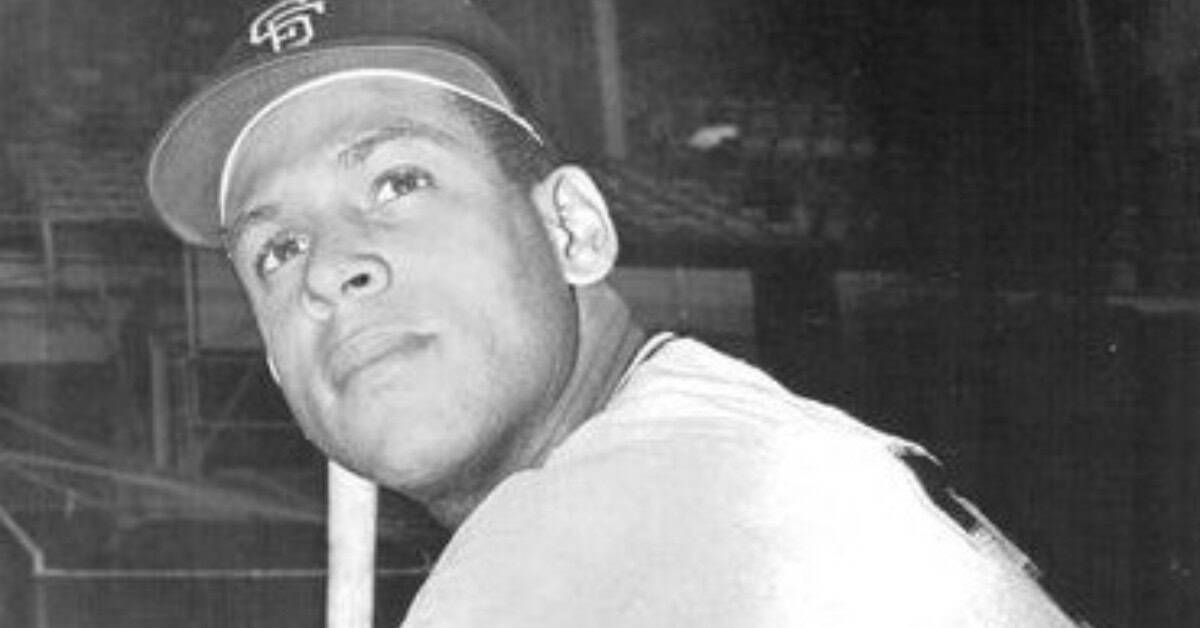
Orlando Cepeda burst onto the scene in 1958 like a Caribbean hurricane, earning Rookie of the Year honors with 25 home runs and 96 RBIs for the newly relocated San Francisco Giants. The Puerto Rican slugger, nicknamed “The Baby Bull” for his powerful build and aggressive hitting style, powerfully backed up his Rookie of the Year honors by later earning an MVP award in 1967, cementing his superstar status. Cepeda’s smooth swing and infectious smile made him a fan favorite at Candlestick Park, where the fog couldn’t cool his hot bat that would eventually produce 379 career home runs and a well-deserved Hall of Fame plaque.
Willie McCovey (1959) – Stretch’s Towering First Act
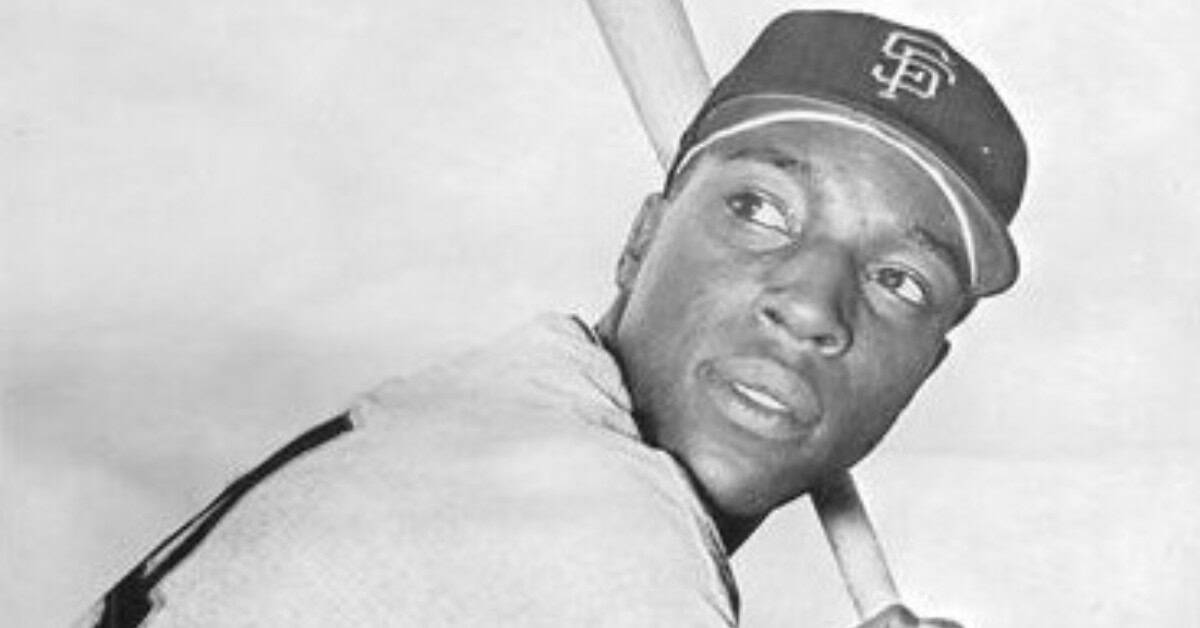
Willie McCovey’s 1959 rookie season was like watching Paul Bunyan swing a baseball bat—13 home runs in just 52 games that left pitchers shaking their heads and fans reaching for their calculators. The 6’4″ first baseman, nicknamed “Stretch” for obvious reasons, terrorized National League pitching with a left-handed swing so pure it belonged in an art museum. McCovey’s rookie campaign was just the beginning of a Hall of Fame career that would include 521 home runs, many of them towering shots that seemed to defy gravity and left opposing pitchers wondering if they should just intentionally walk him every at-bat.
Pete Rose (1963) – Charlie Hustle’s Relentless Beginning
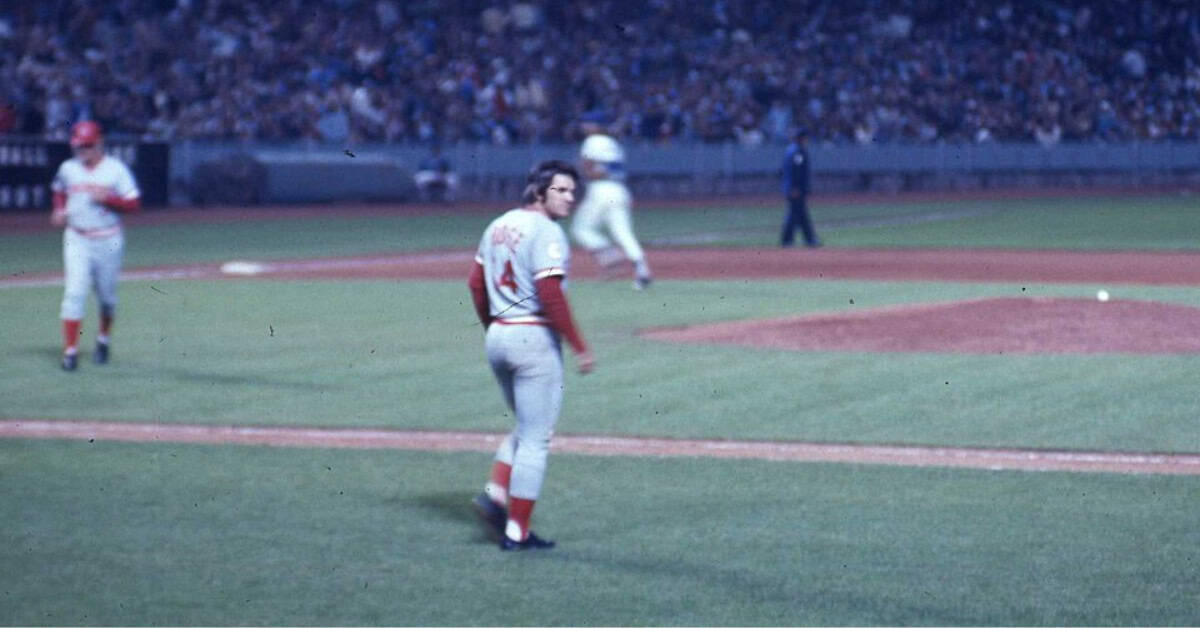
Pete Rose’s 1963 Rookie of the Year season was like watching a caffeinated squirrel play baseball—170 hits, a .273 average, and enough hustle to power a small city. The Cincinnati native earned his “Charlie Hustle” nickname by sprinting to first base on walks, diving headfirst into bases like his life depended on it, and playing every game like Game 7 of the World Series. Rose’s relentless style and crew-cut determination would eventually lead him to 4,256 career hits, a record that still stands as a monument to pure, unadulterated baseball obsession.
Tom Seaver (1967) – Tom Terrific’s Mets Miracle
Tom Seaver’s 1967 rookie season was like watching Michelangelo paint with a baseball—16 wins and a 2.76 ERA that transformed the laughingstock New York Mets into believers. “Tom Terrific” arrived in Queens with a fastball that hummed like a tuning fork and a slider that broke like a promise from a used car salesman. Seaver’s textbook mechanics and fierce competitiveness would eventually lead the Miracle Mets to their improbable 1969 World Series championship, while his 311 career wins and three Cy Young Awards cemented his status as the greatest pitcher in franchise history.
Johnny Bench (1968) – The Greatest Catcher’s Golden Glove
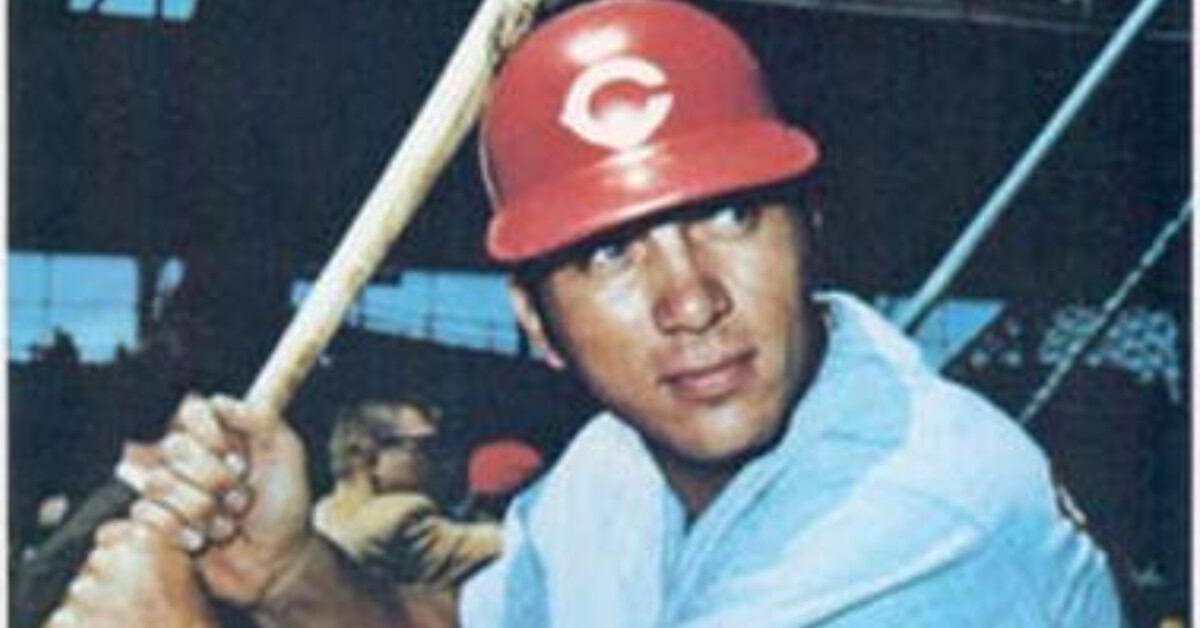
Johnny Bench’s 1968 Rookie of the Year season was like watching a master locksmith work—15 home runs and defensive skills so smooth they made other catchers look like they were wearing oven mitts. The Oklahoma native revolutionized the catching position with his cannon arm that could nail runners from his knees and his ability to call a game like a chess grandmaster. Bench’s combination of power hitting (389 career home runs) and defensive wizardry (10 Gold Gloves) made him the cornerstone of Cincinnati’s Big Red Machine and the gold standard by which all catchers are still measured.
Carlton Fisk (1972) – Pudge’s New England Perfection

Carlton Fisk’s 1972 Rookie of the Year season was like watching a Vermont craftsman perfect his trade—22 home runs and 61 RBIs that announced the arrival of New England grit behind the plate. “Pudge” combined the work ethic of a lobster fisherman with the power of a nor’easter, becoming the heart and soul of Red Sox Nation. Fisk’s legendary Game 6 home run in the 1975 World Series, where he waved the ball fair like he was directing traffic in downtown Boston, remains one of baseball’s most iconic moments and perfectly captured his passionate approach to the game.
Andre Dawson (1977) – The Hawk’s Olympic Stadium Soaring
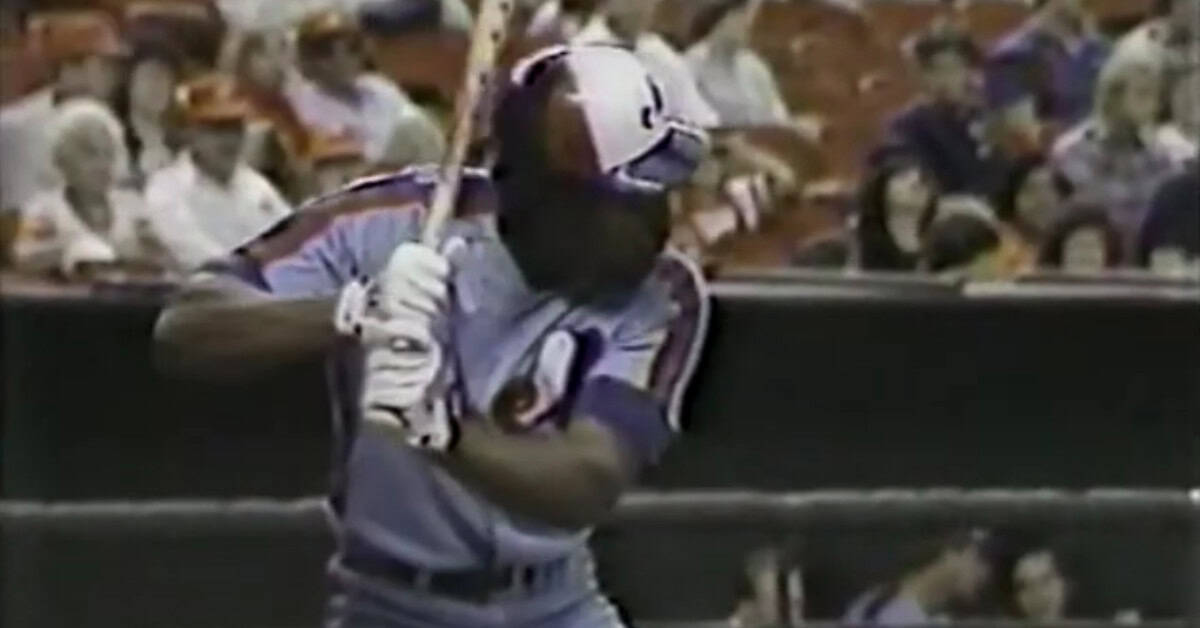
Andre Dawson’s 1977 Rookie of the Year season was like watching a bird of prey hunt in Montreal’s Olympic Stadium—19 home runs and 65 RBIs that showcased the perfect combination of power and grace. “The Hawk” patrolled the artificial turf of Olympic Stadium with the elegance of his namesake, despite the toll that unforgiving surface took on his knees throughout his career. Dawson’s 438 career home runs and eight Gold Gloves proved that true greatness can soar even in the most challenging conditions, making him a beloved figure in both Montreal and Chicago where fans still remember his majestic presence in the outfield.
Cal Ripken Jr. (1982) – The Iron Man’s Ironclad Start

Cal Ripken Jr.’s 1982 Rookie of the Year season was like watching a Swiss watch tick—28 home runs, 93 RBIs, and the beginning of baseball’s most reliable streak. The Baltimore native redefined what it meant to be a shortstop, bringing power hitting to a position traditionally reserved for slick-fielding singles hitters. Ripken’s legendary consecutive games streak of 2,632 games earned him the nickname “The Iron Man” and proved that showing up every day, rain or shine, hangover or heartbreak, was the ultimate sign of respect for the game and the fans who paid to watch it.
Derek Jeter (1996) – The Captain’s Championship Beginning

Derek Jeter’s 1996 Rookie of the Year season was like watching destiny unfold in pinstripes—a .314 average and clutch hitting that helped deliver the Yankees’ first World Series championship since 1978. The Michigan native possessed that indefinable “it” factor that made ordinary plays look effortless and impossible plays seem routine, earning him the captain’s “C” and the hearts of Yankee fans everywhere. Jeter’s five World Series rings and 3,465 career hits proved that some rookies don’t just promise greatness—they deliver it with the consistency of the subway running through the Bronx, making every game feel like October magic.