
Last Updated: October 1st, 2026 by Shaiel Ben-Ephraim
It used to be simple: if you were good enough and legendary enough, you belonged in the Hall of Fame. But things started to get complicated. It turned into a referendum on morality, honor, character, popularity, even politics.
Don't lose this article. Enter your email below, and I'll send it to you right now. Plus, we'll send you other unbelievable stories from baseball's past.
And today a lot of people who statistically and in terms of their fame should be there, or not. So it becomes a question of so much more than who you are as a baseball player; it's about who you are as a person.
And we have to ask the question: what is the Hall of Fame about? What is it there to honor? And it doesn't necessarily feel like Cooperstown has good answers to that.
Let's see who the best players are and the most obvious ones they overlooked.
20. Dwight Evans’s Right Field Artistry That Made Fenway Sing
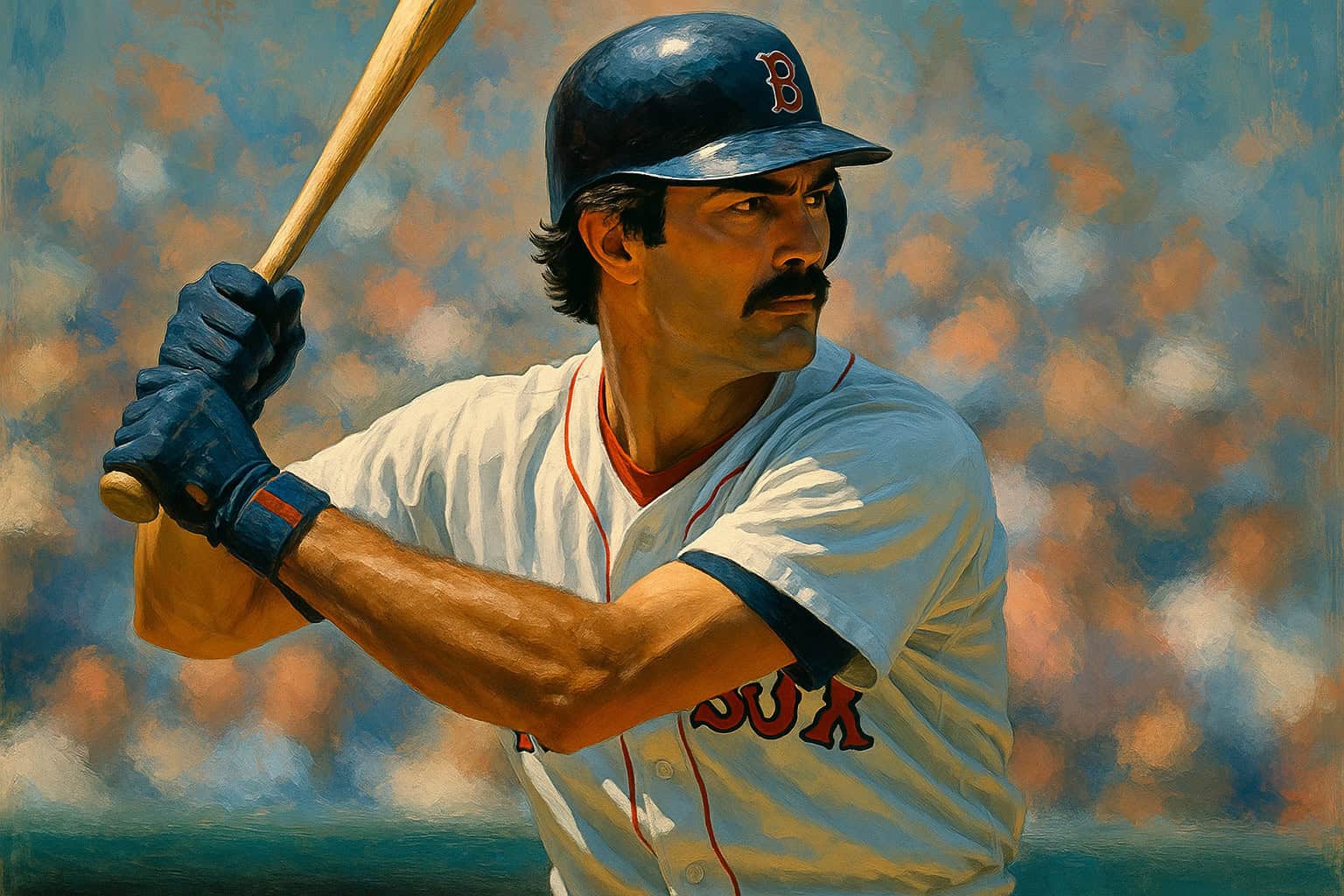
Dwight Evans has the numbers that a Hall of Famer needs, but his career was complicated; it's been held against him. He had 67 WAR for his career, eight Golden Gloves, 385 home runs, and an OPS plus of 127, that's pretty darn good, and a .370 on base percentage, which came from leading the American League and walks three times. '81, he led the league in homers.
Now, what you probably don't know is that Dwight Evans hit more homers in the '80s than any player in baseball, more than Schmidt, more than Murphy, more than Murray. So why is he out? In his first season, he was a .250 hitter with a spectacular glove, and that's how he was pigeonholed.
But at 29, his swing was rebuilt, and he became one of the best hitters in the American League and stayed that way for a good nine years. But the opinions about him had already hardened.
Maybe the greatest moment for him is Game 6 of the '75 World Series. 11th inning, tie game, man on first, Morgan drove one right at him in the right-field corner. Evans runs it down over his shoulder and doubles Ken Griffey off first base to end the inning.
Sparky Anderson, who'd seen a lot, said it was the greatest catch he'd ever seen. Now he could still get it.
Three years on the writers' ballot, he peaked at 10.4 and was gone by '99, but in 2019 the Modern Baseball Era Committee gave him eight of 16 votes. It's the strongest showing of anyone not elected that day. He's not really forgotten; he's just stuck.
And I think a re-examination with the numbers that he has should see him in there. There's really no reason not to put him in; he has those numbers.
| Dwight Evans — Career | Total |
|---|---|
| G | 2606 |
| AB | 8996 |
| H | 2446 |
| HR | 385 |
| RBI | 1384 |
| SB | 78 |
| AVG | .272 |
| OBP | .370 |
| SLG | .470 |
| OPS | .840 |
| All-Star selections | 3 |
| Gold Gloves | 8 |
| Silver Sluggers | 2 |
19. Bill Freehan’s Tiger Pride That Anchored a Championship
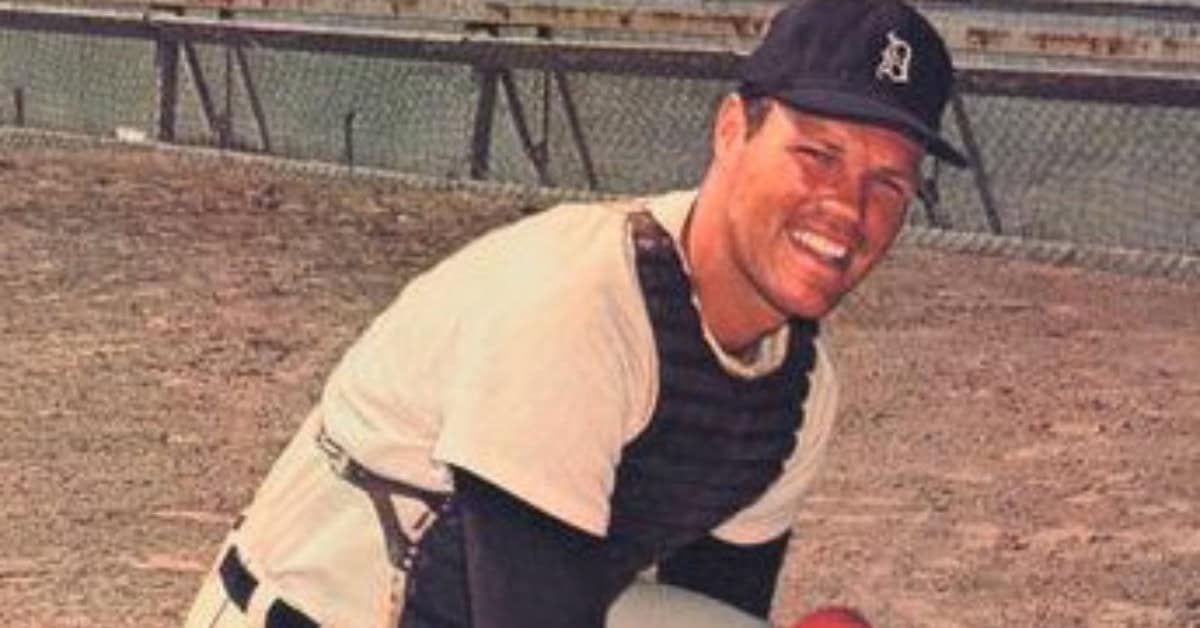
He's not remembered as you should be, but Bill Freehan was one of the best catchers of his generation. 11 All-Star selections- that means he was an All-Star catcher for 10 years in a row from 64 to 73, once more in 75; that's Yogi Berra, Johnny Bench territory. Five straight Gold Gloves, 112 OPS plus, could also hit 200 home runs, 45 career WAR, all for Detroit.
In 68, that's his great year: he had 25 homers, finished second in the MVP vote too, of course, Denny McLain; he caught every inning that McLain threw on his way to 31 wins.
And in the '68 game 5 of the World Series, Detroit was down three games to one, facing elimination. Lou Brock doubled, and he tried to score standing up rather than slide; at that time, he was the fastest man in the game. Freehan blocked the plate, took the throw, and tagged him out; Detroit won the game.
An absolutely legendary moment that every Tigers fan alive at that time can still see in their minds.
Now, when Freehan was on the ballot in 82, he only got two votes, half of 1%, and he was gone. And there is a precedent for someone like that coming back and getting in. Ted Simmons, another great overlooked catcher of that era, got 3.7 in his one year on the ballot, and in 94 he was put back in Cooperstown.
With that kind of record, he deserves another.
| Bill Freehan — Career | Total |
|---|---|
| G | 1774 |
| AB | 6073 |
| H | 1591 |
| HR | 200 |
| RBI | 758 |
| SB | 24 |
| AVG | .262 |
| OBP | .340 |
| SLG | .412 |
| OPS | .752 |
| All-Star selections | 11 |
| Gold Gloves | 5 |
| World Series titles | 1 |
18. Steve Garvey’s Iron Man Streak That Built Dodger Blue
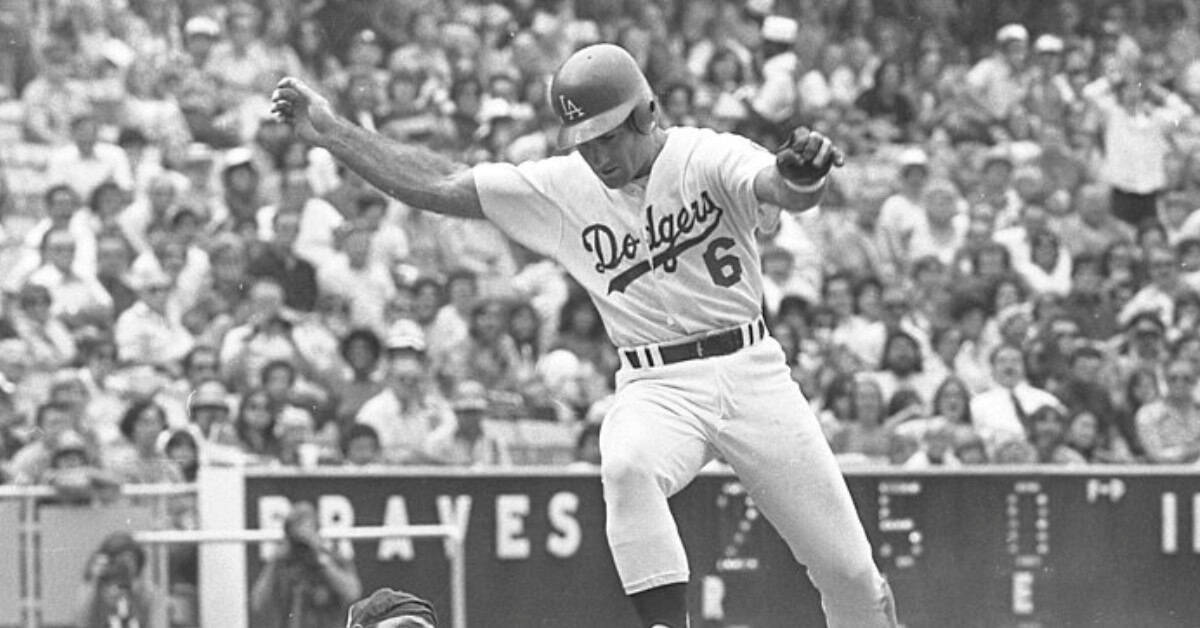
Steve Garvey was a huge star when he was playing, and he had 1,27 consecutive games, so he was like the National League Iron Man; that's the record for that league. It ended in 83 because he dislocated his thumb in a collision at home plate.
In '74 he was the MVP; he won 10 All-Star appearances, four Gold Gloves at first base, and a ring in 81. He was so beloved; this is the best story about that: in 74 he wasn't even on the All-Star ballot, but so many fans wrote his name in by hand that he started the game, won the All-Star Game MVP, and won the National League MVP. And in October he was great too: 338 and 55 postseason games.
So why wasn't he in the Hall of Fame? His WAR was awful: 38 career WAR, and that's because of his very low. 329 on-base percentage; he drew very few walks.
He also had a weak throwing arm, so the modern fielding numbers don't look good for him either.
And he was Mr. Clean; he had those beautiful forearms, the Dodgers superstar marriages that got written up in magazines, but in 89 it'll start to come apart. There were paternity revelations with two women during and around his engagement to a third wife, a tabloid cycle, ex-wife memoirs, bumper stickers in San Diego reading Steve Garvey is not my Padre. When he hit the Hall of Fame ballot 4 years later, his reputation was tarnished; his numbers didn't look particularly impressive.
And the last thing he was famous for was running for the United States Senate in California in 2024 and losing to Adam Schiff. But with those numbers I don't think the Hall of Fame is beckoning.
| Steve Garvey — Career | Total |
|---|---|
| G | 2332 |
| AB | 8835 |
| H | 2599 |
| HR | 272 |
| RBI | 1308 |
| SB | 83 |
| AVG | .294 |
| OBP | .329 |
| SLG | .446 |
| OPS | .775 |
| MVP | 1 |
| All-Star selections | 10 |
| Gold Gloves | 4 |
| World Series titles | 1 |
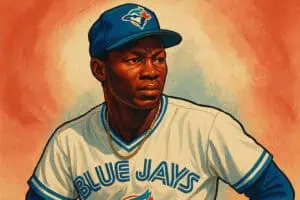
17. Kenny Lofton’s Speed That Made Center Field Look Easy
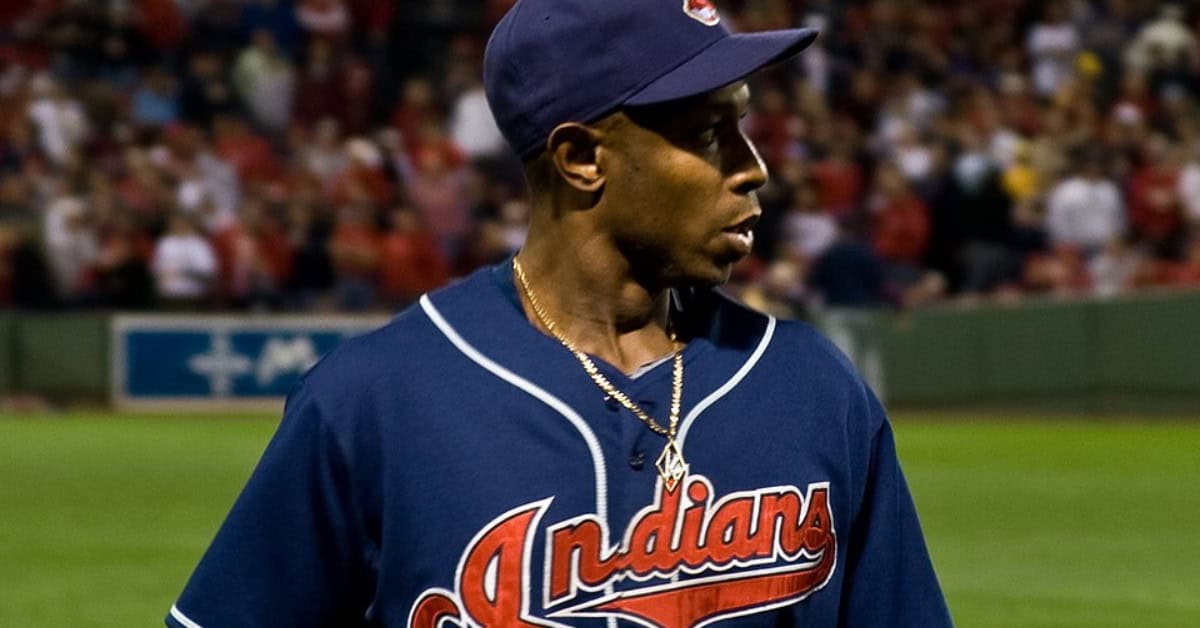
With Kenny Lofton, the numbers are there. He has the war that you need: 68.4 career, more than Andrew Jones, who was just elected in January; more than Vladimir Guerrero; more than Kirby Puckett, Jim Rice, and a lot of other people. And he's way over the line.
He has 622 stolen bases, 15th all time, led the American League in steals five straight years, four Gold Gloves, six All-Star teams, a .299 average, 2,428 hits, and a .372 on-base percentage.
He wasn't just a slap-hitting speed guy. He got on base like a leadoff man is supposed to. He hit the ballot in 2013, and it was the single worst year in the history of the whole game to just be a good candidate, not an excellent one.
You had Bonds, Clemens, Piazza, Bagwell, Biggio, Sosa, Schilling, Raines, Trammell, Edgar Martinez, McGriff, and Larry Walker. Voters got 10 slots. The writers elected nobody that year.
Lofton got 18 votes (3.2%) and was off the ballot forever after one year.
A lot of the other people were stuck in that traffic jam and got in because they survived to a second year. Lofton didn't, and no era committee picked him up since. And that is really unfair.
Not only did he have speed and defense, but he also had enough offense. And we think he needs another chance, and soon.
| Kenny Lofton — Career | Total |
|---|---|
| G | 2103 |
| AB | 8120 |
| H | 2428 |
| HR | 130 |
| RBI | 781 |
| SB | 622 |
| AVG | .299 |
| OBP | .372 |
| SLG | .423 |
| OPS | .795 |
| All-Star selections | 6 |
| Gold Gloves | 4 |
16. Thurman Munson’s Grit That Defined Yankee Pride
Thurman Munson's case is really tragic because it's so obvious that he would have been there if he had just lived a little bit longer than he did. We're talking about the 1970 Rookie of the Year, 76 American League MVP, the first Yankee to win one since Manvel, three Golden Gloves, seven All-Star selections, and from 75 to 77 he was offensive excellence personified, hitting 300 with 100 RBIs 3 years in a row, the only catcher ever to do that.
And his career ended up being pretty impressive with 292-13 homers.
The trouble is 46 WAR in 11 seasons. Now that's low, but not low for a catcher. Hall of Fame catchers average around 54, so he was almost there.
Munson was still improving when he died at 32. He has a really strong case if you just take into account what happened to him, not to mention that his postseason career batting average is. 357, including a 9-for-16, that's.
529 for those counting, in the 1976 World Series. The Yankees lost that in the sweep, but certainly not because of Munson, was the best hitter on either side.
And he spent his whole career trying to compete with Johnny Bench. And Sparky Anderson once said, with Munson sitting a few feet away, " Don't ever embarrass anybody by comparing them to Johnny Bench, but honestly, in retrospect, he holds up. He passed away when he got his pilot's license so he could fly home to Canton on off days and see his three kids, and he never stepped out of the plane when he was practicing his takeoffs and landings.
When the Yankees played four days later, they took the field with nobody behind home plate, and 51,000 people stood and applauded him for 9 minutes. And they waived the waiting period for him, but he only got 15.5%, and we don't know if he's going to be considered again, but he could be in December 2027 when eight names make it for the classic baseball era ballot. I, for one, hope he's on it.
| Thurman Munson — Career | Total |
|---|---|
| G | 1423 |
| AB | 5344 |
| H | 1558 |
| HR | 113 |
| RBI | 701 |
| SB | 48 |
| AVG | .292 |
| OBP | .346 |
| SLG | .410 |
| OPS | .756 |
| MVP | 1 |
| All-Star selections | 7 |
| Gold Gloves | 3 |
| World Series titles | 2 |
| Rookie of the Year | 1 |
15. Albert Belle’s Intimidating Presence That Terrified Everyone
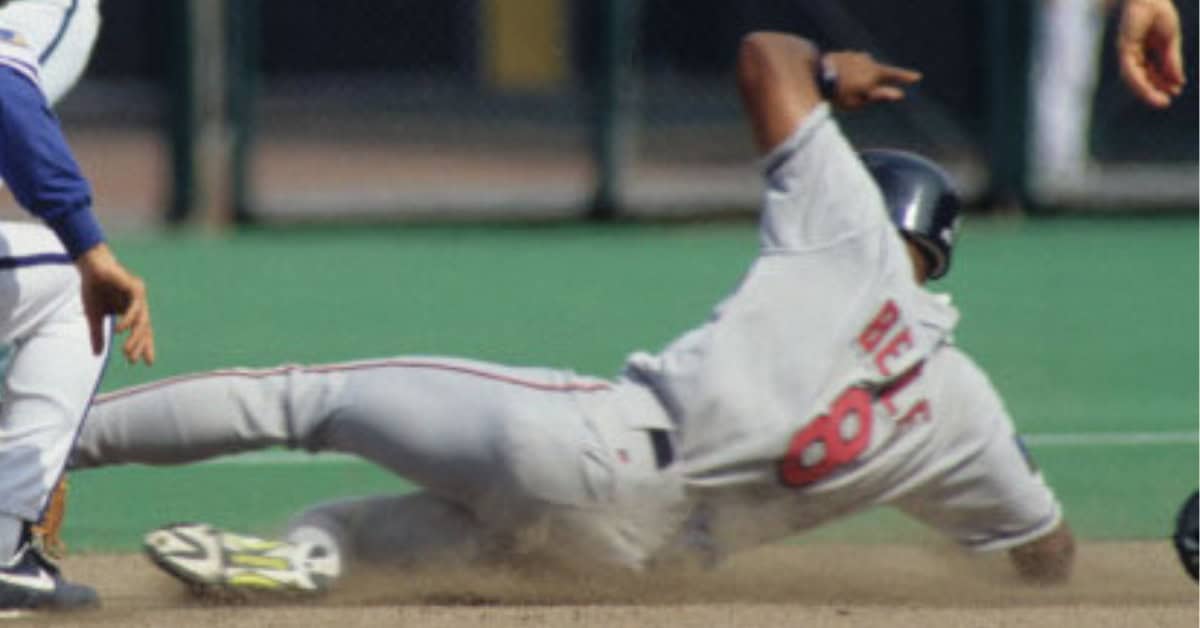
Albert Belle was one of the most fearsome hitters in the game. In 95, he had 50 homers and 52 doubles; no one's ever done those two things in the same season. At his peak, for nine seasons from 92 to 2000, he hit 48 homers and 148 RBIs in 96, 49 with 152 RBIs in 90, and he ended up with a sensational OPS+ of 143, around the same as Willie McCovey and Willie Stargell.
He was incredibly disliked by reporters, and it hurt him a lot. In 95, he was definitely the main candidate for the MVP.
He led the league in homers, RBIs, runs, doubles, slugging, total bases, and OPS- just demolished everything in seven categories- and finished second to Vaughn, who hit 39 homers, the same RBI total, and a .300 average. There's really no reason for Vaughn to win except that he was better liked than Belle.
Now this is probably not the main reason that he's out of Cooperstown, but it didn't help. The main problem is he has 40 WAR, and that's because of the degenerative hip that really just got him out of baseball at age 34 in 2001. There wasn't even really a decline; he was just gone.
There are a lot of stories about him and why his personality was somewhat disliked, like, for example, the time he threw a baseball into the stands to hit a heckler in the chest, quite successfully. He destroyed the thermostat so that no one would change it from the 60 degrees that he liked. But maybe the funniest story is that in 94 the umpires confiscated his bat on suspicion of cork.
Jason Grimsley, who was a Cleveland pitcher, crawled through the stadium ceiling and dropped into the umpire's room, swapped the clean bat, and managed to get out. He was caught because the replacement was a Paul Sorrento model and Belle's name wasn't on it. And the reason he couldn't grab one of Belle's own bats is that every single bat in the locker room at that time was corked.
| Albert Belle — Career | Total |
|---|---|
| G | 1539 |
| AB | 5853 |
| H | 1726 |
| HR | 381 |
| RBI | 1239 |
| SB | 88 |
| AVG | .295 |
| OBP | .369 |
| SLG | .564 |
| OPS | .933 |
| All-Star selections | 5 |
| Silver Sluggers | 5 |
14. Fred Lynn’s 1975 Rookie Season That Redefined Perfection
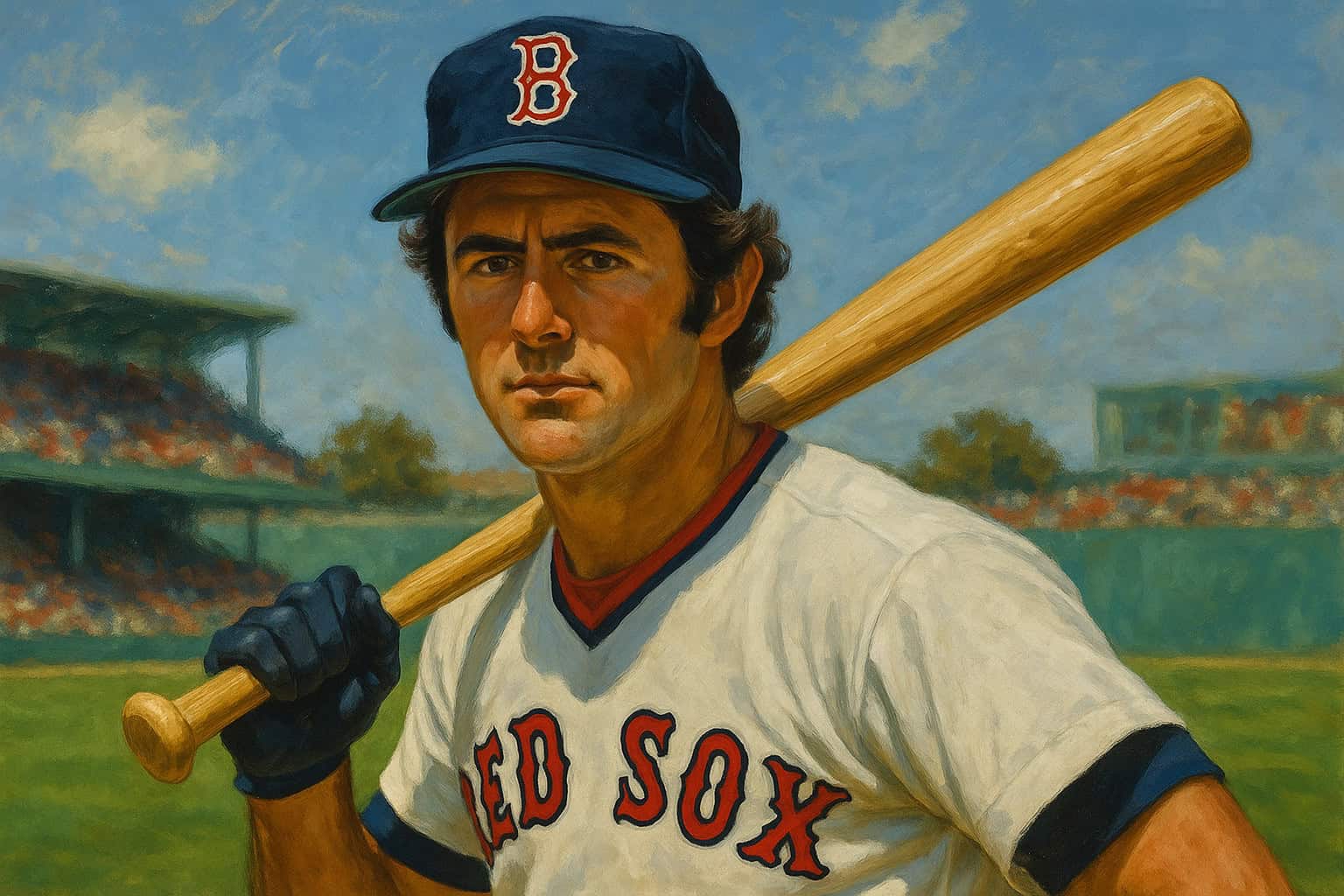
Fred Lynn's rookie year was absolute perfection, but I guess there's a limit to how far that goes. The '75 season: .331, 21 homers, 105 RBIs. He was the first player in history to win Rookie of the Year and MVP in the same season.
It's your world, did it again. And on June 18th at Tiger Stadium, he had three homers, a triple, 10 RBIs, and 16 total bases as a rookie in June.
Now that wasn't his best year. People forget that '79 was actually technically better. He had .333 to lead the league, 39 homers, 122 RBIs.
That's a better season, the MVP one, but not quite as memorable. He was also incredible in All-Star games, hitting .388 with four homers, including the only Grand Slam ever hit in one.
That's a lot of credentials, but the reason he's not in is because of injuries. He played the outfield wall like it wasn't there. He kept hitting it.
That ended up catching up with him. He topped 150 games only twice in 17 years. As a result, that's why he only had 306 homers and 50 WAR, below Dale Murphy, below Will Clark.
There's another reason he's taking this seriously. Maybe he should be: 347 hitting at Fenway Park but 264 everywhere else, and with the left-handed swing built for the wall, that's where Hall of Fame voters start to wonder. He was never above single digits with the writers' ballot.
And in the end, we can see why.
| Fred Lynn — Career | Total |
|---|---|
| G | 1969 |
| AB | 6925 |
| H | 1960 |
| HR | 306 |
| RBI | 1111 |
| SB | 72 |
| AVG | .283 |
| OBP | .360 |
| SLG | .484 |
| OPS | .844 |
| MVP | 1 |
| All-Star selections | 9 |
| Gold Gloves | 4 |
| Rookie of the Year | 1 |
13. Alex Rodriguez’s 696 Home Runs That Couldn’t Buy Redemption
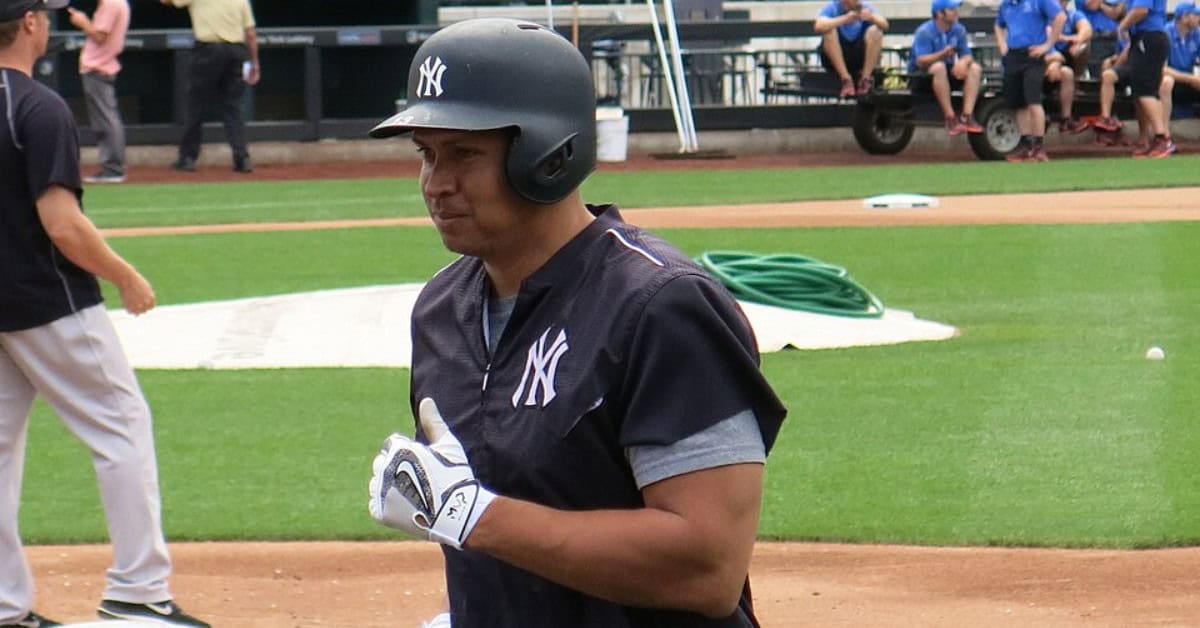
A-Rod is the best power-hitting shortstop. 696 homers, 2086 RBIs- that's fourth all-time, by the way- $329 stolen bases, 3 MVPs, 14 All-Star teams, two Gold Gloves, 118 career Wars, one of the top position players in the history of the sport, even ahead of Mickey Mantle. Hardly anyone in Cooperstown has more than he does.
And he hit 57 homers while playing shortstop in 2002; no one's come even close to that.
He has credentials up the Wazoo but he also has a rap sheet against him like no one else. Most people have one story against them; A-Rod has two. In February 2009, Sports Illustrated reported that he was testing positive in 2003 and admitted to using steroids in Texas from 2001 to 2003.
He called it a mistake, and he apologized, but then in 2013 he was caught again and was suspended for $211 games; it was the longest drug suspension in the history of baseball. Not only was he caught, but he also confessed, promised it was over, and did it again.
That pattern makes it very difficult. And if that's not enough, he sued Major League Baseball, he sued his own players' union, he sued the Yankees team doctor, and that did a lot of damage, and that's why he pulls below Bonds and Clemens, and those two didn't have that same scorched-earth policy.
But there might be Redemption; he's climbing right now. He has 40% in the last election, which was his 50th year on the ballot; that's up from 37.1 the year before. He has five years left and needs to reach 75, which is very difficult to do, but because he's such a beloved announcer now, he might actually be able to do it.
So we'll be watching that closely.
| Alex Rodriguez — Career | Total |
|---|---|
| G | 2784 |
| AB | 10566 |
| H | 3115 |
| HR | 696 |
| RBI | 2086 |
| SB | 329 |
| AVG | .295 |
| OBP | .380 |
| SLG | .550 |
| OPS | .930 |
| MVP | 3 |
| All-Star selections | 14 |
| Gold Gloves | 2 |
| Silver Sluggers | 10 |
| World Series titles | 1 |
12. Will Clark’s “The Thrill” Nickname That Still Gives Chills
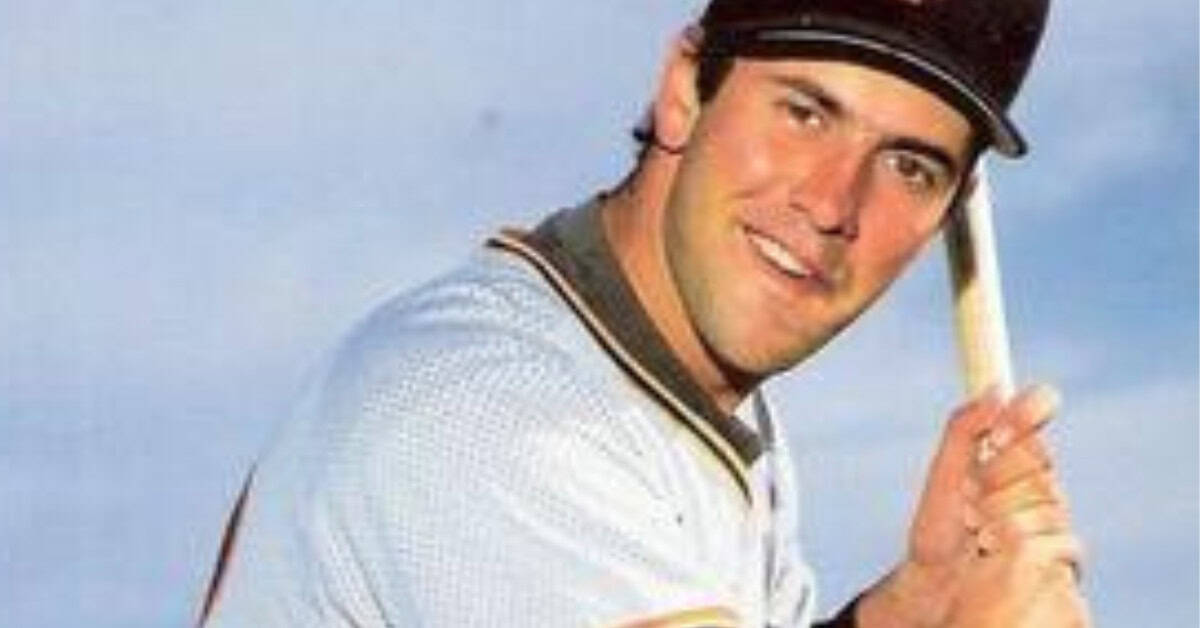
There's a lot to recommend Will Clark for the Hall of Fame. I think his 384 on-base, 137 Ops plus, and 303 average are the headline here. The homers aren't so high- 284 homers- and the WAR is the real problem.
He doesn't have that 60 WAR that is kind of the cutoff; he has 56.5, more than Mattingly, more than Murphy, but not quite Hall of Fame level.
He's on six All-Star teams, led the National League in RBIs in 88. He hit 333 with 233 homers in 89. From 87 to 91 he was the best first baseman in the National League, I think it's fair to say, and his swing was maybe the most beautiful swing seen in the modern era, often shown to young players to see how you're supposed to do it, the high leg kick, hands back, follow through, finishing with a bat pointed at the sky.
And he had that amazing 1989 NLCS, hitting 13 for 20; that's 650, with 8 RBIs, including a grand slam off Greg Maddux- incredible.
But he played 15 seasons, and after '91, when the injuries came, he left the Giants for Texas, and he just wasn't as good. He was off and on; when he was healthy, he was okay, but it's really sad how little consideration he got. He was on the BBWA ballot once in 2006, got 4.4% of the vote, and was removed forever; with 303 and 137 Ops, he definitely deserved more consideration.
| Will Clark — Career | Total |
|---|---|
| G | 1976 |
| AB | 7173 |
| H | 2176 |
| HR | 284 |
| RBI | 1205 |
| SB | 67 |
| AVG | .303 |
| OBP | .384 |
| SLG | .497 |
| OPS | .881 |
| All-Star selections | 6 |
| Gold Gloves | 1 |
| Silver Sluggers | 2 |
11. Don Mattingly’s Sweet Swing That Reached October Once
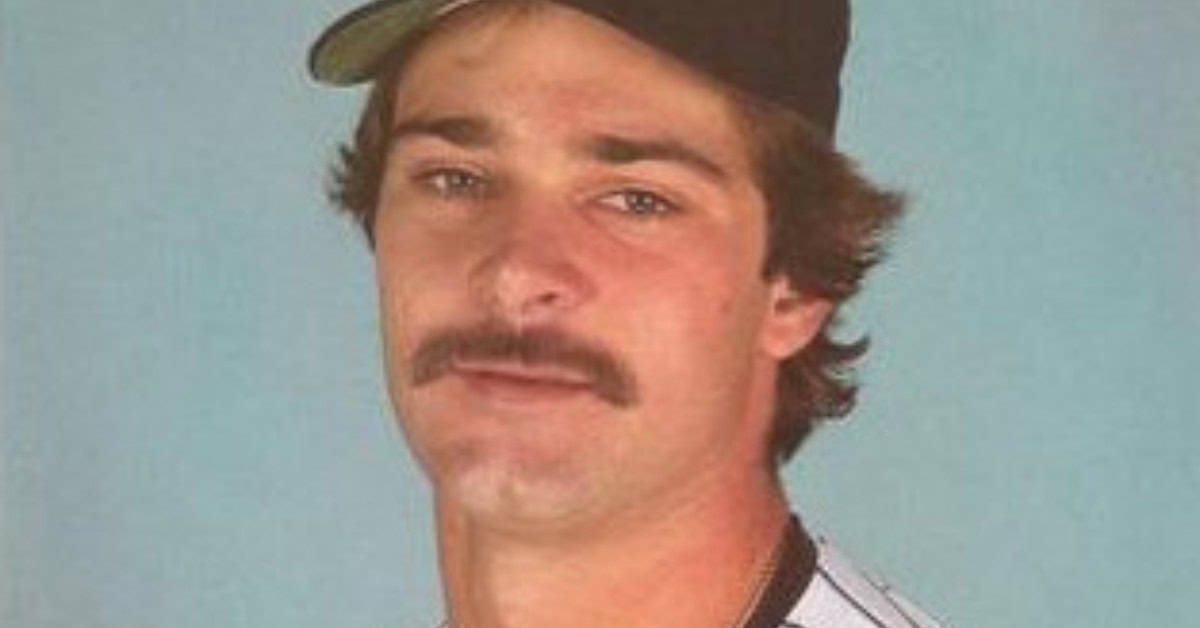
At his peak, Don Mattingly was as good as anyone. I don't think he was quite appreciated for how excellent he was at the time. From 84 to 89, he hit.
327 with 160 homers, over 100 RBIs a year, won the 84 batting title, won the 85 MVP, and won nine Golden Gloves at first base; really the best Yankee of his generation. In 87, he hit eight homers a game and six grand slams, still the single-season record that year as well.
What stopped them from getting there? A congenital back condition turned into disk trouble starting in 1990. He was only 28 at the time.
His power was gone after that. That left him with only 222 homers and 42 career WAR. Without that injury, he definitely would have had 300-something and had over 60.
A lot of people also hold against him that the Yankees weren't particularly good in his era and didn't reach the playoffs. That certainly wasn't his fault, at least not in his prime. He reached the postseason once, in 1995, and in the ALDS against Seattle, at 34, he hit 417 with a homer and six RBIs.
So in the one time he had a chance to hit in the postseason, he definitely did.
A fantastic player, but one of those like Dale Murphy whose injuries stopped him from having a long enough peak to get into Cooperstown.
| Don Mattingly — Career | Total |
|---|---|
| G | 1785 |
| AB | 7003 |
| H | 2153 |
| HR | 222 |
| RBI | 1099 |
| SB | 14 |
| AVG | .307 |
| OBP | .358 |
| SLG | .471 |
| OPS | .829 |
| MVP | 1 |
| All-Star selections | 6 |
| Gold Gloves | 9 |
| Silver Sluggers | 3 |
10. Dale Murphy’s Back-to-Back MVPs That Time Forgot
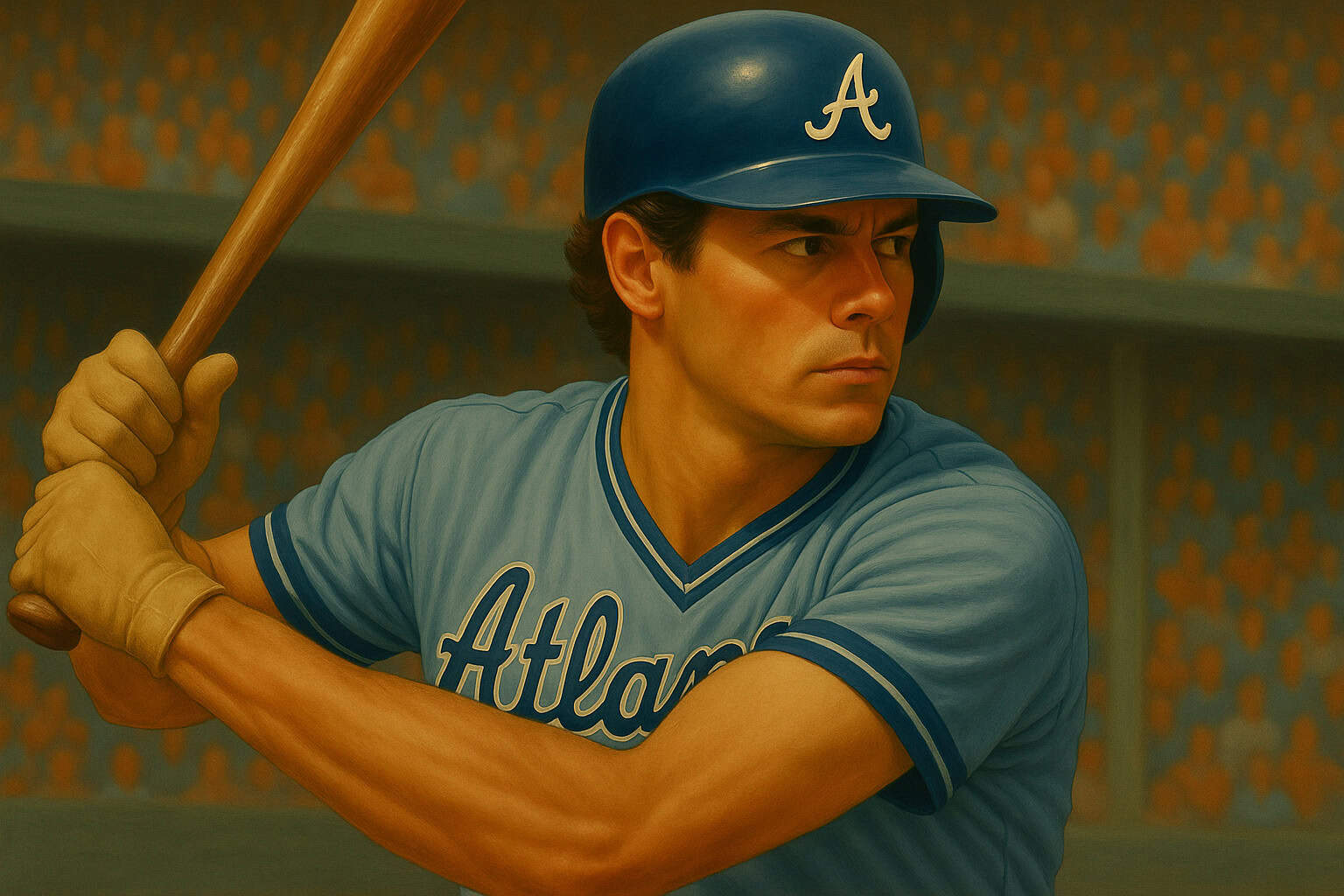
Dale Murphy is kind of a mirror to a lot of these players who are kept out by scandals. Not only did he have no baggage or asterisks, but he was also considered the nicest, most decent player of his generation, and that didn't help him get into the whole thing. He's not there.
At his peak, he was the best player in baseball, or one of them, winning back-to-back MVPs in 82 and 83. There's only about a dozen players who've done that, and they're all legends. Five straight Golden Gloves in center field, seven All-Star teams, led the league in homers twice, RBIs twice, when 36 and 30, and 83, and he played 740 consecutive games from 81 to 86, so he looked so durable.
But unfortunately, he wasn't. Injuries meant that by 1988 he was essentially shot, his knees went. He moved to right field and first base.
In the last five years, he hit 232. He really tried to hit those 400 homers to give himself a better chance, but he couldn't, which shows how burned out he was. He had 398 and had to retire.
There are all these stories about him promising a little girl in Atlanta who lost a hand and an eye that they would hit home runs for her, and then he did it. He was always helping children in need and people in need, but none of that helped him, and it shows what character is.
Good character doesn't really help you all that much at the ballot box, but bad character can turn into a veto when you deserve it. So Dale Murphy doesn't have the numbers because he didn't manage to stretch his peak long enough.
| Dale Murphy — Career | Total |
|---|---|
| G | 2180 |
| AB | 7960 |
| H | 2111 |
| HR | 398 |
| RBI | 1266 |
| SB | 161 |
| AVG | .265 |
| OBP | .346 |
| SLG | .469 |
| OPS | .815 |
| MVP | 2 |
| All-Star selections | 7 |
| Gold Gloves | 5 |
| Silver Sluggers | 4 |
9. Carlos Beltrán's Five-Tool Career Reached Cooperstown (HOF)
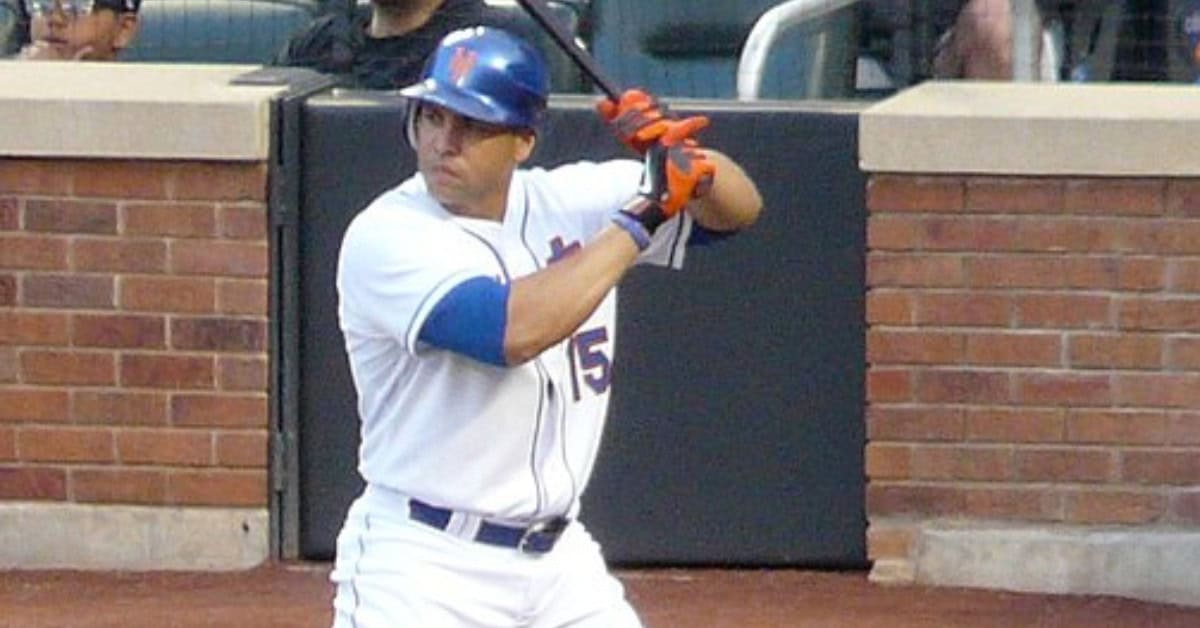
Carlos Beltran had his own scandal, but it was judged differently from people like Clemens and Barry Bonds. We're talking about a five-tool player who had the credentials to get in.
He stole 312 bases and was caught only 49 times; that's an 86% success rate, the best in baseball history. He had 435 home runs, so he had the power. He had 1,587 RBIs, 9 All-Star teams, three Gold Gloves, and a career .71.
Not a lot of players out there with 400 homers and 300 steals. And he was also great at the money time, the 2004 postseason with Houston really stands out, he had eight homers and 12 games with a 435 average, that's tying Bonds for the single postseason homer record, and that is what really matters.
But of course there is the scandal: in 2017, he was a 40-year-old veteran in his final season when he was involved in the Astros sign-stealing scandal, and he was the only player named in Rob Manfred's report. And he helped build the Astros sign-stealing system. Every player got immunity, but he lost his job as the future manager of the Mets, and he never filled out a lineup card, never got the chance.
Now voters seem to have decided that sign stealing might be a kind of cheating, but it's not as bad as steroids, possibly because it doesn't really influence your statistics as much, at least not in theory. Do you agree, do you not agree, that is what the voters decided, it's an unofficial policy, and it tells you what people think about steroids.
But if he got in while cheating, maybe that means that some of the other steroid players have a case as well. We'll see in the future.
| Carlos Beltrán — Career | Total |
|---|---|
| G | 2586 |
| AB | 9768 |
| H | 2725 |
| HR | 435 |
| RBI | 1587 |
| SB | 312 |
| AVG | .279 |
| OBP | .350 |
| SLG | .486 |
| OPS | .836 |
| All-Star selections | 9 |
| Gold Gloves | 3 |
| Silver Sluggers | 2 |
| World Series titles | 1 |
| Rookie of the Year | 1 |
8. Jose Canseco’s Bash Brother Power That Started the Steroid Era
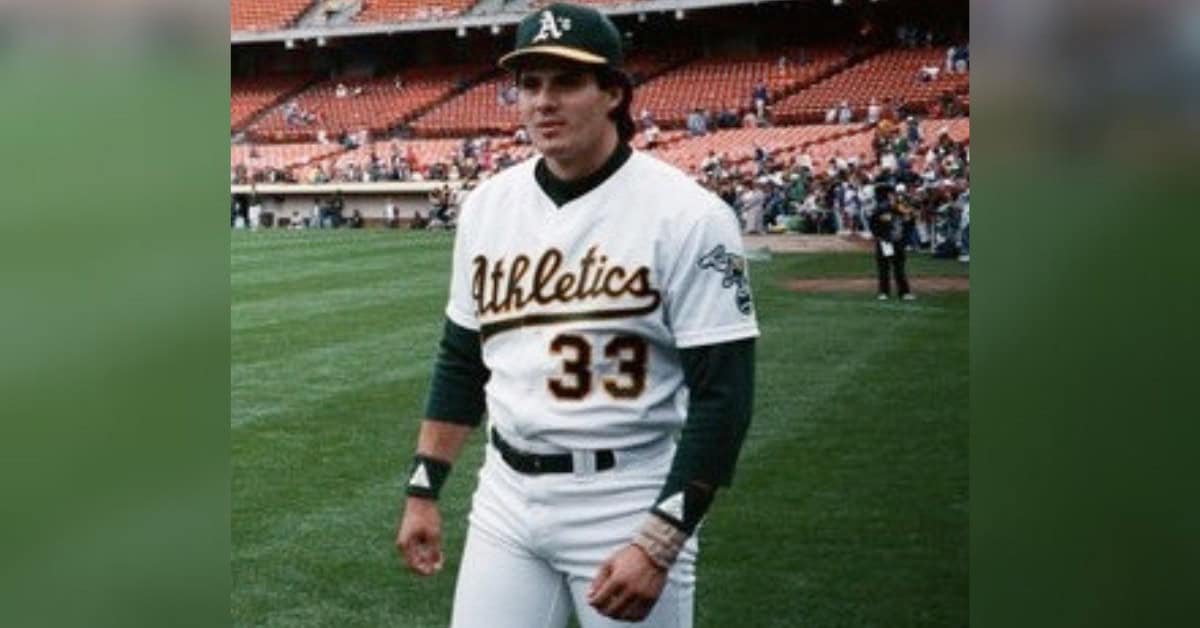
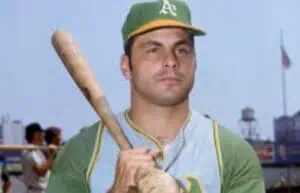
Canseco was a physical freak, and he was massive, fast, powerful, 6'4", 240 lb, and could run. It all starts with him, the physical freak, and also the massive celebrity that he achieved at his prime. Now we have to start off with the truth: he wasn't really a natural Hall of Fame candidate.
I mean that is peak. It certainly looked like he was going to be in 88; he had 42 homers and 40 stolen bases, the first 40-40 season in baseball history, unanimous American League MVP, Rookie of the Year. And him in 1986, he looks like he was going to get everything.
With Maguire, they were the Bash Brothers; they helped Oakland to three straight pennants and the 89 title, the most physically intimidating thing in the sport. But injuries stopped him from being a real Hall of Fame caliber player. He had 462 homers, but those were achieved in his peak years; he only had 42 career WAR, well under what a Hall of Fame outfielder should have.
And then you also have the steroid issue. Now I'm going to give Canseco quite a bit of credit, he published a book in 2005 called Juice, he named himself and several other people, Maguire, Palmero, Giambi, Juan Gonzalez. He admitted his own use when it went back to 1985, told Congress the same thing under oath, even though he was called a liar and a traitor and a grifter; it all turned out to be true, and he broke the code, some say to sell a book, but definitely told the truth.
And the spectacle with him was something; In '93 you've probably seen the bulb bouncing off his head and over the wall for a homer. 5 days later, he was asked to pitch in a blowout; actually, it was his idea to pitch in a blowout, and he blew out his elbow so badly he needed surgery. He was also spotted leaving Madonna's building when he came to New York to play the Yankees, and then Madonna posters and inflatable dolls were thrown at him.
He still managed to hit a double, scored the go-ahead run, and the A's won 10 and 8. It was a fantastic circus while it lasted. I don't think he's really a Hall of Famer.
| José Canseco — Career | Total |
|---|---|
| G | 1887 |
| AB | 7057 |
| H | 1877 |
| HR | 462 |
| RBI | 1407 |
| SB | 200 |
| AVG | .266 |
| OBP | .353 |
| SLG | .515 |
| OPS | .868 |
| MVP | 1 |
| All-Star selections | 6 |
| Silver Sluggers | 4 |
| World Series titles | 2 |
| Rookie of the Year | 1 |
7. Rafael Palmeiro’s 3,000 Hits Overshadowed by One Finger Wag
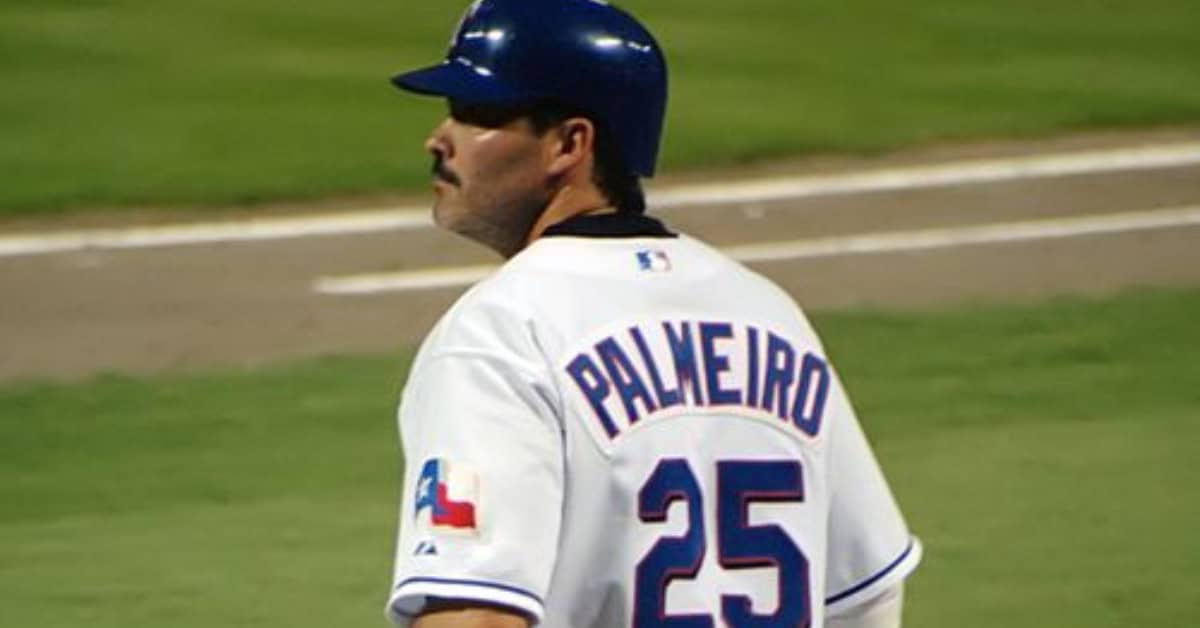
Rafael Palmeiro's career was typified by a sort of quiet excellence. The numbers he left behind are just fantastic: 3,020 hits, 569 home runs, and only seven guys in baseball history have done both; very hallowed ground, including Aaron, Mays, Eddie Murray, Palmero, A-Rod, Pujols, and Miguel Cabrera.
He also does well with advanced stats, 132 OPS plus, 72 career WAR. His fielding was good, not amazing, and he had three Gold Gloves and nine consecutive seasons of 38 or more homers. He didn't have an MVP, never hit over 50, and that's why he was sort of a quiet excellence.
You know what you were going to get, and you were going to get a lot.
The reason he's not in, though, is not because of that. He testified in 2005 in front of Congress, "I have never used steroids, period," and wagged his finger. He was indignant, and a lot of people actually believed him because he seemed so sure of himself as opposed to the other people testifying.
Trouble is, in 2005, four and a half months later, he was suspended after testing positive for stanozolol, and that's a serious injectable anabolic steroid, caught by baseball's own testing program. He blamed the B12 shot that he got from a teammate. There wasn't enough evidence for a perjury charge, but he wasn't cleared either, and because of that, he never got more than 11% from the committees.
And what a lot of people remember is that he got his 3,000th hit on July 15th, 2005, and he was suspended just two weeks later on August 1st, 16 days between the highest and the lowest valley. And I don't know if he's going to be coming back.
| Rafael Palmeiro — Career | Total |
|---|---|
| G | 2831 |
| AB | 10472 |
| H | 3020 |
| HR | 569 |
| RBI | 1834 |
| SB | 97 |
| AVG | .288 |
| OBP | .371 |
| SLG | .515 |
| OPS | .886 |
| All-Star selections | 4 |
| Gold Gloves | 3 |
| Silver Sluggers | 2 |
6. Keith Hernandez’s Gold Glove Magic That Deserved Better

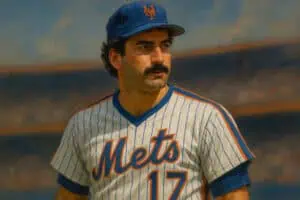
Of course, the main selling point for Keith Hernandez is his 11 straight Gold Gloves, 1978 through 1988. And it's not that he was a very good first baseman, possibly the best ever, but also that he really revolutionized the position.
He played so far off the bag and charged so quickly and violently that people just stopped sacrifice bunting against his teams. They just wouldn't call for it. He'd break on the pitch, field it in front of the plate, and throw it to third.
And the play where the first baseman charges and the second baseman covers the bag- he came up with that. We're talking about a fielder who changed what the other dugout was allowed to do and how the game was played for them till today. If you're a first baseman, you study Keith Hernandez's tape.
Now the thing is, he could also hit. He had a .384 on base percentage, 128 OPS Plus for career, and that's why he was also the '79 National League MVP, sharing it with Willie Stargell. His career WAR is borderline for the Hall of Fame, 60, but probably just good enough.
And of course he has the titles.
An absolutely fantastic player, but one of the reasons he didn't get in wasn't just because his hitting wasn't quite good enough, but also because of the drugs- Pittsburgh drug trials. That's when Hernandez admitted to using cocaine from 1980 to 1983 and called it a demon in me. That dogged his career.
He almost went to jail for it. He had a full season suspension for '86 lined up when he managed to commute it by donating 10% of his salary, submitting to testing and doing community service.
When he was on the ballot in 1996, a lot of people still remembered it, and that's why he got 11% of the vote, far less than he should have gotten, and dropped out. He deserves to be reconsidered.
| Keith Hernandez — Career | Total |
|---|---|
| G | 2088 |
| AB | 7370 |
| H | 2182 |
| HR | 162 |
| RBI | 1071 |
| SB | 98 |
| AVG | .296 |
| OBP | .384 |
| SLG | .436 |
| OPS | .820 |
| MVP | 1 |
| All-Star selections | 5 |
| Gold Gloves | 11 |
| Silver Sluggers | 2 |
| World Series titles | 2 |
5. Sammy Sosa’s Corked Bat That Shattered Chicago’s Heart
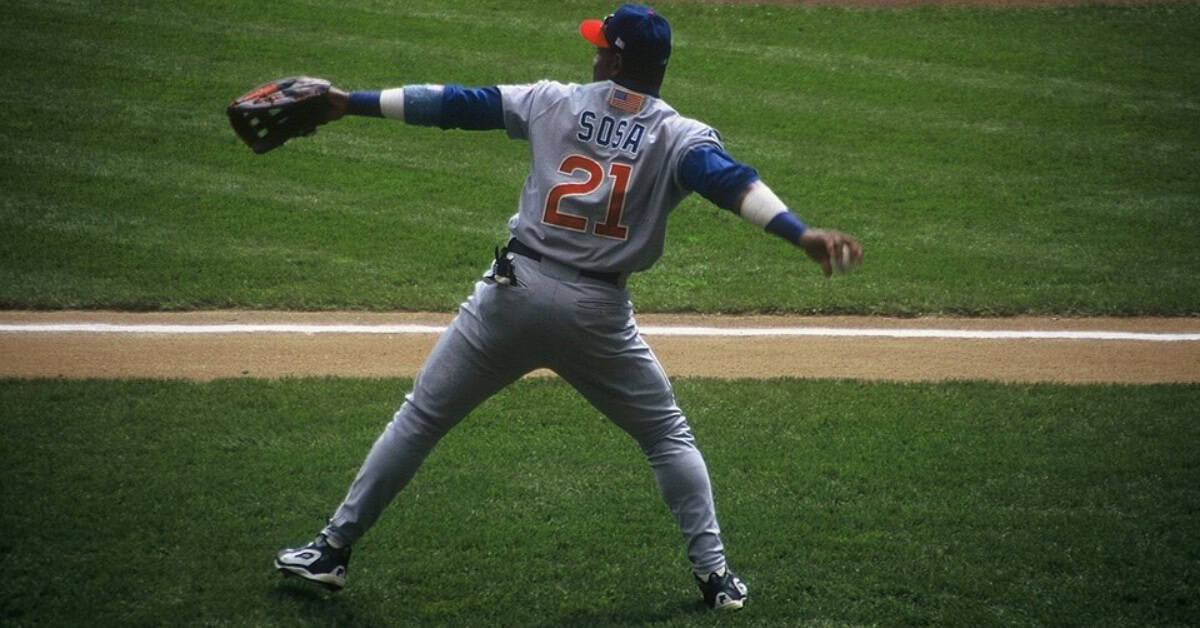
Sammy Sosa topped 60 home runs on three occasions, but he didn't lead the league in any of those. So despite being the only player to top 60 home runs three times, he wasn't the home run champion in any of those seasons. Maguire beat him twice; Bonds beat him once.
He did win the 1998 National League MVP over Maguire because he carried the Cubs through the playoffs while he did what he did, and Chicago loved him because he was a joyful player, sprinting out to right field, hopping out of the box, the two-finger tap on his heart, kiss to the camera, just a joy to watch and really fit that Cubs atmosphere.
Of course there's two scandals. One is the corked bat. In 2003, his bat exploded on a grounder; there was cork lying on the infield, and 38,000 people were there.
He said it was a batting practice bat for entertaining fans, grabbed by mistake. The MLB X-rayed 76 of his other bats, and they were clean, including five that are in the Hall of Fame. So there is a chance he actually did that by mistake.
What really finished him is the steroids, as always. March 2005, during the Congressional hearings, he sat beside McGuire and Palmero. His lawyer read a statement that he had never taken illegal performance enhancers, and he pretended that he didn't know English, even though he'd been doing interviews in English for many, many years.
That did him no favors. In 2009, the New York Times reported that there'd been an anonymous survey list in 2003 that named him as a user. So he topped out at 18.5% and aged off the ballot.
He has been revived with the Cubs, though; they invited him back to Wrigley after 21 years, and the ovation that he received was enormous. So today Cooperstown has his bats, but it doesn't have him. Is that the last hurrah for him?
Time will tell.
| Sammy Sosa — Career | Total |
|---|---|
| G | 2354 |
| AB | 8813 |
| H | 2408 |
| HR | 609 |
| RBI | 1667 |
| SB | 234 |
| AVG | .273 |
| OBP | .344 |
| SLG | .534 |
| OPS | .878 |
| MVP | 1 |
| All-Star selections | 7 |
| Silver Sluggers | 6 |
4. Mark McGwire’s Forearms That Launched the Steroid Era
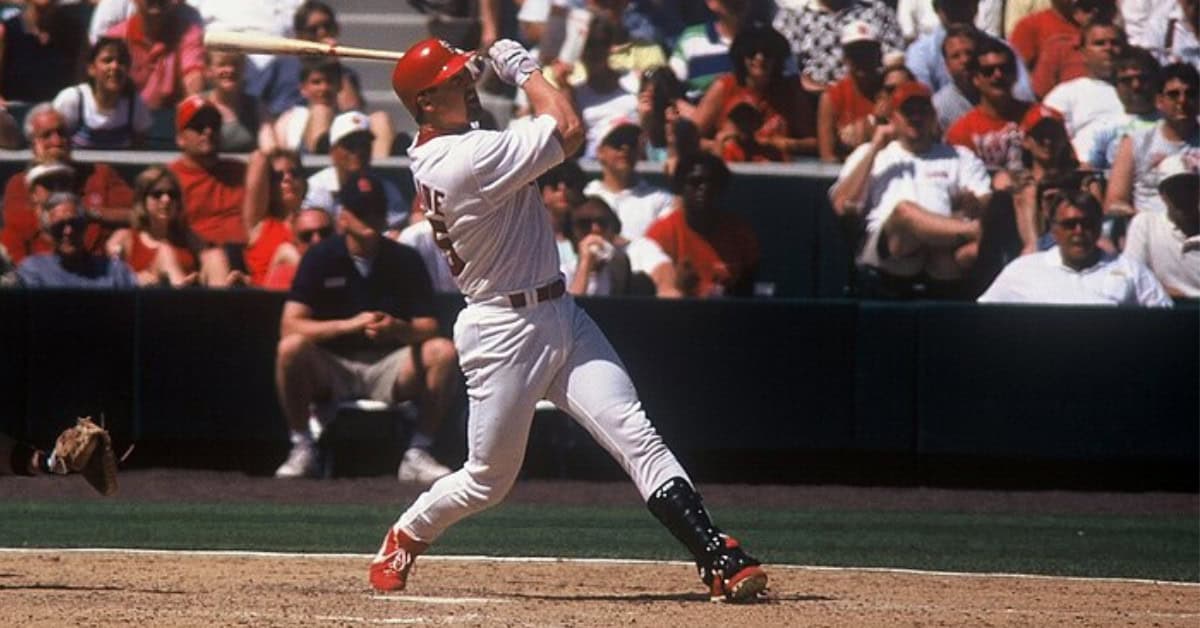
Mark McGwire is, of course, a very famous player and also a pretty great one, but his case for being included in Cooperstown is complicated by more than just steroids. Of course, there is a case: he has 583 home runs, which made him fifth all time when he retired, and he hit one every 10.6 at-bats, the best rate of anybody ever, including Bonds, including 49 as a rookie. And he also really helped to save baseball.
The 1994 World Series was canceled, attendance was down, and the sport felt broken. The Maguire and Sammy Sosa home run chase after Roger Maris that year, with networks cutting into games and all that, really revived baseball and put it on the trajectory that it's on today, and he deserves to be remembered fondly for them.
But having said that, there are two issues. First is, of course, the steroids. In 2005, he sat in front of Congress and said over and over, "I'm not here to talk about that past." That did him a lot of damage because it seemed like he was confessing, but he also didn't come clean in a way that people could admire.
People really held that against him. Then when he finally admitted it much later, it was too late to revive his credentials for the Hall, and he debuted at 23.5% with the writers and never got above it.
And we need to remember he might not have been good enough even without the steroids. His career WAR is 62, very borderline. His average, 263, is kind of low.
He's a one-dimensional slugger, and he missed a lot of time; he was injury-prone, not the greatest fielder. He just wasn't a complete player, just a very, very good slugger, and it could be that even without this he wouldn't be in, but with it there really isn't much of a conversation to be had.
| Mark McGwire — Career | Total |
|---|---|
| G | 1874 |
| AB | 6187 |
| H | 1626 |
| HR | 583 |
| RBI | 1414 |
| SB | 12 |
| AVG | .263 |
| OBP | .394 |
| SLG | .588 |
| OPS | .982 |
| All-Star selections | 12 |
| Gold Gloves | 1 |
| Silver Sluggers | 3 |
| World Series titles | 1 |
| Rookie of the Year | 1 |
3. Barry Bonds’s 762 Home Runs That Broke More Than Records
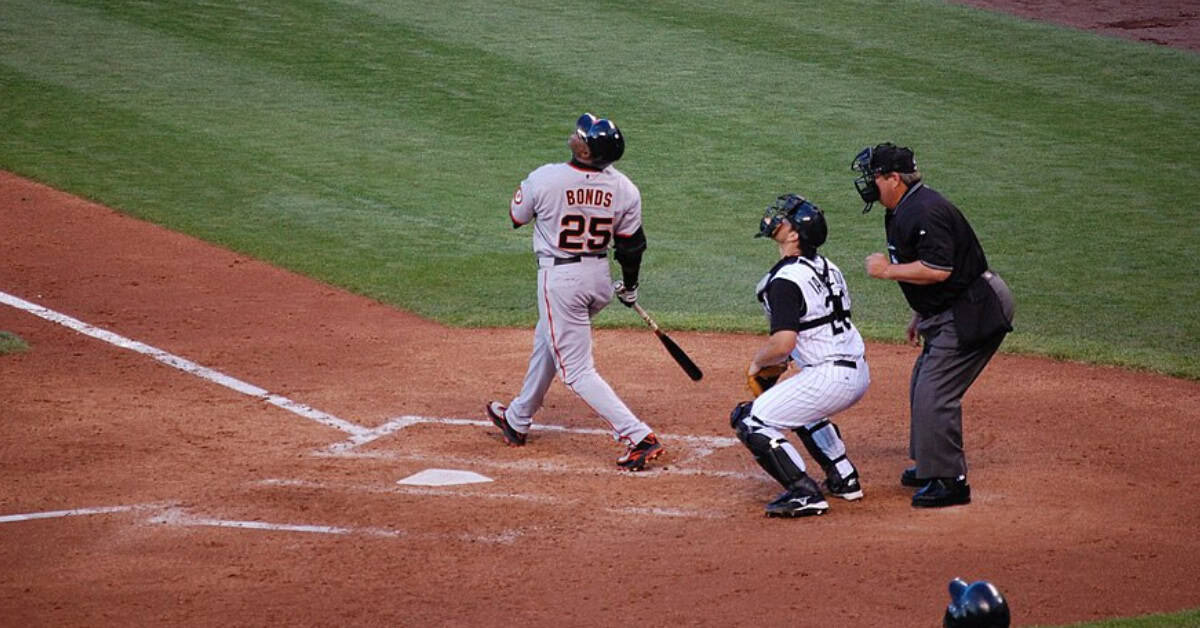
Barry Bonds is currently out of the Hall of Fame and can't be considered until 2031. In a very interesting twist of fate, he was rejected in favor of Jeff Kent, with whom he had several fights in the dugout of the Giants, losing his last chance to get in at least until 2031.
Now, of course, there is no question that on merits, just of his capabilities and his achievements, Bonds should be in. 762 home runs, that's the all-time record. 73 home runs in a season, that's the record.
Seven MVPs; no one else has more than three. Eight Gold Gloves. He has 500 homers and 500 steals, and he's the only one who has that.
162.8 WAR, the highest of any position player ever. There's really nothing to say. And of course, 688 intentional walks, more than double anyone in history, shows how feared he was.
He was even walked with the bases loaded. That tells you everything.
But of course, he has the steroid issue. There was no testing. His obstruction conviction was thrown out, so you could say there's no real evidence against him.
But there is the grand jury testimony and the physical transformation, which no one could miss. He went from a skinny little player to a massive guy with a bigger skull and yellow eyes. It was pretty frightening.
And that's why he only reached 66% with the writers in his 10th and final year, not that far from what he needed. He needed 75.
Interestingly, his last home run ball, the 756th one, is on display at Cooperstown, despite the fact that Barry is still outside of the building. Does that mean they'll eventually let him in too? We'll find out sometime after 2031.
| Barry Bonds — Career | Total |
|---|---|
| G | 2986 |
| AB | 9847 |
| H | 2935 |
| HR | 762 |
| RBI | 1996 |
| SB | 514 |
| AVG | .298 |
| OBP | .444 |
| SLG | .607 |
| OPS | 1.051 |
| MVP | 7 |
| All-Star selections | 14 |
| Gold Gloves | 8 |
| Silver Sluggers | 12 |
2. Shoeless Joe Jackson’s Sweet Swing That History Can’t Forget
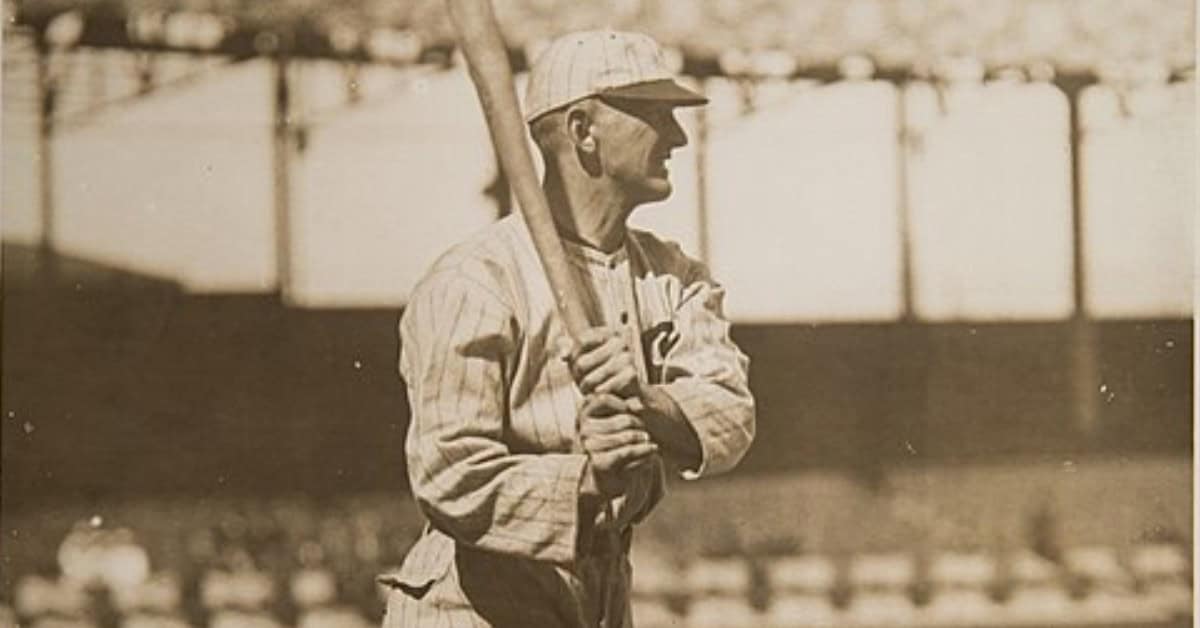
Say It Ain't So Joe. Shoeless Joe Jackson has the third-highest batting average of any player in baseball history. He hit.
408 as a rookie in 1911; by the way, he lost the batting title to Cobb. And advanced stats show just how good he was; he had 170 Ops Plus for his career. Just one of the best hitters who ever lived.
He had 382 in his last season, so he was nowhere near the end of his prime.
Babe Ruth said that he copied his swing, and he said that Jackson was the greatest natural hitter that he ever saw. And that is about as big an endorsement as any hitter can get. And that makes the fact that he's not in the Hall of Fame all the more tragic.
We don't have time to discuss the complexities of the Black Sox scandal. There's a lot of evidence in both directions. He was acquitted in 1921, although he was banned for life.
His involvement was proven in the sense that he did take $5,000; the trouble is, he played so well it's very hard to say that he threw the series. He hit 375, went 12 for 32, drove in six, and made no errors.
Hit the only home run in the series too, so that doesn't sound like throwing a game. He might have thrown out at bat or two, but probably didn't do that either. Another thing that's in his favor is that he was illiterate, so whatever he signed, he probably didn't know what it said or could easily be fooled regarding what it said.
In May 2025, his lifetime ban was basically rescinded because he's dead and he has a path in, and he doesn't have any personal enemies left; they're all gone now. So maybe he has a better chance than someone like Pete Rose or Barry Bonds. It's a very complicated case, but for nostalgia reasons, I think that he gets it.
| Joe Jackson — Career | Total |
|---|---|
| G | 1332 |
| AB | 4981 |
| H | 1772 |
| HR | 54 |
| RBI | 785 |
| SB | 202 |
| AVG | .356 |
| OBP | .423 |
| SLG | .517 |
| OPS | .940 |
| World Series titles | 1 |
1. Pete Rose’s 4,256 Hits That Can’t Buy Him a Plaque
Pete Rose is one of the greatest players of all time, and there's really no question that he belongs in Cooperstown based on his playing ability. Now, he was a problematic character in many ways, but let's first focus on his playing abilities. 4,256 hits; no one else is close, and no one else is going to break it.
He owns the record for games played and at-bats, the same record in three different ways. He was just the most durable player who ever lived, and he did that while hustling so hard they called him Charlie Hustle. 44-game hitting streak in '78, Rookie of the Year, MVP once, three rings, 17 All-Star selections at five different positions, and a 79 career WAR.
But he bet on games, and it was actually probably significantly worse than you might think. He bet on his own games when he was player-manager. Now, he didn't bet against his team, so he probably wasn't throwing games; at least there's no evidence of that, but he was betting on some games and not on others, which means that he was probably burning the bullpen in the games that he had bet on and being negligent in the others.
The integrity of the other games is really what's getting compromised. And it's important to remember how crucial this is. This law, introduced after the Black Sox scandal in 1919, said that in every clubhouse in America you cannot bet on the games, and Rose did it anyway, and he paid the price.
There's also a sworn statement alleging that he had a sexual relationship with a girl under 16 in the '70s, and a lot of other issues. Now he could still make it to the Hall of Fame because in 2025 Rob Manfred ruled that permanent ineligibility ends at death, so he could get in. Shoeless Joe could get in, a lot of others could get in, but it's not clear that they will.
The writers actually tend to be a little bit more forgiving than the historical overview committee, which picks eight players every year. There's a good chance they'll prefer someone else. It'll be interesting to see.
My guess is Pete gets into the Hall of Fame eventually. The numbers are too good to end up forgiving a lot of players who did the steroid stuff, but it might still take a while.
| Pete Rose — Career | Total |
|---|---|
| G | 3562 |
| AB | 14053 |
| H | 4256 |
| HR | 160 |
| RBI | 1314 |
| SB | 198 |
| AVG | .303 |
| OBP | .375 |
| SLG | .409 |
| OPS | .784 |
| MVP | 1 |
| All-Star selections | 17 |
| Gold Gloves | 2 |
| Silver Sluggers | 1 |
| World Series titles | 3 |
| Rookie of the Year | 1 |