

Last Updated: June 17th, 2026 by Michael Schatz
Before aluminum bats and artificial turf, when ballparks smelled of peanuts and Cracker Jack instead of craft beer and sushi, the shortstop position belonged to scrappy wizards who could turn two with their eyes closed. The 1950s produced a golden generation of middle infielders who defined grace under pressure, from Mr. Cub’s revolutionary power to the Scooter’s championship magic.
Don't lose this article. Enter your email below, and I'll send it to you right now. Plus, we'll send you other unbelievable stories from baseball's past.
Ernie Banks – Mr. Cub’s Revolutionary Power at Short
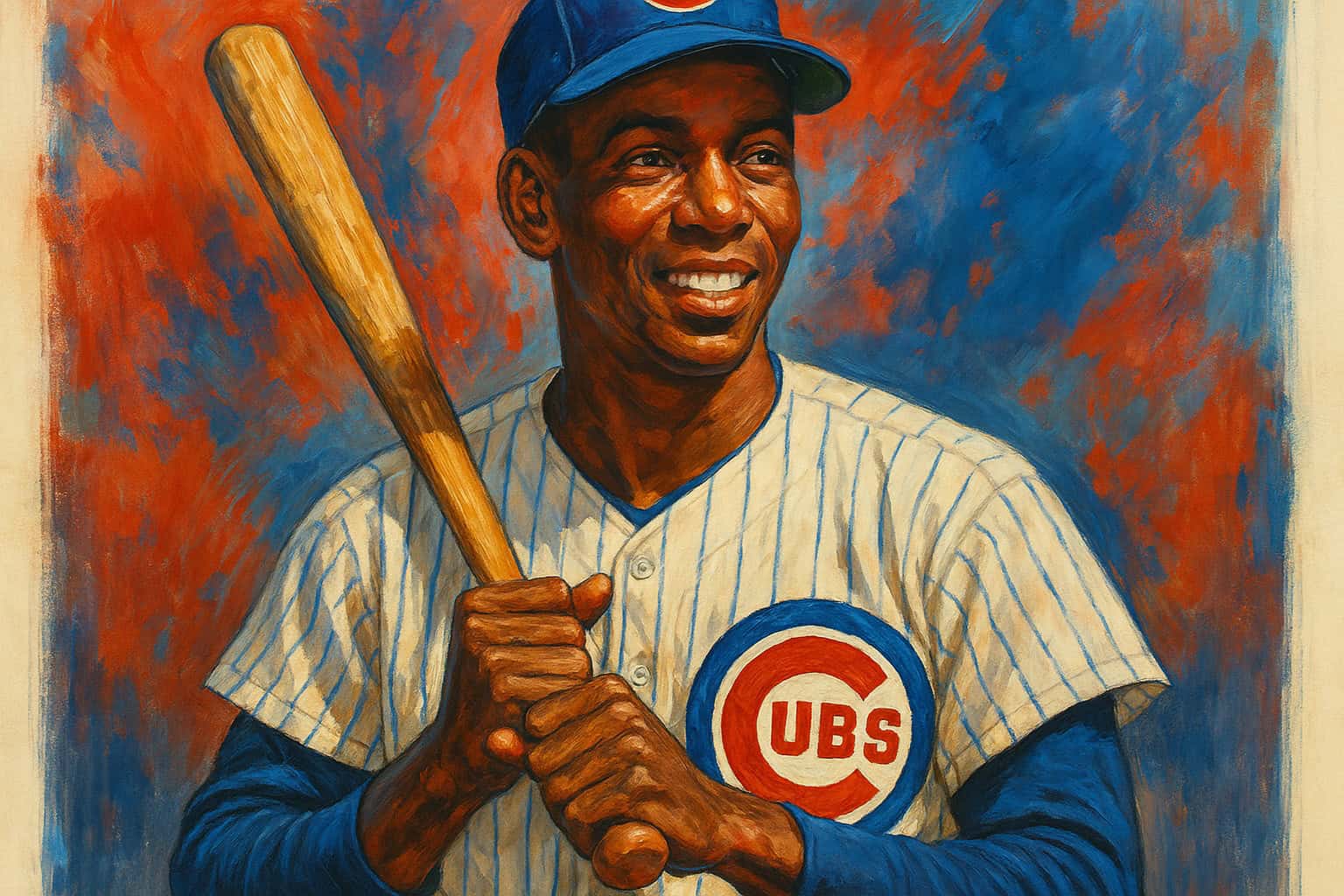
Before anyone thought a shortstop could hit 40 home runs, there was Ernest Banks, rewriting the position’s job description with his Louisville Slugger. The Cubs icon revolutionized what fans expected from their middle infielder, launching nearly 300 homers during his shortstop years while maintaining that infectious “Let’s play two!” enthusiasm that made Wrigley Field feel like a neighborhood sandlot. Banks didn’t just play shortstop—he transformed it from a defensive specialist role into a power position, paving the way for future sluggers like Alex Rodriguez and Cal Ripken Jr. His back-to-back MVP awards in 1958-59 proved that shortstops could carry a franchise on their shoulders, even when that franchise hadn’t won a World Series since 1908.
Pee Wee Reese – Brooklyn’s Captain and World Series Hero
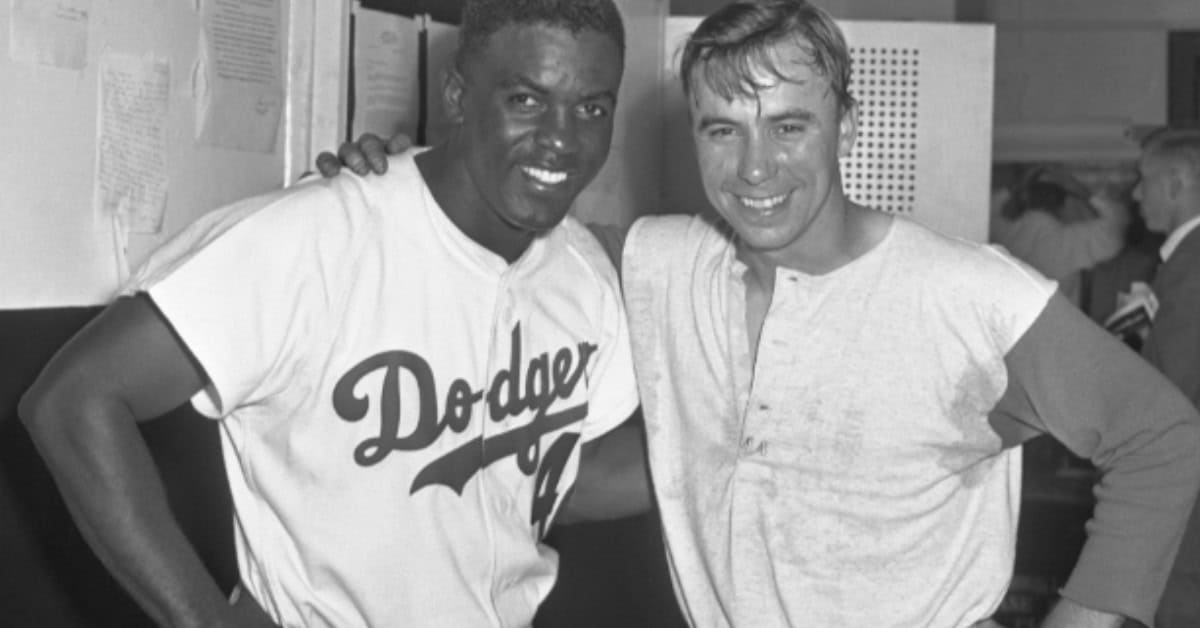
Harold “Pee Wee” Reese embodied everything Brooklyn loved about their beloved Bums—scrappy, loyal, and clutch when it mattered most. The Kentucky native became the heart and soul of those legendary Dodgers teams, serving as captain during their golden era and famously putting his arm around Jackie Robinson’s shoulder in a gesture that transcended baseball. Reese’s steady glove and timely hitting helped Brooklyn finally conquer their crosstown rivals, the Yankees, in the magical 1955 World Series that had Ebbets Field rocking like a revival meeting. His leadership extended beyond statistics, as he guided a diverse roster through the pressures of integration and championship expectations with the wisdom of a small-town sage who understood that baseball was bigger than any individual player.
Phil Rizzuto – The Scooter’s Championship Magic

Phil “Scooter” Rizzuto turned double plays with the precision of a Swiss watchmaker and the flair of a Broadway performer, anchoring those dominant Yankees dynasties that made the rest of baseball dizzy. The 5’6″ dynamo proved that heart trumped height, earning AL MVP honors in 1950 while helping the Bronx Bombers capture seven World Series titles during his career. Rizzuto’s bunting ability was legendary—he could drop one down the third-base line softer than a whispered prayer, and his base-running instincts were sharper than his later broadcasting wit. Later generations knew him for his colorful commentary and birthday wishes, but 1950s fans witnessed pure baseball artistry as the Scooter glided across the Yankee Stadium infield like he was born in pinstripes.
Luis Aparicio – The Venezuelan Speedster Who Changed the Game
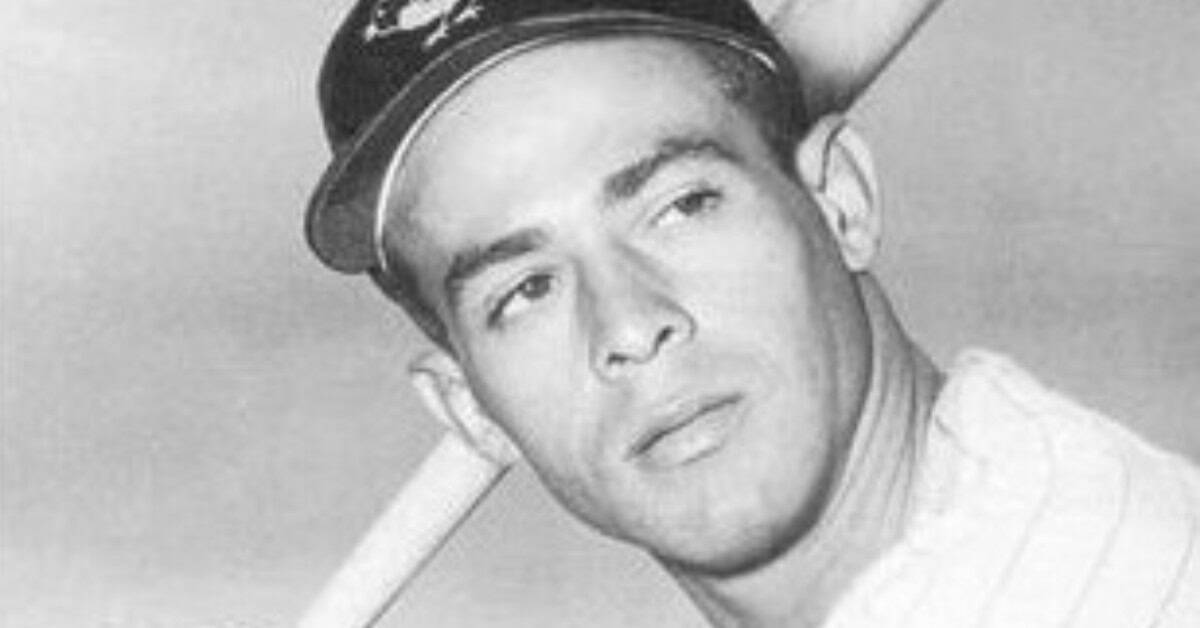
Luis Aparicio burst onto the scene in 1956 like a bolt of Venezuelan lightning, immediately winning Rookie of the Year honors and revolutionizing the stolen base as a strategic weapon. The diminutive speedster led the American League in steals for nine consecutive seasons, turning first base into a launching pad and driving opposing pitchers to distraction with his dancing leads and perfect jumps. Aparicio’s arrival in Chicago marked the beginning of the “Go-Go” White Sox era, where manufacturing runs became an art form and every at-bat felt like a chess match. His defensive wizardry at shortstop was equally impressive, as he pioneered techniques for turning the double play that became textbook fundamentals, proving that international talent could thrive in America’s pastime while maintaining the grace and style of his homeland.
Harvey Kuenn – Detroit’s Batting Champion Shortstop
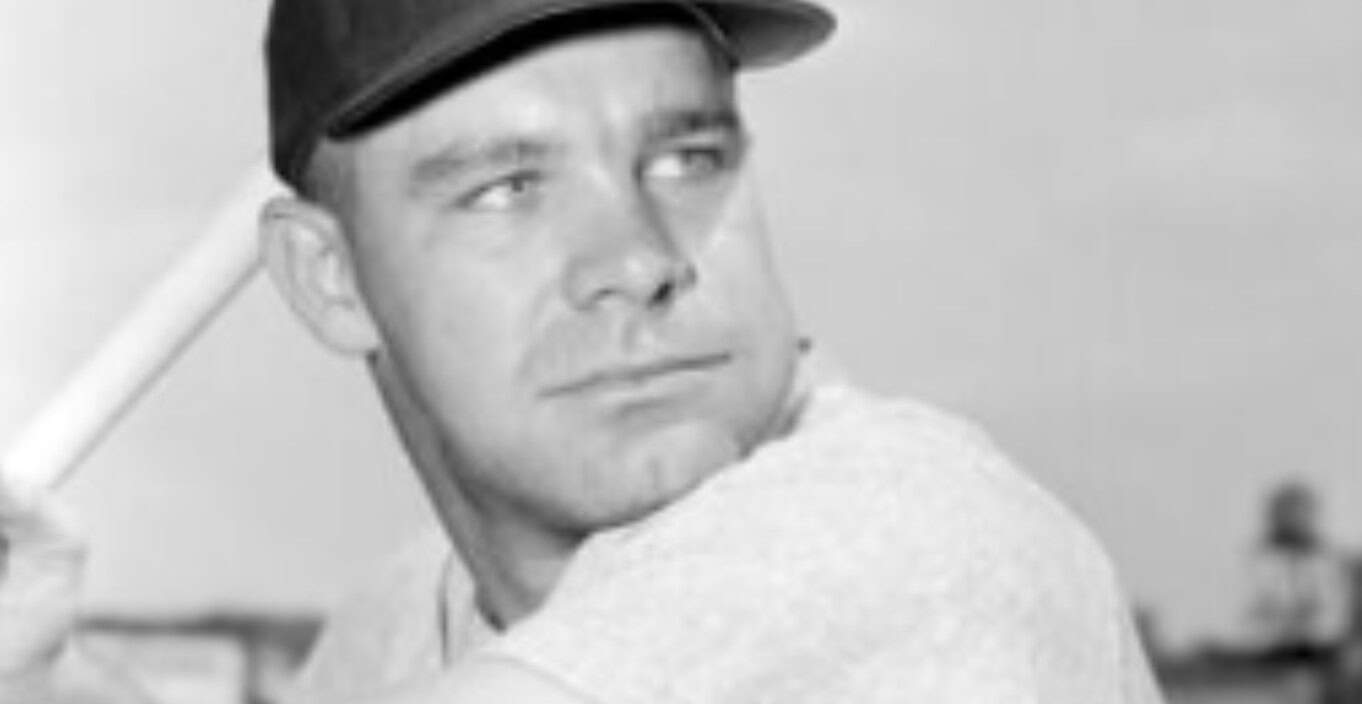
Harvey Kuenn wielded his bat like a surgeon’s scalpel, carving up American League pitching with such precision that he captured the 1959 batting title with a .353 average that left fans at Tiger Stadium wondering if they were watching Ted Williams in disguise. The Wisconsin native combined old-school hitting fundamentals with modern plate discipline, rarely striking out while consistently finding gaps in the defense with line drives that sounded like rifle shots off his Louisville Slugger. Kuenn’s approach at the plate was poetry in motion—a compact swing that generated surprising power and contact rates that made pitchers question their career choices. Though injuries eventually moved him to the outfield, his early shortstop years, combined with his outstanding offensive excellence, made him one of Detroit’s most beloved players. While his glove at short wasn’t always his strongest suit, his bat certainly was, as the Tigers were building toward their 1968 championship glory.
Al Dark – The Steady Hand Behind the ’54 Giants Miracle
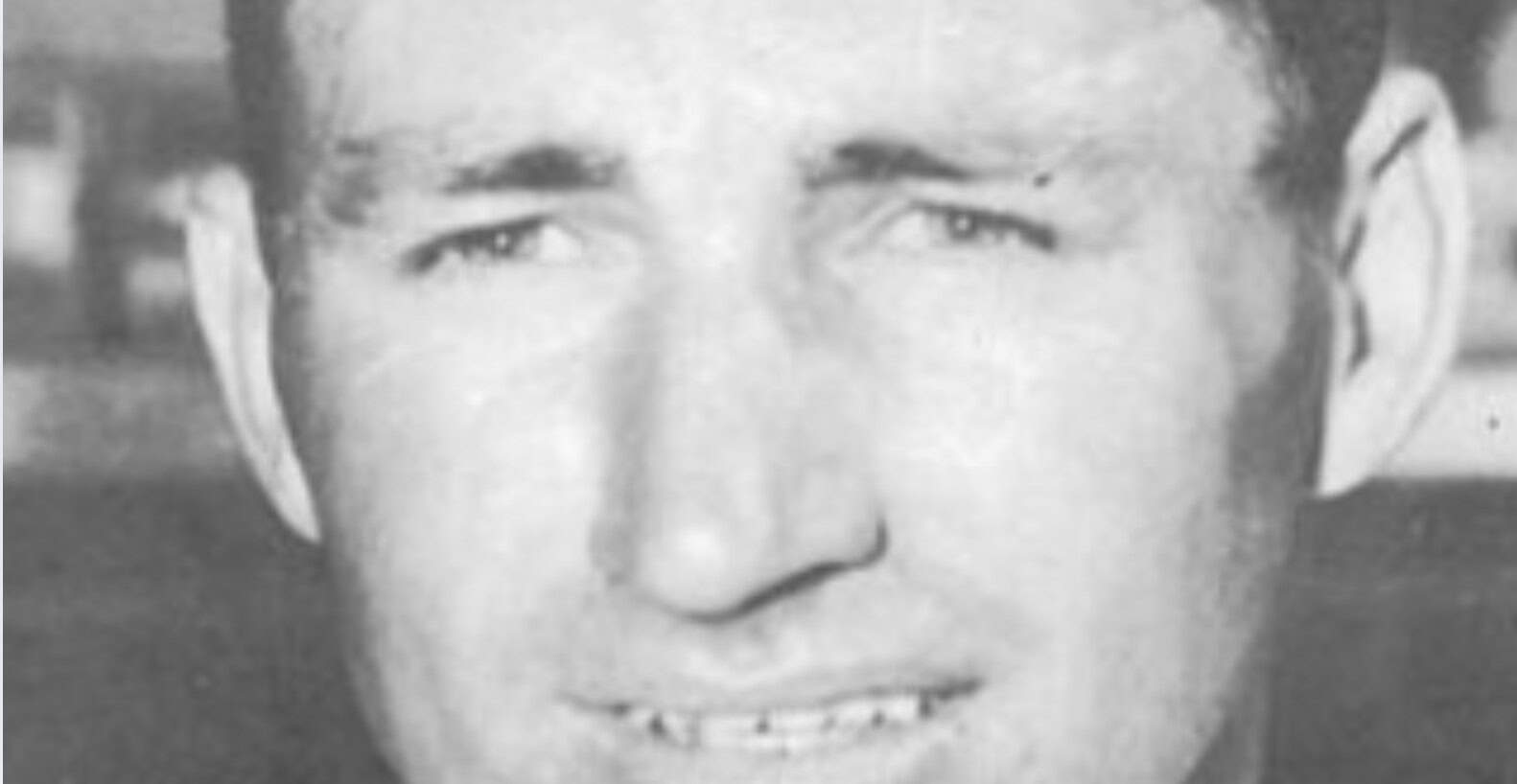
Alvin Dark provided the steady heartbeat for one of baseball’s greatest upsets, anchoring the infield during the New York Giants’ miraculous 1954 World Series sweep of the heavily favored Cleveland Indians. The Louisiana native possessed an uncanny ability to rise to the occasion, whether turning crucial double plays or delivering clutch hits that kept rallies alive during pressure-packed moments at the Polo Grounds. Dark’s leadership qualities were evident in how he mentored younger teammates while maintaining the poise of a seasoned veteran, even when facing the Indians’ 111-win juggernaut that many considered unbeatable. His contributions extended beyond statistics, as he served as the bridge between manager Leo Durocher’s fiery personality and a diverse clubhouse that included Willie Mays, Monte Irvin, and other stars who needed someone they could trust to keep the team focused on their improbable championship quest.
Roy McMillan – Cincinnati’s Defensive Wizard
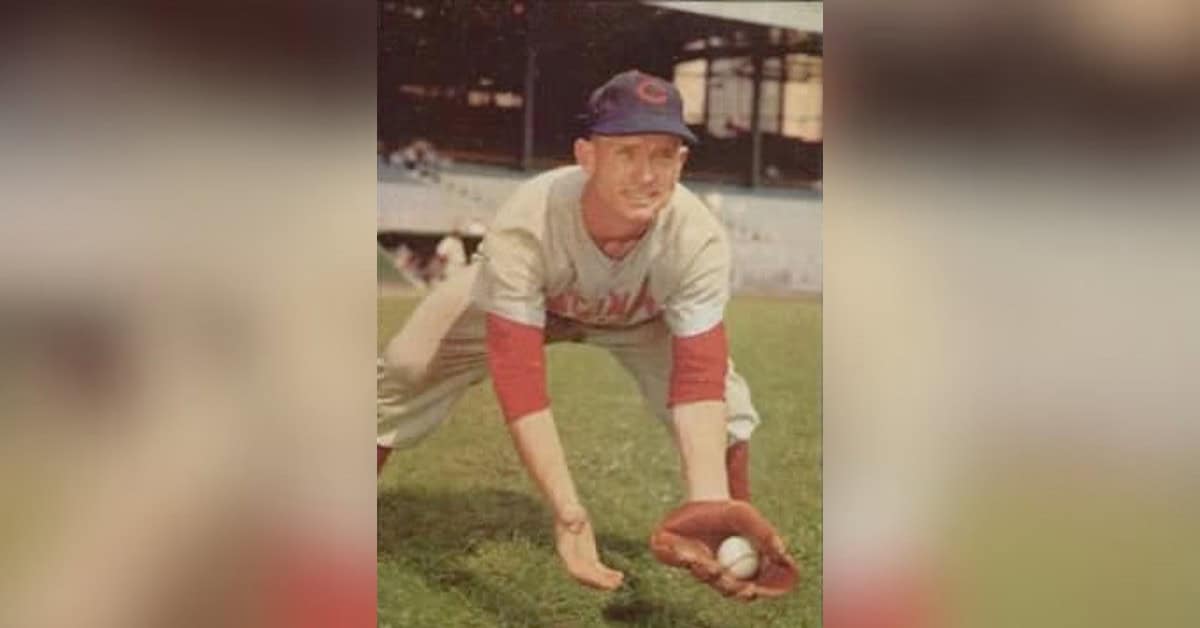
Roy McMillan turned defense into high art at Crosley Field, earning the first three Gold Glove awards ever given to a National League shortstop and establishing himself as the defensive standard by which many future shortstops would be measured. The Texas native possessed supernatural range and an arm that could thread needles from the hole, consistently making plays that left opposing hitters shaking their heads in disbelief. McMillan’s defensive prowess was consistently on display, and his ability to turn double plays was a hallmark of his game, proving that great defense could be just as exciting as towering home runs. Cincinnati fans learned to appreciate the subtle artistry of perfectly positioned cutoffs and lightning-quick transfers, watching McMillan transform routine grounders into poetry while anchoring Reds teams that competed fiercely in the National League throughout the decade.
Johnny Logan – Milwaukee’s Clutch World Series Shortstop
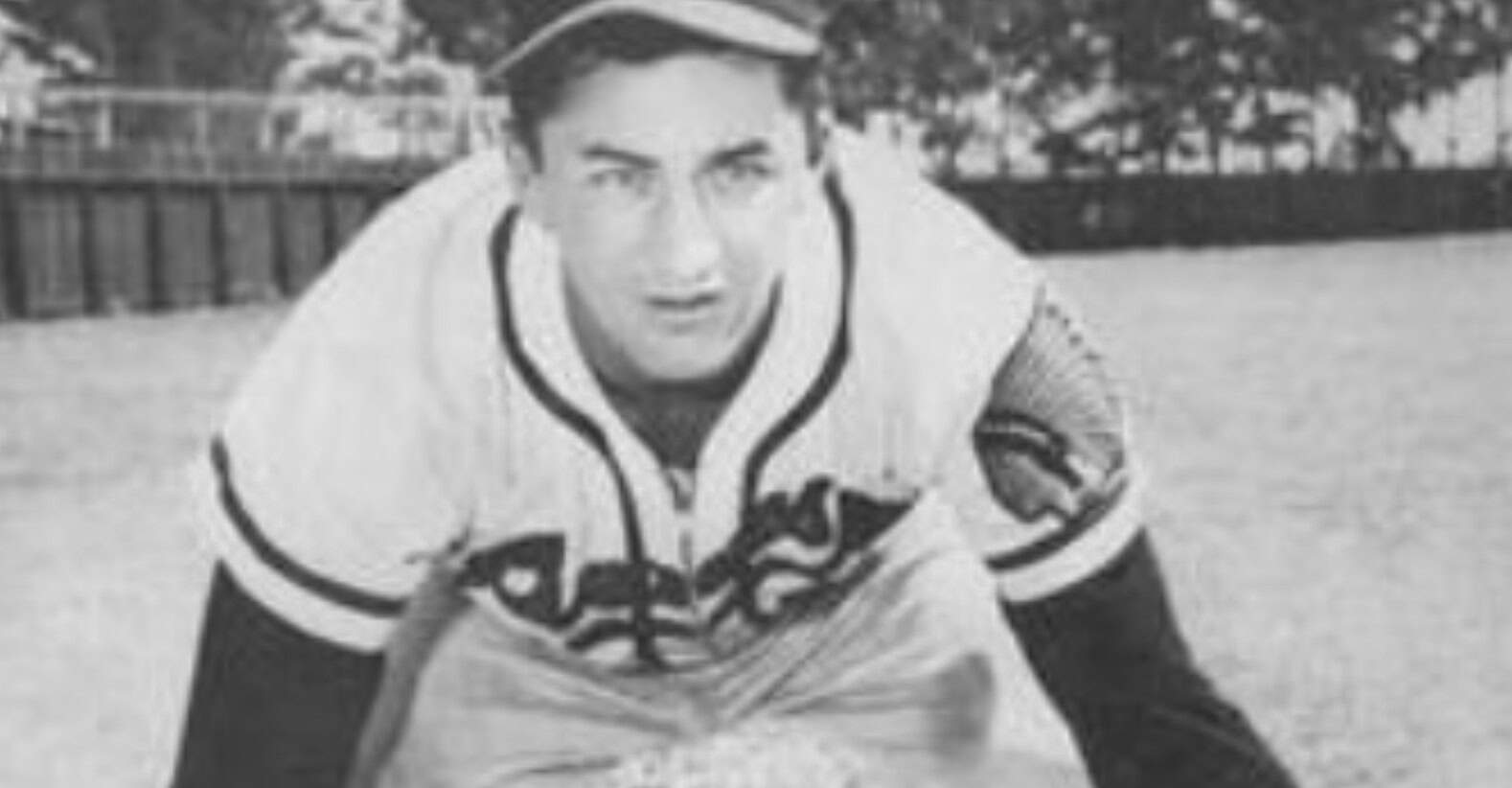
Johnny Logan epitomized clutch performance during Milwaukee’s golden era, providing the steady infield presence that helped the Braves capture their 1957 World Series championship and return to the Fall Classic in 1958. The Ukrainian-American shortstop possessed an innate sense of timing, whether turning game-ending double plays or delivering key hits that kept Milwaukee’s championship dreams alive at County Stadium. Logan’s partnership with second baseman Red Schoendienst formed one of the decade’s most reliable middle infield combinations, executing the fundamentals with machine-like precision while providing veteran leadership for a team featuring Hank Aaron, Eddie Mathews, and Warren Spahn. His World Series heroics included crucial defensive plays and timely hitting that helped bring Milwaukee its only championship, cementing his legacy as the steady hand who kept the Braves grounded during their most pressure-filled moments.
Chico Carrasquel – The Pioneer Who Opened Doors
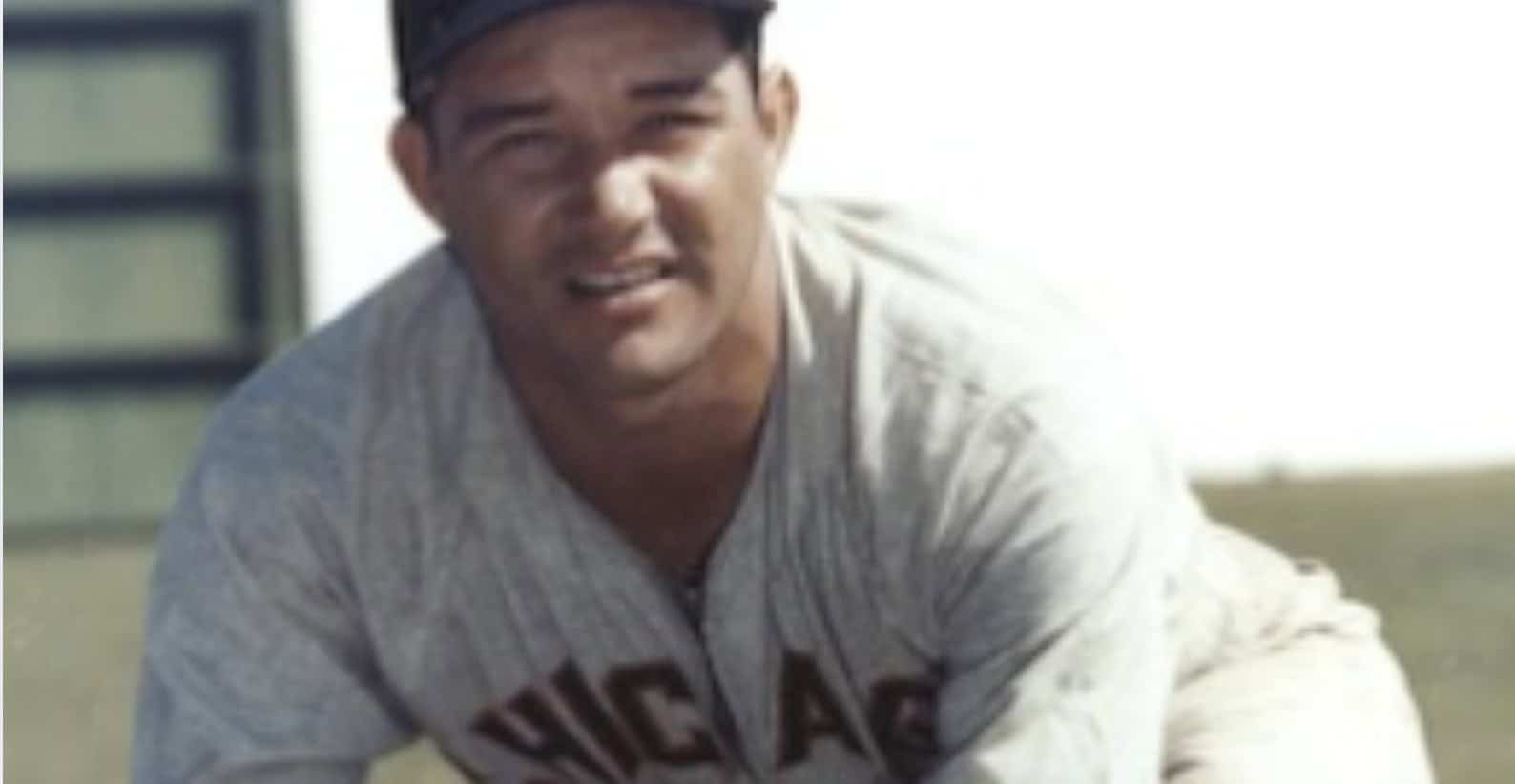
Alfonso “Chico” Carrasquel blazed trails as one of the first Venezuelan players to achieve stardom in Major League Baseball, paving the way for future Latin American shortstops while dazzling Chicago fans with his defensive brilliance and infectious personality. The Caracas native brought a distinctive flair to the position, combining spectacular range with an arm that could make throws from impossible angles look routine, earning four All-Star selections during his prime years with the White Sox. Carrasquel’s impact extended far beyond statistics, as he became a cultural ambassador who helped break down barriers and stereotypes while demonstrating that talent knew no geographical boundaries. His mentorship of Luis Aparicio created a seamless transition when the younger Venezuelan took over at shortstop, establishing a pipeline of international talent that would transform baseball’s demographics and prove that America’s pastime truly belonged to the world.
Eddie Joost – Philadelphia’s Patient Plate Disciplinarian
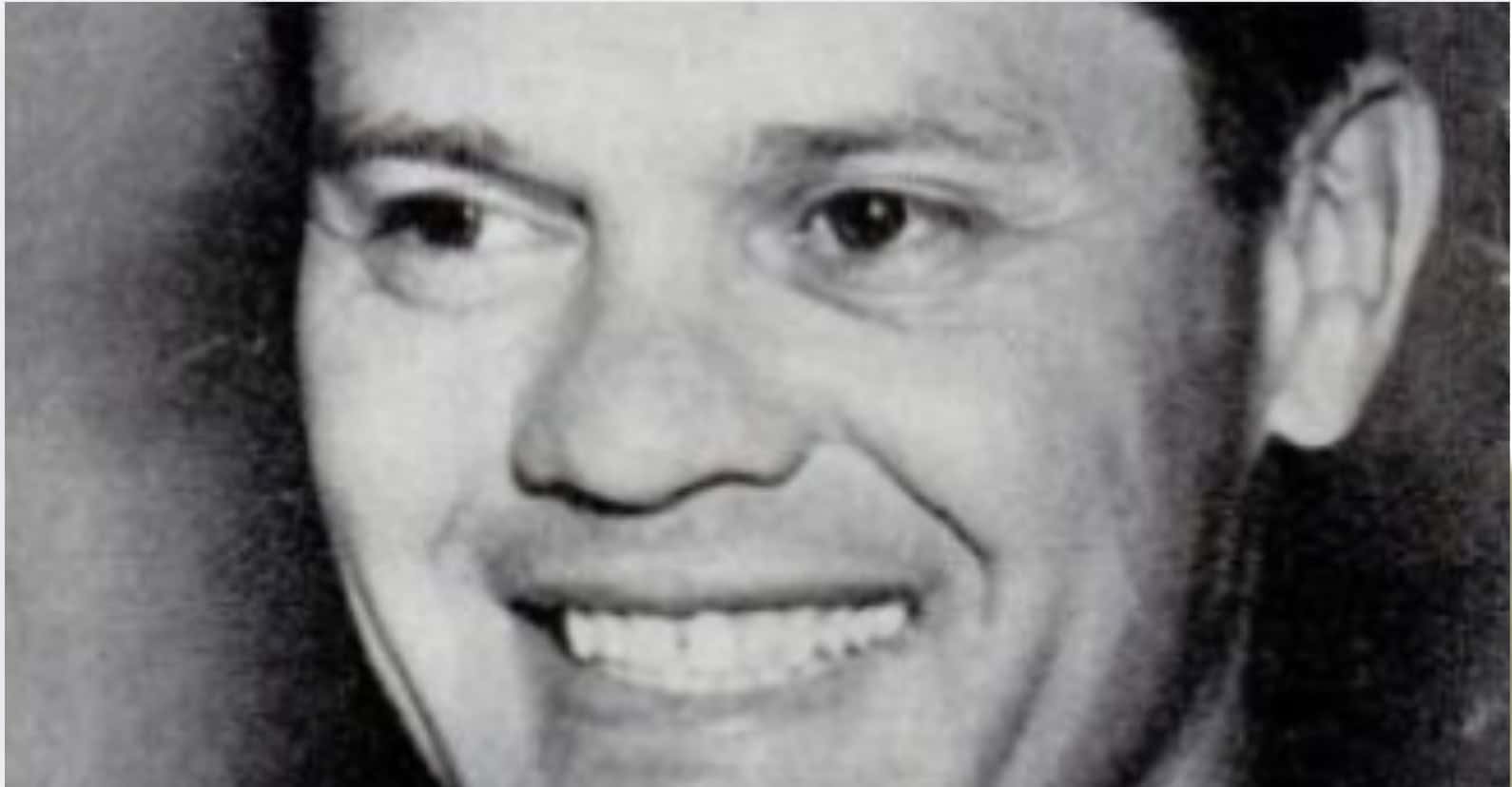
Eddie Joost mastered the art of working counts and drawing walks decades before “Moneyball” made on-base percentage fashionable, leading the American League in walks twice while providing steady defense for Connie Mack’s Philadelphia Athletics. The California native possessed an eagle eye at the plate that frustrated opposing pitchers, who found themselves falling behind in counts against a hitter who seemed to know the strike zone better than most umpires. Joost’s patient approach perfectly complemented his defensive reliability, as he consistently ranked among the league leaders in games played and innings at shortstop, providing the Athletics with dependable production during lean years at Shibe Park. His 1949 season was particularly impressive, as he drew 149 walks while hitting 23 home runs, demonstrating a rare combination of power and patience that made him one of the decade’s most underappreciated performers.
Solly Hemus – St. Louis’ Scrappy Two-Way Threat

Solomon “Solly” Hemus embodied the scrappy spirit of 1950s baseball, combining fiery competitiveness with surprising offensive production that made him a fan favorite at Sportsman’s Park during his tenure with the St. Louis Cardinals. The Phoenix native never backed down from a challenge, whether charging a slow roller with runners in scoring position or crowding the plate against intimidating fastball pitchers who tried to move him off the dish. Hemus’s versatility proved invaluable to Cardinals manager Eddie Stanky, as he could play multiple infield positions while providing consistent offensive production that included gap power and the ability to work deep counts. His leadership qualities eventually earned him a shot at managing the Cardinals, though his playing days showcased a blue-collar approach that resonated with working-class fans who appreciated his hustle and determination on every play.
Granny Hamner – Philadelphia’s Homegrown All-Star

Granville “Granny” Hamner represented Philadelphia baseball royalty, growing up in the city’s neighborhoods before starring for the Phillies’ legendary “Whiz Kids” team that captured the 1950 National League pennant in dramatic fashion. The local product possessed an intimate knowledge of Shibe Park’s quirks and dimensions, using that familiarity to position himself perfectly on defense while developing into a reliable offensive contributor who could drive in runs when needed. Hamner’s clutch hitting during the 1950 pennant race included several game-winning hits that kept Philadelphia’s championship dreams alive, culminating in the dramatic final-day victory that sent the city into delirium. His three All-Star selections during the decade reflected consistent excellence at both ends of the spectrum, as he combined steady defense with timely hitting that made him one of the most dependable players in franchise history.
Billy Hunter – The Journeyman’s Steady Glove
Billy Hunter exemplified the journeyman shortstop who made his living with leather rather than lumber, providing steady defense for multiple teams while earning respect throughout the American League for his professionalism and reliability. The North Carolina native understood his role perfectly, focusing on turning double plays and making routine plays look easy while never trying to be something he wasn’t at the plate. Hunter’s versatility proved valuable to managers who knew they could pencil him into the lineup and expect solid defense regardless of the situation, whether facing a power-hitting lineup or dealing with a knuckleball pitcher who generated weak contact. His career represented the blue-collar ethos of 1950s baseball, where role players understood their importance to team success and took pride in executing fundamentals that allowed star players to shine brighter.
Billy Klaus – Boston’s Late-Bloomer Surprise
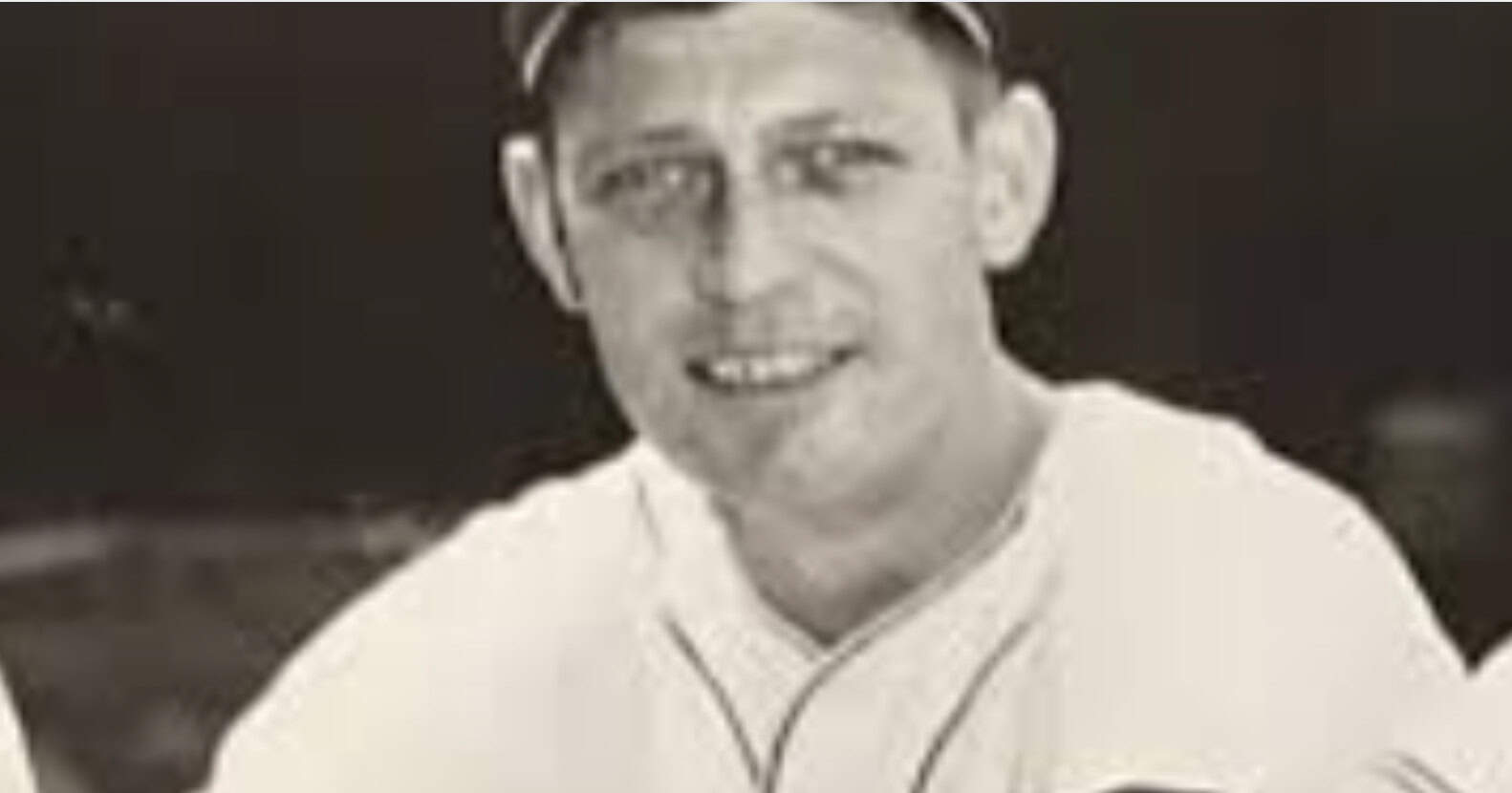
Billy Klaus proved that persistence pays off in baseball, finally reaching the major leagues at age 26 and immediately making an impact with the Boston Red Sox through steady defense and surprising offensive contributions that caught fans off guard. The California native had spent years grinding through the minor leagues, perfecting his craft while watching younger players get promoted ahead of him, but his patience was rewarded when Boston gave him a chance to prove himself at Fenway Park. Klaus’s late-career emergence included several seasons where he provided reliable production at shortstop, combining adequate defense with enough offensive pop to justify regular playing time for a Red Sox team that was looking to solidify its infield during the mid-1950s. His story resonated with fans who understood that baseball dreams don’t always follow conventional timelines, proving that determination and skill could overcome age and circumstance.
Don Blasingame – The Contact Hitter’s Quiet Excellence

Don Blasingame mastered the lost art of contact hitting, consistently putting the ball in play. He provided steady defense at shortstop for the St. Louis Cardinals in the mid-1950s before transitioning to second base, where he continued to excel for the remainder of the decade. The Mississippi native possessed an uncanny ability to make contact with two strikes, rarely striking out while finding ways to advance runners and keep innings alive through sheer determination and bat control. Blasingame’s approach represented old-school baseball values, where making productive outs was considered just as important as getting hits, and his willingness to sacrifice personal statistics for team success made him a favorite among teammates and coaches. His quiet excellence often went unnoticed by casual fans, but baseball insiders appreciated his consistent production and professional approach that provided stability during roster transitions and helped younger players understand what it meant to be a complete player in the major leagues.