

Last Updated: June 17th, 2026 by Matthew Brown
Before television cameras captured every swing and social media dissected every play, the first modern World Series unfolded in 1903 like a grand experiment that nobody was quite sure would work. These were the days when players wore wool uniforms that weighed twice as much when soaked with sweat, when mustaches were as important as batting averages, and when a best-of-nine series could stretch across two weeks because nobody was in a hurry. The men who took the field that October weren’t just playing baseball—they were creating the template for America’s greatest sporting tradition, one magnificent at-bat at a time.
Don't lose this article. Enter your email below, and I'll send it to you right now. Plus, we'll send you other unbelievable stories from baseball's past.
Cy Young’s Perfect Control That Made Hitters Look Foolish

Young’s pinpoint accuracy was so legendary that catchers barely had to move their gloves, as if the ball was drawn to the strike zone by invisible magnets. At 36 years old, the future Hall of Famer was already a grizzled veteran when he took the mound for Boston, but his fastball still hummed and his curveball still buckled knees. Cy’s two complete game victories in the Series proved that sometimes experience and craftiness could overcome youth and enthusiasm, setting the standard for October excellence that would endure for generations.
Deacon Phillippe’s Iron Arm That Pitched Five Complete Games
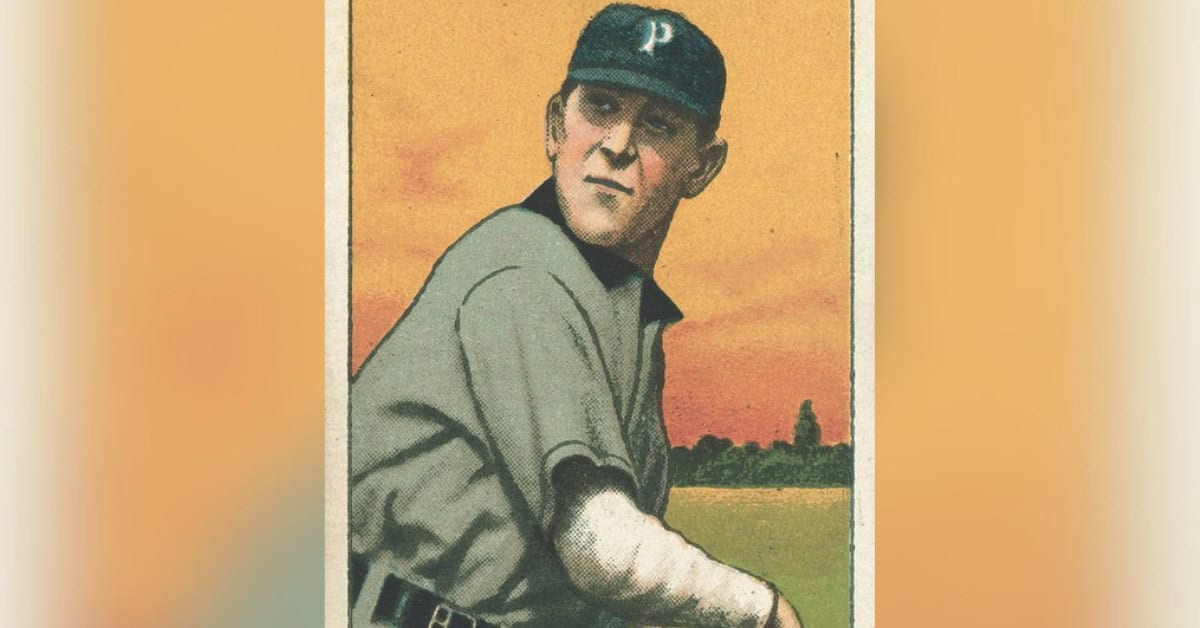
Phillippe’s workload in the 1903 Series would make modern pitch count analysts faint—five complete games over a span of ten days, throwing over 400 pitches in what amounted to a one-man pitching staff. The right-hander’s rubber arm and competitive fire kept Pittsburgh in the Series almost single-handedly, proving that durability was just as valuable as velocity. His heroic effort, though ultimately unsuccessful, became the template for postseason pitching legends and showed that sometimes the greatest performances come in defeat.
Jimmy Collins’s Bare-Handed Catches at Third Base
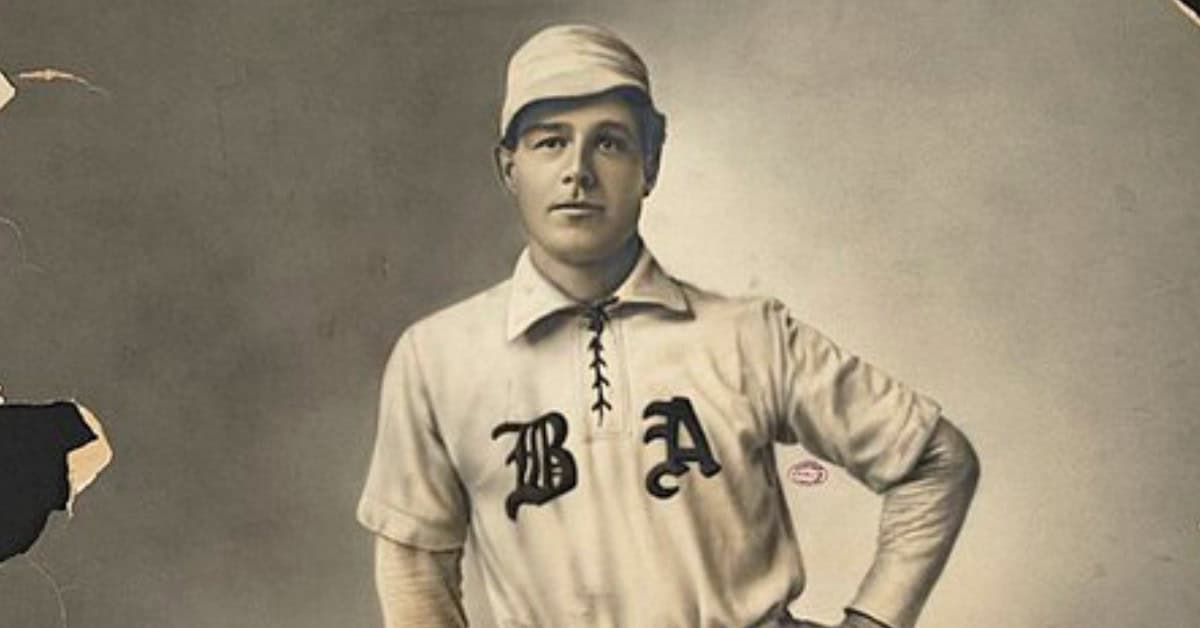
Collins revolutionized third base play with his fearless bare-handed grabs of bunts and slow rollers, turning routine plays into athletic artistry. The Boston player-manager’s quick reflexes and strong arm made him the prototype for the modern hot corner defender, charging balls that other players would let roll foul. His leadership both on the field and in the dugout helped guide the Americans to their first championship, proving that great managers often lead by example rather than speeches.
Patsy Dougherty’s Home Run That Shocked Pittsburgh
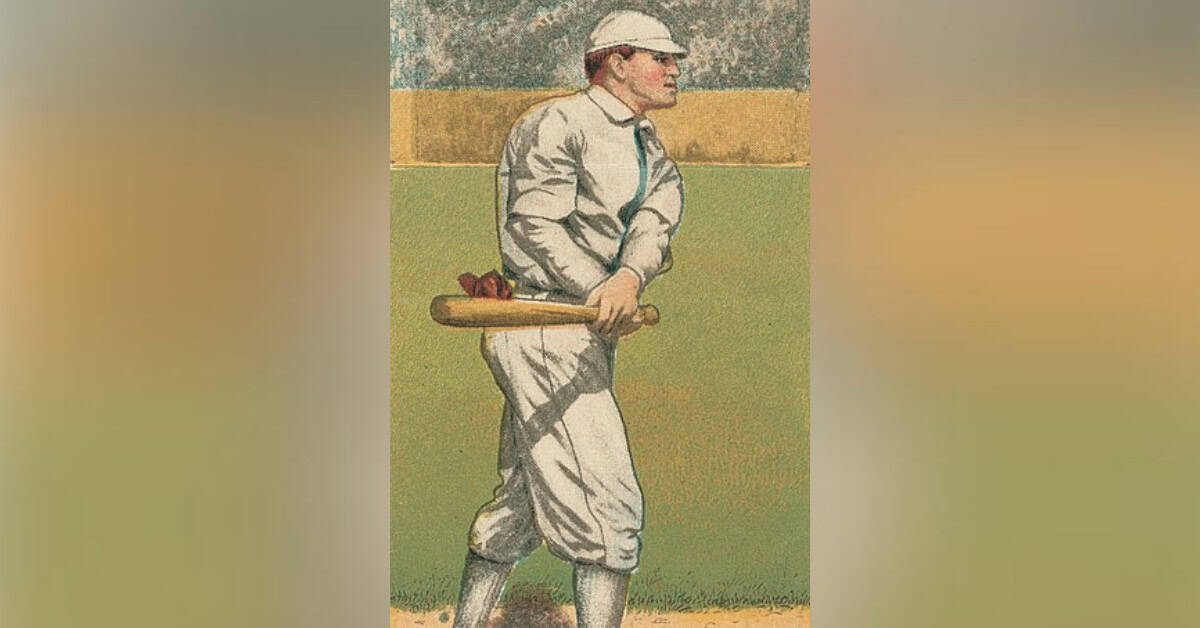
Dougherty’s two home runs in Game 2 were as rare as solar eclipses in the dead ball era, when most players were lucky to hit two homers in an entire season. The diminutive outfielder’s power display at Exposition Park stunned the Pittsburgh faithful and announced that Boston meant business in this newfangled World Series experiment. His clutch hitting throughout the Series proved that October heroes come in all sizes, and that sometimes the smallest players cast the longest shadows.
Fred Clarke’s Player-Manager Genius That Almost Won It All
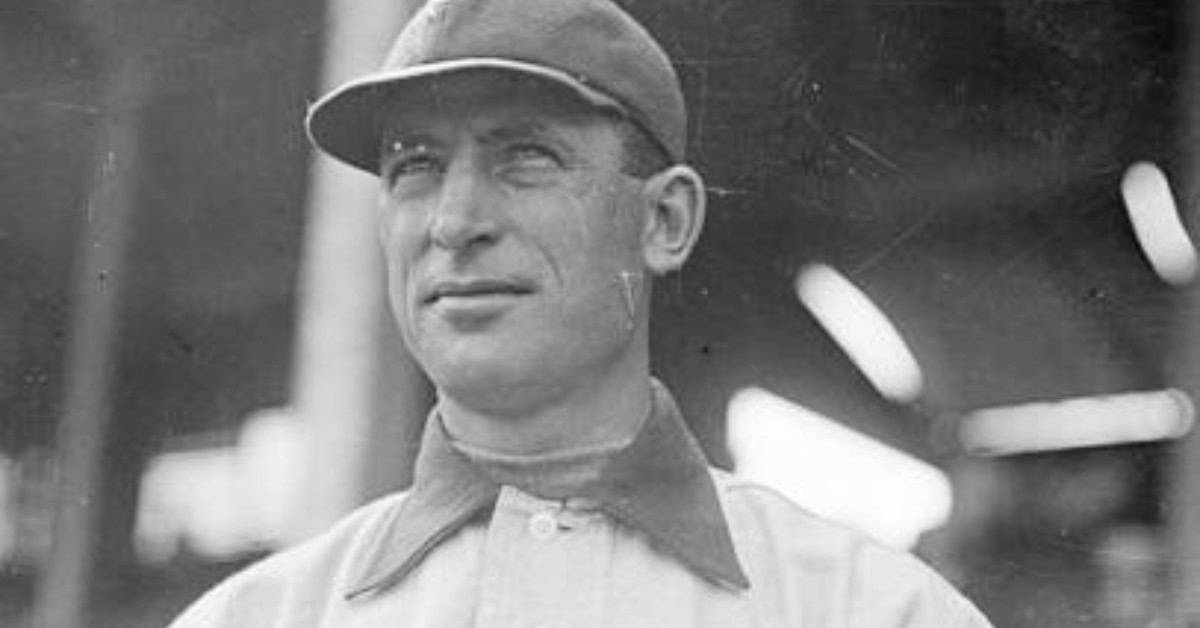
Clarke’s dual role as Pittsburgh’s left fielder and manager made him baseball’s ultimate multitasker, calling plays from the outfield while chasing down fly balls with equal skill. His strategic mind and competitive fire nearly led the Pirates to victory, despite being undermined by injuries to key pitchers. Fred’s .265 batting average in the Series proved that great leaders don’t just manage—they perform when the lights are brightest and the stakes are highest.
Bill Dinneen’s Curveball That Baffled Pittsburgh Batters
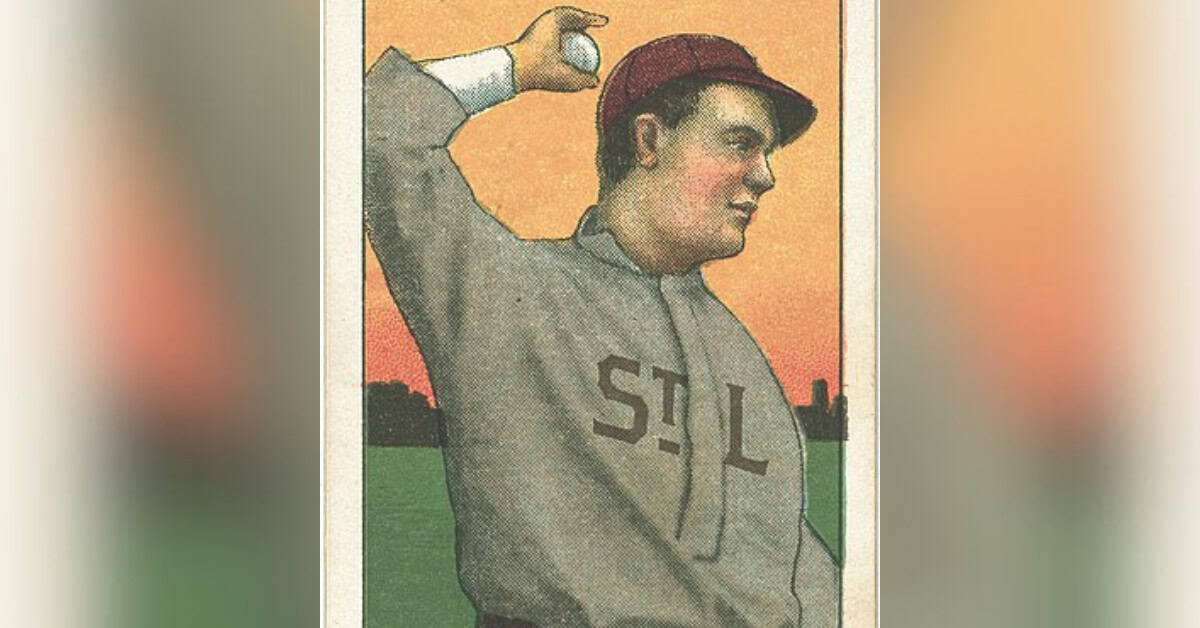
Dinneen’s devastating curveball dropped off tables and shattered bats with equal efficiency, making him Boston’s second ace behind the legendary Cy Young. His three complete game victories in the Series, including the clinching Game 8, proved that championships are won by depth and determination. Bill’s performance showed that while stars get the headlines, it’s often the second fiddle who plays the sweetest music when it matters most.
Tommy Leach’s Record-Setting Triples
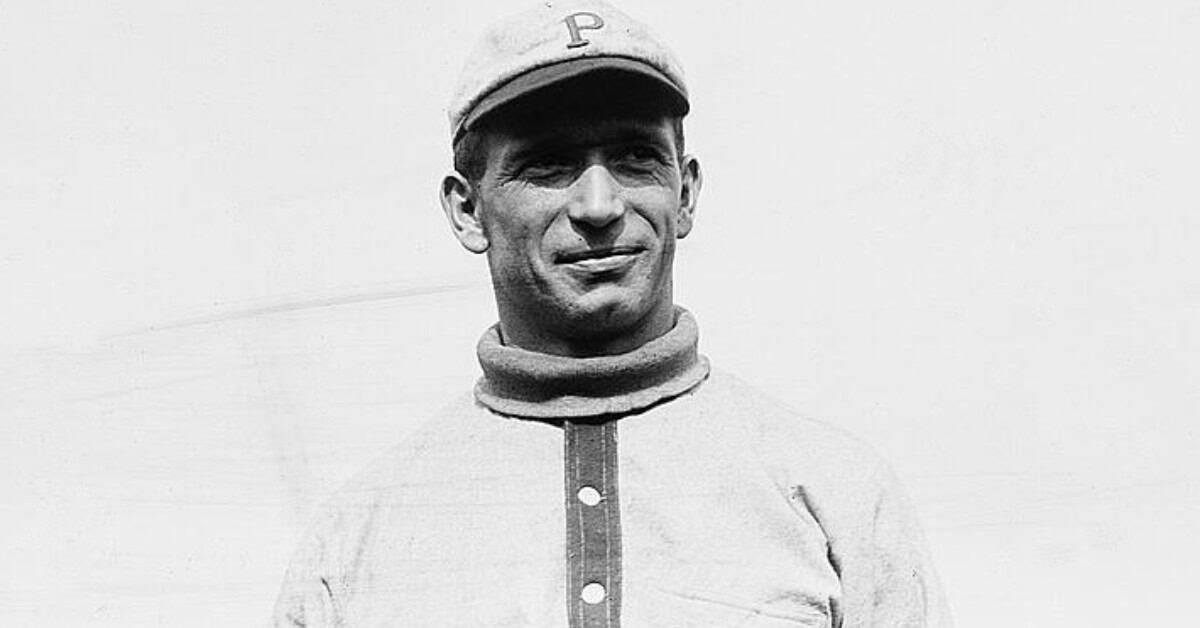
Leach’s base-running was pure poetry in motion, as the speedy third baseman turned potential doubles into legendary moments with his blazing speed. His four triples in the Series set a record that still stands today, proving that in the dead ball era, legs were often more valuable than arms. Tommy’s hustle and determination embodied the scrappy spirit of early baseball, when every extra base was earned through grit and determination rather than pure power.
Ginger Beaumont’s Leadoff Magic That Set the Table
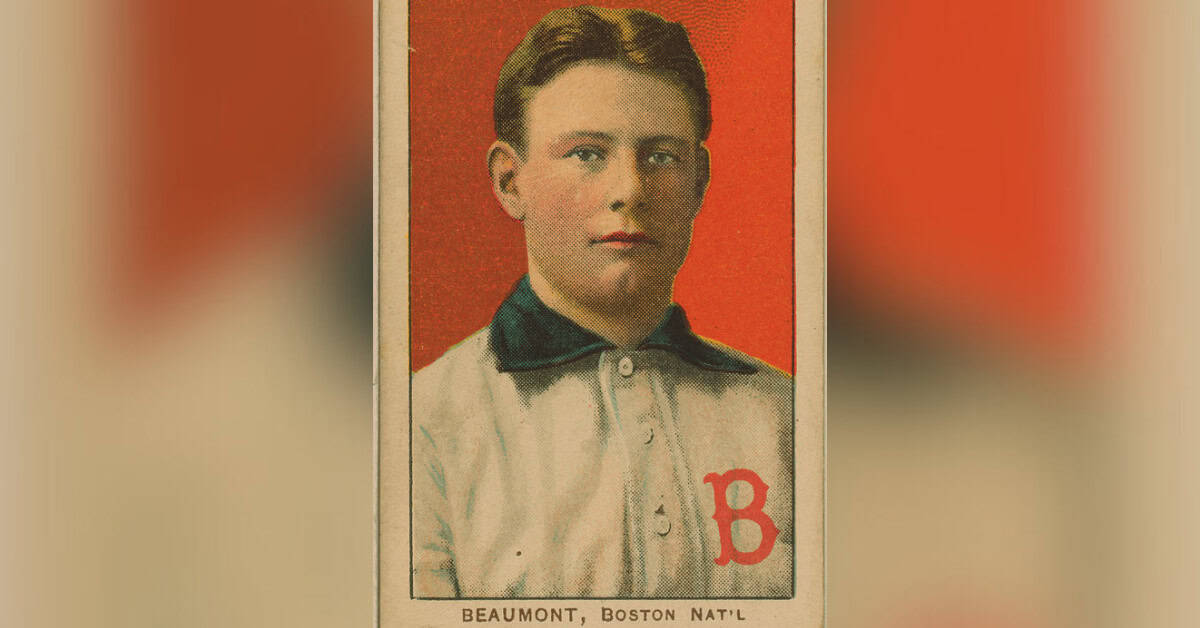
Beaumont’s patient approach at the plate and keen eye for the strike zone made him the perfect table-setter for Pittsburgh’s powerful lineup. His ability to work counts and get on base consistently frustrated Boston pitchers and set up scoring opportunities for the dangerous hitters behind him. Ginger’s professional approach and steady performance proved that leadoff hitters are like good opening acts—they may not get the loudest applause, but they set the tone for everything that follows.
Buck Freeman’s Mustache That Intimidated Opposing Pitchers

Freeman’s magnificent mustache was as much a part of his identity as his powerful right-handed swing, giving him the appearance of a Wild West gunslinger ready for a showdown. His imposing presence in the batter’s box and reputation as one of baseball’s early power hitters made pitchers think twice before challenging him. Buck’s combination of facial hair and home run power proved that in 1903, intimidation came in many forms, and sometimes the best weapon was a well-groomed mustache and a menacing glare.
Sam Leever’s Injured Arm That Cost Pittsburgh the Series
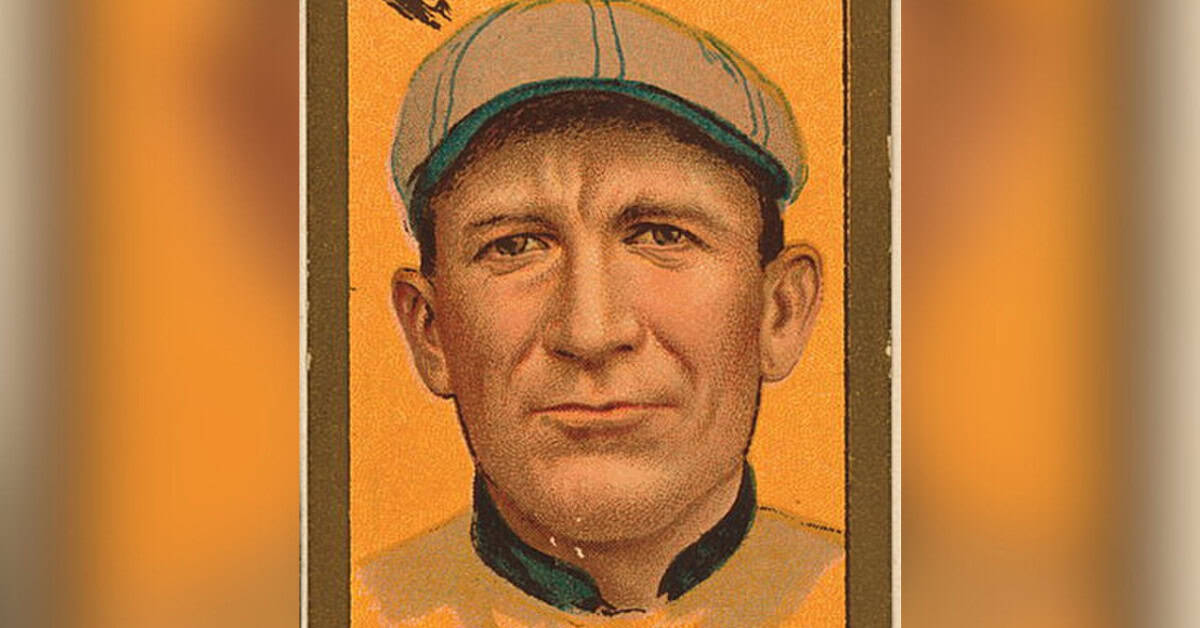
Leever’s injured shoulder became Pittsburgh’s tragic “what if” story, as their ace pitcher was reduced to a shell of himself when the Pirates needed him most. His ineffective performance in Game 2 showed how quickly fortunes can change in October, when one bad outing can derail an entire season’s work. Sam’s injury reminded everyone that baseball, like life, doesn’t always reward the deserving, and that sometimes the cruelest defeats come not from superior opponents but from the fragility of the human body.
Lou Criger’s Catching Gear That Weighed More Than Him
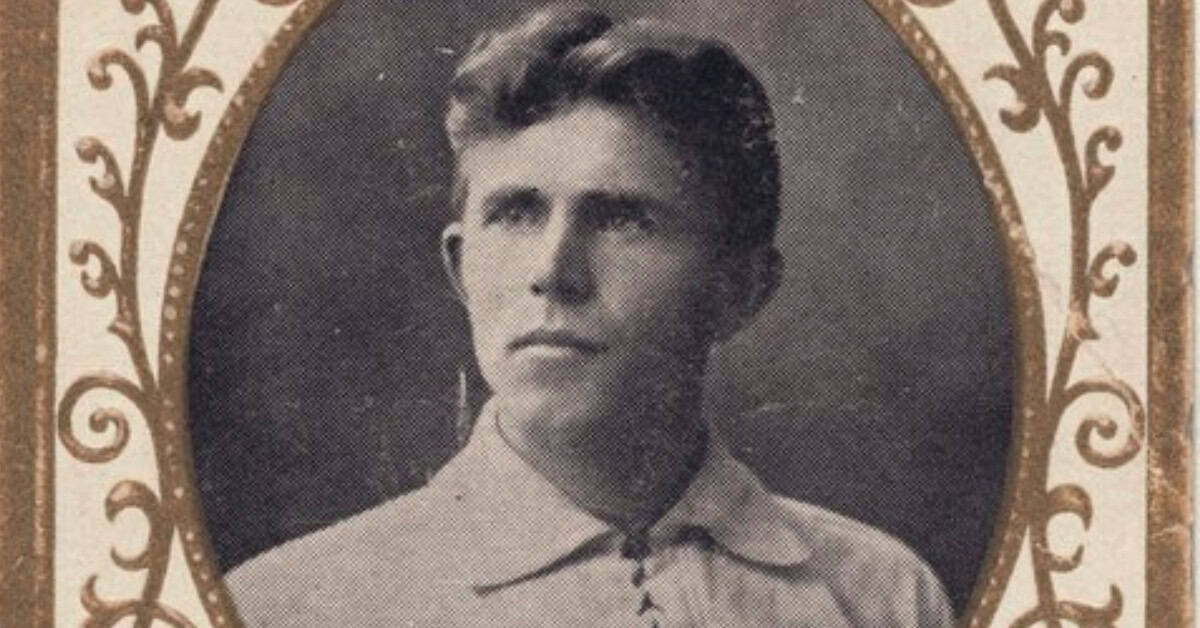
Criger’s primitive catching equipment looked more like medieval armor than modern baseball gear, with leather pads that offered minimal protection and a mask that seemed designed by someone who’d never seen a foul tip. His willingness to squat behind the plate in such inadequate gear showed the kind of toughness that defined early baseball, when playing hurt wasn’t heroic—it was just expected. Lou’s partnership with Cy Young became legendary, proving that great batteries are built on trust, communication, and a shared willingness to endure pain for the sake of victory.
Claude Ritchey’s Second Base Wizardry in the Dead Ball Era
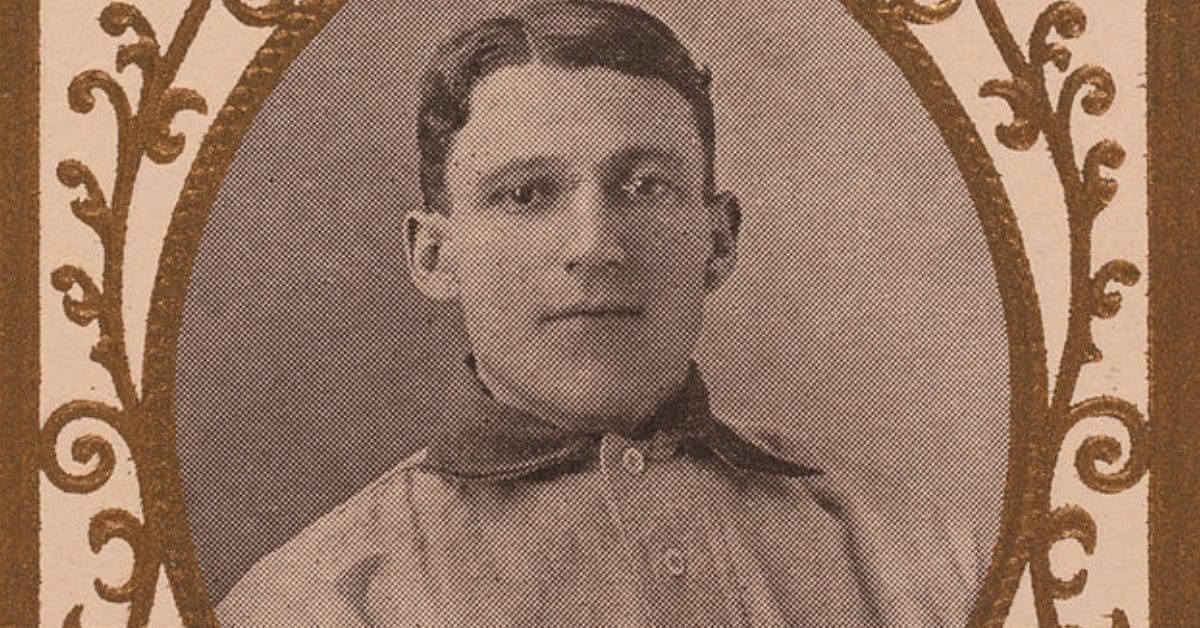
Ritchey’s slick fielding and quick hands made him the anchor of Pittsburgh’s infield, turning potential rallies into inning-ending double plays with balletic grace. His understanding of positioning and anticipation helped him make difficult plays look routine, even with the primitive gloves of the era. Claude’s steady defense proved that in the dead-ball era, when runs were precious and every out mattered, the best players were often those who prevented runs rather than scored them.
Long Tom Hughes’s Towering Frame That Dominated the Mound
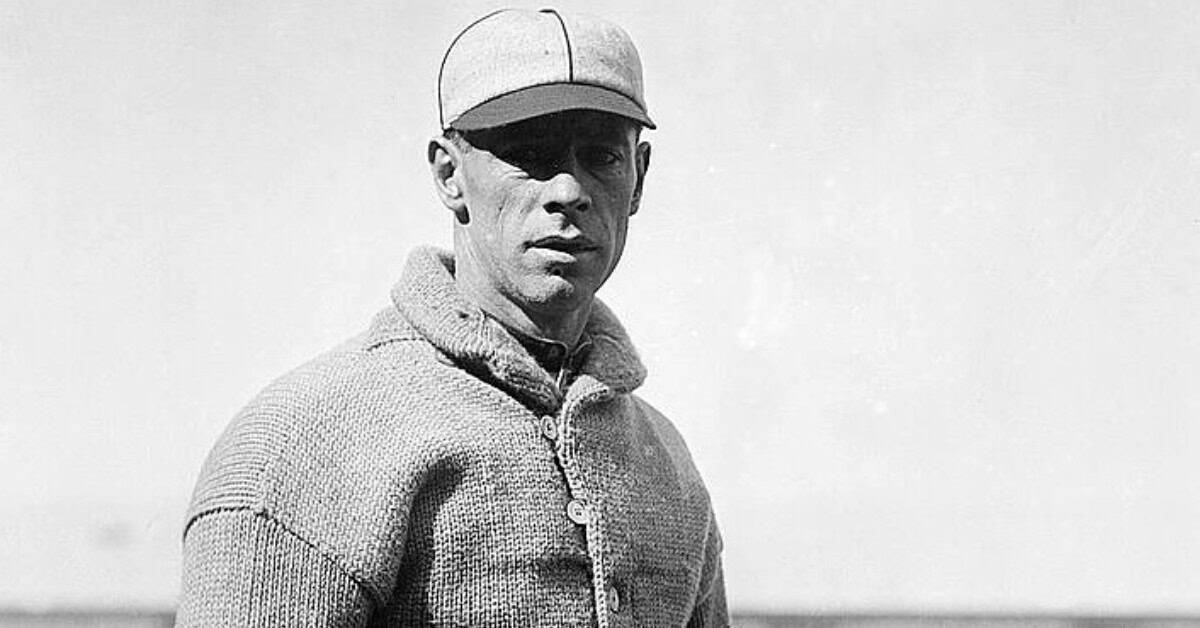
Hughes’s imposing 6’1″ frame made him a giant among the generally smaller players of 1903, using his height advantage to create downward angles that baffled hitters. His nickname “Long Tom” perfectly captured both his physical stature and his ability to go the distance on the mound when Boston needed innings. Tom’s presence in the Series rotation gave the Americans crucial depth, though he only threw two innings, his 20-win regular season certainly helped his team get to the mountaintop.
Chick Stahl’s Outfield Arm That Gunned Down Runners
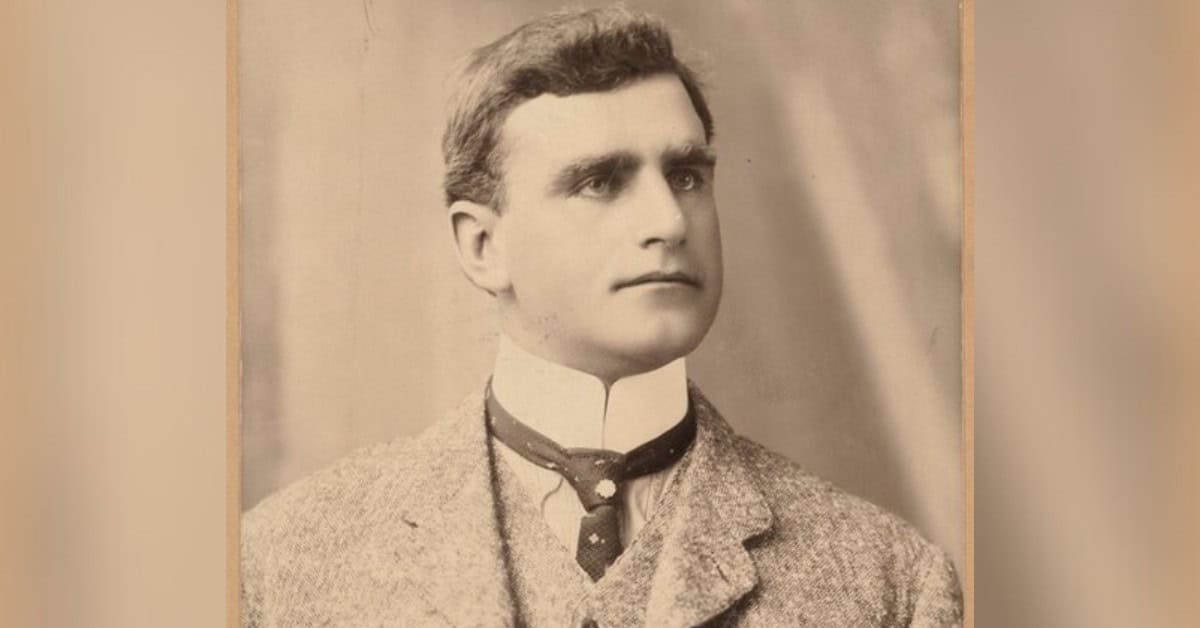
Stahl’s rocket arm from center field turned routine singles into potential outs, as baserunners learned to respect his cannon and think twice before taking extra bases. His combination of speed and accuracy made him the perfect center fielder for the spacious ballparks of the era, when outfielders needed to cover vast territories with minimal help. Chick’s defensive prowess proved that in an era obsessed with hitting and pitching, the players who controlled the running game often controlled the outcome of crucial games.
Candy LaChance’s First Base Stretch That Saved Throws
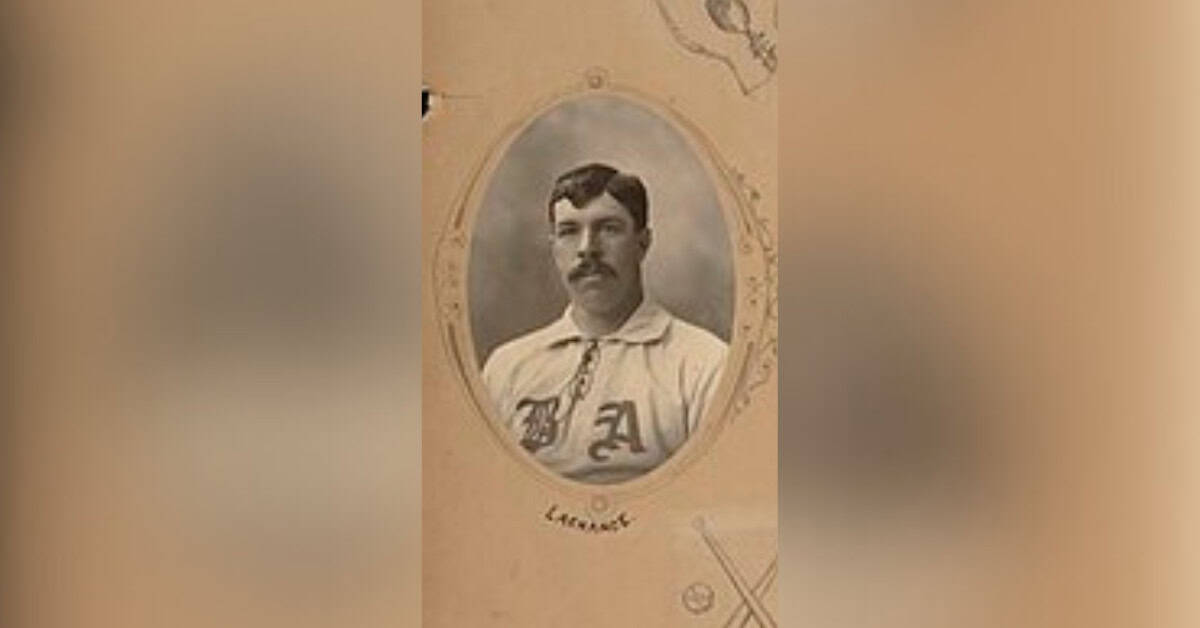
LaChance’s acrobatic stretches and soft hands turned errant throws into outs, saving his infielders from countless errors with his flexibility and quick reflexes. His ability to dig low throws out of the dirt and snag high ones from the sky made him invaluable to Boston’s championship run. Candy’s defensive artistry reminded everyone that first basemen do more than just catch—they’re the safety net that keeps entire defenses from unraveling when pressure mounts and throws go astray.
Freddy Parent’s Glove Work That Saved Countless Runs
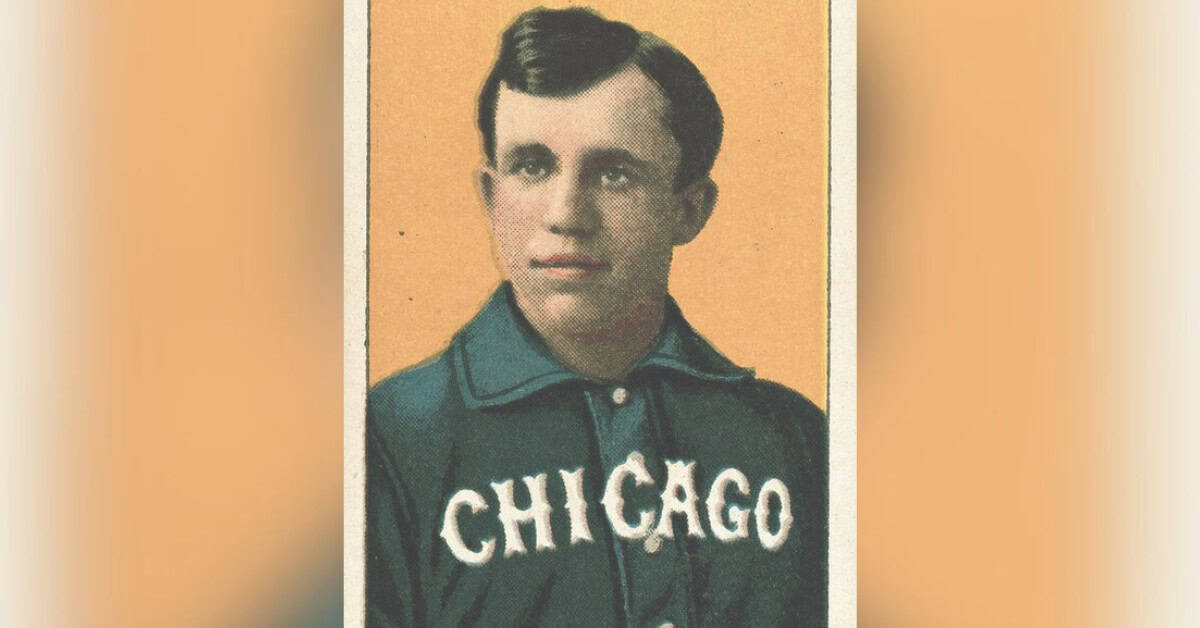
Parent’s steady shortstop play provided the defensive backbone that allowed Boston’s pitchers to attack the strike zone with confidence, knowing their fielders would make the plays behind them. His reliable glove and strong arm helped turn potential Pittsburgh rallies into harmless innings, proving that great defense often wins championships. Freddy’s unflashy but essential contributions showed that baseball’s most valuable players aren’t always the ones with the biggest statistics, but those who make everyone around them better.
Hobe Ferris’s Double Play Turns That Ended Rallies
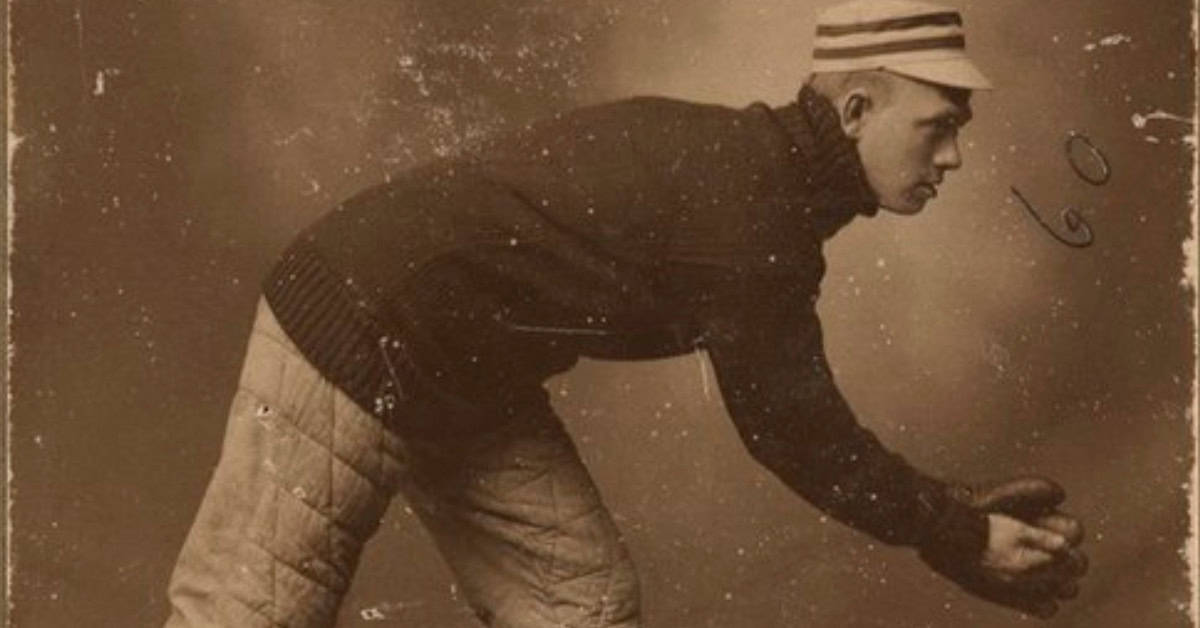
Ferris’s lightning-quick pivot at second base turned potential Pittsburgh rallies into inning-ending double plays, showcasing the kind of defensive artistry that made Boston’s championship possible. His partnership with shortstop Freddy Parent created one of baseball’s most reliable middle infield combinations, proving that chemistry and communication matter as much as individual skill. Hobe’s clutch defense demonstrated that in close games and crucial moments, the players who prevent runs often matter more than those who score them.
Barney Dreyfuss’s Vision That Created the First World Series
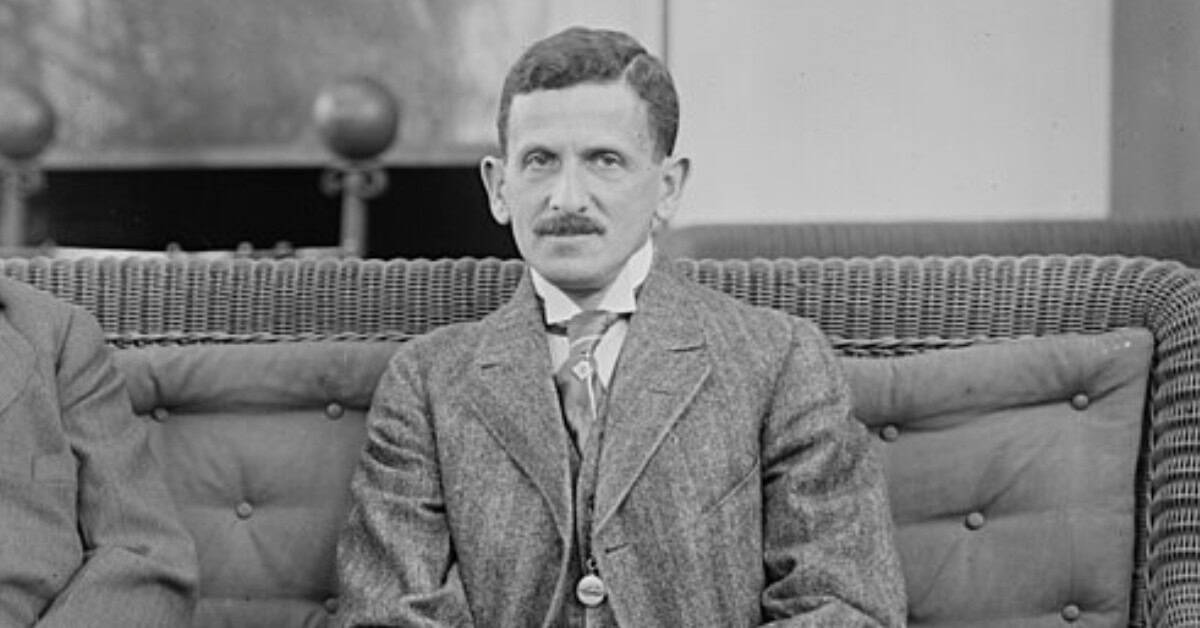
Dreyfuss’s bold challenge to the American League champions transformed what could have been just another season into baseball’s most enduring tradition. The Pittsburgh owner’s willingness to risk his team’s reputation and his own money created the template for October drama that still captivates fans today. Barney’s vision proved that sometimes the most important contributions to sports history come not from players or managers, but from executives brave enough to dream bigger than anyone thought possible.
Tom Connolly’s Umpiring That Kept Order in Baseball’s Biggest Stage
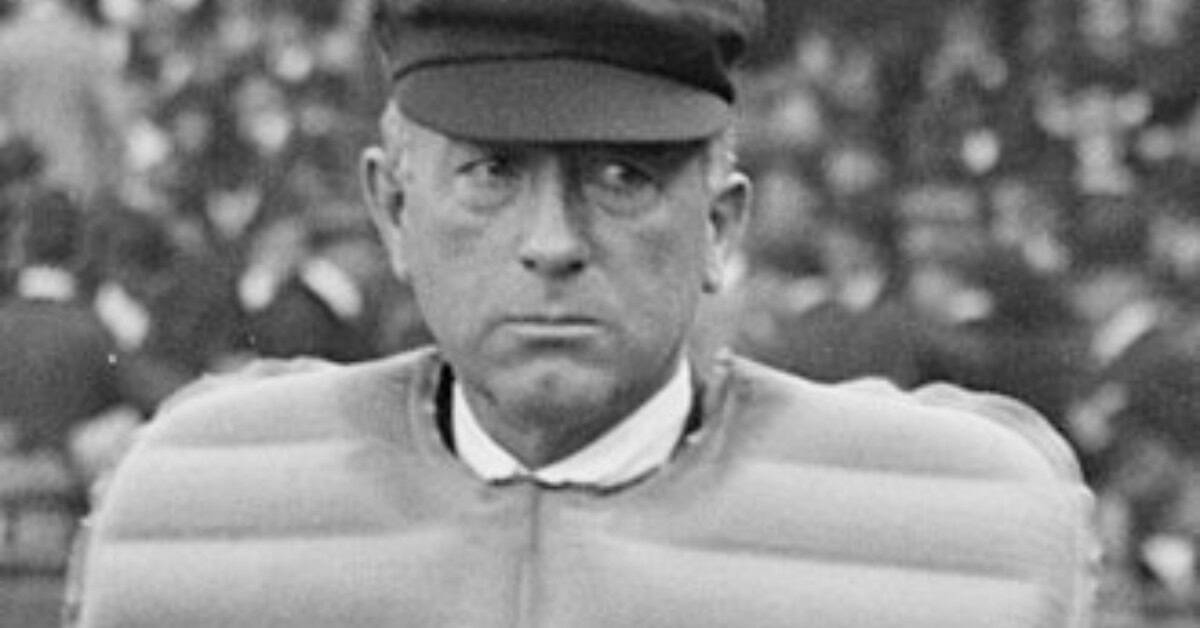
Connolly’s authoritative presence behind the plate helped establish the dignity and respect that would become hallmarks of World Series play. His consistent strike zone and firm control of the game’s tempo proved that great umpires don’t just call balls and strikes—they set the stage for history to unfold. Now enshrined in the Hall of Fame, Tom’s professional demeanor and unflappable composure under pressure showed that sometimes the most important people in sports are those whose best work goes unnoticed, quietly ensuring that the game’s integrity remains intact.
Honus Wagner’s Bowlegged Sprint That Redefined Speed
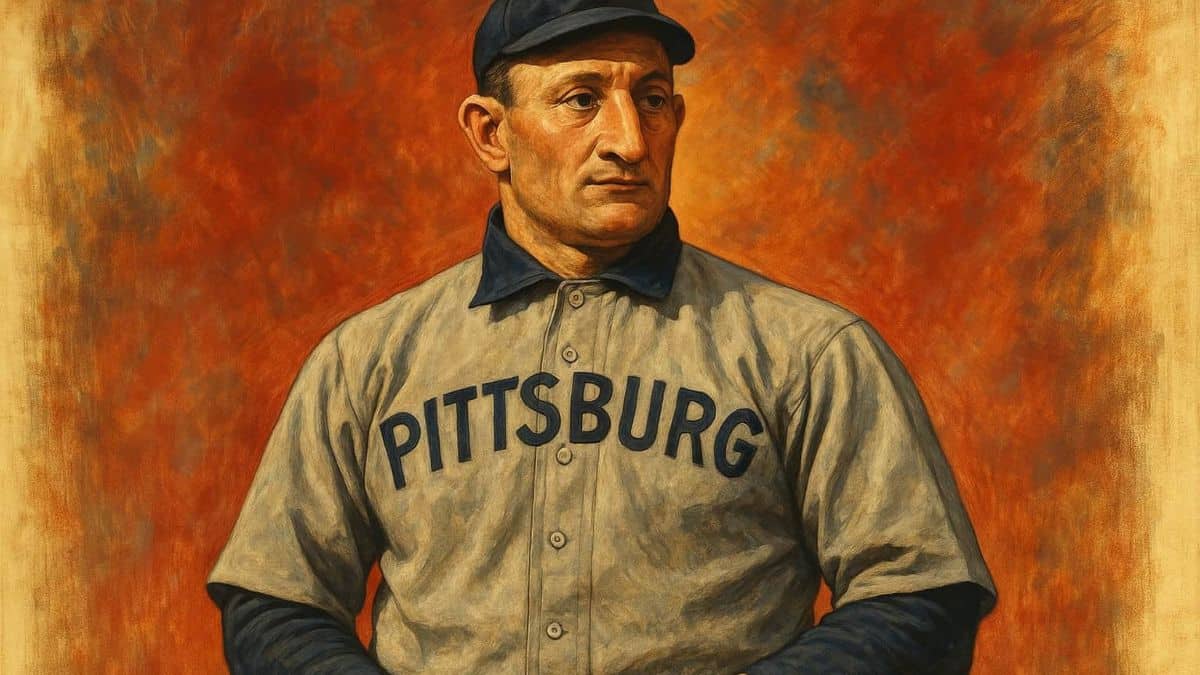
Wagner’s awkward running style looked like a man chasing chickens in a barnyard, but his deceptive speed and incredible range made him the most feared shortstop in baseball. His ability to cover ground that seemed impossible for a man of his build turned routine grounders into spectacular plays and redefined what fans expected from the position. The Flying Dutchman’s unique combination of power, speed, and defensive wizardry in the 1903 Series announced to the world that baseball had found its first true superstar, a player whose legend would endure long after his bowlegged sprint carried him around the bases for the final time.