

Last Updated: June 17th, 2026 by Michael Schatz
Before fantasy leagues and sabermetrics stripped baseball of its soul, the World Series was pure theater—when October meant everything and legends were born in seven games of pure drama. These are the Fall Classics that made grown men weep and turned kitchen radios into shrines of hope.
Don't lose this article. Enter your email below, and I'll send it to you right now. Plus, we'll send you other unbelievable stories from baseball's past.
1975 Red Sox vs. Reds: When Carlton Fisk Waved Baseball Into Poetry
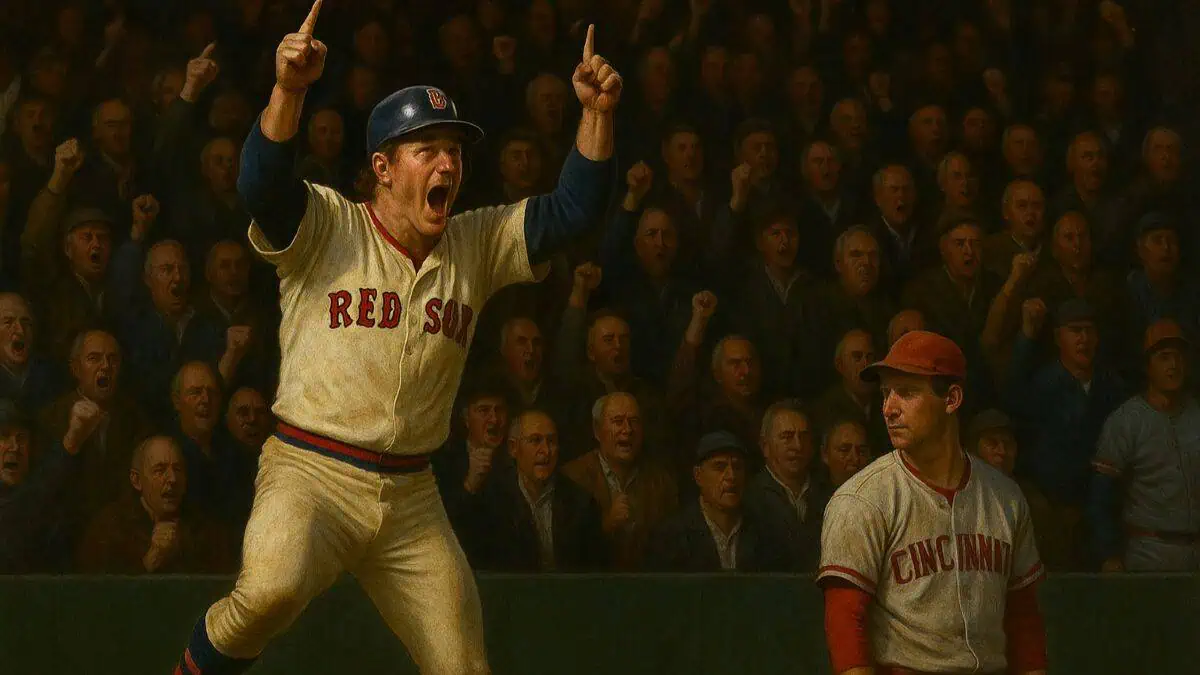
Game 6 at Fenway Park lasted until 12:34 AM, when Carlton Fisk’s body English became the most famous dance in sports history. His frantic arm-waving, willing that fly ball to stay fair, captured everything beautiful about baseball’s capacity for magic. The Reds won Game 7, but Fisk’s moment—broadcast to 75 million Americans on a Tuesday night—proved that sometimes losing can create immortality. This was the series that made NBC realize baseball could be prime-time gold, launching an era when October baseball mattered to people who couldn’t tell you what ERA stood for.
1991 Twins vs. Braves: The Last Pure Series Before Free Agency Ruined Everything
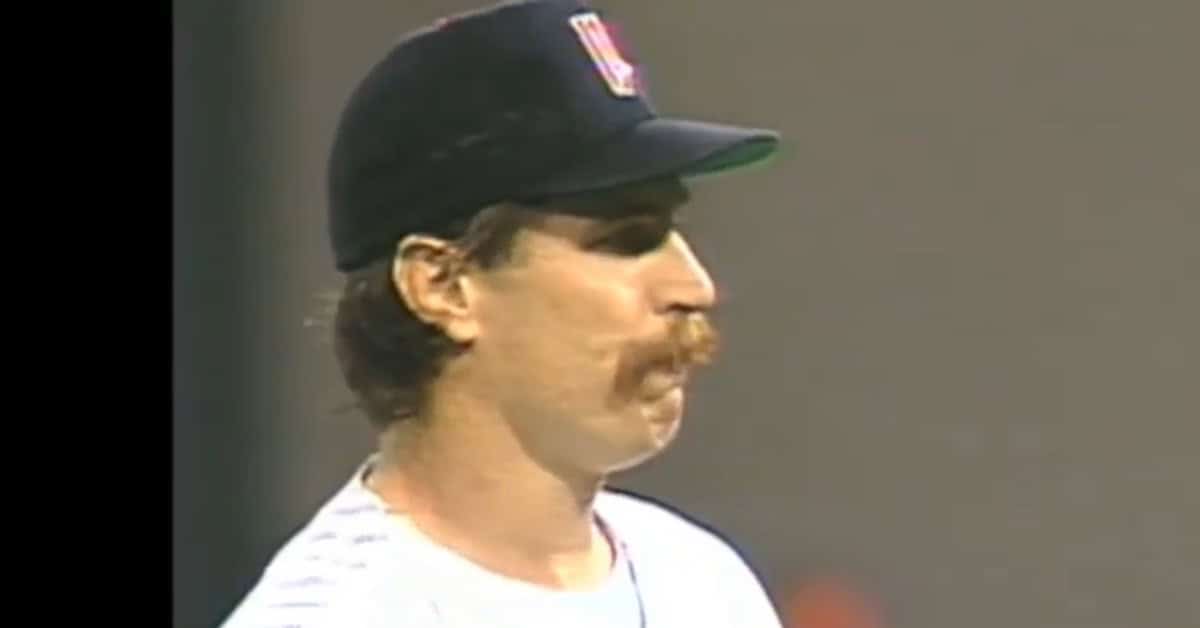
Jack Morris pitched 10 shutout innings in Game 7, refusing to let manager Tom Kelly pull him because “this is what I live for.” The Metrodome crowd of 55,118 created a sound that registered on seismographs, while John Smoltz matched Morris pitch for pitch in the greatest Game 7 duel ever thrown. Gene Larkin’s broken-bat single over a drawn-in outfield ended it 1-0, capping a series where five games were decided by one run. This was baseball’s last hurrah before money changed everything—when players stayed with teams and October still felt like a neighborhood pickup game played by gods.
2016 Cubs vs. Indians: Breaking Curses and Cleveland Hearts in Extra Innings
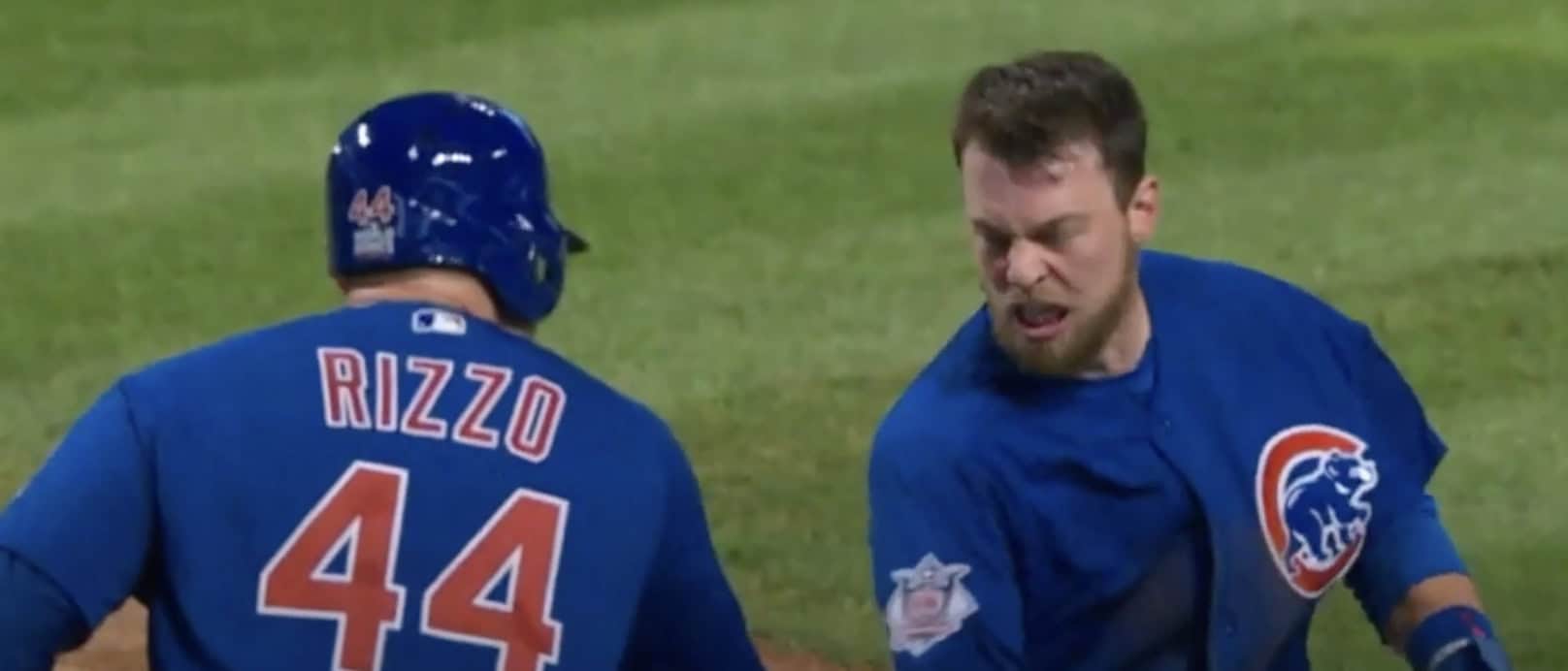
Game 7 had everything: a 17-minute rain delay that felt like divine intervention, Rajai Davis tying it with two outs in the eighth, and Ben Zobrist’s go-ahead double in the 10th that ended 108 years of Chicago misery. The Cubs became the first team to overcome a 3-1 deficit in the World Series since 1985, while Cleveland’s drought extended to 68 years. When Kris Bryant fielded the ball and threw to Anthony Rizzo for the final out, grown men who’d inherited their Cubs fandom like a genetic disease finally understood what their grandfathers had died waiting to see. The curse wasn’t just broken—it was obliterated by the greatest Game 7 comeback in baseball history.
1960 Pirates vs. Yankees: Mazeroski’s Homer That Made Pittsburgh Forget Steel
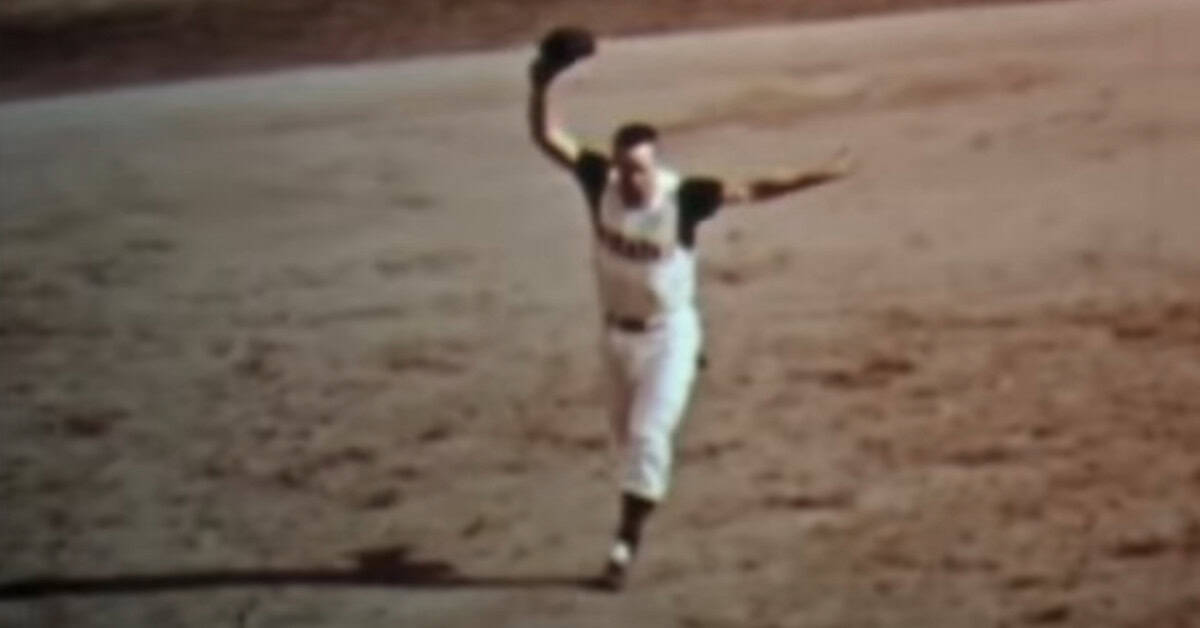
The Yankees outscored Pittsburgh 55-27 in the series, yet somehow lost when Bill Mazeroski’s second-pitch fastball from Ralph Terry sailed over Forbes Field’s left-field wall at 3:36 PM on October 13th. It remains the only Game 7 walk-off homer in World Series history, turning a workmanlike second baseman into Pittsburgh royalty. The celebration lasted three days, with fans dancing in the streets while factory whistles blew across the Steel City. This was David slaying Goliath with a Louisville Slugger, proving that sometimes the baseball gods care more about heart than talent. The only reason we have film of it is because Bing Crosby was too nervous to watch live and had it recorded.
2001 Diamondbacks vs. Yankees: Arizona’s Desert Miracle Against the Evil Empire
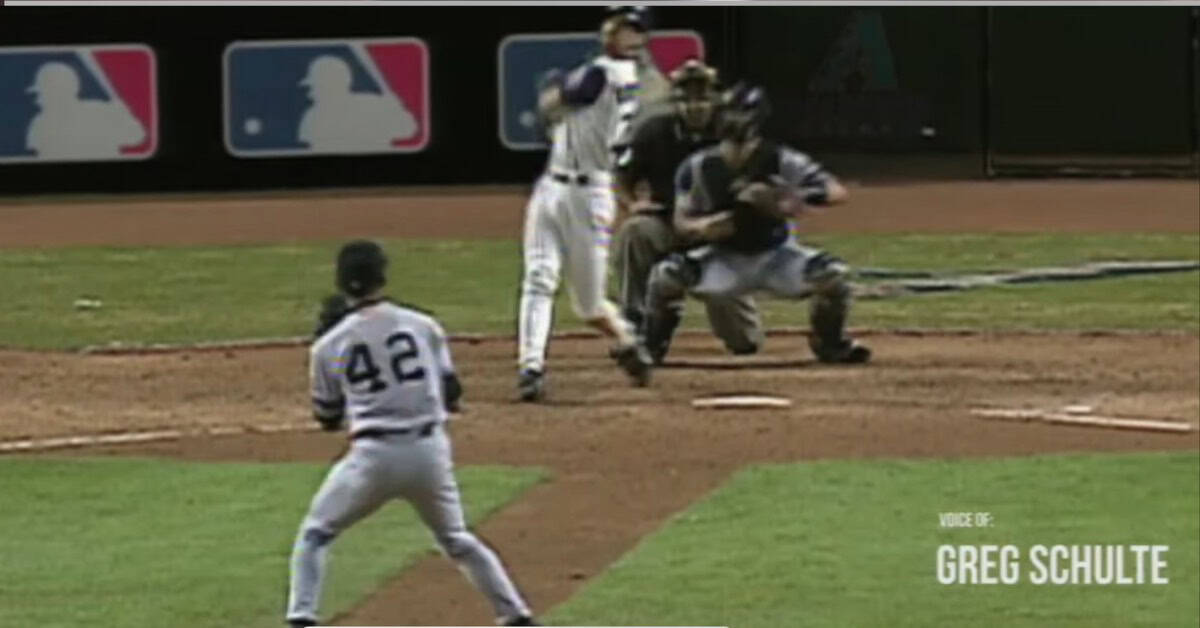
Mariano Rivera had never blown a save in World Series play, but Luis Gonzalez’s broken-bat bloop single over Derek Jeter’s head changed everything in the bottom of the ninth. This was November baseball in the shadow of 9/11, when the Yankees represented America’s resilience and the Diamondbacks were just four years removed from expansion-team mediocrity. Randy Johnson, after starting Game 6, came in for a crucial relief appearance in Game 7 on zero days’ rest, and Curt Schilling pitched valiantly throughout the series, proving that sometimes the impossible becomes inevitable. Arizona’s championship remains the fastest any expansion team had ever won it all, a desert mirage that became beautifully, impossibly real when Rivera’s cutter stayed over the plate for once.
1986 Mets vs. Red Sox: Buckner’s Error and the Curse That Wouldn’t Quit
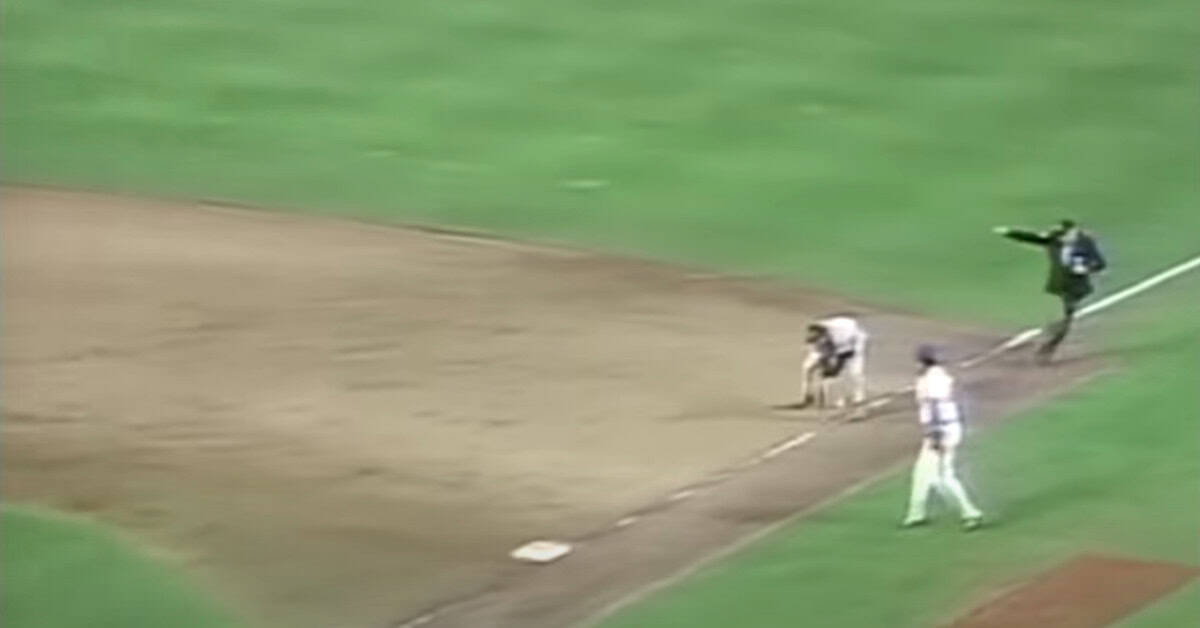
Game 6 at Shea Stadium turned on Mookie Wilson’s slow roller that somehow found the one hole in Bill Buckner’s glove, extending Boston’s championship drought to 68 years. The Red Sox were one strike away—twice—from their first title since 1918, but Bob Stanley’s wild pitch and Buckner’s error became the cruelest kind of Boston poetry. Ray Knight scored from second, and New England’s dreams died again in the most excruciating way possible. The Mets won Game 7 easily, but it was Buckner’s ankles, weakened by years of playing hurt, that created the most famous error in World Series history and kept the Curse of the Bambino alive for another 18 years.
1924 Senators vs. Giants: When Washington Actually Won Something Important
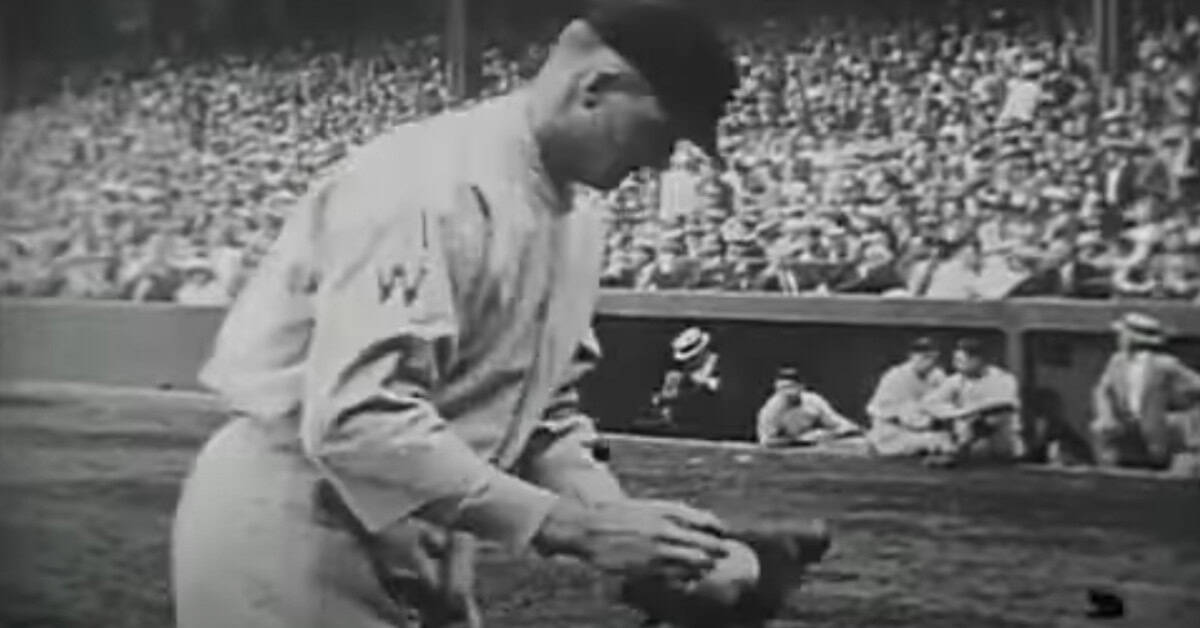
Walter Johnson, 36 years old and finally in his first World Series, pitched four scoreless innings in relief to deliver Washington’s only baseball championship at the time. Game 7 went 12 innings, decided when Earl McNeely’s ground ball hit a pebble and bounced over Giants third baseman Freddie Lindstrom’s head, scoring Muddy Ruel with the winning run. President Calvin Coolidge attended every home game, and when the Senators finally won, the entire city erupted in a celebration that lasted until dawn. This was Washington’s brief, shining moment before decades of baseball futility that would make the franchise synonymous with the phrase “Washington: First in war, first in peace, last in the American League.”
1947 Dodgers vs. Yankees: Jackie Robinson’s Brooklyn and America’s Awakening
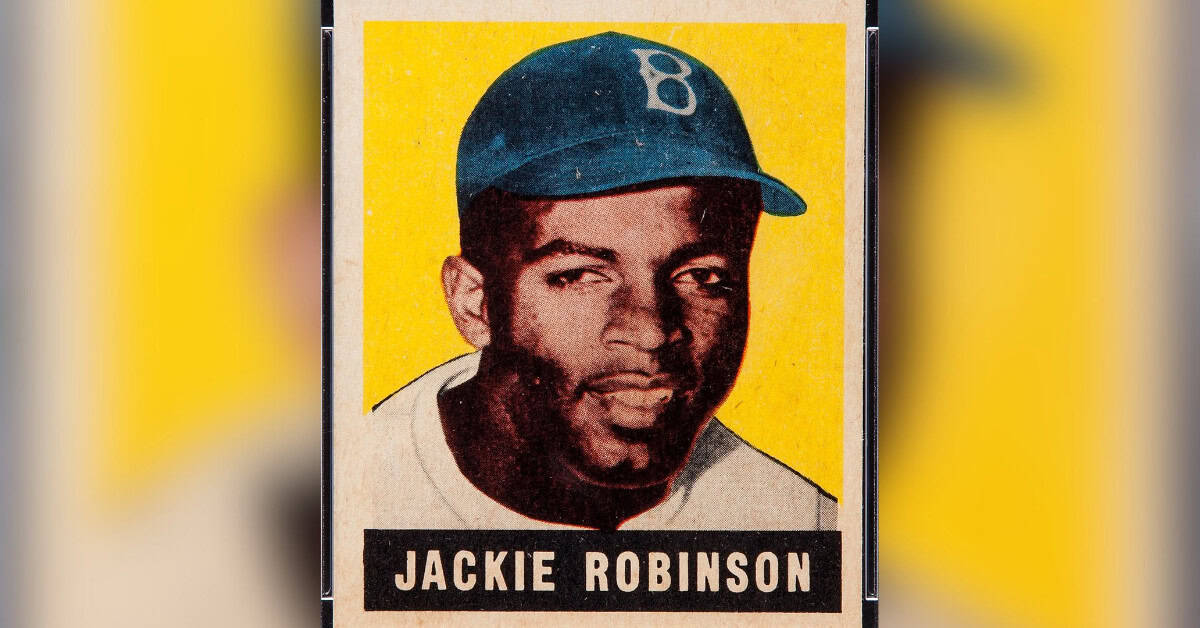
Jackie Robinson’s first World Series was more than baseball—it was America’s moral reckoning played out in seven games. Bill Bevens came within one out of the first World Series no-hitter before Cookie Lavagetto’s pinch-hit double broke up the bid and broke Yankees’ hearts. Al Gionfriddo’s impossible catch of Joe DiMaggio’s 415-foot drive in Game 6 remains the greatest defensive play in Series history, prompting the normally stoic DiMaggio to kick dirt in frustration. The Yankees won in seven, but Robinson had already won something bigger: he’d proven that talent transcends color, setting the stage for the civil rights movement while primarily playing first base in Brooklyn during his rookie season. This series changed everything, even if the final score didn’t show it.
1955 Dodgers vs. Yankees: Next Year Finally Came to Flatbush Avenue

After five World Series losses to the Yankees, Brooklyn finally got revenge when Johnny Podres shut out the Bronx Bombers 2-0 in Game 7 at Yankee Stadium. Sandy Amoros made a spectacular catch in left field to preserve the lead, and when Pee Wee Reese threw to Gil Hodges for the final out, Brooklyn exploded in the kind of celebration that only comes after decades of heartbreak. Fans poured into the streets, honking horns and dancing until sunrise, finally able to answer the eternal question “Wait ’til next year” with “This year!” The victory was Brooklyn’s first and only World Series championship, a perfect moment before the team broke hearts forever by moving to Los Angeles two years later.
2002 Angels vs. Giants: Rally Monkeys and Barry Bonds’ Last Best Chance
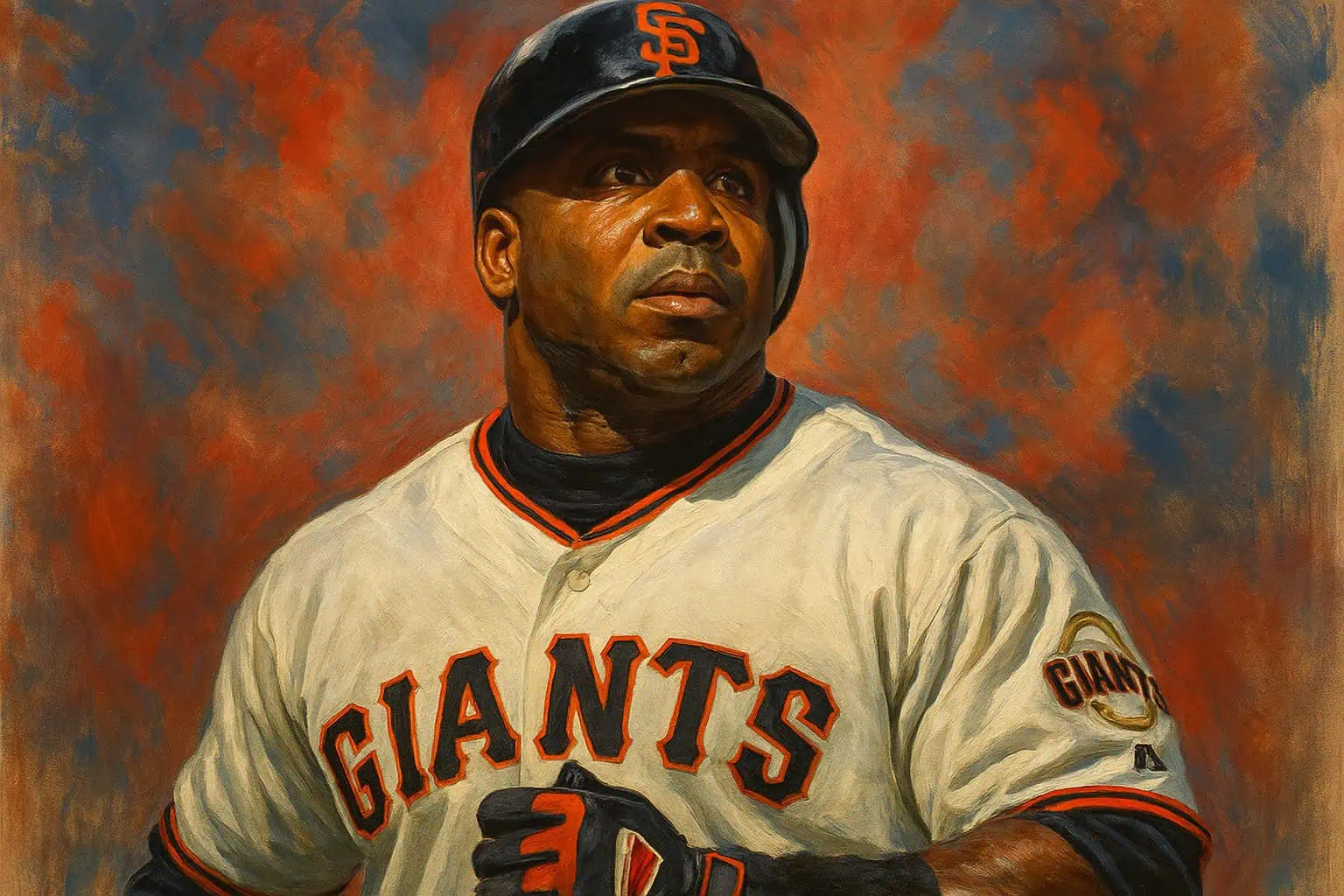
Barry Bonds hit .471 with four home runs, but it wasn’t enough when the Angels rallied from a 5-0 deficit in Game 6 to force Game 7 behind Scott Spiezio’s clutch three-run homer. The Rally Monkey became a cultural phenomenon, and Anaheim’s first championship came courtesy of a team that refused to quit when facing elimination. Game 7 belonged to rookie pitcher John Lackey and the Angels’ relentless offense, which scored a run in the second and three more in the third inning to take a decisive lead. This was the last World Series where both teams were genuinely surprised to be there, a throwback to when October magic could still happen to franchises that hadn’t bought their way to contention. Bonds never got closer to a ring, making this series his beautiful, tragic masterpiece.