

Last Updated: June 17th, 2026 by Matthew Brown
Before radar guns turned every pitch into a statistic, the changeup was baseball’s greatest magic trick—a pitch that looked like a fastball but arrived fashionably late to the party. These masters of deception didn’t just throw changeups; they painted masterpieces with baseballs that seemed to have their own GPS systems, always finding their way past bewildered batters who swung at ghosts.
Don't lose this article. Enter your email below, and I'll send it to you right now. Plus, we'll send you other unbelievable stories from baseball's past.
Pedro Martinez’s Circle Change That Made All-Stars Look Like T-Ball Players
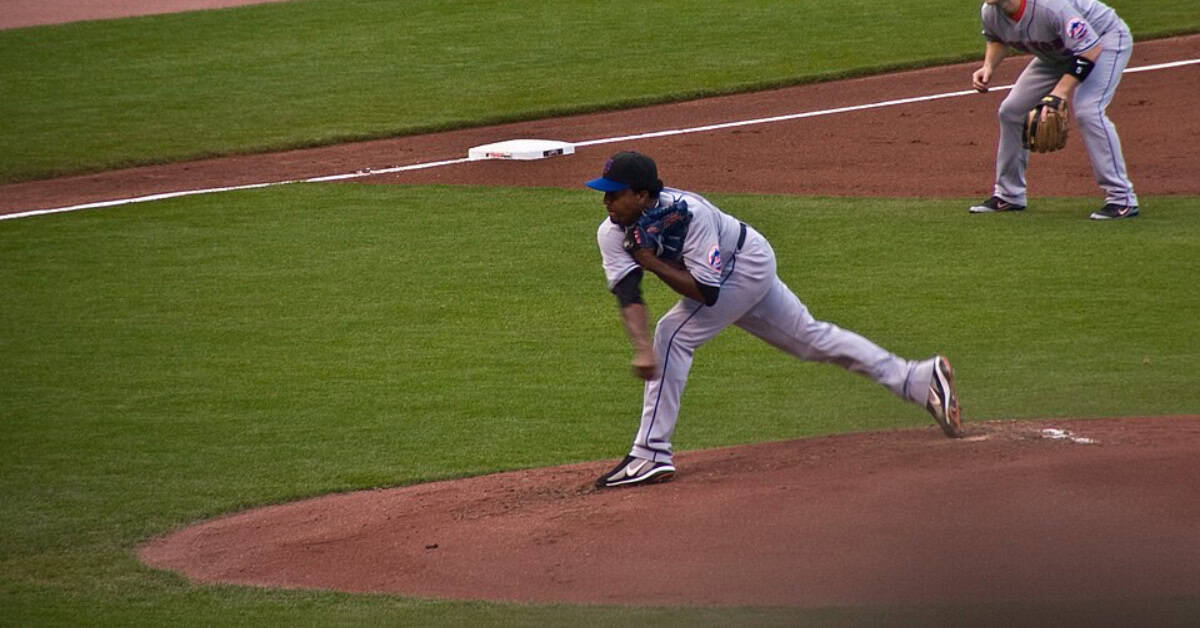
Pedro’s changeup was so devastating it should have come with a surgeon general’s warning for professional hitters’ mental health. The diminutive Dominican would grip the ball in his fingertips like he was holding a soap bubble, then watch as 240-pound sluggers would swing so hard they’d nearly corkscrew themselves into the ground. When Pedro’s changeup was working, even Hall of Famers looked like they were swinging underwater while wearing blindfolds.
Trevor Hoffman’s Palmball That Turned Saves Into Standing Ovations
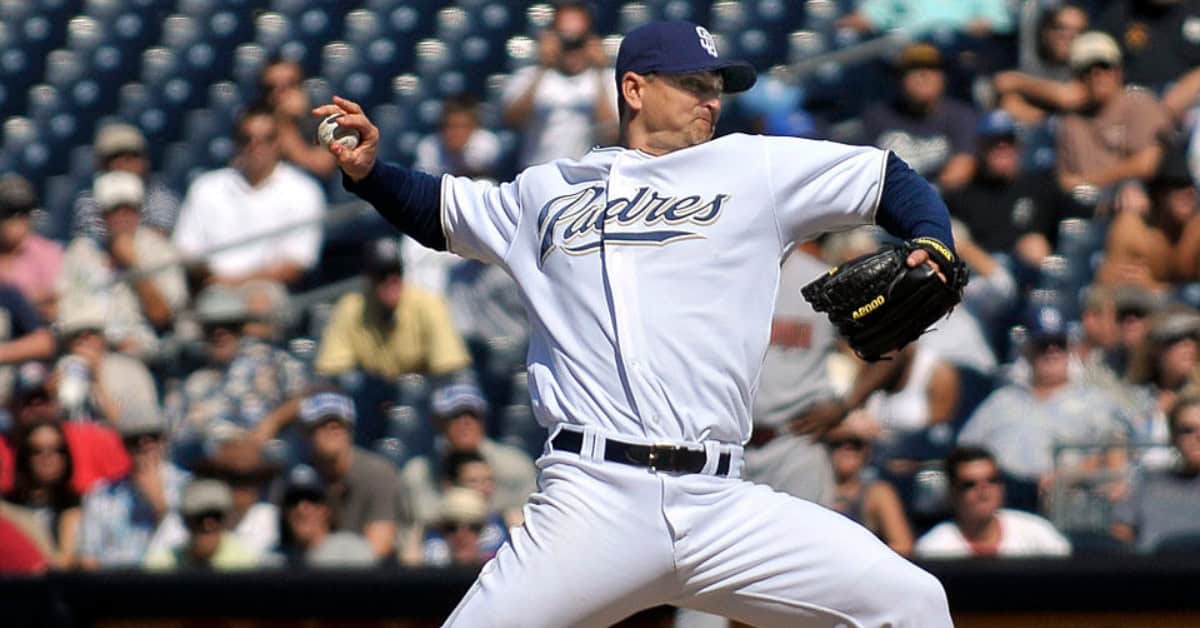
Hoffman’s palmball wasn’t just a pitch—it was a religious experience that turned Petco Park into a cathedral every time “Hells Bells” started playing. The soft-spoken closer would hide the ball deep in his palm like a magician concealing a dove, then watch as opposing hitters would swing at what looked like a fastball but moved like it was traveling through molasses. For over a decade, that palmball made saves feel as automatic as sunrise in San Diego.
Greg Maddux’s Changeup That Moved Like It Had a Mind of Its Own

Maddux’s changeup was like a GPS-guided missile that could navigate around bats and find the strike zone from impossible angles. The Professor would throw it with the same arm action as his fastball, but the ball would drop off the table like it hit an invisible speed bump three feet from home plate. Batters would start their swing thinking fastball and finish it wondering if they’d just witnessed actual sorcery performed in broad daylight.
Satchel Paige’s “Hesitation Pitch” That Stopped Time Itself
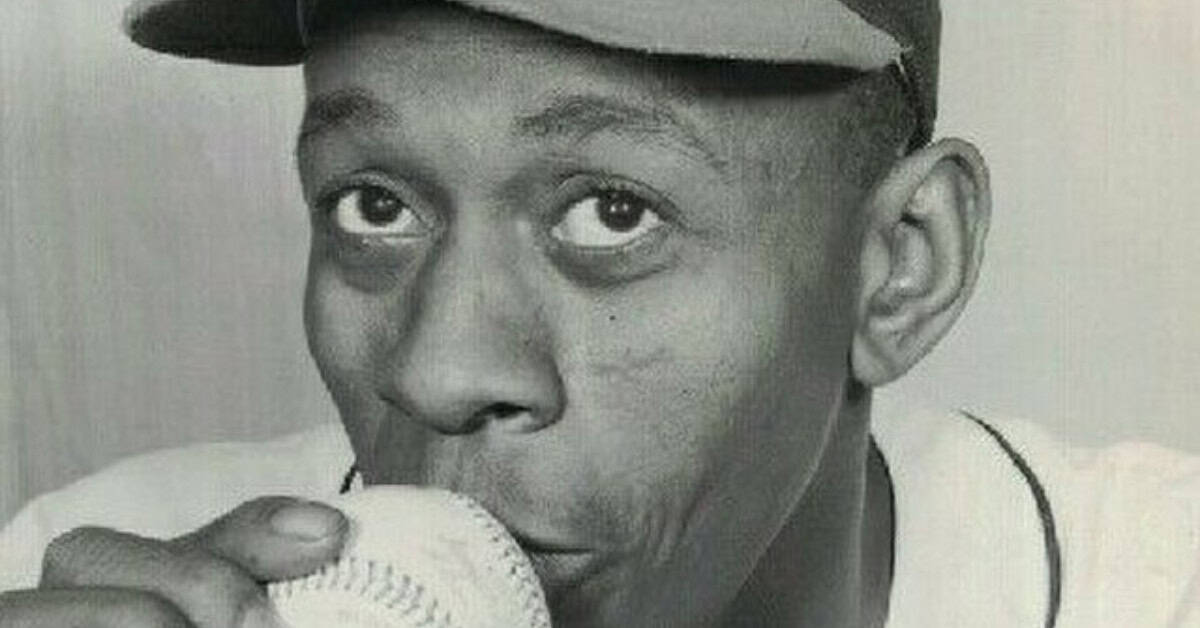
Satchel’s hesitation pitch was less about velocity and more about messing with the space-time continuum, as he’d pause mid-delivery like a broken film reel before unleashing chaos. The ageless wonder would wind up normally, then freeze for what felt like an eternity before completing his motion, leaving batters wondering if they should swing, wait, or check their watches. It was part changeup, part psychological warfare, and completely unfair to anyone trying to time a baseball.
Tom Glavine’s Changeup That Made Lefties Weep Into Their Batting Gloves
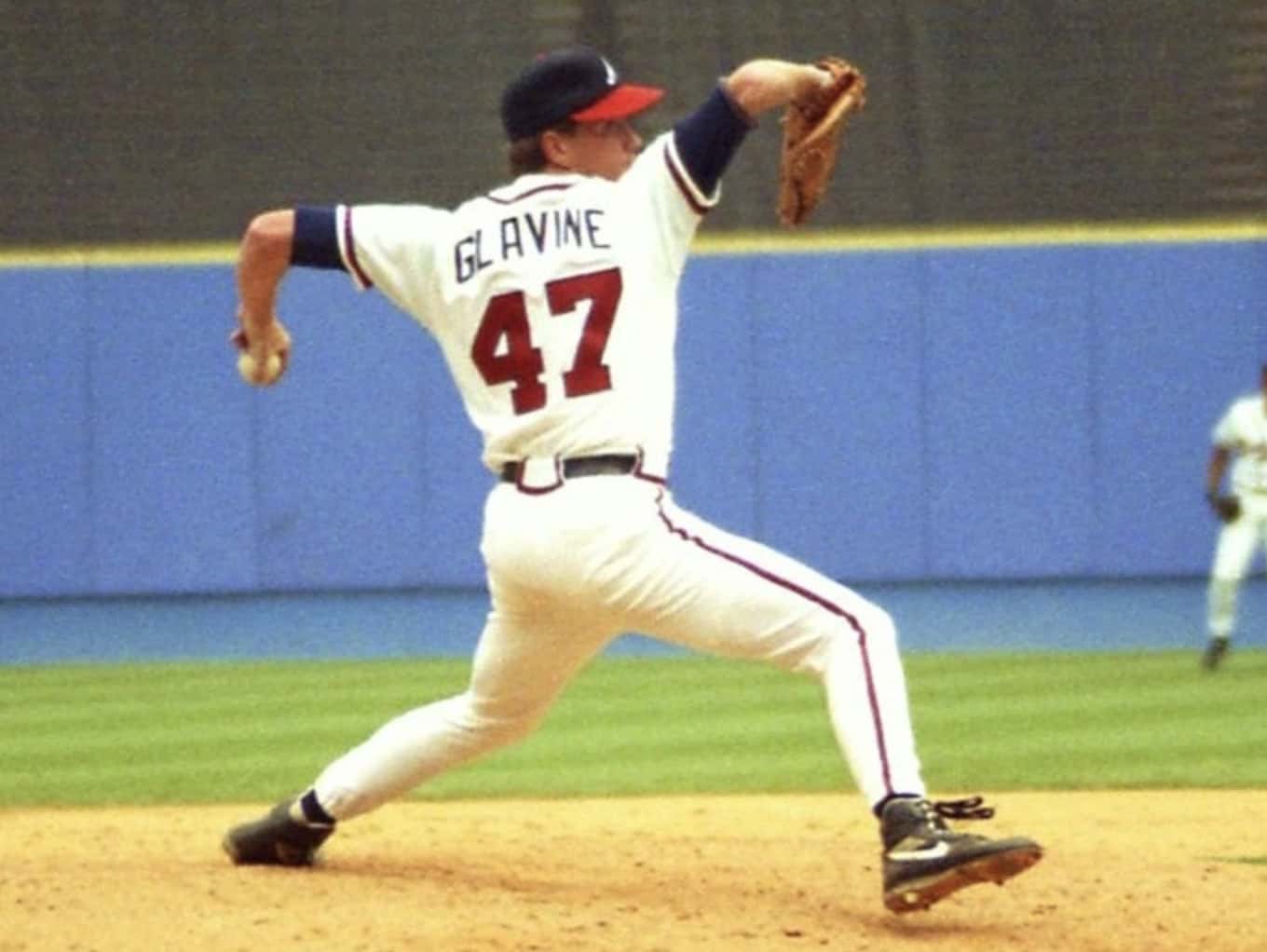
Glavine’s changeup was surgical precision disguised as a lazy Sunday afternoon pitch, and left-handed batters would rather face a firing squad than step in against it. The crafty southpaw would deliver it with the same smooth motion as his fastball, but the ball would arrive at the plate moving like it was swimming through peanut butter. For two decades, that changeup made opposing lefties consider early retirement and sent them back to the dugout muttering about career changes.
Rip Sewell’s “Eephus” Changeup That Floated Like a Butterfly

Sewell’s eephus pitch was less baseball and more performance art, floating through the air at 35 mph like a rainbow made of cowhide and dreams. The Pirates pitcher would lob this impossible creation in a high arc that seemed to defy both gravity and common sense, leaving batters to swing at what looked like a slow-motion home run derby pitch. Only Ted Williams ever figured out how to hit it consistently, and even then he had to practically golf-swing it out of the park.
John Franco’s Changeup That Made Brooklyn Proud Again
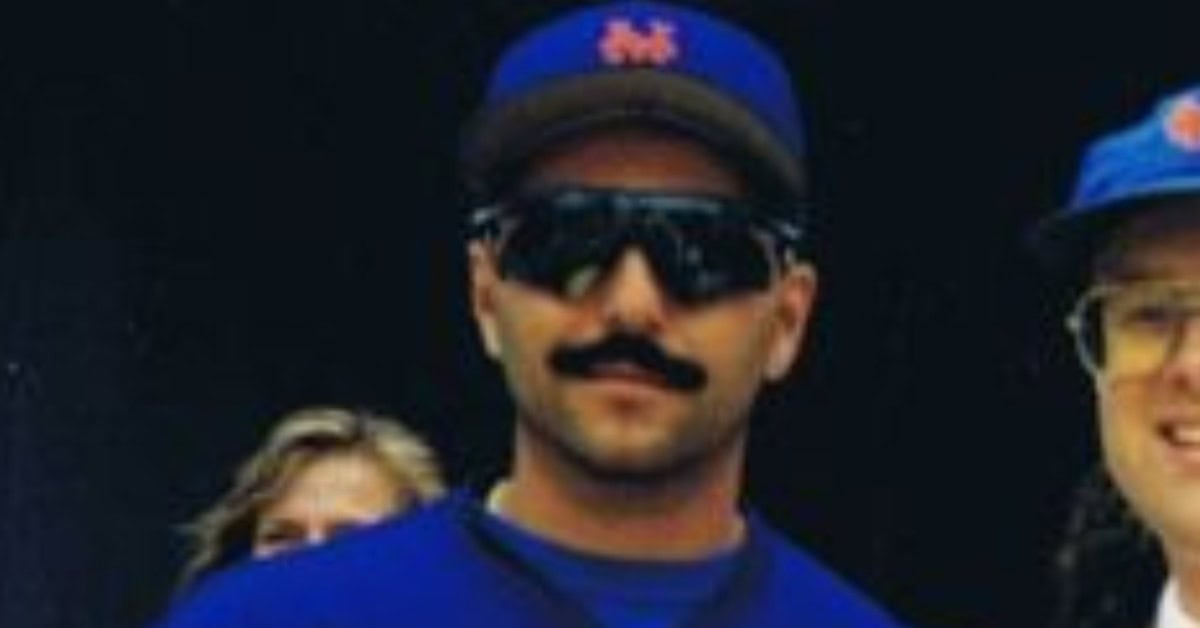
Franco’s changeup carried the hopes of every Brooklyn kid who ever dreamed of making it to the big leagues, and it delivered with the reliability of a New York subway schedule. The hometown hero would grip his changeup like he was holding his grandmother’s favorite recipe, then watch as opposing hitters would swing early and often at pitches that seemed to change direction mid-flight. For over a decade, that changeup made Shea Stadium feel like the neighborhood sandlot where dreams came true.
Frank Viola’s “Sweet Music” Change That Serenaded Batters to Sleep
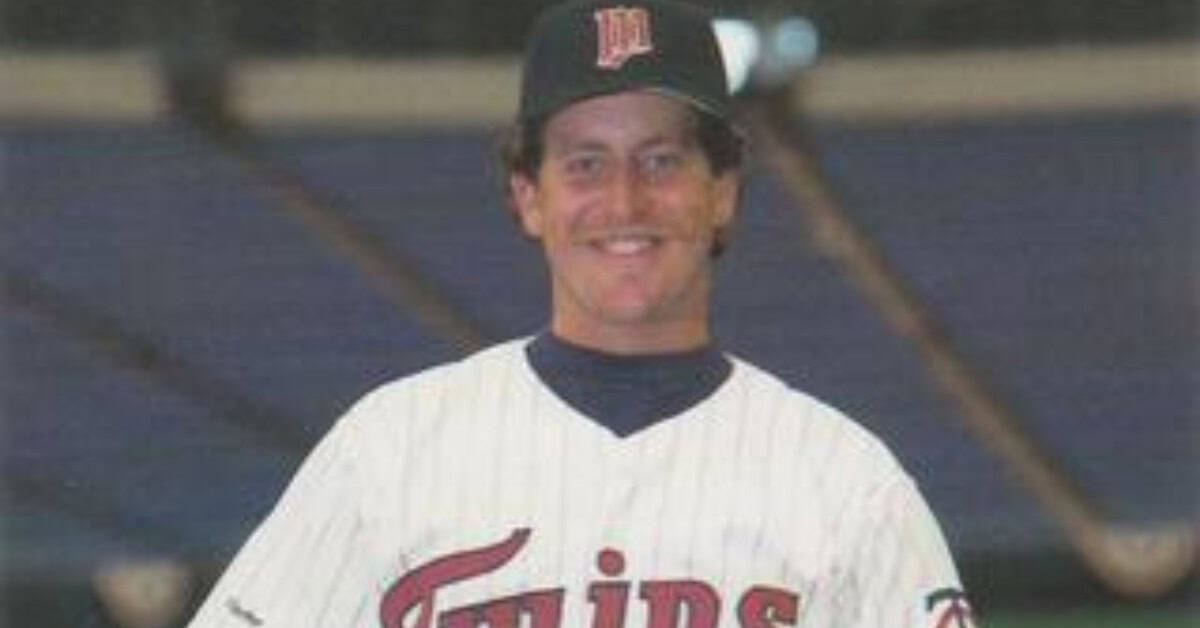
Viola’s changeup was pure poetry in motion, a pitch so smooth it should have come with its own jazz soundtrack and a glass of wine. The left-handed maestro would deliver his signature offering with the grace of a conductor leading a symphony, watching as batters would swing at air while the ball floated past like a gentle breeze. When Sweet Music was playing his changeup symphony, even the most aggressive hitters would find themselves lulled into a peaceful slumber of strikeouts.
Charlie Leibrandt’s Changeup That Fooled Hitters for Two Decades
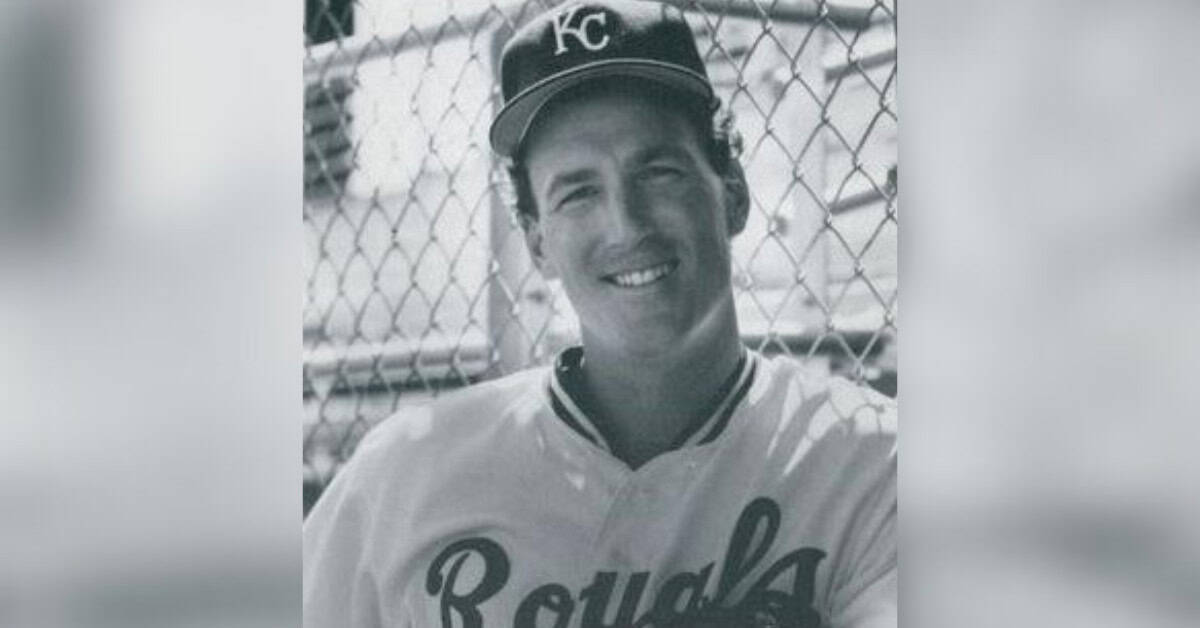
Leibrandt’s changeup was like a fine wine that only got better with age, baffling hitters for nearly two decades. The crafty left-hander would throw his changeup with the same arm speed as his fastball, but the ball would arrive at home plate moving like it was carrying a heavy suitcase. For two decades, that changeup kept Leibrandt employed and opposing batters heading for the dugout.
Eric Gagne’s “Game Over” Changeup That Ended Conversations
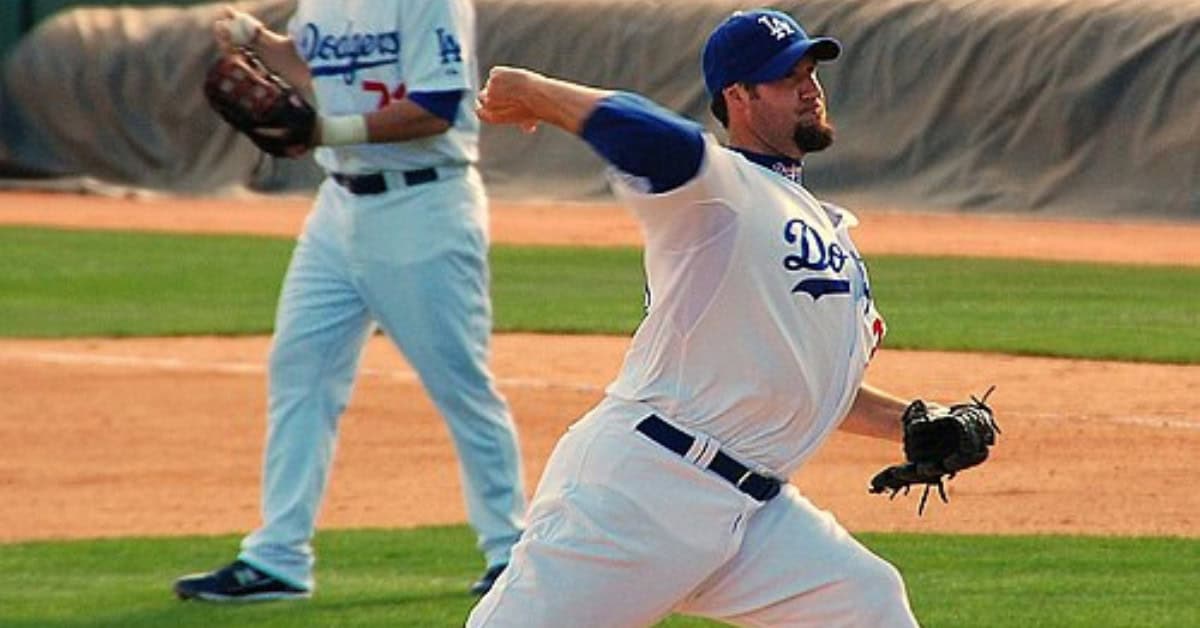
Gagne’s vulcan changeup was the perfect complement to his 100 mph fastball, creating a speed differential so dramatic it gave batters whiplash just thinking about it. The wild-haired closer would rear back like he was firing a cannon, then deliver a changeup that floated to the plate like a feather falling from heaven. When Gagne’s changeup was working, games didn’t just end—they were declared over by unanimous consent of everyone in the ballpark.
Johan Santana’s Circle Change That Made Lefties Cry
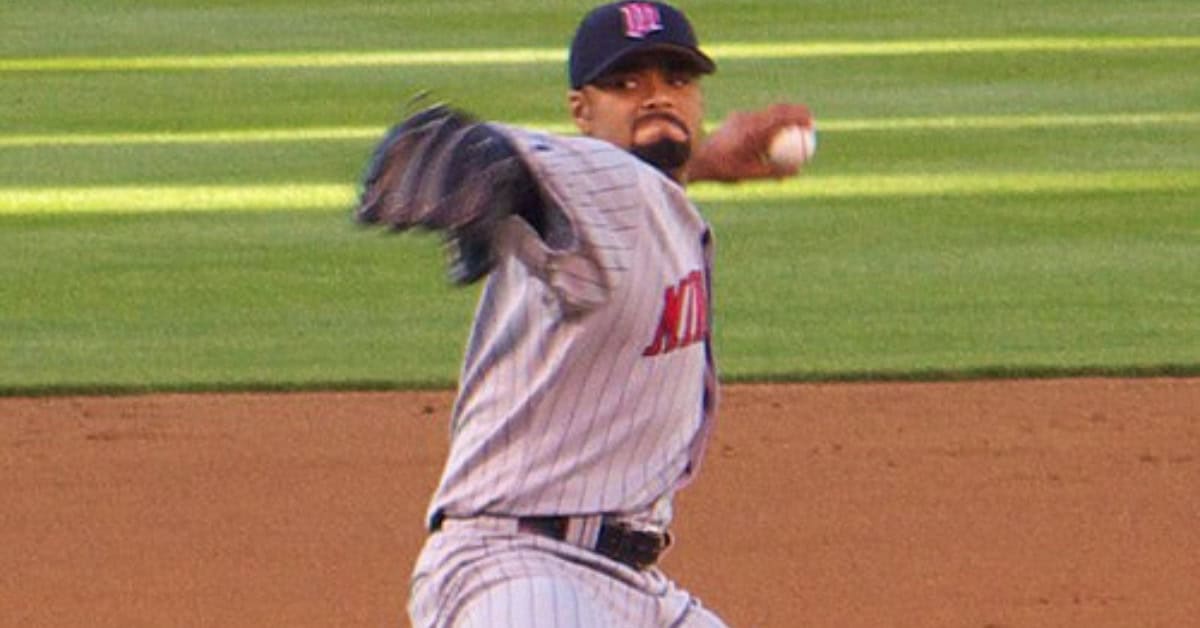
Santana’s circle changeup was a work of art that belonged in the Louvre, not a baseball stadium, and it turned left-handed batters into sobbing messes. The Venezuelan virtuoso would form a perfect circle with his thumb and index finger, then release a pitch that would dive and fade like a dying quail with a broken wing. That changeup didn’t just get outs—it got standing ovations from opposing dugouts who appreciated witnessing greatness even when it was destroying their teammates.
Cole Hamels’ Changeup That Won a World Series and Broke Hearts
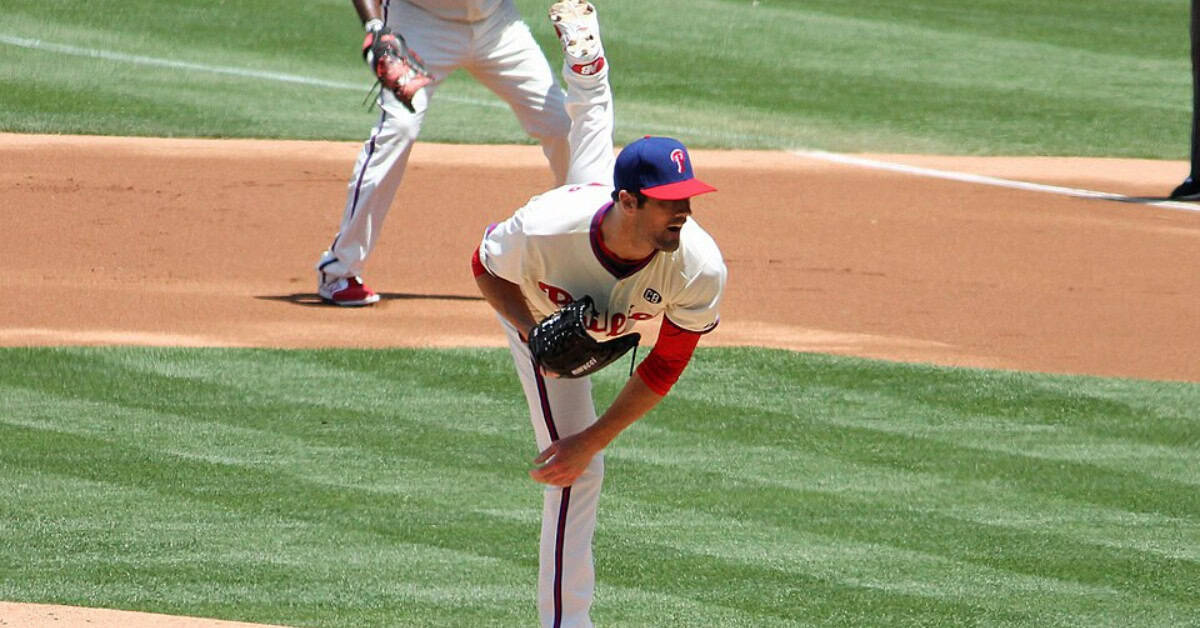
Hamels’ changeup was the pitch that finally brought a championship to Philadelphia, and it did so with the elegance of a ballet dancer and the effectiveness of a wrecking ball. The smooth southpaw would deliver his signature offering with such deceptive ease that batters would start their swing in one time zone and finish it in another. That changeup didn’t just win games—it won hearts, championships, and a permanent place in Philadelphia sports folklore.
Tim Lincecum’s “Freak” Change That Defied Physics and Logic
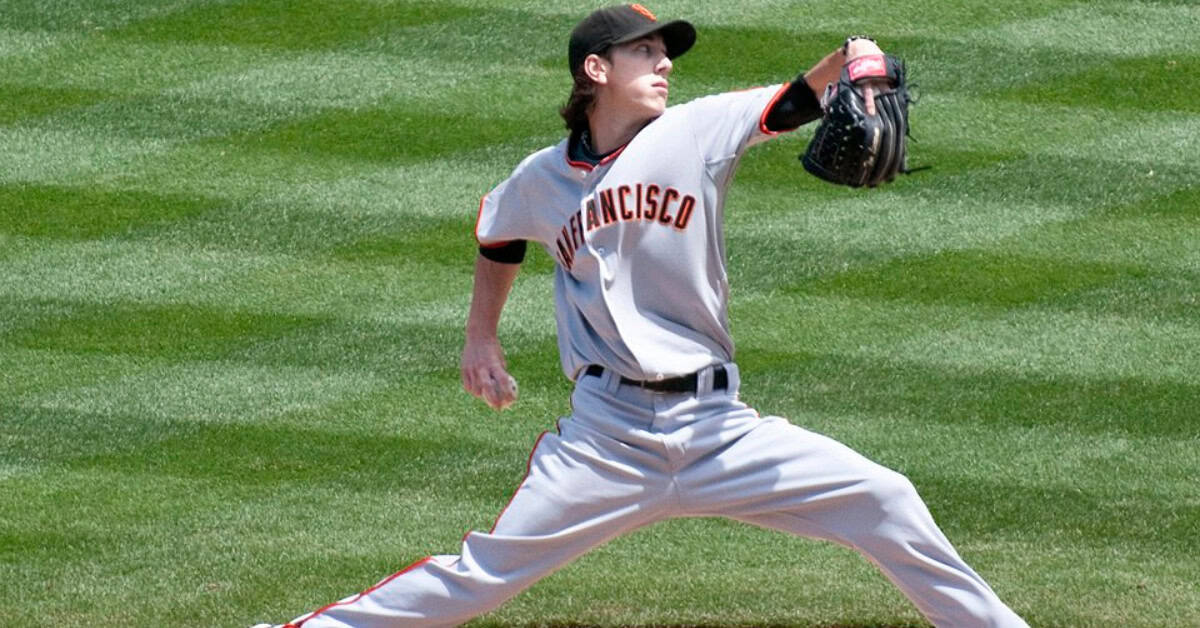
The Freak’s changeup was as unconventional as everything else about him, coming from a delivery that looked like a slingshot operated by a caffeinated hummingbird. Lincecum would hide the ball behind his back like a magician, then unleash a changeup that would drop off the table faster than a bad stock market day. When that changeup was working, batters would swing at pitches that seemed to disappear into another dimension before reappearing in the catcher’s mitt.
Felix Hernandez’s Changeup That Made Seattle Forget About Rain

King Felix’s changeup was so mesmerizing that it could make Seattle fans forget about the perpetual drizzle and focus on pure baseball artistry. The Venezuelan monarch would throw his changeup with the same violent delivery as his 95 mph fastball, but the ball would float to the plate like it was carried by a gentle Pacific Northwest breeze. For over a decade, that changeup was the sunshine that broke through Seattle’s clouds and gave Mariners fans something to believe in.
Jamie Moyer’s 70 MPH Changeup That Embarrassed 25-Year-Olds
Moyer’s 70 mph changeup was proof that in baseball, sometimes slower is faster, and wisdom beats youth every single time. The ageless left-hander would lob his signature pitch with the casual confidence of a grandfather playing catch in the backyard, then watch as muscled sluggers would swing so hard they’d nearly throw out their backs. At an age when most people are worried about their 401k, Moyer was using that changeup to make players young enough to be his sons look foolish on national television.
Roy Halladay’s Changeup That Made Perfect Games Look Easy

Doc Halladay’s changeup was the perfect complement to his surgical precision, a pitch so perfectly executed it made perfection look routine. The Toronto and Philadelphia ace would deliver his changeup with the same mechanical perfection as a Swiss watchmaker, creating a speed differential that left batters guessing until they were walking back to the dugout. When Halladay’s changeup was working, perfect games and no-hitters weren’t just possible—they were inevitable.
Devin Williams’ “Airbender” That Literally Defies Gravity
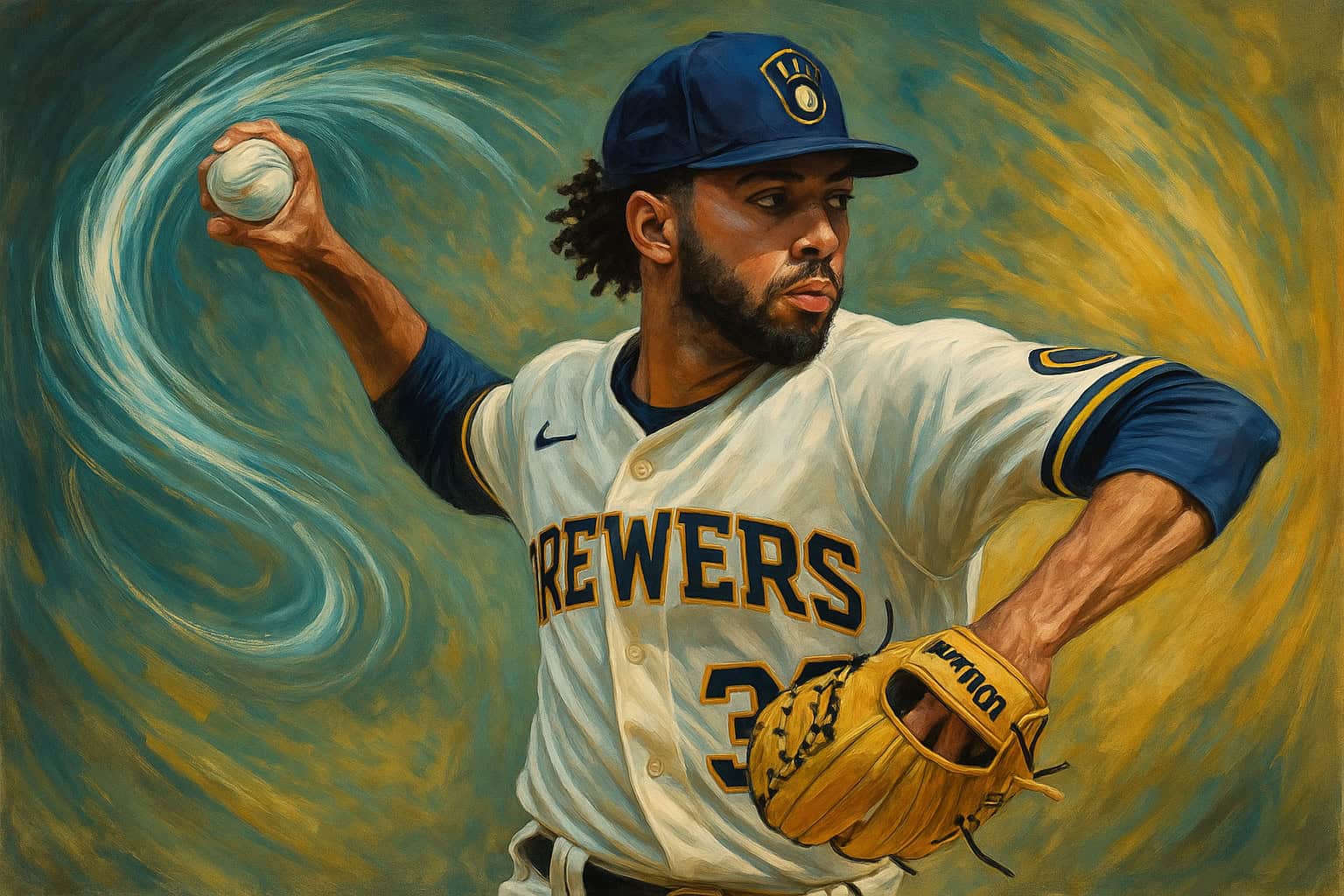
Williams’ “Airbender” changeup moves like it was animated by Pixar and controlled by a PlayStation controller, defying every law of physics known to mankind. The Brewers reliever grips his changeup like he’s holding a live grenade, then releases a pitch that dives and fades with movement so dramatic it should require special effects. When the Airbender is working, batters don’t just miss—they question everything they thought they knew about how baseballs are supposed to behave.
Kyle Hendricks’ Changeup That Made Wrigley Field Feel Like a Library
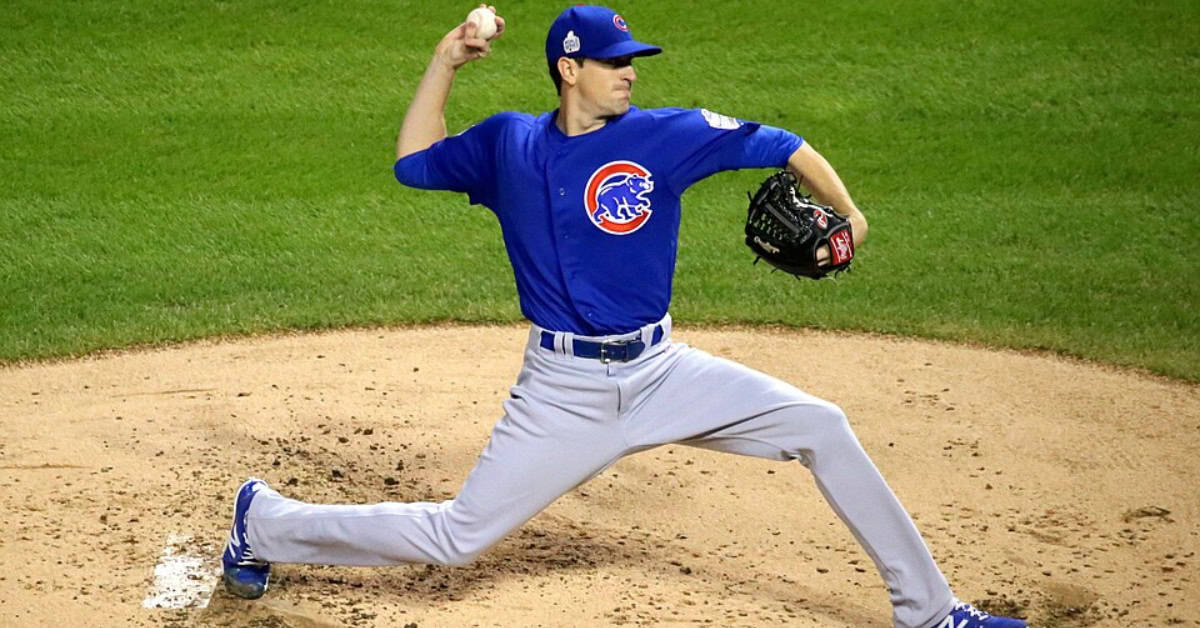
Hendricks’ changeup is so quietly devastating it could put opposing batters to sleep faster than a boring lecture on tax law. The soft-spoken Cubs ace delivers his signature pitch with all the fanfare of a librarian organizing books, but the results are anything but quiet as batters swing and miss with the frequency of a broken metronome. When Hendricks’ changeup is working, even the rowdy Wrigley faithful find themselves whispering in appreciation of such subtle dominance.
Zack Greinke’s Changeup That Thinks Three Steps Ahead
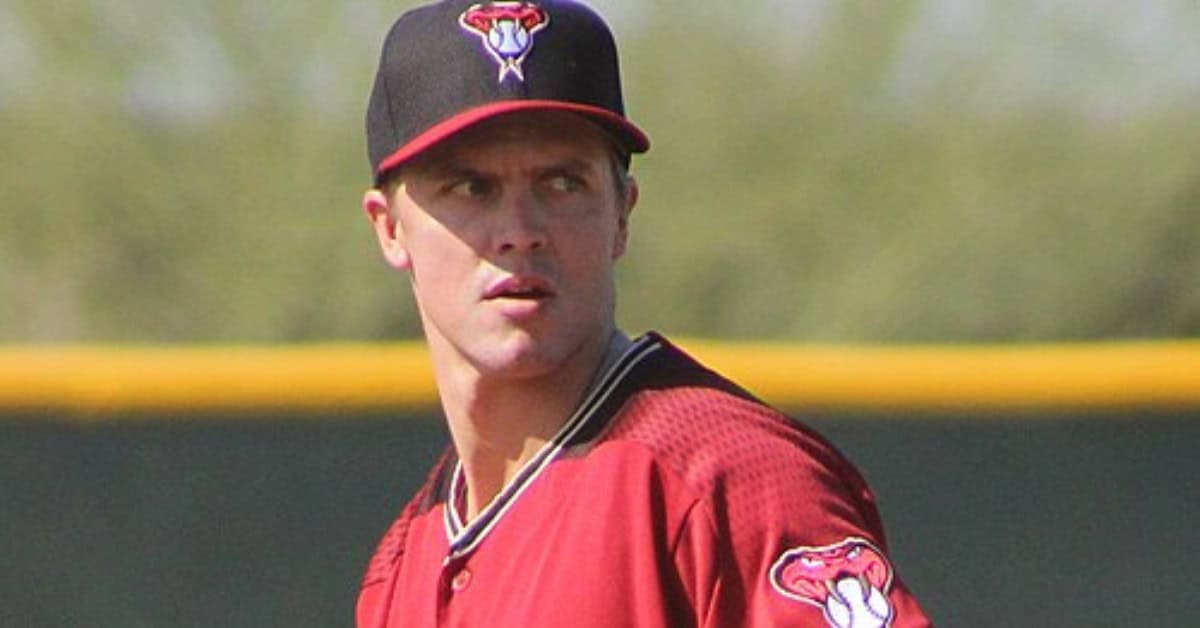
Greinke’s changeup is less a pitch and more a chess move, calculated with the precision of a grandmaster who can see checkmate six moves ahead. The cerebral right-hander throws his changeup with the same arm action as his fastball, but the ball arrives at home plate moving like it’s solving a complex mathematical equation on the way. When Greinke’s changeup is working, batters aren’t just getting out—they’re getting outsmarted by a pitch that seems to have its own PhD in advanced hitting psychology.
Warren Spahn’s Changeup That Aged Like Fine Wine Over 21 Seasons
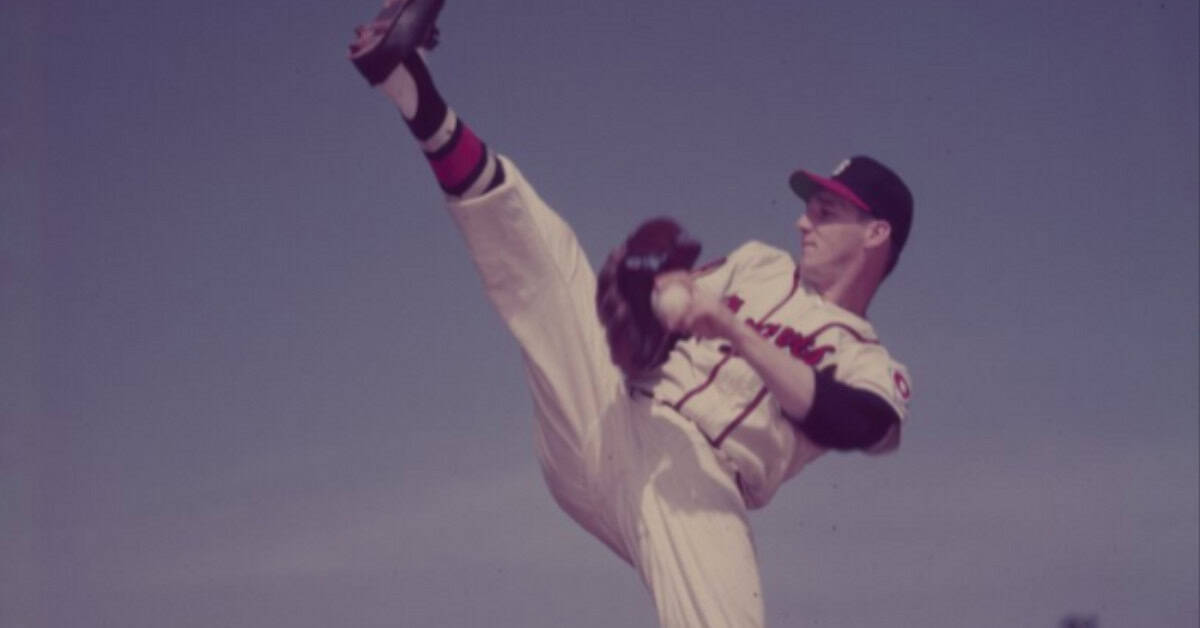
Spahn’s changeup was like a vintage wine that only got better with age, continuing to fool hitters well into his 40s when most pitchers were already telling stories about the good old days. The crafty southpaw would deliver his changeup with the same smooth motion he’d perfected over two decades, watching as batters half his age would swing at pitches that seemed to be operating on their own timeline. By the end of his career, that changeup had become so refined it was practically a work of art, proving that sometimes the best things in baseball, like the best things in life, only get better with time.