

Last Updated: June 17th, 2026 by Matthew Brown
Before spin rates and release points became obsessions, there was a pitch that lived in the shadows between fastball and curveball, breaking late and breaking hearts with equal measure. The slider—that wicked, sharp-breaking beauty—has been fooling hitters for nearly a century, though its exact origins remain as mysterious as the pitch itself. From smoky ballparks where tobacco juice stained the mound to today’s high-tech stadiums where every rotation is measured, these twenty masters of the late break carved their names into baseball history one frozen rope turned weak grounder at a time.
Don't lose this article. Enter your email below, and I'll send it to you right now. Plus, we'll send you other unbelievable stories from baseball's past.
Steve Carlton’s Slider That Made Philadelphia Fall in Love with Lefty

Steve Carlton’s slider was poetry written in cowhide, a left-handed masterpiece that turned Veterans Stadium into a cathedral where opposing hitters came to worship at the altar of pure pitching artistry. Lefty’s slider didn’t just break—it shattered dreams and expectations, diving away from right-handed batters like a fighter jet pulling a sudden evasive maneuver. When Carlton wound up with that slider ready to fire, Philadelphia fans knew they were witnessing something special, a Hall of Fame talent using a Hall of Fame pitch to dominate an era when pitchers were still allowed to be artists instead of pitch-count prisoners.
Chief Bender’s Mysterious Slider That May Have Started It All
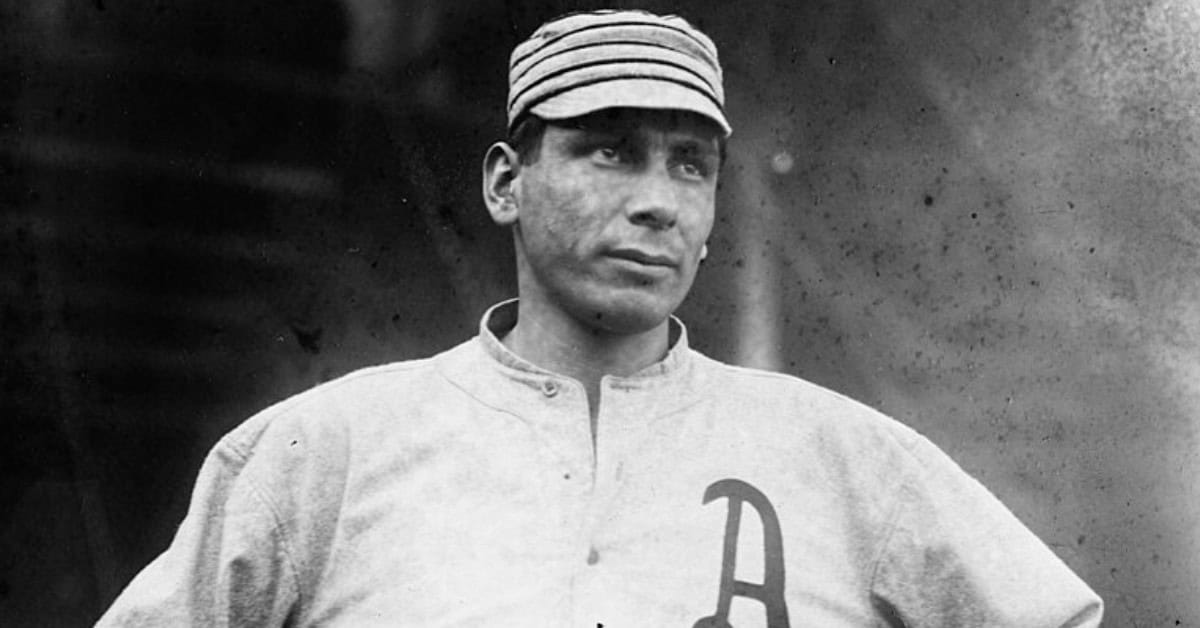
Chief Bender’s slider remains shrouded in baseball mythology, a pitch that may have been the first of its kind, delivered by a Chippewa pitcher who understood that sometimes the most effective weapon is the one nobody sees coming. Bender’s “nickel curve,” as some called it, was like a secret passed down through generations—mysterious, powerful, and impossible to replicate without understanding its deeper magic. When Chief Bender took the mound for Connie Mack’s Athletics with his slider working, he wasn’t just throwing a baseball—he was throwing a piece of history that would influence pitchers for the next century, even if they didn’t know his name.
George Uhle’s Pioneering Slider That Helped Birth a Legend
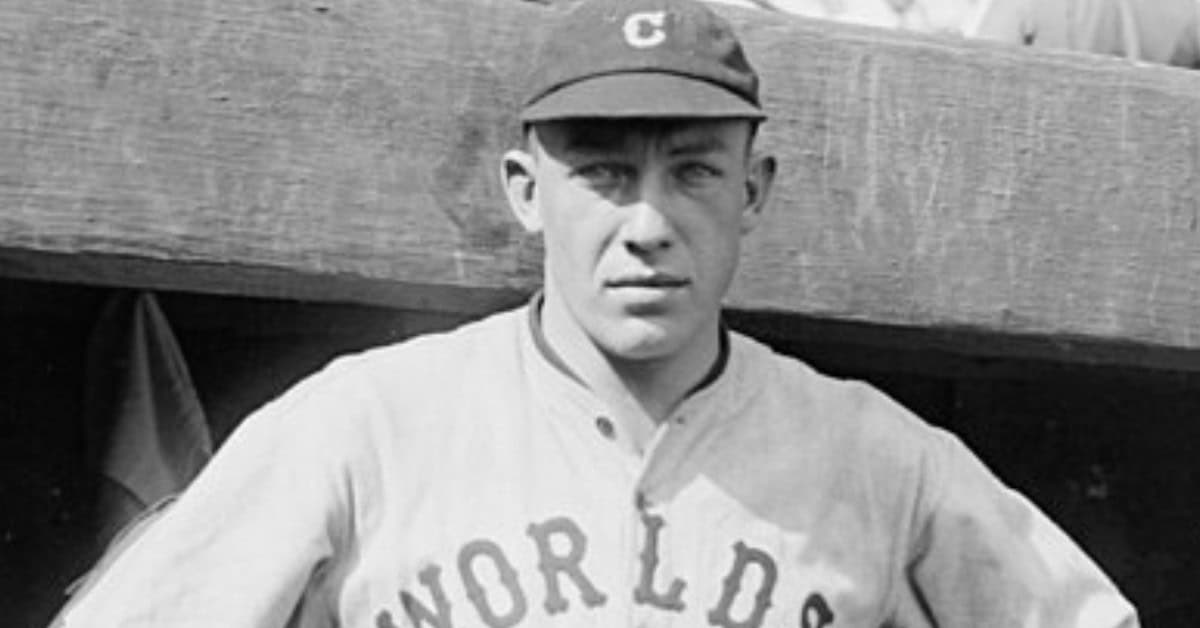
George Uhle’s slider was like discovering fire in a cave—a revolutionary breakthrough that changed everything, even if the world didn’t fully understand its significance until years later. Uhle’s “sailing fastball” confused hitters and historians alike, breaking just enough to be devastating but not enough to be classified as anything other than pure genius. When Uhle wound up with his slider working in Cleveland’s old ballparks, he was unknowingly writing the first chapter of a story that would captivate baseball for generations, proving that sometimes the most important innovations come from the most unexpected places.
George Blaeholder’s Forgotten Slider That Claimed the First Crown
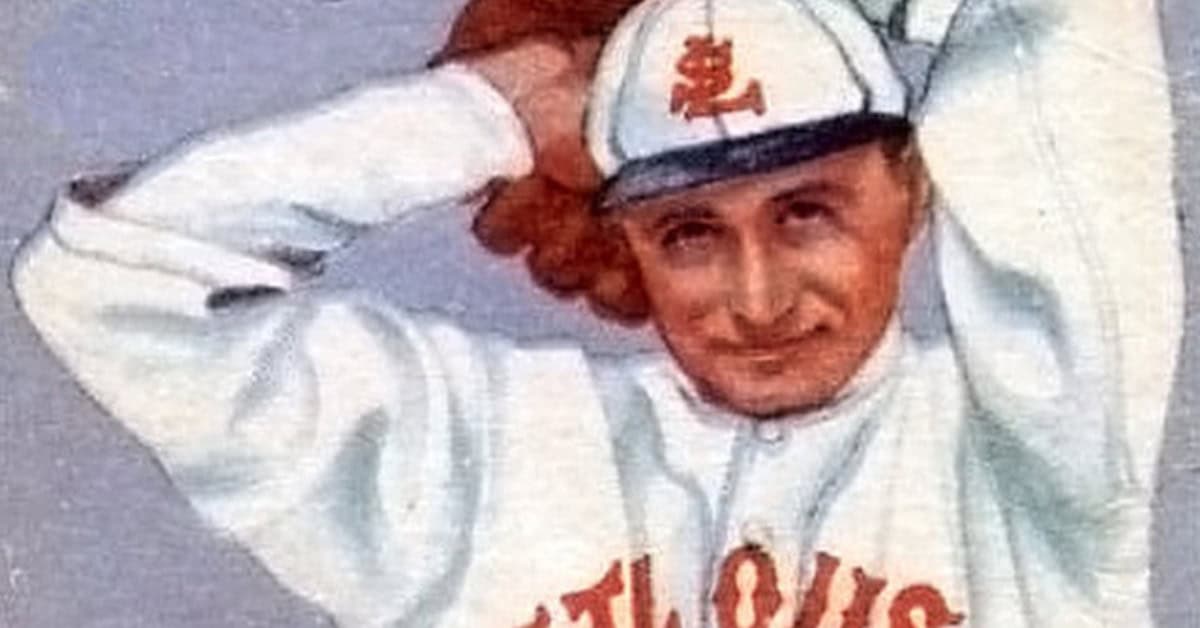
George Blaeholder’s slider has been lost to time like a forgotten treasure map, though the St. Louis Browns pitcher claimed to have invented the pitch that would eventually rule baseball’s landscape. Blaeholder’s “slide ball” was delivered with the confidence of a man who knew he had discovered something special, even if the baseball world wasn’t quite ready to appreciate his innovation. When Blaeholder took the mound at Sportsman’s Park with his slider working, he was throwing more than just a baseball—he was throwing his claim to immortality, a pitch that deserved recognition even if history forgot to give it proper credit.
Bob Lemon’s Hall of Fame Slider That Anchored Cleveland’s Golden Era
Bob Lemon’s slider was the foundation of Cleveland’s championship dreams, a pitch so effective it helped transform a converted third baseman into a Hall of Fame pitcher who anchored one of baseball’s greatest rotations. Lemon’s slider was like a master carpenter’s tool—reliable, precise, and capable of building something beautiful when used by skilled hands. When Lemon wound up with his slider ready to fire at Municipal Stadium, Indians fans knew they were watching the perfect marriage of natural talent and mechanical precision, a combination that turned Cleveland into a championship destination.
Dick Donovan’s White Sox Slider That Dominated the Go-Go Era
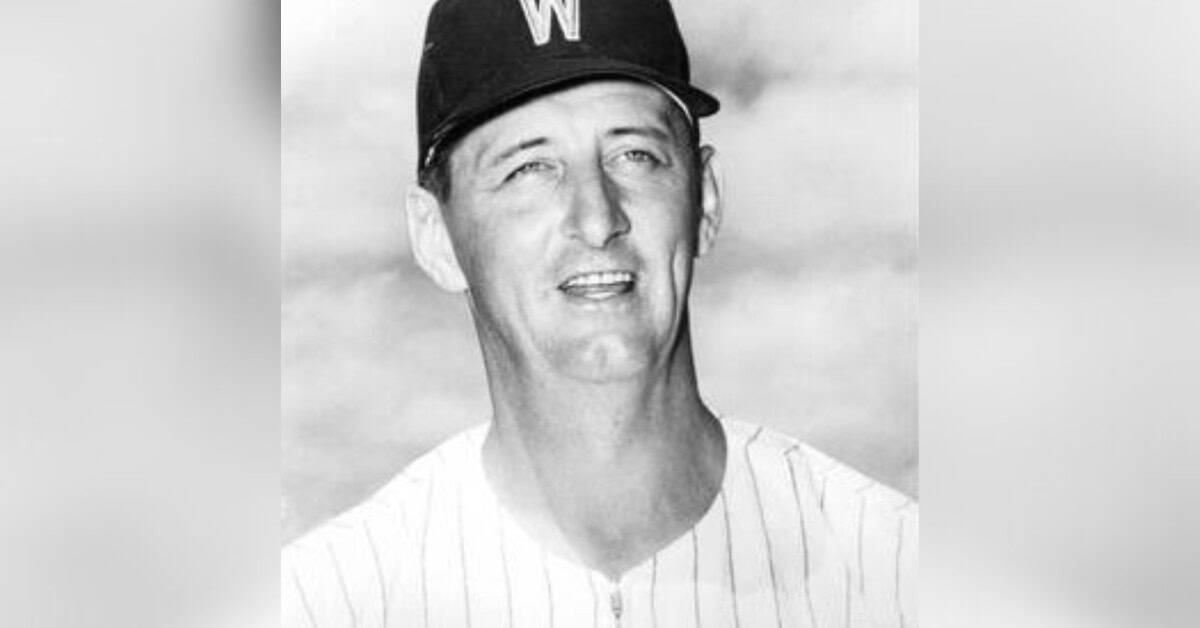
Dick Donovan’s slider was the perfect complement to the White Sox’s speed-and-defense philosophy, a pitch that induced the ground balls and pop-ups that made Chicago’s “Go-Go” style so effective. Donovan’s slider was like a precision instrument calibrated for Comiskey Park’s dimensions—sharp enough to get swings and misses, but controlled enough to keep the ball in the ballpark. When Donovan took the mound with his slider working, White Sox fans witnessed the perfect example of how pitching and defense could work together, creating a symphony of outs that made even the most powerful lineups look ordinary.
Jim Bunning’s Perfect Game Slider That Silenced Father’s Day at Shea
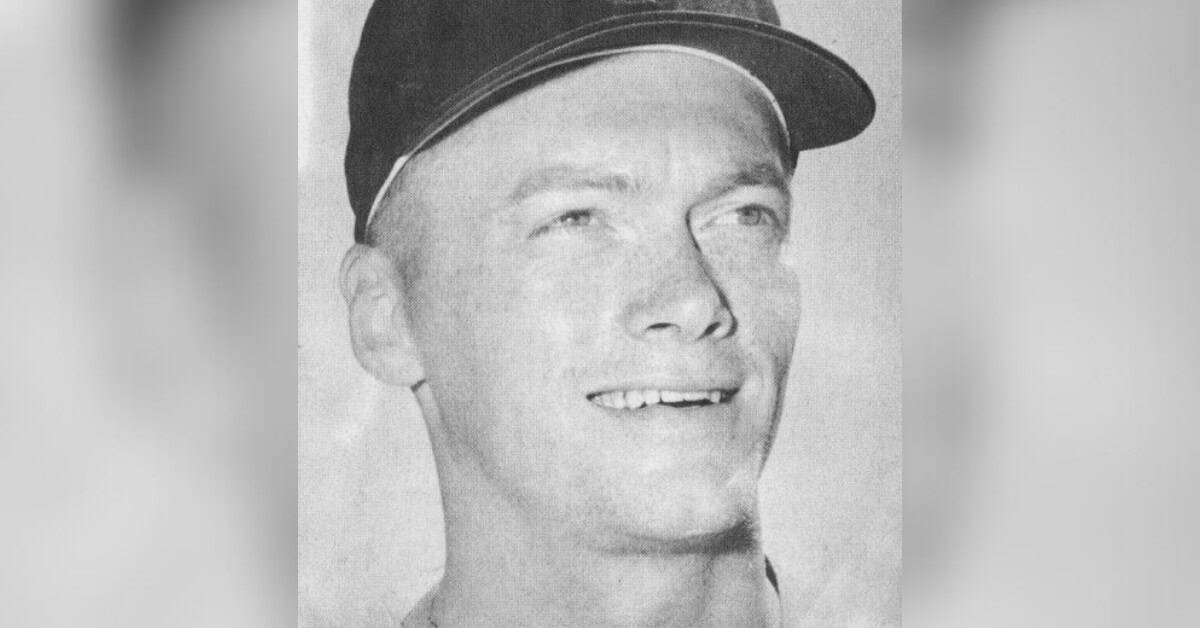
Jim Bunning’s slider was the exclamation point on one of baseball’s most memorable Father’s Day performances, helping the future Hall of Famer throw a perfect game at Shea Stadium while Mets fans sat in stunned silence. Bunning’s slider was delivered with the same intensity as his fastball, a pitch that seemed to accelerate toward the plate before darting away from helpless hitters. When Bunning wound up with his slider working on that magical afternoon in Queens, he wasn’t just throwing a perfect game—he was throwing a masterpiece that reminded everyone why baseball’s most beautiful moments often come from the most unexpected places.
Bob Gibson’s Intimidating Slider That Made Batters Fear St. Louis

Bob Gibson’s slider was like a weapon forged in the fires of competition, delivered with the same intimidating presence that made hitters step out of the box before they even saw the pitch. Gibson’s slider didn’t just break—it attacked, diving toward the plate with the same aggressive intensity that defined everything about the Cardinals ace. When Gibson glared in from the mound with his slider ready to fire, Busch Stadium became a house of horrors for opposing hitters, who knew they were facing more than just a pitcher—they were facing a warrior armed with one of baseball’s most devastating weapons.
Sparky Lyle’s Yankee Stadium Slider That Closed Out Championships
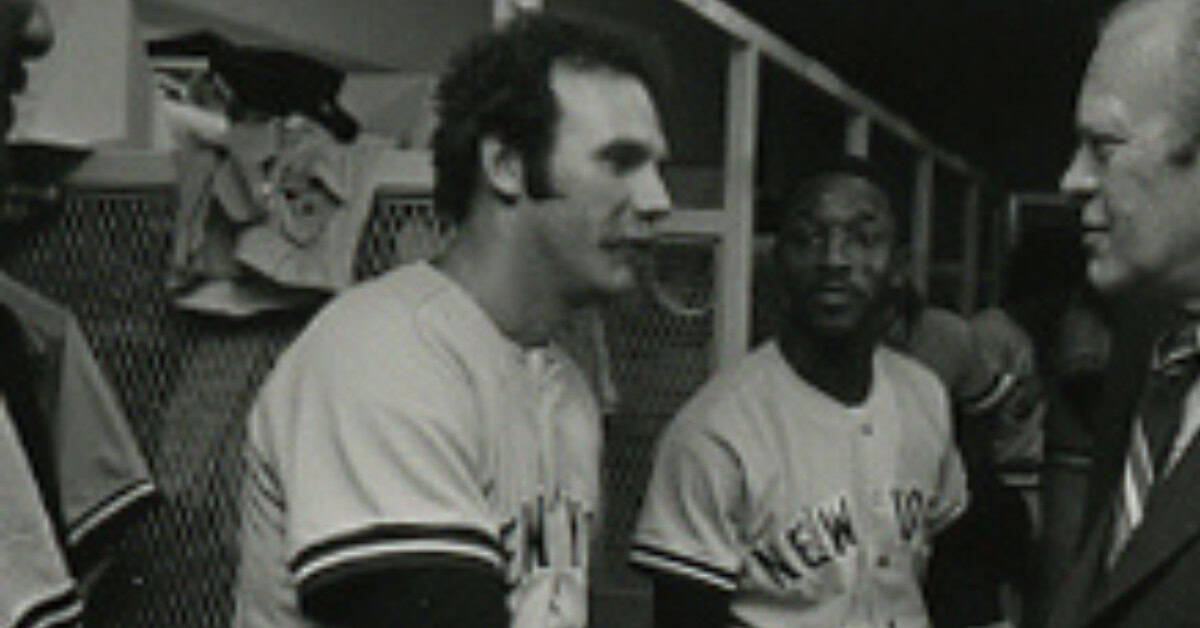
Sparky Lyle’s slider was the perfect closing argument for Yankee Stadium’s championship cases, a left-handed pitch that seemed to get sharper as the pressure mounted and the stakes increased. Lyle’s slider was like a magician’s final trick—it looked ordinary until the last moment when it would dart away from hitters, leaving them swinging at shadows while the crowd erupted. When Lyle jogged in from the bullpen with his slider working, Yankees fans knew the game was over before the first pitch was thrown, watching a master craftsman use one devastating pitch to slam the door on another championship celebration.
Ron Guidry’s Louisiana Lightning Slider That Electrified the Bronx
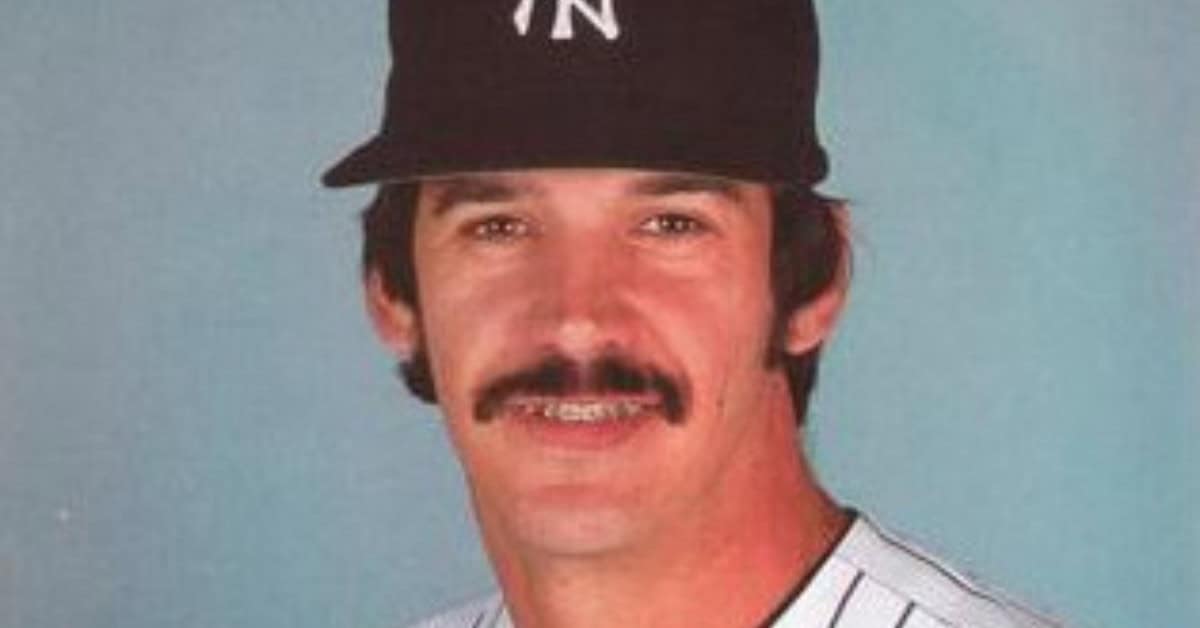
Ron Guidry’s slider was pure electricity, delivered from a left-handed lightning rod —a pitch so devastating that it made Yankee Stadium sound like a thunderstorm, as fans rose to their feet with every swing and miss. Louisiana Lightning’s slider was the perfect complement to his blazing fastball, creating a one-two punch that left hitters guessing until they were walking back to the dugout. When Guidry wound up with his slider crackling, the Bronx became a house of horrors for opposing batters, who faced the impossible task of catching lightning in a bottle while 50,000 fans cheered every strike.
Dennis Eckersley’s Eck Slider That Redefined Relief Pitching
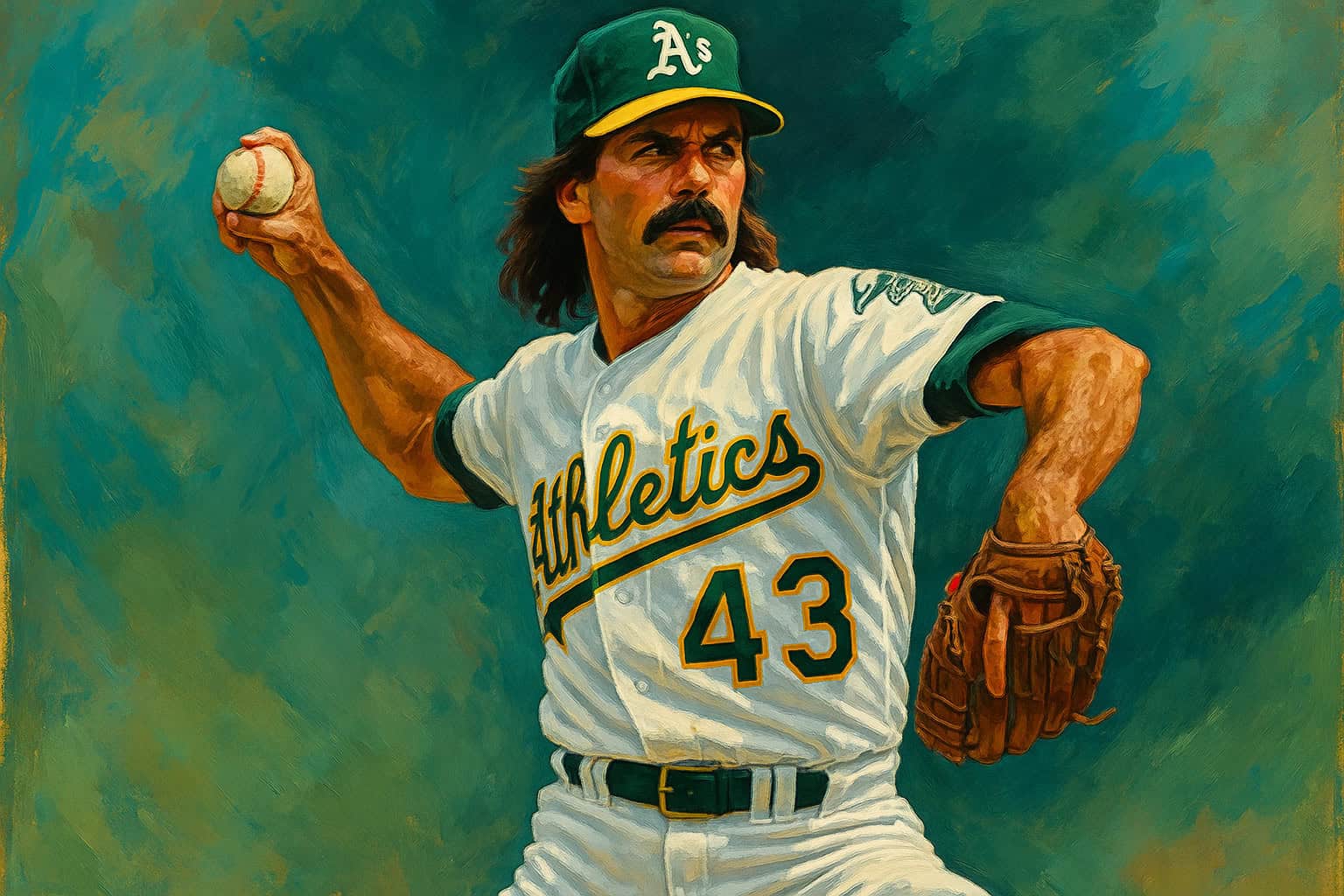
Dennis Eckersley’s slider was the pitch that transformed him from good starter to legendary closer, a devastating weapon that made the Oakland Coliseum’s ninth inning feel like a guaranteed victory for the green and gold. Eck’s slider was like a heat-seeking missile programmed to find the outside corner, breaking so late and so hard that hitters looked foolish even when they knew it was coming. When Eckersley strutted to the mound with his slider working and his mustache bristling, Athletics fans knew they were watching the evolution of relief pitching, a new breed of closer who could dominate with one unhittable pitch.
Pedro Martinez’s Microscopic Slider That Made Giants Look Like Little Leaguers
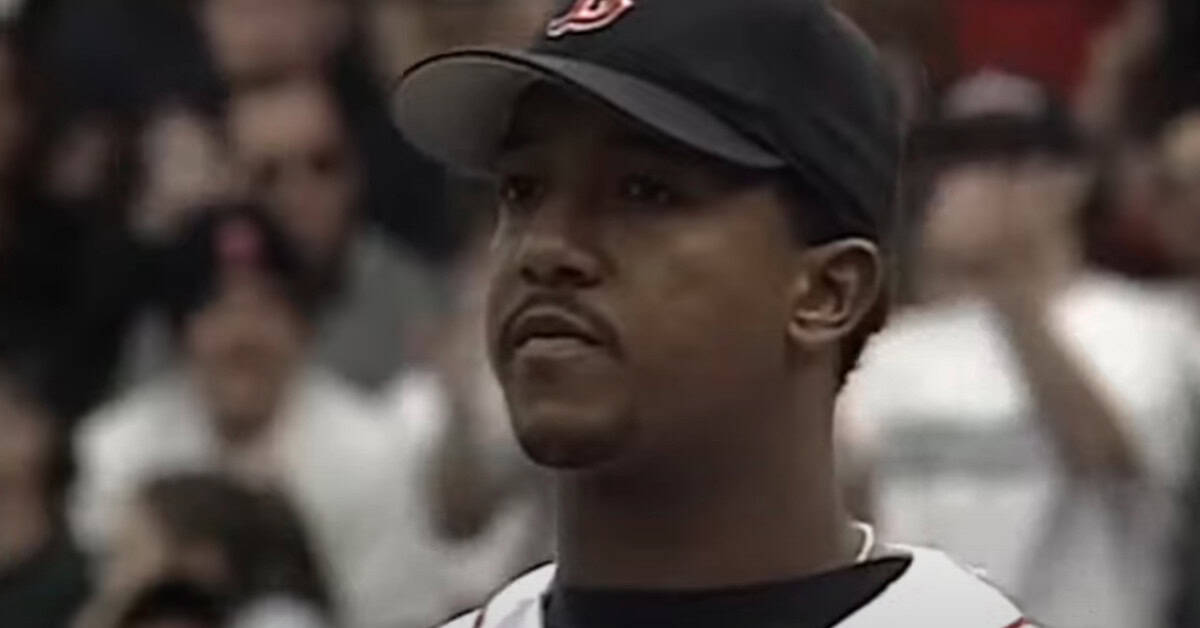
Pedro Martinez’s slider was like a surgical instrument wielded by a master surgeon, precise enough to hit a dime and devastating enough to make the game’s biggest stars look like they were seeing the pitch for the first time. Pedro’s slider complemented his changeup and fastball perfectly, giving him three pitches that moved in different directions while all arriving with the same devastating effectiveness. When Pedro wound up with his slider working at Fenway Park, Red Sox fans witnessed artistry at its finest, watching a diminutive right-hander use pure skill and intelligence to dominate hitters who had six inches and fifty pounds on him.
John Smoltz’s Atlanta Slider That Anchored the ’90s Dynasty

John Smoltz’s slider was the signature pitch of Atlanta’s Big Three rotation, a devastating weapon that helped anchor one of the greatest pitching dynasties in baseball history while Fulton County Stadium rocked with tomahawk chops. Smoltz’s slider was like a master painter’s brushstroke—it looked simple until you saw the finished masterpiece, breaking just enough to turn solid contact into weak grounders and pop-ups. When Smoltz wound up with his slider working alongside Maddux and Glavine, Braves fans knew they were watching something special, a trio of Hall of Fame talents using different styles to achieve the same dominant results.
Curt Schilling’s Bloody Sock Slider That Bled Championships
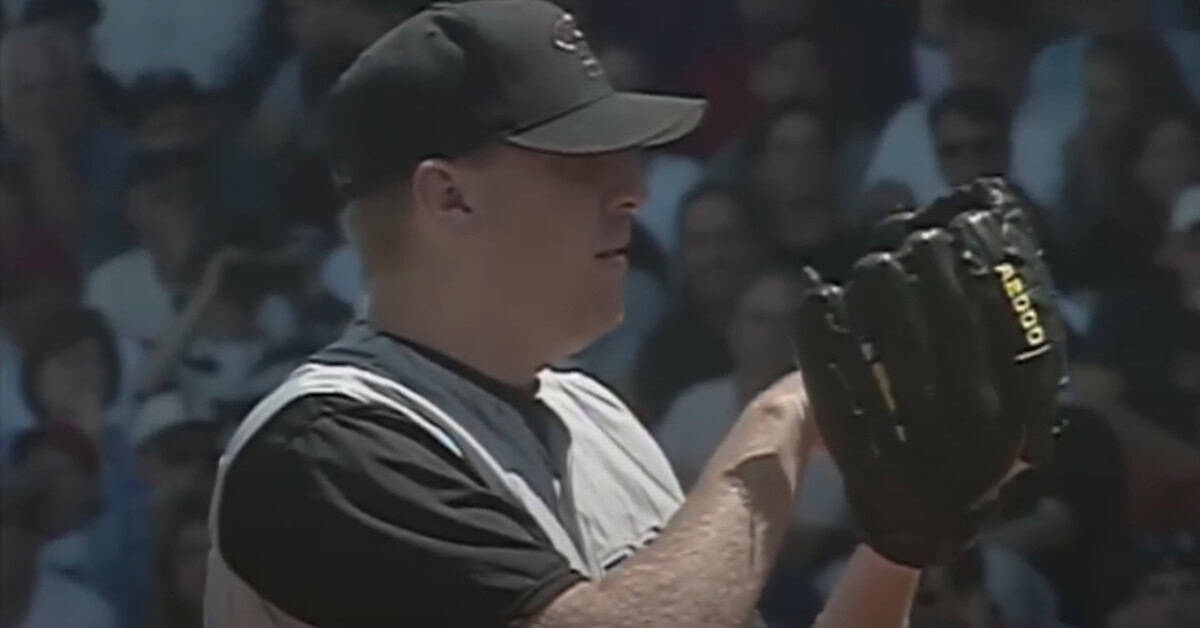
Curt Schilling’s slider was the pitch that helped break the Curse of the Bambino, delivered with the same gritty determination that had him pitching through a bloody sock in the 2004 playoffs. Schilling’s slider was like his personality—intense, uncompromising, and absolutely devastating when it mattered most, cutting through opposing lineups like a knife through butter. When Schilling reached back for his slider in clutch situations, Red Sox fans knew they were watching a warrior in pinstripes, a pitcher who would literally bleed for a championship ring while throwing one of baseball’s most unhittable pitches.
Barry Zito’s Big Curveball-Slider That Made Oakland Believe
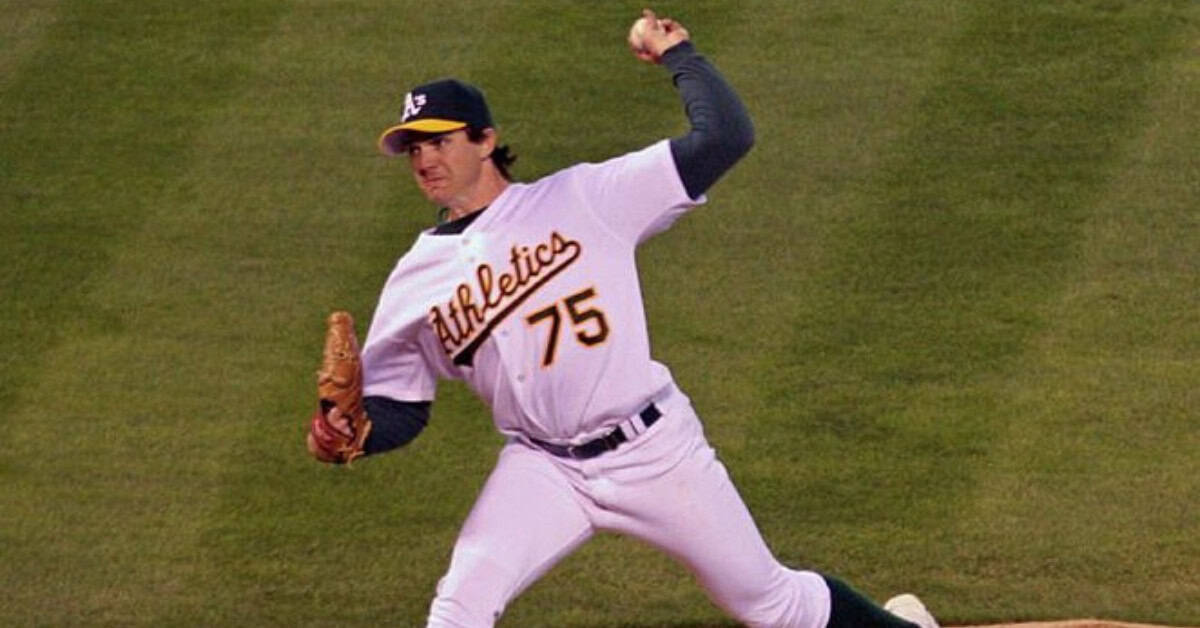
Barry Zito’s “slurve”—that devastating hybrid between slider and curveball—was like watching a magician perform his greatest trick in slow motion, breaking so dramatically that hitters looked foolish even when they knew it was coming. Zito’s signature pitch was the perfect complement to Oakland’s Moneyball philosophy, proving that sometimes the most effective weapon is the one that defies conventional wisdom. When Zito wound up with his slurve working at the Oakland Coliseum, Athletics fans witnessed the perfect marriage of artistry and effectiveness, watching a left-handed artist paint masterpieces on the canvas of the strike zone.
CC Sabathia’s Big Man Slider That Brought October Magic to New York
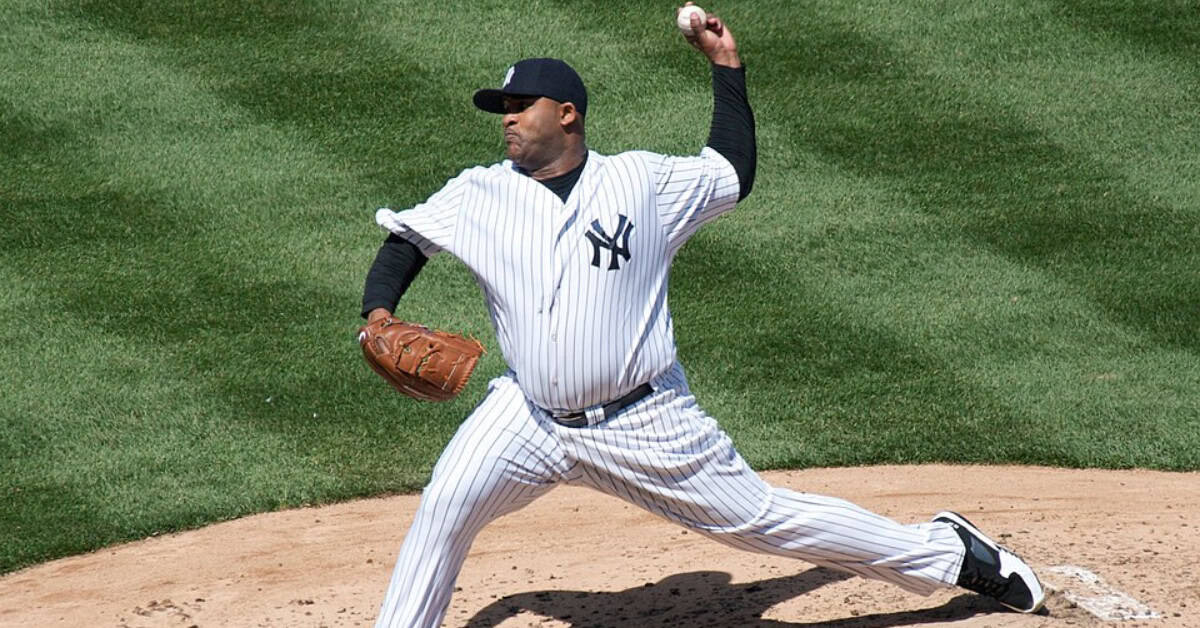
CC Sabathia’s slider was proof that big men could throw finesse pitches, with the 6’7″ lefty using his devastating breaking ball to complement his power repertoire and deliver a World Series title to the Bronx. Sabathia’s slider was like a sledgehammer disguised as a scalpel—it looked like a fastball until the last moment when it would dart away from right-handed hitters, leaving them off-balance and overmatched. When CC wound up with his slider working, Yankee Stadium felt like the old days were back, with a dominant left-hander using guile and power to mow down opposing lineups while October magic filled the air.
Clayton Kershaw’s Dodger Blue Slider That Curved Around Chavez Ravine
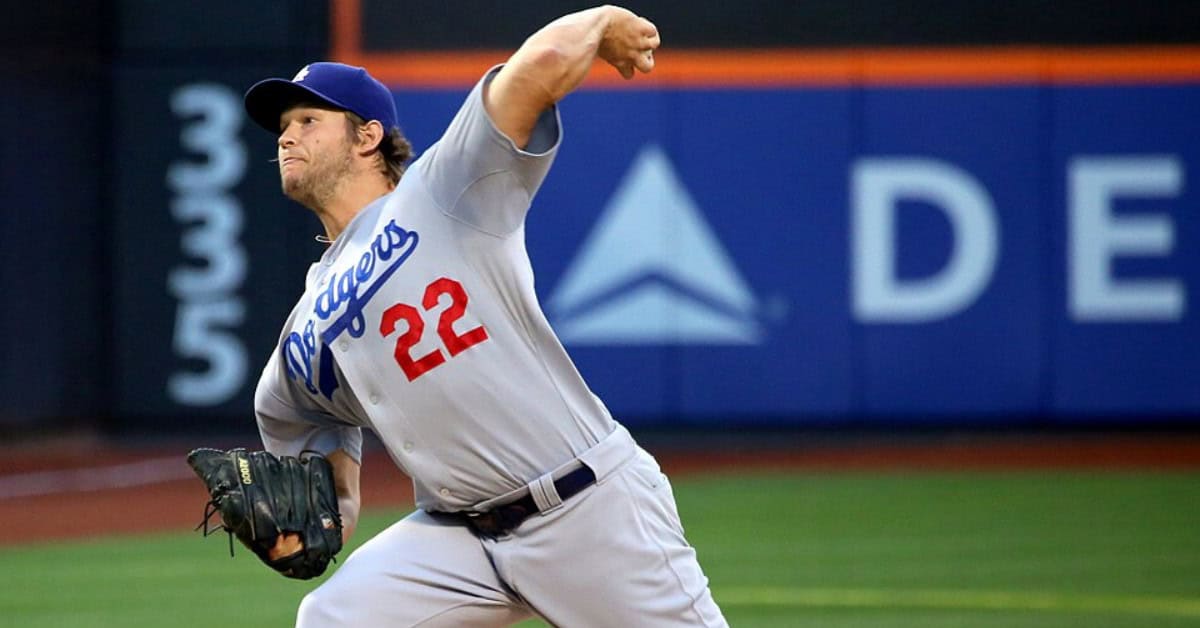
Clayton Kershaw’s slider was like a boomerang thrown from the pitcher’s mound, seeming to curve around the very architecture of Dodger Stadium before finding its way into the strike zone. Kershaw’s slider was the perfect complement to his devastating curveball, giving the left-handed ace two breaking balls that moved in different directions while both arriving with Hall of Fame precision. When Kershaw wound up with his slider working under the California sun, Dodgers fans witnessed the continuation of a proud pitching tradition, watching a modern master use an ancient art to dominate today’s power-heavy game.
Zack Greinke’s Crafty Slider That Outsmarted Modern Analytics

Zack Greinke’s slider was like a chess master’s final move—perfectly calculated, beautifully executed, and impossible to defend against even when you saw it coming. Greinke’s slider proved that in an era obsessed with velocity and spin rates, sometimes the most effective pitch is simply the one thrown with perfect command and intelligence. When Greinke found his slider working, opposing batters faced a pitcher who understood that location and sequencing could be more devastating than pure stuff —a lesson in the art of pitching that transcended every advance in modern analytics.
Jacob deGrom’s Modern Slider That Redefined Dominant Pitching
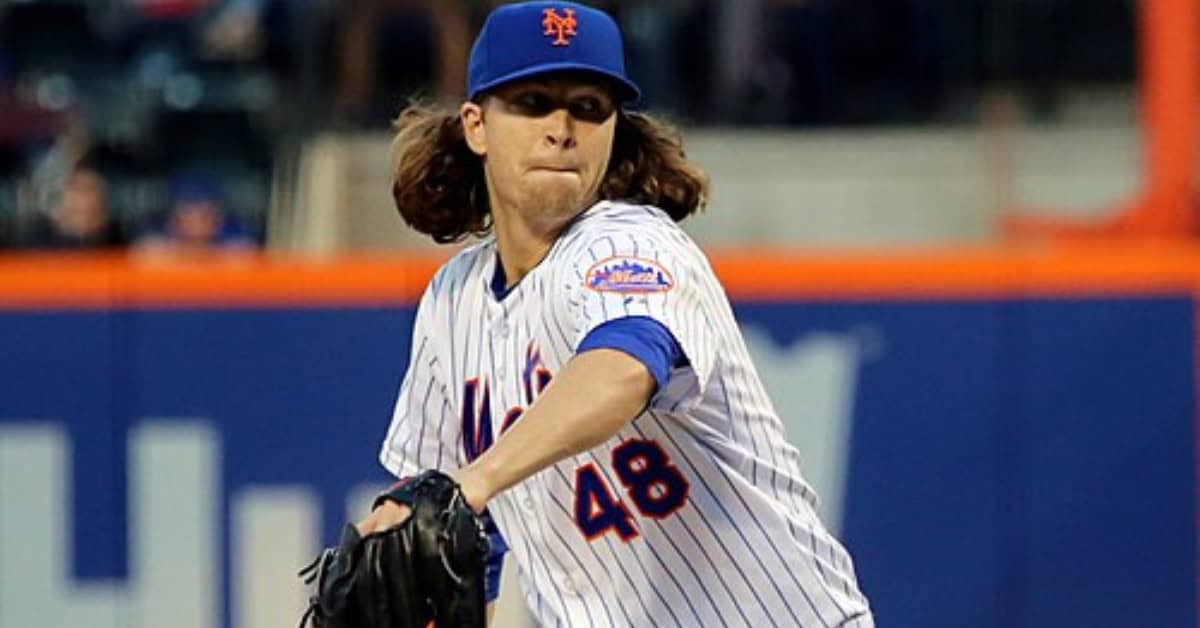
Jacob deGrom’s slider represents the evolution of the pitch in the modern era, a 95-mph breaking ball that seems to defy the laws of physics while making today’s power hitters look like they’re swinging pool noodles. deGrom’s slider is like a sports car with perfect handling—it arrives with devastating velocity but still has the precision to hit its spots and generate the movement that turns solid contact into swing-and-miss. When deGrom winds up with his slider ready to fire in today’s homer-happy environment, Mets fans witness the perfect marriage of old-school artistry and new-school power, a pitch that honors the past while dominating the present.
Randy Johnson’s Big Unit Slider That Terrorized Left-Handed Batters

Randy Johnson’s slider was like a meteor launched from his 6’10” frame, creating a terrifying combination of size, speed, and movement that left left-handed batters questioning their career choices and right-handed hitters feeling grateful. The Big Unit’s slider complemented his 100-mph fastball perfectly, giving him two pitches that arrived from an impossible angle while both carried the fury of a desert windstorm. When Johnson reared back and fired his slider from that impossibly high release point, it looked like a fastball until the last moment when it would dive toward earth, leaving batters swinging at shadows cast by Chase Field’s lights while the crowd erupted in appreciation of witnessing pure pitching dominance in its most terrifying form.