

Last Updated: June 17th, 2026 by Matthew Brown
Before analytics turned every pitch into a data point and radar guns became more important than gut instincts, there was a pitch that lived in the gray area between fastball and slider. The cutter—that late-breaking, bat-shattering beauty—emerged as the thinking man’s power pitch, turning broken lumber into symphonies and making even the mightiest sluggers look foolish. From the sandlots where kids first learned to grip a baseball sideways to the bright lights of October, these twenty masters of the cut fastball carved their names into baseball history one shattered bat at a time.
Don't lose this article. Enter your email below, and I'll send it to you right now. Plus, we'll send you other unbelievable stories from baseball's past.
Roy Halladay’s Perfect Game and Postseason No-Hitter: The Cutter That Silenced October in Philadelphia

Roy Halladay’s cutter was the exclamation point on one of the most dominant stretches in recent baseball history. His perfect game in the 2010 regular season and his no-hitter in the postseason left Citizens Bank Park speechless. Halladay’s cutter was like a surgeon’s scalpel—precise, deadly, and wielded by hands that never seemed to shake under pressure. When Halladay unleashed his cutter in those magical moments, he wasn’t just throwing a baseball—he was throwing pure perfection wrapped in cowhide, creating memories that Philadelphia fans will treasure forever.
Andy Pettitte’s Postseason Cutter That Turned October Into Yankee Theater
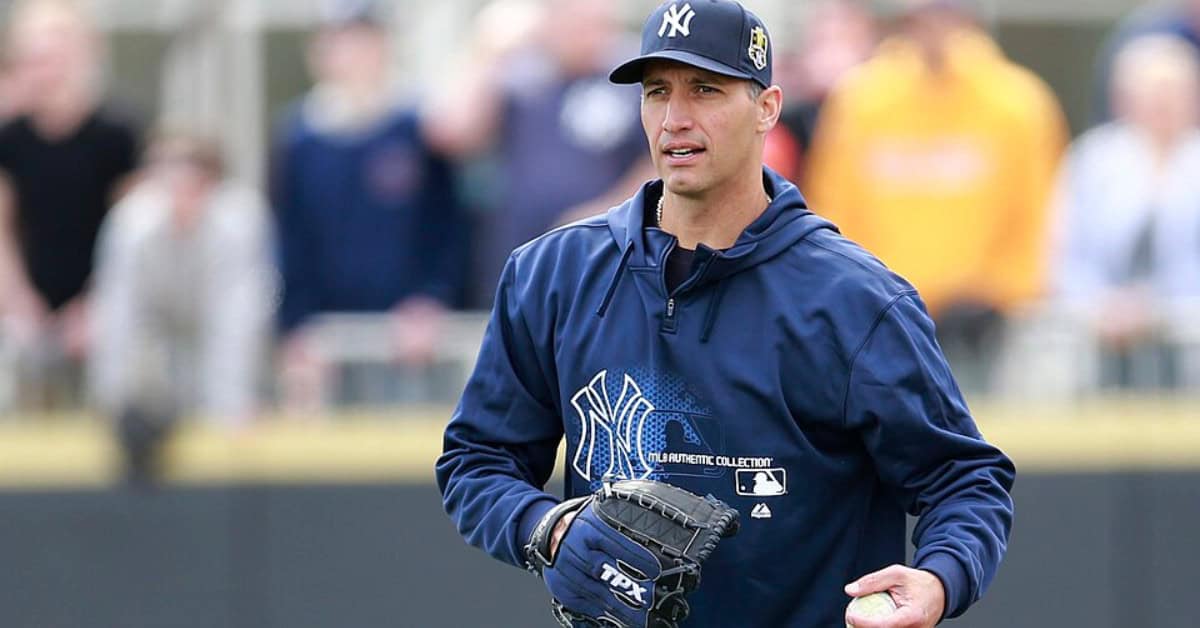
Andy Pettitte’s cutter was the pitch that made him Mr. October in pinstripes, a left-handed weapon that seemed to get sharper as the stakes got higher and the lights got brighter. Pettitte’s cutter was like a fine wine—it improved with age and pressure, becoming more devastating in clutch situations when lesser pitchers wilted under the spotlight. When Pettitte took the mound in playoff games with his cutter working, Yankee Stadium became a theater where opposing hitters came to watch their championship dreams die in real time.
Kenley Jansen’s Dodger Blue Cutter That Redefined Modern Closing
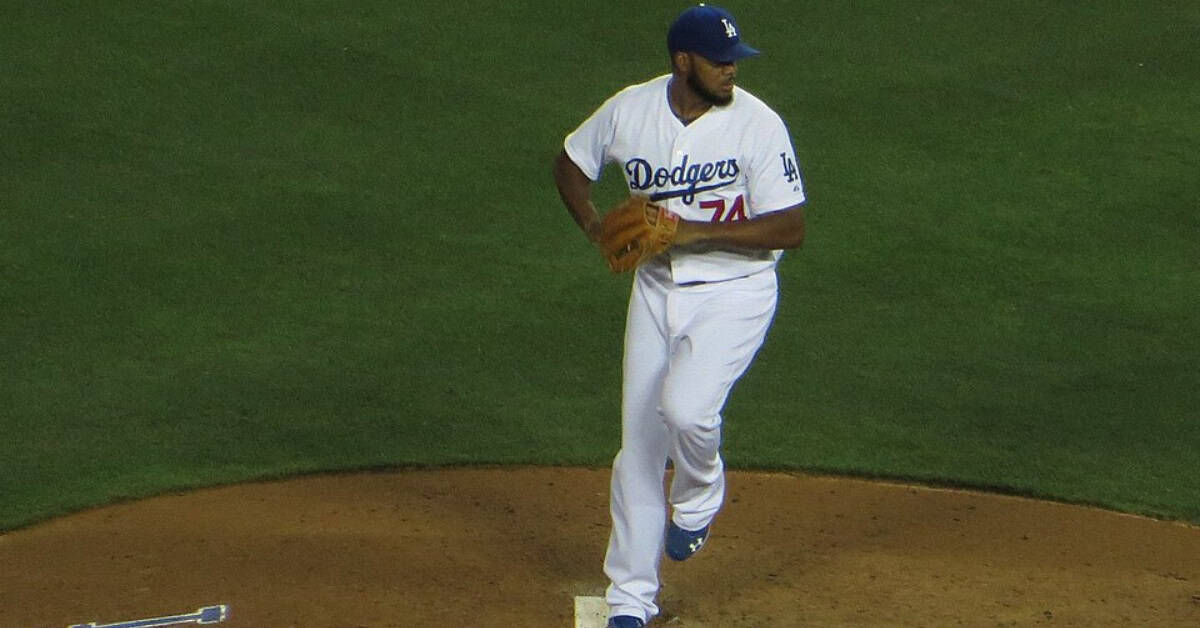
Kenley Jansen’s cutter brought a new level of artistry to the closer’s role, turning Dodger Stadium’s ninth inning into a masterclass in precision pitching that made “California Love” sound like a funeral dirge for opposing offenses. Jansen’s cutter was a heat-seeking missile for the corner of the strike zone, moving just enough to turn solid contact into weak pop-ups and strikeouts. With his cutter ready to fire, Los Angeles fans watched the evolution of relief pitching—a perfect marriage of old-school effectiveness and new-school precision.
Felix Hernandez’s King’s Court Cutter That Ruled Seattle

Felix Hernandez’s cutter was the crown jewel in King Felix’s royal arsenal, a pitch that made Safeco Field feel like a medieval castle where opposing hitters came to pay tribute to pitching royalty. The King’s cutter had just enough movement to turn sure hits into easy outs while the yellow-clad King’s Court cheered their approval. When Felix took the mound with his cutter working, Seattle fans saw a true ace in his prime, ruling his kingdom with a pitch that bent but never broke under pressure.
Jake Peavy’s Cy Young Cutter That Made San Diego Believe
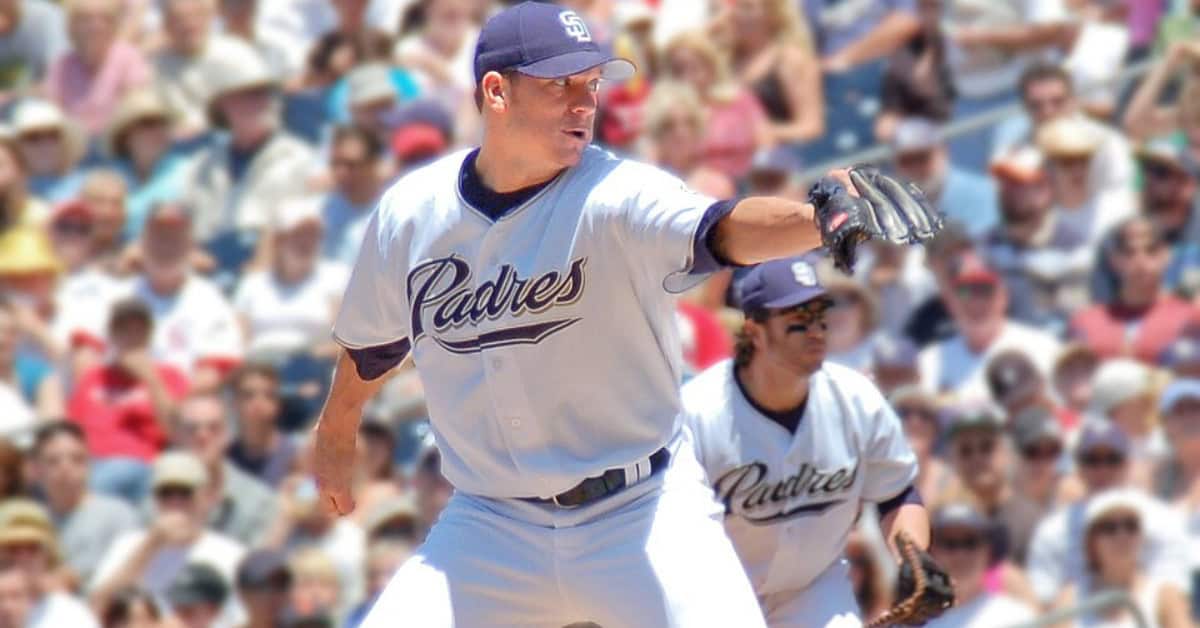
Jake Peavy’s cutter was the pitch that turned a small-market team into Cy Young contenders, helping the fiery right-hander dominate the National League and making Petco Park feel like the center of the baseball universe. Peavy’s cutter had the same intensity as its owner—aggressive, uncompromising, and absolutely devastating when it caught hitters looking for something else. When Peavy let his cutter loose, San Diego fans knew they were watching something special—a hometown hero using a cutting-edge pitch to slice through the competition.
John Smoltz’s Late-Career Cutter That Extended Atlanta’s Dynasty

John Smoltz’s cutter was like finding a fountain of youth in his pitching hand, giving the Atlanta ace another weapon to complement his devastating slider and helping extend the Braves’ championship window. Smoltz delivered his cutter with the same competitive fire that made him a Hall of Famer—a pitch that seemed to get better as the pressure mounted and the stakes increased. When Smoltz added the cutter to his arsenal, Fulton County Stadium became an even more dangerous place for opposing hitters, who now had to worry about yet another pitch that could end their at-bat in an instant.
CC Sabathia’s Big Man Cutter That Brought Championships to the Bronx
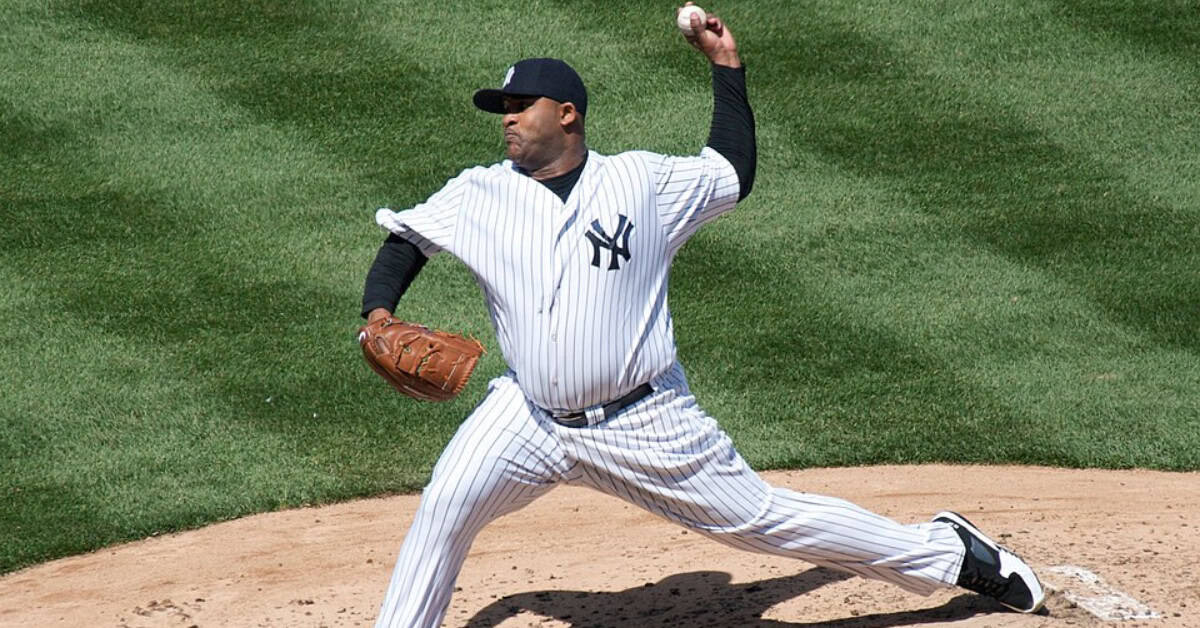
CC Sabathia’s cutter was proof that big men could throw finesse pitches, with the 6’7″ lefty using his devastating cut fastball to complement his power stuff and help deliver a World Series title to the Bronx. Sabathia’s cutter looked like a fastball until the last moment, when it would dart away from right-handed hitters, leaving them off-balance and overmatched. When CC was on, Yankee Stadium felt like the old days were back—a dominant left-hander using guile and power to mow down opposing lineups.
Cliff Lee’s Pinpoint Cutter That Made Hitting Look Impossible
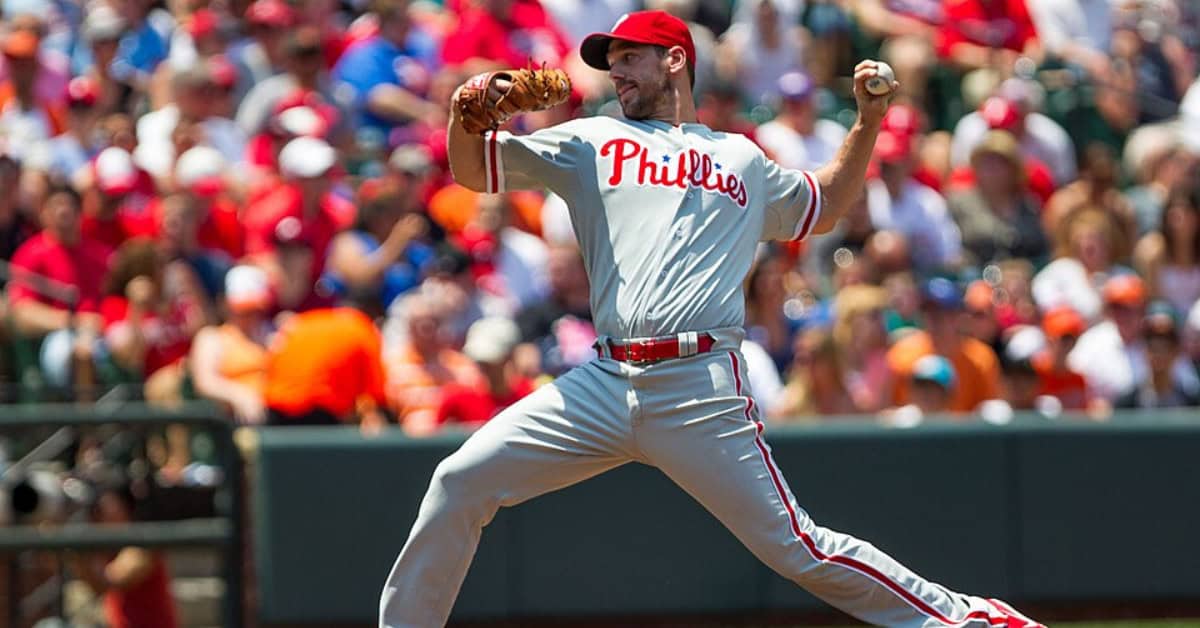
Cliff Lee’s cutter was delivered with the precision of a Swiss watchmaker—a pitch so perfectly located that it made even the best hitters look like they were trying to hit a moving target in a funhouse mirror. Lee’s cutter, the perfect complement to his changeup, gave the crafty left-hander two pitches that moved in opposite directions and left hitters guessing until the ball was already in the catcher’s mitt. With his cutter working, opposing batters faced an impossible puzzle—guess wrong and you’re out, guess right and you might still be out anyway.
Curt Schilling’s Bloody Sock Cutter That Bled Boston Championships

Curt Schilling’s cutter helped break the Curse of the Bambino, delivered with the same gritty determination that had him pitching through a bloody sock in the 2004 playoffs. Schilling’s cutter matched his personality—intense, uncompromising, and absolutely devastating when it mattered most, slicing through opposing lineups like a knife through butter. When Schilling reached back for his cutter in clutch situations, Red Sox fans knew they were watching a warrior—a pitcher who would literally bleed for a championship ring.
Al Leiter’s Subway Series Cutter That Divided New York
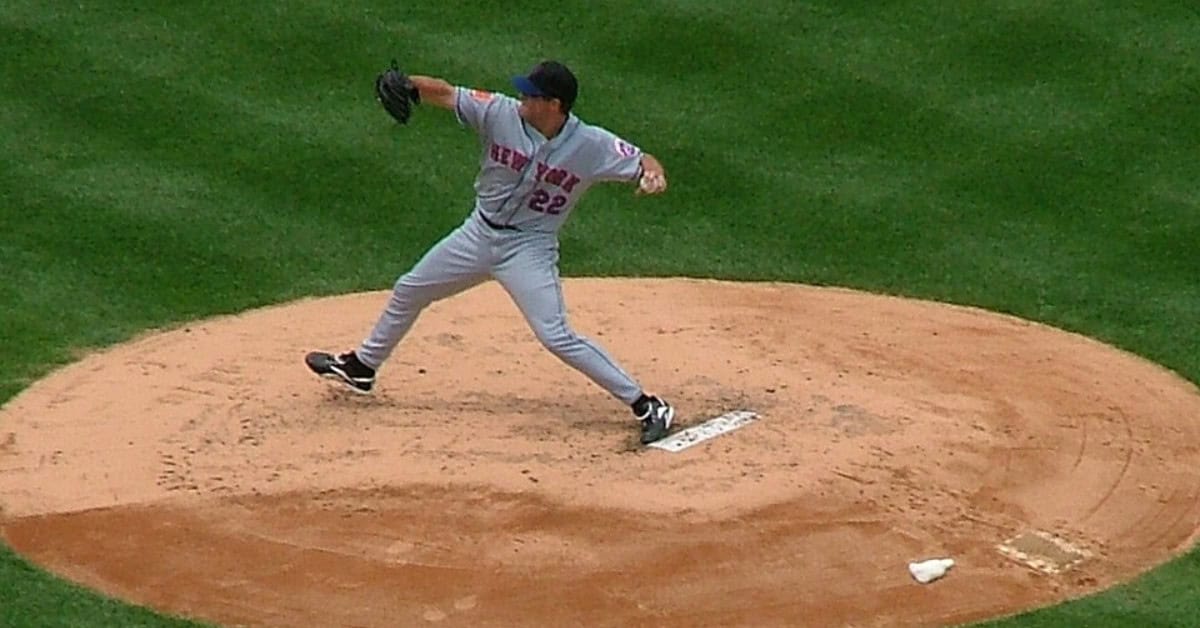
Al Leiter’s cutter made him the ace of Queens during the Subway Series era—a left-handed weapon that helped the Mets compete with their crosstown rivals while Shea Stadium rocked with orange and blue passion. Leiter’s cutter was delivered with the intensity of a man who understood what it meant to pitch in New York, moving just enough to turn solid contact into weak grounders and pop-ups. With his cutter working, Mets fans felt they had their own answer to Yankees dominance—a homegrown hero who could match any pitcher in the city.
Kerry Wood’s 20-Strikeout Cutter That Rewrote Wrigley History

Kerry Wood’s cutter was the supporting actor in one of baseball’s greatest single-game performances, helping the young fireballer strike out 20 Astros in a display of dominance that made Wrigley Field feel like a video game. Wood’s cutter complemented his devastating slider, giving him two pitches that broke in different directions and left hitters completely helpless. With his cutter working alongside his other weapons, Cubs fans witnessed the kind of pitching performance that legends are built on—a perfect storm of youth, talent, and devastating stuff.
Francisco Rodriguez’s K-Rod Cutter That Broke Save Records
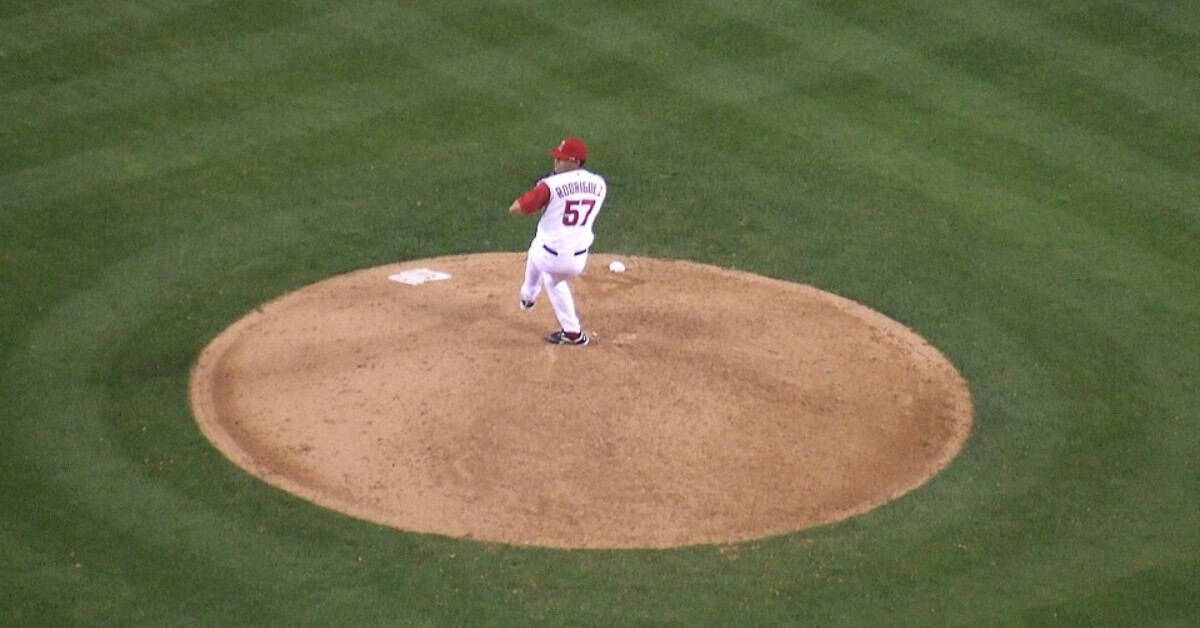
Francisco Rodriguez’s cutter was the pitch that made “K-Rod” the most dominant closer in baseball, helping him set the single-season save record and making Angel Stadium’s ninth inning feel like a guaranteed victory. Rodriguez’s cutter was a magician’s trick—it looked ordinary until the last second, when it would dart away from hitters, leaving them swinging at air while the crowd erupted. With his cutter working, Angels fans knew they were watching history in the making—a record-breaking season built on one devastating pitch.
Jonathan Papelbon’s Fenway “Slutter” That Made Red Sox Nation Roar
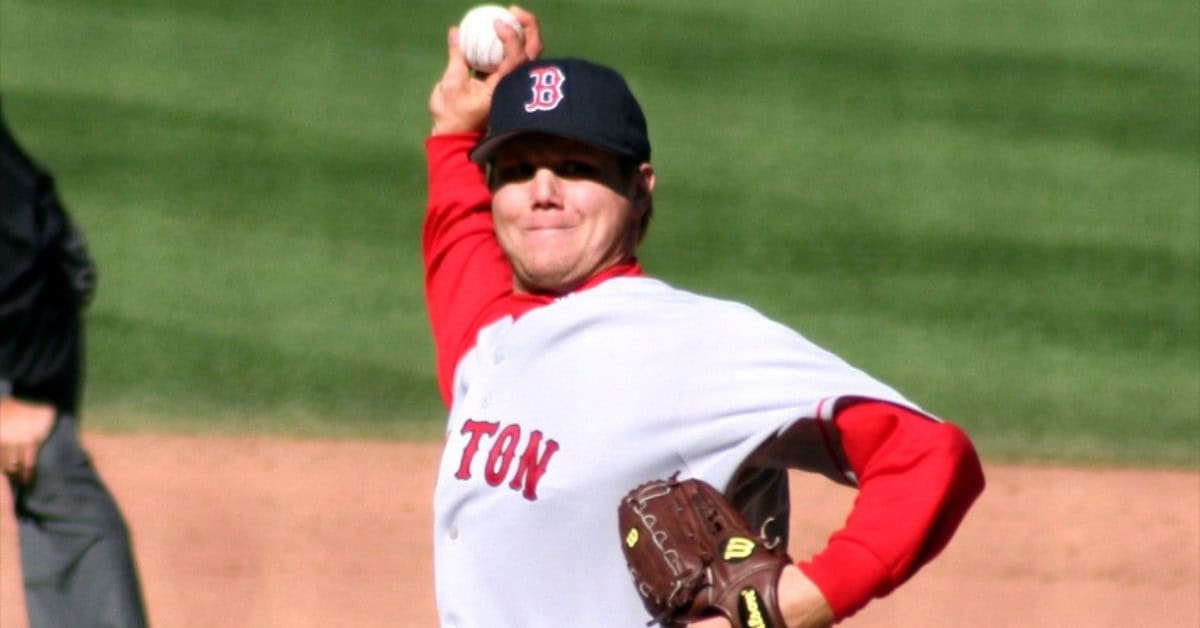
Jonathan Papelbon’s “slutter”—that devastating hybrid of slider and cutter—made Fenway Park’s ninth inning feel like a rock concert, with “Shipping Up to Boston” blaring while opposing hitters looked helpless. Papelbon’s slutter was like nothing hitters had seen before, breaking later and harder than a traditional cutter while maintaining the velocity that made it nearly unhittable. With his slutter ready to fire, Red Sox Nation saw the evolution of relief pitching—a new breed of closer armed with a pitch that defied classification.
Trevor Hoffman’s “Hells Bells” Cutter That Silenced San Diego
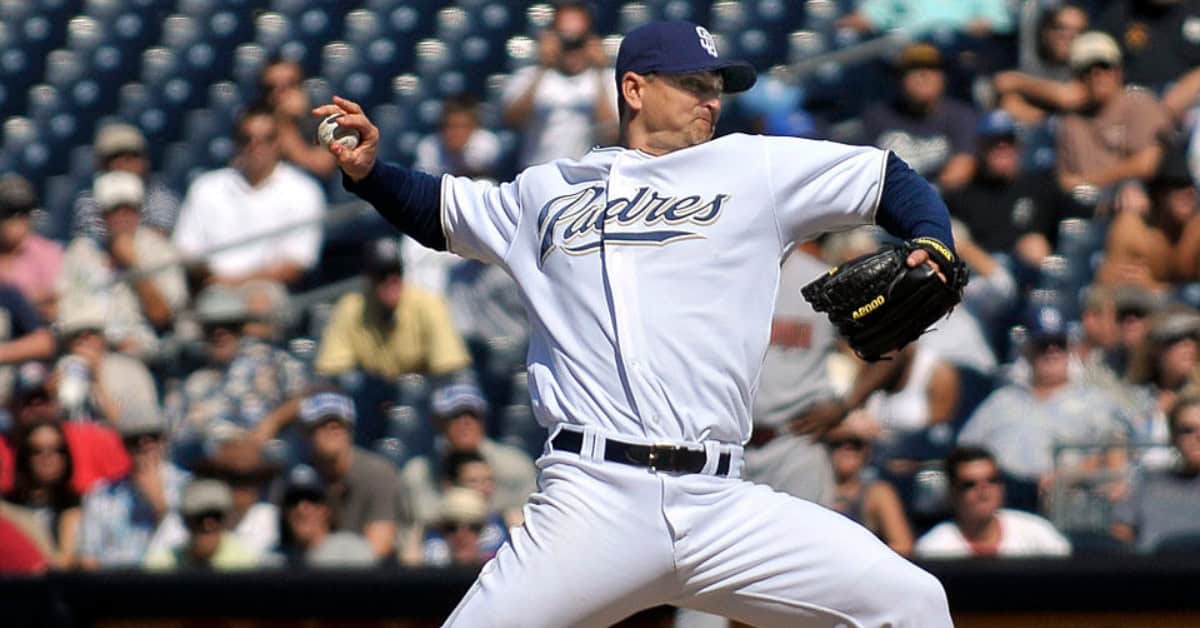
Trevor Hoffman’s cutter was the perfect complement to his devastating changeup, giving the Hall of Fame closer two pitches that moved in opposite directions while “Hells Bells” announced his arrival at Qualcomm Stadium. Hoffman’s cutter was delivered with the same calm precision as everything else he threw, a pitch that seemed to accelerate toward the plate before darting away from helpless hitters. When the bells started ringing and Hoffman took the mound with his cutter working, Padres fans knew the game was over before the first pitch was thrown.
Pedro Martinez’s Artist’s Cutter That Painted Masterpieces at Fenway
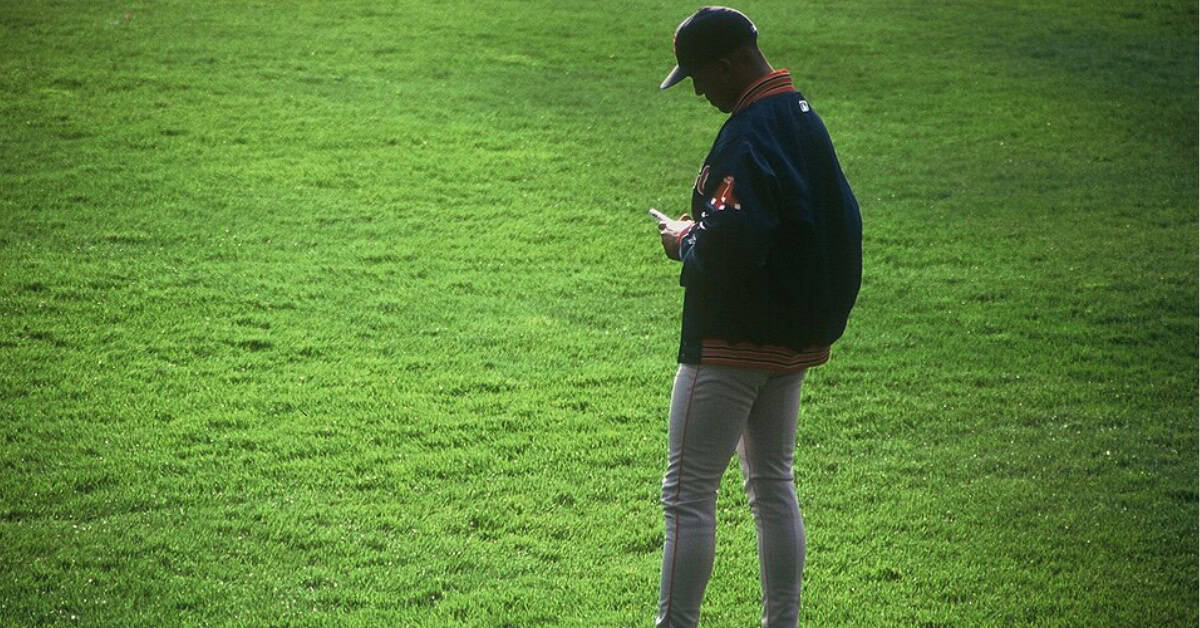
Pedro Martinez’s cutter was like a paintbrush in the hands of Michelangelo, a precision instrument that helped the diminutive right-hander create masterpieces on the canvas of Fenway Park’s strike zone. Pedro’s cutter was the perfect complement to his devastating changeup and curveball, giving him another weapon to keep hitters off balance while he carved up opposing lineups with surgical precision. With his cutter working alongside his other pitches, Red Sox fans witnessed artistry at its finest—a master craftsman using every tool in his arsenal to dominate the game’s greatest hitters.
Jerry Reuss’s Vintage Cutter That Bridged Baseball’s Golden Eras
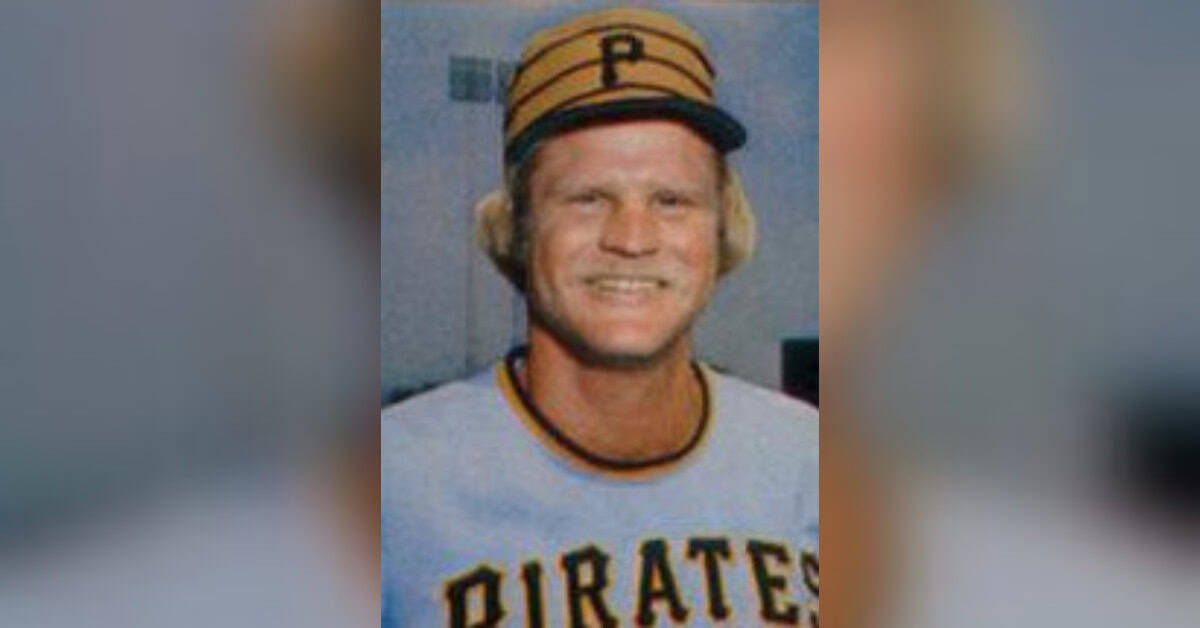
Jerry Reuss’s cutter was ahead of its time, a pitch that bridged the gap between old-school craftsmanship and modern innovation and helped the veteran left-hander extend his career into the 1980s. Reuss’s cutter was like a vintage wine that improved with age, becoming more effective as he learned to command it and use it to set up his other pitches. When Reuss took the mound with his cutter working, fans witnessed the evolution of pitching in real time—a crafty veteran adapting and surviving in a game that was constantly changing around him.
Dan Haren’s Crafty Cutter That Made Good Hitters Look Ordinary
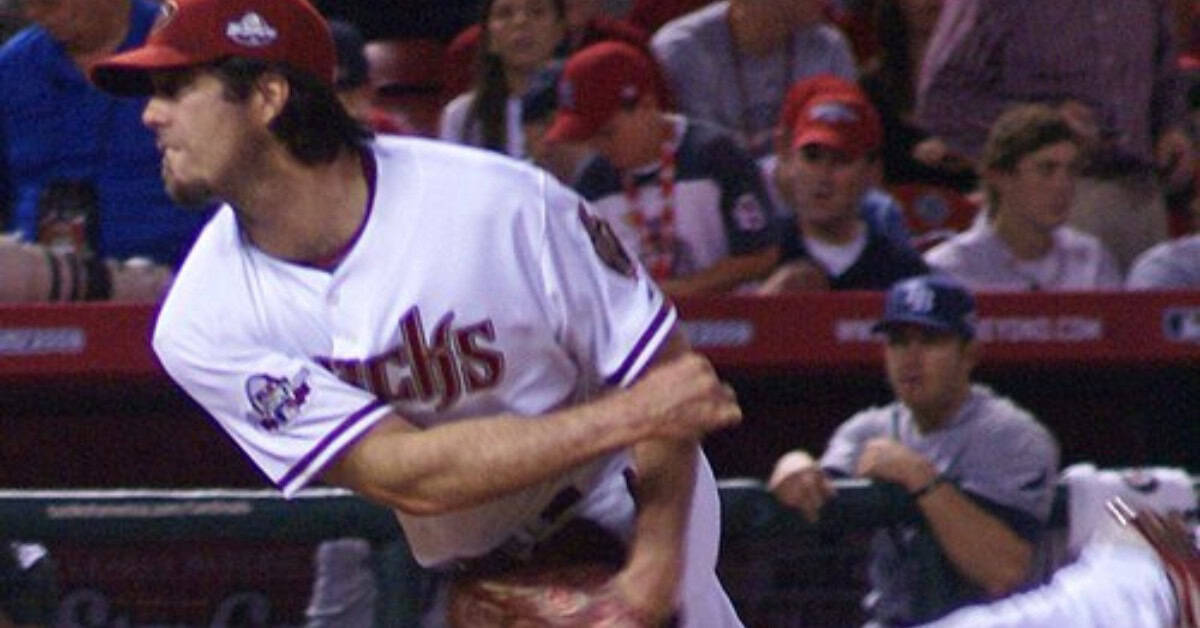
Dan Haren’s cutter was the epitome of pitching intelligence—a perfectly executed pitch that helped the crafty right-hander succeed without overwhelming velocity by making elite hitters look like they were seeing the pitch for the first time. Haren’s cutter was a chess move three steps ahead—it set up everything else in his repertoire while keeping hitters honest and off balance throughout every at-bat. With his cutter working, opposing batters faced a pitcher who understood that location and movement could be more devastating than pure speed—a lesson in the art of pitching that never goes out of style.
Jon Lester’s Championship Cutter That Broke Curses in Two Cities
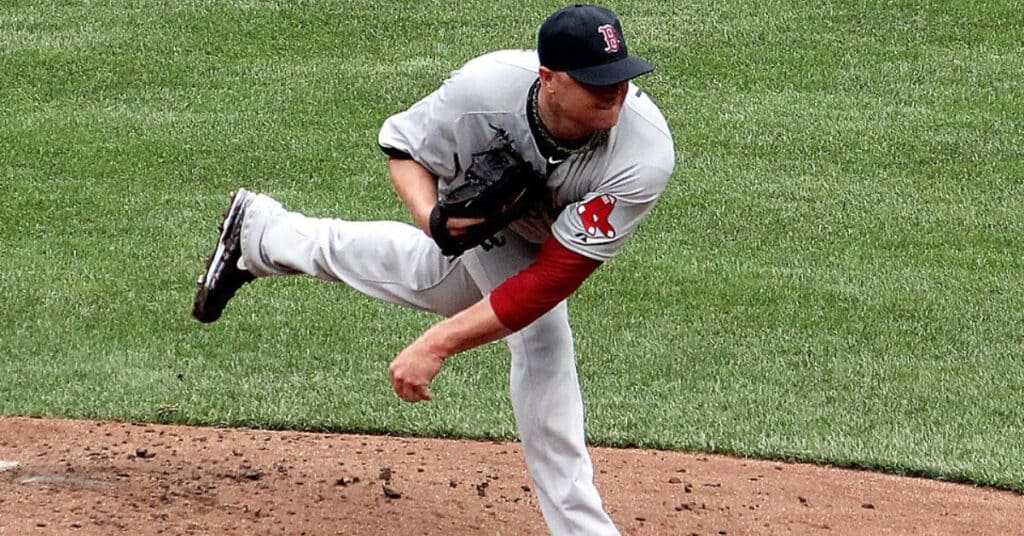
Jon Lester’s cutter was the common thread in two of baseball’s greatest curse-breaking stories, helping deliver championships to both Boston and Chicago while proving that some pitches are simply destined for October magic. Lester’s cutter was like a skeleton key that unlocked championship doors—it worked in pressure situations when other pitches failed, giving the left-hander the confidence to attack hitters in the biggest moments. When Lester took the mound with his cutter working in elimination games, fans in two cities learned to believe in the power of one pitch to change history and break decades of heartbreak.
Emmanuel Clase’s Modern Cutter That Dominates Today’s Power Hitters
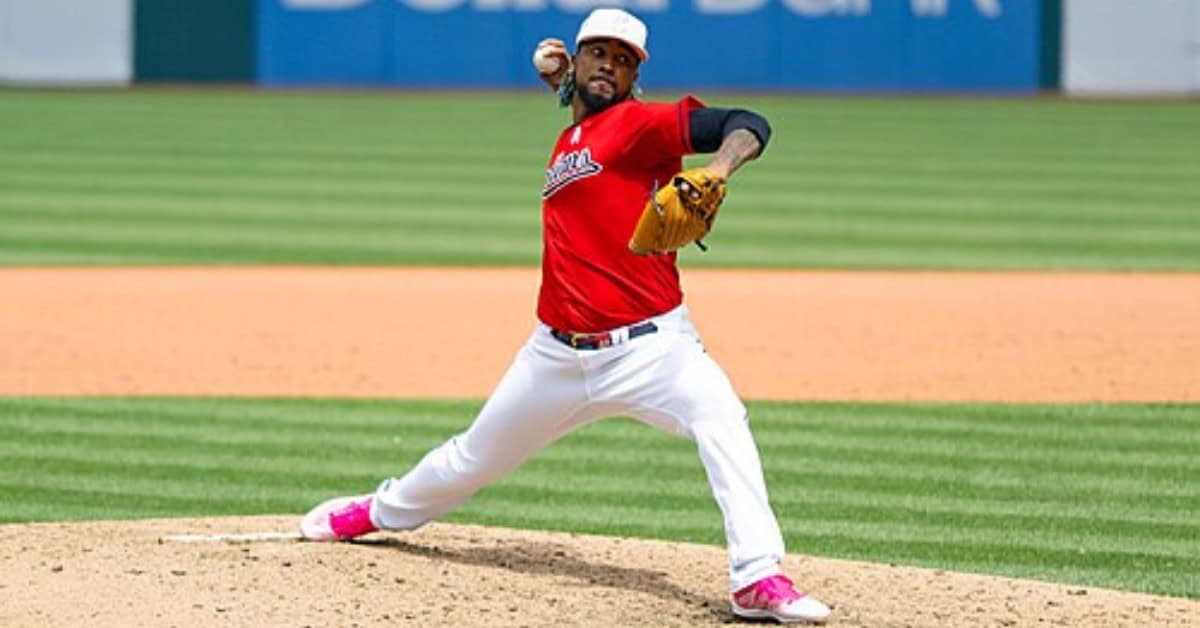
Emmanuel Clase’s cutter represents the evolution of the pitch in the modern era—a 100-mph cutting fastball that makes today’s power hitters look helpless while proving that velocity and movement can coexist in perfect harmony. Clase’s cutter is like a sports car with perfect handling—it arrives with devastating speed but still has the precision to hit its spots and generate the movement that turns solid contact into weak grounders. When Clase winds up with his cutter ready to fire in today’s homer-happy environment, Cleveland fans witness the perfect marriage of old-school effectiveness and new-school velocity—a pitch that honors the past while dominating the present.
Mariano Rivera’s Sandpaper Cutter That Made Yankee Stadium a House of Broken Dreams
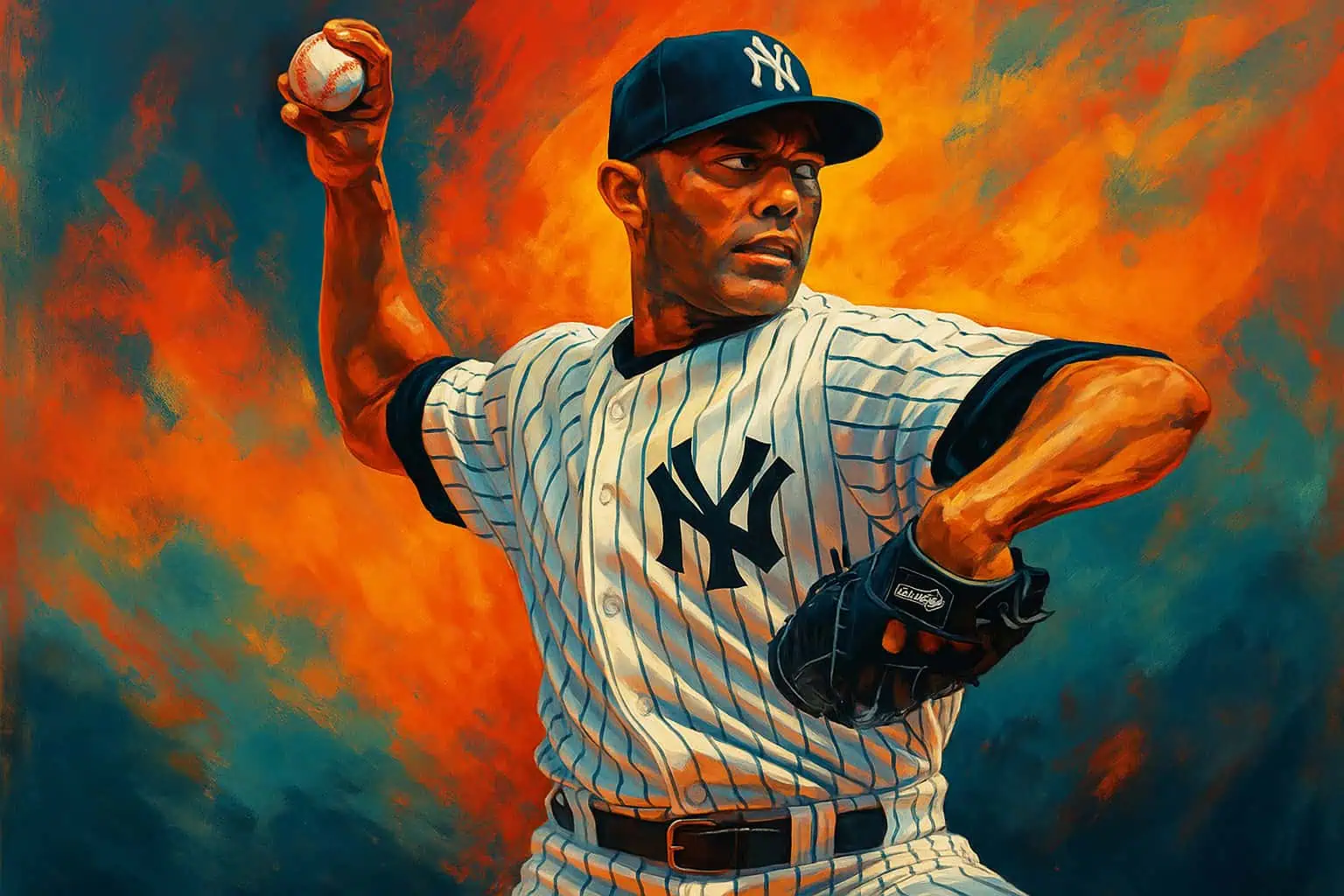
Mariano Rivera’s cutter wasn’t just a pitch—it was a religious experience delivered at 95 mph, turning the most confident hitters into broken men walking back to dugouts filled with splinters. Mo’s cutter had the supernatural ability to make million-dollar lumber look like toothpicks, creating a graveyard of shattered bats around home plate that became as iconic as the pitcher himself. When Rivera entered games to the sound of “Enter Sandman,” opposing batters knew they were about to face the Grim Reaper of baseball, armed with a cutter that could cut through both wood and dreams with equal precision.