

Last Updated: June 17th, 2026 by Michael Schatz
Back when baseball cards came with that powdery pink gum that turned to concrete in your mouth, one name commanded respect in every corner drugstore and barbershop across America. Jackie Robinson wasn’t just breaking records—he was breaking down walls that had stood for decades, one stolen base and clutch hit at a time.
Don't lose this article. Enter your email below, and I'll send it to you right now. Plus, we'll send you other unbelievable stories from baseball's past.
Breaking Baseball’s Color Barrier on April 15, 1947
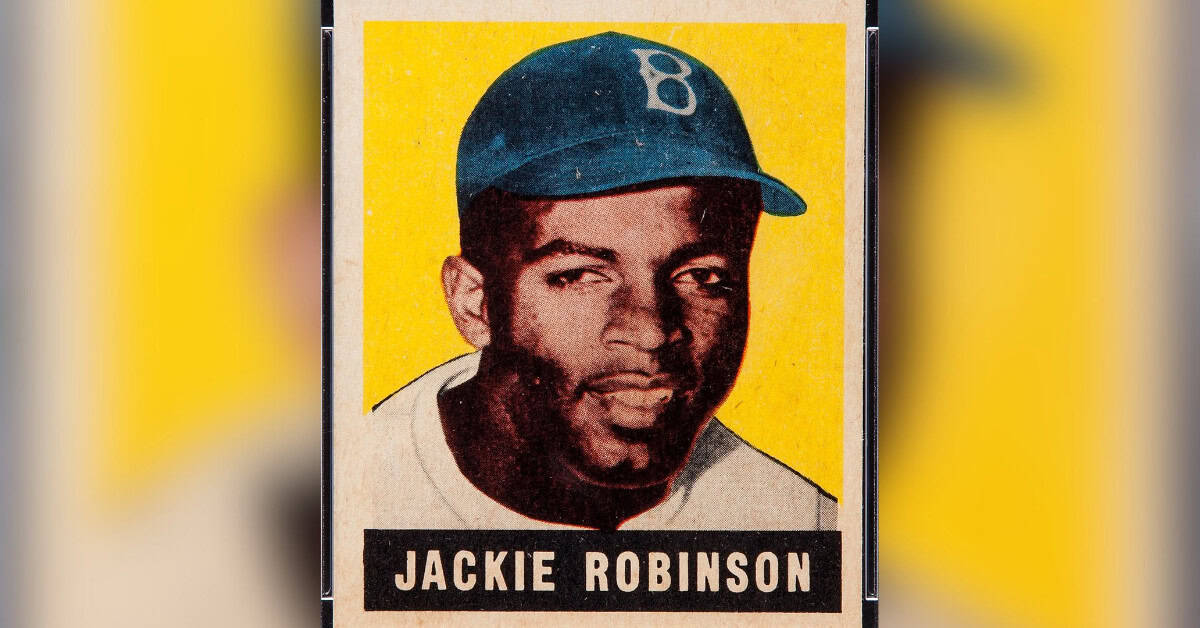
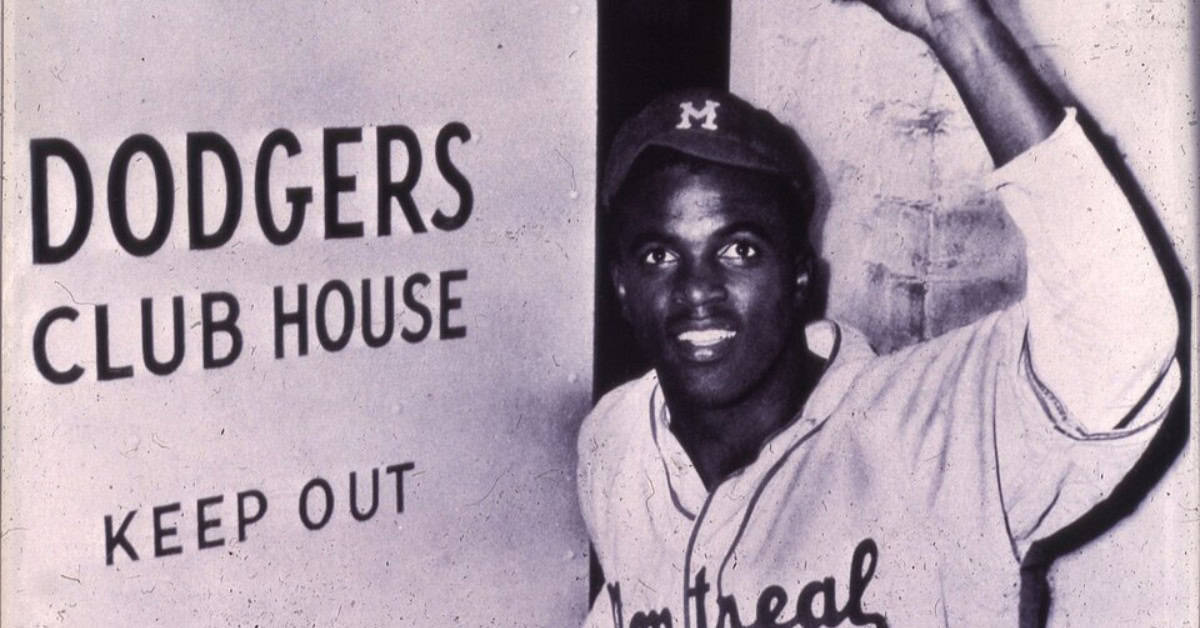
The most important statistic in baseball history isn’t a number—it’s a date. When Jackie Robinson stepped onto Ebbets Field that Tuesday afternoon, he didn’t just become the first Black player in modern Major League Baseball; he shattered a 60-year wall of segregation that had kept talented athletes relegated to the Negro Leagues. The crowd of 26,623 witnessed more than a debut—they saw the beginning of America’s integration, one inning at a time.
Rookie of the Year Winner in His Historic First Season

Robinson didn’t just survive his rookie season—he dominated it, becoming the inaugural winner of the Rookie of the Year award in 1947. Batting .297 with 12 home runs and leading the National League with 29 stolen bases, he proved that talent transcends color. The award was later renamed the Jackie Robinson Award in 1987, ensuring that every future rookie winner would carry his legacy forward with their achievement.
1949 National League MVP with a .342 Batting Average
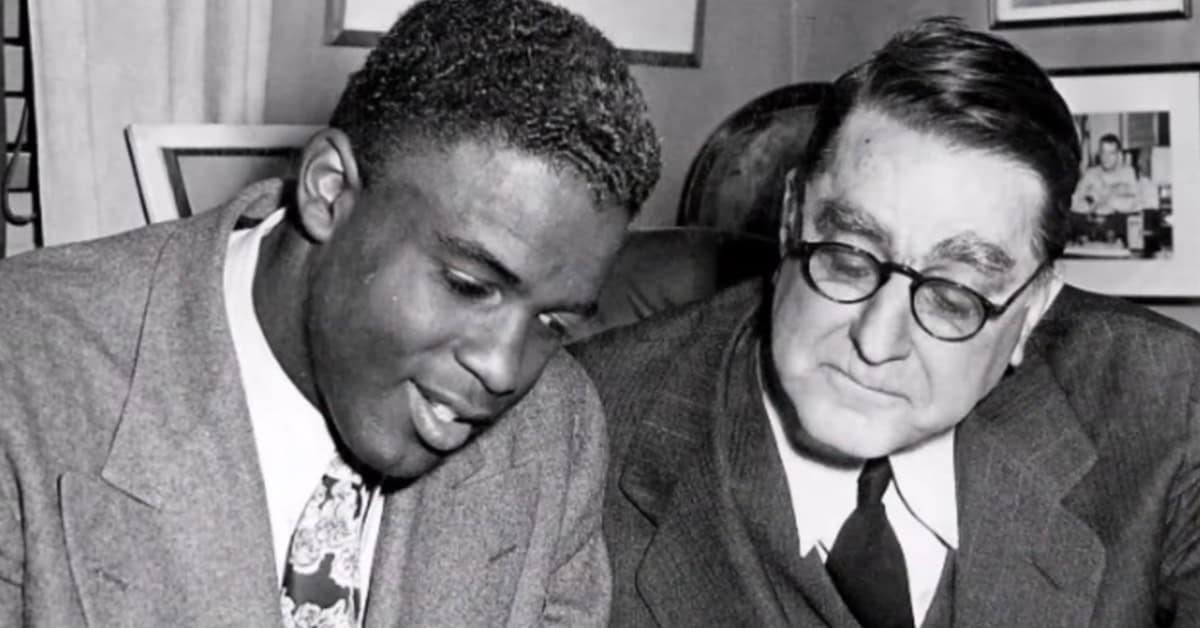
In 1949, Robinson silenced any remaining doubters with a season for the ages, capturing the National League MVP award with a blistering .342 batting average. He also led the league with 37 stolen bases and drove in 124 runs, becoming the first Black player to win the MVP award. That .342 average was good enough to claim the National League batting title, proving he wasn’t just a pioneer—he was one of the game’s elite players.
Six Consecutive All-Star Game Selections (1949-1954)
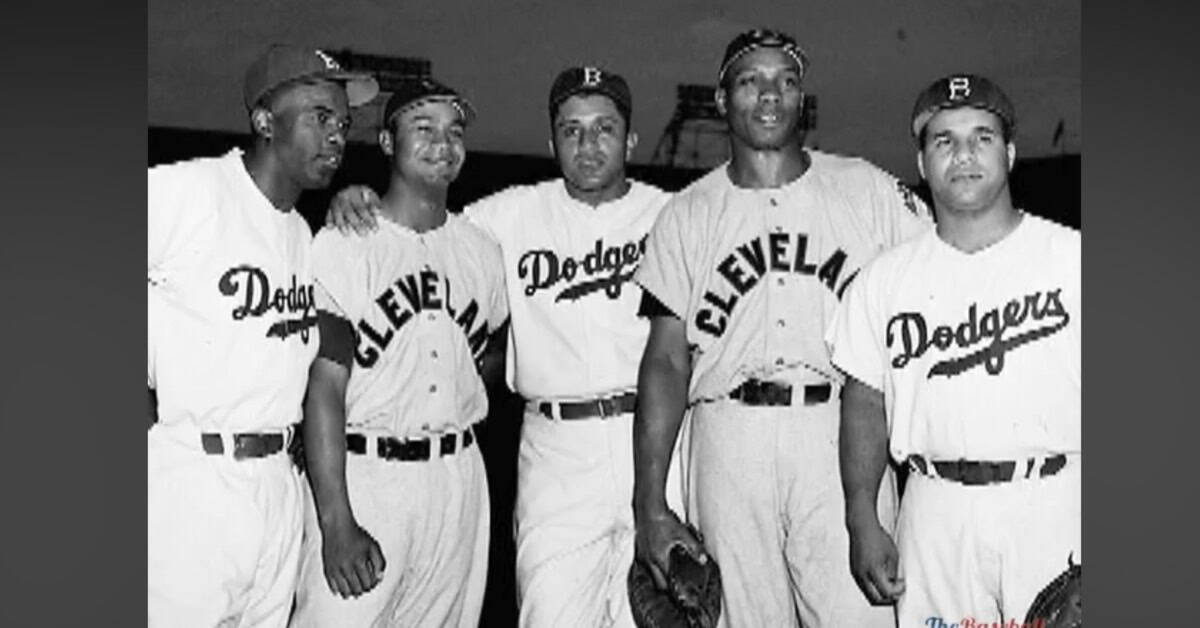
From 1949 through 1954, Robinson was selected to six consecutive All-Star games, a testament to his sustained excellence during baseball’s golden era. These weren’t token selections—he earned his spot among the game’s elite through consistent performance and clutch play. During this stretch, the National League dominated the All-Star Game, winning four of the six contests Robinson participated in, with his speed and versatility making him a key contributor.
Career .313 Batting Average Over 10 Seasons
Robinson’s career .313 batting average stands as proof of his consistent excellence throughout his decade in the majors. In an era when .300 hitters were revered, Robinson consistently delivered with his bat while facing pressures no other player had to endure. That .313 mark places him among the elite hitters of his generation, achieved while breaking barriers and enduring treatment that would have broken lesser men.
197 Career Stolen Bases in Just 10 Years
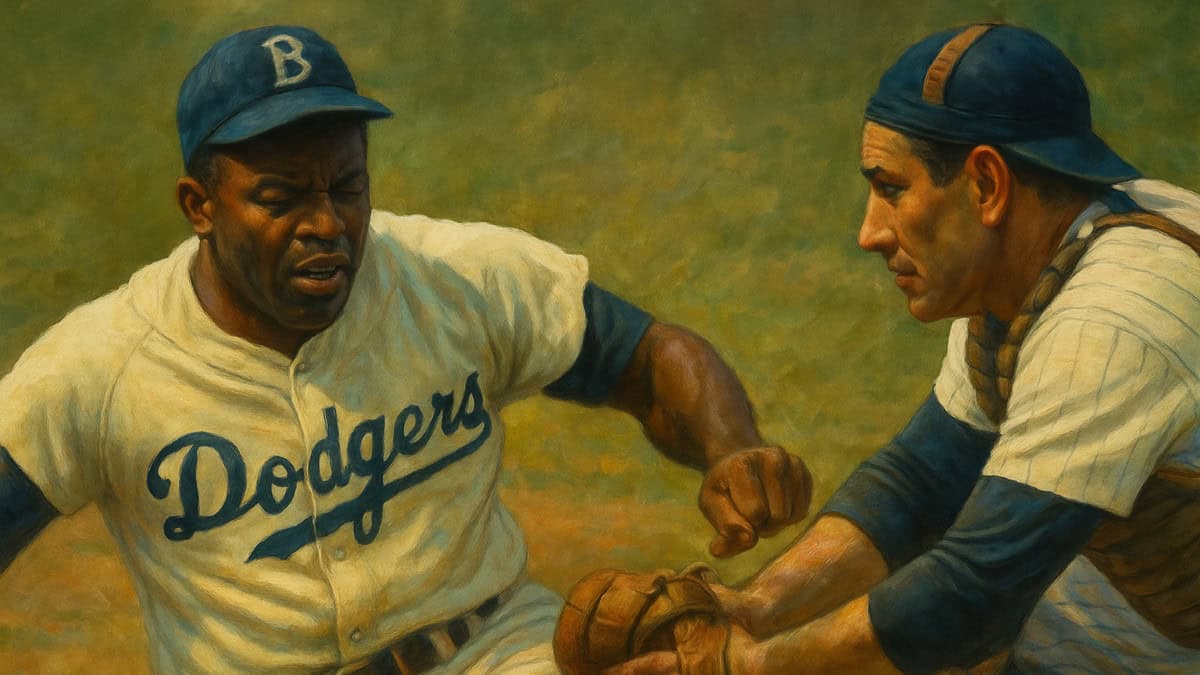
Robinson’s 197 career stolen bases in just 10 seasons showcase the aggressive, exciting style of play that made him a fan favorite and a nightmare for opposing pitchers. His base-stealing prowess wasn’t just about speed—it was about intelligence, timing, and an understanding of the game that few players possessed. Leading the National League in steals twice, Robinson brought a dynamic element to the Dodgers’ offense that helped revolutionize how the game was played.
First African American Batting Champion (.342 in 1949)

When Robinson claimed the 1949 National League batting title with his .342 average, he became the first African American to lead either league in hitting. This achievement went beyond personal accomplishment—it shattered the racist myth that Black players lacked the skill to compete at baseball’s highest level. His batting crown came during his MVP season, proving that excellence and barrier-breaking could go hand in hand.
947 Career Runs Scored Despite Short Career

Robinson’s 947 career runs scored in just 10 seasons demonstrate his value as a catalyst at the top of the Dodgers’ lineup. Averaging nearly 95 runs per season, he consistently found ways to cross home plate, whether through his speed on the basepaths, his ability to work counts, or his knack for clutch hitting. This total becomes even more impressive considering he didn’t debut until age 28, missing what could have been his prime years in the Negro Leagues.
World Series Champion with the 1955 Brooklyn Dodgers
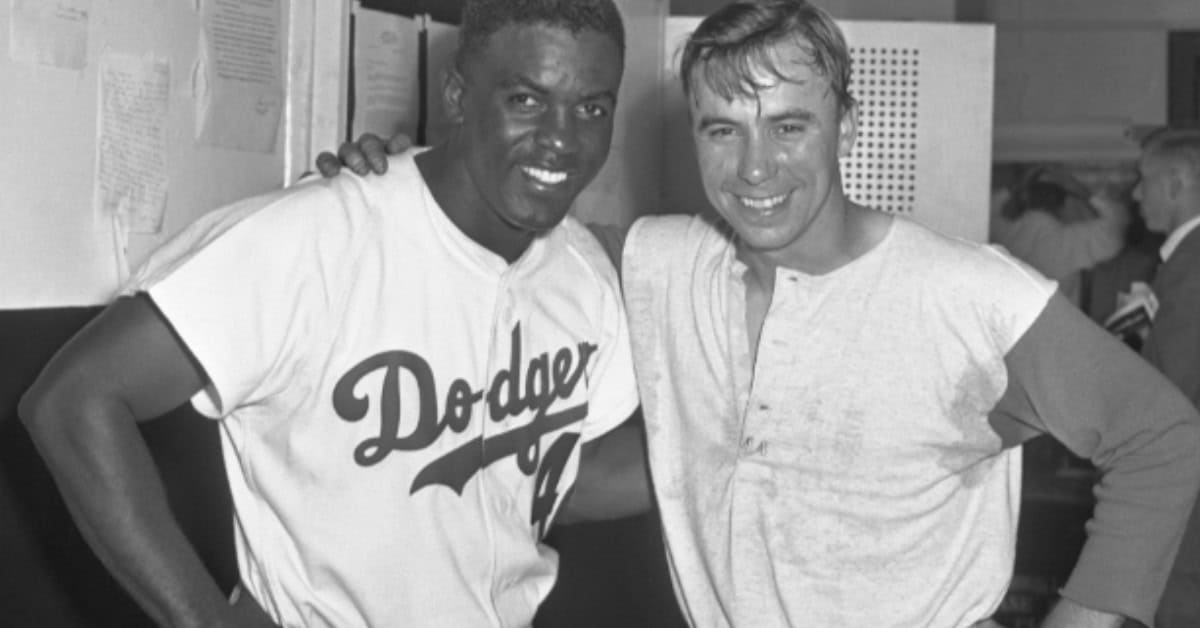
The 1955 World Series championship was the crowning achievement of Robinson’s career, as the Brooklyn Dodgers finally defeated their crosstown rivals, the New York Yankees, in seven games. After losing to the Yankees in 1947, 1949, 1952, and 1953, Robinson and the Dodgers finally broke through, giving Brooklyn its first and only World Series title. Robinson’s steal of home in Game 1 of the 1955 Series remains one of the most iconic moments in World Series history.
Number 42 Retired Across All of Major League Baseball

In 1997, Major League Baseball took the unprecedented step of retiring Robinson’s number 42 across all 30 teams, making him the only player to receive such an honor. Every April 15th, Jackie Robinson Day, every player, coach, and umpire wears number 42 to commemorate his breaking of baseball’s color barrier. This universal retirement speaks to Robinson’s impact that transcended statistics—he changed not just baseball, but America itself, one game at a time.