


Last Updated: June 17th, 2026 by Michael Schatz
The 1980s belonged to MTV, shoulder pads, and center fielders who could steal your breath along with second base. These were the days when Astroturf burned your knees, outfield walls had no padding, and center field was patrolled by athletes who combined raw speed with leather gloves that seemed magnetically attracted to fly balls.
Don't lose this article. Enter your email below, and I'll send it to you right now. Plus, we'll send you other unbelievable stories from baseball's past.
Dale Murphy – The Smiling Assassin from Atlanta
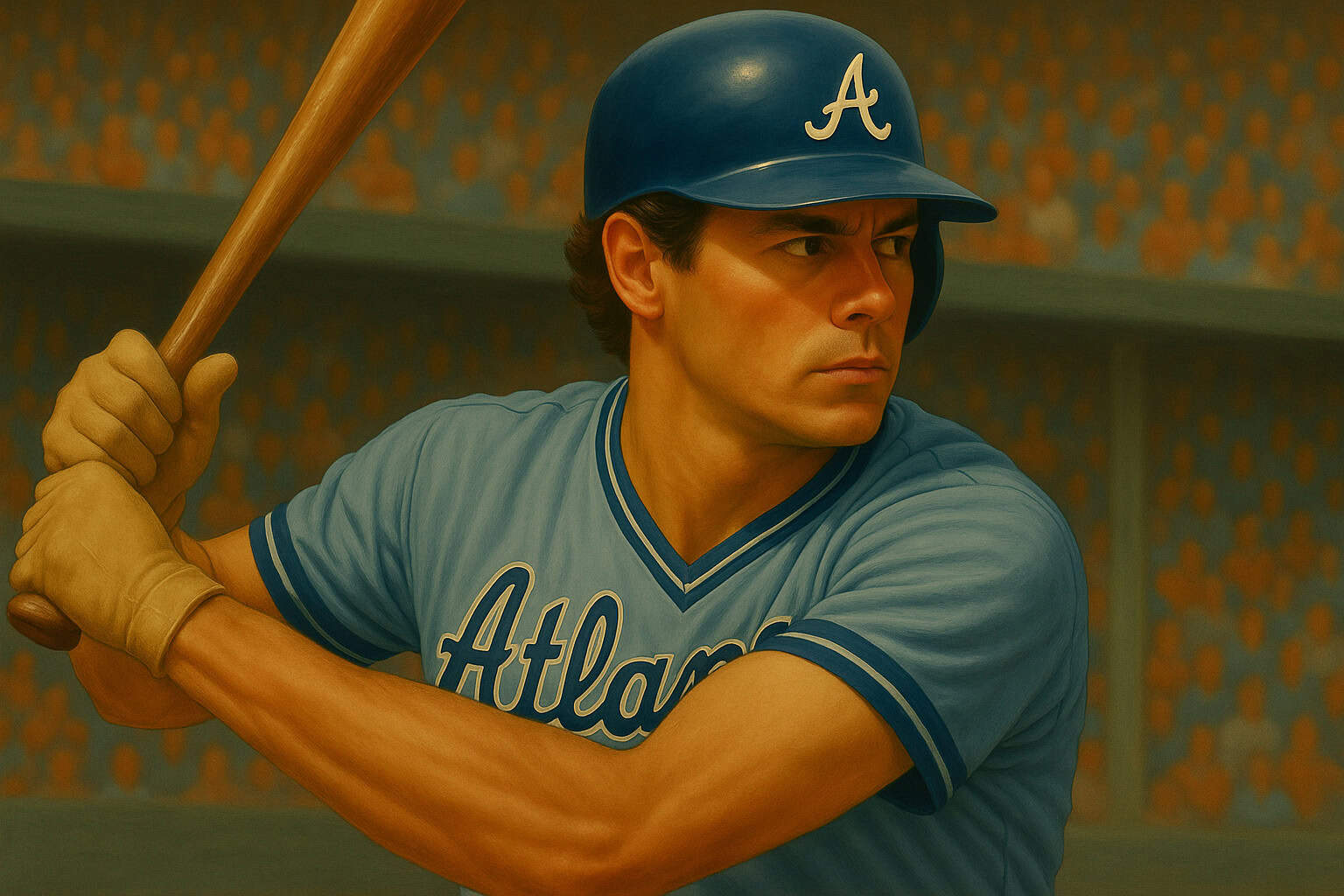
Dale Murphy was the Mormon missionary who could launch baseballs into orbit, clubbing over 300 home runs during the decade while maintaining a Boy Scout smile that made mothers across America want to adopt him. His back-to-back MVP awards in 1982-83 came during Atlanta’s TBS Superstation era, when his towering shots over the outfield walls at Fulton County Stadium became appointment television for baseball fans nationwide. Murphy embodied everything wholesome about 1980s baseball—clutch hitting, Gold Glove defense, and the kind of character that made him a role model in an era when athletes were just beginning to become larger-than-life celebrities.
Rickey Henderson – Speed Incarnate in Stolen Base Glory
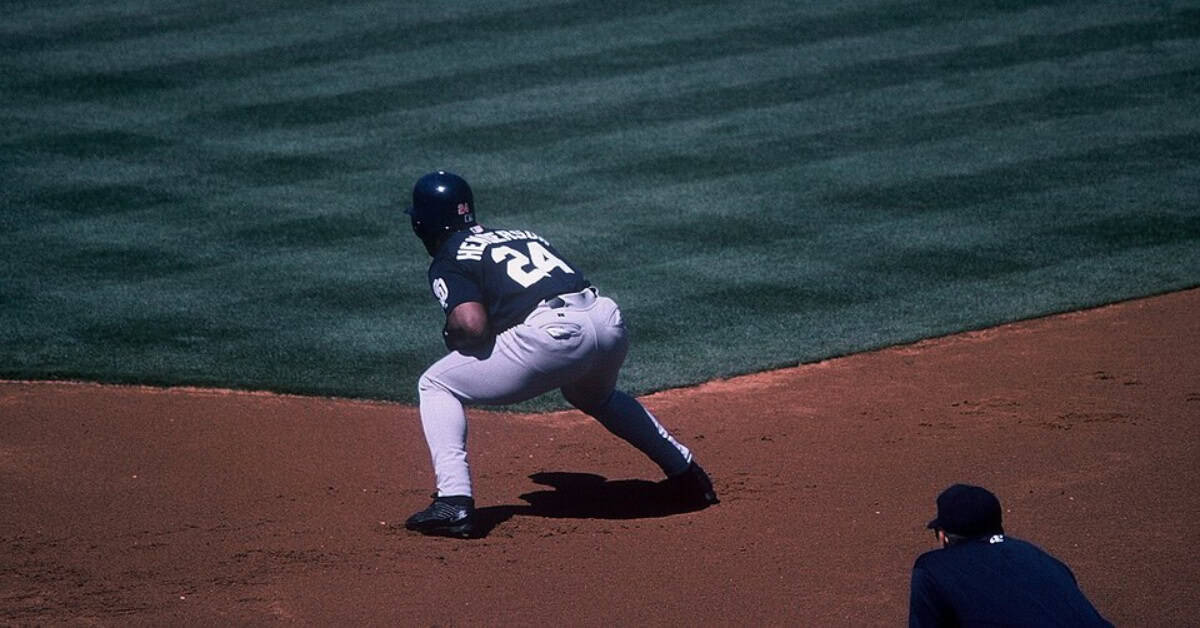
Rickey Henderson didn’t just steal bases—he committed grand larceny on the basepaths, swiping 130 bags in 1982 alone while patrolling left field for the Oakland A’s in their green and gold glory. His distinctive crouched stance and cocky swagger made him the most electrifying player of the decade, turning routine walks into doubles as he’d take off like a rocket ship the moment the ball left the pitcher’s hand. Henderson’s combination of power (he’d launch 20-plus homers annually) and speed made him the prototype for the modern leadoff hitter, transforming the basepaths into his personal launching pad for chaos.
Andre Dawson – The Hawk’s Wrigley Field Renaissance
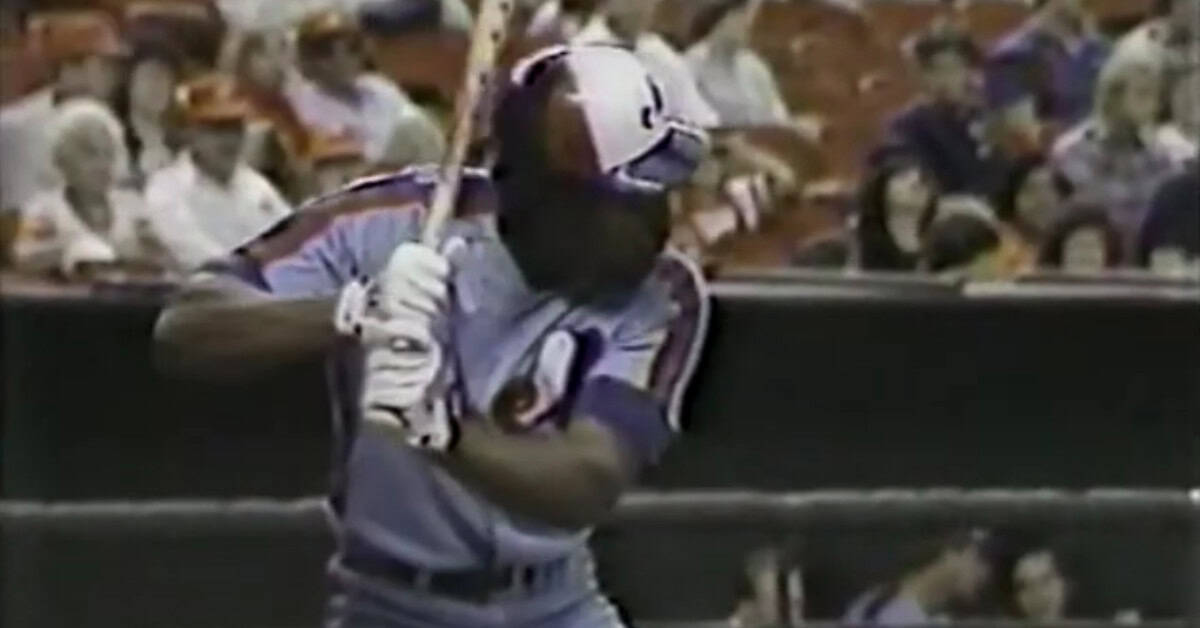
Andre Dawson earned his “Hawk” nickname by swooping down on fly balls with predatory precision, but it was his 1987 MVP season with the Cubs that cemented his legend in the friendly confines of Wrigley Field. After years of punishing his knees on Montreal’s concrete-hard Olympic Stadium turf, Dawson literally took a blank contract to Chicago, letting them fill in the salary just to play on real grass. His 49 home runs that season, many launched into the bleachers on wind-blown afternoons, made him the first player from a last-place team to win MVP honors while proving that sometimes the best career moves require a leap of faith.
Tony Gwynn – Pure Hitting Poetry in Motion
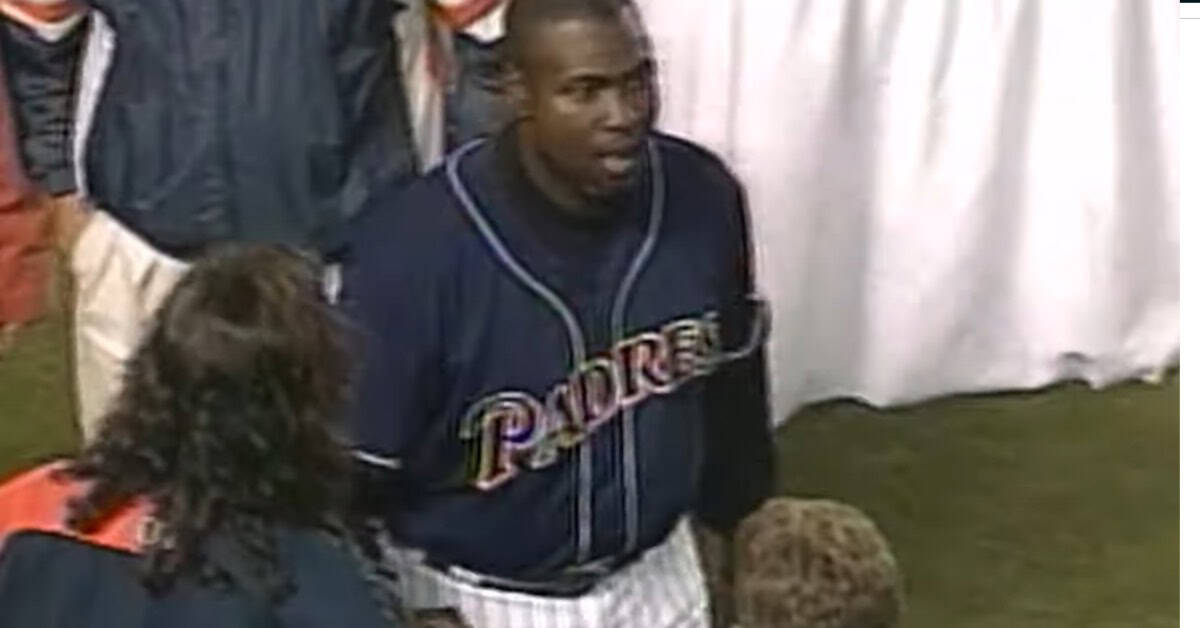
Tony Gwynn turned hitting into an art form, spraying line drives to all fields with the precision of a master painter working on canvas, while covering the outfield at Jack Murphy Stadium with surprising grace for a man who’d bulk up as the decade progressed. His .370 average in 1987 was the highest in the National League since 1948, achieved through countless hours studying video footage—a revolutionary approach in an era when most players relied purely on instinct and batting practice. Gwynn’s infectious smile and genuine love for the game made him San Diego’s baseball ambassador, proving that in a decade obsessed with power and speed, pure hitting ability could still mesmerize fans who appreciated the subtle art of placing a baseball exactly where defenders weren’t standing.
Kirby Puckett – Minnesota’s Barrel-Chested Wonder

Kirby Puckett looked like he was built for football but moved through center field at the Metrodome with the grace of a ballet dancer, his compact 5’8″ frame generating surprising power while his infectious enthusiasm made him the heartbeat of Minnesota baseball. His emergence in the mid-1980s coincided with the Twins’ rise from laughingstock to contender, as Puckett’s gap-to-gap doubles and spectacular diving catches on the Dome’s artificial turf became the stuff of legend. By decade’s end, he’d evolved from speedy contact hitter to legitimate power threat, setting the stage for his World Series heroics that would define 1990s baseball in the Twin Cities.
Willie Wilson – Kansas City’s Lightning Bolt
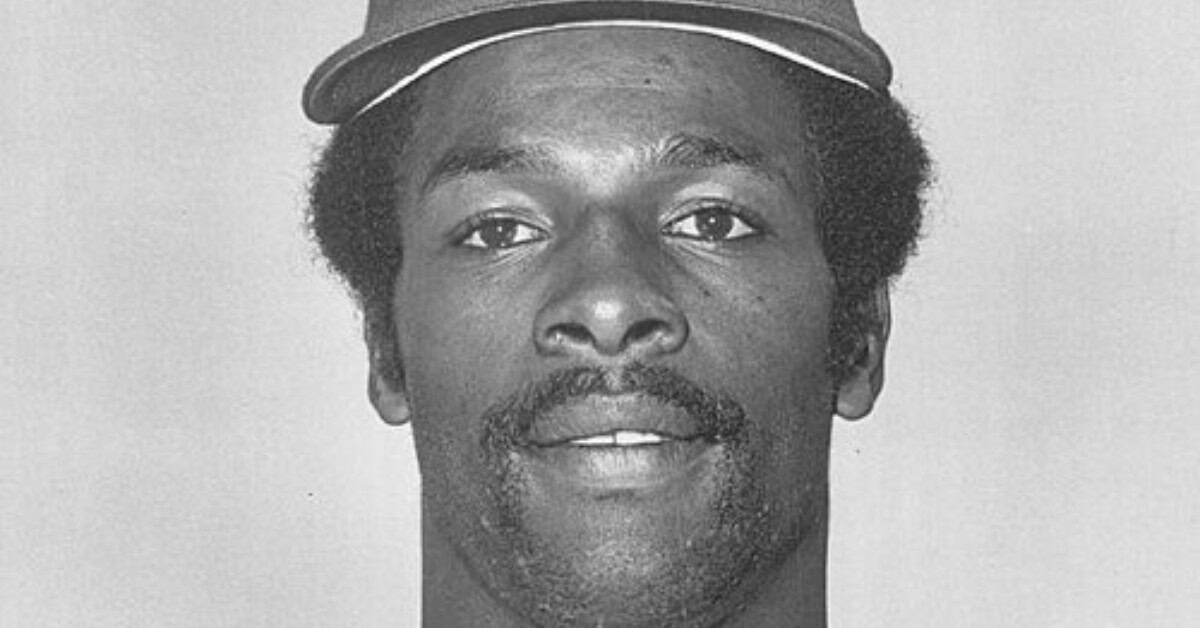
Willie Wilson was pure speed wrapped in a Royals uniform, turning routine singles into doubles and doubles into triples while patrolling Royals Stadium’s vast center field with the kind of range that made opposing hitters shake their heads in frustration. His 1980 season was magical—230 hits, 133 runs scored, and a batting title that helped propel Kansas City to their first World Series appearance, all while stealing bases with the frequency of a man late for dinner. Wilson’s switch-hitting ability and blazing speed made him the perfect catalyst for those great Royals teams of the early 1980s, turning the artificial turf at Royals Stadium into his personal racetrack where he’d terrorize pitchers and outfielders alike.
Lloyd Moseby – Toronto’s Underrated Speedster
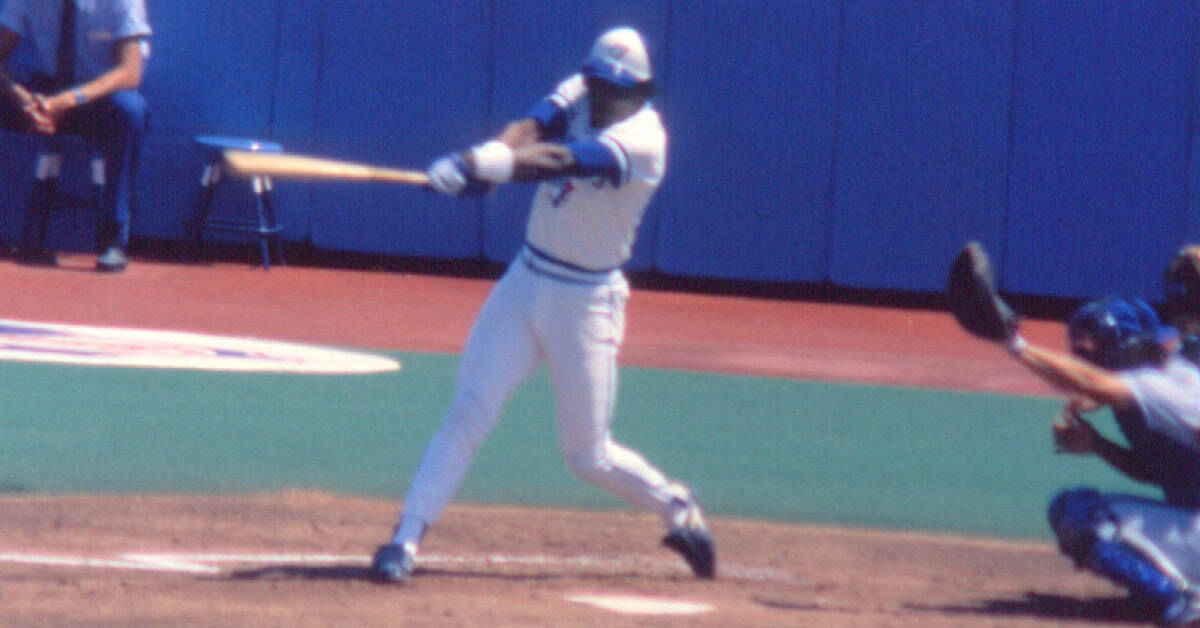
Lloyd Moseby was the unsung hero of Toronto’s rise from expansion afterthought to American League powerhouse, patrolling center field at Exhibition Stadium with quiet efficiency while forming one-third of the most underrated outfield in baseball alongside Jesse Barfield and George Bell. His 1983 Silver Slugger Award came as the Blue Jays were building into a contender, as Moseby’s combination of 20-plus steals and double-digit home runs made him the prototypical 1980s center fielder. While his teammates grabbed headlines, Moseby provided the steady excellence that anchored Toronto’s championship dreams, proving that sometimes the most valuable players are the ones who simply show up every day and do their job with professional pride.
Lenny Dykstra – Scrappy Philly Grit Personified
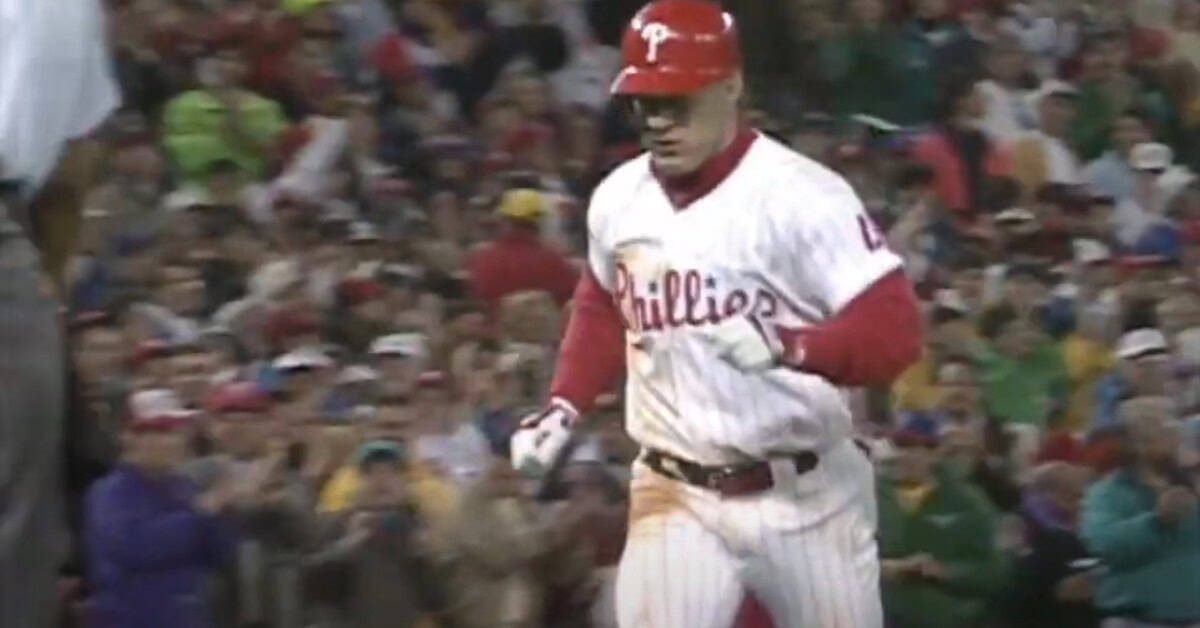
Lenny Dykstra played center field like he was fighting for his lunch money, diving headfirst into walls and sliding face-first into bases with the kind of reckless abandon that made Mets fans fall in love with his blue-collar approach to the game. His clutch hitting during the 1986 championship run—including that game-winning homer against Houston in the NLCS—proved that heart could overcome size limitations in baseball’s most demanding position. Dykstra’s tobacco-chewing, dirt-covered uniform aesthetic perfectly captured the gritty essence of 1980s baseball, when players looked like they’d just finished working a construction shift before taking the field.
Gary Pettis – Angels’ Defensive Wizard
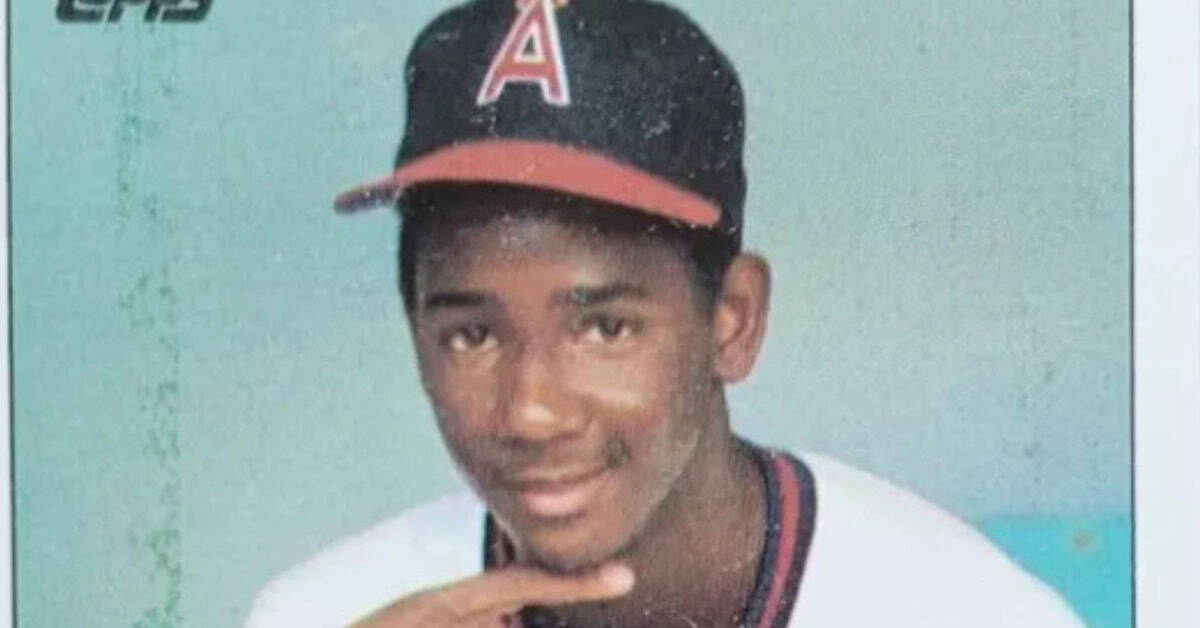
Gary Pettis turned center field into his personal gymnasium, covering ground at Anaheim Stadium with the kind of range that made routine fly balls look like spectacular catches and impossible catches look routine. His back-to-back Gold Glove Awards in 1985-86 came during the Angels’ most competitive years, when his defensive wizardry helped transform California into a legitimate contender in the American League West. While his bat never matched his glove, Pettis represented the pure defensive specialist in an era increasingly dominated by offensive numbers, proving that sometimes the most valuable contribution comes from balls that never fall for hits.
Brett Butler – The Pesky Table-Setter
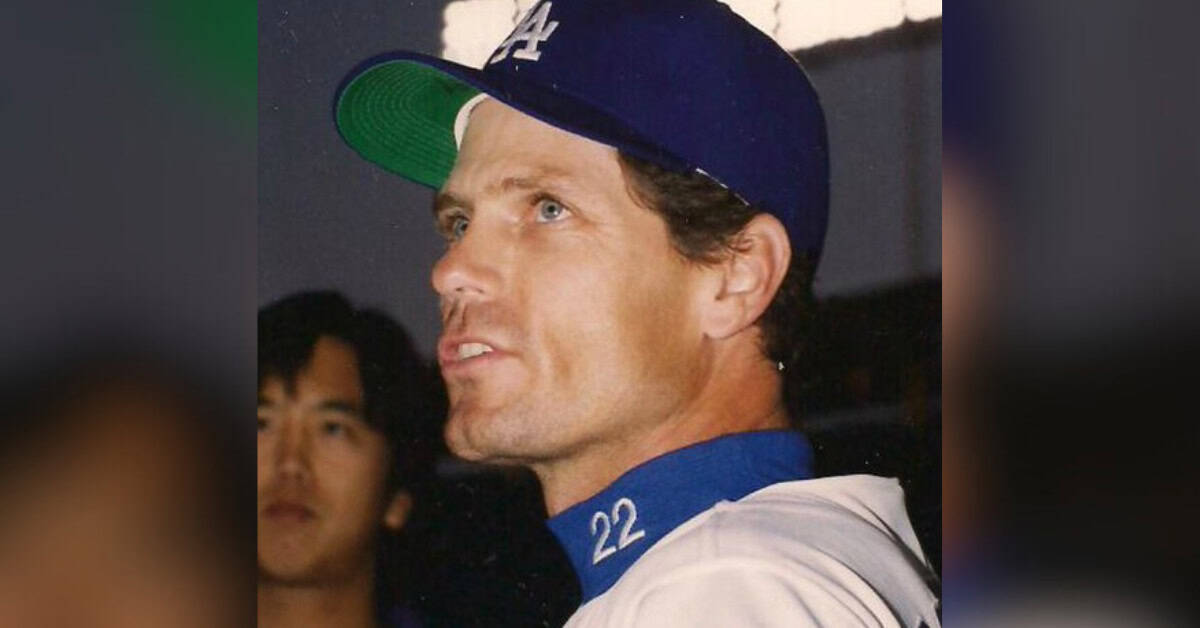
Brett Butler was the human embodiment of a rally starter, working counts like a mathematician and turning walks into doubles with his aggressive baserunning while patrolling center field for Cleveland and Atlanta with workmanlike efficiency. His ability to foul off pitch after pitch drove opposing pitchers to distraction, while his knack for finding gaps and stretching singles into doubles made him the perfect table-setter for the sluggers behind him. Butler’s blue-collar approach to the game—complete with dirt-stained uniform and never-give-up attitude—epitomized the grittier side of 1980s baseball, when getting on base any way possible was considered an art form worth mastering.
Oddibe McDowell – Texas Rangers’ Brief Shooting Star
Oddibe McDowell burst onto the scene in 1985 like a comet streaking across the Texas sky, combining blazing speed with surprising power while patrolling the vast center field at Arlington Stadium during the Rangers’ most optimistic years. His 18 home runs and 25 stolen bases as a rookie suggested a future superstar in the making, while his acrobatic catches in the Texas heat made him an instant fan favorite among Rangers faithful. Though injuries would eventually derail his promising career, McDowell’s brief moment in the spotlight represented the kind of electric potential that made baseball’s future seem limitless during the Reagan era.
Mookie Wilson – Mets Magic in Center
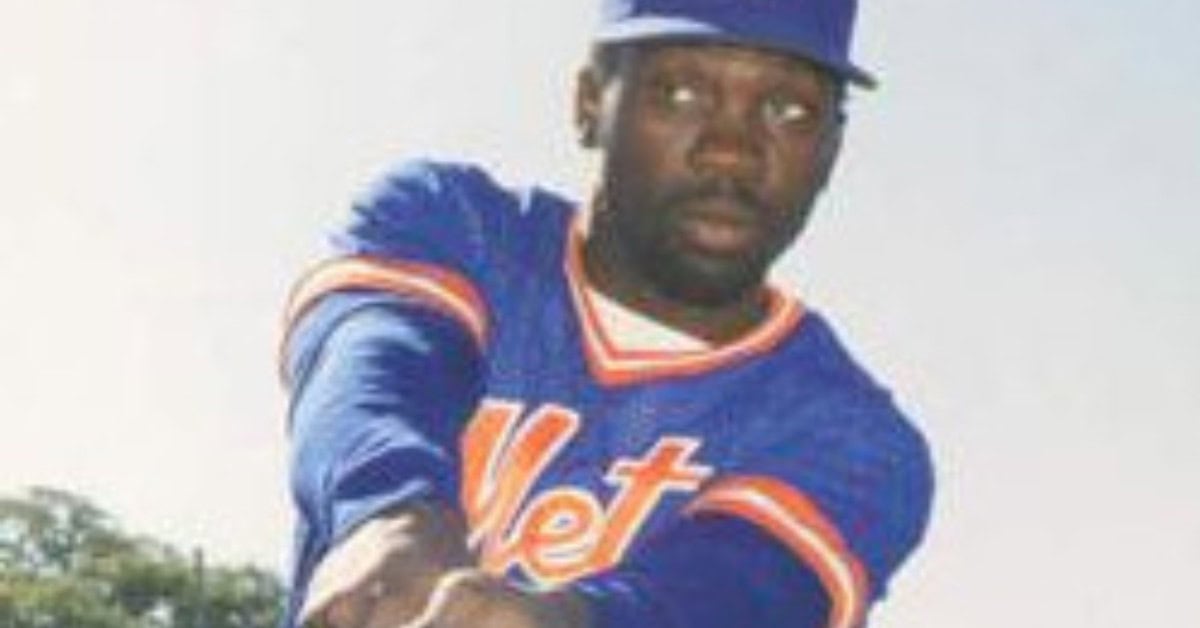
Mookie Wilson was the catalyst for the Mets’ transformation from lovable losers to championship contenders, using his speed and infectious enthusiasm to energize Shea Stadium crowds while patrolling center field with the kind of hustle that made every play look urgent. His ground ball through Bill Buckner’s legs in Game 6 of the 1986 World Series overshadowed a decade of solid production, but Wilson’s real value came from his ability to manufacture runs and create chaos on the basepaths. His switch-hitting versatility and never-quit attitude embodied the scrappy spirit of those great Mets teams, proving that sometimes the most important players are the ones who simply refuse to accept defeat.
Dwayne Murphy – Oakland’s Forgotten Gold Glover
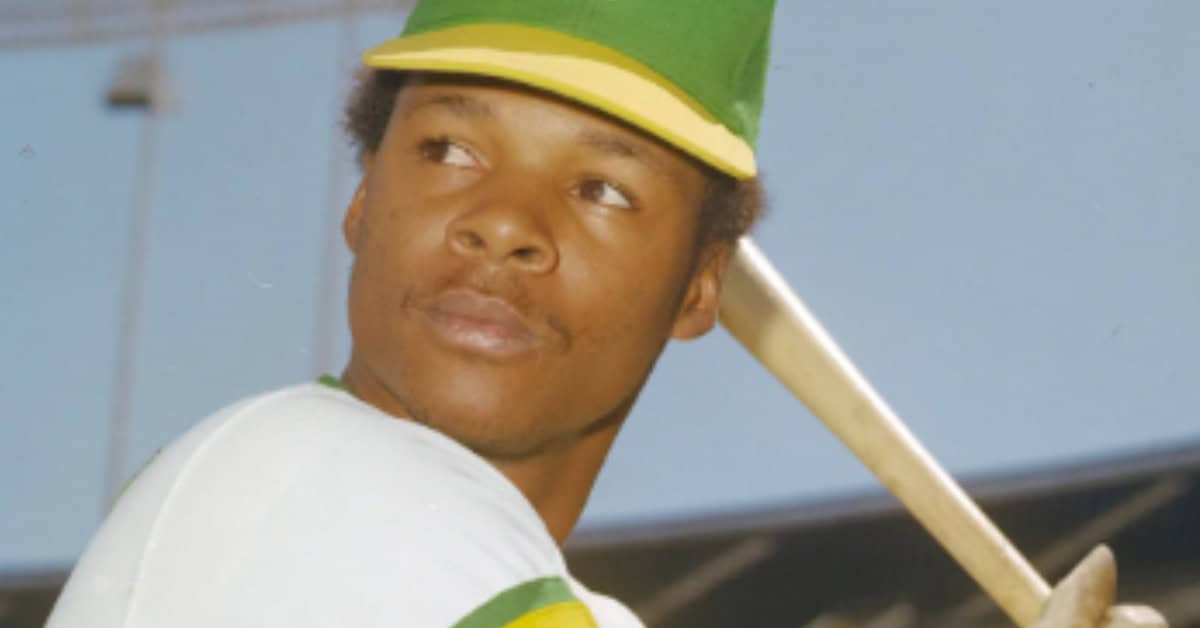
Dwayne Murphy was the defensive anchor of those early 1980s Oakland Athletics teams, winning six consecutive Gold Gloves while patrolling the Coliseum’s foul territory with the kind of range that made opposing hitters question whether certain fly balls were even worth running out. His ability to track down balls in Oakland’s notoriously difficult wind patterns made him invaluable to a pitching staff that relied on his glove to turn potential doubles into routine outs. While his offensive numbers never matched his defensive brilliance, Murphy represented the unsung hero archetype—the player whose greatest contributions came from preventing runs rather than driving them in, a philosophy that perfectly suited the Athletics’ team-first approach during their rebuilding years.
Chet Lemon – Detroit’s Steady Professional

Chet Lemon was the consummate professional, providing steady excellence in center field for the Detroit Tigers during their 1984 championship season while delivering the kind of consistent offensive production that made him the perfect complement to Detroit’s power-heavy lineup. His ability to work deep counts and draw walks made him an ideal leadoff hitter, while his reliable glove helped anchor a defense that supported one of the decade’s most dominant pitching rotations. Lemon’s understated approach to the game—no flash, just solid fundamentals and professional pride—embodied the workmanlike attitude that characterized those great Tigers teams, proving that championships are built on players who simply show up and do their jobs with quiet competence.
Juan Samuel – Philadelphia’s Multi-Position Dynamo
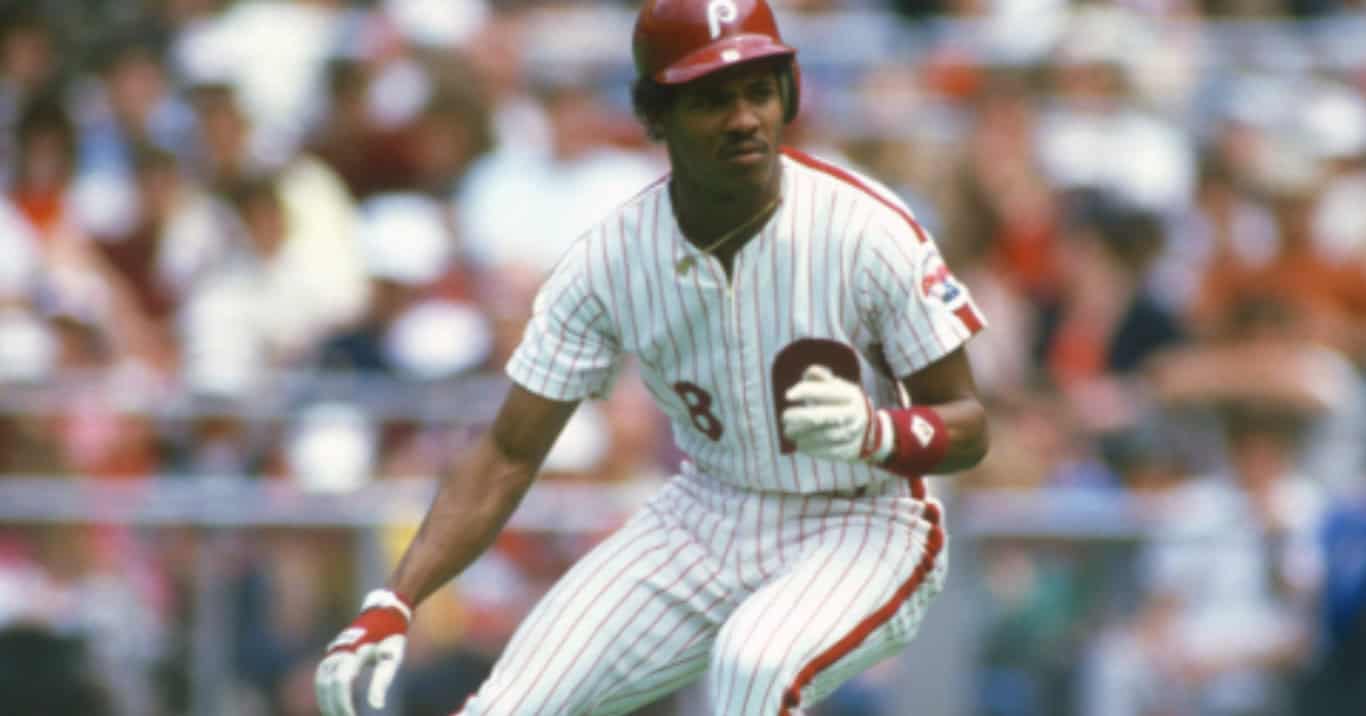
Juan Samuel was baseball’s Swiss Army knife, seamlessly transitioning from second base to center field while maintaining the kind of explosive offensive production that made him one of the most versatile weapons in the Philadelphia Phillies’ arsenal. His 1984 rookie season—72 stolen bases, 15 home runs, and a .272 average—announced the arrival of a new breed of athlete who could impact the game from multiple positions with equal effectiveness. Samuel’s combination of power and speed, whether deployed in the infield or outfield, represented the evolving nature of 1980s baseball, when positional flexibility became increasingly valuable in an era of specialized relief pitching and strategic substitutions.
Devon White – California’s Smooth Operator
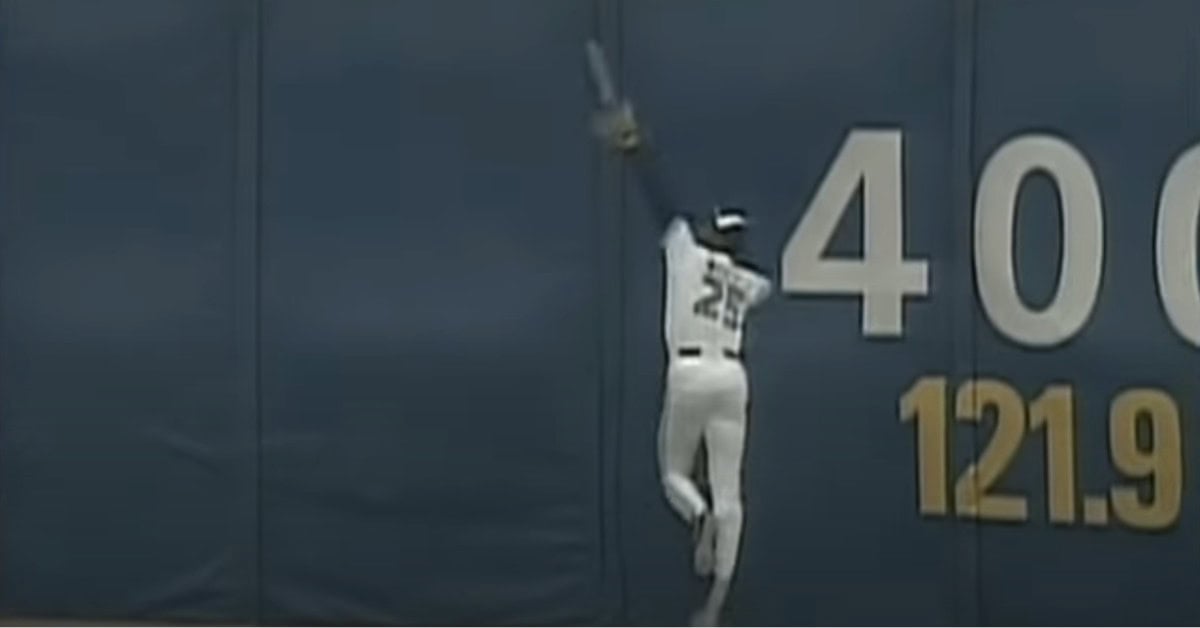
Devon White glided through center field at Anaheim Stadium with the effortless grace of a figure skater, making spectacular catches look routine while his smooth swing began generating the kind of power that would define his later career. His emergence in the late 1980s coincided with the Angels’ competitive window, as White’s combination of defensive excellence and developing offensive skills made him a cornerstone piece for California’s championship aspirations. While his best years lay ahead in the 1990s, White’s late-decade development represented the kind of patient player development that separated successful organizations from also-rans, proving that sometimes the most valuable investments are the ones that take time to mature.
Ellis Burks – Boston’s Promising Young Gun
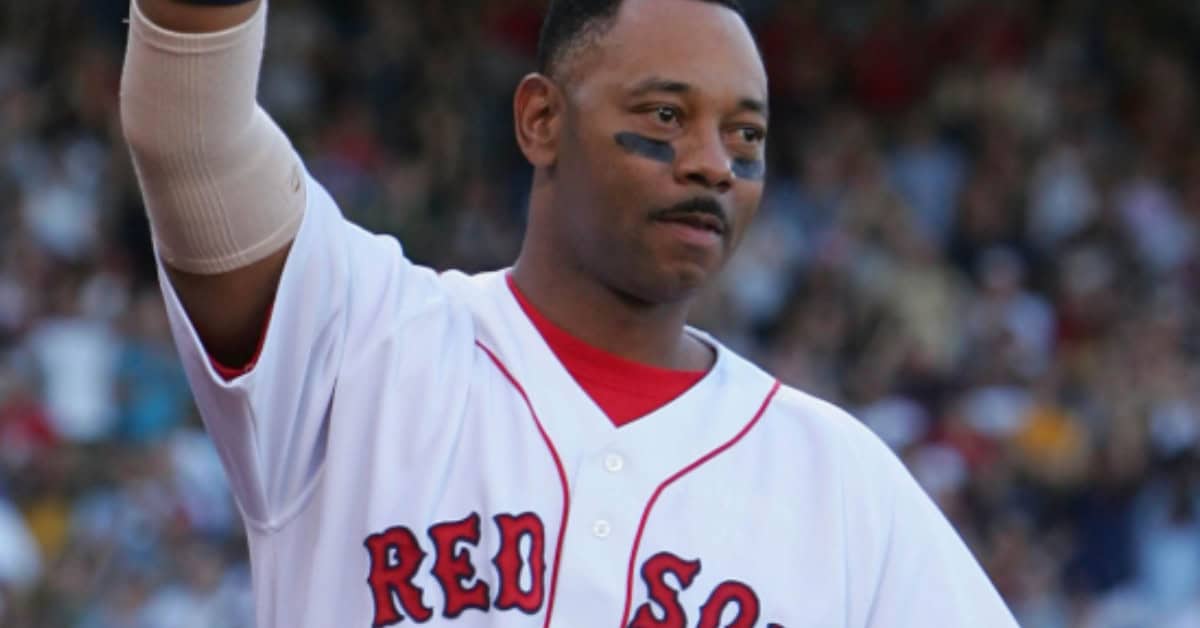
Ellis Burks arrived at Fenway Park in 1987 like a breath of fresh air, bringing a combination of speed, power, and defensive ability that suggested Boston had found their center fielder of the future. His 20 home runs and 27 stolen bases as a rookie demonstrated the kind of five-tool potential that made scouts salivate, while his ability to handle Fenway’s tricky center field dimensions impressed veterans who’d seen countless prospects struggle with the ballpark’s unique challenges. Burks represented the new generation of baseball talent emerging in the late 1980s—athletes who combined traditional skills with modern training methods, setting the stage for the power explosion that would define the following decade.
Andy Van Slyke – Pittsburgh’s Late-Decade Emergence
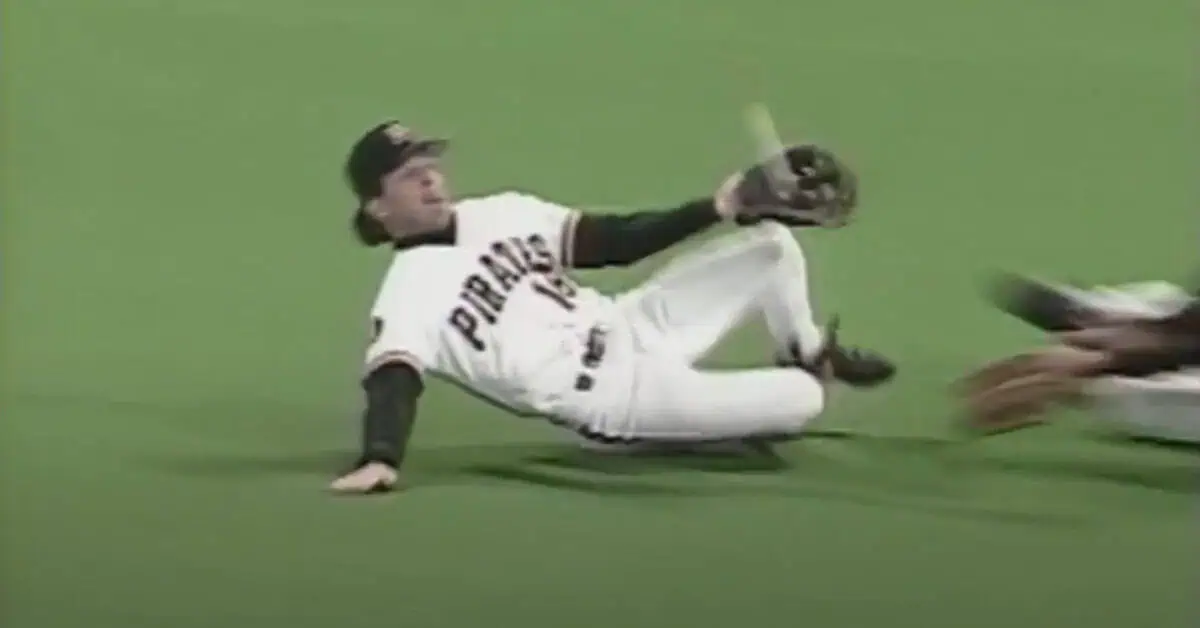
Andy Van Slyke transformed himself from St. Louis role player to Pittsburgh superstar, using Three Rivers Stadium’s artificial turf to showcase the kind of range and arm strength that would make him a cornerstone of the Pirates’ resurgence in the late 1980s. His 1988 breakout season—25 home runs, 100 RBIs, and Gold Glove defense—announced the arrival of a legitimate star in the Steel City, while his quick wit and quotable personality made him a media favorite during an era when baseball players were becoming more accessible to fans. Van Slyke’s emergence coincided with Pittsburgh’s transformation from National League doormat to contender, proving that sometimes the most important acquisitions are the ones that unlock a player’s hidden potential through a simple change of scenery.
Kevin McReynolds – San Diego’s Power-Speed Combo
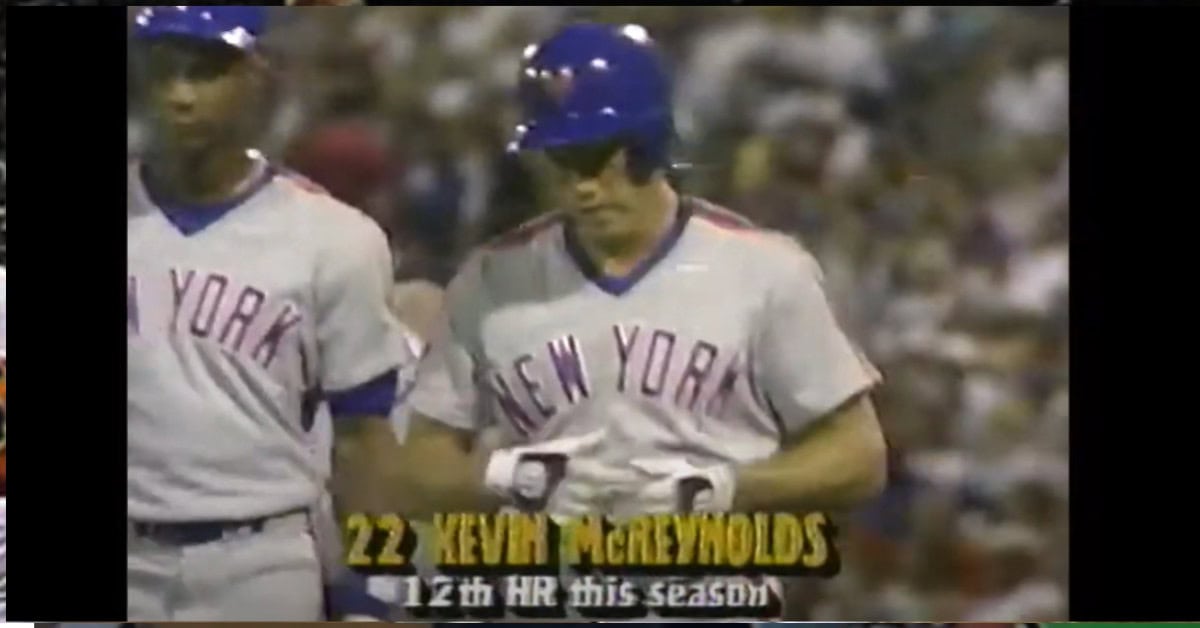
Kevin McReynolds was the quiet assassin of San Diego’s 1984 National League championship team, combining 20-home run power with the kind of defensive reliability that made him invaluable during the Padres’ magical run to the World Series. His ability to drive in runs while patrolling Jack Murphy Stadium’s expansive center field made him the perfect complement to Tony Gwynn’s table-setting skills, as McReynolds provided the power punch that transformed San Diego from lovable underdog to legitimate contender. His understated approach to the game—solid fundamentals without the flash—represented the workmanlike attitude that characterized those great Padres teams, proving that sometimes the most valuable players are the ones who simply get the job done without seeking the spotlight.
Mickey Hatcher – The Scrappy Utility King
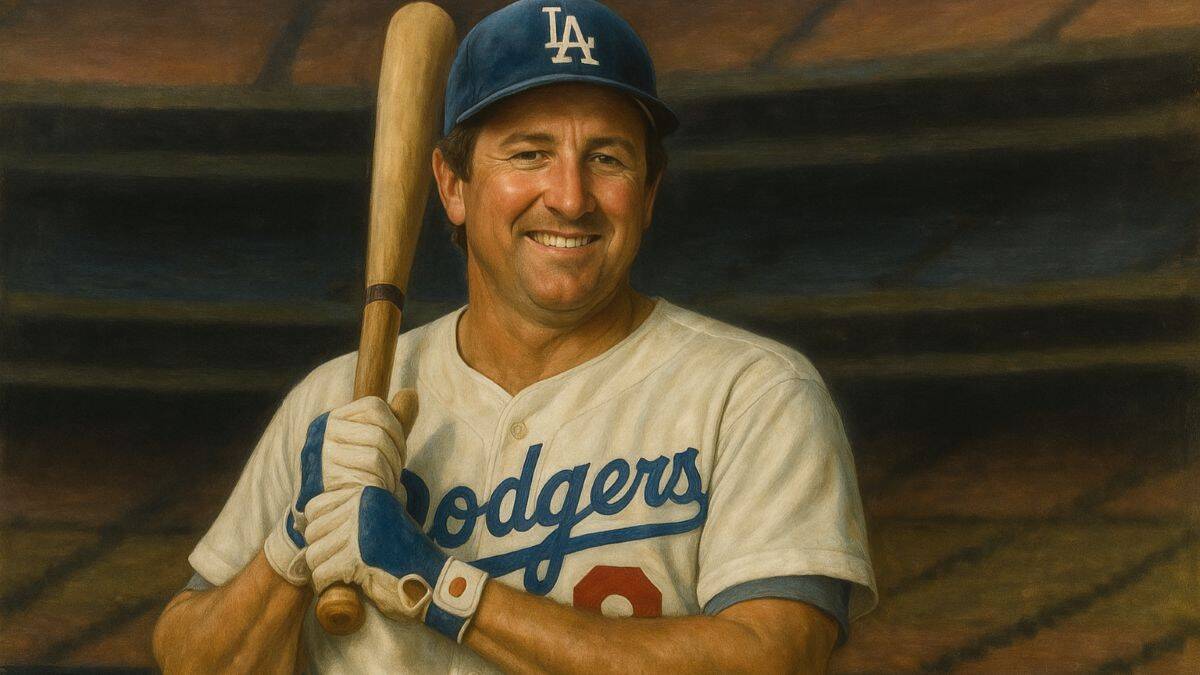
Mickey Hatcher was the ultimate team player, filling in at center field and anywhere else the Minnesota Twins needed him while bringing the kind of infectious enthusiasm and clubhouse leadership that made him invaluable despite modest statistical production. His ability to deliver clutch hits in pressure situations, combined with his willingness to play any position without complaint, embodied the selfless attitude that characterized successful teams during the 1980s. Hatcher’s scrappy approach to the game—diving for balls, running out ground balls, and celebrating teammates’ success with genuine joy—represented the pure love of baseball that made the sport special during an era when the game was transitioning from pastime to big business, proving that sometimes the most important contributions can’t be measured in box scores.