


Last Updated: June 17th, 2026 by Michael Schatz
Before ESPN highlights and Twitter debates, there was pure, unadulterated pitching dominance that made grown men forget how to swing a bat. These weren’t just great seasons—they were seismic shifts in baseball history, the kind that had fathers explaining to sons why certain names still sent shivers down spines decades later.
Don't lose this article. Enter your email below, and I'll send it to you right now. Plus, we'll send you other unbelievable stories from baseball's past.
Pedro Martinez’s 2000 Season: When Baseball Looked Like Slow-Pitch Softball

Pedro Martinez’s 2000 season was so statistically absurd that mathematicians probably wept. With an 18-6 record and a microscopic 1.74 ERA in an era when hitters were launching balls into orbit, Martinez made the American League look like a beer league. His 284 strikeouts came with the precision of a Swiss watchmaker, each fastball and changeup delivered with the kind of artistry that made even Yankees fans grudgingly applaud.
Bob Gibson’s 1968: The Year That Made MLB Lower the Mound
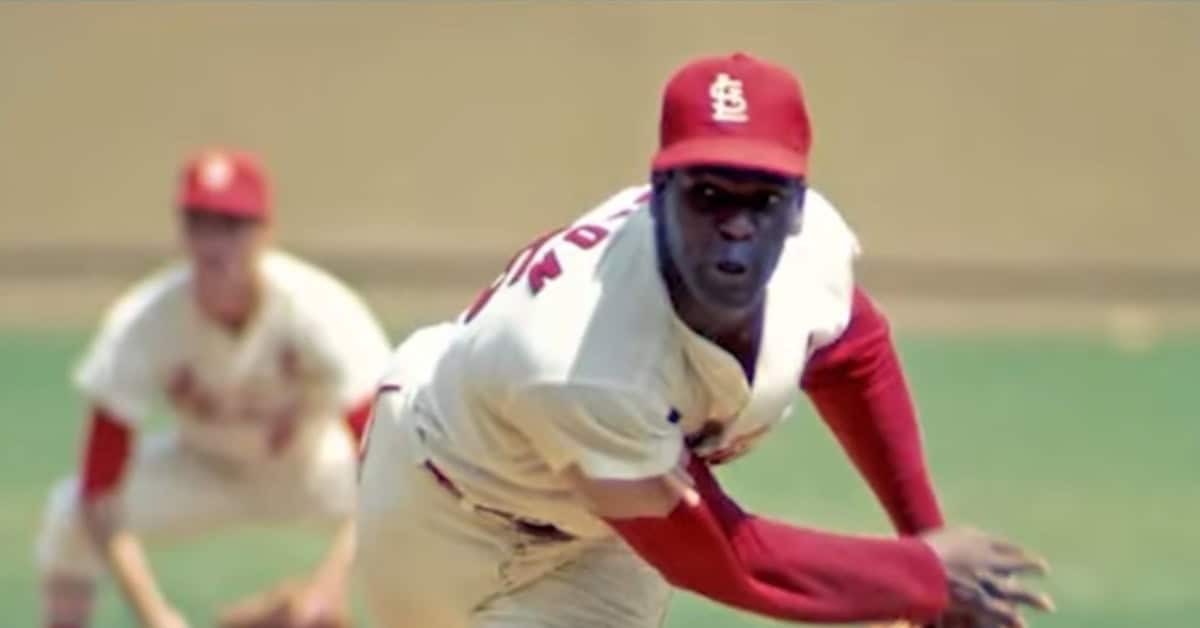
Bob Gibson’s 1968 season was so dominant that Major League Baseball literally changed the rules of the game. His 1.12 ERA over 304 innings wasn’t just a record—it was a declaration of war against offensive statistics. Gibson’s intimidating stare and blazing fastball turned the “Year of the Pitcher” into his personal showcase, forcing MLB to lower the mound from 15 inches to 10 the following season just to give hitters a fighting chance.
Greg Maddux’s 1995: Painting Corners Like Bob Ross Painted Trees
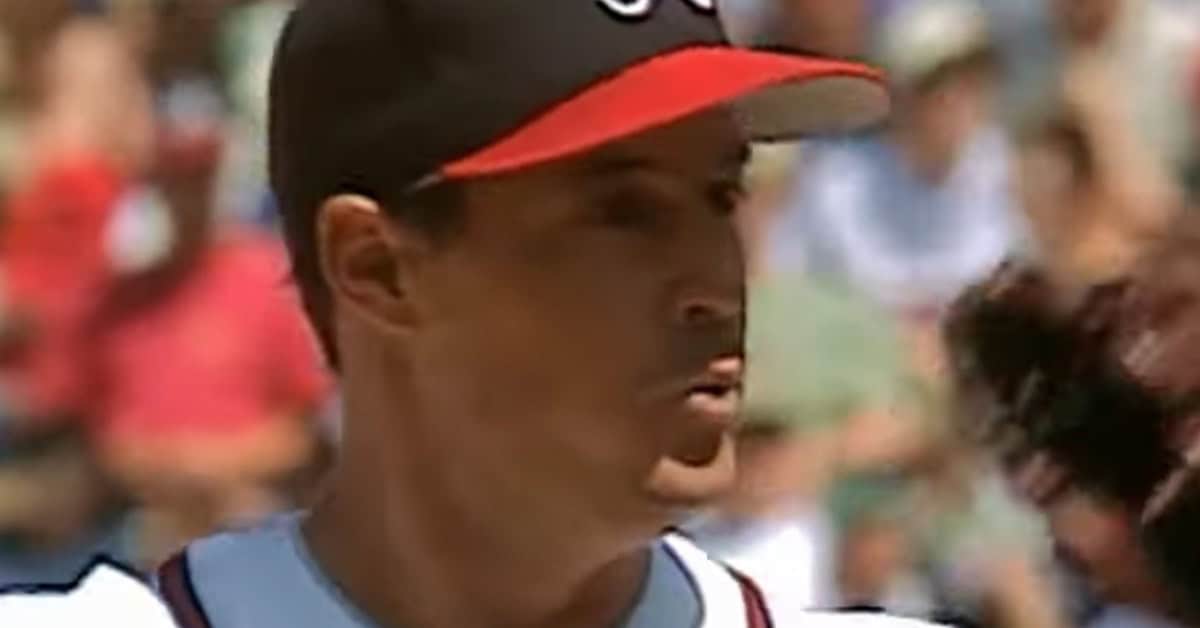
In the strike-shortened 1995 season, Greg Maddux went 19-2 with a 1.63 ERA that made hitting look like advanced calculus. “The Professor” didn’t overpower hitters—he outsmarted them with surgical precision, averaging just one walk per nine innings while making batters look foolish with changeups that seemed to defy physics. His fourth consecutive Cy Young Award was less an honor than a mathematical inevitability.
Walter Johnson’s 1913: Before Radar Guns, There Was Pure Fear

“The Big Train” went 36-7 with a 1.14 ERA in 1913, numbers so preposterous they belonged in a comic book rather than a record book. Johnson’s fastball was legendary before anyone could measure its velocity—batters simply knew it was unhittable by the way their knees buckled. His 15.1 WAR that season remains the highest single-season mark for any pitcher in the modern era, a testament to dominance that transcended mere statistics.
Randy Johnson’s 2001: When the Big Unit Made Grown Men Whimper

At 6’10” with a 100-mph fastball and a slider that broke ankles, Randy Johnson’s 2001 season was pure nightmare fuel for right-handed batters. His 21-6 record, 2.49 ERA, and mind-bending 372 strikeouts led Arizona to its first World Series championship. Johnson’s 20-strikeout game against Cincinnati that May wasn’t just dominant—it was a masterclass in intimidation that reminded everyone why they called him “The Big Unit.”
Christy Mathewson’s 1905: Three World Series Shutouts in Six Days
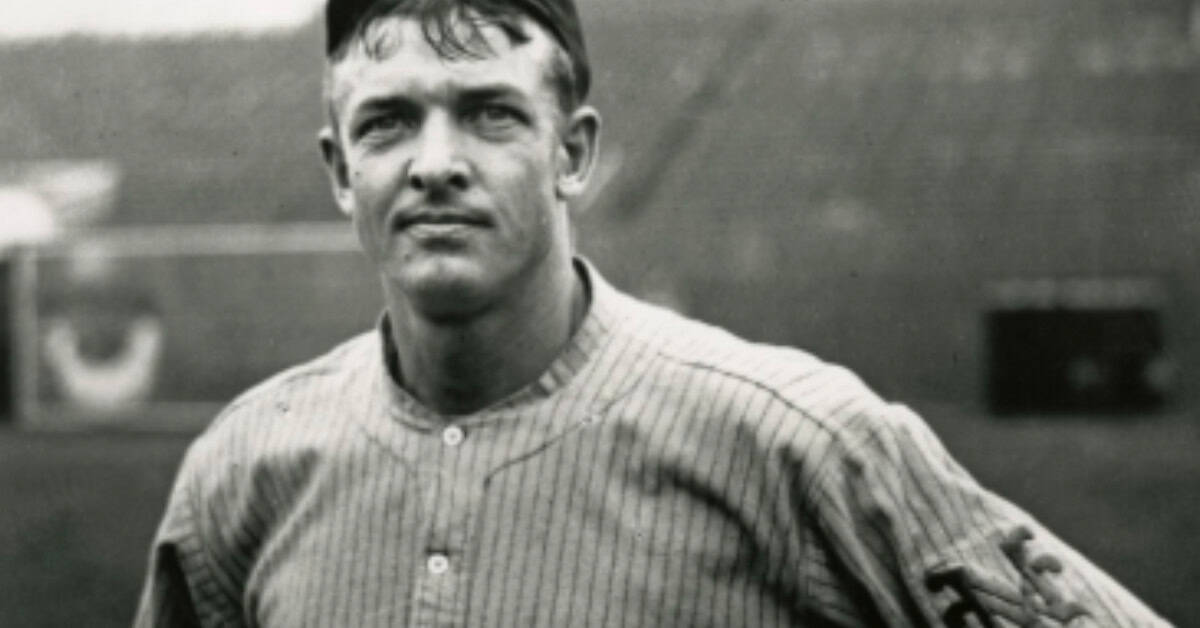
Christy Mathewson’s 1905 World Series performance was the stuff of legend—three complete-game shutouts in six days against the Philadelphia Athletics. His “fadeaway” pitch (now called a screwball) baffled hitters all season as he posted a 31-9 record with a 1.28 ERA. Mathewson’s gentleman’s demeanor and devastating effectiveness made him baseball’s first true superstar, proving you could dominate with class and a college education.
Dutch Leonard’s 1914: The ERA Record That Still Makes Pitchers Weep
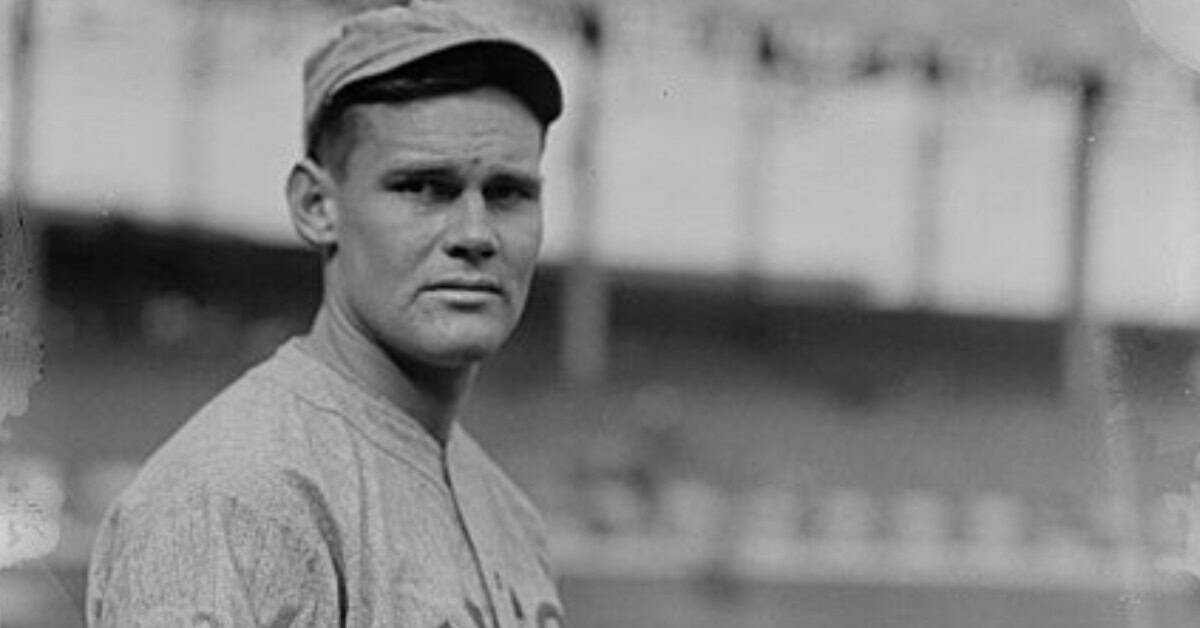
Dutch Leonard’s 0.96 ERA in 1914 remains the lowest single-season mark in modern baseball history, a number so impossibly low it seems like a typo. The Boston Red Sox lefthander went 19-5 while allowing fewer than one earned run per nine innings, a feat that makes today’s sub-2.00 ERAs look pedestrian. Leonard’s record has stood for over a century, mocking every pitcher who’s dared to chase perfection since.
Cy Young’s 1901: When 33 Wins Was Just Another Tuesday
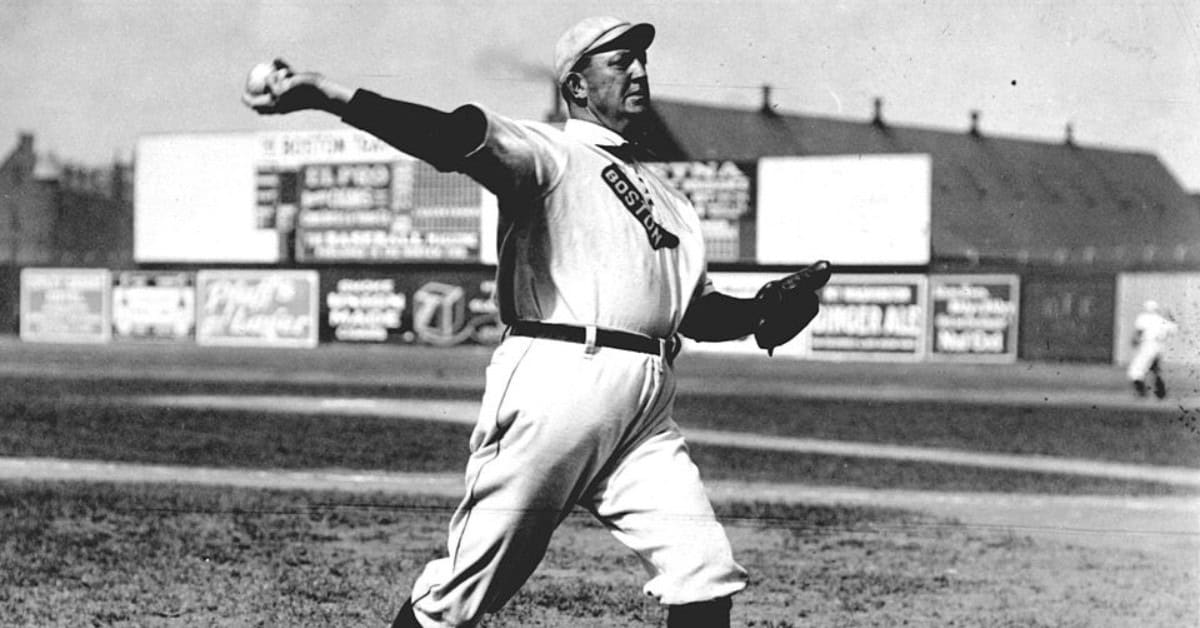
Cy Young’s 1901 season featured a 33-10 record and a 1.62 ERA for the Boston Americans, numbers that belonged in the dead-ball era’s hall of fame. At age 34, Young was still throwing with the power and precision that would eventually earn him 511 career wins—a record that will never be broken. His durability and effectiveness were so legendary that baseball’s greatest pitching award bears his name, ensuring his dominance echoes through every October.
Sandy Koufax’s 1965: Throwing Fastballs on Yom Kippur
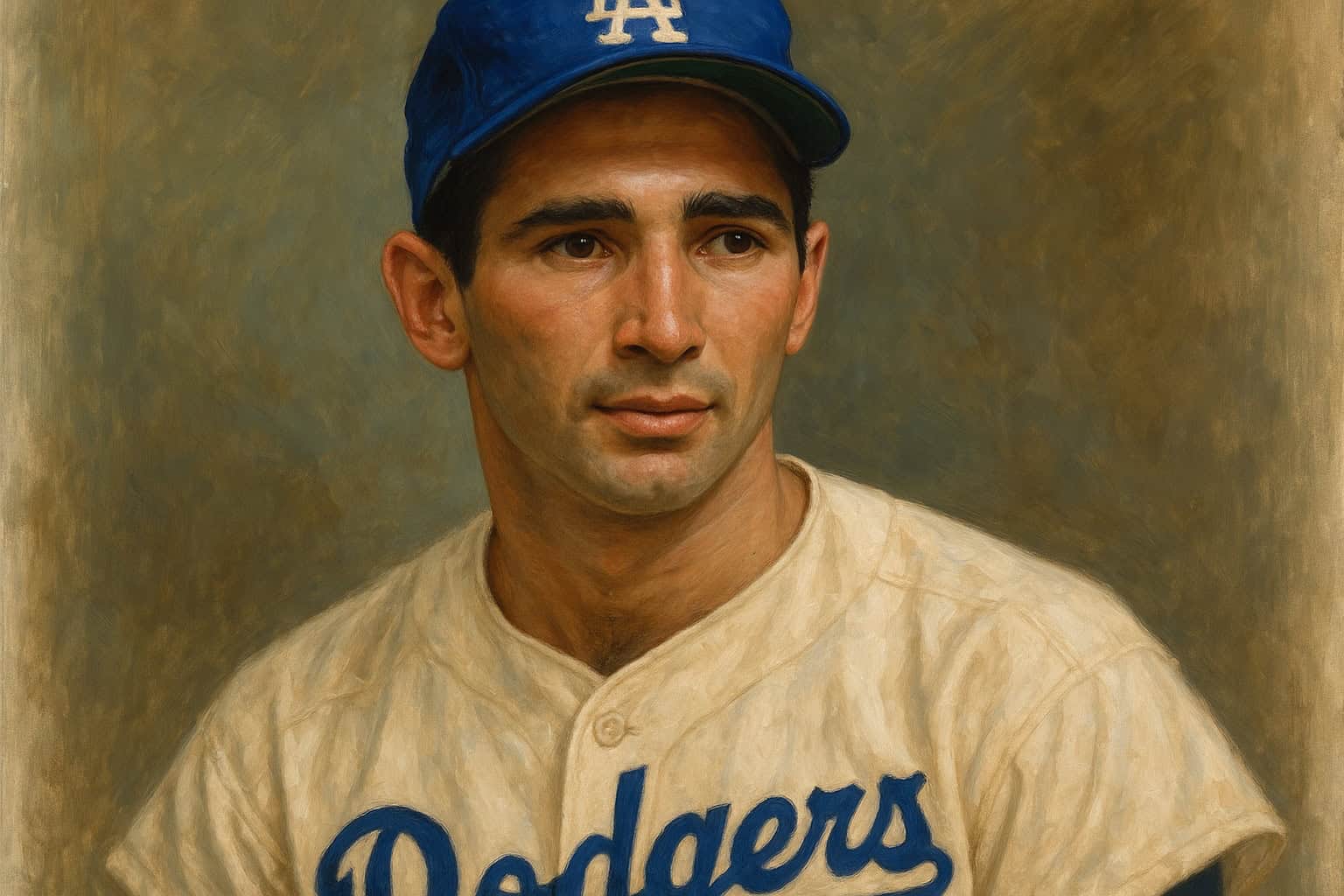
Sandy Koufax’s 1965 season was a masterpiece of power and principle—26 wins, 2.04 ERA, and 382 strikeouts while refusing to pitch Game 1 of the World Series because it fell on Yom Kippur. His curveball was so devastating that batters would start their swing before the ball broke, leading to the kind of strikeout totals that seemed impossible in an era of contact hitting. Koufax proved that excellence and integrity could coexist at baseball’s highest level.
Steve Carlton’s 1972: Winning 27 Games for a Last-Place Team
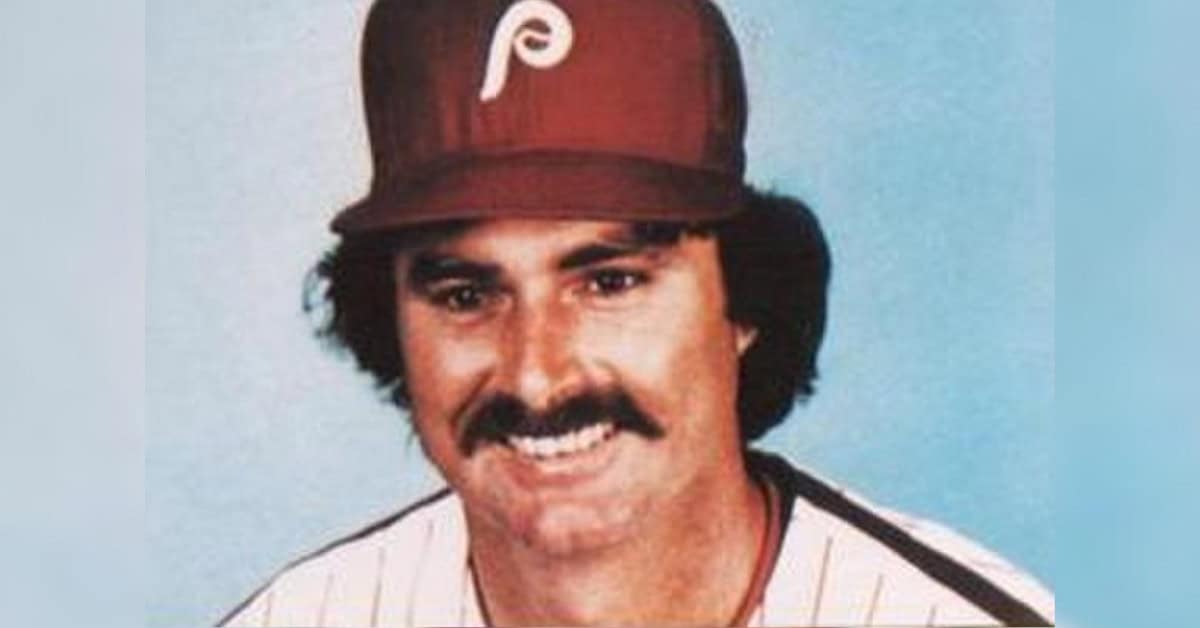
Steve Carlton’s 1972 season defied logic—27 wins and a 1.97 ERA for a Philadelphia Phillies team that finished 59-97, meaning “Lefty” personally accounted for 46% of his team’s victories. His slider was so unhittable that he struck out 310 batters while walking just 87, carrying a franchise on his left arm through one of the most remarkable individual performances in sports history. Carlton proved that greatness could flourish even in the most hopeless circumstances, a lesson that resonated far beyond the pitcher’s mound.