

Last Updated: June 17th, 2026 by Matthew Brown
The Roaring Twenties weren’t just about jazz music and speakeasies—they were baseball’s golden age, when the Sultan of Swat ruled from the Bronx and championship dreams came alive in ballparks filled with men in bowler hats. This was the decade when radio brought the World Series into living rooms for the first time, when newspapers sold millions of copies with box scores, and when heroes were made of flesh and blood rather than pixels. From Murderers’ Row to the predecessors of the Gashouse Gang, these twenty champions defined an era when baseball was America’s heartbeat and every October victory felt like a piece of pure Americana.
Don't lose this article. Enter your email below, and I'll send it to you right now. Plus, we'll send you other unbelievable stories from baseball's past.
Babe Ruth’s Sultan of Swat Swing That Built the Yankee Dynasty

Babe Ruth’s swing was like lightning captured in human form, generating home runs with a casual ease that transformed the Yankees from also-rans into the most dominant dynasty in sports history. The Bambino’s three championships in the 1920s were built on moonshots that seemed to defy gravity. When Ruth stepped into the batter’s box at Yankee Stadium with that distinctive stance and confident swagger, fans knew they were witnessing more than just baseball—they were watching the birth of modern celebrity, the creation of a legend who turned America’s pastime into America’s obsession.
Stan Coveleski’s Polish Power That Anchored Indians’ Championship
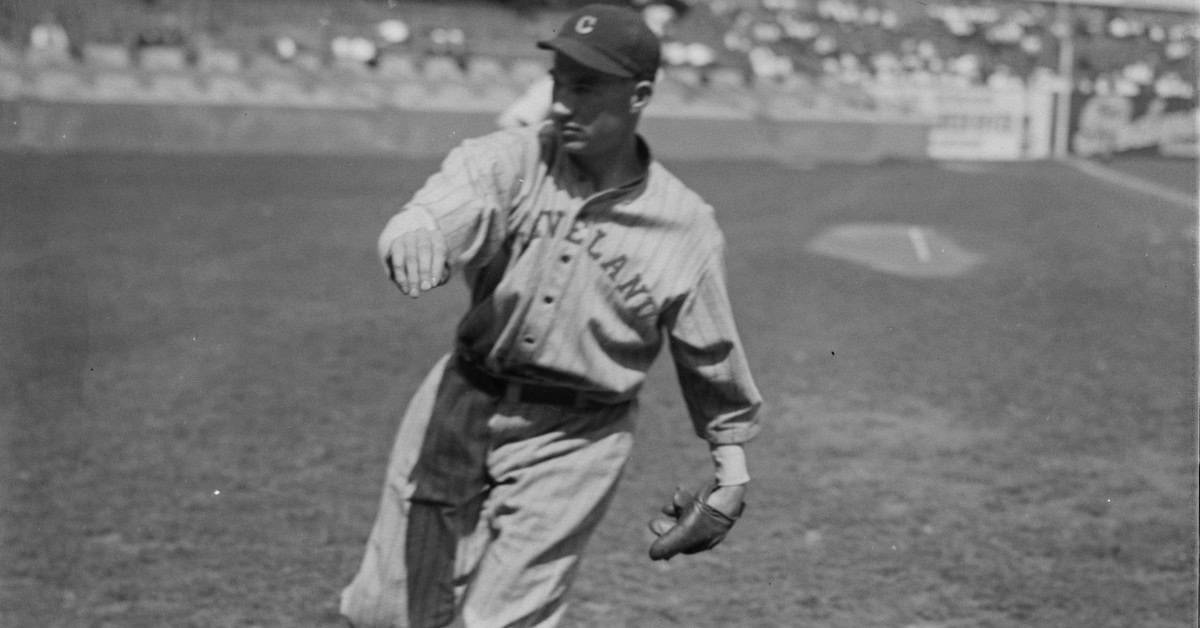
Stan Coveleski’s spitball was perfectly legal in 1920, dancing through strike zones with an unpredictable movement that made him the ace of Cleveland’s championship team. Coveleski’s three complete-game victories in the 1920 World Series were masterpieces of old-school craftsmanship, delivered with the kind of determination that came from understanding what it meant to succeed. When Coveleski wound up with his spitball glistening in the afternoon sun at League Park, Indians fans witnessed the perfect marriage of Old World grit and New World opportunity, watching a coal miner’s son use his golden arm to deliver Cleveland’s only World Series title of the 20th century.
Rogers Hornsby’s .400 Average Magic That Made Cardinals Believers

Rogers Hornsby’s .400-plus batting average over a five-year span wasn’t just a number—it was a statement of pure hitting excellence that made every at-bat a masterclass. The Rajah’s 1926 championship season as player-manager was the culmination of his hitting dominance, proving that the most powerful weapon is often the ability to put bat on ball with scientific precision. When Hornsby stepped into the batter’s box at Sportsman’s Park, Cardinals fans knew they were watching the greatest right-handed hitter in baseball history demonstrate why consistency and intelligence could triumph over pure power.
Pie Traynor’s Hot Corner Poetry That Made Pittsburgh Proud
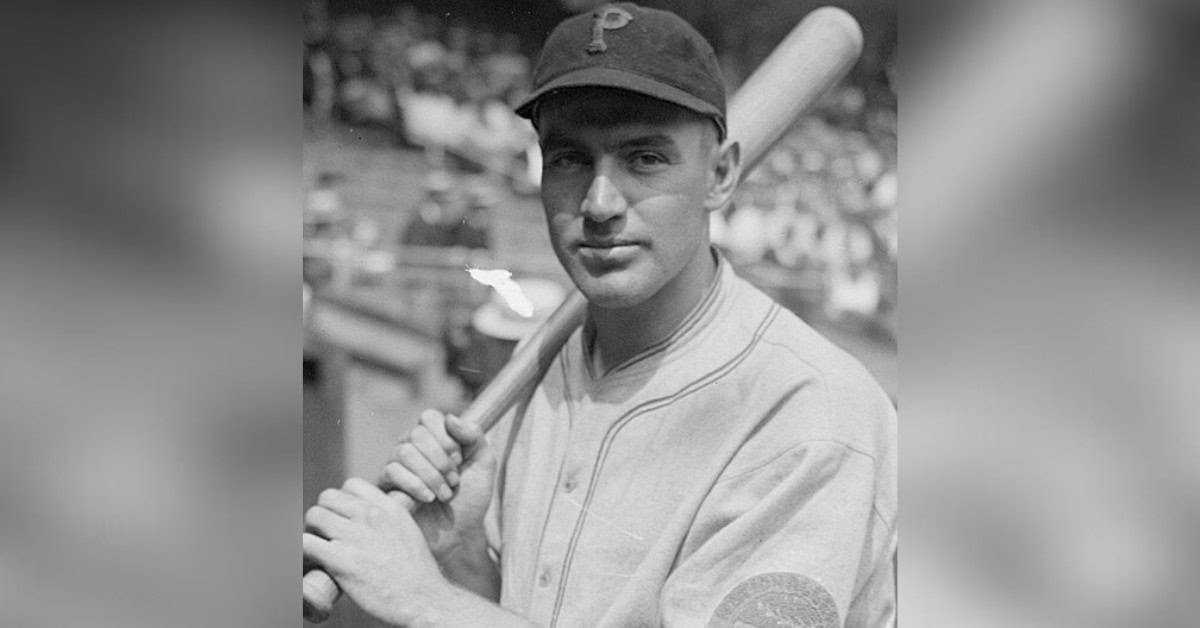
Pie Traynor’s glove work at third base was like watching poetry in motion, turning impossible stops into routine outs while his steady bat provided the kind of clutch hitting that separates champions from also-rans. Traynor’s defensive artistry helped anchor Pittsburgh’s 1925 championship team, proving that the most valuable players are often the ones who make the extraordinary look effortless. When Traynor crouched at the hot corner, Pirates fans witnessed the gold standard of third base play, watching a master craftsman who redefined what was possible with a glove.
Herb Pennock’s Crafty Left Arm That Closed Out Yankee Championships
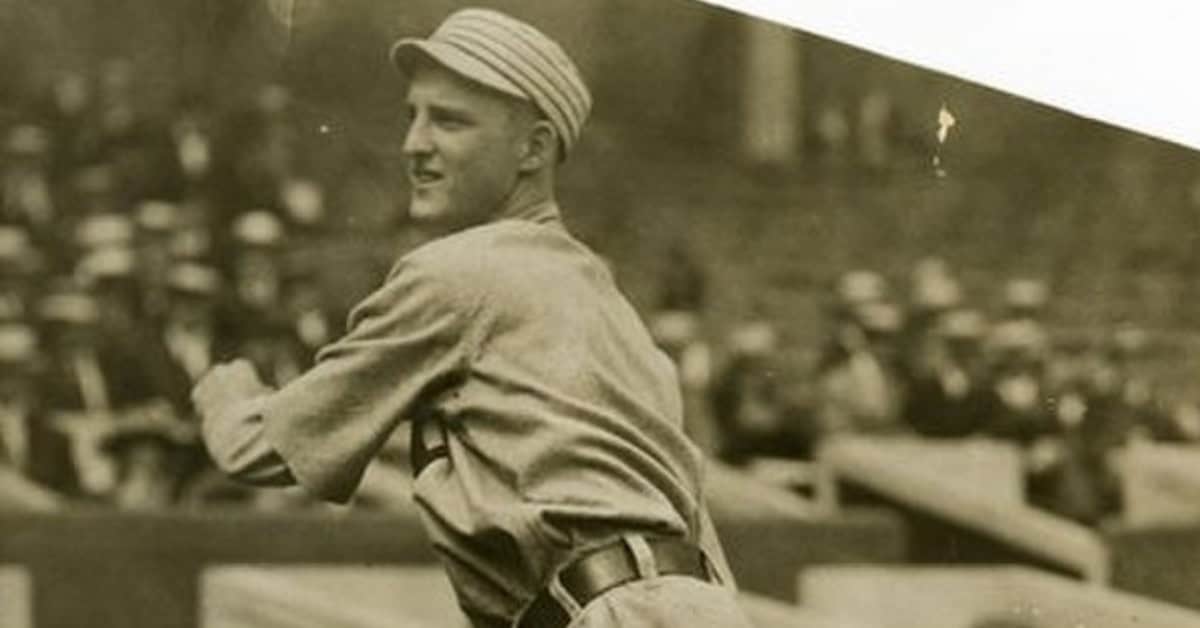
Herb Pennock’s smooth left-handed delivery was like watching a master violinist perform a concerto, combining pinpoint control with devastating effectiveness that made him the perfect complement to the Yankees’ power-packed lineup. The Knight of Kennett Square’s championship contributions were built on intelligence and artistry rather than overpowering stuff, proving that the most effective pitch is often the one thrown to exactly the right spot. When Pennock wound up with his graceful delivery, Yankee Stadium became a symphony hall where opposing batters came to appreciate the finer points of pitching excellence.
Walter Johnson’s Ageless Fastball That Finally Found October Glory

Walter Johnson’s fastball was still crackling with legendary velocity at age 36, finally delivering the championship that had eluded him throughout his magnificent career while giving Washington its only World Series title. The Big Train’s 1924 triumph was like watching justice served with a side of pure emotion, as the greatest pitcher of his generation finally got the October glory his talent had always deserved. When Johnson wound up with his sidearm delivery, Griffith Stadium erupted in celebration for a beloved figure who proved that sometimes the best stories are the ones where patience and perseverance finally receive their just rewards.
Jesse Haines’ Knuckleball Magic That Danced Through October
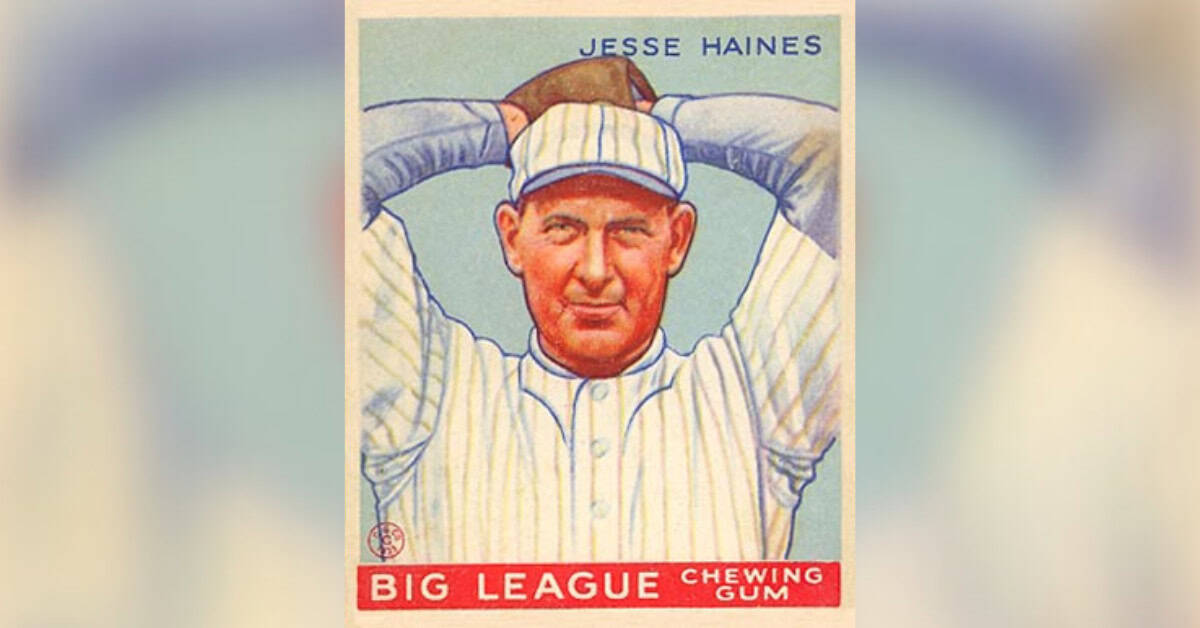
Jesse Haines’ knuckleball was like a butterfly with a mean streak, floating through strike zones with unpredictable movement that made him one of the most effective pitchers in Cardinals history. “Pop’s” knuckler was the perfect complement to St. Louis’s aggressive offensive style, providing the kind of crafty pitching that kept games close while the Cardinals’ speed and power did the rest. When Haines wound up with his knuckleball ready to dance in the Missouri wind, Sportsman’s Park became a house of magic where opposing hitters faced the impossible task of timing a pitch that seemed to change its mind halfway to the plate.
Bob Meusel’s Cannon Arm That Gunned Down World Series Dreams
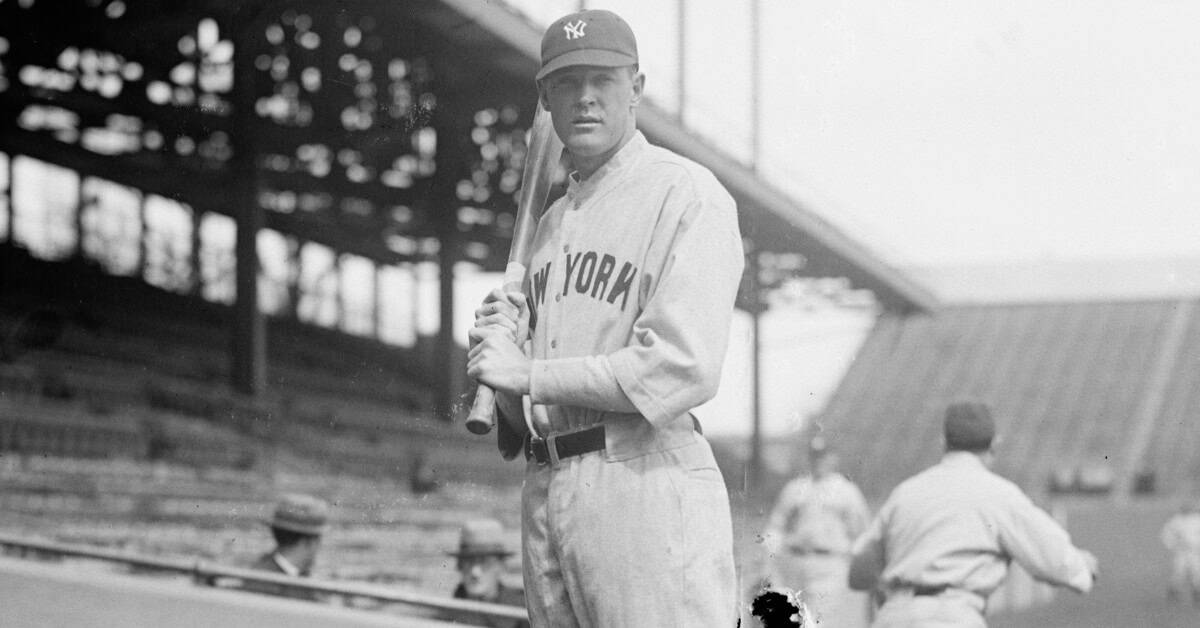
Bob Meusel’s right arm was like a rocket launcher disguised as a baseball player, cutting down runners with throws so accurate and powerful that base coaches developed nightmares about testing his legendary cannon. “Long Bob’s” combination of power hitting and defensive brilliance made him the perfect complement to Murderers’ Row, providing the kind of all-around excellence that championship teams require. When Meusel settled into his stance in right field with that devastating arm cocked and ready, opposing base runners faced a simple choice—stay put or risk becoming another victim of one of the most feared throwing arms in baseball history.
Al Simmons’ Bucket Foot Stance That Terrorized World Series Pitching
Al Simmons’ “bucket foot” batting stance looked like a violation of every hitting fundamental ever taught, but the results spoke louder than any textbook as he terrorized American League pitching throughout the Athletics’ championship run. “Bucketfoot Al’s” unorthodox approach proved that the most effective technique is often the one that feels natural. When Simmons stepped into the batter’s box with that distinctive stance and fierce determination, Shibe Park erupted in anticipation of another line drive that would rocket off his bat like it had been fired from a cannon, proving that greatness comes in all forms.
Urban Shocker’s Spitball Artistry That Fueled a Dynasty
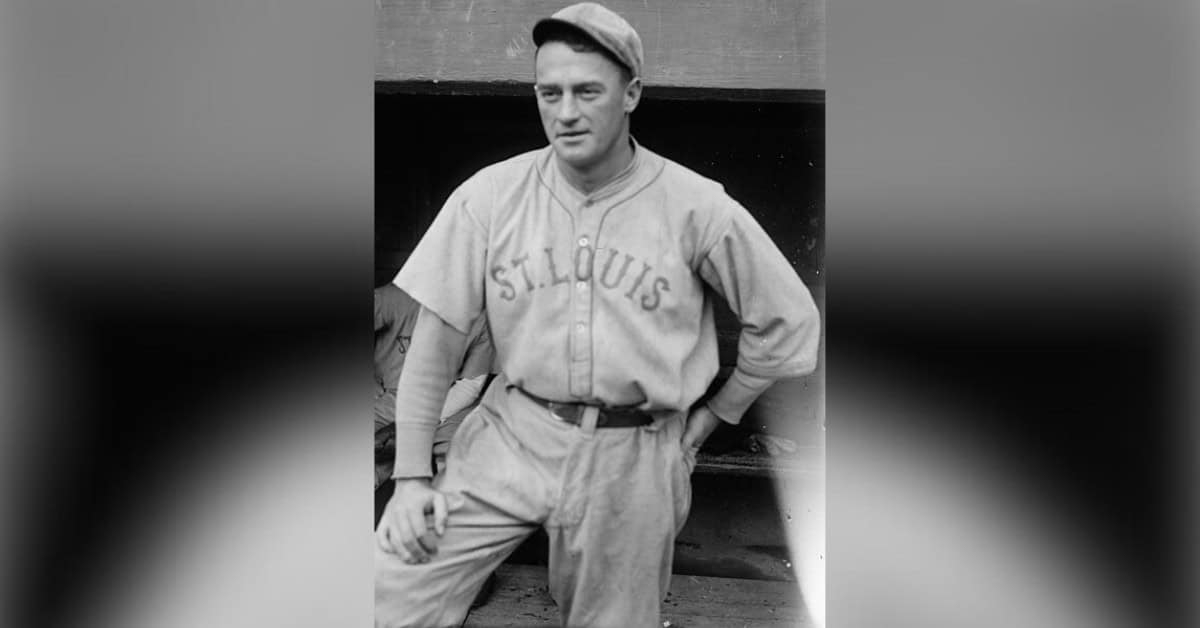
Urban Shocker’s spitball was a thing of beauty in an era when the pitch was still legal, dancing through strike zones with movement that made hitting it feel like trying to catch a greased pig. Shocker’s mastery of the wet one made him a key starter for the dominant New York Yankees, helping anchor their 1926 and 1927 championship runs. When Shocker wound up with his spitball glistening in the afternoon sun, fans witnessed old-school artistry at its finest, watching a master craftsman use saliva and spin to create magic that no modern pitcher is allowed to attempt.
Earle Combs’ Leadoff Speed That Set the Table for Murderers’ Row
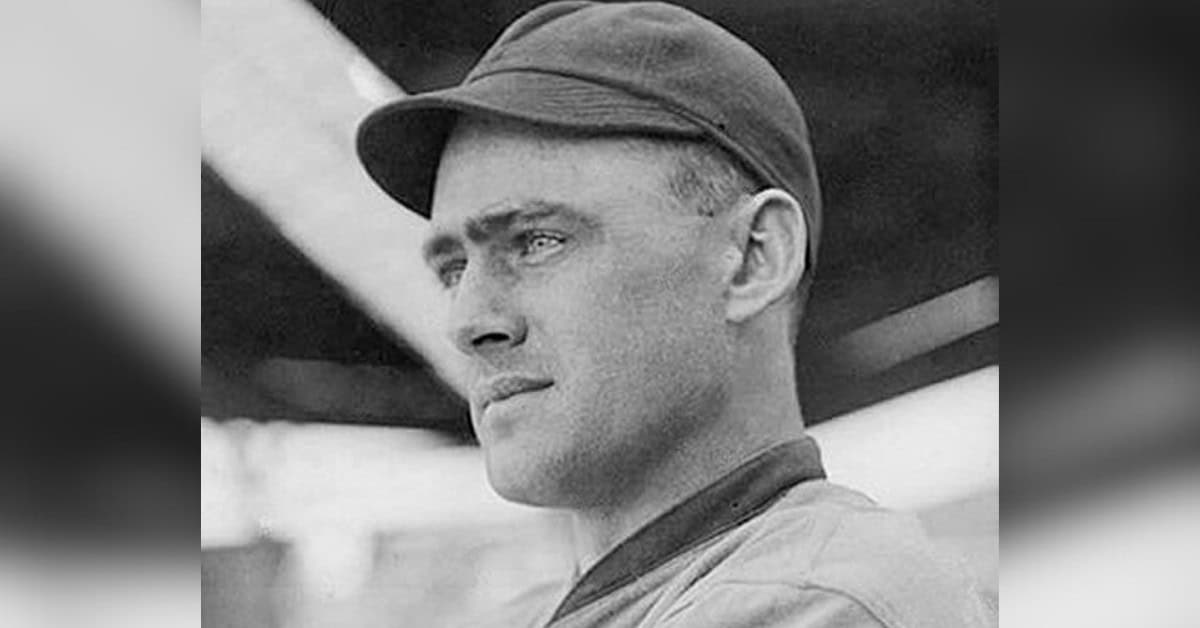
Earle Combs was the perfect appetizer before a seven-course meal, setting the table for Murderers’ Row with his speed, patience, and ability to get on base in front of the most dangerous lineup in baseball history. The Kentucky Colonel’s leadoff prowess was the spark that ignited the Yankees’ championship machine, proving that the most valuable player is often the one who makes everyone else better. When Combs stepped into the batter’s box, Yankee Stadium buzzed with anticipation, knowing that the soft-spoken center fielder was about to begin another symphony of destruction.
Grover Cleveland Alexander’s Legendary Strikeout That Saved St. Louis
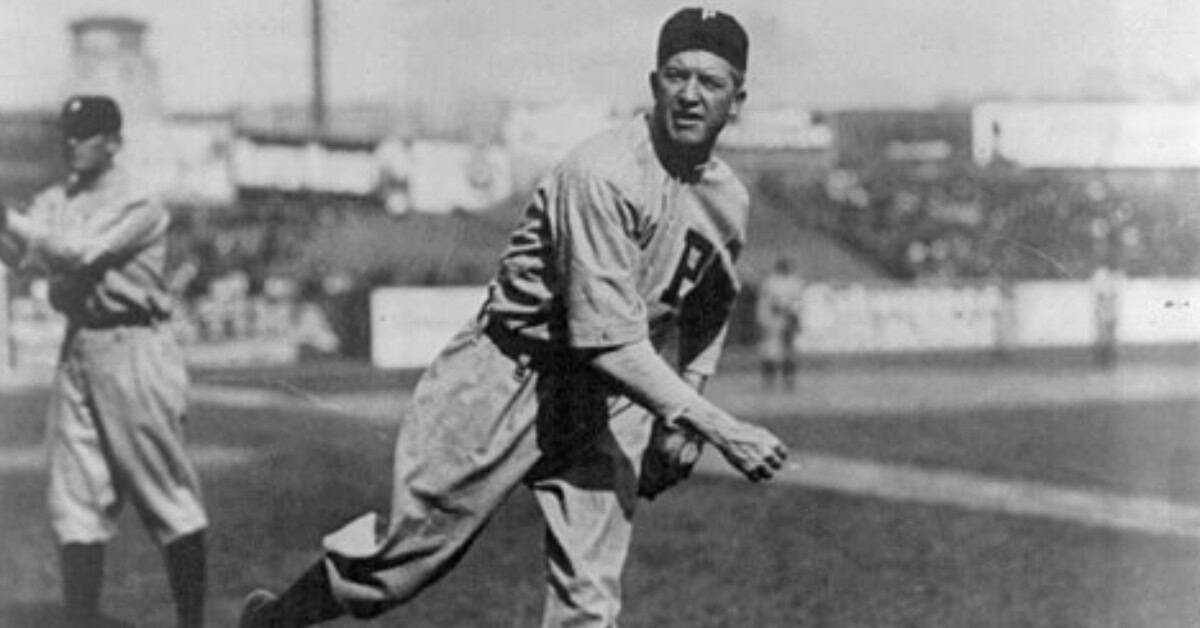
Grover Cleveland Alexander’s strikeout of Tony Lazzeri in the 1926 World Series was like watching David slay Goliath with a curveball, as the aging pitcher emerged from the bullpen to face the Yankees’ dangerous second baseman with the championship on the line. “Old Pete’s” legendary moment came when most thought his best days were behind him, proving that champions are made in pressure situations. When Alexander wound up with his legendary curveball ready to dance, Yankee Stadium fell silent as fans witnessed one of the most dramatic confrontations in World Series history.
Joe Dugan’s Hot Corner Wizardry That Completed the Yankee Machine
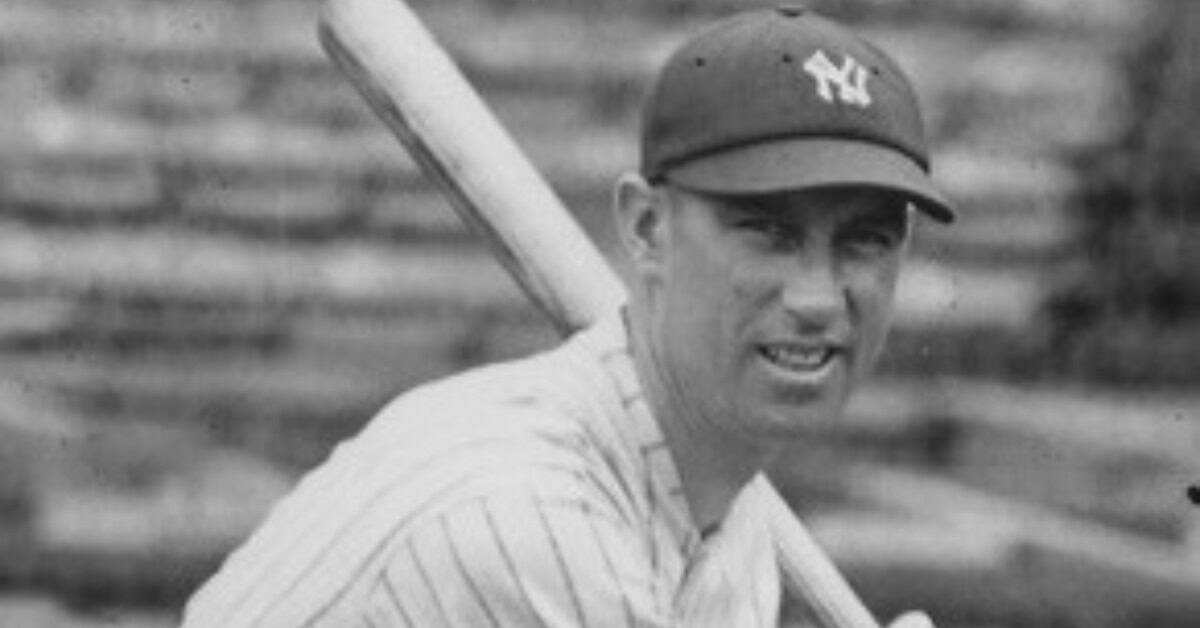
Joe Dugan’s acquisition was the final piece of the Yankees’ championship puzzle, bringing spectacular, sure-handed defense to third base while his steady bat provided reliable production. “Jumping Joe’s” hot corner play was like watching a master craftsman at work, turning screaming line drives into routine outs while his veteran presence calmed the entire infield. When Dugan crouched at third base, Yankee Stadium became an impenetrable fortress where opposing rallies came to die, completed by a player who understood that sometimes the most valuable contribution is simply doing your job perfectly when it matters most.
Tris Speaker’s Gray Eagle Grace That Delivered Cleveland’s Crown
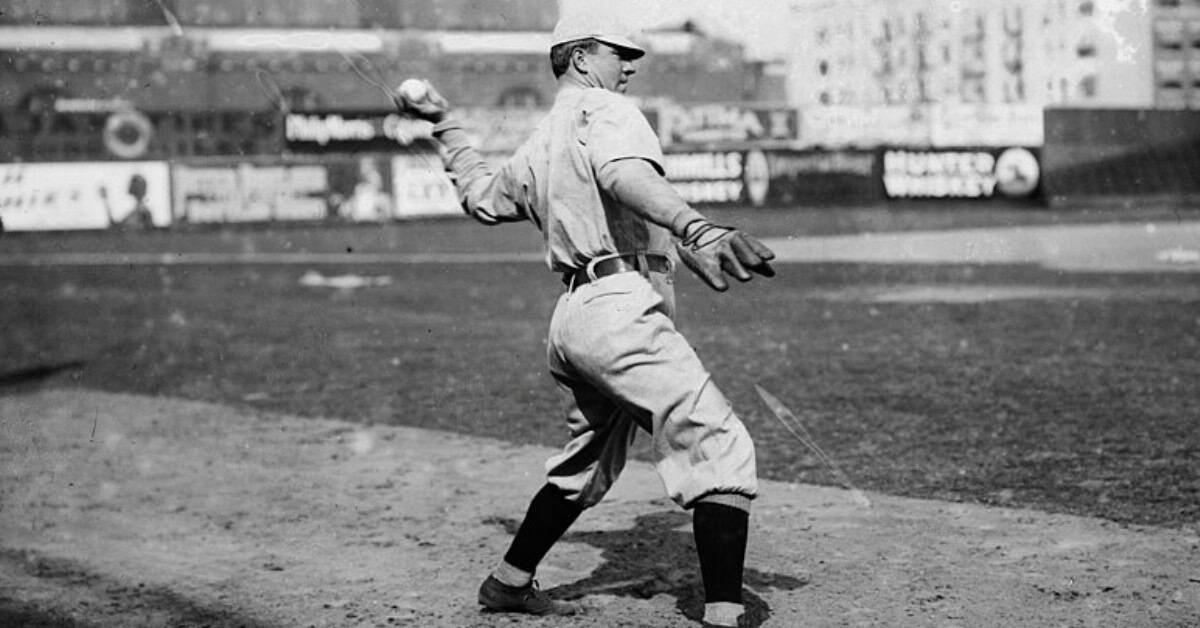
Tris Speaker’s center field play was still poetry in motion at age 32, covering ground that seemed impossible while his revolutionary shallow positioning continued to befuddle opposing hitters throughout Cleveland’s championship season. “The Gray Eagle’s” combination of defensive brilliance and clutch hitting provided the veteran leadership that transformed the Indians from contenders into champions. When Speaker patrolled center field at League Park, Indians fans witnessed the perfect example of how greatness adapts and endures, watching a legend who understood that championships are won by players who refuse to let age define their limitations.
Waite Hoyt’s Schoolboy Stuff That Matured Into Championship Gold
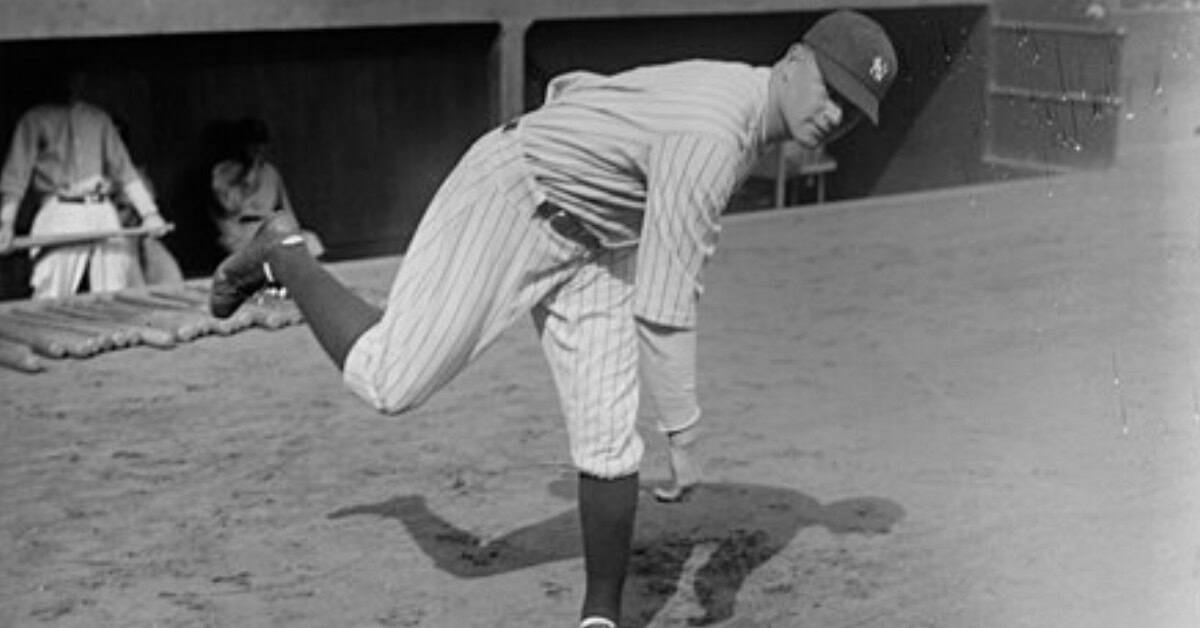
Waite Hoyt’s transformation from promising youngster to championship ace was like watching a fine wine reach perfect maturity, as his pinpoint control and competitive fire made him the perfect complement to the Yankees’ offensive juggernaut. “The Schoolboy’s” ability to rise to the occasion in pressure situations made him invaluable to New York’s championship runs. When Hoyt wound up with his polished repertoire working like a Swiss watch, Yankee Stadium became a showcase for pitching excellence, where fans witnessed the perfect marriage of natural talent and acquired wisdom delivered by a pitcher who understood that legends are made in October.
Tony Lazzeri’s Poosh ‘Em Up Power That Terrorized Pitchers
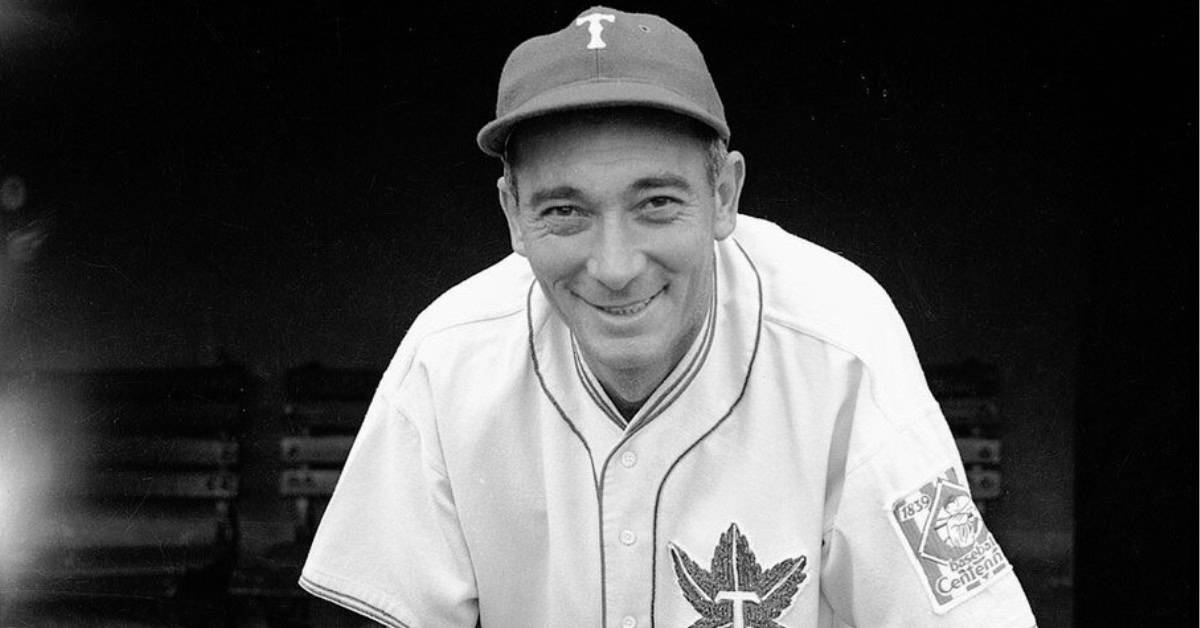
Tony Lazzeri’s “Poosh ‘Em Up” power was like watching controlled violence delivered with Italian passion, as the second baseman’s clutch hitting and defensive brilliance made him the perfect complement to Murderers’ Row. Lazzeri’s combination of power and finesse proved that champions come in all styles, providing the kind of all-around excellence that separates dynasty teams from one-year wonders. When Tony Lazzeri stepped into the batter’s box with his distinctive stance and fierce determination, Yankee Stadium erupted in anticipation of another clutch hit from a player who understood that pressure was just another word for an opportunity to become a hero.
Mark Koenig’s Steady Shortstop Play That Anchored Dynasty Infields
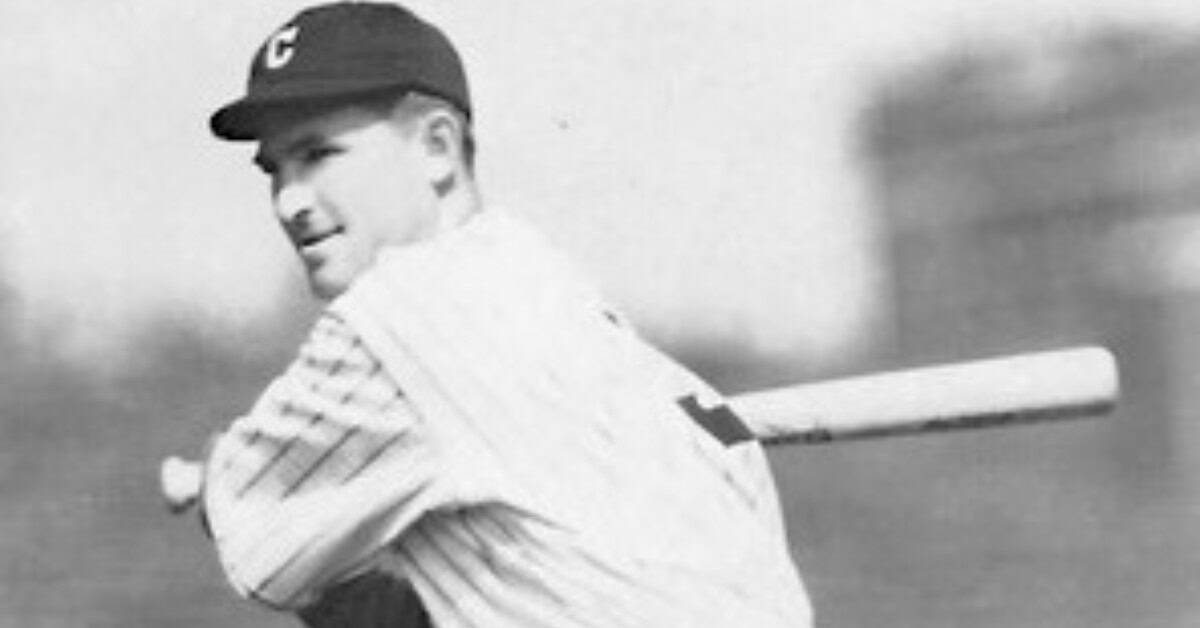
Mark Koenig was the steady heartbeat of the Yankees’ championship infield, providing reliable defense and timely hitting while never seeking the spotlight that shone so brightly on his more famous teammates. Koenig’s understated excellence was like the foundation of a skyscraper—invisible to most observers but absolutely essential to the structure’s stability and success. When Koenig settled into his stance at shortstop, Yankees fans witnessed the perfect example of how championships are built on players who understand that the most valuable contributions are often the ones that never make headlines but always make a difference.
Jimmie Foxx’s Double X Destruction That Powered Athletics Dynasty
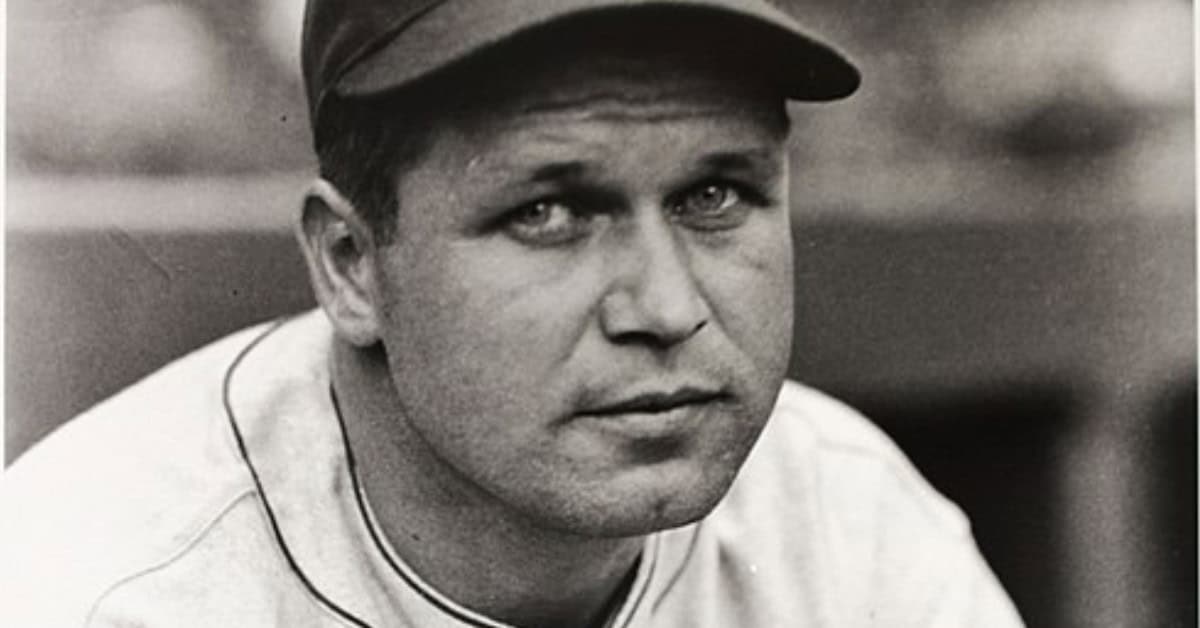
Jimmie Foxx’s swing was like watching a lumberjack attack a redwood tree, generating home runs with such raw power that opposing pitchers developed nervous conditions just thinking about facing “The Beast.” Double X’s 1929 championship contribution was built on pure strength and competitive fire, proving that the most effective approach is often simply to hit the ball harder than anyone else. When Foxx stepped into the batter’s box at Shibe Park with his massive frame and confident swagger, Athletics fans knew they were watching one of the strongest men ever to play baseball demonstrate why power will never go out of style.
Frankie Frisch’s Fordham Flash Speed That Ignited Championship Rallies
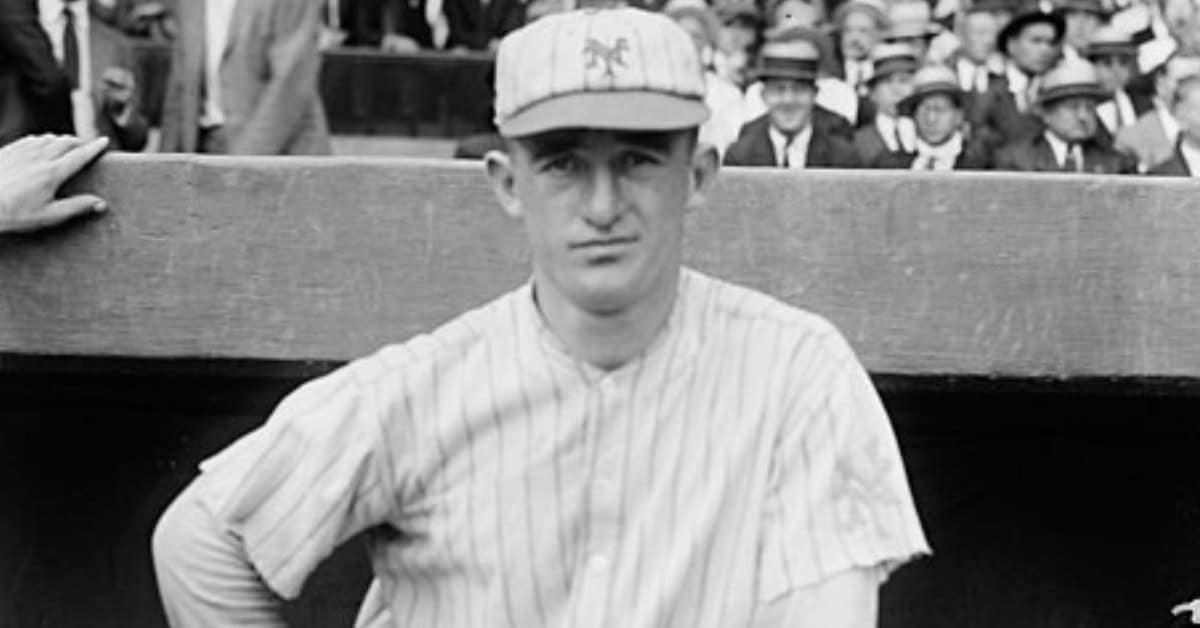
Frankie Frisch’s speed was like lightning in a bottle, turning routine ground balls into infield singles while his aggressive baserunning kept opposing defenses on edge throughout St. Louis’s championship run. “The Fordham Flash’s” combination of intelligence and athleticism made him the perfect catalyst for Cardinals rallies. When Frisch took his lead off first base with that familiar intensity burning in his eyes, Sportsman’s Park erupted in anticipation of another stolen base or perfectly executed hit-and-run, watching a player who understood that championships are won by making things happen.
Lou Gehrig’s Iron Horse Determination That Powered Bronx Bombers

Lou Gehrig’s consecutive games streak was already legendary by the late 1920s, but it was his clutch hitting and quiet leadership that truly powered the Yankees’ championship machine while playing in Babe Ruth’s enormous shadow. “The Iron Horse’s” reliability was like having a Swiss watch at first base—precise, dependable, and essential to the team’s success. When Gehrig stepped into the batter’s box with that smooth swing and unwavering determination, Yankee Stadium witnessed the perfect example of how greatness can be measured in consistency rather than flash, watching a player who proved that the most powerful statement is made by simply doing your job better than anyone else in the world, day after day.