


Last Updated: June 17th, 2026 by Matthew Brown
Mookie Betts is baseball’s ultimate Swiss Army knife—a player who makes the impossible look routine while bouncing between positions like a pinball wizard. Finding historical comparisons for his unique blend of power, speed, defense, and versatility means digging deep into baseball’s treasure chest of five-tool legends and positional chameleons.
Don't lose this article. Enter your email below, and I'll send it to you right now. Plus, we'll send you other unbelievable stories from baseball's past.
Willie Mays and the Say Hey Kid’s Five-Tool Symphony
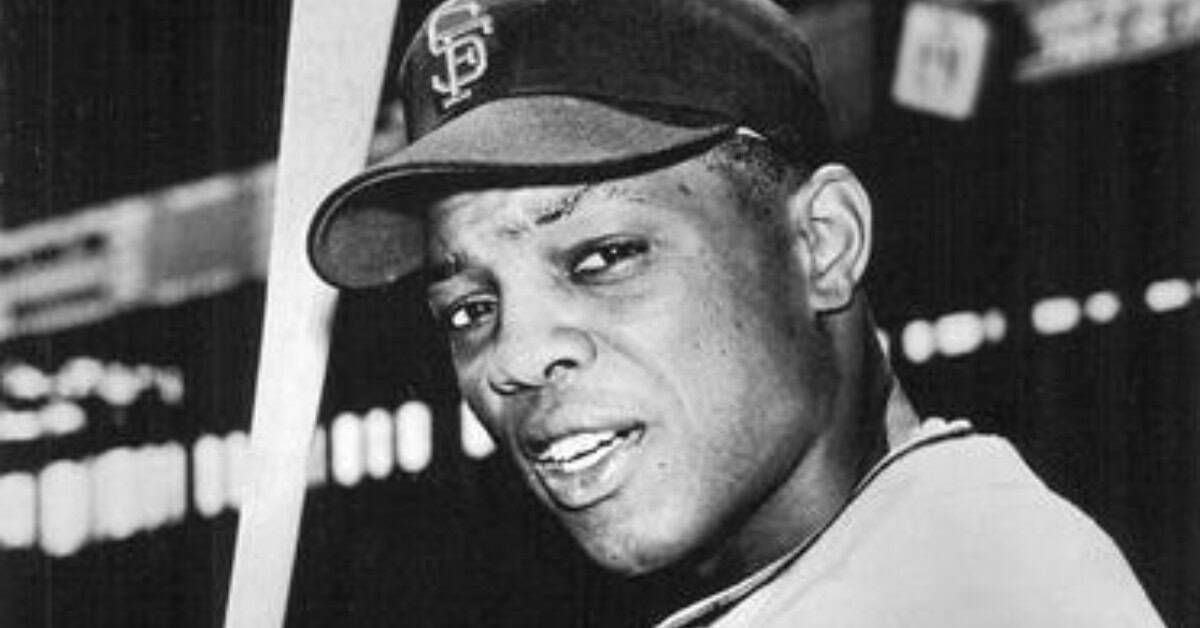
The Say Hey Kid’s basket catches and over-the-shoulder magic at the Polo Grounds created the blueprint for what a complete player could be, his hat flying off during spectacular grabs like a signature calling card. Mays combined power, speed, and defense in a package that made opposing managers weep—just like Betts does today with his effortless transitions between positions and clutch October heroics. Both players turned routine plays into must-see theater, proving that true greatness comes in five-tool packages.
Roberto Clemente’s Cannon Arm and Pittsburgh Steel

Clemente’s rocket arm from right field could nail runners at home plate with the precision of a guided missile. His throws carried the force of Pittsburgh steel mills and the accuracy of a Swiss watchmaker. Like Betts, the Great One combined defensive brilliance with clutch hitting; his 3,000th hit echoed through Three Rivers Stadium like a victory bell. Both players elevated their games when the lights burned brightest, turning pressure situations into personal showcases of excellence.
Tony Phillips’s Swiss Army Knife and Versatility Magic
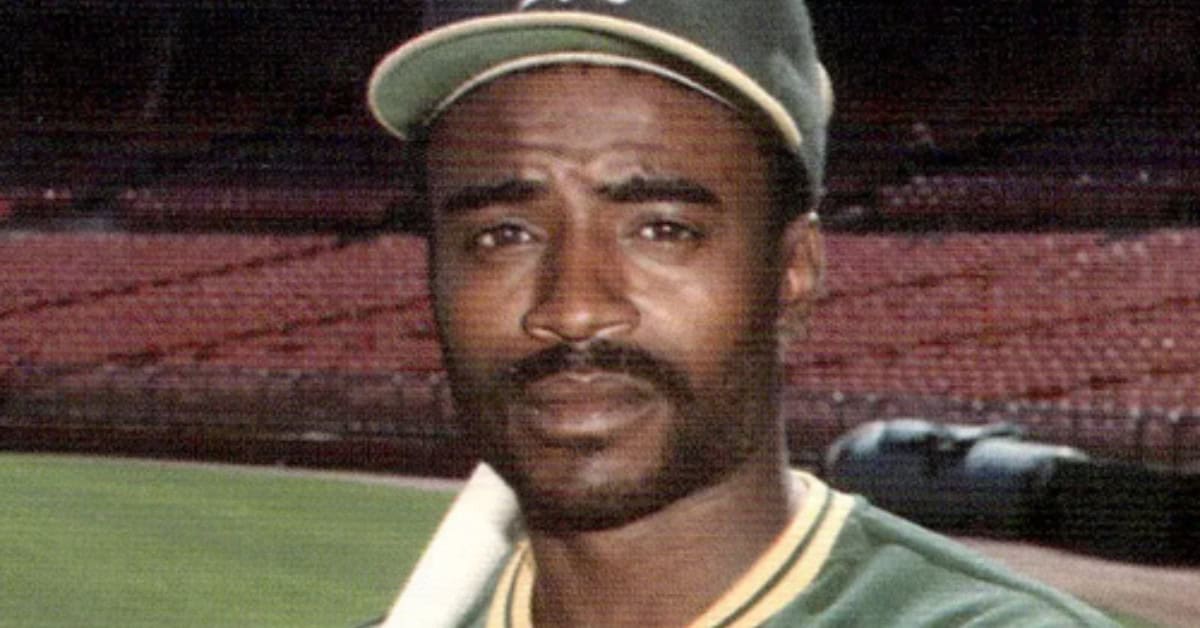
Phillips could play any position except catcher and pitcher, his glove following him around the diamond like a faithful dog while his bat provided consistent production from the leadoff spot. The ultimate utility man’s ability to transition seamlessly between infield and outfield mirrors Betts’ modern versatility; both players made managers’ lives easier with their positional flexibility. Phillips proved that being a jack-of-all-trades could also mean being a master of winning baseball.
Barry Larkin’s Shortstop Swagger and Riverfront Stadium Roars

Larkin’s smooth fielding at shortstop was like watching poetry in motion—his glove work turned impossible plays into routine outs, while his bat provided power and speed from the most demanding defensive position. The Cincinnati hometown hero’s combination of elite defense and offensive production from short parallels Betts’ recent transition to the position; both players prove that true athletes can excel anywhere on the diamond. Larkin’s Hall of Fame career showed that shortstops could be complete players—not just defensive specialists.
Joe Morgan’s Little Joe Hop and Cincinnati’s Big Red Machine
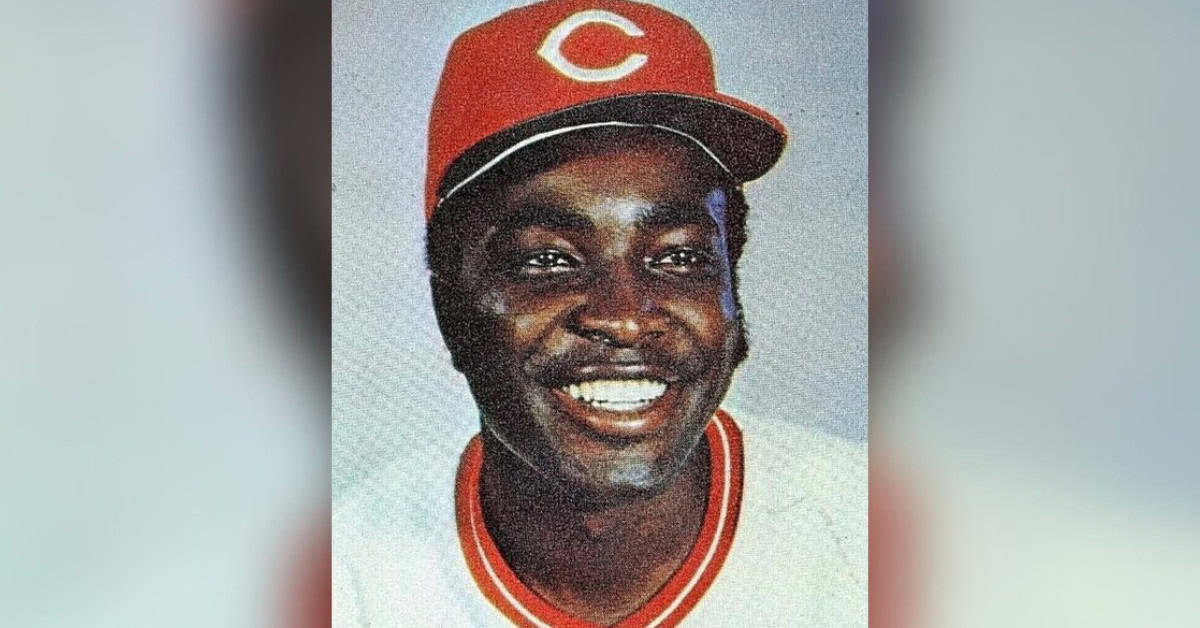
Morgan’s signature elbow flap and clutch hitting made him the engine of Cincinnati’s Big Red Machine; his compact swing generated surprising power, while his glove turned double plays with mechanical precision. Little Joe’s ability to impact games with his bat, glove, and legs mirrors Betts’ multi-dimensional excellence; both players prove that greatness comes in all sizes. Morgan’s championship rings and MVP awards showed that second basemen could be the most valuable players on championship teams.
Ryne Sandberg’s Wrigley Field Grace and Ivy-Covered Dreams

Ryno’s smooth fielding at second base was like watching a ballet dancer perform on dirt and grass—his glove work turned Wrigley Field’s infield into his personal stage, while his power stroke launched baseballs into the ivy. Sandberg’s combination of Gold Glove defense and 40-home run power from second base parallels Betts’ ability to excel on both sides of the ball; both players redefined what their positions could accomplish. Sandberg’s clutch hitting and defensive wizardry made Cubs fans believe in magic—even without a championship ring.
Roberto Alomar’s Glove Wizardry and Double-Play Poetry
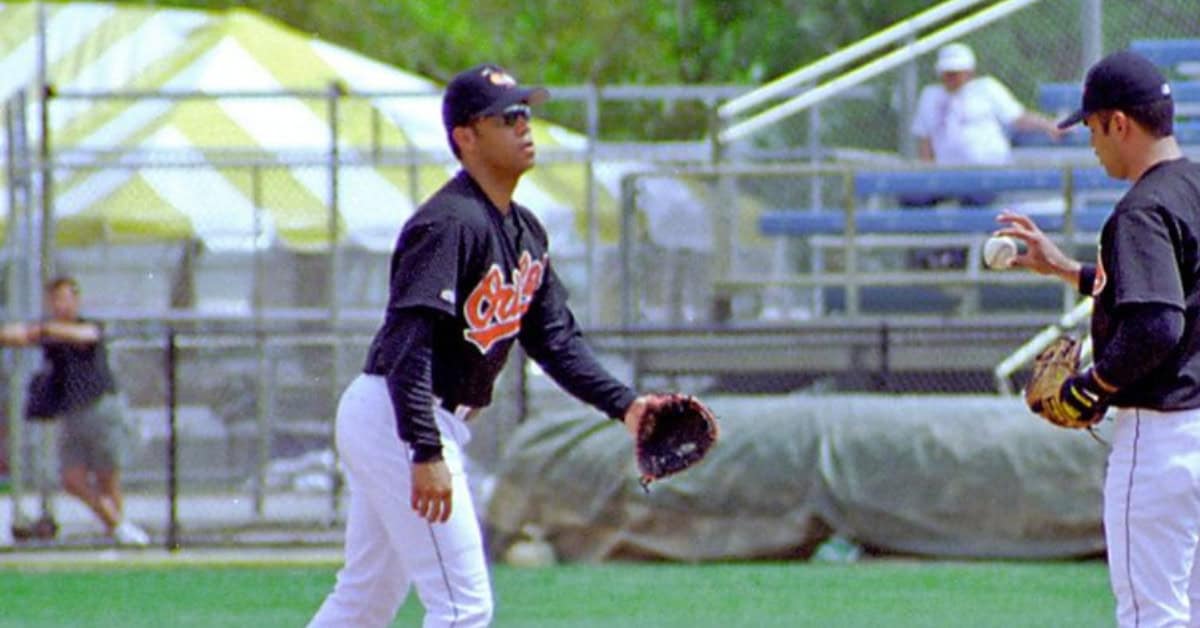
Alomar’s glove work at second base was like watching a magician perform sleight of hand—his double-play turns looked choreographed, while his switch-hitting prowess kept pitchers guessing. The Puerto Rican star’s ability to impact games with defense, speed, and clutch hitting mirrors Betts’ complete skill set; both players made the difficult look effortless. Alomar’s championship rings with Toronto proved that elite middle infielders could be the difference between good teams and great ones.
Jackie Robinson’s Breaking Barriers and Brooklyn’s Heartbeat

Robinson’s aggressive baserunning and clutch hitting made Ebbets Field electric. His speed and intelligence on the basepaths complemented solid defense and a competitive fire that burned like Brooklyn’s summer sun. Jackie’s ability to excel at multiple positions while carrying the weight of history parallels Betts’ modern versatility and leadership; both players proved that true champions rise to meet any challenge. Robinson’s impact transcended statistics, showing that greatness comes with responsibility and grace under pressure.
Dwight Evans’s Fenway Wall Magic and Green Monster Mastery

Dewey’s mastery of Fenway’s tricky right field was like watching a chess grandmaster work three moves ahead. His positioning and instincts turned routine fly balls into spectacular catches, while his cannon arm kept runners honest. Evans’ combination of Gold Glove defense and clutch hitting from the corner outfield spot mirrors Betts’ excellence in right field; both players proved that defense can be just as exciting as offense. His late-career power surge and postseason heroics showed that patience and preparation eventually pay championship dividends.
Jim Gilliam’s Utility Excellence and Dodger Blue Versatility
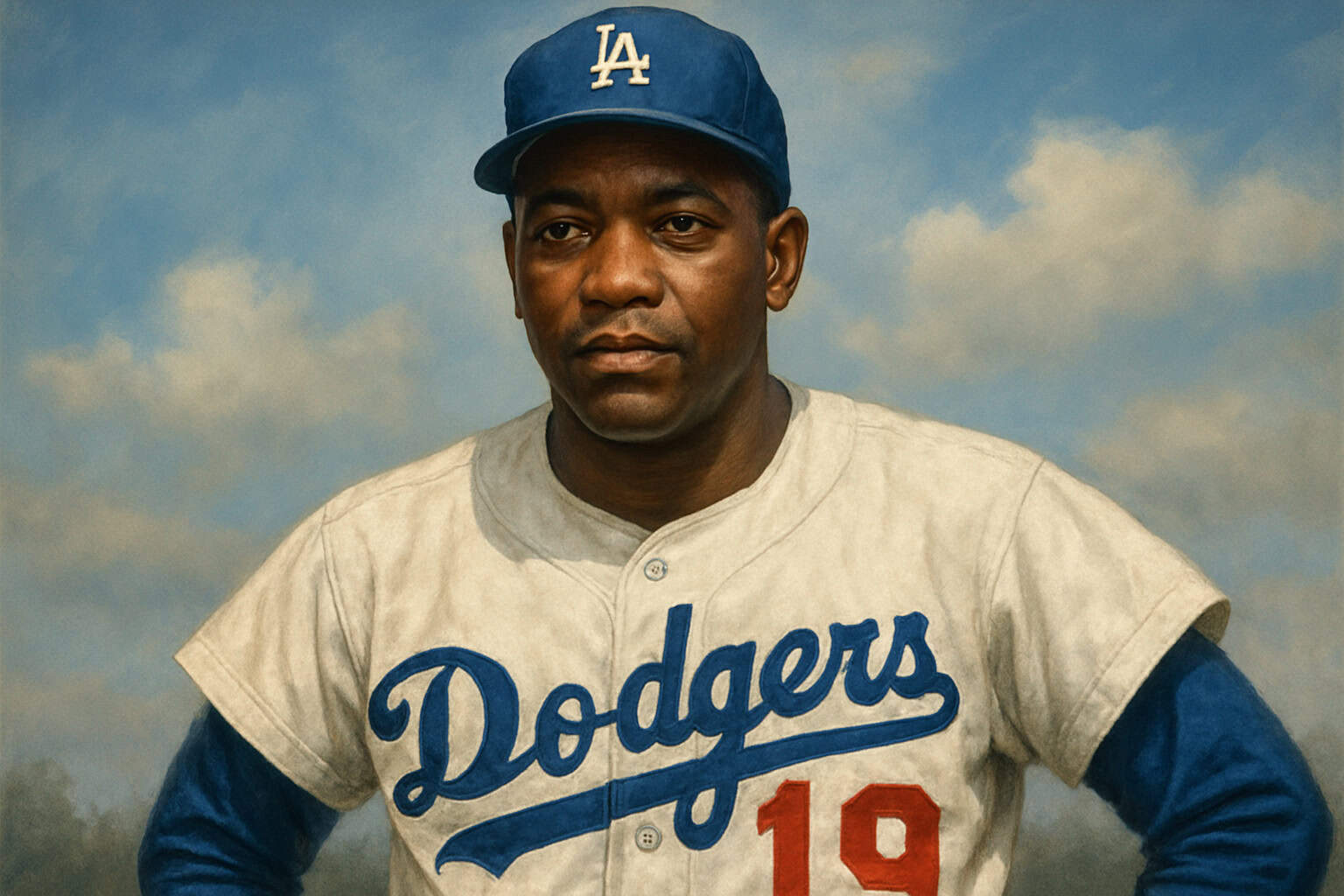
Junior Gilliam could play second base, third base, or left field with equal skill—his glove followed him around the diamond like a faithful companion, while his steady bat provided consistent production for Brooklyn and Los Angeles championship teams. The ultimate team player’s willingness to move positions for the good of the club mirrors Betts’ modern adaptability; both players proved that versatility and selflessness are championship qualities. Gilliam’s four World Series rings showed that utility players could be the most valuable pieces in a championship puzzle, their flexibility making entire lineups stronger and managers’ jobs easier.