
Last Updated: June 17th, 2026 by Matthew Brown
Remember when All-Star Game starting pitchers were chosen for more than just popularity contests? When managers picked their aces based on pure dominance, not fan voting or marketing appeal? These 20 legends earned the ultimate honor—taking the mound first in the Midsummer Classic, carrying the weight of league expectations on their shoulders.
Don't lose this article. Enter your email below, and I'll send it to you right now. Plus, we'll send you other unbelievable stories from baseball's past.
Lefty Gomez: The Yankee Comedian Who Started Five All-Star Games
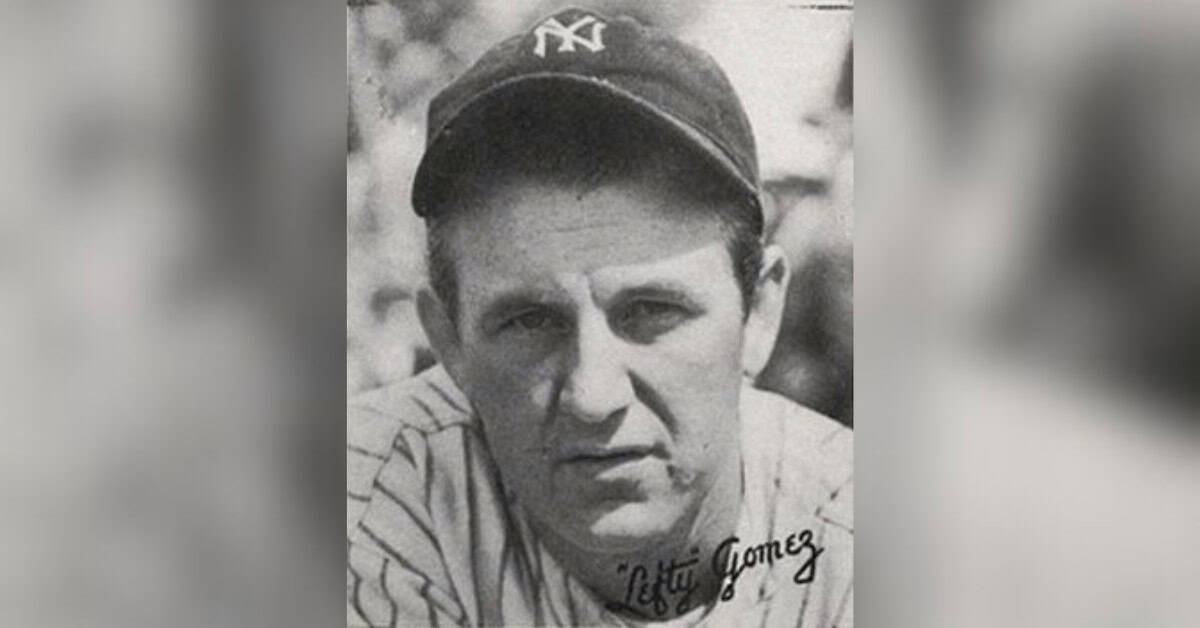
Gomez’s five All-Star starts from 1933-1938 established him as baseball’s premier left-handed entertainer, combining devastating stuff with a wit that kept teammates loose. His famous quip about preferring to be lucky rather than good masked a fierce competitor who dominated hitters with his fastball and curveball combination. Lefty proved you could be the class clown and the ace of the staff at the same time.
Robin Roberts: The Phillies Whiz Kid’s Five All-Star Starting Nods
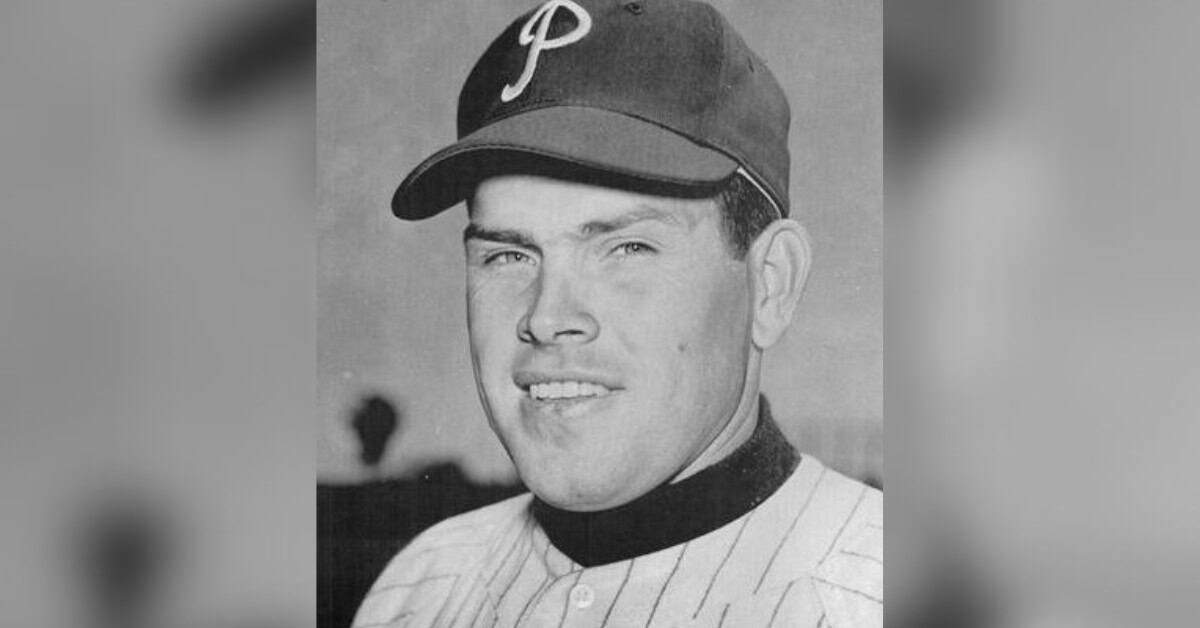
Roberts’ five All-Star starts between 1950 and 1955 showcased the perfect blend of power and control that made him the National League’s most reliable arm. His high leg kick and overhand delivery became the template for power pitchers, while his durability and competitive fire carried the Phillies through their golden era. Robin Roberts threw strikes when strikes mattered most, especially under the All-Star Game’s brightest lights.
Don Drysdale: Big D’s Five All-Star Starting Assignments
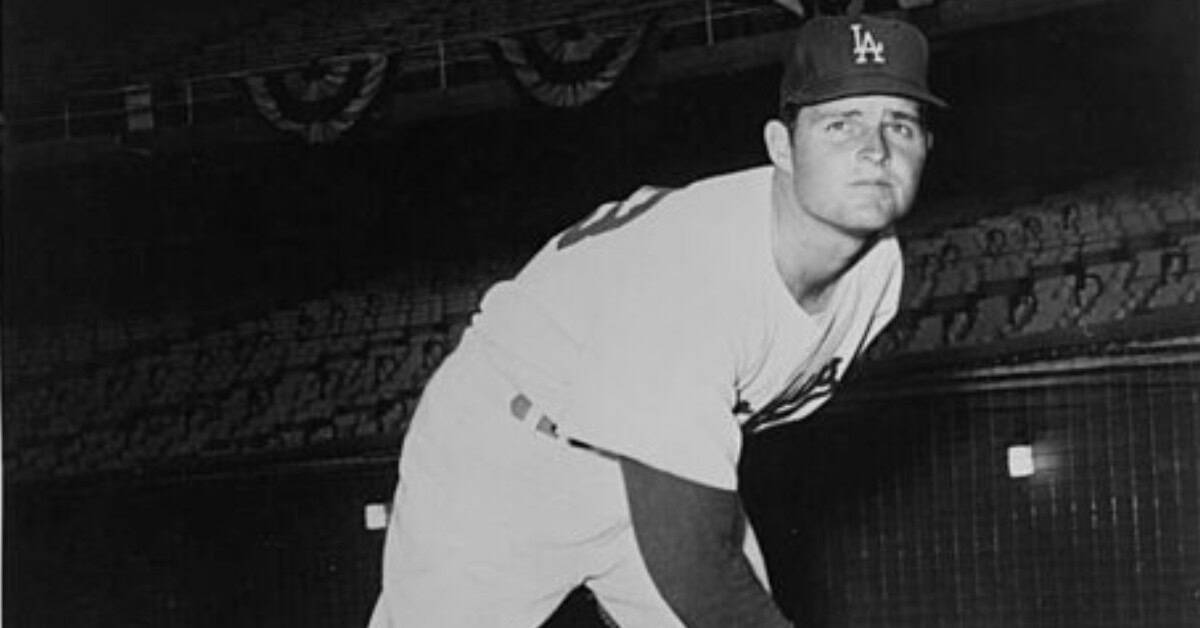
Drysdale’s five All-Star starts (including two in the same year, 1959) turned the Midsummer Classic into his personal intimidation clinic, where batters knew they might end up in the dirt. His sidearm delivery and willingness to pitch inside made him the perfect big-game starter for an era when brushback pitches were considered good strategy. Big D brought Dodger blue-collar toughness to every All-Star mound appearance.
Randy Johnson: The Big Unit’s Four All-Star Intimidation Openers
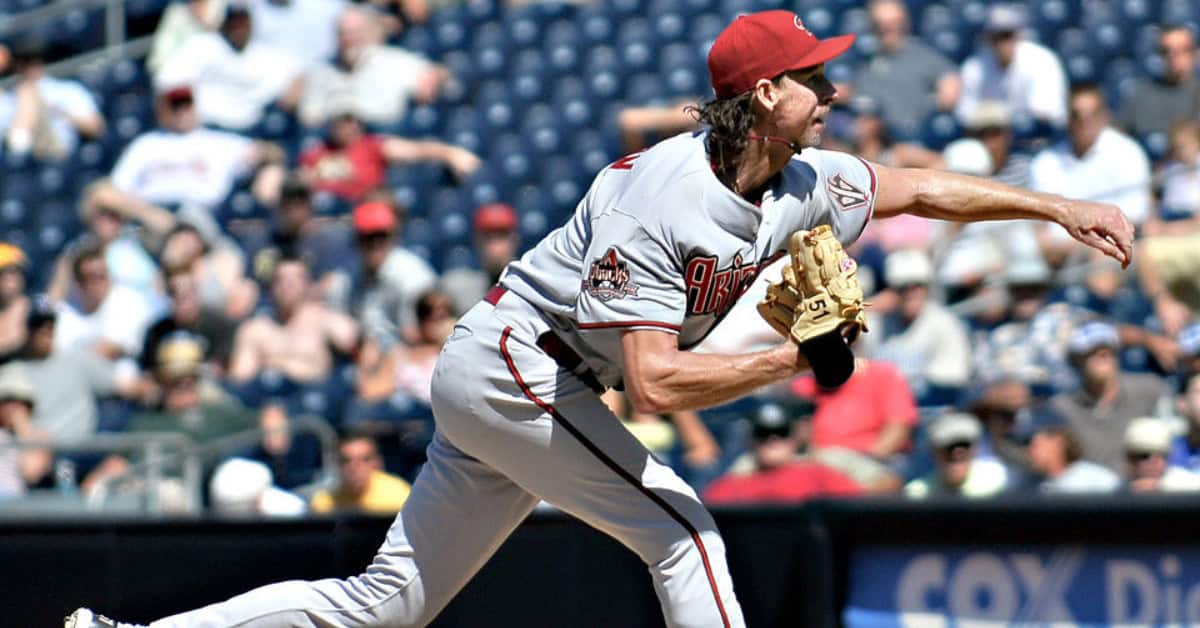
Johnson’s four All-Star starts between 1995 and 2001 brought 6’10” of left-handed terror to the Midsummer Classic, with his 100-mph fastball and devastating slider creating nightmares for opposing hitters. His wild-haired intensity and cross-body delivery made him look like a mad scientist conducting experiments on home plate. The Big Unit turned All-Star Games into personal showcases of how to make the best hitters in the world look helpless (we’re looking at you, Larry Walker).
Jim Palmer: The Oriole’s Four All-Star Opening Assignments
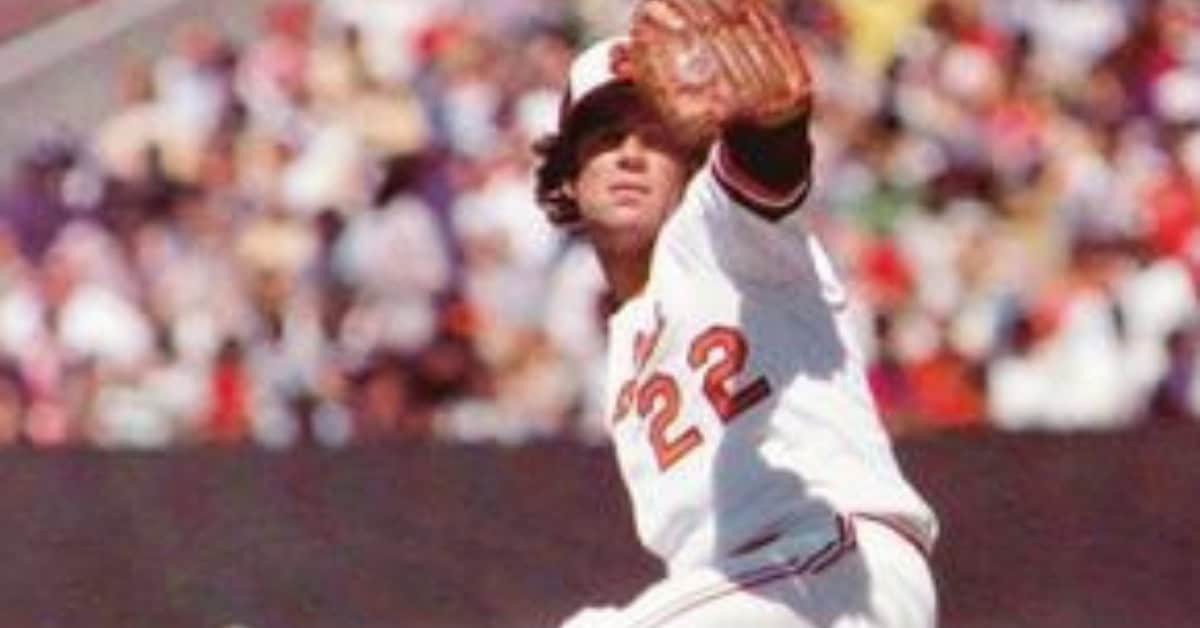
Palmer’s four All-Star starts from 1970 to 1978 showcased the perfect marriage of stuff and style, with his high leg kick and pinpoint control making him the American League’s most photogenic ace. His competitive fire and clutch gene made him the ideal big-game pitcher for an era when All-Star Games still carried genuine meaning. Jim Palmer looked like a movie star and pitched like a Hall of Famer—because that’s what he was.
Warren Spahn: The Crafty Southpaw’s Three All-Star Game Starts
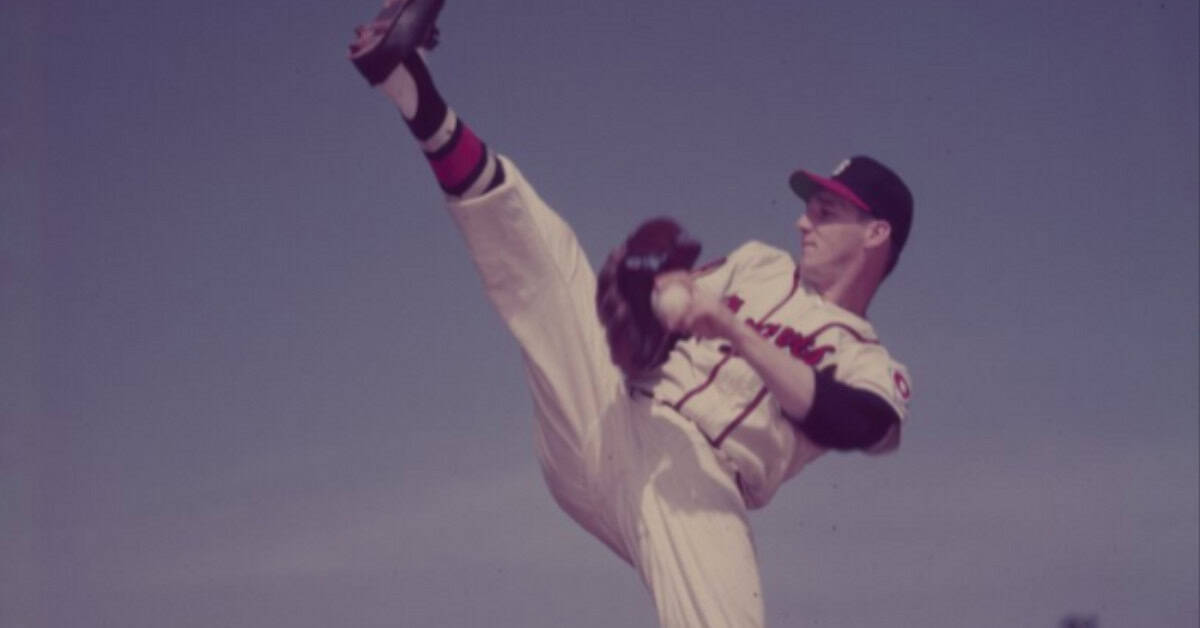
Spahn’s three All-Star starts demonstrated that pitching was indeed an art form, with his high leg kick and pinpoint control creating masterpieces on the mound. His longevity and craftiness made him the perfect representative for an era when pitchers were expected to finish what they started. Warren Spahn proved left-handed guile could be just as effective as right-handed power.
Whitey Ford: The Chairman of the Board’s Three All-Star Starts
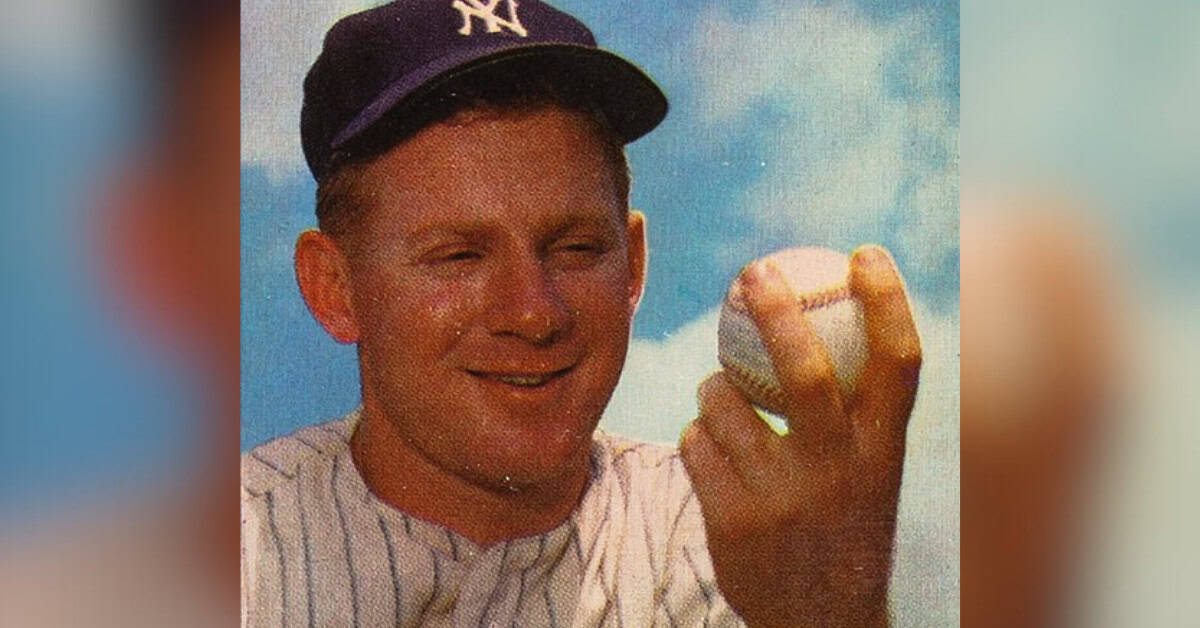
Ford’s three All-Star starts brought Yankee pinstripe precision to the Midsummer Classic, with his crafty left-handed delivery and clutch instincts making him the perfect big-game pitcher. His competitive fire and postseason excellence translated perfectly to All-Star pressure, where every pitch carried the weight of league pride. The Chairman of the Board ran All-Star meetings with the same efficiency he brought to October baseball.
Billy Pierce: The White Sox Southpaw’s Three All-Star Starts
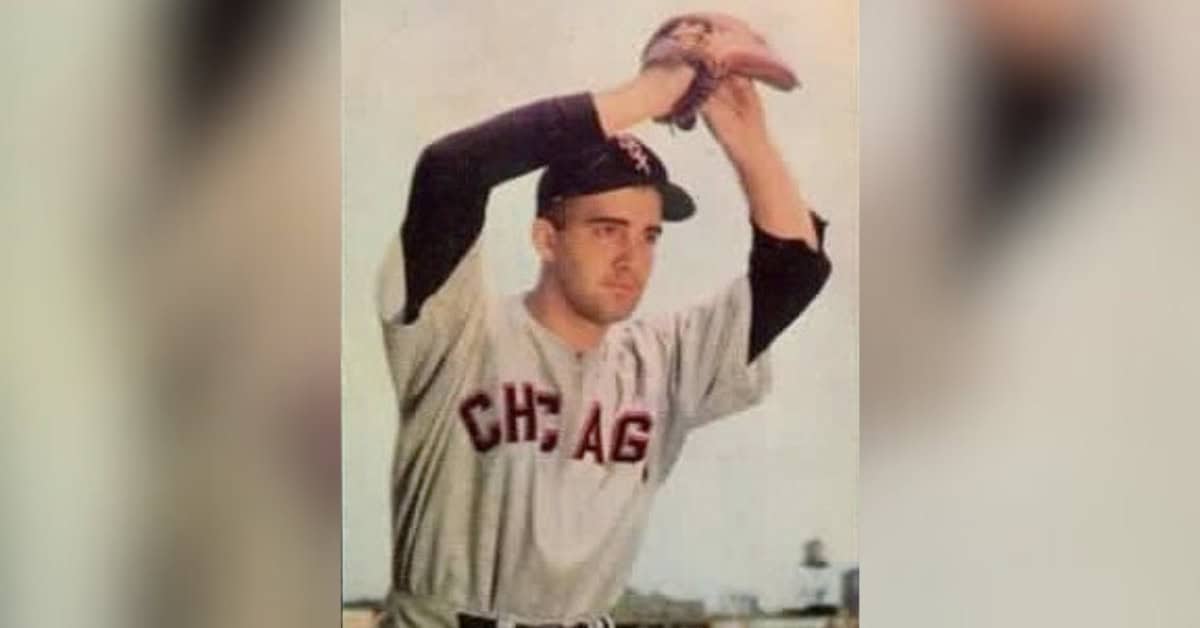
Pierce’s three All-Star starts between 1953 and 1956 showcased the perfect blend of finesse and fire that made him the American League’s most underrated left-hander. His smooth delivery and competitive spirit carried the White Sox through their golden era, proving you didn’t need to play in New York to earn All-Star starting honors. Billy Pierce was the quiet professional who let his fastball and curveball do all the talking.
Vida Blue: The Oakland Ace’s Three All-Star Starting Nods

Blue’s three All-Star starts brought Oakland’s championship swagger to the Midsummer Classic, with his blazing fastball and colorful personality making him must-see television. His 1971 Cy Young and MVP season established him as baseball’s most exciting young pitcher, turning All-Star starts into personal showcases of pure power. Vida Blue was the perfect pitcher for baseball’s most colorful era.
Jim Bunning: The Future Senator’s Three All-Star Starting Calls
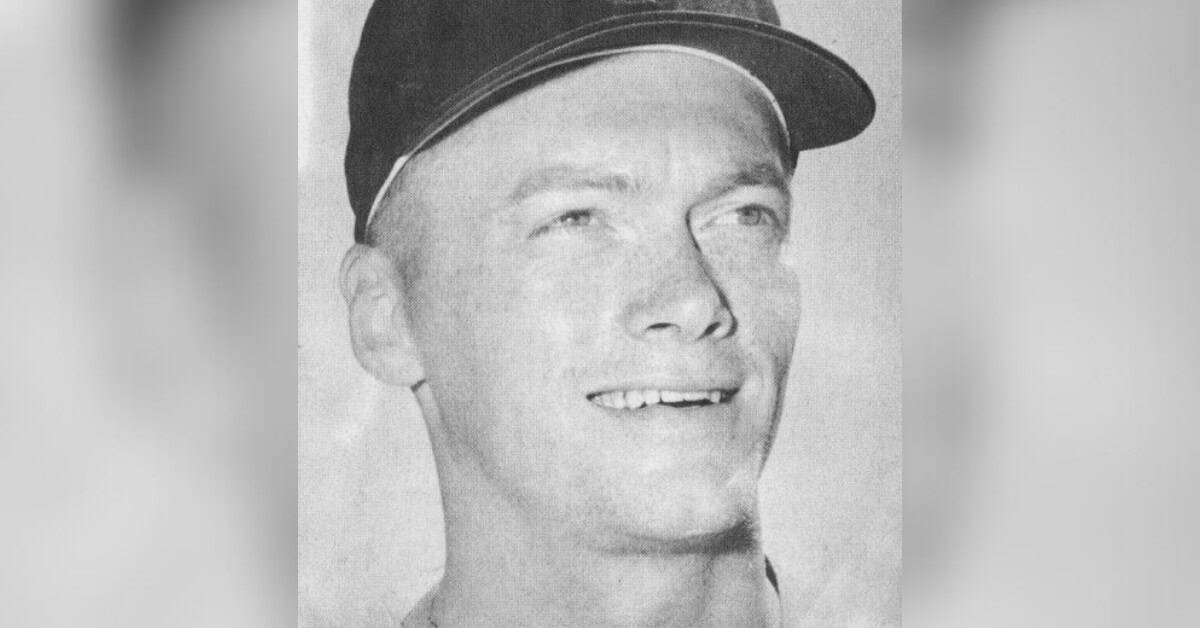
Bunning’s three All-Star starts between 1957 and 1962 demonstrated the fierce competitiveness that would later serve him well in the U.S. Senate, with his sidearm delivery and no-nonsense approach making him the perfect big-game pitcher. His perfect game and no-hitter during his career proved he could rise to any occasion, turning All-Star starts into personal statements about excellence. Jim Bunning pitched with the same intensity whether facing Ted Williams or rookie call-ups.
Jack Morris: The Bulldog’s Three All-Star Opening Acts
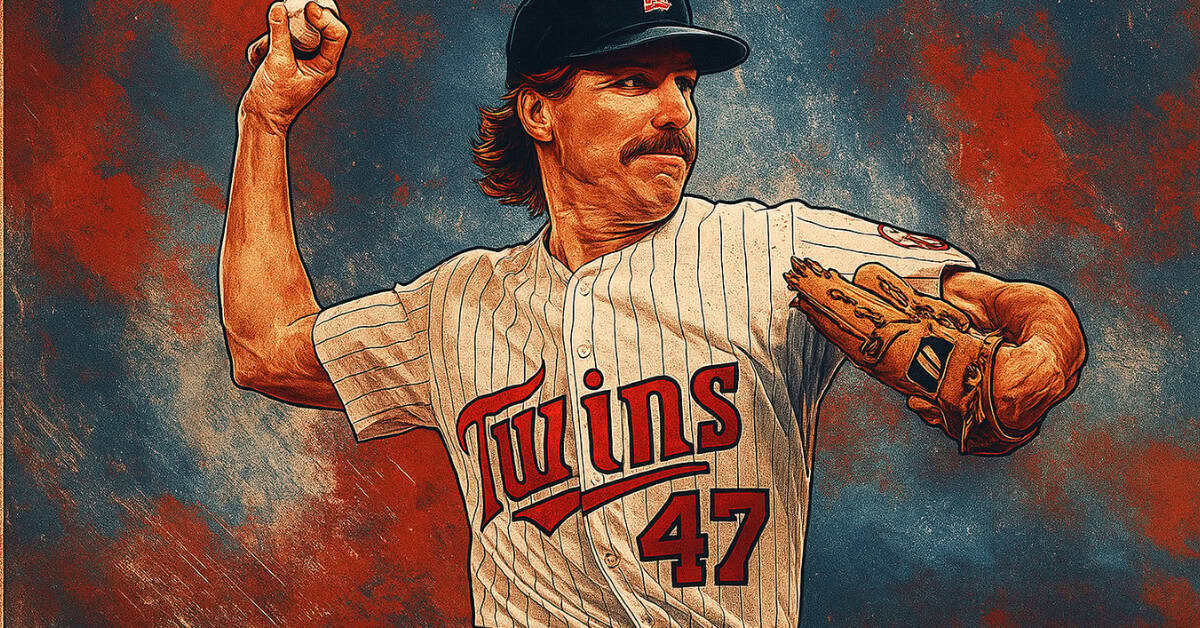
Morris’s three All-Star starts brought Detroit’s blue-collar work ethic to the Midsummer Classic, with his split-finger fastball and bulldog mentality making him the perfect representative for 1980s baseball. His competitive fire and postseason excellence translated perfectly to All-Star pressure, where every pitch mattered for league bragging rights. Jack Morris attacked All-Star hitters with the same relentless intensity he brought to October baseball.
Roger Clemens: The Rocket’s Three All-Star Starts and MVP Glory

Clemens’s three All-Star starts, including his 1986 MVP performance, showcased the raw power that made him the most dominant pitcher of his generation. His 100-mph fastball and fierce competitiveness turned All-Star Games into personal showcases of how to overpower the best hitters in baseball. The Rocket’s All-Star starts were appointment television for fans who wanted to see pure velocity meet elite competition.
Greg Maddux: The Professor’s Three All-Star Lessons from the Mound

Maddux’s three All-Star starts from 1994 to 1998 turned the Midsummer Classic into graduate-level courses in pitching precision, with his pinpoint control and changing speeds making elite hitters look foolish. His four consecutive Cy Young Awards proved you didn’t need to throw 100 mph to dominate baseball’s best players. The Professor’s All-Star starts were masterclasses in how to think your way through lineups filled with Hall of Famers.
Juan Marichal: The Dominican Dandy’s Two All-Star Starts and MVP Award
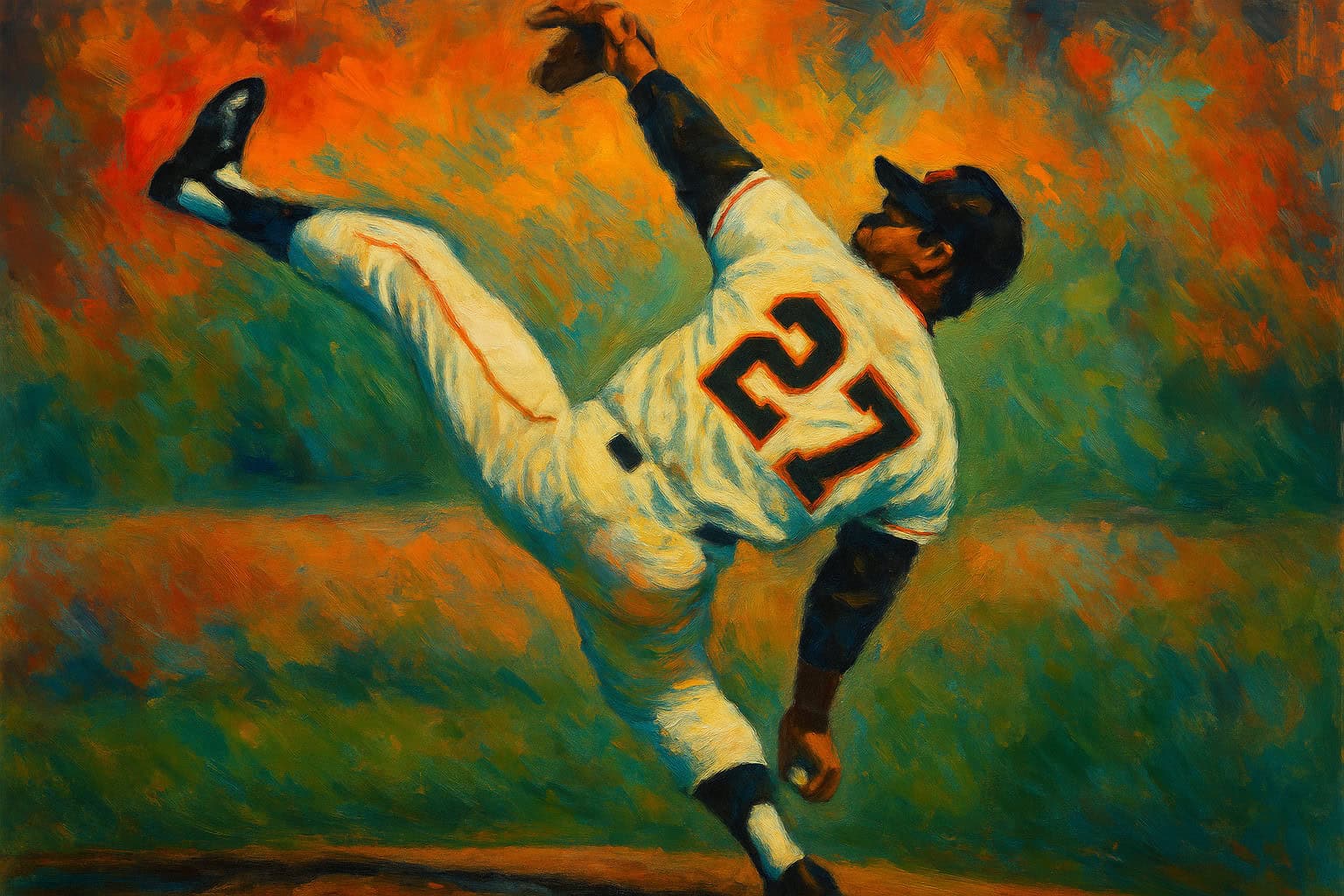
Marichal’s two All-Star starts in 1965 and 1967, including his 1965 MVP performance, showcased the high leg kick and pinpoint control that made him the National League’s most artistic pitcher. His smooth delivery and competitive fire brought Dominican flair to the Midsummer Classic, proving that style and substance could coexist on baseball’s biggest stage. The Dominican Dandy’s All-Star starts were exhibitions in how to make pitching look like poetry in motion.
Red Ruffing: The Yankee Ace’s Two All-Star Starting Calls
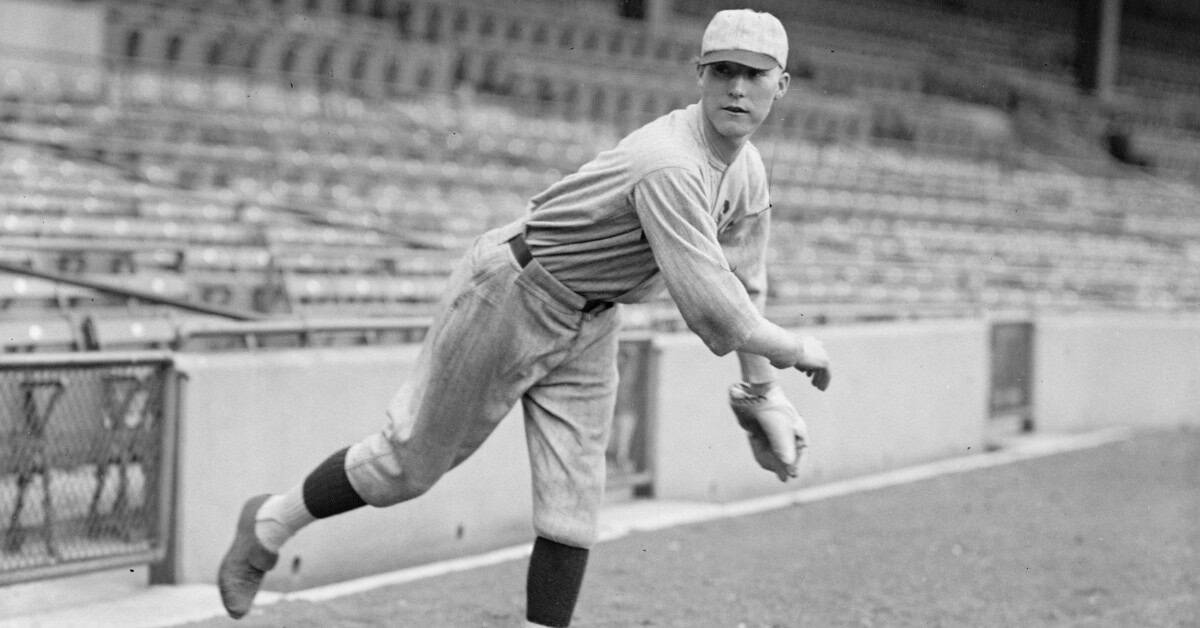
Ruffing’s two All-Star starts in 1939 and 1940 brought Yankee championship pedigree to the early days of the Midsummer Classic, with his powerful right arm and clutch gene making him the perfect big-game pitcher. His ability to hit as well as pitch made him a unique dual threat in an era when pitchers were expected to contribute with their bats. Red Ruffing was the complete package when complete packages were the norm, not the exception.
Dizzy Dean: Ol’ Diz’s Two All-Star Starting Performances
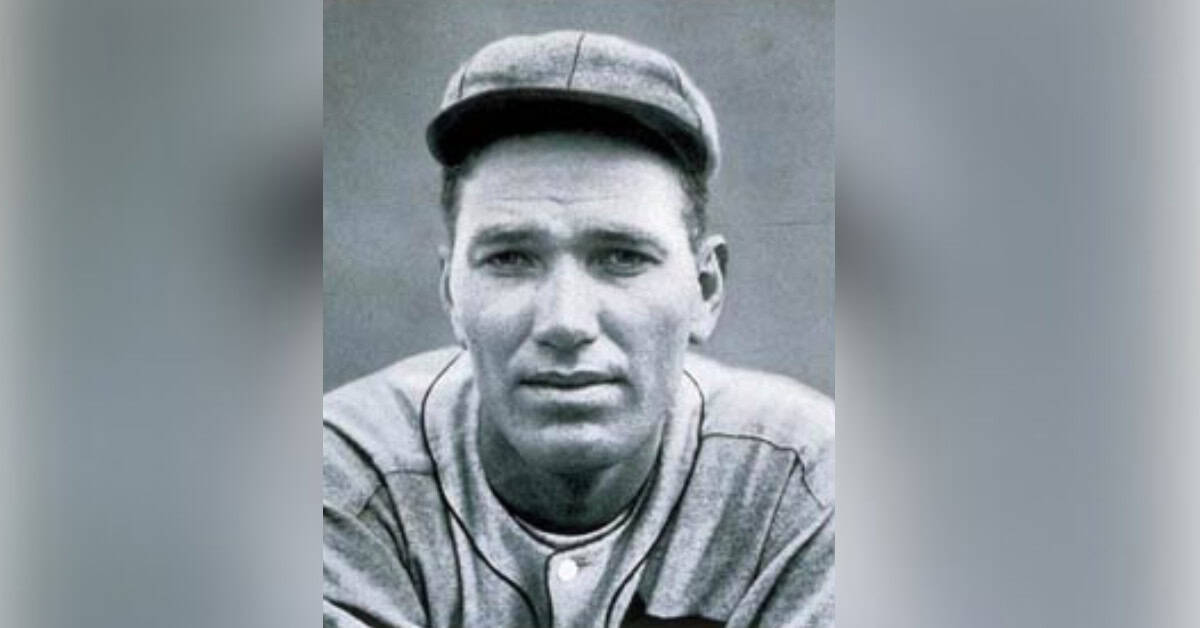
Dean’s two All-Star starts in 1936 and 1937 brought his larger-than-life personality to baseball’s biggest stage, with his blazing fastball and colorful quotes making him the perfect entertainer for the early All-Star Games. His confidence and showmanship masked a fierce competitor who could back up every boast with dominant pitching performances. Ol’ Diz proved you could be baseball’s biggest character and its best pitcher at the same time.
Bob Feller: Rapid Robert’s Two All-Star Fastball Exhibitions
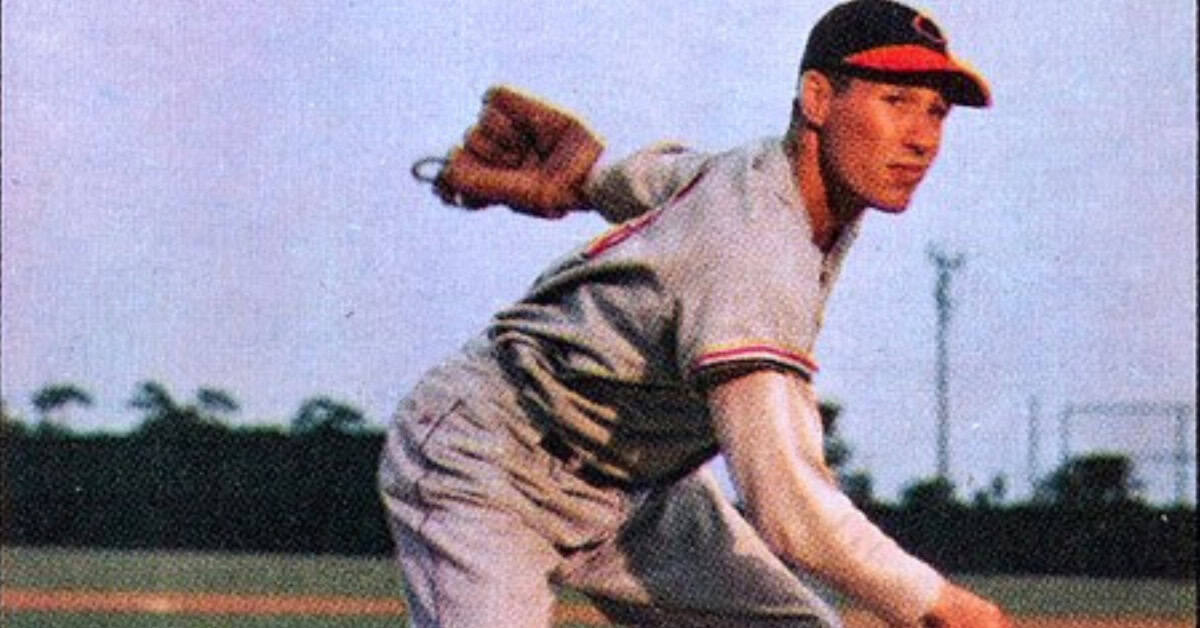
Feller’s two All-Star starts in 1941 and 1946 showcased the blazing fastball that made him baseball’s first true power pitcher, with his Iowa farm-boy strength generating velocity that seemed impossible for the era. His military service cost him prime All-Star opportunities, but his performances proved pure speed could dominate even the best hitters. Rapid Robert’s All-Star starts were previews of the power pitching revolution that would transform baseball.
Vic Raschi: The Springfield Rifle’s Two All-Star Starting Honors
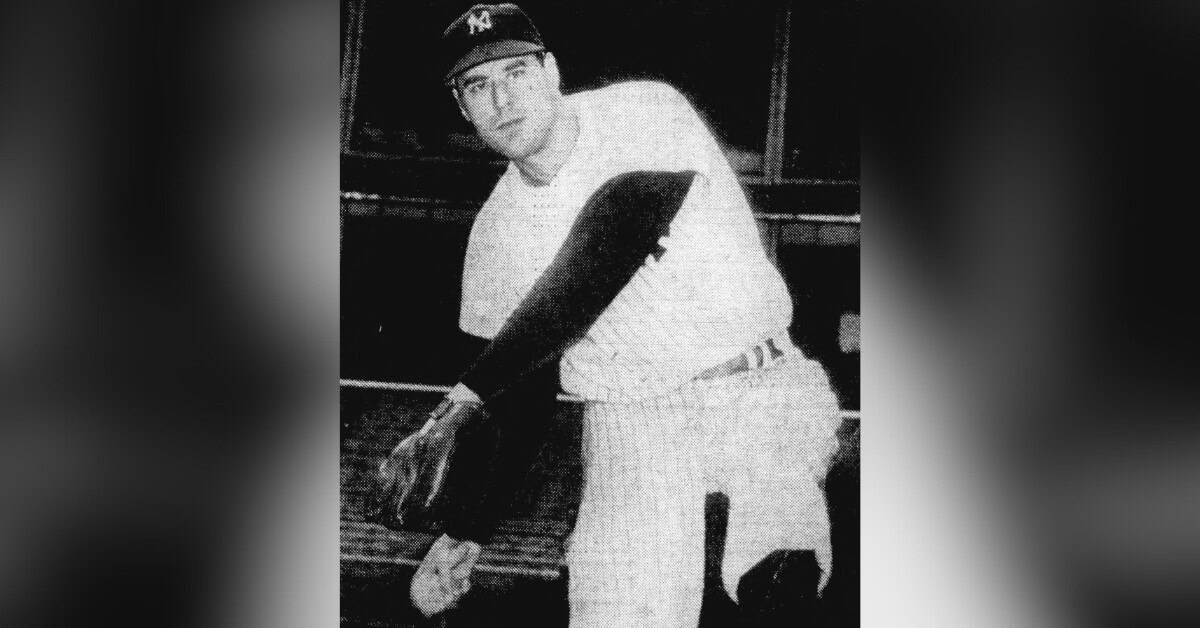
Raschi’s two All-Star starts in 1950 and 1952 brought Yankee championship intensity to the Midsummer Classic, with his powerful right arm and no-nonsense approach making him the perfect big-game pitcher. His clutch gene and competitive fire helped anchor those great Yankees teams through their golden era, proving that workmanlike excellence could be just as valuable as flashy talent. The Springfield Rifle fired bullets when bullets were needed most.
Steve Carlton: Lefty’s Two All-Star Slider Showcases
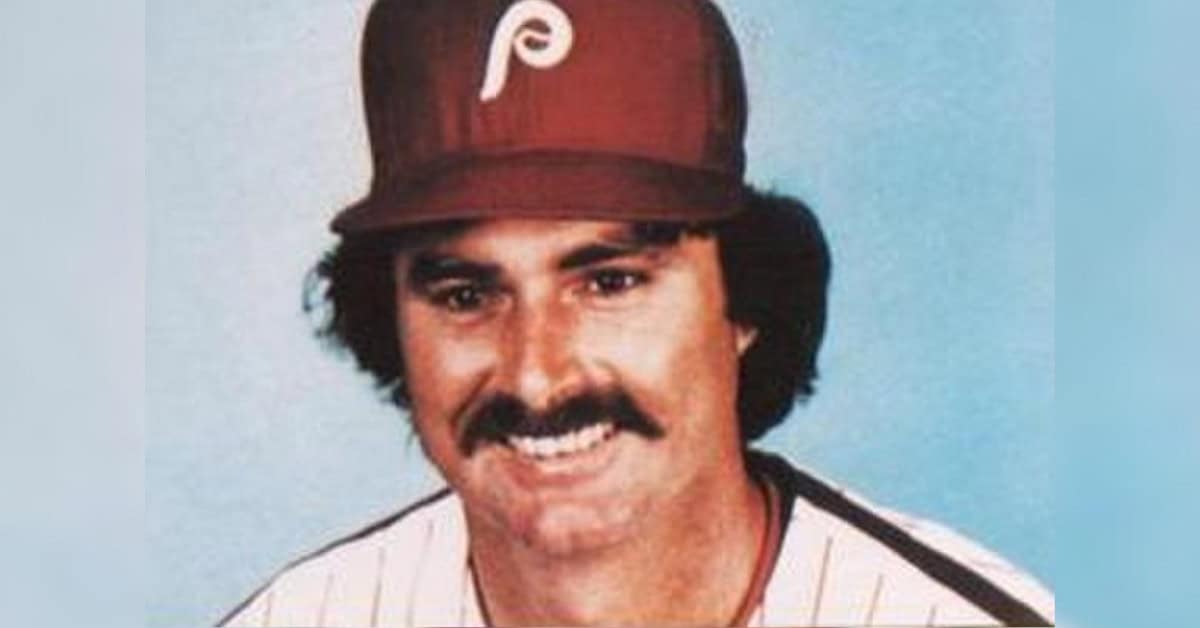
Carlton’s two All-Star starts in 1969 and 1979 demonstrated the devastating slider that made him the most dominant left-hander of his generation, with his silent intensity and competitive fire making him the perfect representative for 1970s baseball. His four Cy Young Awards and 329 career wins proved that consistency and excellence could coexist over two decades. Lefty’s All-Star starts were clinics in how to make the best hitters in baseball look helpless with one devastating pitch.
Pedro Martinez: The Artist’s One All-Star Start and MVP Masterpiece

Martinez’s lone All-Star start in 1999, which earned him MVP honors, showcased the perfect blend of power and precision that made him the most dominant pitcher of the late 1990s. His changeup and fastball combination created a symphony of swing-and-miss that turned Fenway Park into his personal concert hall. Pedro’s All-Star MVP performance was a masterpiece painted on baseball’s biggest canvas, proving that artistry and dominance were the same thing when executed to perfection.