

Last Updated: June 17th, 2026 by Michael Schatz
The 1950s were baseball’s golden age behind the plate, when catching was as much about grit and guile as it was about statistics. These were the men who called the shots, literally and figuratively, in an era when a catcher’s mitt was more like a leather pancake and protective gear was often considered optional for the truly brave.
Don't lose this article. Enter your email below, and I'll send it to you right now. Plus, we'll send you other unbelievable stories from baseball's past.
Yogi Berra – The Yankee Legend Who Made Catching Look Easy

The man who turned malapropisms into philosophy won three MVP awards in the 1950s while anchoring the Yankees’ dynasty. Berra’s 1950 season was otherworldly—656 plate appearances and just 12 strikeouts, a feat that seems impossible in today’s game. He played in 14 World Series and won 10 championships, proving that sometimes the best strategy is simply knowing how to handle whatever comes your way, whether it’s a knuckleball or a clubhouse full of egos.
Roy Campanella – Brooklyn’s Three-Time MVP Behind the Plate

Campy’s infectious smile and thunderous bat made him the heart of Brooklyn’s “Boys of Summer.” His three MVP awards (1951, 1953, 1955) matched Berra’s total, and his 1953 season—41 home runs and 142 RBIs—remains one of the greatest offensive seasons by a catcher. More than statistics, Campanella brought joy to the game, calling pitches with the enthusiasm of a kid playing stickball and hitting home runs that landed on Bedford Avenue with the crack of summer thunder.
Sherm Lollar – The White Sox Workhorse Who Caught Every Day

While others grabbed headlines, Lollar simply showed up and did the job with workmanlike precision on Chicago’s South Side. He caught over 140 games in four different seasons during the 1950s, a testament to both his durability and his manager’s trust. His .264 career batting average doesn’t tell the full story of his clutch hits in key moments, or the way he handled a pitching staff that included Early Wynn and Billy Pierce with the steady hand of a craftsman who understood that consistency beats flash every time.
Del Crandall – Milwaukee’s Defensive Wizard with the Golden Glove
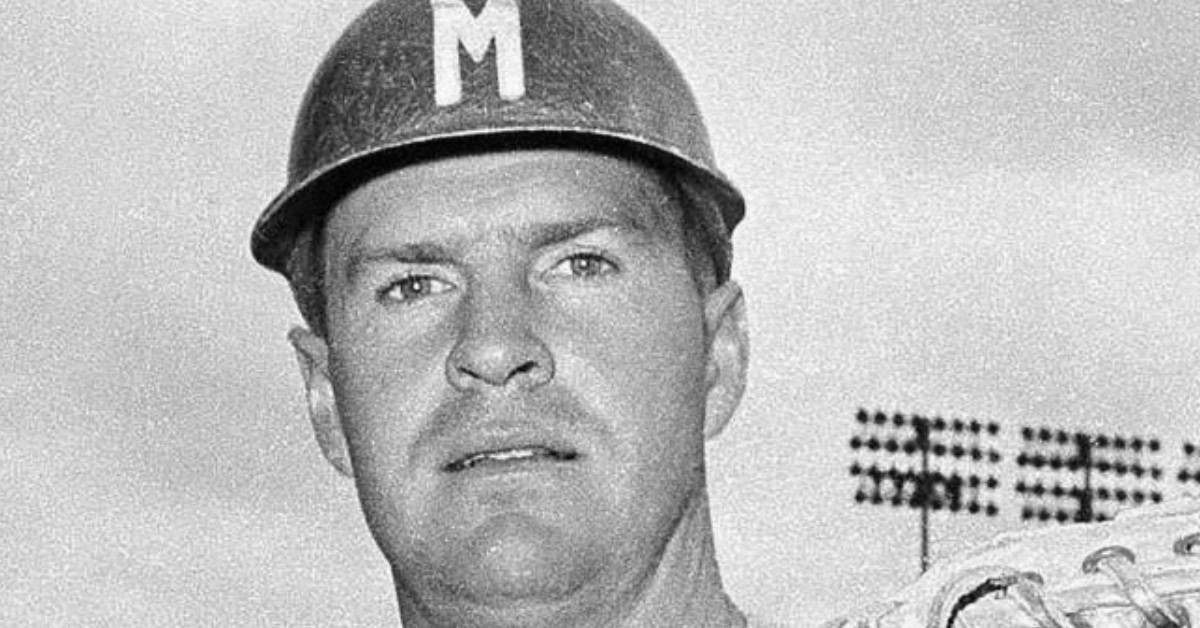
When the Gold Glove Award was introduced in 1957, Crandall immediately claimed the first two National League honors for catchers. His quick release and rifle arm made base stealers think twice about testing him, while his pitch-calling helped guide the Milwaukee Braves to their 1957 World Series championship. Crandall’s defensive prowess was so respected that opposing managers would alter their game plans when he was behind the plate, knowing that the running game was essentially off the table.
Smoky Burgess – The Pinch-Hit King Who Could Also Call a Game
Forrest “Smoky” Burgess earned his reputation with a bat that could find gaps like smoke finding cracks. His .295 career batting average was exceptional for a catcher, and his ability to come off the bench and deliver clutch hits made him invaluable to multiple teams throughout the decade. Burgess proved that catching wasn’t just about defense—sometimes the best call you could make was a swing that sent a baseball into the seats when your team needed it most.
Sammy White – Boston’s Steady Hand Through the Ted Williams Era
White had the unenviable task of being the Red Sox’s primary catcher during Ted Williams’ final great seasons, which meant calling games while one of baseball’s most discerning hitters watched from the on-deck circle. His steady .262 batting average and reliable defense provided the foundation for Boston’s competitive teams of the mid-1950s. White understood that catching for the Red Sox meant being part of a show where Williams was the star, but his quiet professionalism and game-calling intelligence made him an essential supporting actor in Fenway’s daily drama.
Gus Triandos – The Gentle Giant Who Caught Hoyt Wilhelm’s Knuckleball
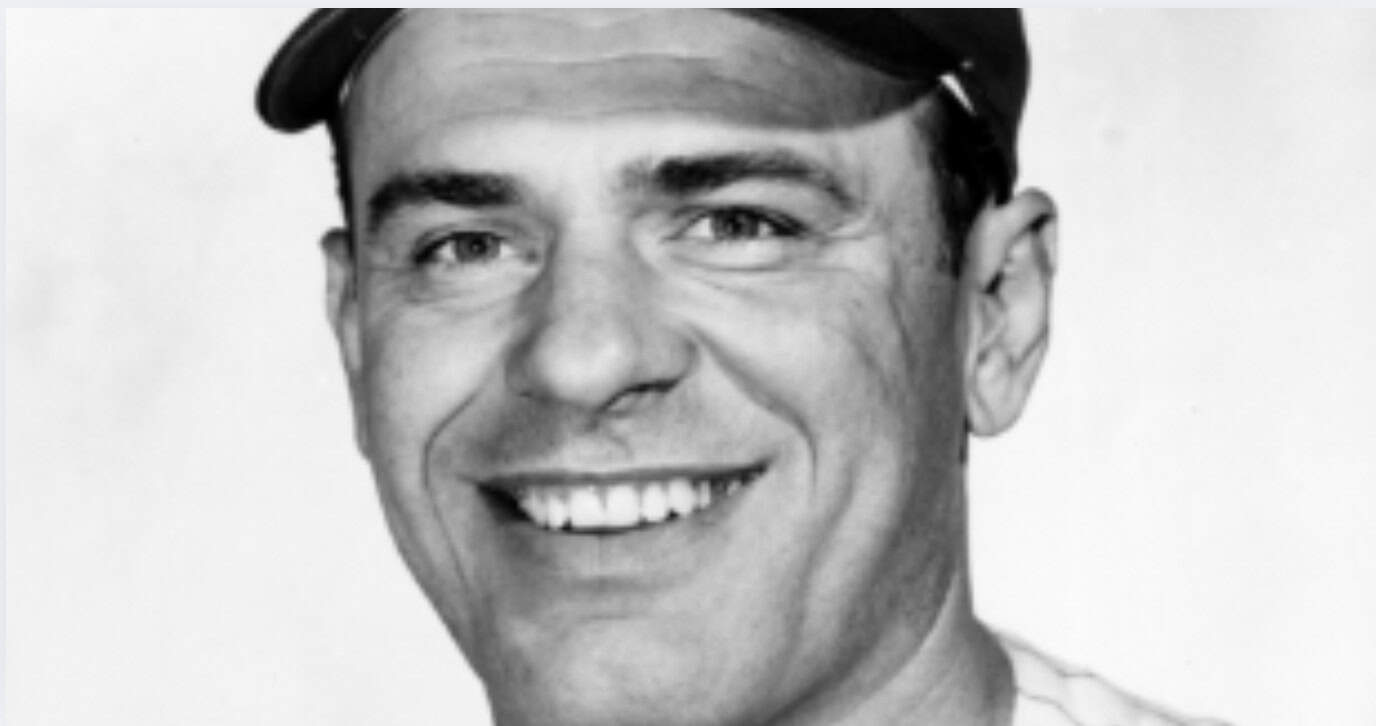
At 6’3″ and 220 pounds, Triandos was a giant among 1950s catchers, but his greatest challenge came from a pitch that weighed five ounces and danced like a butterfly. Catching Hoyt Wilhelm’s knuckleball required patience, reflexes, and probably a good chiropractor, but Triandos handled the task with quiet dignity. His 30 home runs in 1958 showed he could hit as well as catch, but his legacy remains tied to those afternoons when he’d squat behind the plate and somehow corral Wilhelm’s unpredictable offerings, one impossible pitch at a time.
Walker Cooper – The Cardinal Turned Giant with the Cannon Arm
Cooper’s arm was so strong that runners would take shorter leads just knowing he was behind the plate. After helping the Cardinals to World Series titles in the 1940s, Cooper brought his veteran leadership and power bat to the Giants, where he remained a fan favorite at the Polo Grounds. His ability to gun down would-be base stealers, sometimes from his knees, became the stuff of legend, proving his immense value on both offense and defense.
Jim Hegan – Cleveland’s Defensive Ace Who Made Pitchers Look Great

Hegan’s .228 career batting average tells only half the story—the other half is written in the earned run averages of the pitchers he caught. His defensive wizardry behind the plate helped Cleveland’s pitching staff post some of the lowest ERAs in the American League during the 1950s. His ability to frame pitches and call games made average pitchers look good and good pitchers look great. Hegan proved that catching isn’t always about personal statistics; sometimes a catcher’s value is measured by the success of his pitchers, and by that standard, few could match his excellence.
Andy Seminick – The Tough-as-Nails Phillie Who Played Through Pain
Seminick embodied the blue-collar toughness that defined 1950s baseball, playing through injuries that would sideline modern players for weeks. As a key member of the 1950 “Whiz Kids,” he set the tone for a decade of solid production, and his willingness to block the plate made him a favorite among Philadelphia’s demanding fans. Seminick’s career was built on the principle that showing up was half the battle, and his gritty determination behind the plate reflected the working-class values of the city he represented with pride and passion.
Wes Westrum – The Giants’ Home Run Threat Who Knew How to Frame
Westrum’s 20 home runs in 1951 helped power the Giants to their miracle pennant, but his real value came from his ability to make borderline pitches look like strikes. His pitch-framing skills were legendary among umpires and opposing hitters alike, and his game-calling helped Giants pitchers consistently outperform their peripheral statistics. Westrum understood that catching was equal parts athletics and theater, and his subtle art of presentation behind the plate made him one of the most respected backstops in the National League throughout the decade.
Ed Bailey – Cincinnati’s Power-Hitting Backstop

Bailey’s 28 home runs in 1956 announced his arrival as one of the National League’s most dangerous offensive catchers, and his consistent power production throughout the decade made him a cornerstone of Cincinnati’s lineup. His ability to drive in runs while handling a pitching staff showed the evolving nature of the catching position, where offense was becoming as important as defense. Bailey’s smooth swing and gap power made him a favorite at Crosley Field, where his home runs often landed near the Ohio River, carried by the summer breeze and the hopes of Reds fans.
Stan Lopata – Philadelphia’s Slugging Catcher with the Quick Release
Lopata’s 32 home runs in 1956 represented the perfect marriage of power and precision, as his quick release and strong arm made him equally dangerous behind the plate and in the batter’s box. His Polish heritage made him a hero in Philadelphia’s ethnic neighborhoods, where fans would gather to hear his at-bats. Lopata proved that catchers could be complete players, combining defensive excellence with offensive firepower in an era when such versatility was rare and precious.
Elston Howard – The Yankee Pioneer Who Broke Barriers Behind the Plate
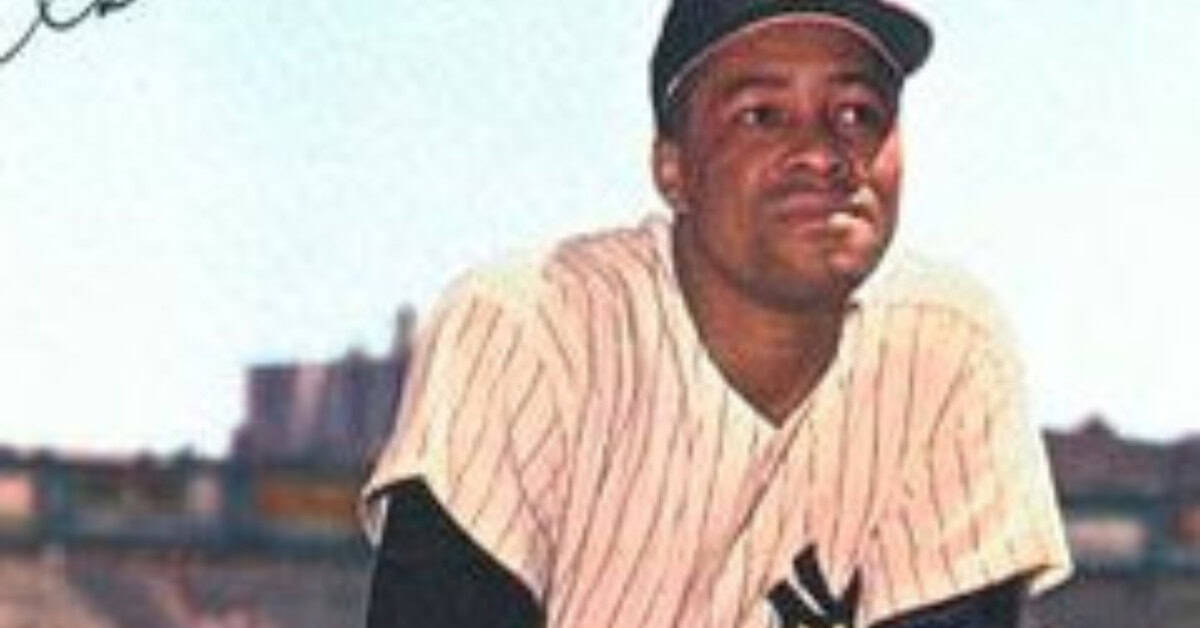
Howard became the first African American to wear Yankees pinstripes in 1955, breaking the color barrier for baseball’s most successful franchise with quiet dignity and exceptional skill. His emergence in the late 1950s as Yogi Berra’s successor showed that talent transcends race, and his smooth swing and intelligent game-calling helped maintain the Yankees’ championship tradition. Howard’s journey from the Negro Leagues to the Bronx represented more than personal achievement; it symbolized baseball’s slow but inevitable march toward equality, one perfectly called game at a time.
Del Rice – The Veteran Journeyman Who Caught for Seven Teams
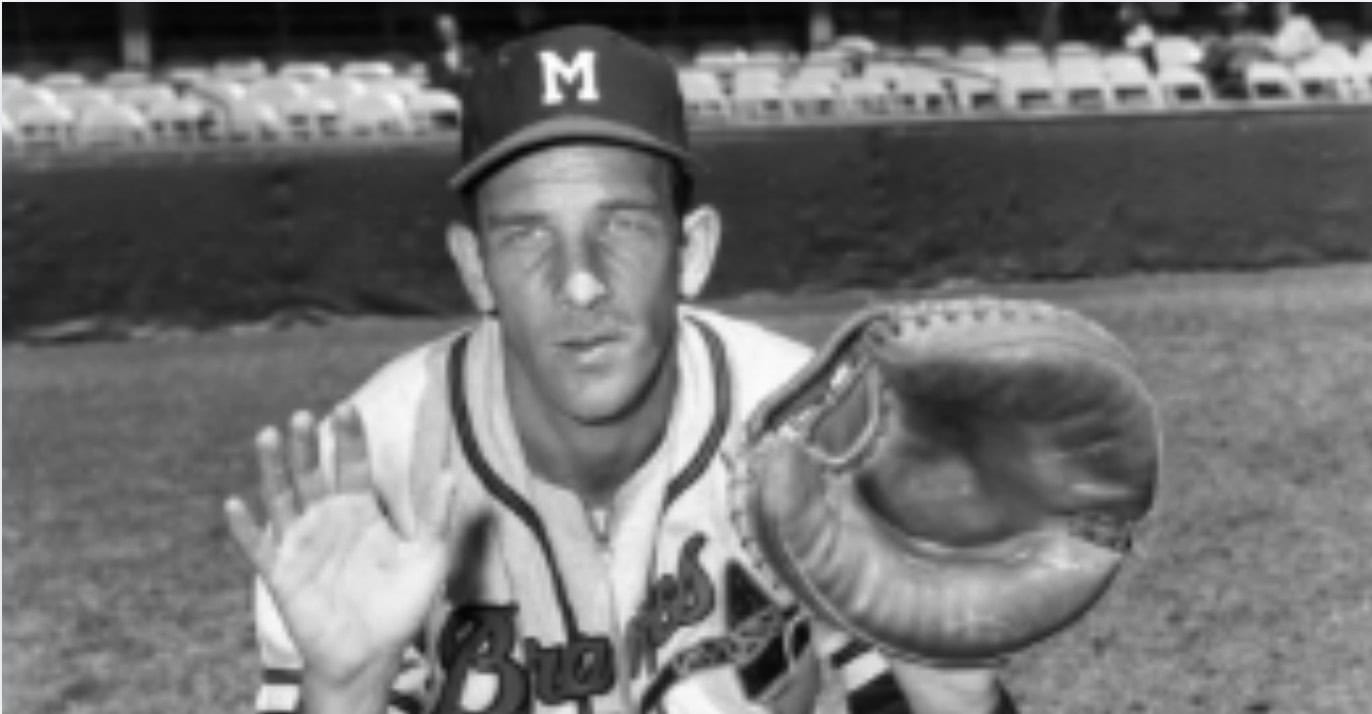
Rice’s 17-year career took him from St. Louis to Milwaukee to Baltimore and beyond, making him the ultimate baseball nomad who could set up shop behind any plate and make it home. His .237 career batting average masked his true value as a defensive specialist and veteran leader who could handle any pitching staff and mentor younger players. Rice represented the journeyman ideal of 1950s baseball, where loyalty was earned through competence and professionalism, and where a man’s worth was measured not by his statistics but by his willingness to do whatever job was needed, wherever it needed to be done.