

Last Updated: June 17th, 2026 by Michael Schatz
The 1950s were baseball’s golden age, when players wore flannel uniforms that stuck to their backs in summer heat and the crack of the bat echoed through intimate ballparks filled with cigarette smoke and the smell of hot dogs. While names like Mantle, Mays, and Aaron dominated headlines, these ten remarkable players quietly built Hall of Fame careers that somehow slipped through the cracks of history.
Don't lose this article. Enter your email below, and I'll send it to you right now. Plus, we'll send you other unbelievable stories from baseball's past.
Richie Ashburn: The Whiz Kid Who Never Got His Due
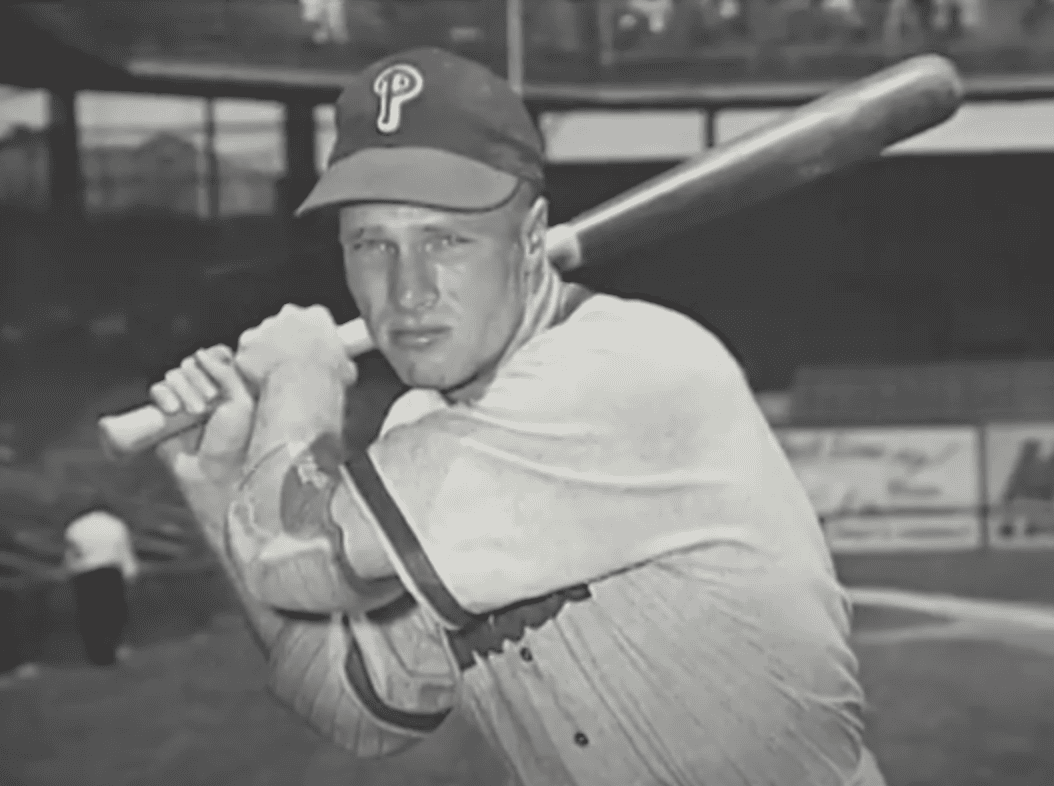
Richie “Putt Putt” Ashburn was the heart of Philadelphia’s 1950 “Whiz Kids” pennant winners, a scrappy center fielder who hit .308 over 15 seasons while covering more ground than a traveling salesman. The Nebraska native led the National League in hits three times during the decade, including 221 in 1951, yet somehow remained overshadowed by flashier stars. His 2,574 career hits and incredible plate discipline—he walked nearly 1,200 times while striking out just 571—made him one of the era’s most complete players, finally earning Hall of Fame recognition in 1995.
Nellie Fox: The Mighty Mite With the Magic Glove

At just 5’10” and 160 pounds, Nellie Fox was the anchor of Chicago’s “Go-Go” White Sox, a second baseman who played 156 games in 1959 while batting .306 and earning AL MVP honors. The Pennsylvania native was virtually impossible to strike out, fanning only 216 times in 19 seasons while collecting 2,663 hits and turning double plays with balletic precision. His chewing tobacco bulge was as famous as his glove work, and he led the White Sox to their first pennant in 40 years, proving that heart often trumps size in America’s pastime.
Billy Pierce: The Southpaw Who Made Batters Dizzy
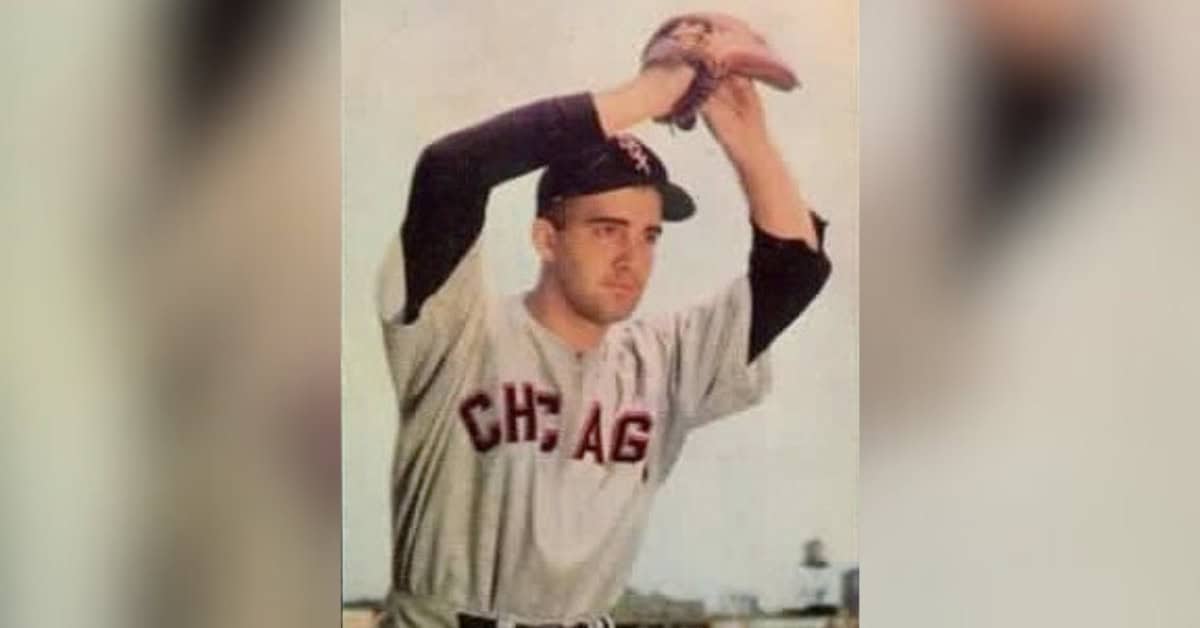
Billy Pierce was the ace of Chicago’s staff throughout the 1950s, a left-handed craftsman who posted a microscopic 1.97 ERA in 1955 while winning 15 games despite losing four heartbreaking 1-0 decisions. The Detroit native’s curveball was so sharp it could cut glass, and he led the American League in strikeouts in 1953 with 186 while throwing four one-hitters during his career. Pierce won 20 games in 1956 and 1957, anchoring the White Sox rotation that would eventually capture the 1959 pennant, yet his 211 career wins somehow weren’t enough to earn Cooperstown recognition.
Minnie Miñoso: Baseball’s First Cuban Sensation
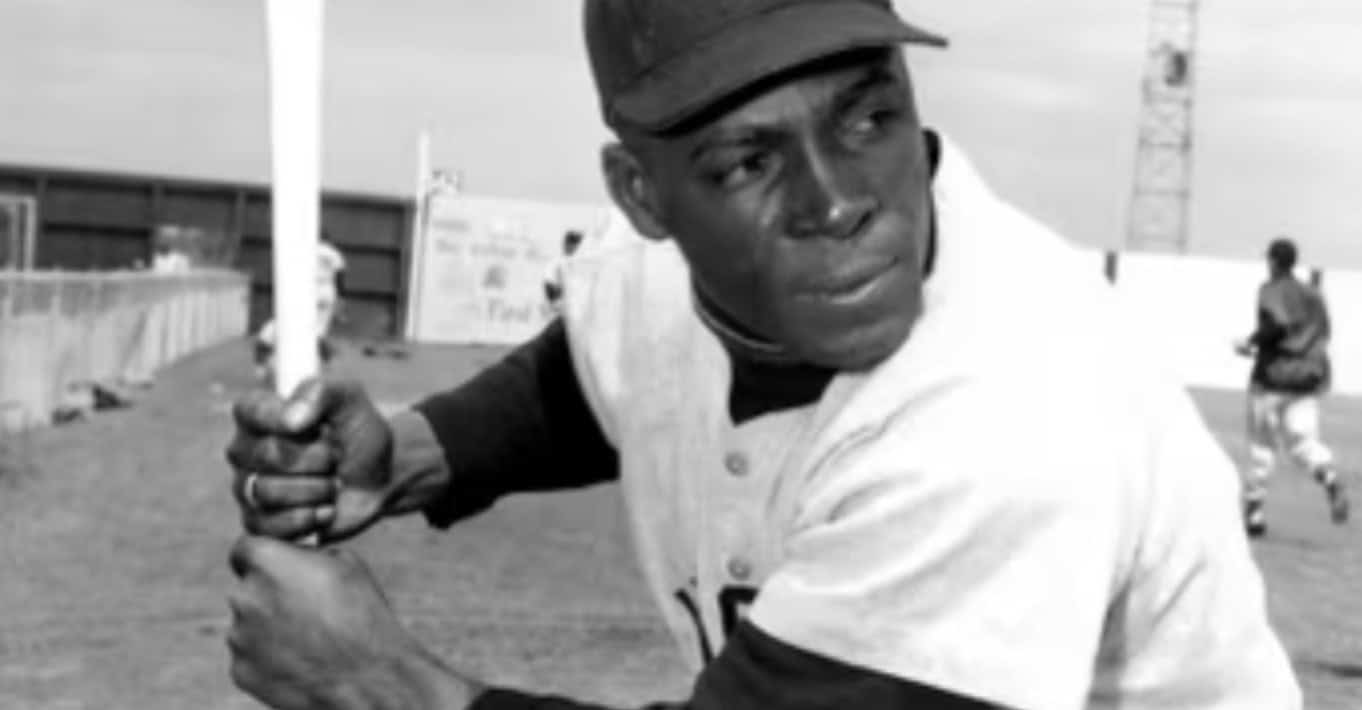
Nicknamed “the Cuban Comet,” Minnie Miñoso blazed trails as one of baseball’s first Latino superstars, bringing flair and fire to the Chicago White Sox. The former Negro League standout hit .299 over a career that spanned parts of five decades, leading the AL in stolen bases three times while becoming the first Black player in White Sox history in 1951. His aggressive style—he was hit by pitches 192 times in his career—and infectious smile made him a fan favorite, where he helped integrate baseball with the same courage Jackie Robinson showed in Brooklyn.
Gil Hodges: Brooklyn’s Gentle Giant at First Base

Gil Hodges was the rock-steady first baseman for Brooklyn’s “Boys of Summer,” a quiet Indiana native who hit 370 career home runs while providing Gold Glove defense at first base. During the 1950s, he averaged 30 homers and 101 RBIs per season, helping the Dodgers win their only World Series in Brooklyn in 1955. His gentle demeanor off the field contrasted sharply with his clutch hitting, and after decades of debate, his greatness was finally recognized with a posthumous election to the Hall of Fame in 2022, correcting what many considered one of Cooperstown’s greatest oversights.
Harvey Kuenn: The Hitting Machine Everyone Forgot
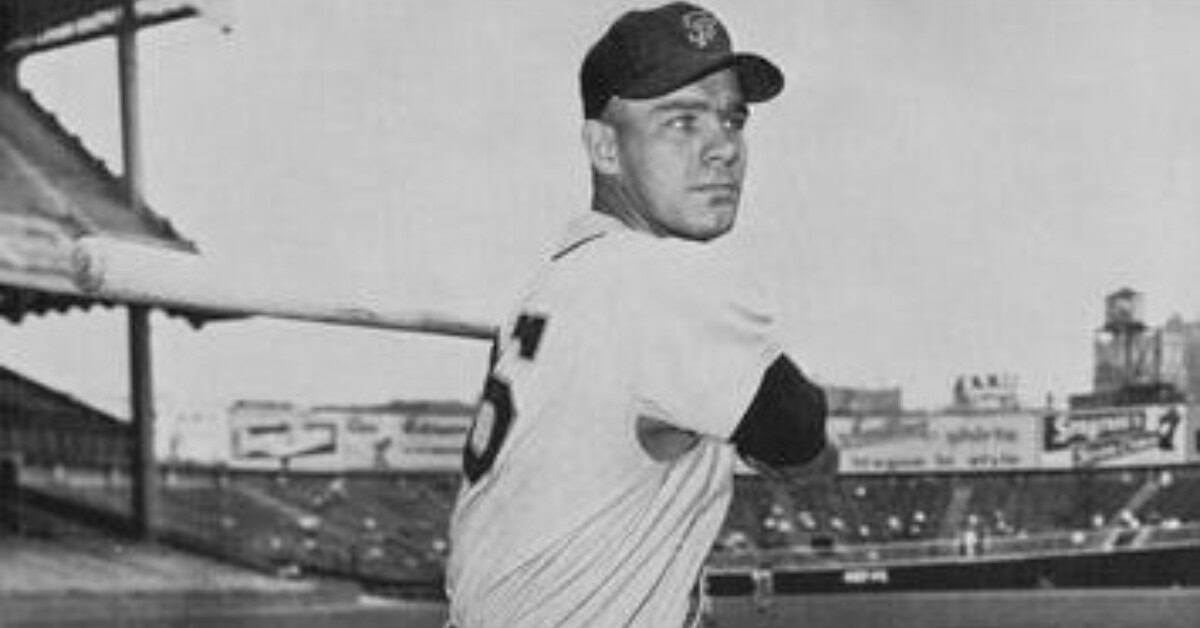
Harvey Kuenn was pure hitting poetry in motion, a Wisconsin native who won the 1953 AL Rookie of the Year award and the 1959 batting title with a .353 average for Detroit. The smooth-swinging outfielder collected 2,092 hits over 15 seasons, leading the league in hits four times while rarely striking out—fanning just 496 times in 7,048 career at-bats. His textbook swing and consistent production made him one of the most reliable hitters of his generation, yet he’s been largely forgotten despite posting a .303 career average and earning eight All-Star selections.
Red Schoendienst: The Cardinal Who Could Do It All
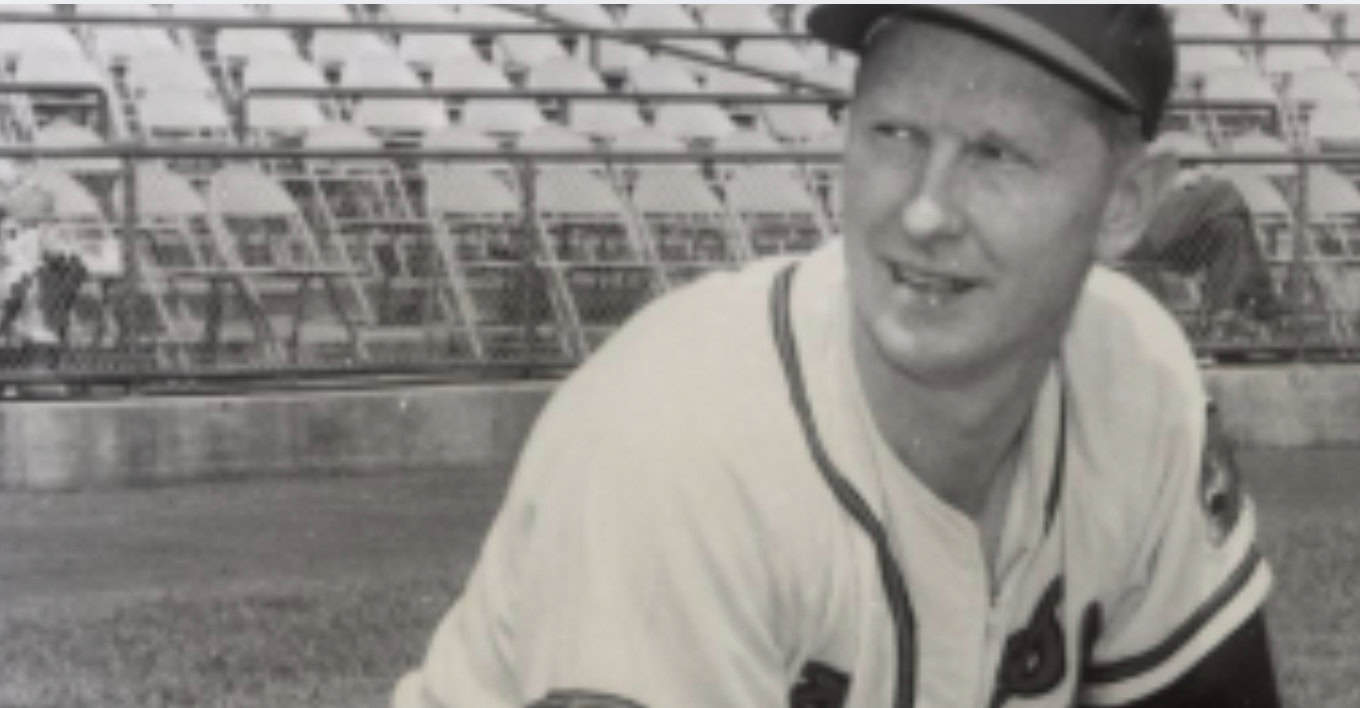
Red Schoendienst was the Swiss Army knife of 1950s baseball, a versatile infielder who played 19 seasons while hitting .289 and earning 10 All-Star selections. The Illinois native was a master of the hit-and-run, leading the National League in hits twice while providing stellar defense at second base. His clutch hitting in the 1957 World Series helped Milwaukee capture their only championship, and his baseball IQ was so respected that he later managed the Cardinals to two pennants and a World Series title in the 1960s, finally earning Hall of Fame recognition in 1989.
Allie Reynolds: The Superchief Who Dominated October
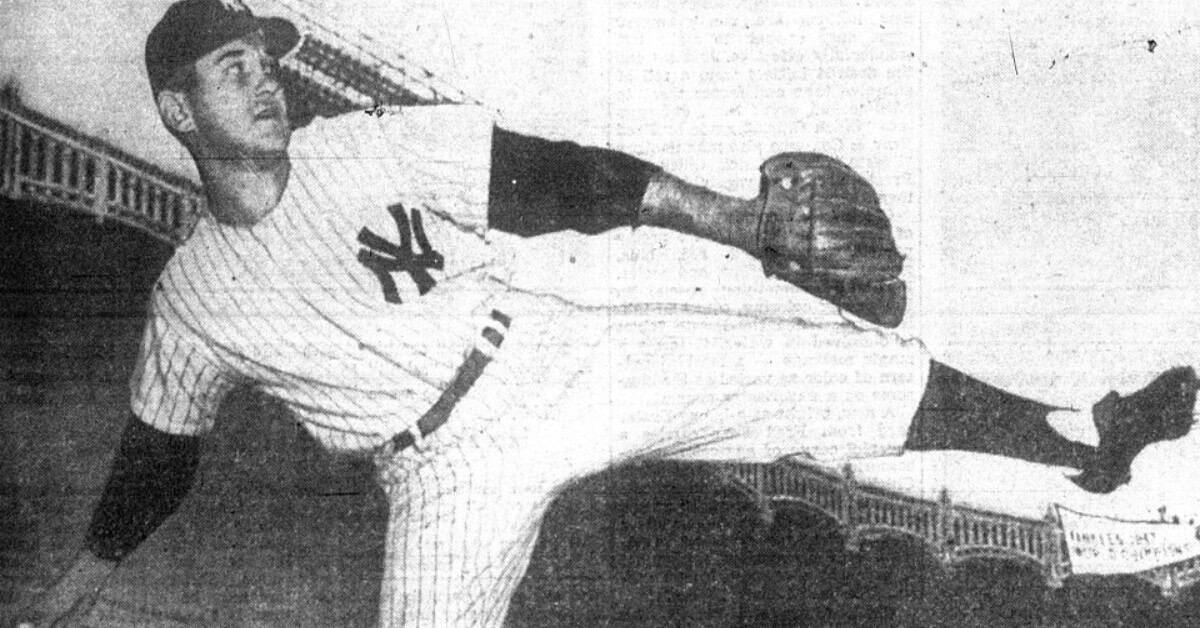
Allie “Superchief” Reynolds was the unsung hero of the Yankees’ 1950s dynasty, a Creek Nation native who won 131 games for New York while posting a 3.30 ERA and throwing two no-hitters in 1951. The Oklahoma native was virtually unhittable in October, going 7-2 with a 2.79 ERA in World Series play while helping the Yankees win six championships. His blazing fastball and sharp slider made him one of the era’s most feared pitchers, yet he’s often overshadowed by teammates like Whitey Ford despite being equally crucial to New York’s unprecedented success.
Vern Stephens: The Shortstop Who Hit Like a Slugger

Vern Stephens revolutionized the shortstop position by hitting with power that belonged in the middle of the lineup, smashing 247 career home runs while providing solid defense. The California native led the American League in RBIs twice, driving in 159 runs in 1949 and 144 in 1950 for the Red Sox. His ability to hit 30+ home runs from shortstop was unprecedented for his era, and he finished his career with 1,174 RBIs—numbers that would be Hall of Fame worthy if he’d played any other position during an era when shortstops were expected to be slick fielders, not sluggers.
Larry Doby: The Quiet Pioneer Who Blazed Trails

Larry Doby broke baseball’s color barrier in the American League just months after Jackie Robinson, yet his pioneering role has been largely overshadowed. The South Carolina native was a seven-time All-Star who hit .283 over 13 seasons, leading the AL in home runs twice while helping Cleveland win the 1948 World Series. His quiet dignity in the face of racial hostility matched his explosive power at the plate—he hit 253 career home runs and was the first Black player to hit a home run in World Series play, earning Hall of Fame recognition in 1998 for his contributions both on and off the field.