
Last Updated: June 17th, 2026 by Michael Schatz
The 1970s were baseball’s golden age of unsung heroes—players who toiled in the shadows of superstars while quietly building Hall of Fame-caliber careers. These were the guys your dad respected, the ones who made the game look effortless while everyone else was watching the flashier names. Here are the decade’s most underappreciated talents who deserved so much more recognition.
Don't lose this article. Enter your email below, and I'll send it to you right now. Plus, we'll send you other unbelievable stories from baseball's past.
10. Thurman Munson: The Gritty Catcher Who Made Pinstripes Proud
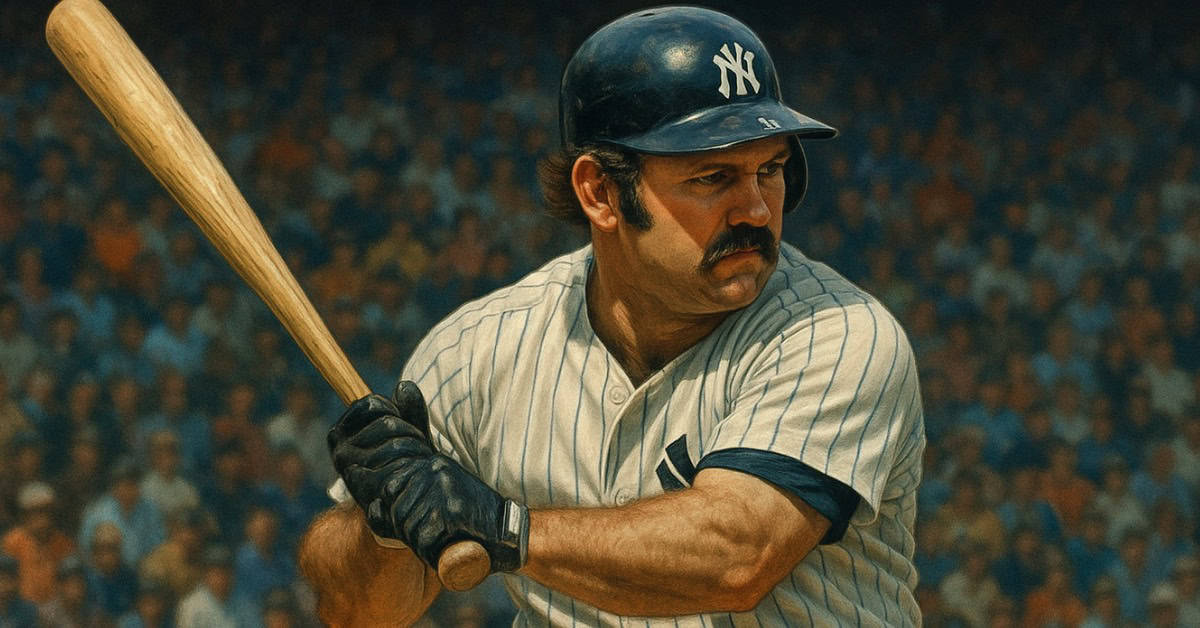
Before his tragic death in 1979, Thurman Munson was the heart and soul of the Yankees’ championship teams. The 1970 Rookie of the Year and 1976 AL MVP became the first American League catcher to win ROY honors. His .292 career average and clutch hitting in October made him the perfect captain for a team that thrived on grit. Munson’s three Gold Gloves and seven All-Star appearances tell only part of the story—he was the guy who made everyone around him better, calling pitches with the wisdom of a veteran and blocking the plate like his life depended on it.
9. Bobby Grich: The Second Baseman Who Made Defense Look Like Art
Bobby Grich turned double plays with the grace of a ballet dancer and the precision of a Swiss watchmaker. His four consecutive Gold Gloves from 1973-1976 with Baltimore barely scratched the surface of his defensive brilliance. Grich also possessed surprising power for his position, showcasing a complete skill set. His .371 career on-base percentage and 125 OPS+ proved he wasn’t just a glove-first player—he was a complete package who could work counts, draw walks, and turn routine grounders into poetry in motion.
8. Darrell Evans: The Third Baseman Who Hit 400 Home Runs in Silence
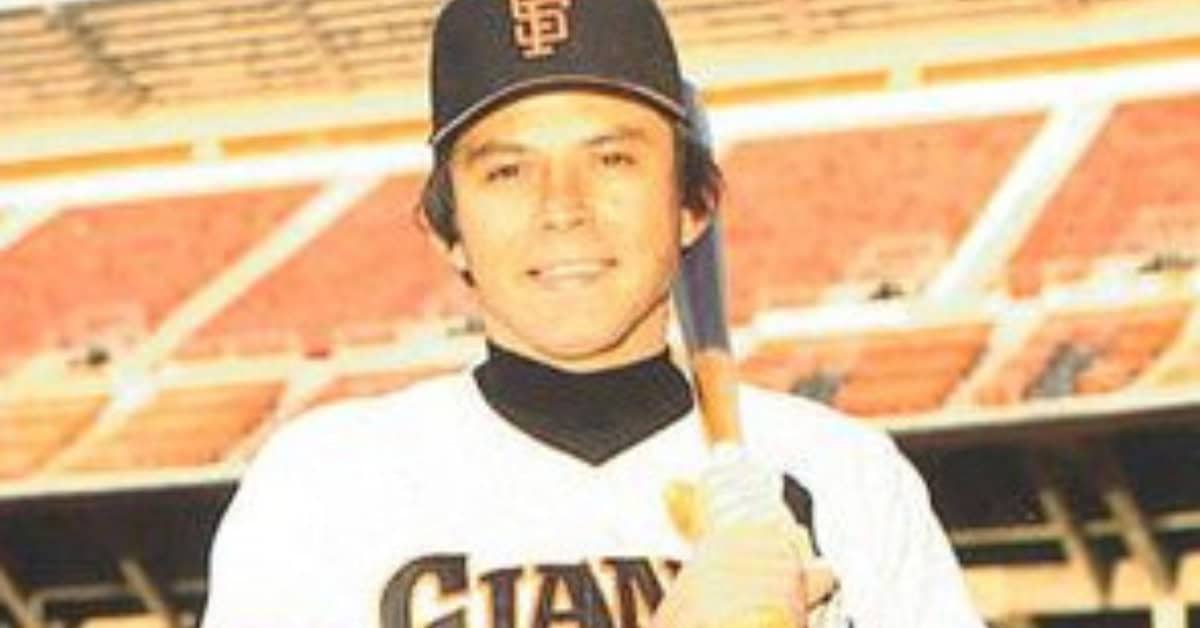
Darrell Evans quietly amassed 414 career home runs while playing for three different teams, becoming one of only 27 players in history to reach 400 at the time of his retirement. In 1973, he joined Hank Aaron and Davey Johnson as the only teammates to each hit 40 homers in the same season. Evans’ patient approach at the plate resulted in 1,605 career walks, ranking eleventh all-time when he retired. His .248 batting average might not jump off the page, but his .361 on-base percentage and ability to draw 100+ walks in four different seasons made him a constant threat. At age 38 in 1985, he proved his longevity by belting 40 homers for Detroit, showing that good hitters just keep hitting.
7. Luis Tiant: El Tiante’s Twisting Delivery Mesmerized Fenway
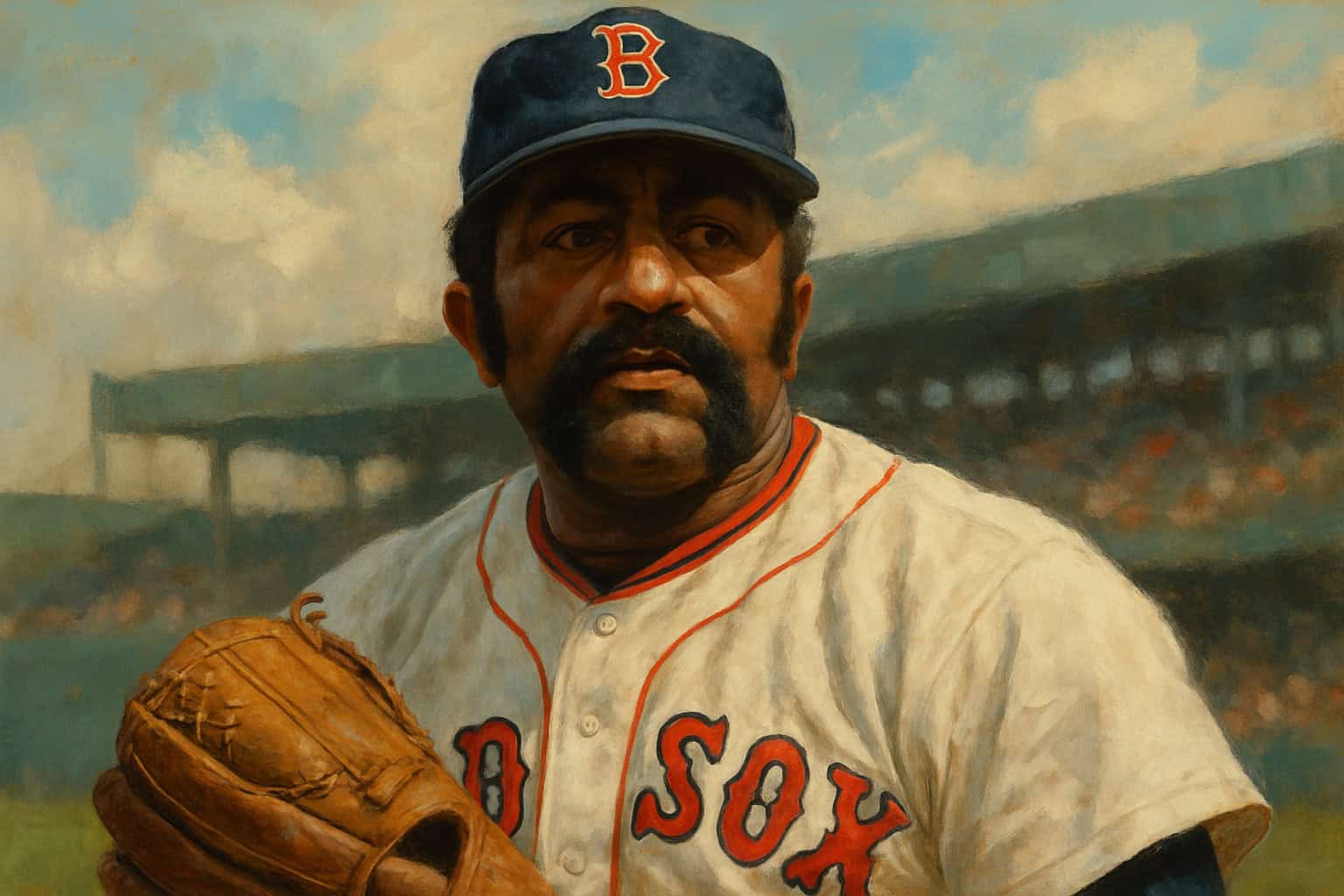
Luis Tiant’s pretzel-like delivery was part vaudeville act, part surgical precision, and it drove hitters absolutely crazy. “El Tiante” would twist his body until he was practically facing second base before unleashing a fastball that seemed to come from nowhere. His 229-172 career record included some of the most dominant stretches in Red Sox history, averaging 17 wins per season from 1972-1978. The three-time All-Star’s 3.30 ERA and 2,416 strikeouts were impressive, but it was his theatrical windup and clutch postseason performances that made him a Fenway legend. When Tiant took the mound, even the Green Monster seemed to lean in to watch.
6. Dwight Evans: The Gold Glove Outfielder Boston Never Forgot
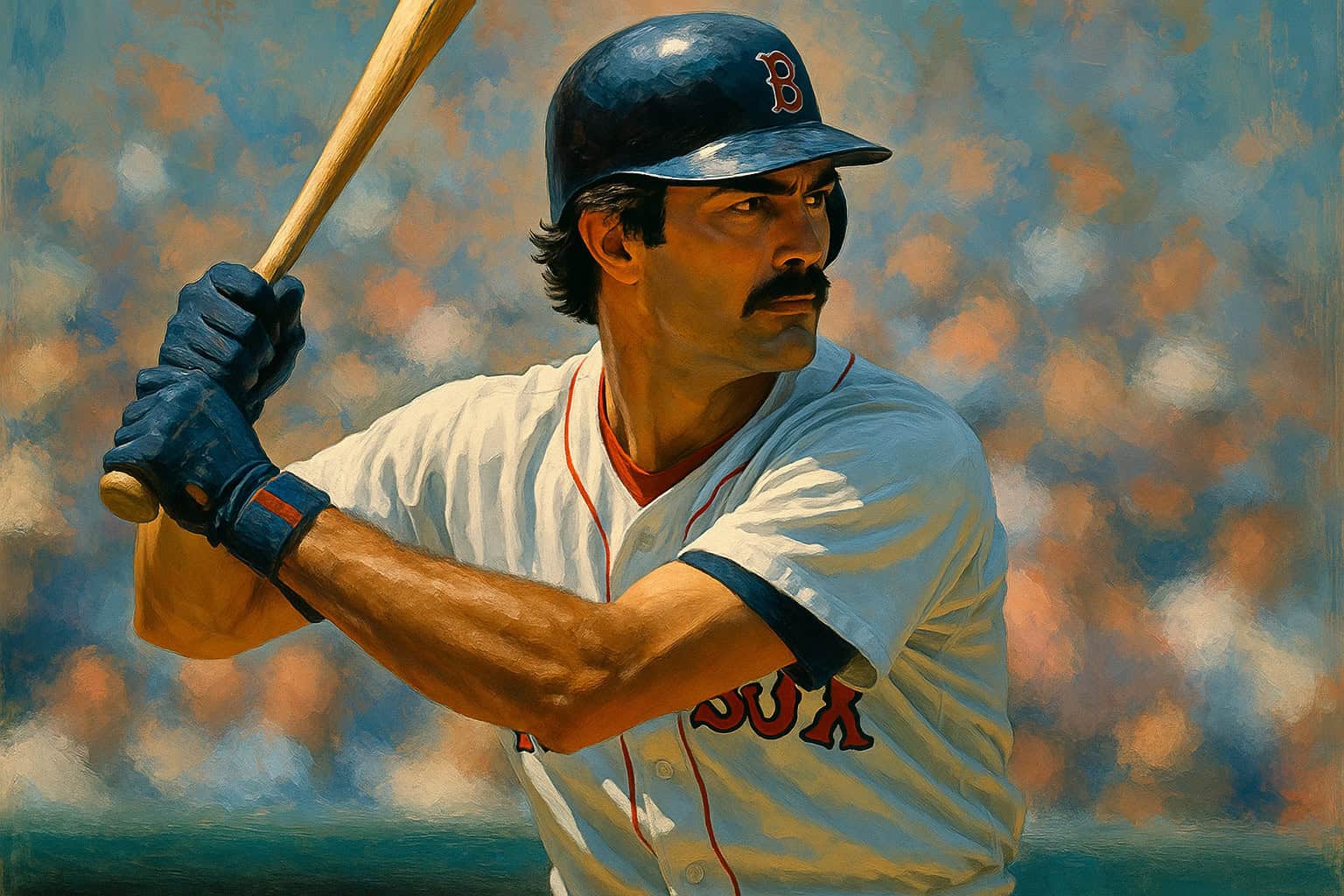
Dwight “Dewey” Evans patrolled Fenway’s right field like a man possessed, turning routine fly balls into highlight-reel catches and throwing out runners who dared to test his cannon arm. His eight Gold Gloves represent the most by any Red Sox player in history. Evans wasn’t just a defensive wizard—he finished his career with 385 home runs, 2,446 hits, and a .370 on-base percentage. His ability to play the tricky caroms off the Green Monster was legendary, and his throwing arm was so respected that runners would hold up at first base on what should have been easy doubles. In an era of flashy sluggers, Evans was the steady professional who made the spectacular look routine.
5. Ted Simmons: The Switch-Hitting Catcher Who Could Really Hit
Ted Simmons redefined what a catcher could be at the plate, hitting .285 over his 21-year career while providing switch-hitting versatility that was rare behind the dish. The eight-time All-Star accumulated 2,472 hits and 248 home runs, numbers that would make any hitter proud, let alone a catcher who spent most of his career in a crouch. Simmons’ 1,389 RBIs ranked among the top catchers in history, and his ability to hit from both sides of the plate made him a constant matchup nightmare for opposing managers. He was the prototype for the modern offensive catcher, proving that you didn’t have to sacrifice hitting ability to excel defensively. His 1980 Silver Slugger award was just one highlight in a career full of consistent excellence.
4. Cesar Cedeno: The Five-Tool Outfielder Who Should’ve Been a Superstar

Cesar Cedeno possessed all five tools in abundance but played his prime years in Houston when the Astros were largely irrelevant nationally. The Dominican outfielder hit .285 with 199 home runs and 550 stolen bases, becoming one of only a handful of players to reach 150 homers and 500 steals. His five Gold Gloves in center field showcased his defensive brilliance, while his speed on the basepaths made him a constant threat. Cedeno’s peak came in the mid-1970s when he averaged .300 with 20 homers and 50 steals, numbers that would make him a superstar in today’s game. Playing in the cavernous Astrodome likely cost him dozens of home runs, but his combination of power, speed, and defense made him one of the decade’s most complete players.
3. Al Oliver: The Consistent Contact Hitter Who Just Kept Producing

Al Oliver was the human equivalent of a professional hitting machine—reliable, versatile, and always ready to get the job done. “Scoop” compiled 2,743 hits over his 18-year career, hitting .303 while playing primarily first base and outfield. His 1982 batting title at age 35 with Montreal (.331) proved his longevity, and his ability to hit for average, power, and drive in runs made him invaluable to every team he played for. Oliver’s seven All-Star appearances and three Silver Slugger awards were just the tip of the iceberg—he was the guy who quietly hit .300 while everyone else was chasing headlines. His smooth swing and professional approach made him a coach’s dream and a pitcher’s nightmare.
2. Bert Blyleven: The Curveball Artist Who Waited Decades for Recognition
Bert Blyleven’s curveball was so devastating that hitters would start their swing and then watch helplessly as the ball dropped off the table. The Dutch-born pitcher’s 287 career wins and 3,701 strikeouts were overshadowed by his lack of Cy Young awards and his teams’ frequent mediocrity. Blyleven’s 60 shutouts rank ninth all-time, and his ability to pitch deep into games made him a manager’s best friend in an era before pitch counts. His 22-year career spanned from 1970-1992, and his consistency was remarkable—he struck out 200+ batters eight times and threw 242 complete games. The Hall of Fame finally recognized his brilliance in 2011, but fans who watched him dominate hitters with that 12-to-6 curveball knew his worth decades earlier.
1. Ken Singleton: The Patient Slugger Who Made Walks Look Cool

Ken Singleton turned plate discipline into an art form, working counts like a chess master and driving pitchers to distraction with his patient approach. The switch-hitting outfielder’s .282 career average and .388 on-base percentage made him one of the most feared hitters in the American League during the 1970s. His three All-Star appearances with Baltimore showcased his ability to hit for average and power while drawing 100+ walks four times. Singleton’s 246 career home runs and 1,065 RBIs were impressive, but working deep counts and forcing pitchers to throw strikes made him truly special. In an era when hitters were taught to be aggressive, Singleton proved that patience was indeed a virtue, setting the table for teammates while quietly building a Hall of Fame-caliber resume.