

Last Updated: June 17th, 2026 by Michael Schatz
The crack of the bat echoed through stadiums where men played with wool uniforms and leather gloves that barely cushioned their palms. The 1950s belonged to right fielders who could gun down runners from the warning track and launch baseballs into the cheap seats where kids clutched scorecards and prayed for foul balls. These were the golden arms and sweet swings that defined a decade of pure baseball magic.
Don't lose this article. Enter your email below, and I'll send it to you right now. Plus, we'll send you other unbelievable stories from baseball's past.
Hank Aaron – The Hammer’s Sweet Swing Revolution

Before he became baseball’s home run king, Henry Aaron was that skinny kid from Mobile who made contact look effortless. Starting with the Milwaukee Braves in 1954, Aaron’s wrists generated power that defied physics, sending baseballs screaming over outfield walls with a swing so smooth it looked like he was swatting flies. His 1957 MVP season helped Milwaukee capture its only World Series, but it was his consistent excellence throughout the decade that marked him as something special. Aaron didn’t just hit home runs; he painted them across the sky with an artist’s precision.
Roberto Clemente – Pittsburgh’s Golden Arm Magician

Roberto Clemente arrived in Pittsburgh in 1955 with an arm that could throw strikes from the right field corner to home plate, making base runners think twice about taking that extra base. The Puerto Rican star possessed a throwing arm so legendary that opposing coaches would warn their players about testing “The Great One.” His batting average never dipped below .300 after 1958, and he collected hits with the passion of a man who understood baseball was poetry in motion. Clemente didn’t just play right field; he transformed it into his personal canvas of athletic artistry.
Al Kaline – Detroit’s Baby-Faced Batting Champion
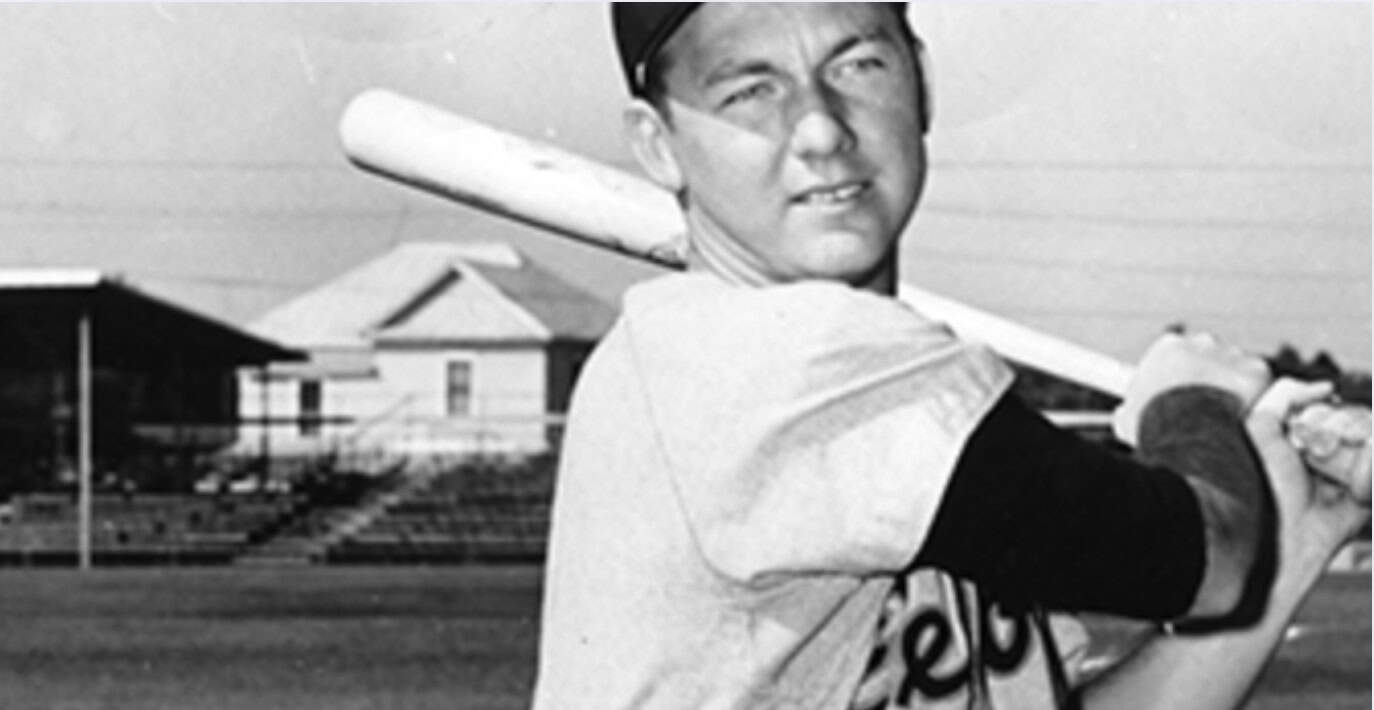
At just 20 years old, Al Kaline became the youngest player ever to win a batting title when he hit .340 in 1955, looking like he should be delivering newspapers instead of delivering clutch hits. The Detroit Tigers’ golden boy possessed a swing so fundamentally sound that hitting coaches used him as a textbook example of proper mechanics. Kaline’s combination of power, average, and defensive excellence made him the complete package, earning him the nickname “Mr. Tiger” before he was old enough to legally drink. His boyish face masked a competitive fire that burned through every at-bat of the decade.
Frank Robinson – Cincinnati’s Triple Crown Powerhouse

Frank Robinson arrived in Cincinnati in 1956 and immediately started terrorizing National League pitching with a crowding stance that dared hurlers to pitch him inside. His 1956 Rookie of the Year campaign was just the appetizer for a decade of dominance that would culminate in his 1966 Triple Crown with Baltimore. Robinson’s aggressive style at the plate matched his fearless approach to playing right field, where he’d crash into walls and dive for balls with reckless abandon. The man who would later break baseball’s managerial color barrier spent the 1950s breaking hearts and breaking records with equal ferocity.
Rocky Colavito – Cleveland’s Rock with the Movie Star Looks
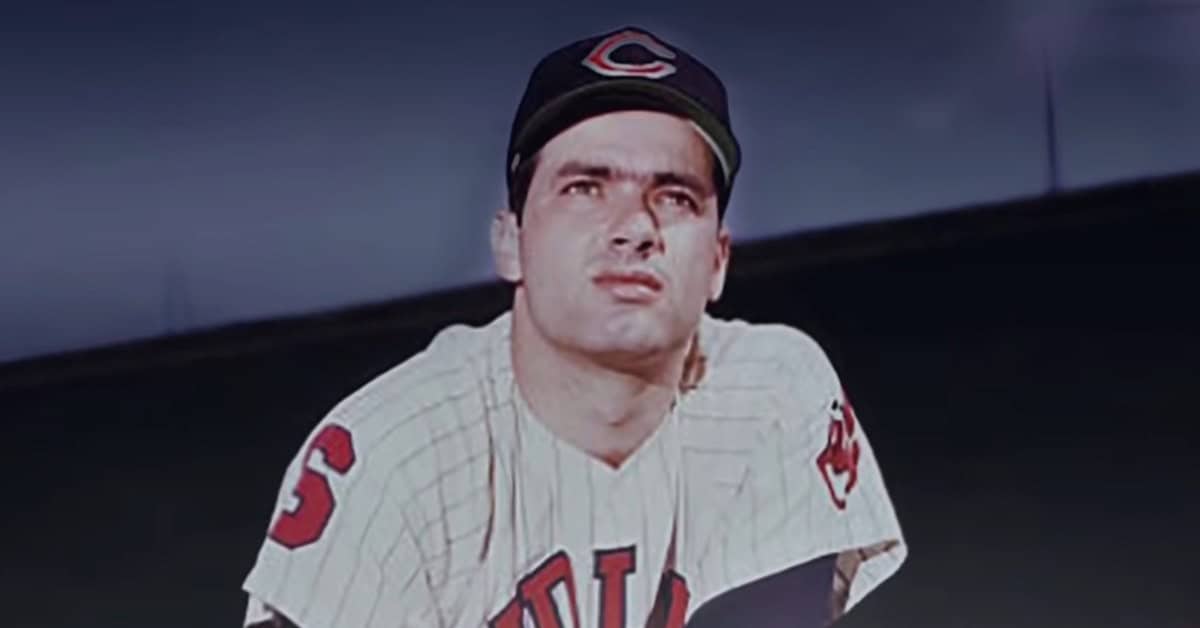
Rocky Colavito looked like he stepped off a Hollywood movie set and into Cleveland’s Municipal Stadium, where his matinee idol appearance was matched only by his tape-measure home runs. The Rock’s perfectly coiffed hair never seemed to move, even when he was launching baseballs into the upper deck with a swing that generated enough power to light up downtown Cleveland. His 1959 season included the historic four-home-run game that had fans talking for decades, cementing his status as the most photogenic slugger of his generation. Colavito proved that in the 1950s, you could look like a leading man and play like a superhero.
Vic Wertz – The Clutch Hitter Who Almost Beat Willie Mays
Vic Wertz will forever be remembered as the man who hit the ball that Willie Mays caught in the 1954 World Series, but that overshadows a decade of clutch hitting that made him one of baseball’s most reliable performers. The burly first baseman-turned-right fielder possessed a compact swing that generated surprising power, and his ability to drive in runs when it mattered most made him a manager’s dream. Wertz’s 1950 season included 123 RBIs, and his consistent production throughout the decade proved that sometimes the best players are the ones who simply get the job done. His near-miss against Mays became baseball folklore, but his career was pure substance.
Carl Furillo – Brooklyn’s Reading Rifle with the Perfect Arm
Carl Furillo earned his nickname “The Reading Rifle” by studying the tricky caroms off Ebbets Field’s right field wall like a physics professor, then gunning down runners with an arm that could thread a needle from 300 feet away. The Pennsylvania native’s defensive mastery was matched by his clutch hitting, including his 1953 batting title that he won despite missing the final weeks with a broken wrist. Furillo’s ability to play the angles at Ebbets Field was so legendary that opposing base coaches would hold runners at first base even on routine singles to right. His rifle arm and baseball IQ made him the perfect right fielder for Brooklyn’s golden age.
Gus Bell – The Steady Star Who Made It Look Easy

Gus Bell was the kind of player who made 20 home runs and 100 RBIs look as routine as morning coffee, quietly building a career that spanned the entire decade with workmanlike consistency. The Cincinnati Reds outfielder possessed a smooth swing that generated surprising power, and his ability to hit for average while driving in runs made him one of the most dependable players of his era. Bell’s 1953 season included 30 home runs and 105 RBIs, numbers that would make any modern player a millionaire, but in the 1950s just made him a solid, reliable star. His steady excellence was the foundation upon which championship dreams were built.
Jackie Jensen – Boston’s Golden Boy Who Feared Flying

Jackie Jensen was the All-American boy who could do everything except get on an airplane without breaking into a cold sweat, a phobia that would eventually end his career but couldn’t diminish his 1950s brilliance. The former football star at Cal Berkeley brought his athletic versatility to Fenway Park, where he became the American League’s RBI king three times during the decade. Jensen’s 1958 MVP season included 122 RBIs and proved that sometimes the best players are the ones who overcome their fears to achieve greatness. His golden boy image and clutch hitting made him Boston’s favorite son, even if he preferred taking the train to away games.
Wally Post – Cincinnati’s Fence-Busting Home Run King
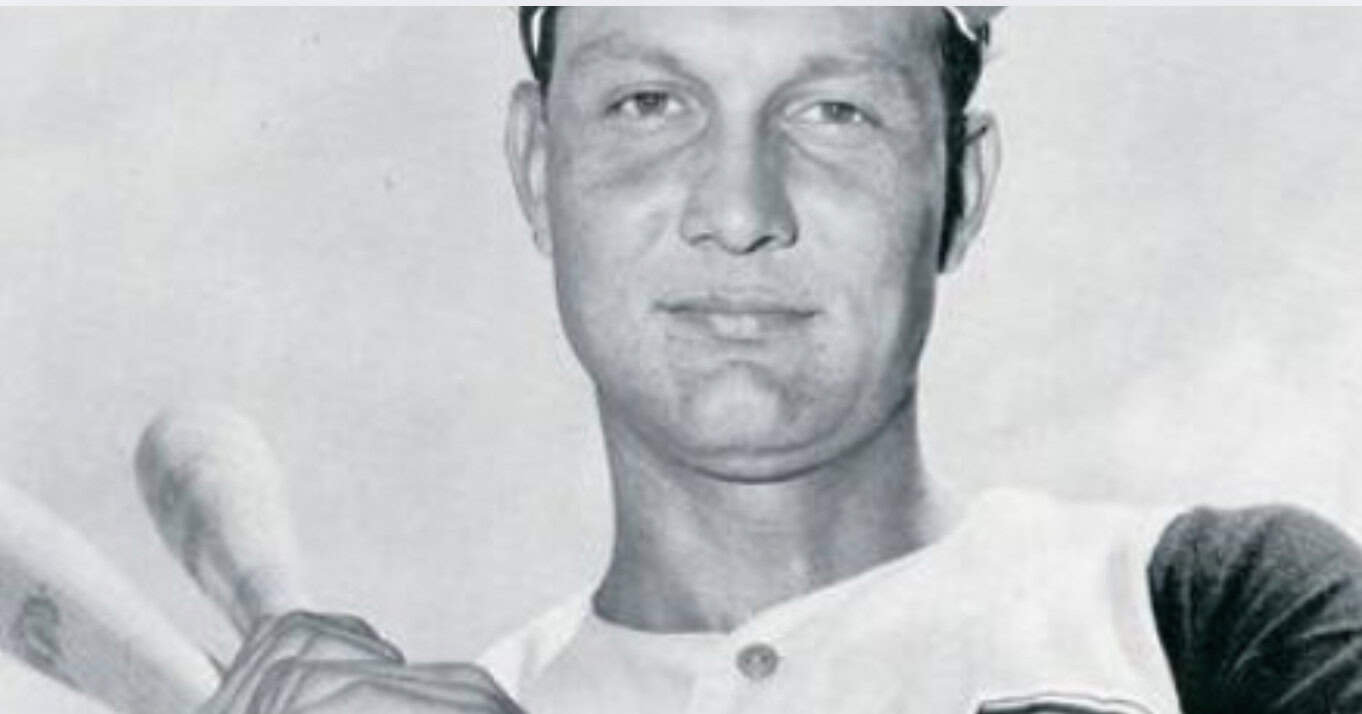
Wally Post specialized in launching baseballs into orbit with a swing that generated enough power to make pitchers question their career choices, becoming Cincinnati’s most feared slugger during the mid-1950s. The Arkansas native’s 1956 season included 36 home runs, a number that would have led many leagues but only earned him third place in the National League’s home run race. Post’s ability to turn on any fastball and send it screaming over the fence made him a fan favorite at Crosley Field, where his tape-measure shots became the stuff of local legend. His power-packed performances proved that sometimes the best fireworks happen between the foul lines.
Bob Nieman – The Rookie Who Started with Back-to-Back Homers
Bob Nieman made baseball history in his very first game by becoming the only player to hit home runs in his first two major league at-bats, a feat that would have made him a social media sensation if Twitter existed in 1951. The St. Louis Browns outfielder’s storybook debut was just the beginning of a solid career that saw him bounce between several teams while maintaining his reputation as a clutch performer. Nieman’s ability to come through in pressure situations made him a valuable commodity in an era when players were expected to produce immediately or find themselves back in the minors. His historic debut remains one of baseball’s most remarkable individual achievements.
Del Ennis – Philadelphia’s RBI Machine

Del Ennis was the kind of hitter who made pitchers lose sleep, driving in runs with the consistency of a Swiss watch and the power of a freight train throughout the 1950s. The Philadelphia Phillies’ cornerstone player helped anchor the 1950 “Whiz Kids” pennant winners while establishing himself as one of the decade’s most productive run producers. Ennis’s ability to hit for both power and average made him a nightmare matchup for opposing pitchers, and his 1950 season included 126 RBIs that helped Philadelphia capture its first pennant in 35 years. His clutch hitting and steady production were the foundation upon which the Phillies built their brief but memorable championship run.
Hoot Evers – Detroit’s Clutch Performer in the Pennant Race
Hoot Evers earned his nickname from his distinctive voice, but it was his bat that did most of the talking during Detroit’s competitive years in the early 1950s. The versatile outfielder possessed a smooth swing that generated surprising power, and his ability to come through in clutch situations made him a fan favorite at Briggs Stadium. Evers’s 1950 season included 21 home runs and 103 RBIs, numbers that helped keep the Tigers in the pennant race until the final weeks of the season. His steady performance and clutch hitting were the kind of intangibles that championship teams are built upon, even if Detroit couldn’t quite get over the finish line.
Andy Pafko – The Versatile Veteran Who Played Everywhere
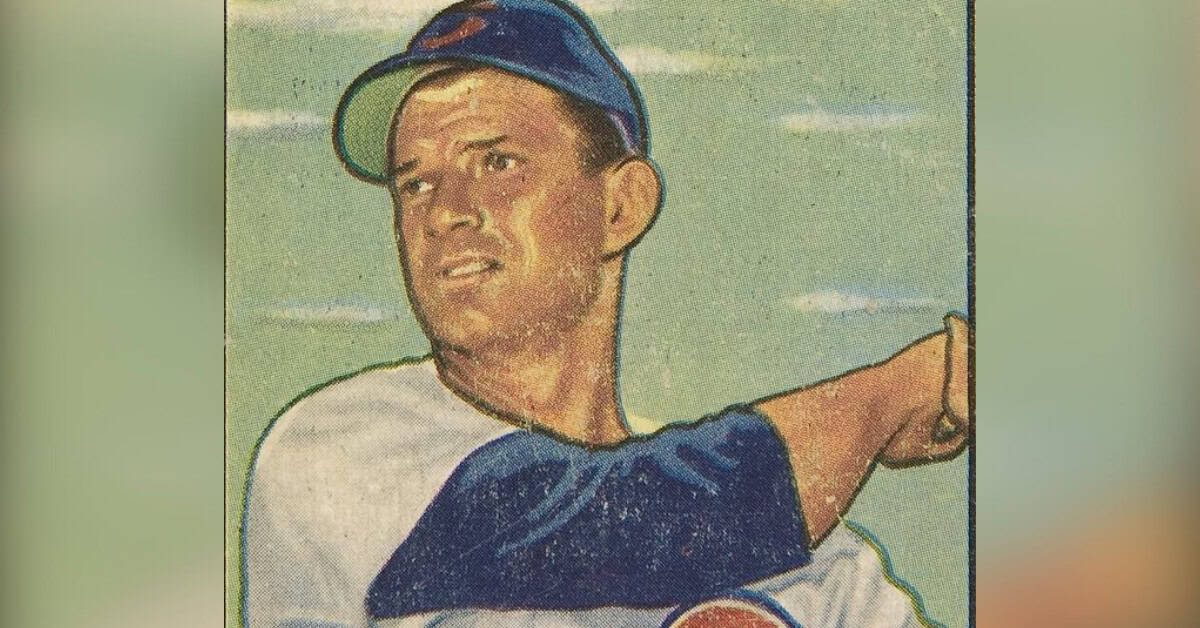
Andy Pafko was the Swiss Army knife of 1950s baseball, capable of playing any outfield position with equal skill while providing the kind of veteran leadership that championship teams require. The former Chicago Cubs star brought his clutch hitting and defensive versatility to Brooklyn, where he became an integral part of the Dodgers’ championship machine. Pafko’s ability to adapt to any situation made him invaluable during the decade’s most competitive pennant races, and his steady production helped anchor lineups that featured some of baseball’s biggest stars. His professionalism and consistency were the perfect complement to Brooklyn’s more flamboyant personalities.
Gene Woodling – Casey Stengel’s Platoon Pioneer

Gene Woodling was Casey Stengel’s platoon system personified, a left-handed hitter who thrived in the Yankees’ championship machine by accepting his role and excelling within it. The scrappy outfielder’s ability to work counts and get on base made him perfect for the Yankees’ offensive philosophy, and his clutch hitting in pressure situations helped New York capture five consecutive World Series titles. Woodling’s professional approach to platooning helped revolutionize how managers used their rosters, proving that sometimes the best players are the ones who understand their role and embrace it completely. His contributions to the Yankees’ dynasty were measured in wins, not individual statistics.
Sid Gordon – The Jewish Star Who Conquered New York
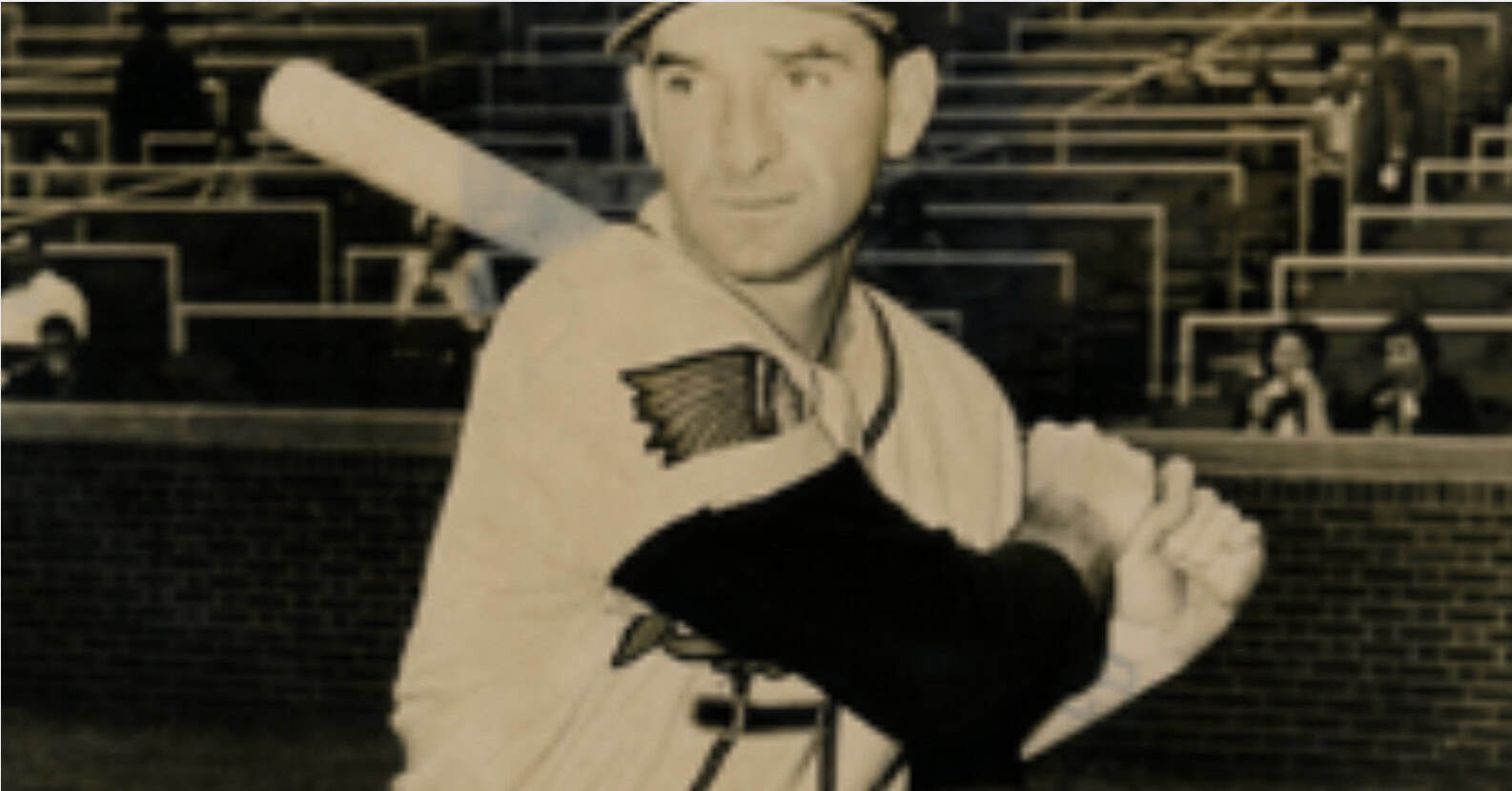
Sid Gordon was the pride of Brooklyn’s Jewish community, a slugger who could launch baseballs over the Polo Grounds’ short foul lines with a swing that generated surprising power from his compact frame. The third baseman-turned-outfielder became a fan favorite in New York, where his clutch hitting and professional demeanor made him a role model for young fans throughout the city. Gordon’s 1948 season included 30 home runs and 107 RBIs, numbers that established him as one of the game’s most consistent performers. His ability to perform under the pressure of New York’s demanding fans proved that sometimes the best players are the ones who embrace the spotlight rather than shy away from it.
Charlie Keller – King Kong’s Final Roar
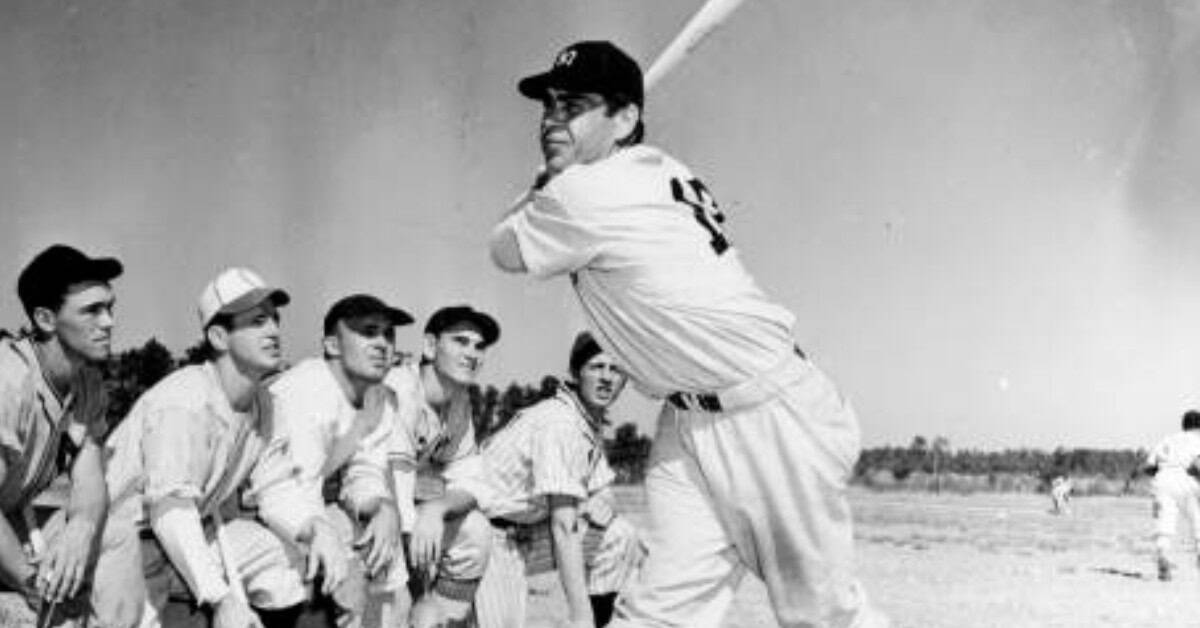
Charlie “King Kong” Keller spent the early 1950s proving that even aging sluggers could still terrorize American League pitching when they put their minds to it. The muscular outfielder’s nickname came from his gorilla-like build and his ability to crush baseballs with frightening power, making him one of the most feared hitters of his generation. Keller’s patient approach at the plate and his ability to work counts made him the perfect complement to the Yankees’ championship machine, even as injuries began to slow his once-dominant career. His final seasons were a masterclass in how great players adapt their games to remain effective even as Father Time catches up.
Tommy Henrich – Old Reliable’s Clutch October Magic
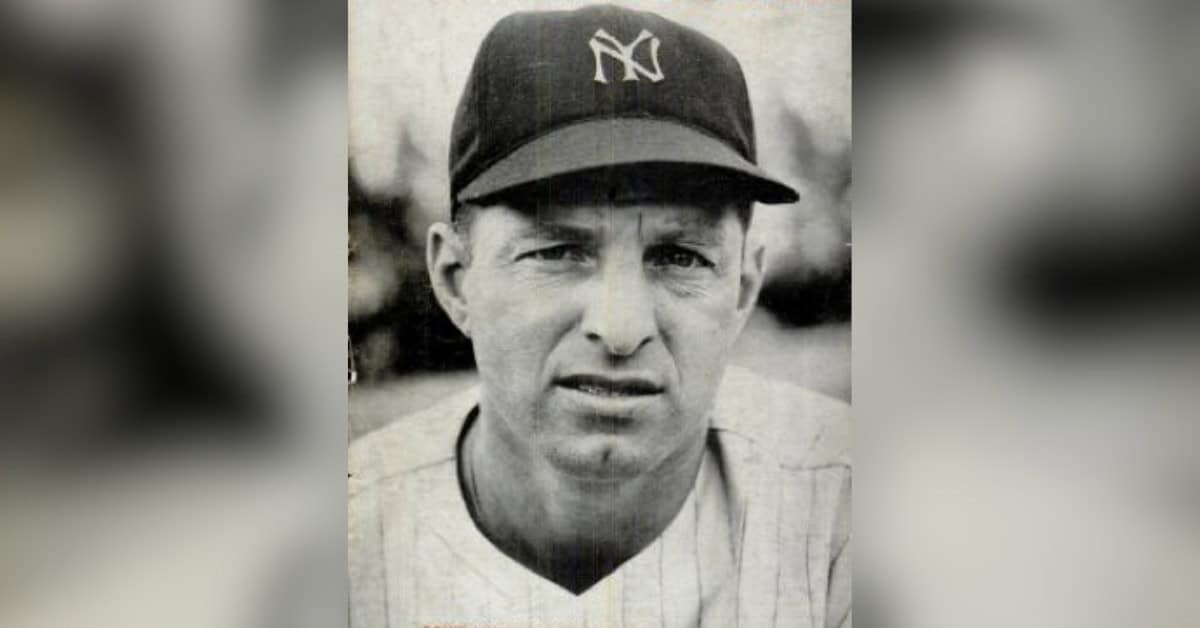
Tommy “Old Reliable” Henrich earned his nickname by delivering clutch hits when the Yankees needed them most, including his famous walk-off home run in the 1949 World Series that epitomized his October magic. The steady outfielder’s ability to rise to the occasion in pressure situations made him one of the most valuable players in Yankees history, even if his statistics didn’t always reflect his true impact. Henrich’s professional approach and clutch gene were the foundation upon which New York’s championship dynasty was built, proving that sometimes the most important players are the ones who show up when it matters most. His legacy was measured in championships, not individual accolades.
Irv Noren – The Steady Hand in Pinstripes
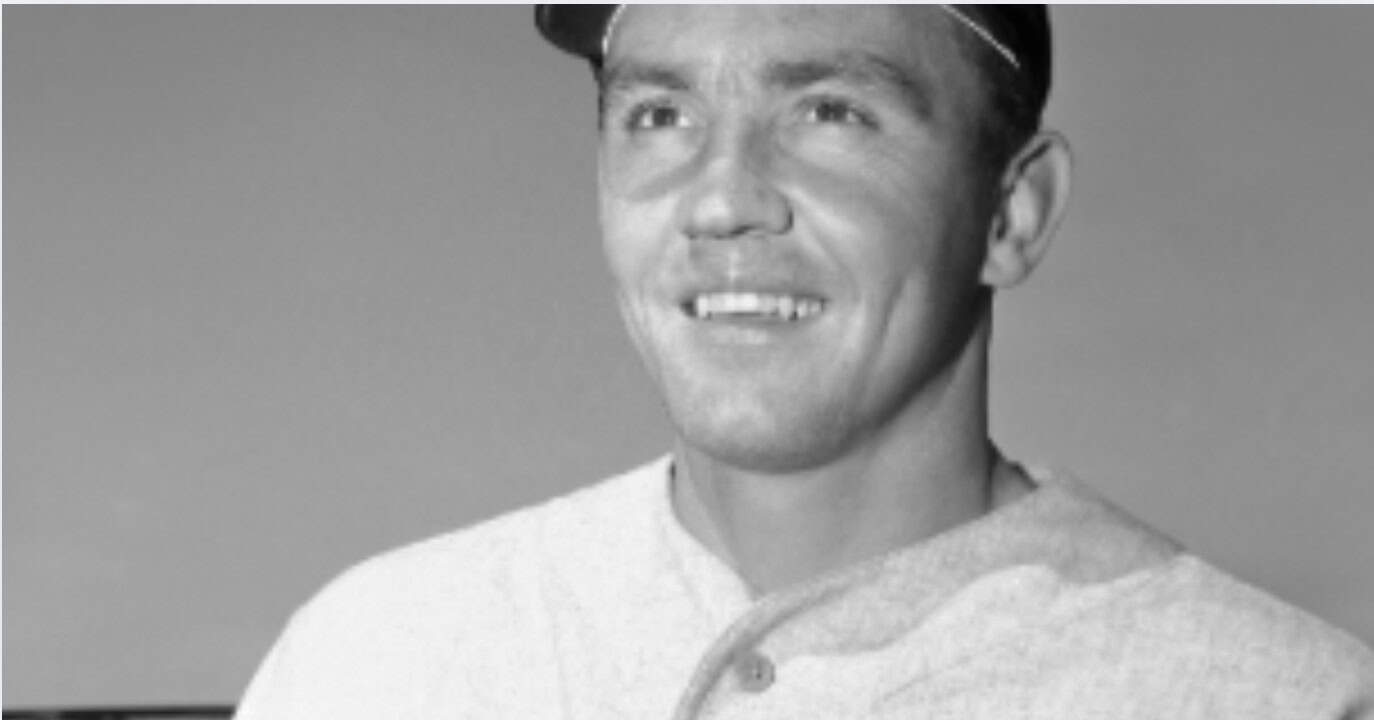
Irv Noren was the kind of player who never made headlines but always made the plays that mattered, serving as the Yankees’ reliable outfield insurance during their championship run of the early 1950s. The former Pacific Coast League star brought his steady glove and clutch hitting to New York, where his ability to fill in at multiple positions made him invaluable to Casey Stengel’s strategic approach. Noren’s professional demeanor and consistent performance were the perfect complement to the Yankees’ more celebrated stars, proving that championship teams are built on players who understand their role and execute it flawlessly. His contributions to the Yankees’ dynasty were measured in wins, not individual glory, making him the epitome of a team-first player who helped define an era.