
Last Updated: June 17th, 2026 by Michael Schatz
The 1970s were a golden age of pitching, dominated by household names like Nolan Ryan, Tom Seaver, and Steve Carlton. But tucked between those legends were workhorses and artists who quietly crafted brilliant careers while the spotlight shone elsewhere. These ten hurlers deserve a tip of the cap from anyone who remembers when baseball was played on real grass and pitchers completed what they started.
Don't lose this article. Enter your email below, and I'll send it to you right now. Plus, we'll send you other unbelievable stories from baseball's past.
Luis Tiant: The Cuban Cigar-Chomping Maestro Who Made Batters Dizzy

Luis Tiant’s corkscrew delivery looked like a man trying to unscrew himself from the mound while simultaneously swatting mosquitoes. The Cuban master would turn his back completely to home plate, peek over his shoulder as if checking for traffic, then unleash a fastball that seemed to come from third base. His 229 career wins and 2.19 ERA in 1972 should have made him a Hall of Famer, but instead he remains baseball’s most beloved cult figure, forever remembered for making Fenway Park feel like Havana.
Wilbur Wood: The Knuckleball Workhorse Who Threw Until His Arm Nearly Fell Off
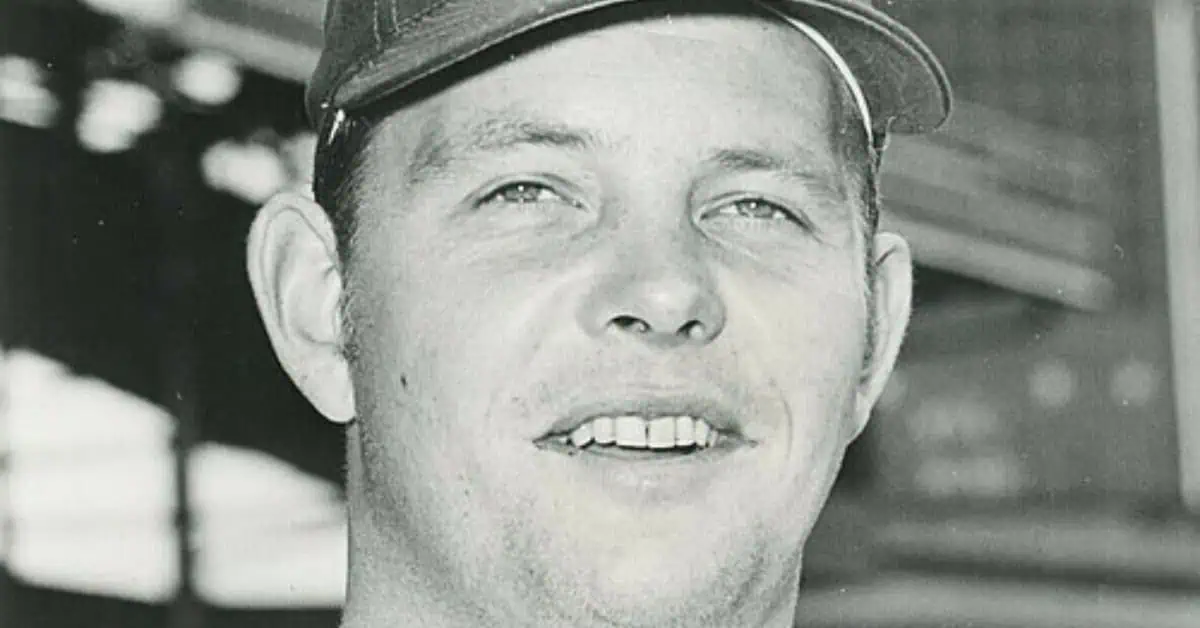
Wilbur Wood threw so many innings for the White Sox that his arm could have been declared a national monument. The knuckleball specialist made 88 starts in 1972 and 1973 combined, back when pitchers were expected to finish what they started or die trying. His dancing butterfly pitch drove catchers crazy and made him the last pitcher to win 20 games in both ends of a doubleheader. Wood’s 376 innings in 1972 remain a modern record that will never be broken in our pitch-count-obsessed era.
Mickey Lolich: The Portly Southpaw Who Outdueled Bob Gibson in ’68

Mickey Lolich looked like your uncle who sold insurance, but he pitched like Cy Young reincarnated. The Detroit Tigers’ chunky southpaw outdueled the great Bob Gibson in the 1968 World Series, winning three complete games, including the decisive Game 7. His 25 wins in 1971 and three 20-win seasons are often forgotten because he played in the shadow of more glamorous stars. Lolich proved that you didn’t need to look like an athlete to dominate major league hitters—you just needed a wicked slider and the heart of a lion.
Bert Blyleven: The Curveball Artist Who Waited 14 Years for Cooperstown
Bert Blyleven’s curveball was so devastating that batters would start their swing before the ball even left his hand and still be late. The Dutch-born righty won 287 games and struck out 3,701 batters with a hammer curve that dropped off tables faster than a bad stock tip. Despite ranking fifth all-time in strikeouts, Blyleven was criminally undervalued by Hall of Fame voters who somehow needed 14 years to recognize greatness. His signature pitch was so nasty that catching it probably shortened catchers’ careers by a decade.
Rick Reuschel: The Big Teddy Bear Who Quietly Dominated for Two Decades
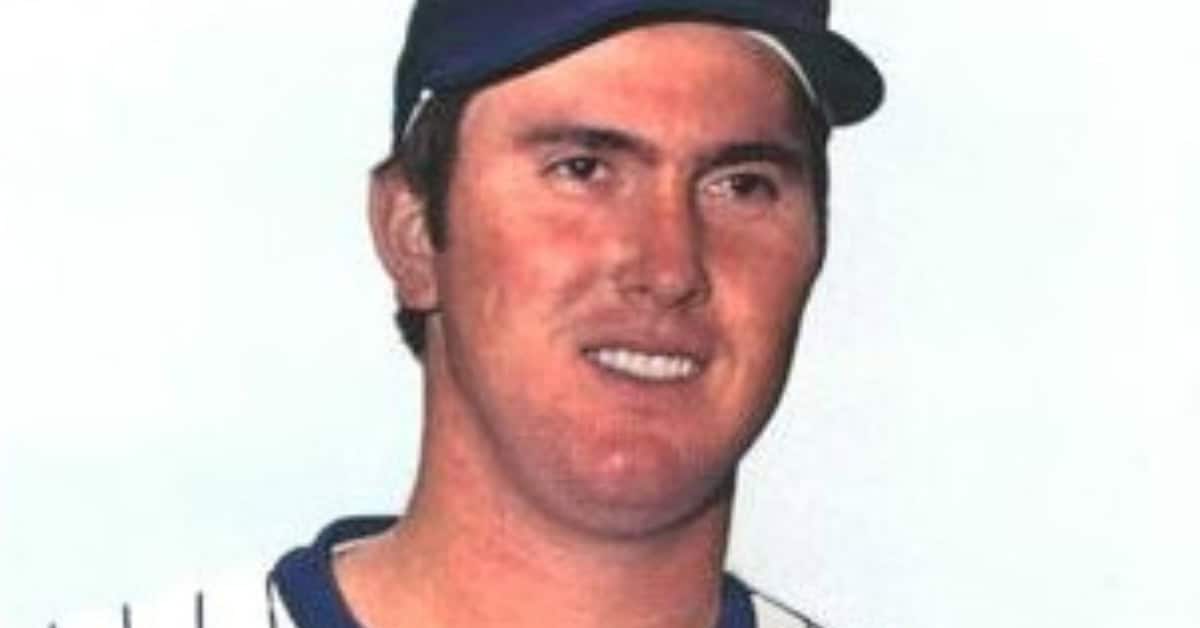
Rick Reuschel looked like he should be selling hot dogs instead of striking out major league hitters, but his deceptive delivery and pinpoint control made him one of the most underrated pitchers of his generation. The gentle giant won 214 games over 19 seasons, including a remarkable comeback with the Giants in 1989 when he went 17-8 at age 40. Reuschel’s slow, methodical style was perfectly suited for the Cubs’ afternoon games at Wrigley, where he became as reliable as the seventh-inning stretch and twice as effective.
Frank Tanana: The California Angel Who Threw 100 MPH Before Tommy John Surgery

Frank Tanana was throwing 100 mph fastballs when radar guns were still science fiction, terrorizing American League hitters with a heater that could melt steel. The California Angels’ southpaw struck out 269 batters in 1975, leading the league while making Anaheim Stadium sound like a library full of whiffing bats. After arm troubles forced him to reinvent himself as a crafty veteran, Tanana won 240 games over 21 seasons. He proved that great pitchers don’t just throw hard—they throw smart, adapting their game when Father Time starts calling the shots.
Dave McNally: The Orioles’ Forgotten Third Wheel in a Hall of Fame Rotation

Dave McNally was the third man in Baltimore’s legendary rotation behind Jim Palmer and Mike Cuellar, but his 184 wins and four 20-win seasons deserve more than just a footnote in history. The Montana native’s screwball was so effective that he became the only pitcher to hit grand slams in both leagues, proving he was dangerous with both arm and bat. McNally’s 1970 season (24-9, 3.22 ERA) helped carry the Orioles to the World Series, but he remains overshadowed by his more famous rotation mates who somehow get all the glory.
Ken Holtzman: The Jewish Southpaw Who No-Hit His Way to Oakland Glory
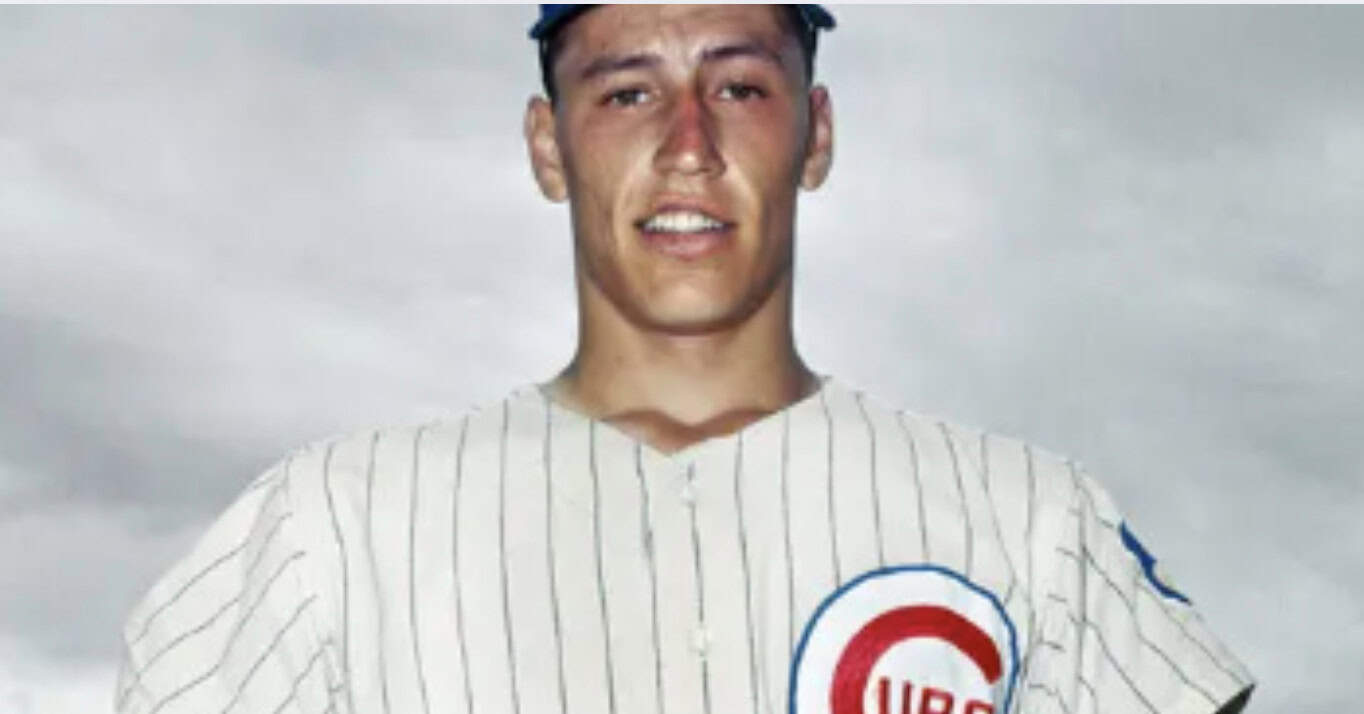
Ken Holtzman threw two no-hitters, including one without recording a single strikeout, proving that finesse could be just as devastating as power. The Jewish southpaw from St. Louis became the ace of Oakland’s championship teams, winning 77 games during their three-year World Series run from 1972-74. Holtzman’s 174 career wins and clutch postseason performances get lost in the shuffle of Charlie Finley’s colorful A’s teams, but his steady left arm was the foundation upon which Oakland’s dynasty was built.
Milt Pappas: The 209-Game Winner Who Never Got His 20th Win in a Season
Milt Pappas won 209 games in 17 seasons but never quite reached the magical 20-win plateau that separates good pitchers from great ones. The Detroit native’s consistent excellence was overshadowed by flashier contemporaries, but his 1972 no-hitter against the Padres proved he belonged among the elite. Pappas came closest to 20 wins in 1965 with Baltimore, finishing 16-7 before a late-season slump. His steady professionalism and remarkable durability made him the kind of pitcher every team needed but few fans remember—a craftsman lost in an era of superstars.
Bill Singer: The Dodger Fireballer Who Threw a No-Hitter at Dodger Stadium

Bill Singer’s no-hitter at Dodger Stadium in 1970 was like threading a needle in a hurricane—nearly impossible but absolutely beautiful to watch. The Dodgers’ right-hander possessed a blazing fastball and wicked slider that made him one of the most feared pitchers in the National League during his prime. Singer’s 118 career wins don’t tell the full story of a pitcher who could dominate on any given day, striking out 247 batters in 1969 when whiffs were harder to come by. His arm troubles cut short what should have been a Hall of Fame career, leaving behind only memories of what might have been.