

Last Updated: June 17th, 2026 by Michael Schatz
The 1980s were baseball’s neon decade—when shoulder pads ruled the stands and ESPN was still figuring out how to pronounce “SportsCenter.” While everyone remembers the Cy Young winners and Hall of Famers, some of the era’s most dominant arms got lost in the shuffle of small markets and bad timing. These ten pitchers deserved far more recognition than they received.
Don't lose this article. Enter your email below, and I'll send it to you right now. Plus, we'll send you other unbelievable stories from baseball's past.
Dave Stieb: The Blue Jays’ Ace Who Should’ve Been a Hall of Famer

Dave Stieb won 140 games in the 1980s—second only to Jack Morris—yet somehow never won a Cy Young Award despite leading the decade in WAR among pitchers. The right-hander’s slider was so devastating that batters would flinch before it even broke, and his run of near-misses—including twice losing a no-hitter with two outs in the ninth inning—became the stuff of cruel legend. Playing north of the border for a franchise that didn’t exist until 1977, Stieb’s brilliance was often overshadowed by bigger markets and louder personalities, making him baseball’s most underappreciated ace of the Reagan era.
Mario Soto: Cincinnati’s Fireballer Who Burned Too Bright

Mario Soto’s fastball could make grown men weep, and his slider made them question their life choices. From 1981-1985, the Dominican Republic native posted a stellar 3.16 ERA while striking out nearly a batter per inning for some truly awful Cincinnati Reds teams. He was a workhorse, leading the National League in complete games in both 1983 and 1984, throwing with a controlled violence that made hitters uncomfortable. Unfortunately, shoulder problems derailed his career by 1986, turning what should have been a Hall of Fame trajectory into a cautionary tale about burning too bright, too fast.
Teddy Higuera: Milwaukee’s Mexican Screwball Magician
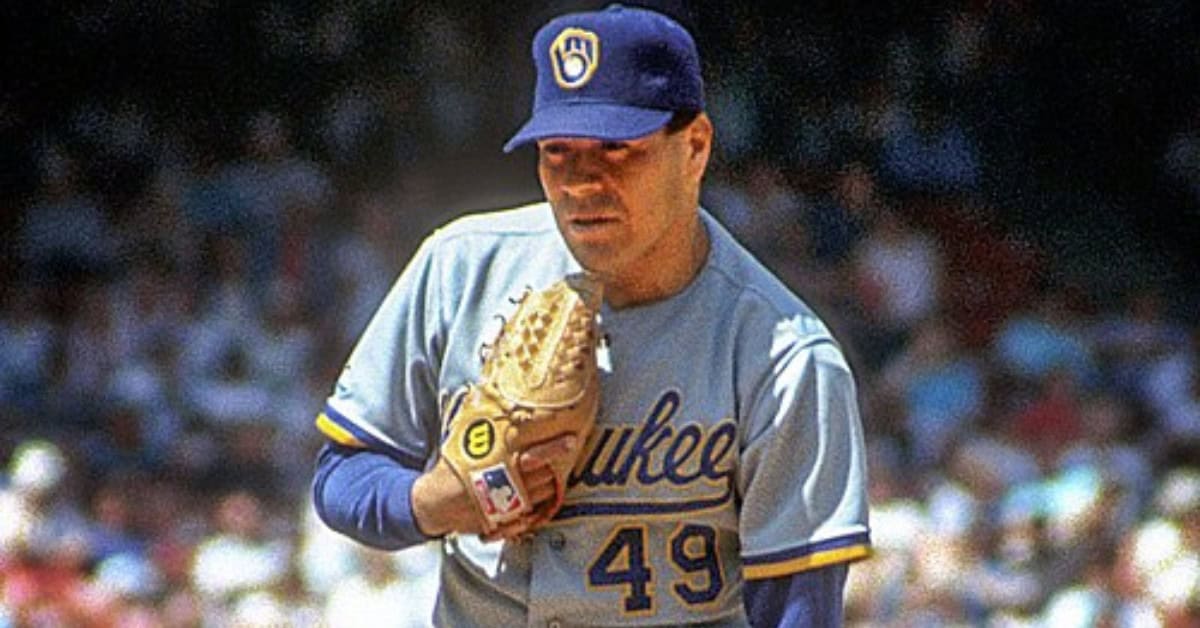
Teddy Higuera’s screwball was so nasty it seemed to defy the laws of physics, diving away from right-handed hitters like it was personally offended by their presence. The Mexican southpaw won 69 games in his first four seasons (1985-1988) for Milwaukee, including a 20-win campaign in 1986 that earned him a second-place Cy Young finish. His signature pitch was learned from watching Fernando Valenzuela, but Higuera perfected it into something even more devastating. Injuries cut short what should have been a dominant career, leaving baseball fans to wonder what might have been if his arm had held up.
Floyd Bannister: The Strikeout King Nobody Remembers
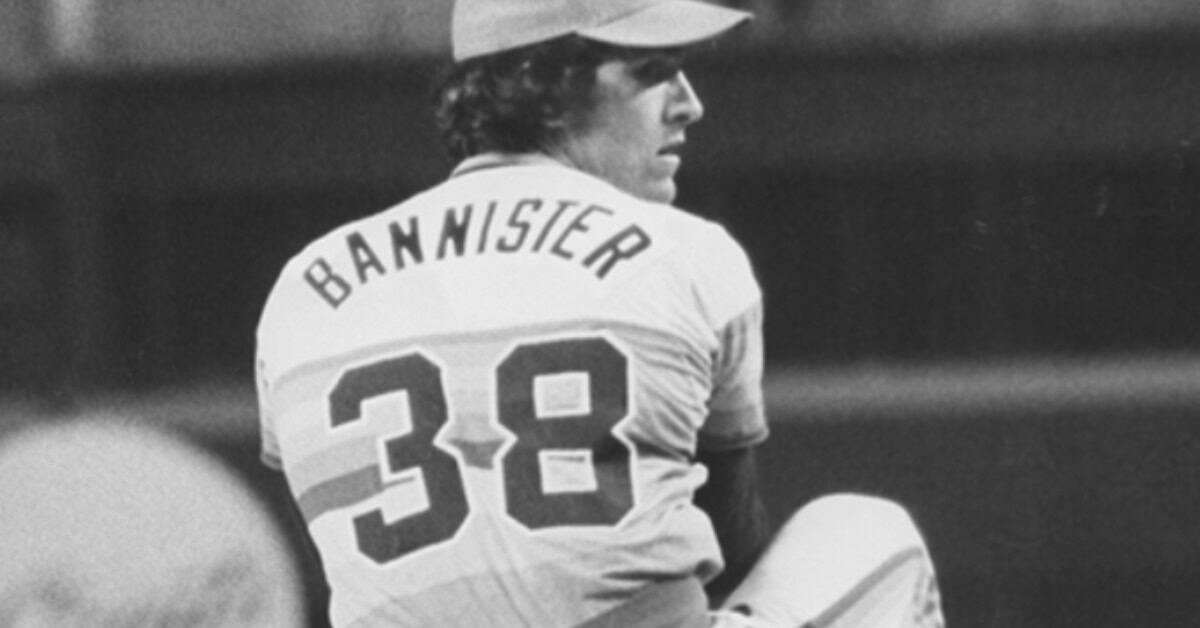
Floyd Bannister led the American League in strikeouts in 1982 with 209, wielding a fastball-slider combination that made hitters look foolish. The left-hander struck out 1,356 batters during the 1980s, ranking eighth in the decade despite playing for mostly mediocre teams in Seattle and Chicago. His slider was sharp, and his career strikeout rate was well above the era’s norm. Bannister’s problem wasn’t talent—it was timing, as he peaked during an era when wins mattered more than strikeouts, and his teams rarely gave him the run support his dominance deserved.
Mark Langston: Seattle’s Southpaw Sensation in Baseball Purgatory
Mark Langston’s curveball was so devastating that catchers would call for it even when they knew it was coming, just to watch hitters flail helplessly. The 1984 AL Rookie of the Year struck out 204 batters in his first full season, leading the league while pitching for a struggling Mariners team. His pickoff move was legendary—he recorded 91 career pickoffs, fourth-most in baseball history—and his ability to freeze runners was almost supernatural. Playing in Seattle during the franchise’s dark ages meant Langston’s brilliance was witnessed mainly by seagulls and die-hard fans who appreciated artistry over wins.
LaMarr Hoyt: The Cy Young Winner Time Forgot
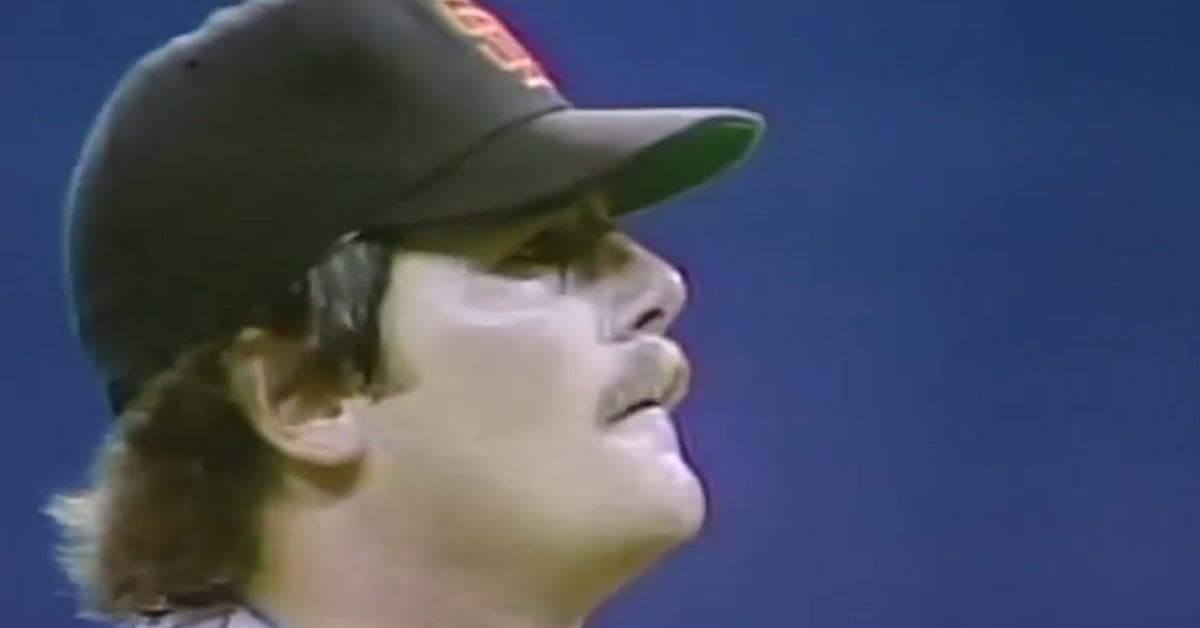
LaMarr Hoyt won the 1983 American League Cy Young Award with a 24-10 record and 3.66 ERA, but his name rarely comes up in discussions of the decade’s best pitchers. The right-hander’s success was built on pinpoint control and an uncanny ability to pitch to contact, averaging just 4.72 strikeouts per nine innings while keeping hitters off balance with location and changing speeds. His 64 wins from 1982-1985 were among the most in baseball, but personal problems and a relatively short peak made him fade from memory faster than his contemporaries. Hoyt proved that sometimes the best pitch is the one that barely misses the sweet spot.
Jimmy Key: Toronto’s Quiet Perfectionist

Jimmy Key’s curveball was so perfectly timed it seemed choreographed, dropping into the strike zone with the precision of a Swiss watchmaker. The soft-spoken southpaw won 87 games during the 1980s with a 3.53 ERA, forming a devastating one-two punch with Dave Stieb atop Toronto’s rotation. His 1.25 WHIP during the decade was among the best in baseball, and his ability to change speeds while hitting his spots made him nearly unhittable when he was on. Key’s quiet demeanor and workmanlike approach meant he rarely grabbed headlines, but his consistency was the foundation upon which the Blue Jays built their championship teams of the early 1990s.
Ron Darling: The Mets’ Ivy League Intellect
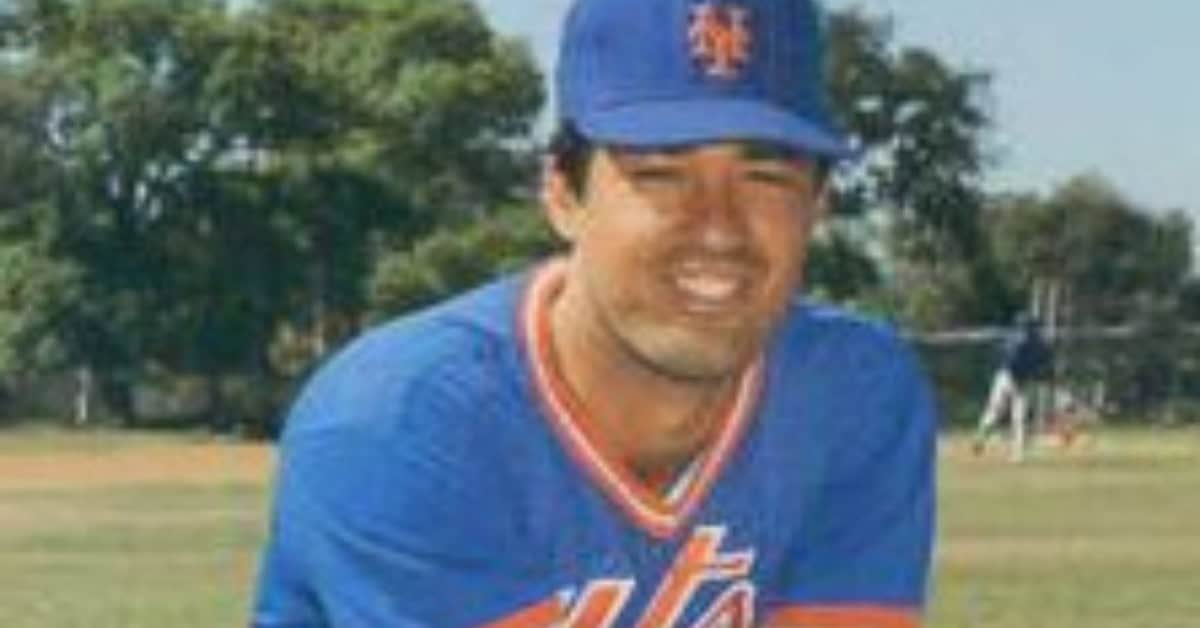
Ron Darling’s curveball had a Yale education—it was smart enough to know exactly when to break and sophisticated enough to make hitters look foolish. The right-hander won 99 games during the 1980s with a 3.50 ERA, often overshadowed by teammates Dwight Gooden and Sid Fernandez despite his consistent effectiveness. His famous 1981 duel against St. John’s in the NCAA playoffs, where he threw 11 no-hit innings before losing in the 12th, remains one of the greatest pitching performances in college baseball history. Darling’s cerebral approach to pitching, combined with a four-pitch repertoire that kept hitters guessing, made him the thinking man’s ace on a team full of colorful personalities.
Scott Garrelts: San Francisco’s Converted Closer Gem

Scott Garrelts’ split-finger fastball was so devastating that hitters would start their swing before the ball even reached the plate, only to watch it dive into the dirt like a wounded duck. The right-hander dominated as San Francisco’s closer in the mid-1980s before transitioning to the starting rotation and finishing third in the 1989 NL Cy Young voting. His 2.28 ERA that season was the best in the league, and his ability to reinvent himself from reliever to starter showcased rare versatility. Playing in the shadow of Candlestick Park’s swirling winds, Garrelts perfected his craft while most of America was watching games on the East Coast, making him one of the decade’s most underappreciated talents.
Bob Welch: The Dodger Who Peaked After Everyone Stopped Watching
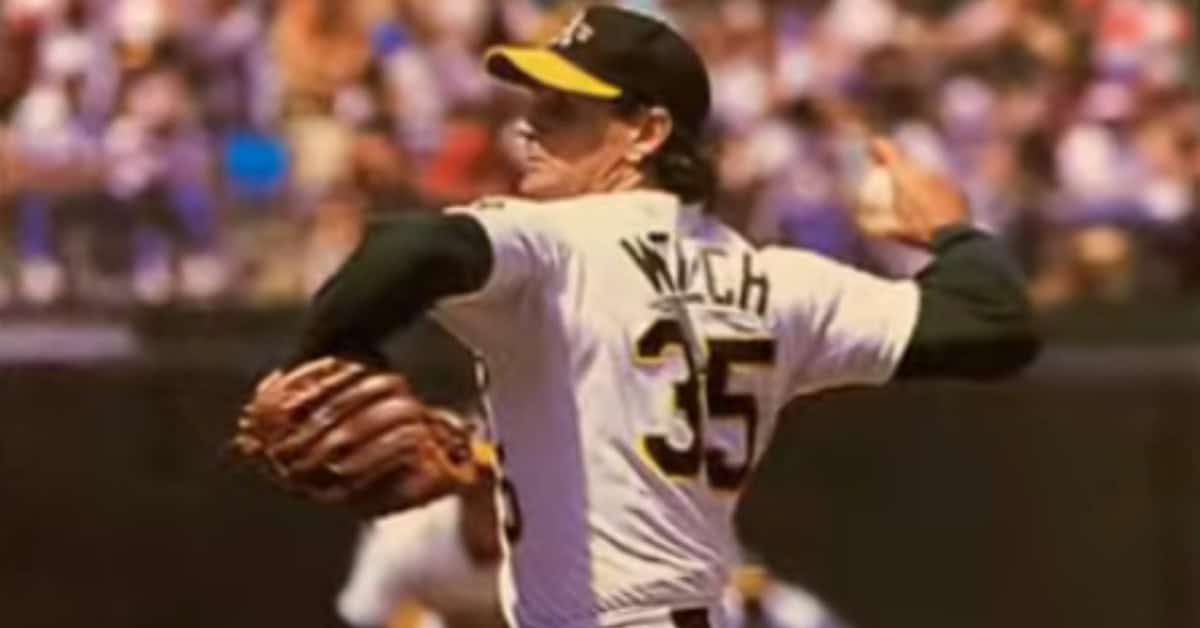
Bob Welch’s fastball-curveball combination was poetry in motion, but his best years came when baseball fans were distracted by the power surge and expansion fever of the era. The right-hander won 115 games during the decade with a 3.28 ERA, including a remarkable 1978 World Series strikeout of Reggie Jackson that announced his arrival. His 27-6 record in 1990 earned him the AL Cy Young Award, but by then he was playing for Oakland and many had forgotten his earlier dominance in Dodger blue. Welch’s smooth delivery and competitive fire made him a winner wherever he pitched, even if the spotlight had moved elsewhere by the time he reached his peak.