

Last Updated: June 17th, 2026 by Michael Schatz
The 2000s were the golden age of catching, when backstops ruled the diamond with leather mitts that had seen more action than a Times Square hot dog cart. These were the men who squatted behind home plate through steroid-fueled summers, calling pitches with the wisdom of chess masters and the durability of cast-iron skillets.
Don't lose this article. Enter your email below, and I'll send it to you right now. Plus, we'll send you other unbelievable stories from baseball's past.
Ivan “Pudge” Rodriguez – The Gunslinger Behind the Plate
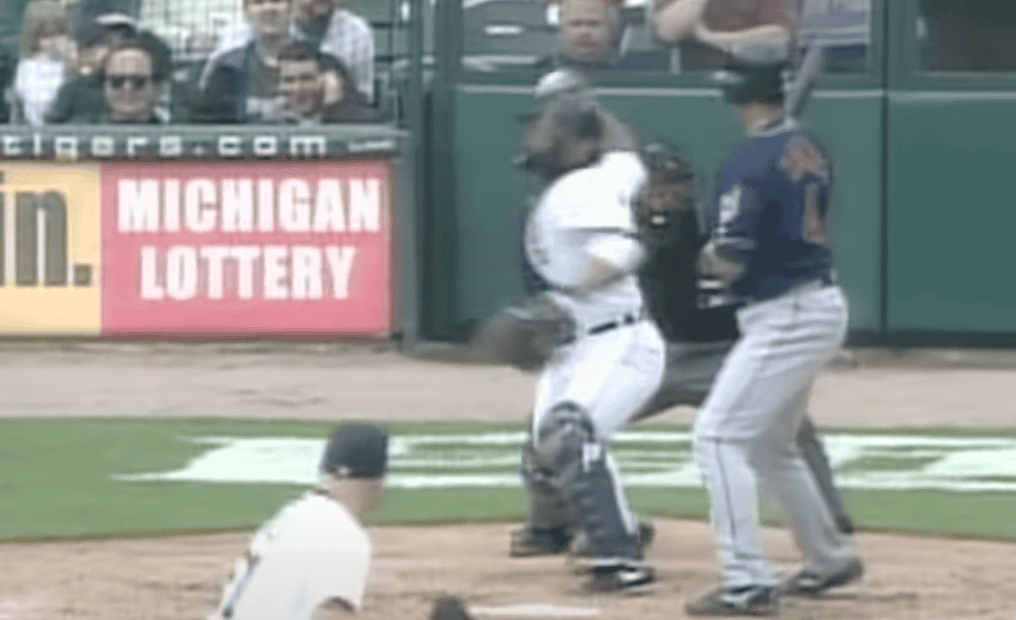
Pudge Rodriguez threw out base runners like he was playing catch with his nephew in the backyard—effortlessly, accurately, and devastatingly. His cannon arm was so feared that he led the American League in caught-stealing percentage nine times, retiring more would-be thieves than a mall security guard. The Puerto Rican legend collected 2,844 hits, more than any backstop in history, while his 1999 AL MVP season featured 35 home runs and 113 RBIs that made Texas Rangers fans forget about the summer heat.
Mike Piazza – The Offensive Juggernaut

Piazza swung a bat like Michelangelo wielded a chisel—with artistic precision and devastating results. His 427 career home runs remain the gold standard for offensive catchers, while his .308 lifetime average proved he wasn’t just a slugger but a complete hitter. During his Mets tenure from 1998-2005, Piazza averaged nearly 30 home runs per season, turning Shea Stadium into his personal launching pad and giving New York fans something to cheer about besides overpriced stadium beer.
Jorge Posada – The Yankee Dynasty’s Emotional Anchor

Posada was the heart and soul of those late-90s and early-2000s Yankees championships, a switch-hitting catcher who could work a count like a seasoned negotiator. His fiery leadership style and clutch hitting helped deliver four World Series titles, while his .273 career average and 275 home runs made him one of the most complete offensive catchers in pinstripes history. When October rolled around, Posada transformed into a postseason warrior, batting .248 with 11 home runs in 440 playoff at-bats.
Joe Mauer – The Gentleman’s Three-Time Batting Champion
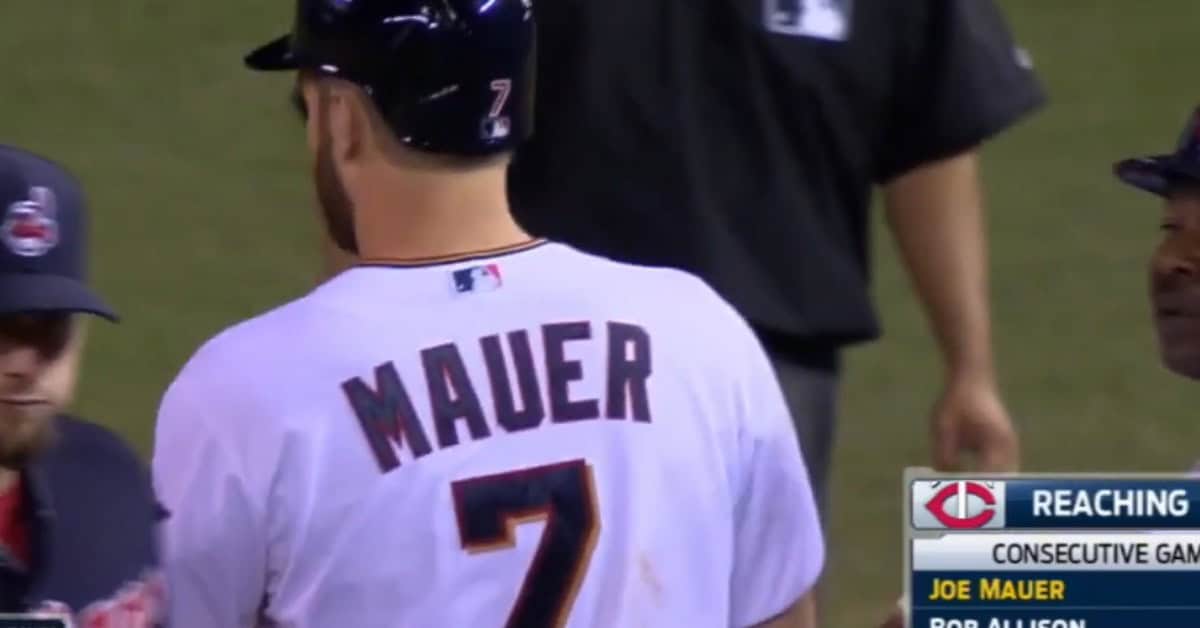
Mauer swung a bat with the grace of a violin bow, becoming the only catcher in AL history to win three batting titles (2006, 2008, 2009). His 2009 MVP season was a masterpiece of offensive excellence: .365 average, 28 home runs, 96 RBIs—that made Minnesota fans forget about the frigid winters. The St. Paul native represented everything good about baseball: humility, consistency, and the rare ability to make hitting .300 look as easy as ordering coffee at your neighborhood diner.
Yadier Molina – The Cardinal Defensive Wizard
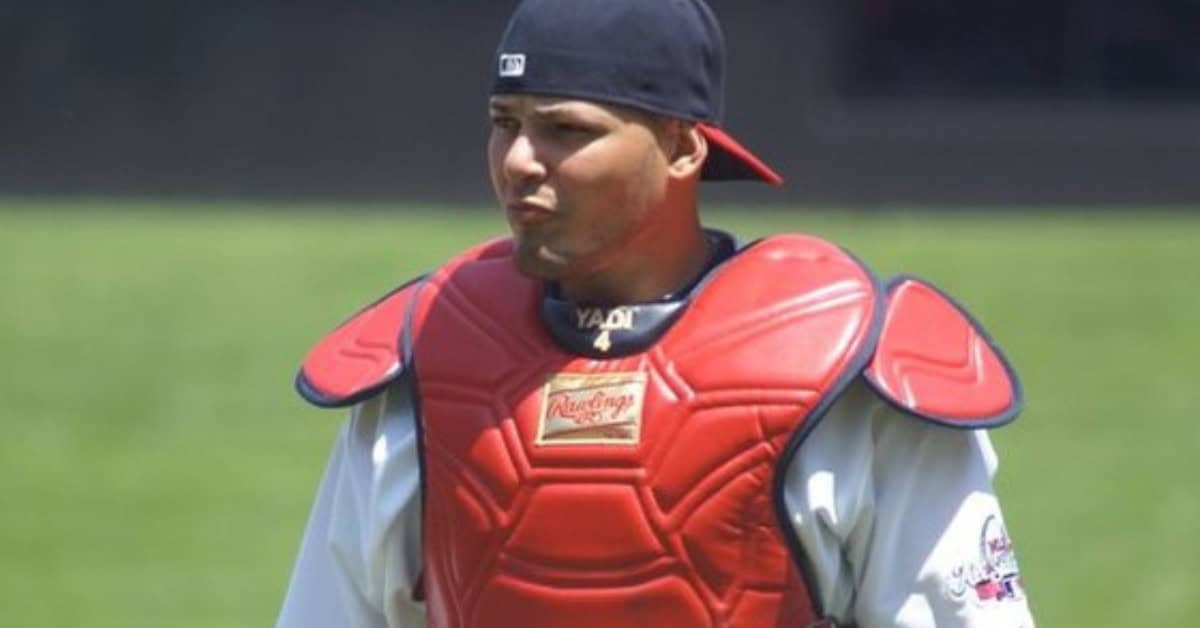
Molina turned catching into an art form, reading hitters like a fortune teller reads palms and throwing out base runners with surgical precision. His nine Gold Gloves speak to a defensive mastery that made St. Louis pitchers feel like they were throwing to a human backstop made of velcro and steel. Though his career began in 2004, Molina’s impact was immediate—his presence helped the Cardinals capture a World Series in 2006, establishing him as the defensive standard by which all future catchers would be measured.
Jason Varitek – Boston’s Captain Clutch

Varitek wore the captain’s “C” like a badge of honor, leading Boston’s 2004 curse-breaking championship with the steady presence of a lighthouse keeper. His famous glove-to-face confrontation with Alex Rodriguez epitomized his no-nonsense approach to the game, while his .256 career average and 193 home runs provided steady offensive production. The switch-hitting backstop called pitches for two World Series champions, proving that leadership and clutch hitting matter more than gaudy statistics when October pressure mounts.
Buster Posey – The Late-Decade Phenom

Posey burst onto the scene with a brief call-up in 2009 before taking the league by storm in 2010, immediately establishing himself as the Giants’ franchise cornerstone. His Rookie of the Year season showcased the complete package—solid defense, clutch hitting, and the kind of baseball IQ that made veteran pitchers trust him instantly. Though his prime years came in the following decade, Posey’s emergence signaled the arrival of a new generation of catchers who could hit for average, power, and provide Gold Glove defense behind the plate.
Brian McCann – The Braves’ Consistent Power Source
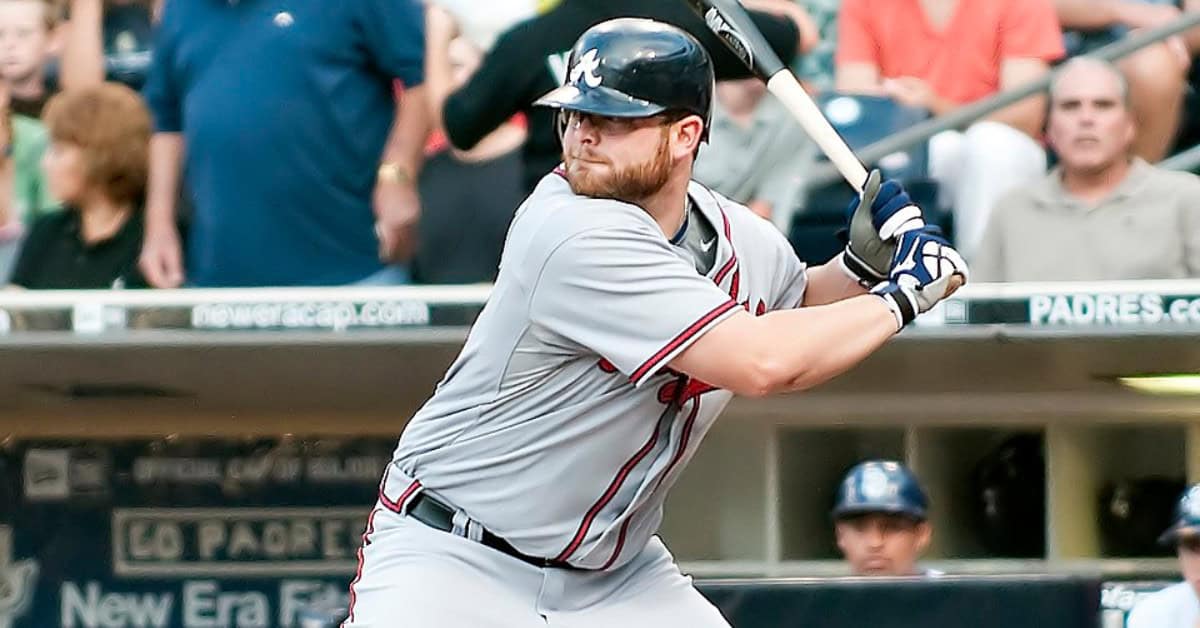
McCann swung from the left side with the consistency of a Swiss timepiece, averaging nearly 20 home runs per season during his initial Atlanta tenure. His 2006 rookie campaign announced his arrival with 24 home runs and 93 RBIs, while his seven All-Star selections proved he belonged among the elite backstops of his generation. The Georgia native provided the Braves with steady offensive production and reliable defense, becoming the kind of foundational player that franchise-building dreams are made of.
Russell Martin – The Versatile Canadian Workhorse
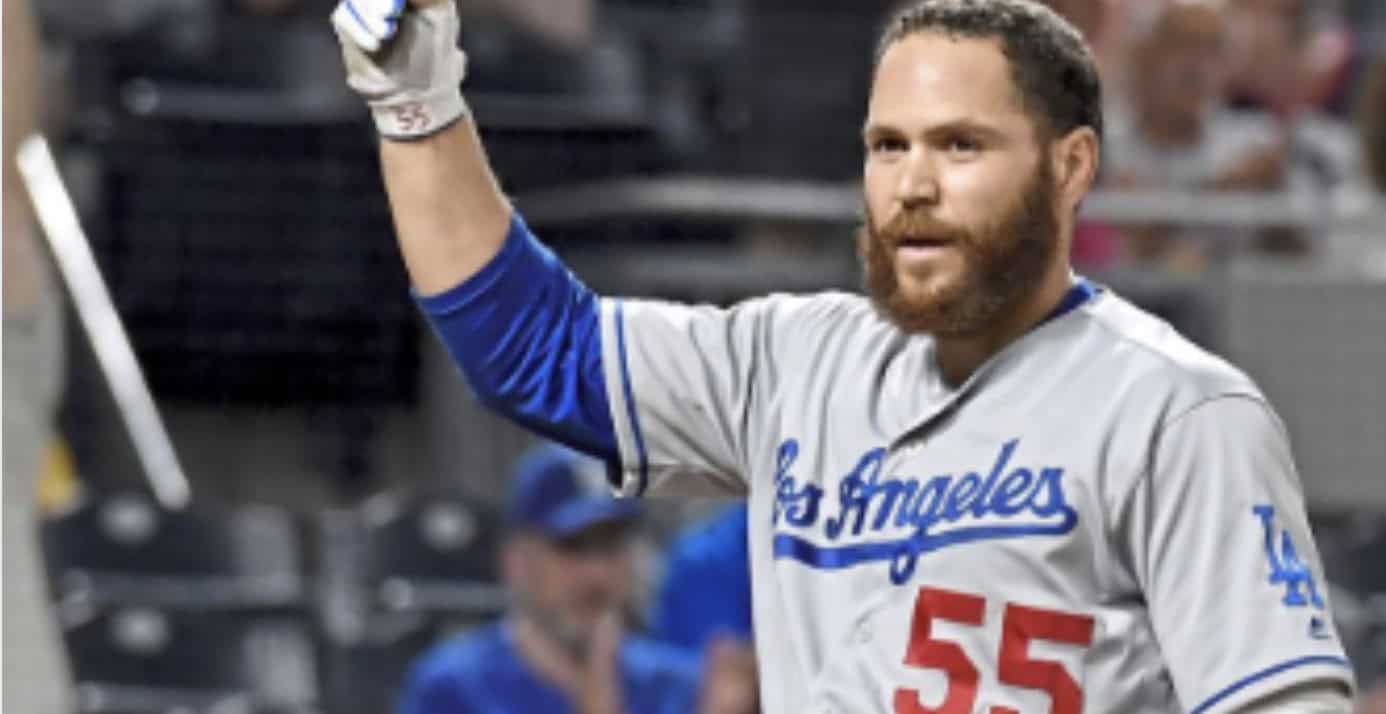
Martin brought a hockey player’s toughness to the catcher’s position, combining speed, power, and defensive versatility that made him invaluable to the Dodgers. His 2007 season was a thing of beauty—19 home runs, 87 RBIs, and 21 stolen bases that made him one of the most dynamic catchers in the National League. The Montreal native could play multiple positions, steal bases, and work counts like a seasoned veteran, proving that Canadian politeness and baseball aggression could coexist perfectly behind home plate.
Victor Martinez – The Switch-Hitting Offensive Force
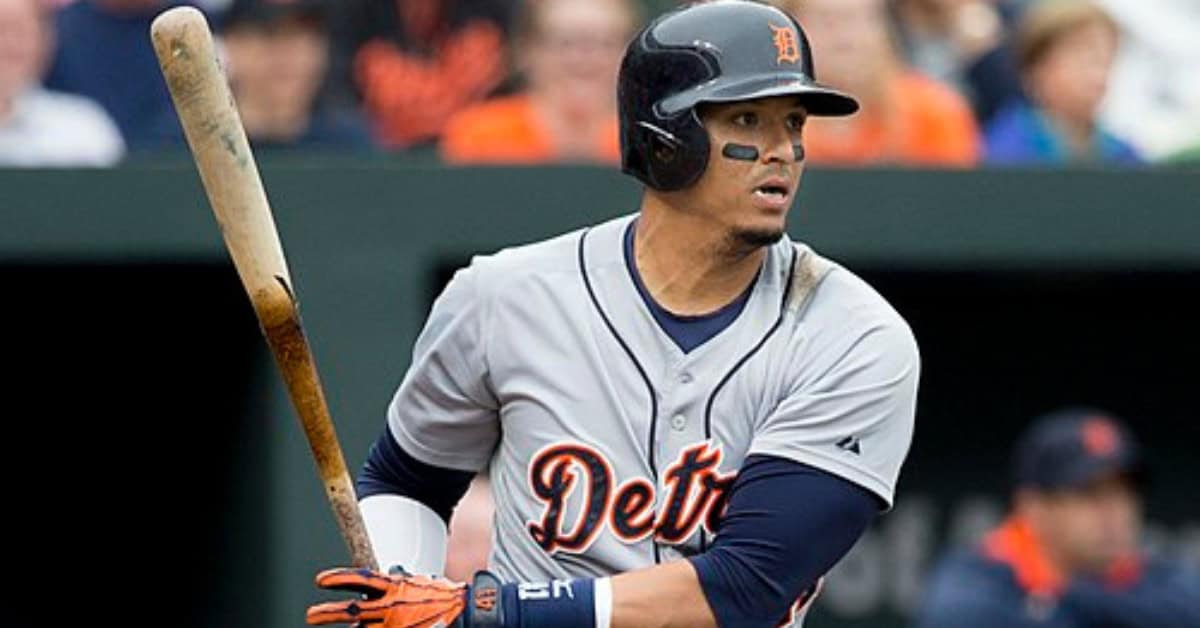
Martinez wielded his bat like a master craftsman, posting a .301 career average as a catcher that made him one of the most feared switch-hitters in baseball. His 2004 season with Cleveland showcased his offensive prowess—23 home runs, 108 RBIs, and a .283 average that helped the Indians remain competitive in the AL Central. The Venezuelan backstop could hit for average and power from both sides of the plate, making him a matchup nightmare for opposing managers and a reliable run producer for his teammates.
Javy Lopez – The Braves’ Home Run Machine
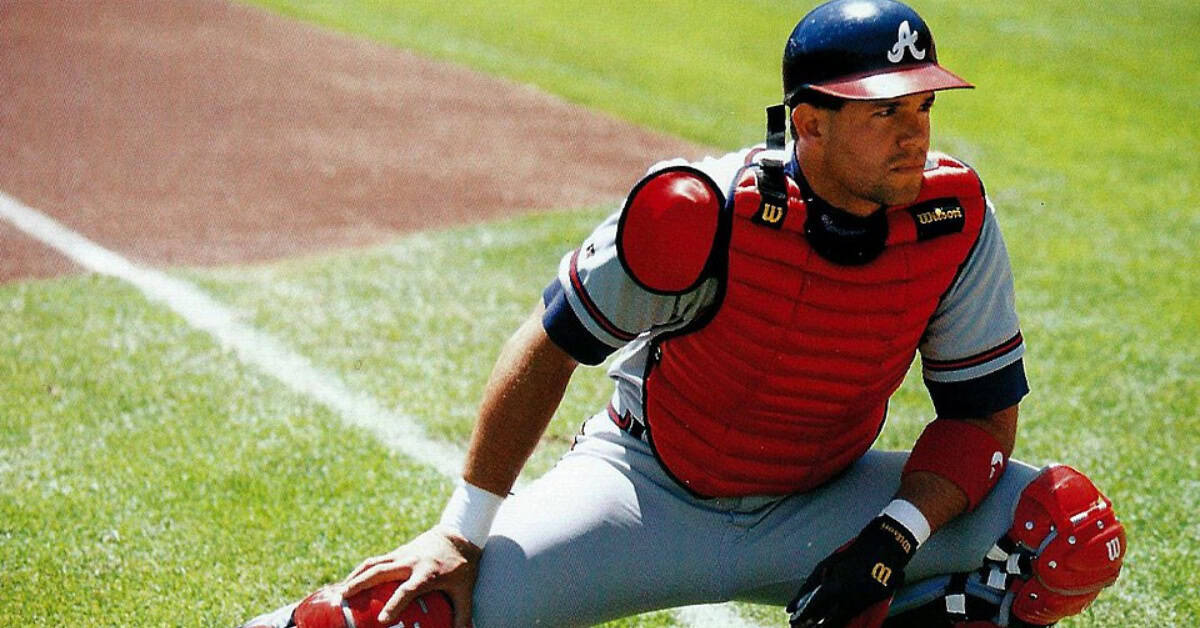
Lopez launched baseballs into the Atlanta night like a man operating a medieval catapult, setting what was then the single-season home run record for catchers with 43 in 2003. His powerful right-handed swing and ability to drive in runs made him the perfect complement to the Braves’ dominant pitching staff. The Puerto Rican slugger averaged 25 home runs per season during his prime years, turning Turner Field into his personal launching pad and giving Braves fans something to cheer about besides Chipper Jones.
Paul Lo Duca – The Scrappy Dodger Fan Favorite
Lo Duca played baseball like he was auditioning for a Rocky movie, bringing scrappy intensity and clutch hitting to Dodger Stadium. His 2001 and 2002 seasons were masterpieces of overachievement—batting .320 and .281 respectively while providing steady leadership behind the plate. The Brooklyn native represented old-school baseball values: hustle, heart, and the ability to get big hits when they mattered most, making him the kind of player who earned standing ovations for simply running out ground balls.
Brad Ausmus – The Defensive Specialist’s Specialist
Ausmus turned catching into a chess match, using his Dartmouth education and baseball instincts to outthink hitters and manage pitching staffs like a field general. His three Gold Gloves and reputation as a pitcher’s best friend made him invaluable to the Astros during their 2005 World Series run. While his .251 career average won’t wow anyone, his ability to call games, frame pitches, and control the running game made him the kind of defensive specialist that smart teams coveted like a secret weapon.
Ramon Hernandez – The Steady Veteran Presence
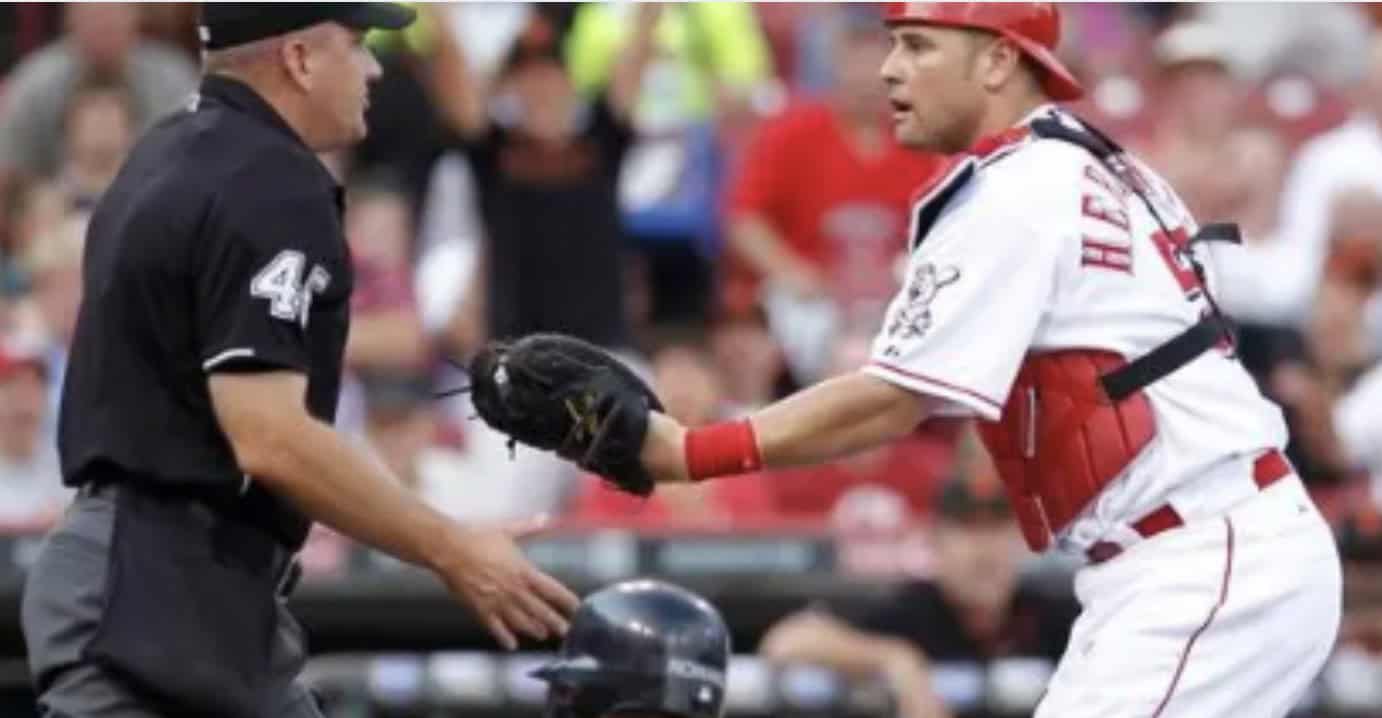
Hernandez provided the kind of steady, workmanlike performance that made him invaluable to multiple franchises throughout the decade. His time with Oakland showcased his complete skill set, including a 2003 season with 21 home runs and 78 RBIs that helped the Athletics remain competitive in the AL West. The Venezuelan backstop could hit for average, provide occasional power, and handle pitching staffs with the reliability of a Swiss watch, making him the kind of player that general managers loved to acquire.
A.J. Pierzynski – The Controversial Competitor

Pierzynski played baseball like he was settling old scores, bringing a combative edge that made him beloved by teammates and despised by opponents. His 2005 World Series championship with the White Sox proved that sometimes you need a villain to win it all, while his .280 career average and 188 home runs provided consistent offensive production. The Illinois native mastered the art of getting under opponents’ skin while delivering clutch hits, making him the kind of player you hated to face but loved to have on your team.
Mike Lieberthal – The Phillies’ Reliable Backstop

Lieberthal anchored the Phillies’ lineup with the consistency of a metronome, providing steady offensive production and reliable defense throughout the early 2000s. His 2002 season was a career highlight—15 home runs, 71 RBIs, and a .279 average that helped Philadelphia remain competitive in the NL East. The California native represented the kind of dependable veteran presence that young teams needed, combining solid fundamentals with clutch hitting that made him a fan favorite at Veterans Stadium.
Bengie Molina – The Giants’ Championship Foundation
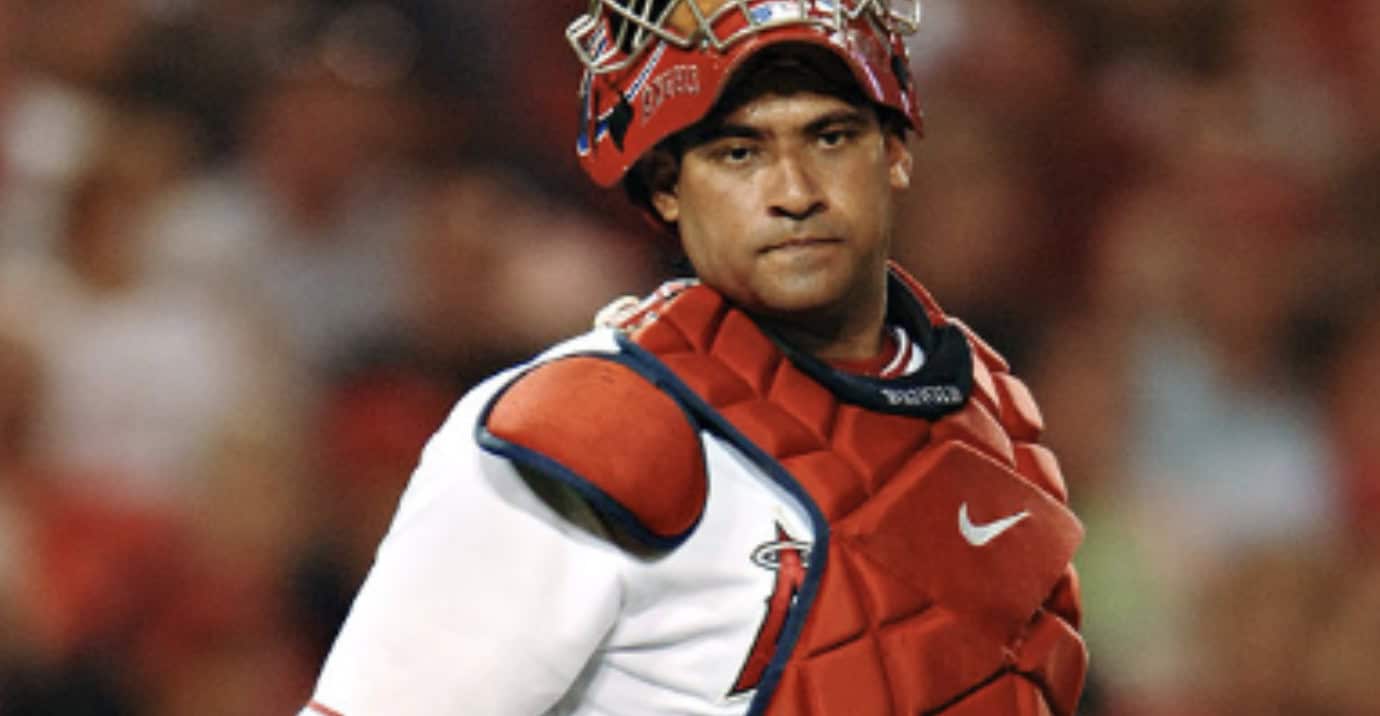
Molina brought Gold Glove defense and veteran leadership to every team he played for. His 2003 season with Anaheim showcased his complete skill set—14 home runs, 71 RBIs, and the kind of pitch-calling expertise that made him invaluable to young pitching staffs. The eldest of the Molina brothers combined solid offensive production with exceptional defensive skills, proving that sometimes the best catchers are the ones who make everyone around them better.
Todd Hundley – The Mets’ Power-Hitting Southpaw
Hundley swung from the left side with the power of a construction crane, setting the single-season home run record for catchers with 41 in 1996 before injuries slowed his production in the 2000s. His early-decade performance with the Cubs and Dodgers showcased flashes of his former brilliance, while his 202 career home runs proved he could still turn on a fastball. The New York native represented the kind of power-hitting backstop that could change games with one swing, even if injuries prevented him from reaching his full potential.
Geovany Soto – The Cubs’ Rookie of the Year Surprise
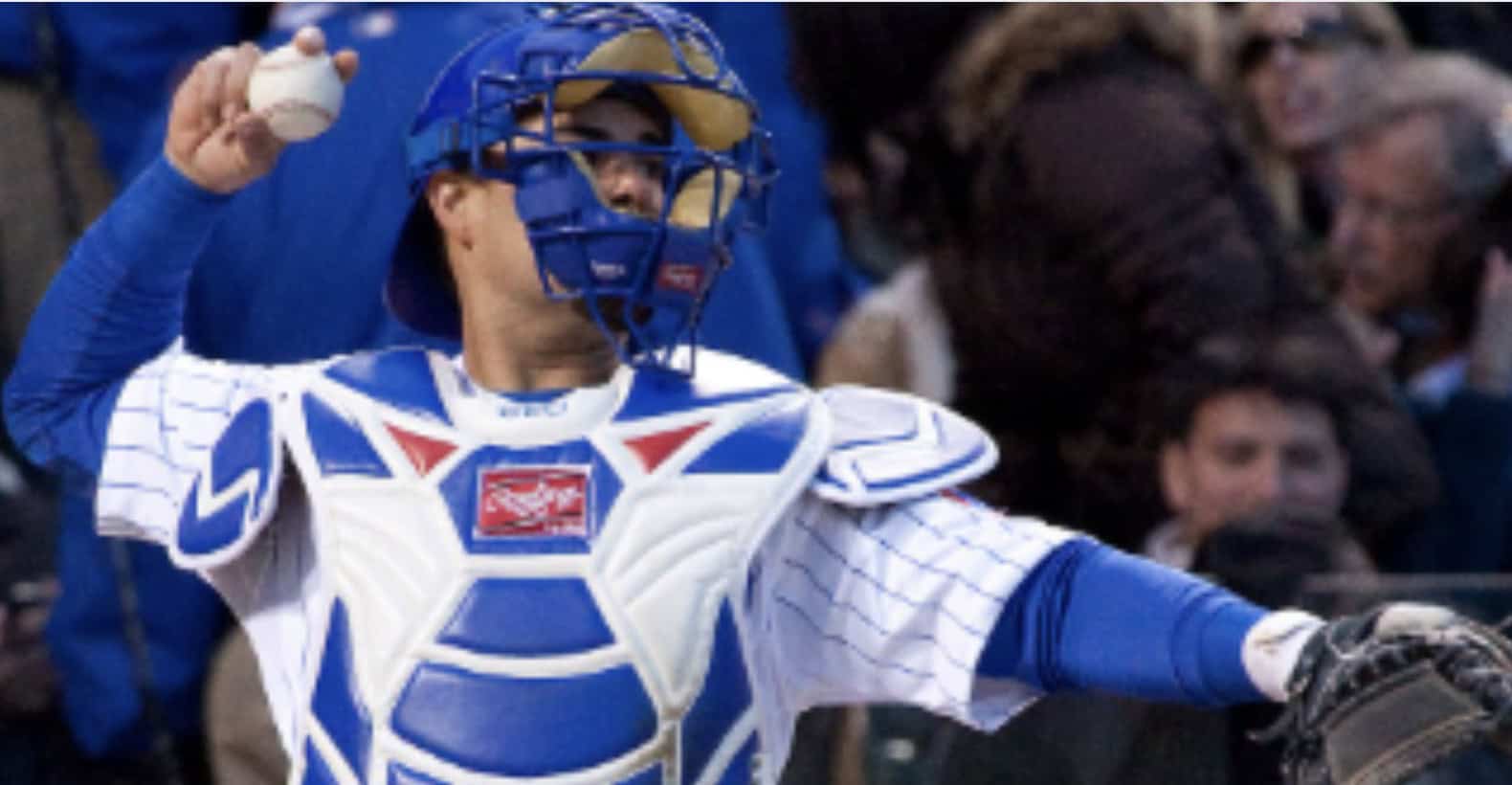
Soto burst onto the scene in 2008 like a firework on the Fourth of July, capturing NL Rookie of the Year honors with 23 home runs and 86 RBIs that helped the Cubs reach the playoffs. His breakout season represented everything Cubs fans loved about their team—unexpected excellence, clutch hitting, and the kind of magical moments that made Wrigley Field feel like baseball heaven. The Puerto Rican backstop proved that sometimes the best players emerge from nowhere, delivering a season that Cubs fans still remember fondly despite the team’s early playoff exit.
Johnny Estrada – The Braves’ All-Star Flash
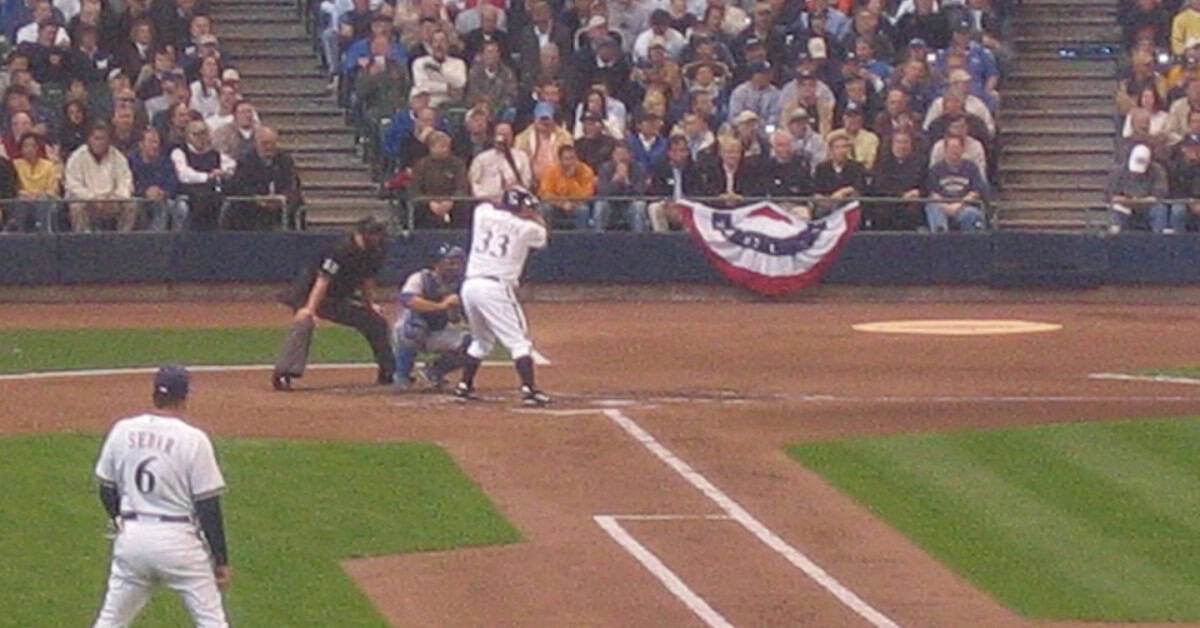
Estrada’s 2004 All-Star season with Atlanta was a masterpiece of offensive production—9 home runs, 76 RBIs, and a .314 average that made him one of the most productive catchers in the National League. His ability to hit for average and drive in runs provided the Braves with steady offensive production during their continued playoff runs, while his solid defense helped handle one of baseball’s most talented pitching staffs. The California native represented the kind of complete player that championship teams are built around, even if his peak performance lasted just a few magical seasons.