

Last Updated: June 17th, 2026 by Michael Schatz
Back when baseball cards came with gum and players wore flannel uniforms that soaked up summer sweat like sponges, the 1940s produced some of the most fearsome sluggers the game has ever seen. While everyone remembers Ted Williams and Stan Musial, a handful of power hitters from that decade have been lost to time, their mighty swings echoing only in the memories of those who witnessed them firsthand.
Don't lose this article. Enter your email below, and I'll send it to you right now. Plus, we'll send you other unbelievable stories from baseball's past.
Vern Stephens – The Shortstop Who Hit Like a First Baseman

Before Ernie Banks revolutionized the shortstop position, Vern Stephens was quietly rewriting the rules about what middle infielders could do with a bat. In 1945, he became the first shortstop ever to lead the American League in home runs, and his 39 dingers in 1949 stood as a shortstop record for years. Playing for the Red Sox during their golden era, Stephens drove in 159 runs that same season—a total that would make modern sluggers weep with envy.
Charlie Keller – “King Kong” Before Anyone Knew What That Meant
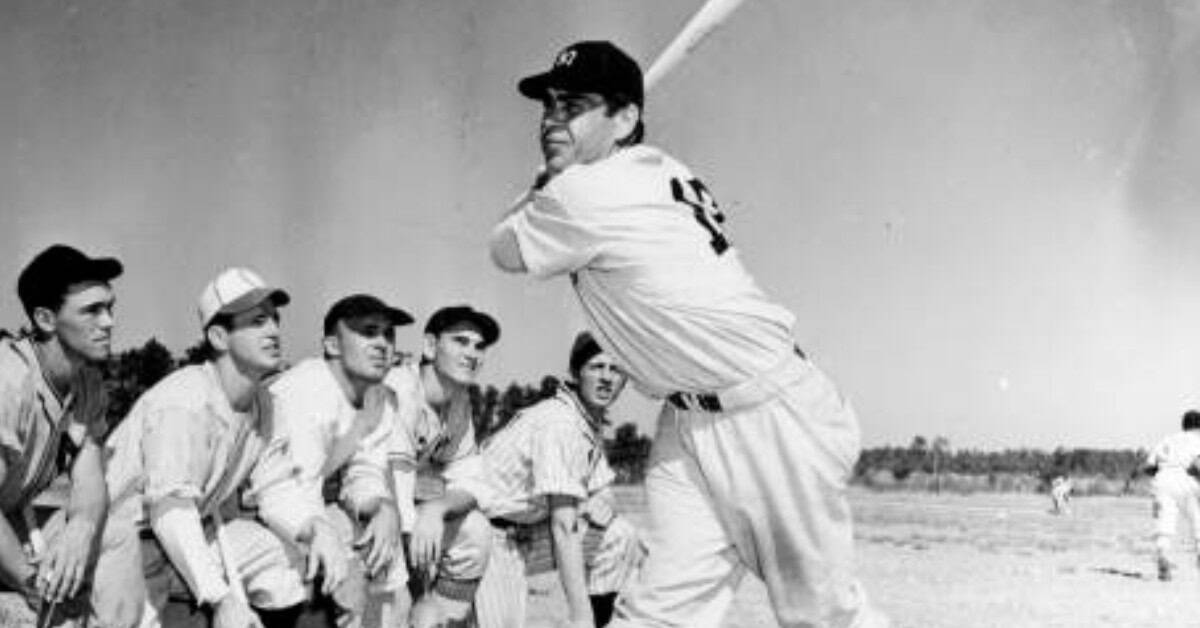
Charlie “King Kong” Keller earned his nickname not from the 1933 movie, but from his gorilla-like strength and the way he’d pound baseballs into submission. The Yankees outfielder was a walking highlight reel in the early 1940s, leading the AL in walks twice while crushing 33 home runs in 1941. His compact, powerful swing and ability to work counts made him the perfect complement to Joe DiMaggio, though injuries cut short what should have been a Hall of Fame career.
Rudy York – The Cherokee Slugger Who Terrorized Fenway
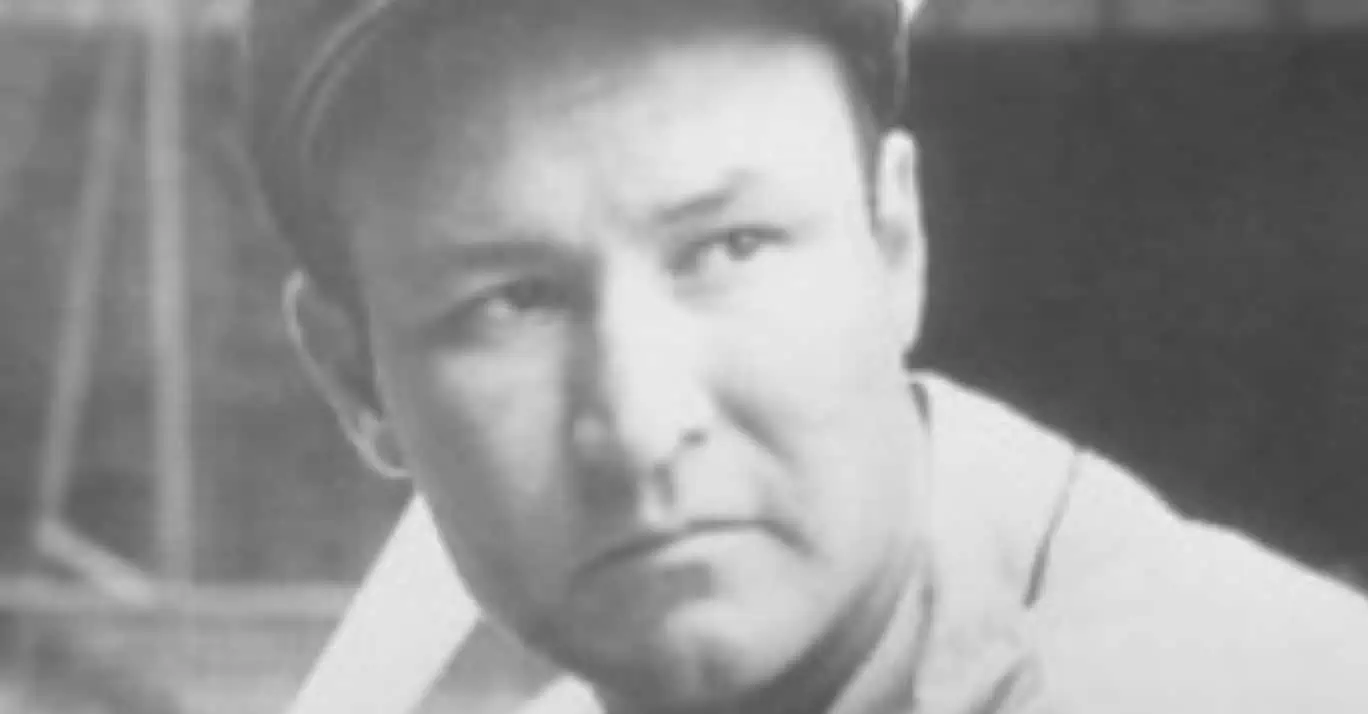
Rudy York’s massive frame and Cherokee heritage made him a fan favorite in Detroit, where he spent most of his career launching baseballs over Tiger Stadium’s distant fences. After helping the Tigers win the 1945 World Series, York was traded to Boston, where he became one of the few players to hit 15 or more home runs in both 1945 and 1946. His three home runs in one game during the war years proved that even with depleted talent, York could still put on a show that had fans talking for decades.
Pat Seerey – Four Home Runs in One Game, Then Vanished

On July 18, 1948, Pat Seerey became the first American League player to hit four home runs in an extra-inning game, leading the White Sox to a 12-11 victory over the Athletics. It was the kind of performance that should have launched a legendary career, but Seerey’s all-or-nothing approach at the plate made him a feast-or-famine player. His 86 career home runs came with 453 strikeouts, a ratio that would make him a perfect fit for today’s game but left him forgotten in an era that valued contact hitting.
Johnny Mize – The Big Cat Who Prowled Before Prime Time

Johnny “Big Cat” Mize was already prowling National League ballparks when television was just a gleam in some inventor’s eye, which explains why his incredible feats never got the recognition they deserved. His 43 home runs in 1940 set a Cardinals record that stood for nearly 60 years, and his 51 dingers in 1947 with the Giants put him in the exclusive “50 Home Run Club.” Mize had the rare combination of power and patience, striking out only 524 times in his entire career while belting 359 home runs—a ratio that seems impossible by today’s standards.
Bob Johnson – “Indian Bob” and His Quiet 288 Home Runs

Bob “Indian Bob” Johnson spent most of his career toiling for the Philadelphia Athletics, a team that was usually more interested in selling talent than winning games. Despite playing for consistently mediocre clubs, Johnson quietly accumulated 288 home runs and drove in over 100 runs six times during the 1930s and 1940s. His consistent power production in an era of pitcher-friendly ballparks made him one of the most reliable sluggers of his generation, though playing in Philadelphia’s shadow kept him from national recognition.
Jeff Heath – The Outfielder Who Hit From Both Sides of History
Jeff Heath was one of the first switch-hitters to truly master the art of power from both sides of the plate, a skill that would become commonplace decades later. Playing primarily for the Cleveland Indians during the 1940s, Heath could turn on a fastball with equal ferocity whether batting left or right-handed. His 194 career home runs might not sound impressive today, but for a switch-hitter in the dead-ball era’s twilight, Heath was practically a unicorn—a versatile slugger who could adjust his approach based on the pitcher while still driving balls into the bleachers.
Dick Wakefield – Detroit’s $52,000 Bonus Baby Gone Wrong
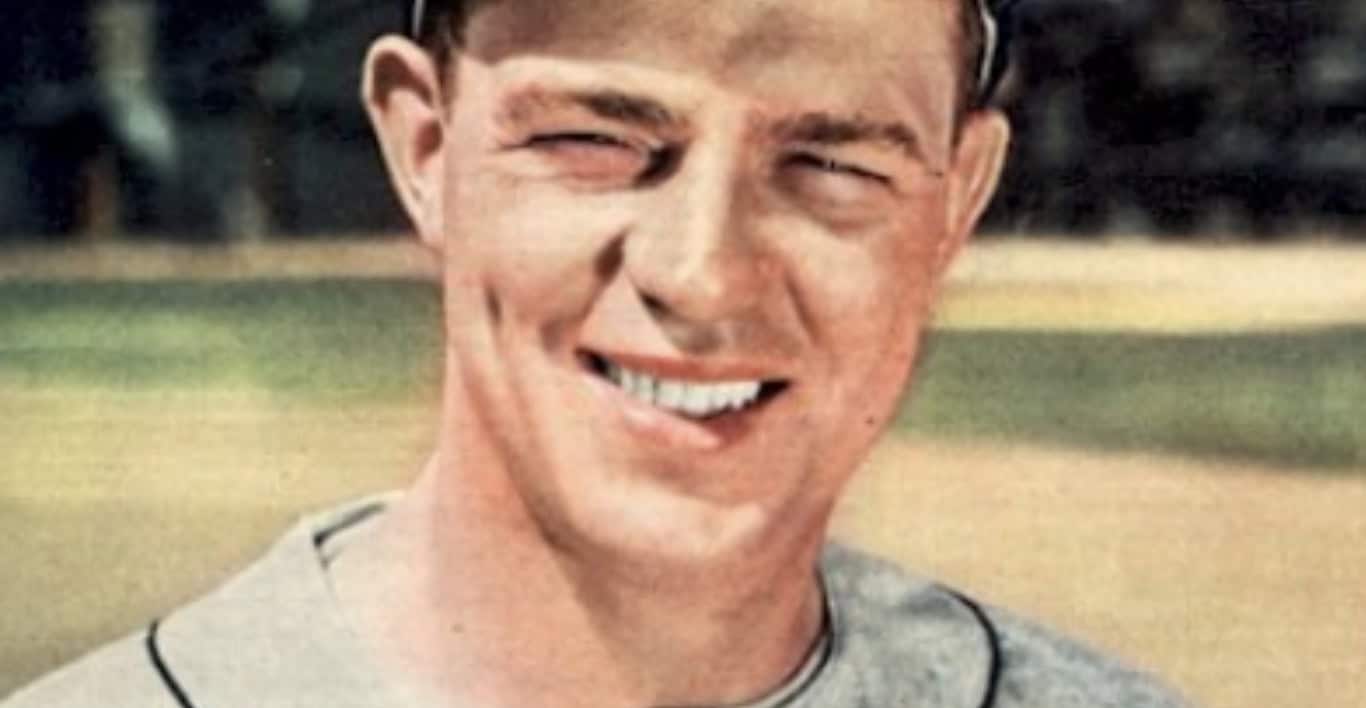
Dick Wakefield was baseball’s first true “bonus baby,” signing with Detroit for an astronomical $52,000 in 1941—money that could buy you a mansion and a fleet of Cadillacs back then. The Tigers expected him to be the next Ty Cobb, and for a brief moment, it looked like they might be right. Wakefield hit .316 with 12 home runs as a rookie, but World War II interrupted his career, and he never quite recaptured that early magic. His story became a cautionary tale about the dangers of throwing big money at unproven talent, decades before anyone had heard of draft busts.
Roy Cullenbine – The Walk Master Who Hit When It Counted

Roy Cullenbine was the kind of player who drove pitchers absolutely mad—he’d work deep counts, foul off tough pitches, and then launch a game-winning home run when you least expected it. His 110 career home runs don’t tell the whole story; Cullenbine drew 853 walks in his career, giving him an on-base percentage that would make modern sabermetricians swoon. Playing for six different teams during the 1940s, he was the ultimate professional hitter, someone who understood that getting on base was just as valuable as driving in runs, a philosophy that was decades ahead of its time.
Gus Zernial – “Ozark Ike” Started Strong in the Decade’s End

Gus “Ozark Ike” Zernial burst onto the scene in 1949 like a comic book character come to life, earning his nickname from a popular comic strip about a hillbilly baseball player. The Missouri farm boy could absolutely crush a baseball, and his 29 home runs as a rookie with the White Sox served notice that a new power hitter had arrived. Though most of his career success came in the 1950s, Zernial’s late-1940s emergence marked the end of one era and the beginning of another, when raw power would become increasingly valued over the contact hitting that had dominated the previous decade.