

Last Updated: June 17th, 2026 by Michael Schatz
Before pitch counts ruled the game and relief specialists took over the ninth inning, there was Curt Schilling—a throwback warrior who lived for October pressure and delivered when championships hung in the balance. His numbers tell the story of baseball’s last great big-game pitcher, the guy who made hitters look foolish when it mattered most.
Don't lose this article. Enter your email below, and I'll send it to you right now. Plus, we'll send you other unbelievable stories from baseball's past.
3,116 Career Strikeouts – Just 16 Pitchers Ever Joined This Elite Club
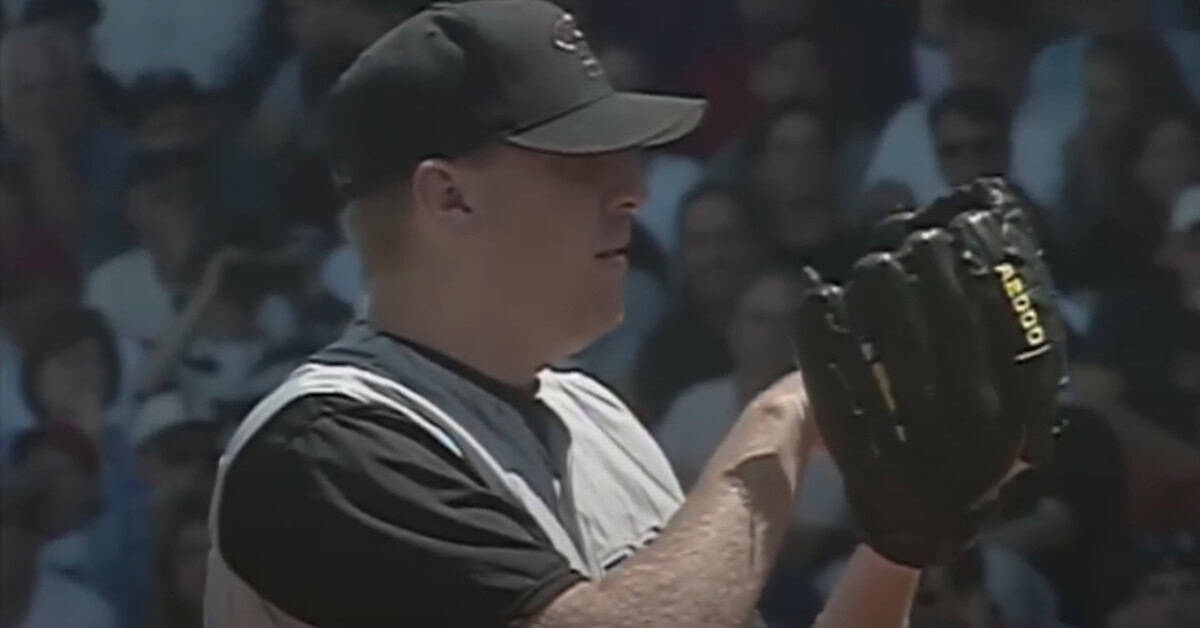
When Schilling reached 3,000 strikeouts in 2006, he joined baseball’s most exclusive pitching fraternity—a club so elite that only 16 men in history have earned membership. His 3,116 career strikeouts rank 15th all-time, accumulated over two decades of overpowering hitters with a devastating split-finger fastball and surgical precision. In an era when most pitchers were lucky to last 200 innings per season, Schilling consistently delivered 230+ innings while maintaining strikeout rates that would make today’s flame-throwers jealous.
4.38 Strikeout-to-Walk Ratio – The Best Control of Any Power Pitcher in History
Schilling’s 4.38 strikeout-to-walk ratio stands as the greatest mark in modern baseball history, a testament to his surgical precision on the mound. For every walk he issued, he struck out more than four batters—a level of control that separated him from every other power pitcher of his generation. This wasn’t just about throwing strikes; it was about commanding the strike zone with the confidence of a surgeon, knowing exactly where each pitch would land before it left his hand.
56 Strikeouts in 2001 Postseason – A Single-Postseason Record That Still Stands

During Arizona’s magical 2001 World Series run, Schilling set a single-postseason strikeout record with 56 K’s that still stands today. Partnered with Randy Johnson, he formed the most dominant postseason pitching duo in baseball history, going 4-0 with a 1.12 ERA while striking out nearly 10 batters per nine innings. Those 56 strikeouts came in just 48.1 innings, a rate of dominance that left American League hitters looking helpless against his devastating repertoire.
11-2 Postseason Record – The Ultimate Big Game Pitcher When It Mattered Most

Schilling’s 11-2 postseason record represents the highest winning percentage (.846) among pitchers with at least 10 postseason decisions in baseball history. When October arrived and the lights burned brightest, Schilling transformed into something otherworldly—a pitcher who seemed to thrive on pressure while his opponents wilted. His postseason dominance wasn’t just about talent; it was about embracing the moment when lesser pitchers crumbled under the weight of championship expectations.
World Series Titles with Two Different Teams – The Championship Catalyst

Few players can claim championship rings with two different franchises, but Schilling delivered titles to Arizona (2001) and Boston (2004, 2007), and was also instrumental in Philadelphia’s 1993 World Series run. He wasn’t just along for the ride—he was the catalyst who transformed good teams into champions. Each title tells a different story: the desert miracle in Arizona, breaking the Bambino’s curse in Boston, and the near-miss in Philadelphia that established his October legend.
2.23 Career Postseason ERA – Ice Water in His Veins Under Pressure
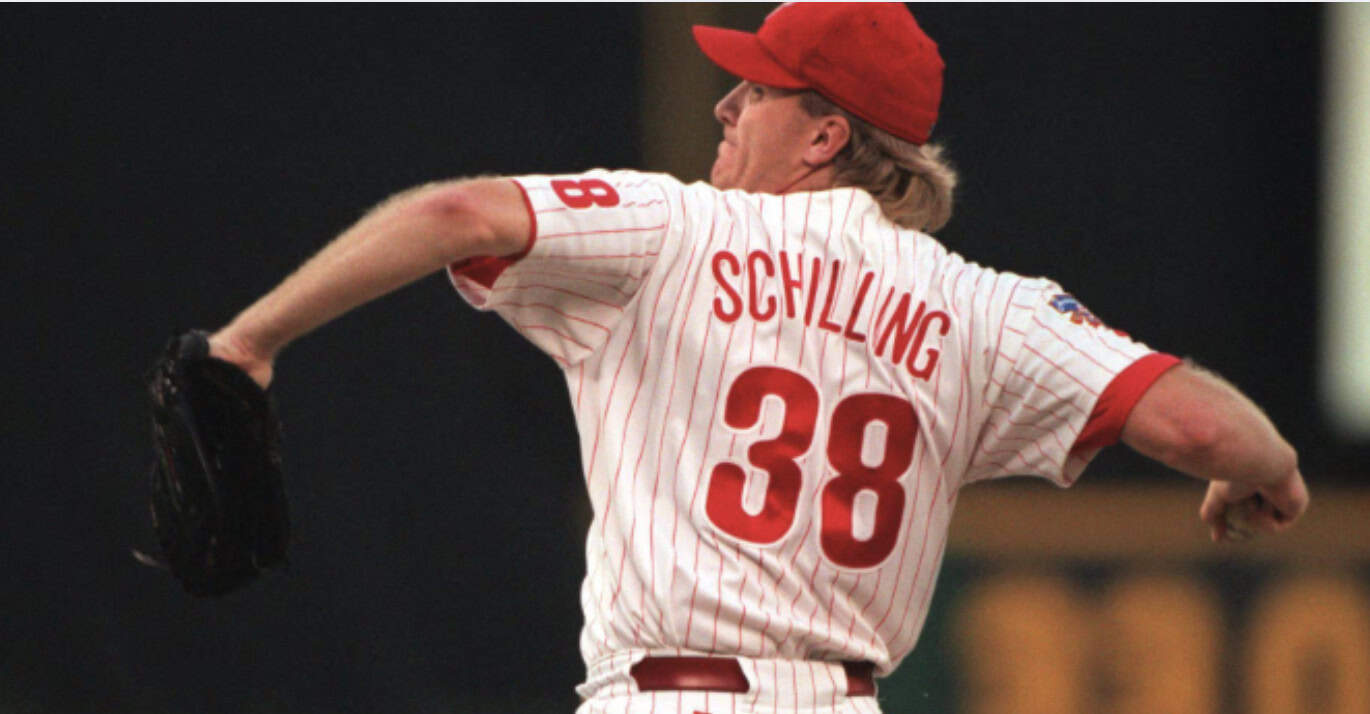
While most pitchers see their ERAs inflate under postseason pressure, Schilling’s 2.23 October ERA was actually better than his regular season mark. Over 133.1 postseason innings, he allowed just 33 earned runs while striking out 120 batters—numbers that would make any ace jealous. This wasn’t luck or small sample size; it was the mark of a pitcher who genuinely got better when the stakes were highest, feeding off the energy that paralyzed his peers.
216 Career Wins with a 3.46 ERA – Two Decades of Dominant Consistency

Schilling’s 216 career victories paired with a 3.46 ERA represent two decades of sustained excellence in baseball’s most demanding position. He won 15 or more games in eight different seasons, including a career-high 22 wins in 2001 when he finished second in Cy Young voting. These weren’t empty victories padded by great offensive support—they were earned through dominant performances that consistently gave his teams a chance to win every fifth day.
66 Complete Games in the Era of Pitch Counts – Old School Grit in Modern Times

In an era when complete games became as rare as .400 hitters, Schilling threw 66 of them—a throwback to baseball’s golden age when pitchers were expected to finish what they started. His 20 shutouts further emphasized his ability to dominate entire games, not just innings. While modern pitchers celebrate quality starts, Schilling routinely delivered complete-game masterpieces that reminded fans of baseball’s more rugged past, when stamina and mental toughness mattered as much as velocity.
The Bloody Sock Game – 7 Innings of Legend in 2004 ALCS Game 6

Game 6 of the 2004 ALCS produced one of baseball’s most iconic images: Schilling’s bloody sock, stained red from a surgically repaired ankle tendon that tore during his dominant seven-inning performance. Pitching on one good leg with Boston facing elimination, he allowed just one run while striking out four Yankees, keeping the Red Sox’s championship dreams alive. The sock became a symbol of October heroism, representing the kind of gritty determination that separated champions from also-rans in baseball’s most pressure-packed moments.
127 Career ERA+ – 27% Better Than League Average for 20 Years
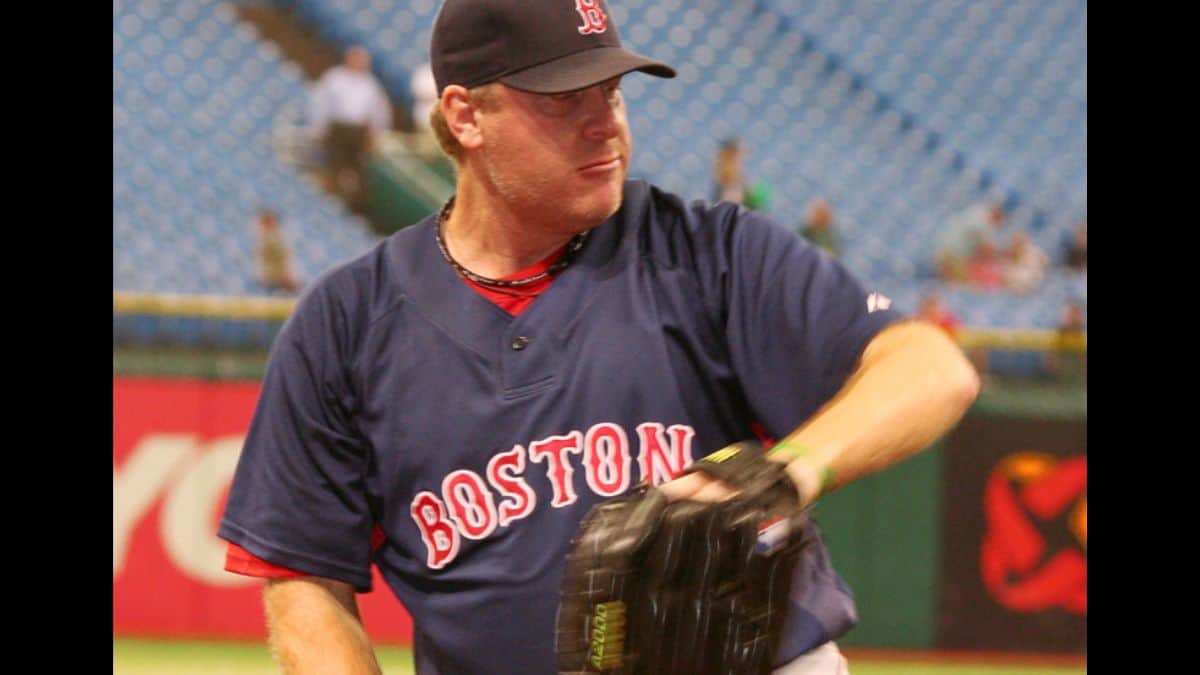
Schilling’s 127 ERA+ means he was 27% better than the average pitcher throughout his 20-year career—a mark of sustained excellence that few pitchers achieve over such a long span. This statistic adjusts for ballpark factors and league offensive levels, providing the truest measure of pitching dominance across different eras and environments. From the offensive explosion of the late 1990s through the steroid era and beyond, Schilling consistently outperformed his peers while adapting his approach to whatever challenges each season brought.