


Last Updated: June 17th, 2026 by Michael Griffin
On the surface, baseball seems like a simple game. There are nine players on the field, including the pitcher. Each side tries to get three outs an inning, and there are nine innings in a game. However, there are many complex strategies at play during each contest that might go unnoticed by the uninitiated. For example, before the pitch clock era, Pedro Martinez would vary the time between pitches to throw off baserunners. Here are 12 strategies that veteran fans can teach newbies.
Don't lose this article. Enter your email below, and I'll send it to you right now. Plus, we'll send you other unbelievable stories from baseball's past.
12. The Secret Art of the Decoy Throw—Fooling Runners Since Little League
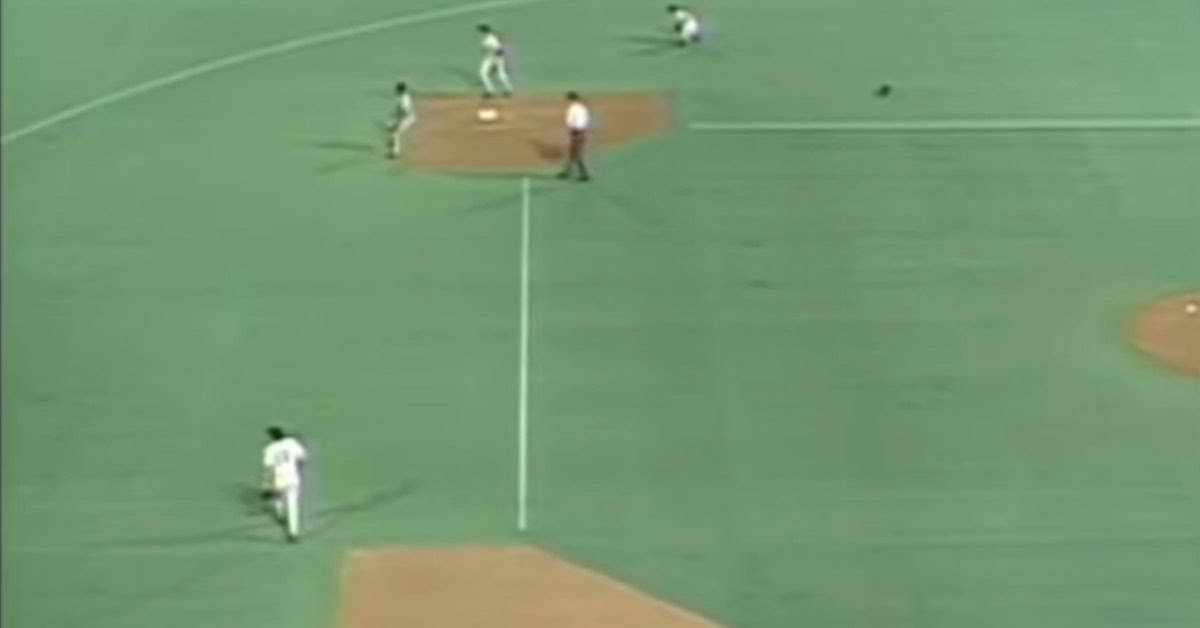
The image here is of Lonnie Smith falling for the deke in the 1991 World Series. He was on first base when the next hitter smashed a ball into the outfield for extra bases. Smith was watching the infielders instead of his third-base coach and saw them acting as if they were turning a routine double play. That brief hesitation meant he only made it to third base instead of scoring. It made a difference, as Atlanta could have used that run—they wound up losing the series.
11. Reading the Outfield Shift
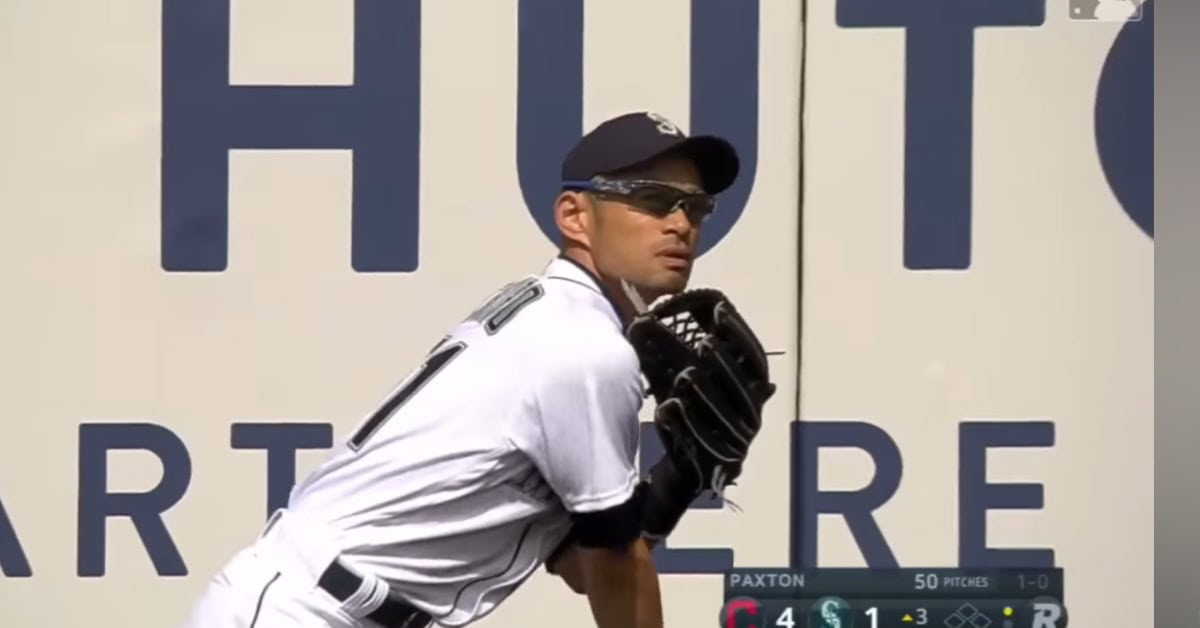
There’s a lot of strategy happening between batters, and sometimes even during the same at-bat. Pay attention to the outfielders; they’ll stand in different parts of the outfield depending on the hitting tendencies of each batter. A left fielder might move closer to the foul line if the batter is right-handed and tends to pull the ball. They aren’t just standing around like Little Leaguers staring at clouds.
10. The Mound Visit Mind Game
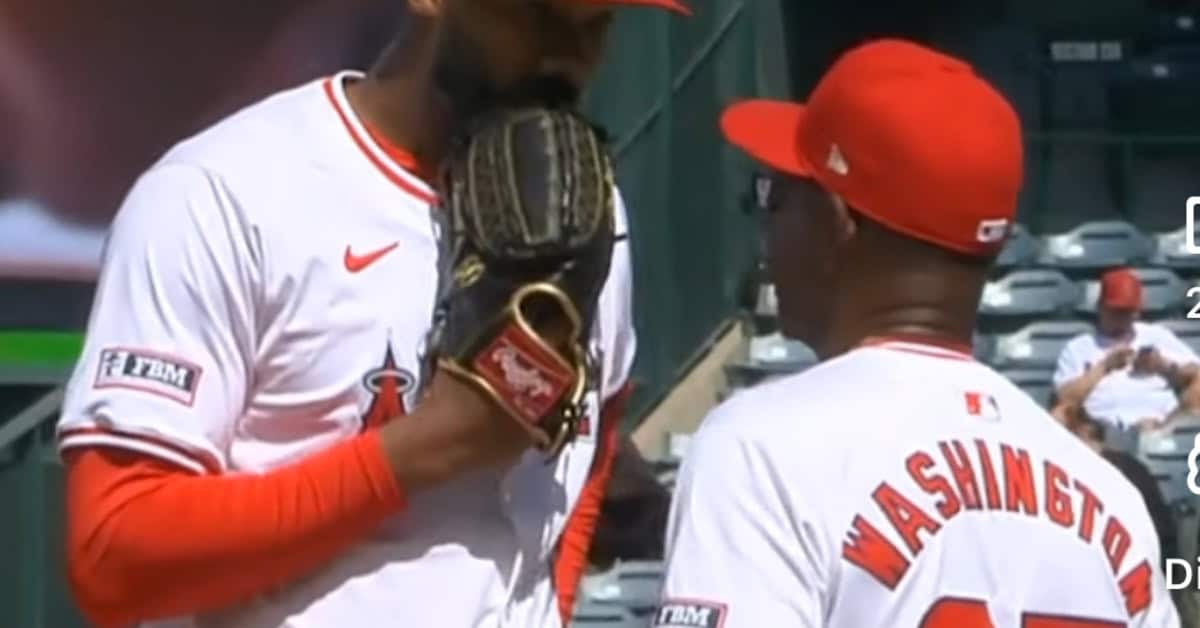
When you see a manager or pitching coach go out to the mound—sometimes joined by infielders and the catcher—it’s rarely about pitch mechanics. There’s too much going on in the game, and the visits are too brief to be effective for working on mechanics. The manager might be gauging whether the pitcher has anything left in the tank, stalling to give a reliever time to warm up, or strategizing about how to approach the next hitter.
9. The Pitcher’s Glance

Pitchers need every advantage they can get. Greg Maddux used his eyes and mind to help him decide which pitch to throw. He would study where a hitter positioned his feet in the batter’s box and where he held his hands, then target those weak spots. It must have worked, since he had 355 career wins. Not every pitcher can be as observant as “The Professor,” but there’s a lot of gamesmanship going on.
8. Stealing Signs
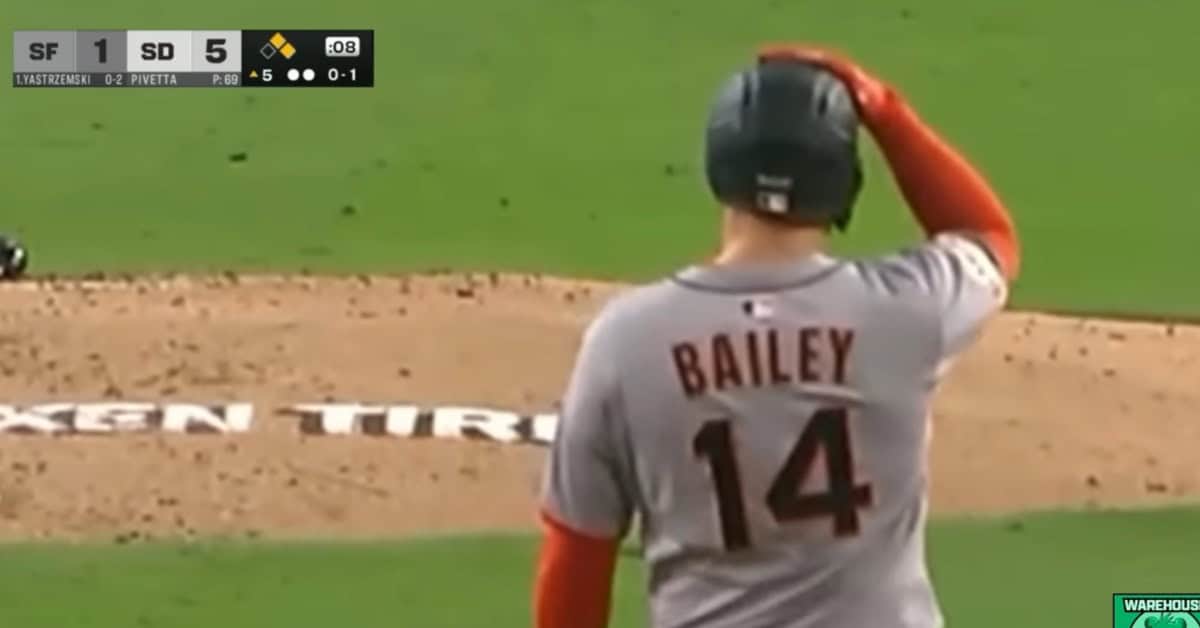
First things first: the strategies discussed here are legal, unlike the infamous Houston Astros trashcan scandal. These are instances like the photo above, where the baserunner is taking a lead at second and adjusting his helmet—a signal to the hitter that he’s cracked the signs and knows what pitch is coming. Runners might also pick up on what pitch is coming based on how the pitcher holds his glove. It’s up to the other team to pick up on it and make adjustments.
7. The Subtle Dance of the Lead-Off From First
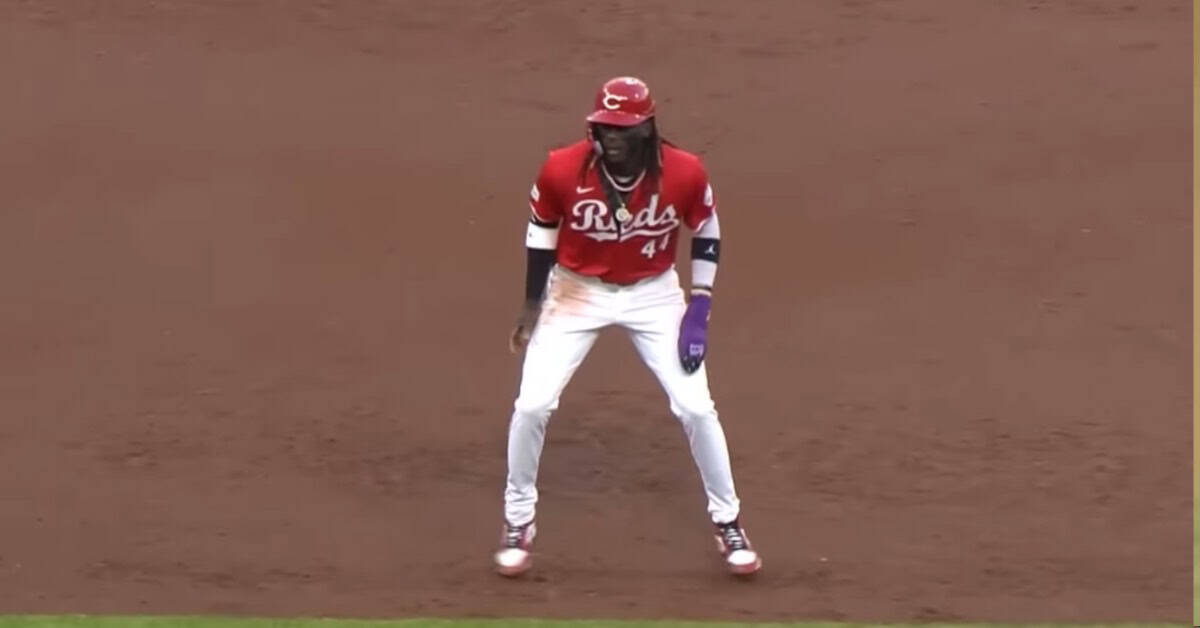
New rules limiting pickoff attempts have changed the showdown between runners and pitchers, but there’s still a battle going on. Even a runner like Elly De La Cruz has to weigh whether he can get back to the bag on one of the pickoff attempts.
6. Framing the Pitch
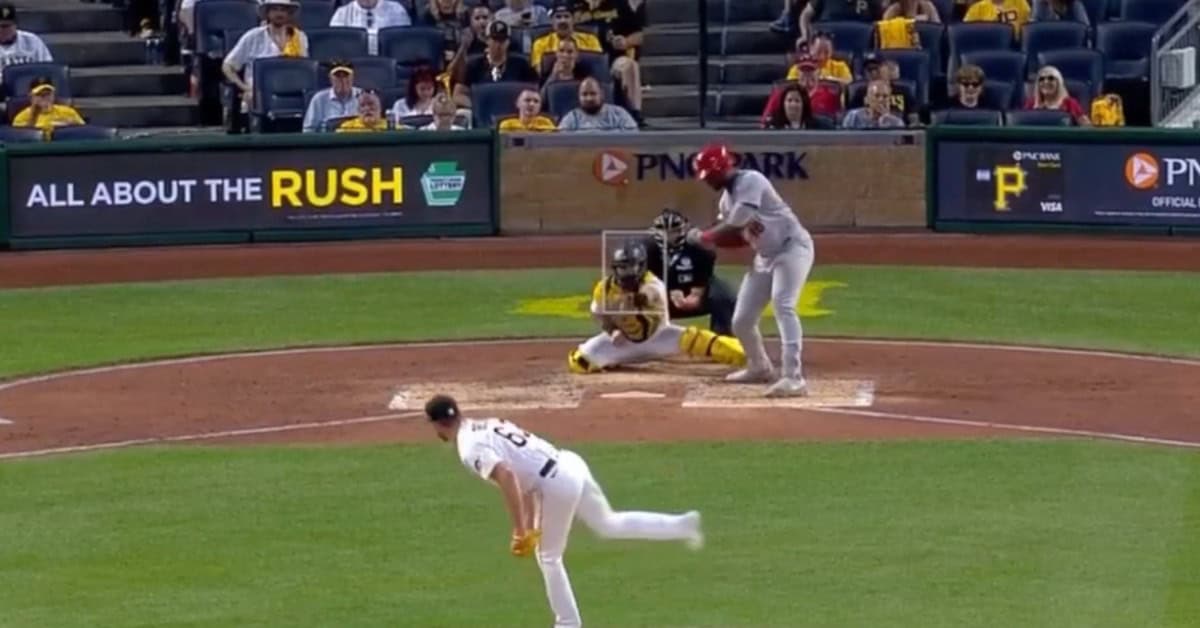
If MLB ever goes to the automated strike zone full time, this strategy could disappear. Until then, there is demand for catchers who can artfully let the ball come to them and subtly twist the glove to make it look like the ball crossed the plate. It’s all about being relaxed and not jabbing at the ball, which makes it painfully obvious what they are trying to do.
5. Sacrifice Bunts
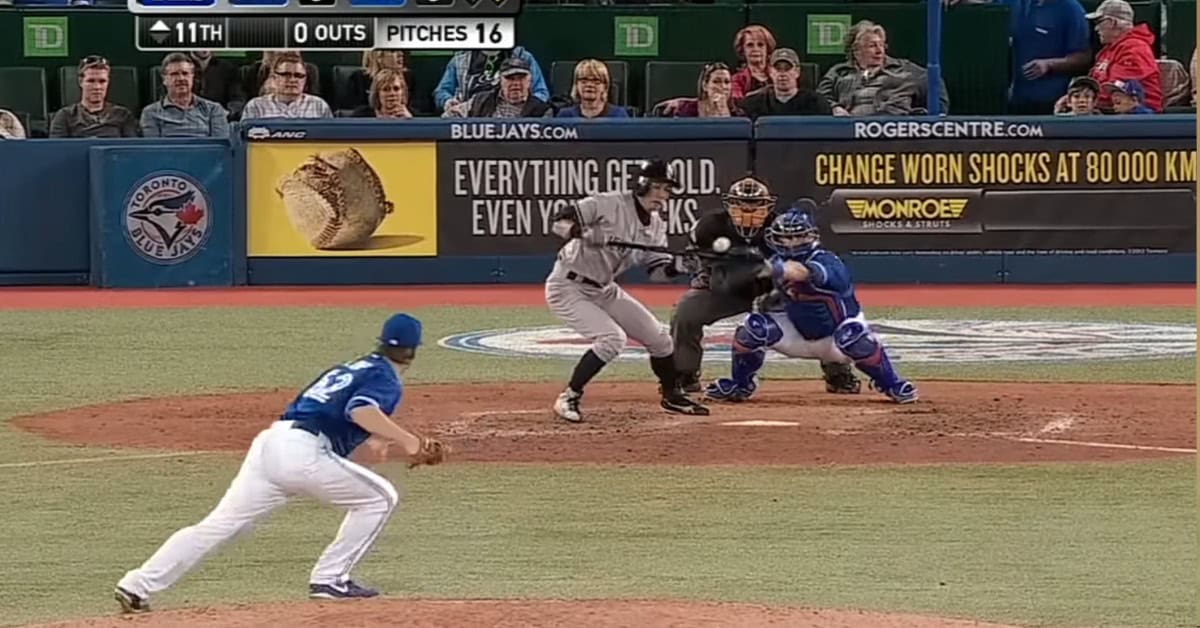
This has become a lost art form. Players today often look as graceful as a hippo trying to do ballet when attempting to bunt. But it can be extremely successful if done right, especially if the hitter is also able to end up with a hit.
4. Pitchouts
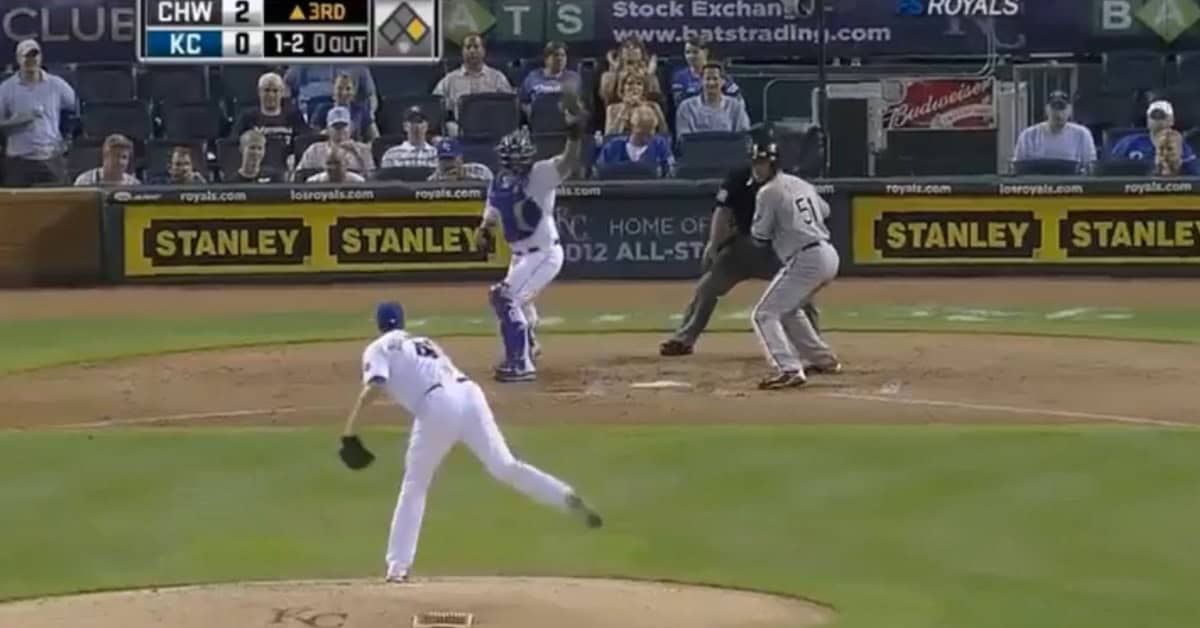
The old-fashioned pitchout—a fastball fired wide of the plate—can make or break a stolen base attempt. It’s a definite gamble for a manager to call it, since that’s another ball in the batter’s favor if the runner doesn’t go.
3. Defensive Indifference

It looks like a defensive lapse, but sometimes the team on the field just… doesn’t care. When the lead is safe and the runner doesn’t matter, defenders stay put and let the base be stolen. They have bigger priorities when it comes to winning the game.
2. “Working the Count”
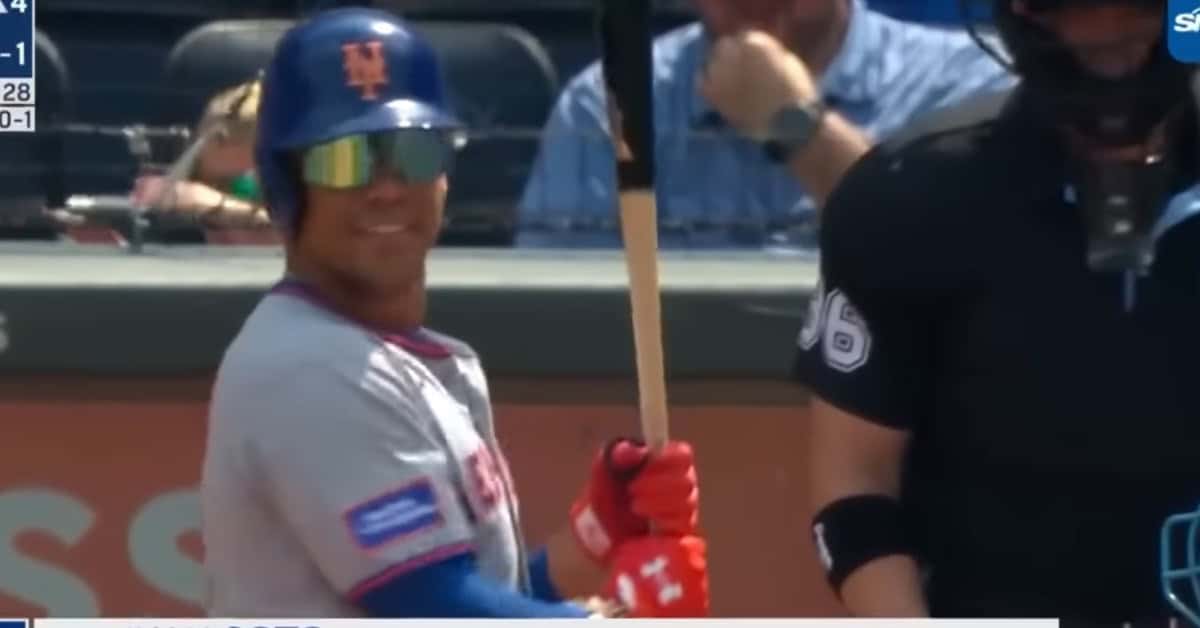
An uneducated fan might think that watching a batter “take pitches” looks passive. But working the count—fouling off tough ones, laying off junk—wears down pitchers and can swing momentum. Juan Soto is one of the best in the game at doing that today. When he starts nodding his head, be ready—he might hit the next pitch hard.
1. The Intentional Balk
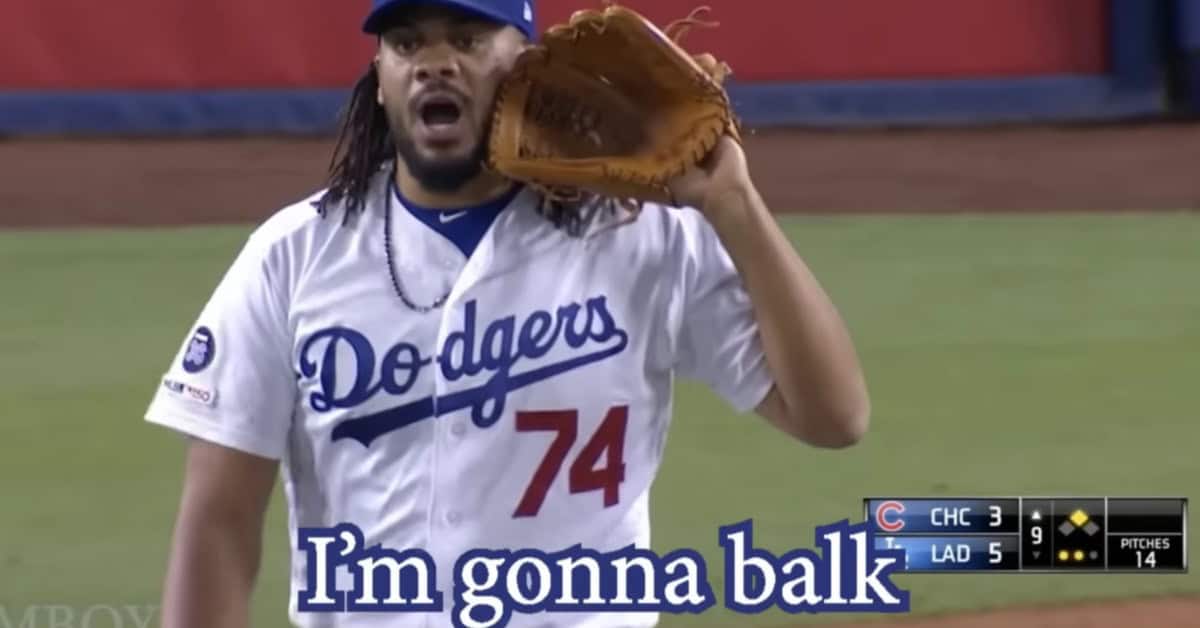
There might be a time in a game, usually late, when you see a reliever like Kenley Jansen do an intentional balk to move a runner over a base. This typically happens when there’s a runner on second and the pitcher doesn’t want to worry about sign stealing. It usually occurs in games that aren’t too close. This way, the pitcher can focus on getting the hitter out using standard signs.