

Last Updated: June 17th, 2026 by Matthew Brown
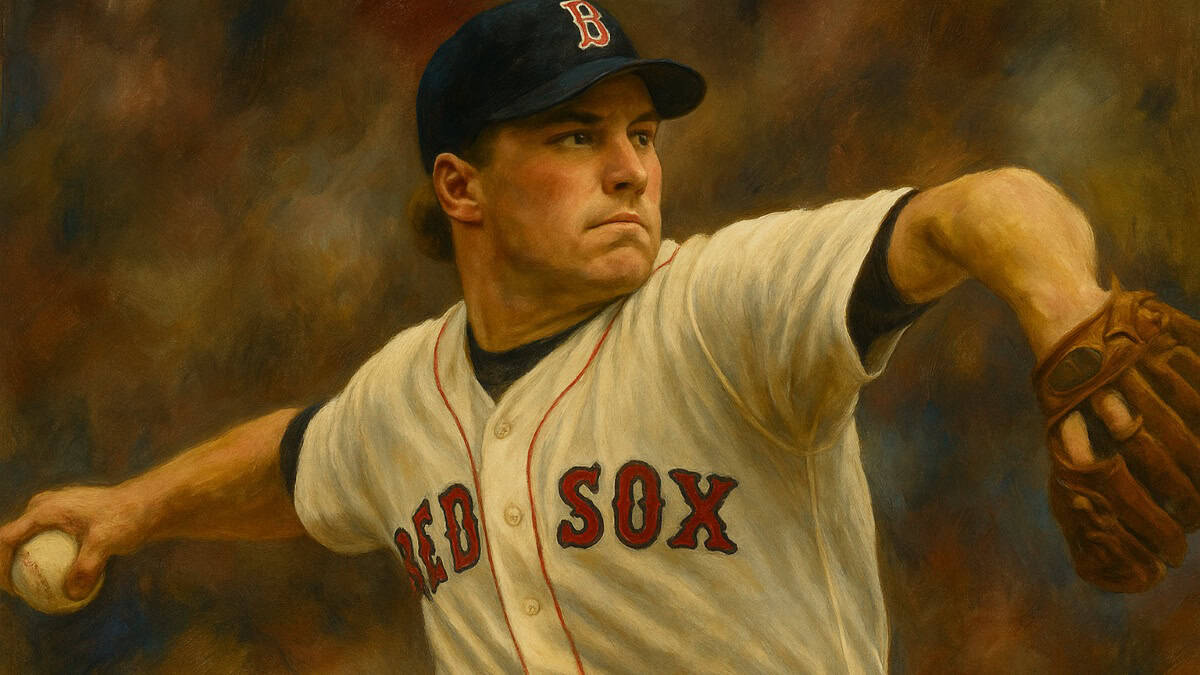
Before sabermetrics and pitch counts, when baseball cards still came with that pink stick of gum, Roger Clemens was throwing 100-mph fastballs that made grown men weak in the knees. The Rocket’s 24-year career took him from Fenway’s Green Monster to the SkyDome’s artificial turf, from Yankee Stadium’s cathedral to Houston’s Astrodome, collecting teammates like baseball cards along the way.
Don't lose this article. Enter your email below, and I'll send it to you right now. Plus, we'll send you other unbelievable stories from baseball's past.
Derek Jeter: The Captain Who Made Clutch Look Easy
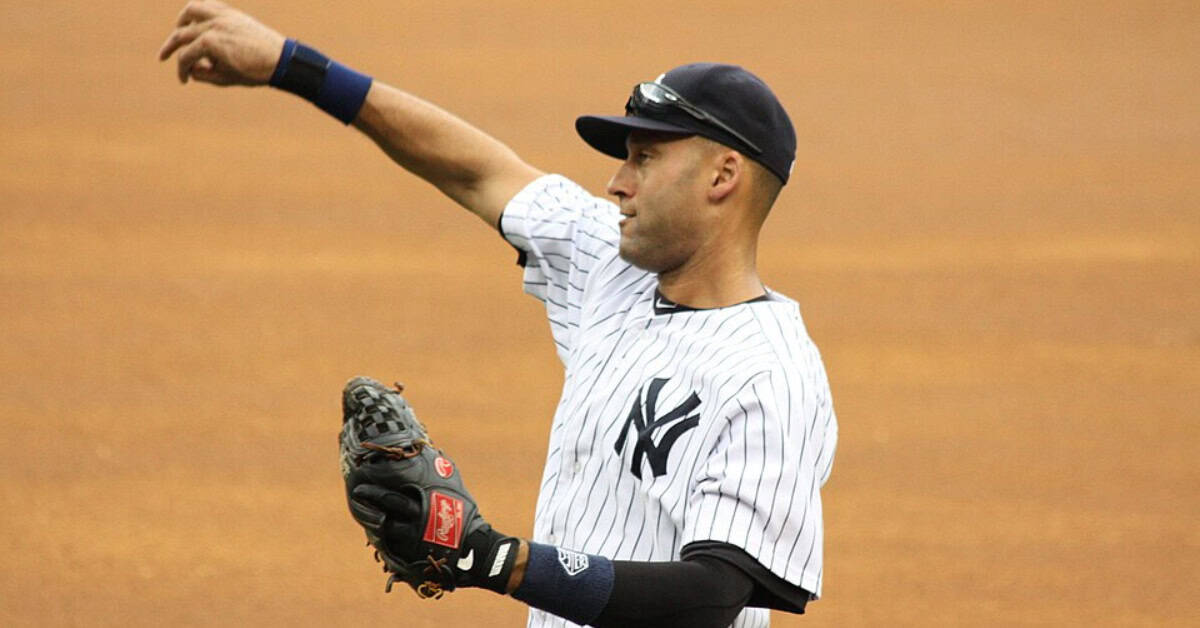
When the lights got brightest and the stakes got highest, Derek Jeter had this uncanny ability to make impossible plays look routine and clutch hits feel inevitable. The Captain’s calm demeanor in the batter’s box was the perfect complement to Clemens’ fiery mound presence during those championship years in pinstripes. Together, they turned October baseball into their personal playground, with Jeter’s clutch gene and Clemens’ overpowering stuff creating a dynasty that still makes Red Sox fans reach for the antacids.
Wade Boggs: The Chicken-Eating Third Base Wizard
Wade Boggs ate chicken before every game for 20 years and somehow turned this bizarre ritual into five batting titles and 3,000 hits. The man could find holes in the defense like a GPS system, spraying line drives all over Fenway Park while Clemens was striking out the side. Boggs’ obsessive routine and Clemens’ competitive fire created the perfect odd couple—one methodical and superstitious, the other explosive and intimidating.
Jose Canseco: The Bash Brother Who Spilled All the Secrets
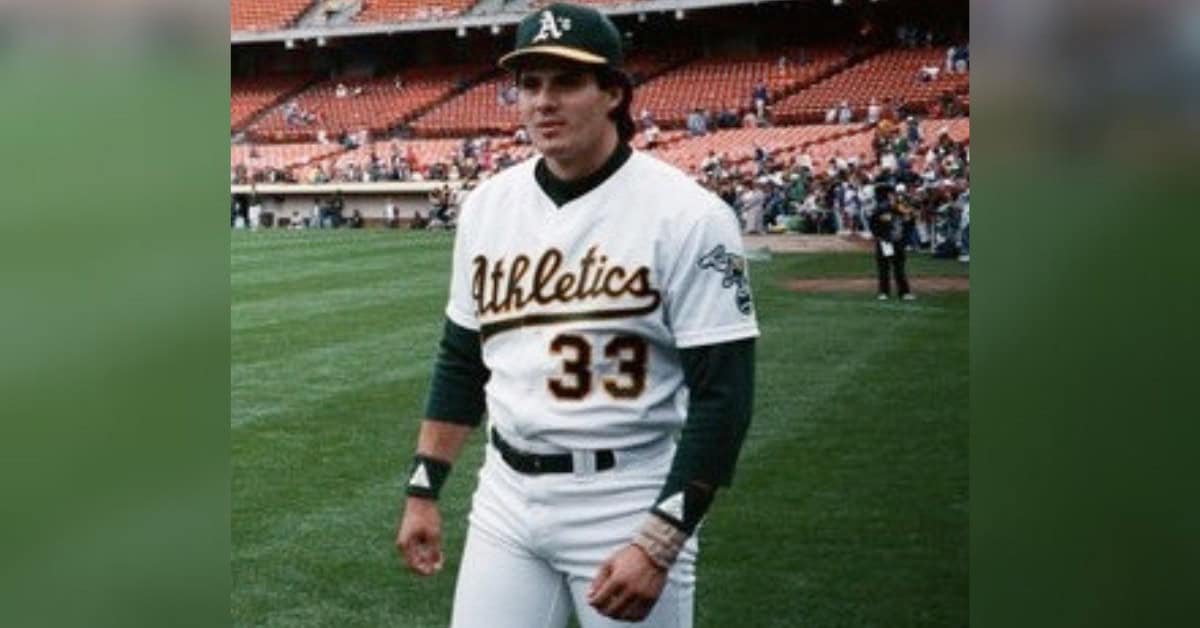
Jose Canseco was the ultimate teammate with the ultimate asterisk—a 40-40 slugger who could launch baseballs into orbit but later became baseball’s most notorious whistleblower. He played alongside Clemens in Boston, Toronto, and New York, witnessing firsthand the steroid era’s rise and fall. Years later, Canseco would name names and break the code of silence, making every shared clubhouse moment with the Rocket feel like evidence in a federal case.
Jim Rice: The Fenway Intimidator Who Made Pitchers Sweat
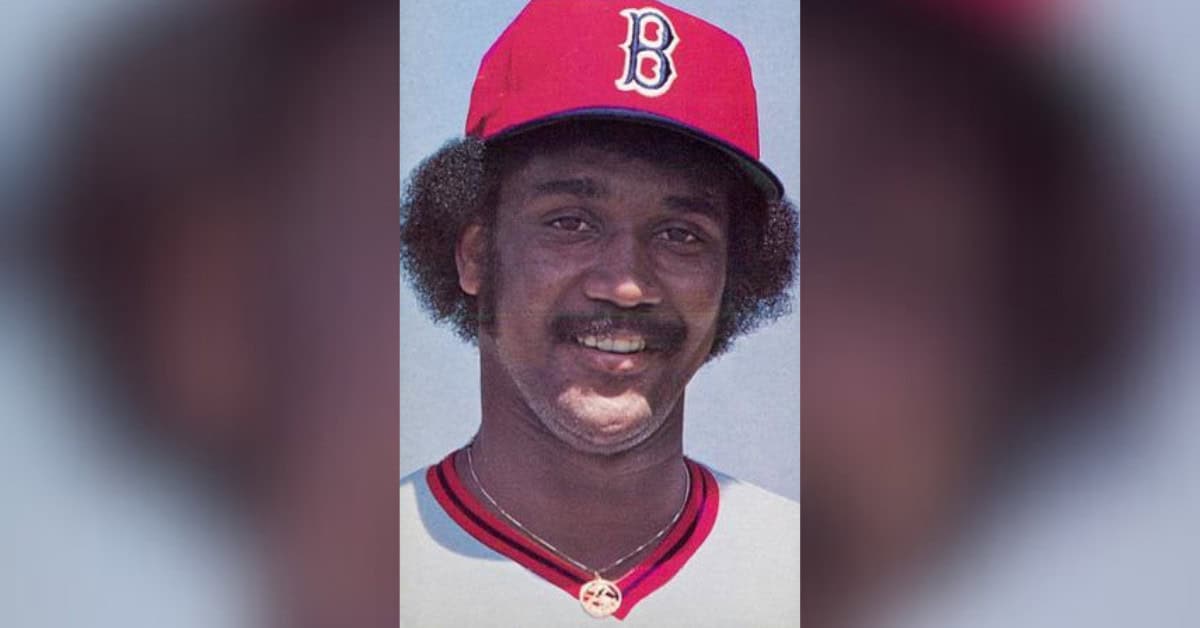
Jim Rice could break a bat over his knee like a twig and launch home runs that seemed to defy physics, turning Fenway Park into his personal launching pad. The man was so intimidating that opposing pitchers would rather face the Green Monster than challenge Rice with a fastball over the plate. When young Roger Clemens joined the Red Sox rotation, Rice was the veteran presence who showed him what it meant to be feared—not just respected, but genuinely feared.
Bernie Williams: The Guitar-Playing Center Fielder
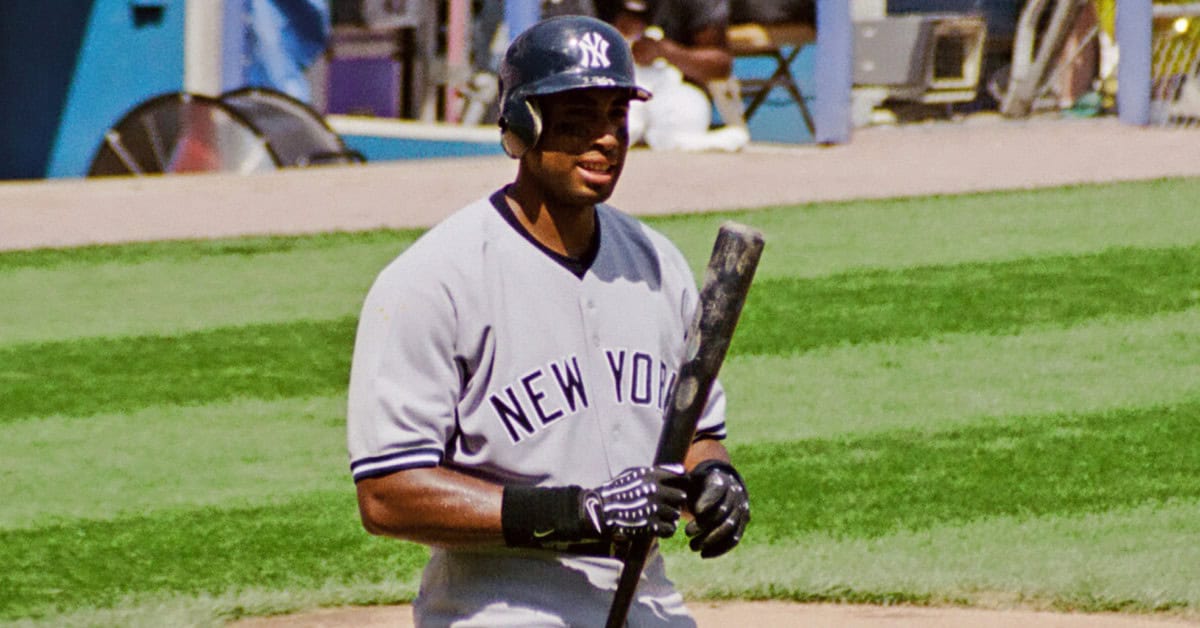
Bernie Williams was the quiet assassin who could rob you of a home run with a graceful leap, then head to the clubhouse to practice classical guitar in his downtime. His switch-hitting stroke was pure poetry in motion, especially during those magical October runs when he and Clemens were collecting championship rings like souvenirs. Williams brought a zen-like calm to the Yankees’ championship machine, the perfect counterbalance to Clemens’ intensity and the media circus that followed the Rocket wherever he went.
Mo Vaughn: The Hit Dog Who Could Crush Fenway’s Green Monster
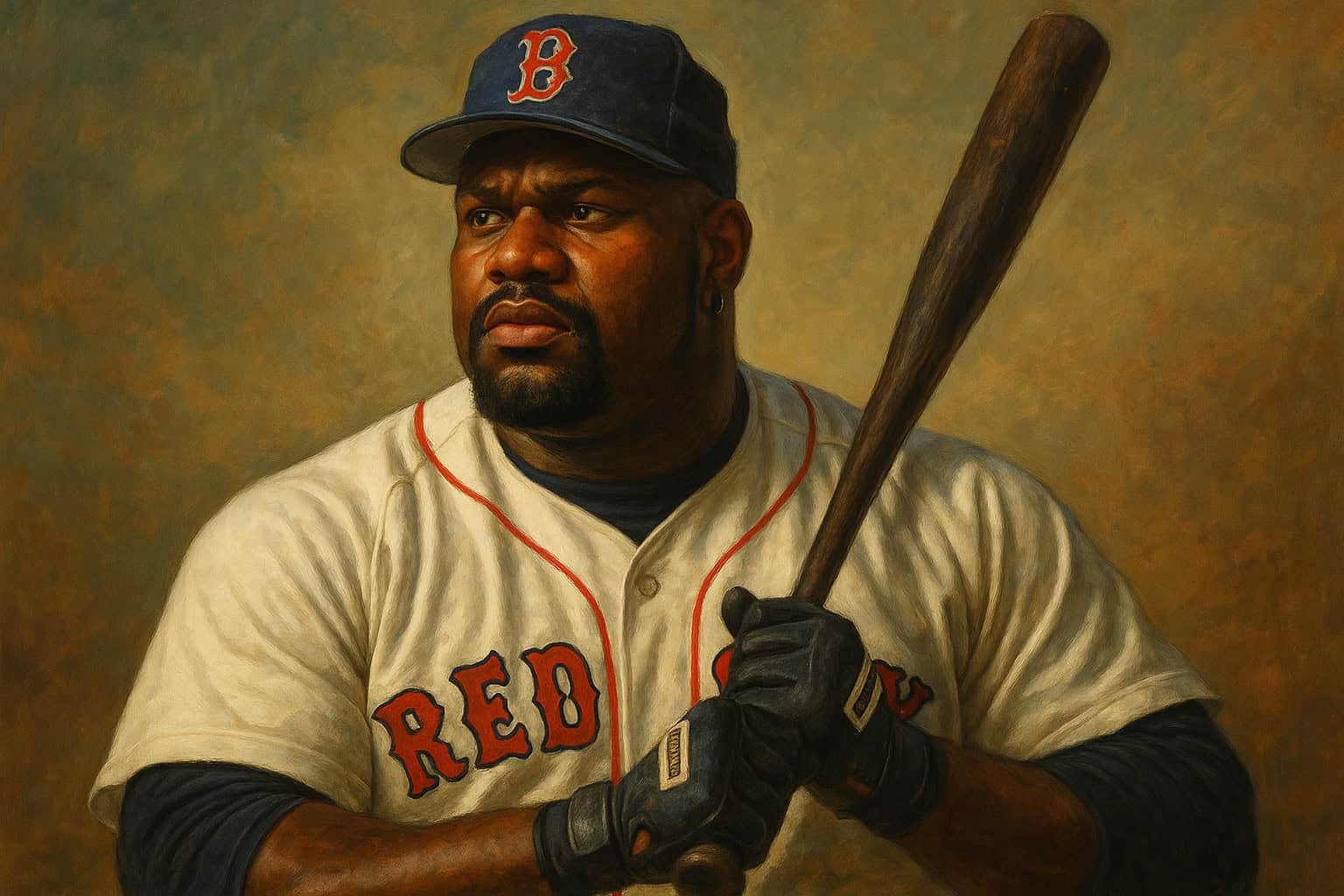
Mo Vaughn earned his “Hit Dog” nickname by charging the plate like a linebacker and turning Fenway Park into his personal home run derby. The man was built like a refrigerator but moved with surprising grace, especially when he was turning on a hanging curveball and sending it screaming over the Green Monster. Vaughn’s presence in the Red Sox lineup gave Clemens the kind of run support that made those dominant seasons possible, creating a one-two punch that had American League hitters checking the schedule twice.
Joe Carter: The Blue Jay Who Broke Cleveland’s Heart
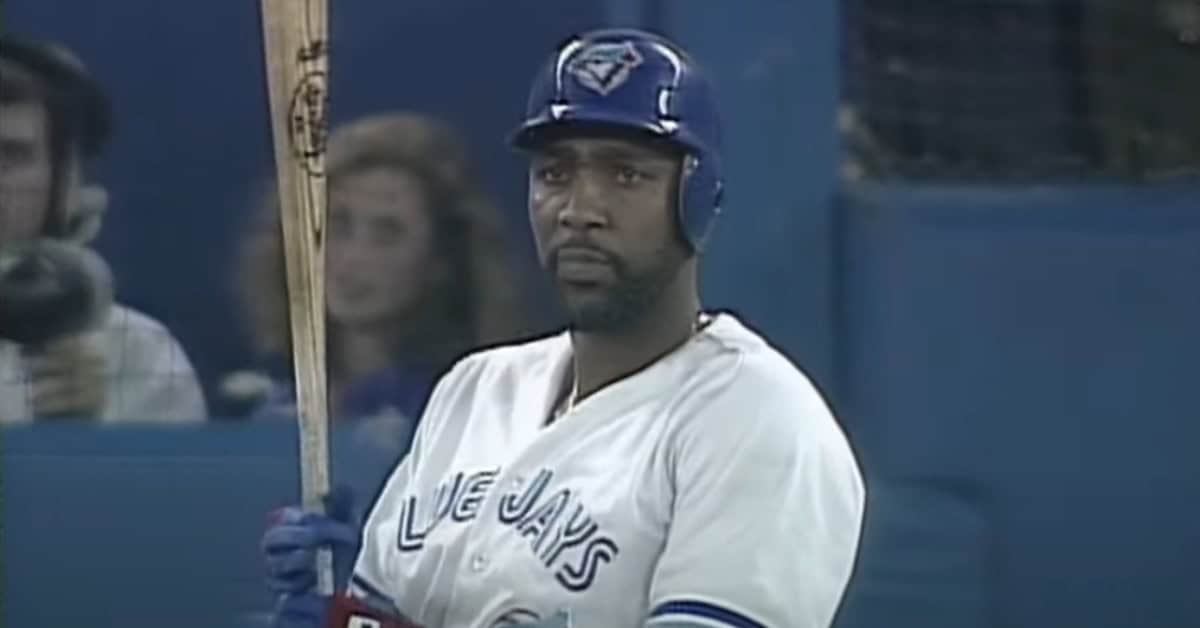
Joe Carter’s walk-off home run in the 1993 World Series was only the second Series-ending homer in baseball history—and the first since 1960—a moment so perfect it seemed scripted by Hollywood. When Clemens joined the Blue Jays in 1997, Carter was the veteran presence who understood what it took to win it all in Toronto. Their time together was brief but meaningful, with Carter showing the Rocket how to handle the pressure of playing in a different country while chasing another championship ring.
Jorge Posada: The Fiery Catcher Who Never Backed Down

Jorge Posada was the switch-hitting catcher who could call a perfect game and then turn around and launch a clutch home run when his team needed it most. His fiery personality was the perfect match for Clemens’ competitive intensity, creating a battery that intimidated hitters and inspired teammates. Posada knew how to handle the Rocket’s ego and channel his competitive fire into championship-caliber performances, making their partnership one of the most effective pitcher-catcher combinations of the steroid era.
Paul O’Neill: The Perfectionist Who Destroyed Water Coolers
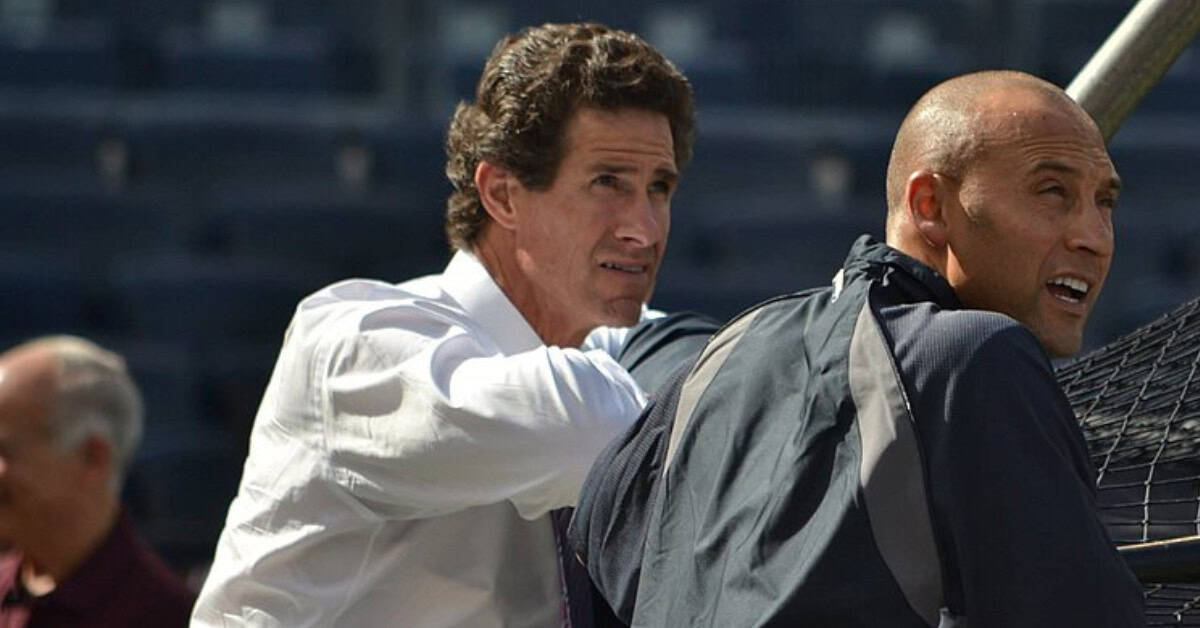
Paul O’Neill was the kind of perfectionist who could go 3-for-4 and still be furious about the one at-bat where he grounded out to second base. His legendary tantrums in the dugout, complete with helmet throws and water cooler assaults, made him the perfect emotional match for Clemens’ intensity. O’Neill’s clutch hitting and competitive fire helped fuel those late-90s Yankees championship runs, creating a clubhouse culture where anything less than perfection was unacceptable.
Carlos Delgado: The Puerto Rican Powerhouse in Toronto
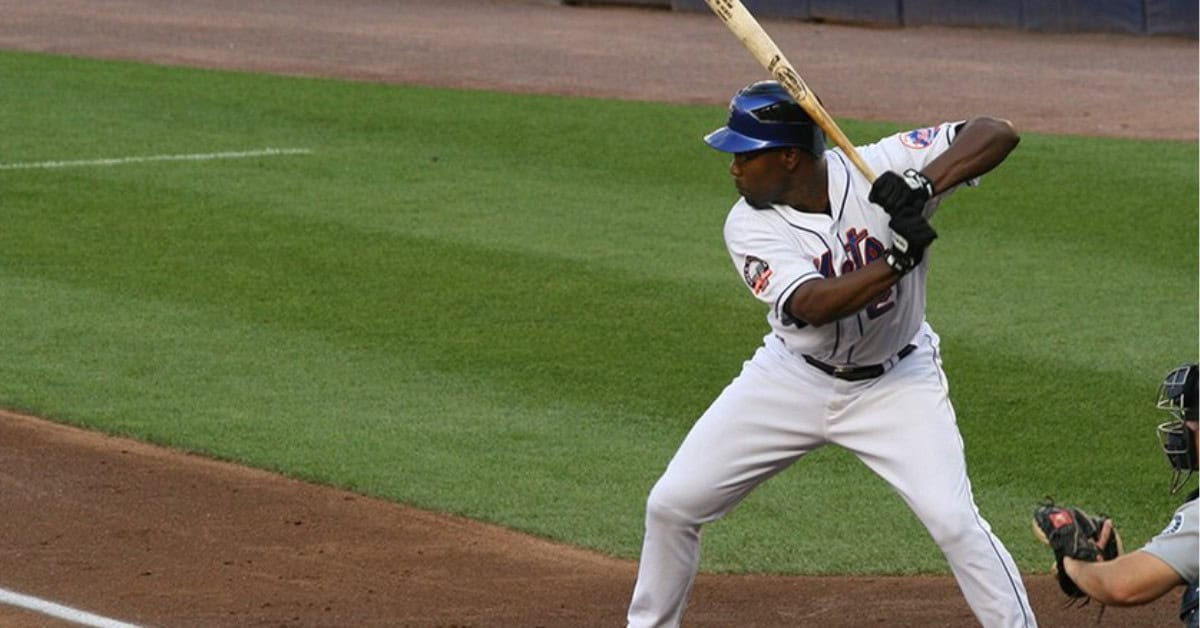
Carlos Delgado was the smooth-swinging first baseman who could turn any mistake pitch into a 450-foot souvenir, becoming the face of the Blue Jays franchise during some lean years. His left-handed power stroke was perfectly suited for the SkyDome’s dimensions, and his leadership in the clubhouse helped young players adjust to life in the big leagues. When Clemens arrived in Toronto, Delgado was the established star who showed him the ropes of playing north of the border, from dealing with Canadian media to handling the unique pressures of being the lone MLB team outside the United States.
Lance Berkman: The Switch-Hitting “Big Puma”
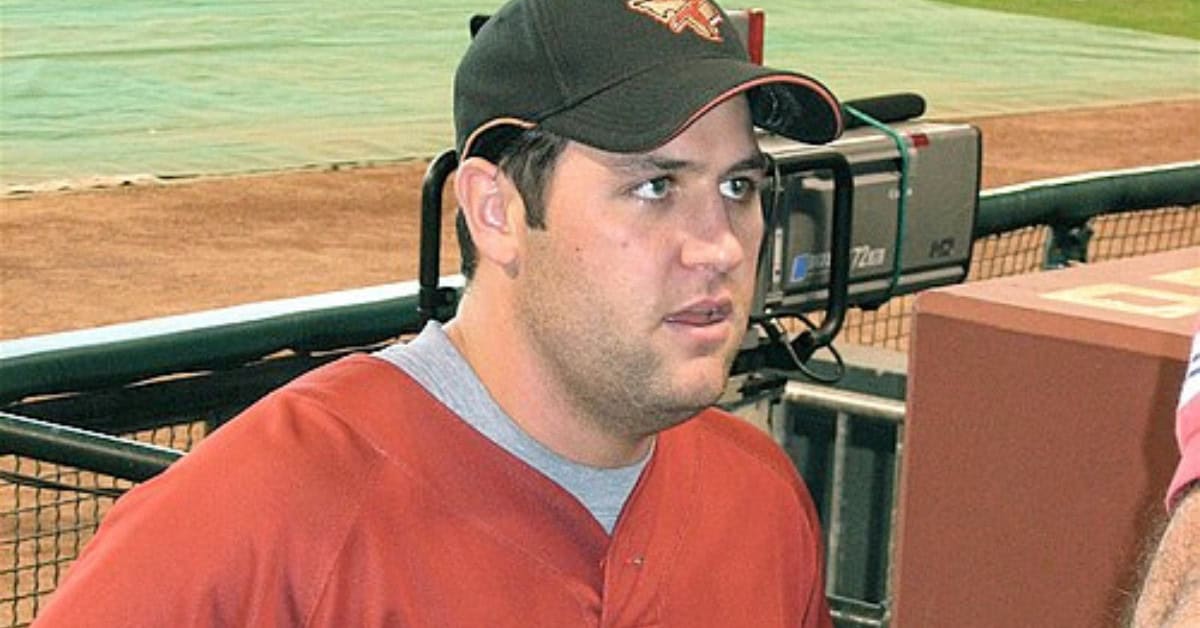
Lance Berkman earned his “Big Puma” nickname despite looking more like a lumberjack than a sleek jungle cat, but his switch-hitting stroke was pure artistry from both sides of the plate. The man could work a count like a chess master and then unleash a swing that sent baseballs screaming into the Houston night. When Clemens returned to Texas to play for the Astros, Berkman was the offensive catalyst who helped make those final seasons meaningful, providing the kind of clutch hitting that reminded everyone why the Rocket was still worth watching.
Dwight Evans: The Gold Glove Right Fielder with the Cannon Arm
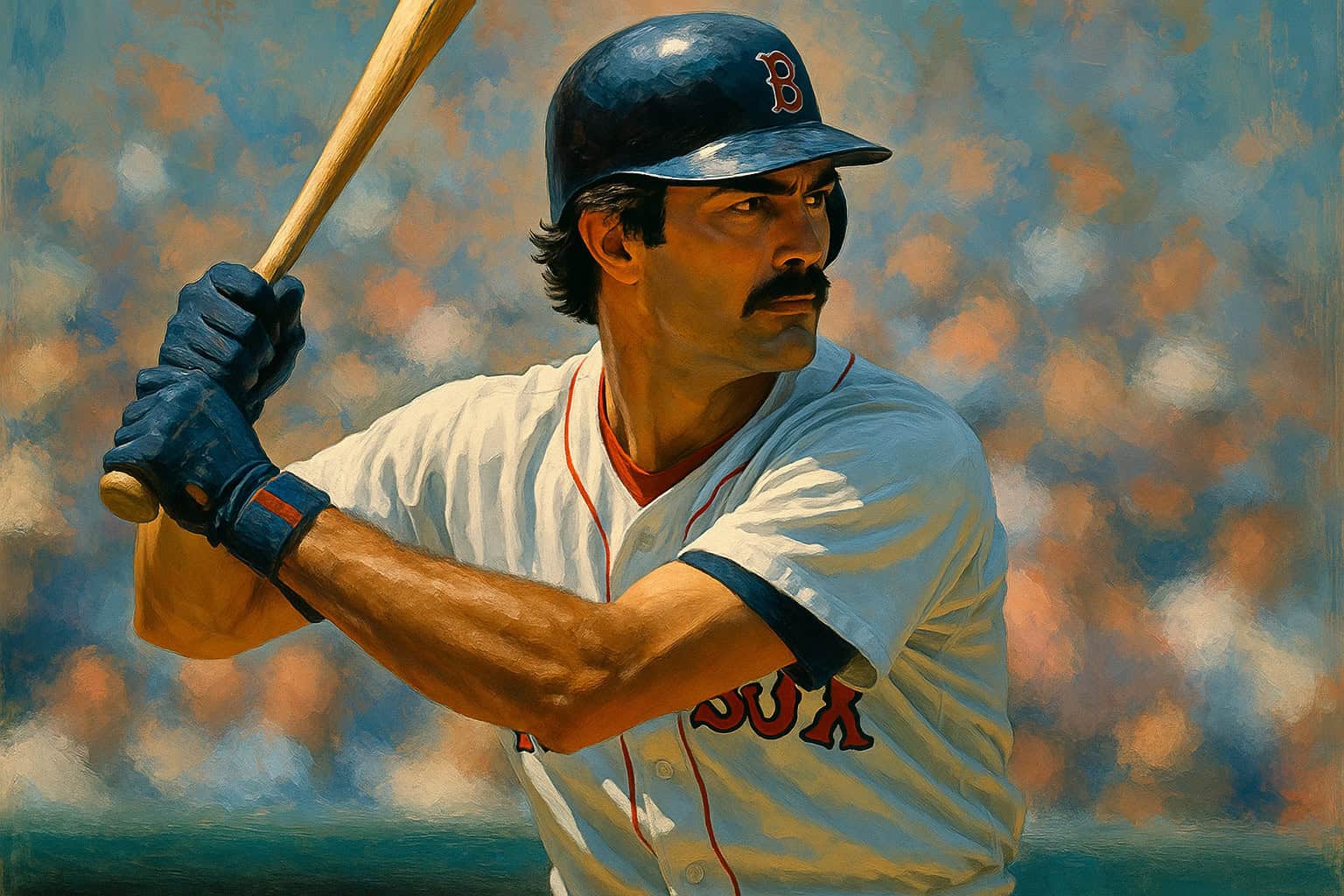
Dwight Evans patrolled Fenway’s right field like a sheriff protecting his territory, with a throwing arm so strong it could change the outcome of games from 300 feet away. His defensive wizardry saved countless runs for Red Sox pitchers, including young Roger Clemens who was still learning how to pitch at the major league level. Evans’ veteran presence and work ethic set the standard for professionalism in the Red Sox clubhouse, showing Clemens what it meant to be a complete player who could impact games with both his glove and his bat.
Tino Martinez: The Quiet Slugger Who Replaced Mattingly
Tino Martinez had the impossible task of replacing Don Mattingly at first base, but his clutch hitting and steady defense made Yankees fans forget about Donnie Baseball pretty quickly. Martinez was the quiet professional who did his job without fanfare, providing the kind of consistent offensive production that championship teams require. His partnership with Clemens was built on mutual respect and shared intensity, with Martinez’s timely hitting often providing the run support that allowed the Rocket to dominate opposing lineups.
Ellis Burks: The Five-Tool Talent Who Could Do Everything
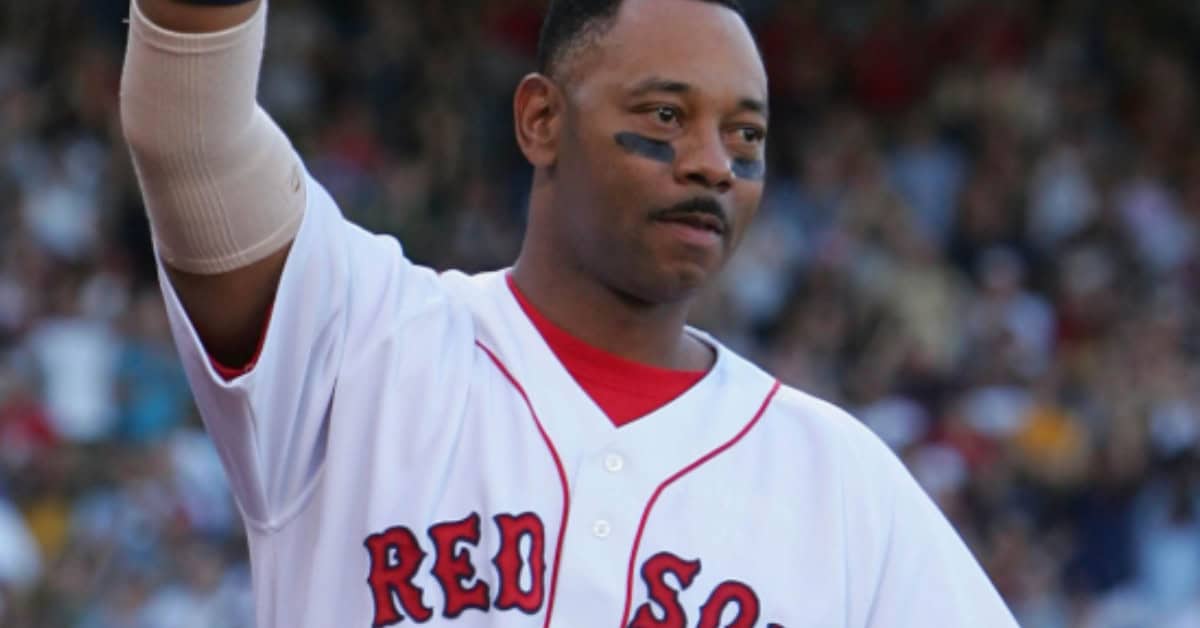
Ellis Burks was the ultimate five-tool player who could beat you with his speed, his glove, his arm, or his bat, depending on what the situation required. His smooth swing and natural athleticism made him a perfect fit for Fenway Park’s unique dimensions, while his leadership skills helped guide young players like Clemens through the pressures of playing in Boston. Burks understood how to handle the media and the fans, lessons that served Clemens well during his early years in the major leagues.
Mike Greenwell: The Gator Who Should’ve Won an MVP
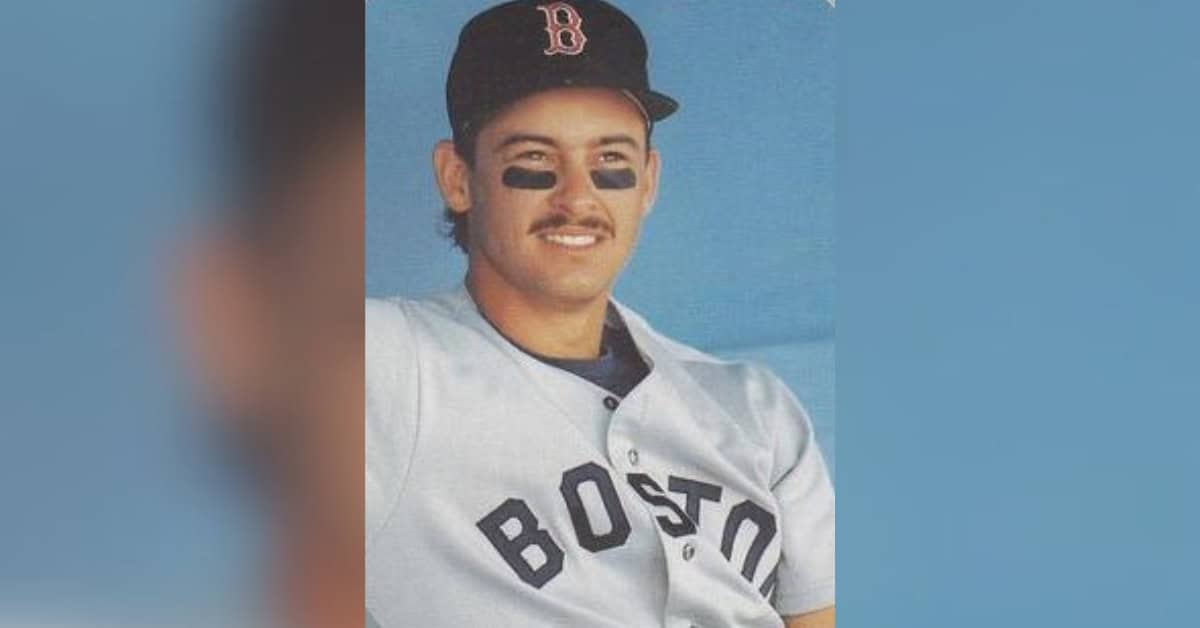
Mike Greenwell finished second in MVP voting to Jose Canseco in 1988, and considering what we know now about the steroid era, “The Gator” probably deserved that award. His line-drive swing was perfectly suited for Fenway’s dimensions, and his clutch hitting provided crucial run support during Clemens’ Cy Young seasons. Greenwell’s blue-collar work ethic and Boston roots made him the perfect teammate for a young pitcher trying to establish himself in one of baseball’s most demanding markets.
Craig Biggio: The Scrappy Second Baseman Who Took His Lumps

Craig Biggio holds the modern record for being hit by pitches, wearing each bruise like a badge of honor while crowding the plate and daring pitchers to challenge him. His scrappy style and relentless hustle made him the heart and soul of the Astros franchise, embodying the kind of old-school toughness that Clemens respected. When the Rocket joined Houston for his final act, Biggio was the veteran leader who showed him how to handle the twilight of a Hall of Fame career with dignity and grace.
Alex Rodriguez: The $252 Million Man Who Couldn’t Buy October
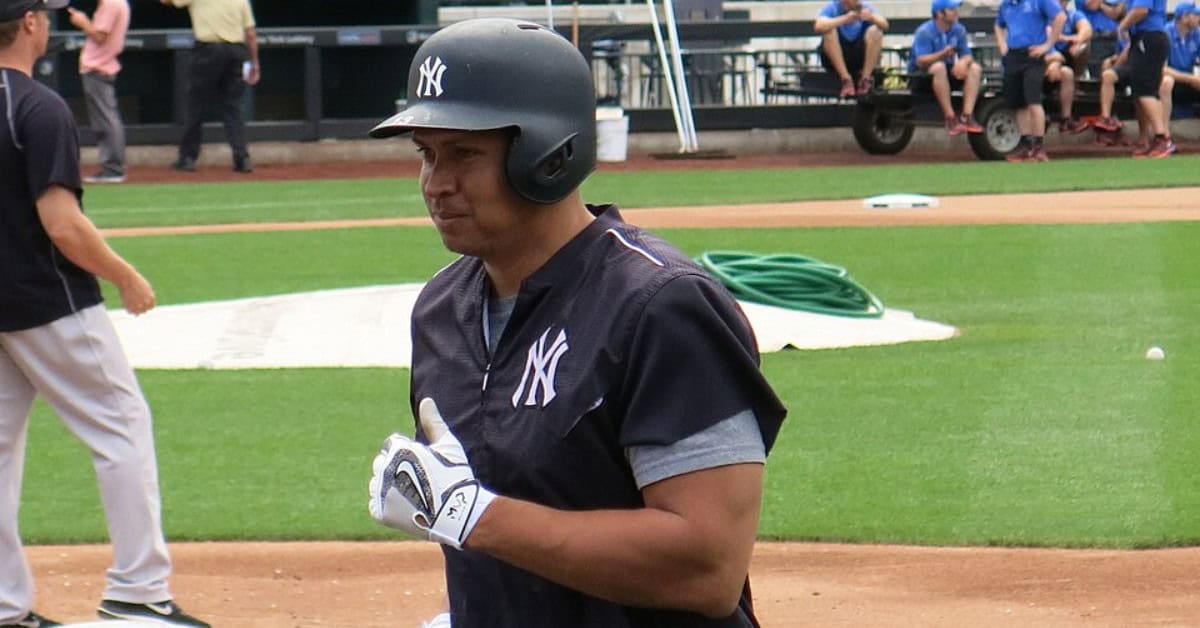
After signing a record-breaking $252 million contract, Alex Rodriguez was traded to the Yankees and supposed to be the missing piece for another championship, but that massive deal seemed to weigh heavier with each postseason failure. A-Rod’s immense talent was undeniable—he could hit for average, power, and steal bases—but his tendency to disappear in clutch moments frustrated teammates and fans alike. His complex relationship with Clemens reflected the broader tensions of the steroid era, two superstars whose legacies would forever be intertwined with baseball’s most controversial chapter.
Mariano Rivera: The Sandman Who Closed Out Championships

Mariano Rivera entered games to the haunting sounds of “Enter Sandman,” and opposing hitters knew their dreams of a rally were about to die. His cut fastball was like a magic trick that everyone could see coming but nobody could hit, making him the most dominant closer in baseball history. Rivera’s calm demeanor and clutch performance provided the perfect complement to Clemens’ intensity, creating a dynamic where the Rocket could pitch aggressively, knowing the Sandman would be there to slam the door shut.
Jeff Bagwell: The Astros Icon with the Weird Batting Stance
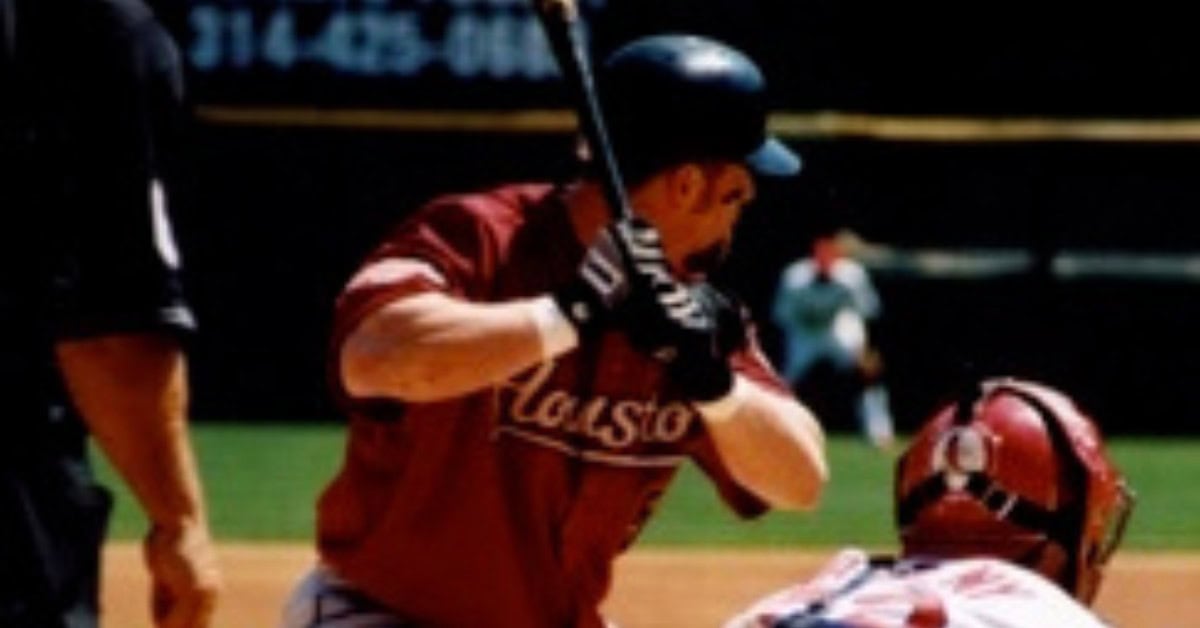
Jeff Bagwell’s batting stance looked like he was trying to sit in an invisible chair while holding a baseball bat, but somehow this awkward setup produced 449 home runs and a Hall of Fame career. His unique approach at the plate was perfectly suited for the Astrodome’s dimensions, and his leadership in the Houston clubhouse made him the perfect mentor for an aging Clemens. Bagwell understood what it meant to be the face of a franchise, lessons that helped Clemens navigate his final seasons with grace and professionalism.
Andy Pettitte: The Southpaw Who Picked Off Everyone
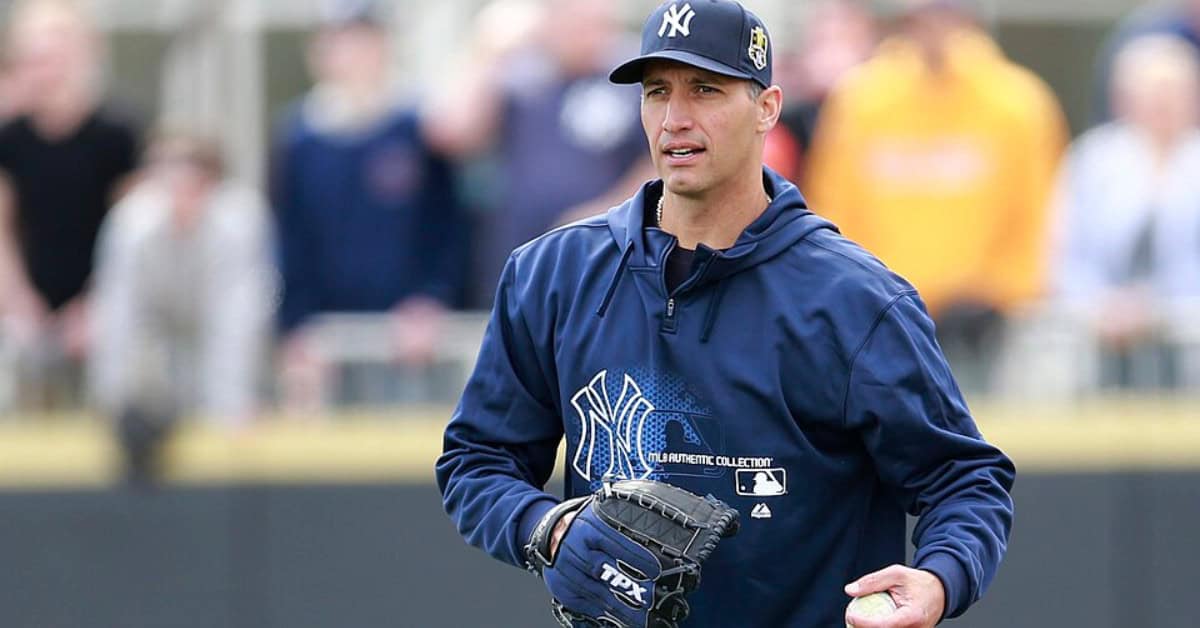
Andy Pettitte had the best pickoff move in baseball, a deceptive delivery that sent countless runners diving back to first base in embarrassment. His clutch pitching and postseason heroics made him the perfect rotation mate for Clemens during those championship years in New York, while his Texas roots created a natural bond when they reunited in Houston. Pettitte’s ability to rise to the occasion in big games complemented Clemens’ dominant stuff, creating a one-two punch that opposing lineups dreaded facing in October.