Last Updated: September 16th, 2026 by Matthew Brown
The city of Baltimore has such a dark connotation, as it is the home of Edgar Allan Poe. But there's something about the Orioles that brings light to how the rest of the country views the city.
Don't lose this article. Enter your email below, and I'll send it to you right now. Plus, we'll send you other unbelievable stories from baseball's past.
For many people, it's the players, and we want to highlight those players who brought brightness to a dark city.
How We Made This List
It's not easy to bring together a list of just 25 Orioles in history. We took on the challenge with the idea that longevity and prime performance carry a good amount of weight, along with the accolades and overall legacy that each player brought to the organization.
Without further ado, let's go back to this franchise's roots. As you may know, those roots actually aren't in Baltimore.
25. George Sisler – The St. Louis Browns Hall of Famer Who Started It All (HOF)

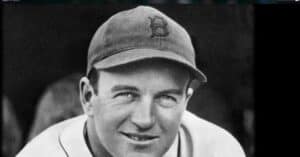
Technically, the roots aren't even in St. Louis, as the St. Louis Browns were originally the first Milwaukee Brewers franchise. They've since given that history over to the current franchise. The Browns housed one of the best players to hit for contact in baseball history. 257 hits in a season stood for almost 85 years.
Many people forget is that wasn't even George Sisler's highest batting average in a season. In 1922, he hit .420 on 246 hits in fewer at-bats than he did in his record-setting season.
| George Sisler — Career | Total |
|---|---|
| G | 2055 |
| AB | 8267 |
| H | 2810 |
| HR | 102 |
| RBI | 1175 |
| SB | 375 |
| AVG | .340 |
| OBP | .379 |
| SLG | .468 |
| OPS | .847 |
24. Luis Aparicio – The Venezuelan Speedster's Hall of Fame Years (HOF)

Luis Aparicio was a trailblazer for future pro baseball players. He inspired so many kids to go out and learn this great game in the country of Venezuela that his effect on baseball can't be measured.
What was also tough to measure was his speed because he was one of the fastest players of his time. A 10-time All-Star with nine Gold Gloves, Aparicio is a legend through and through.
| Luis Aparicio — Career | Total |
|---|---|
| G | 2601 |
| AB | 10230 |
| H | 2677 |
| HR | 83 |
| RBI | 791 |
| SB | 506 |
| AVG | .262 |
| OBP | .311 |
| SLG | .343 |
| OPS | .654 |
| All-Star selections | 10 |
| Gold Gloves | 9 |
| World Series titles | 1 |
| Rookie of the Year | 1 |
23. Harold Baines – The Sweet-Swinging DH Who Called Baltimore Home (HOF)
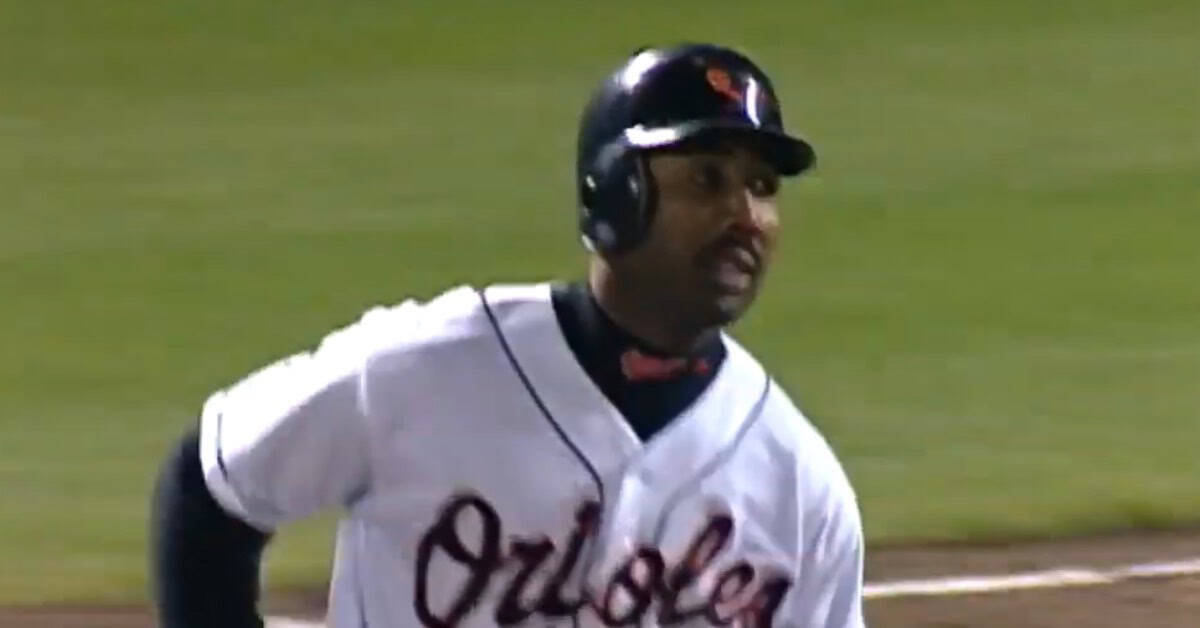
Though most of you will remember him as a White Sox player, Harold Baines actually spent seven years in Baltimore and accumulated the highest batting average with a single team over his career. He hit .301 with an .881 OPS.
Thanks to his 107 home runs and 99 doubles, he got there in the latter half of his career. So he was basically only a DH in Baltimore, but he was a transformative one at that.
| Harold Baines — Career | Total |
|---|---|
| G | 2830 |
| AB | 9908 |
| H | 2866 |
| HR | 384 |
| RBI | 1628 |
| SB | 34 |
| AVG | .289 |
| OBP | .356 |
| SLG | .465 |
| OPS | .821 |
| All-Star selections | 6 |
| Silver Sluggers | 1 |
22. Reggie Jackson – Mr. October's Brief But Brilliant Baltimore Chapter (HOF)
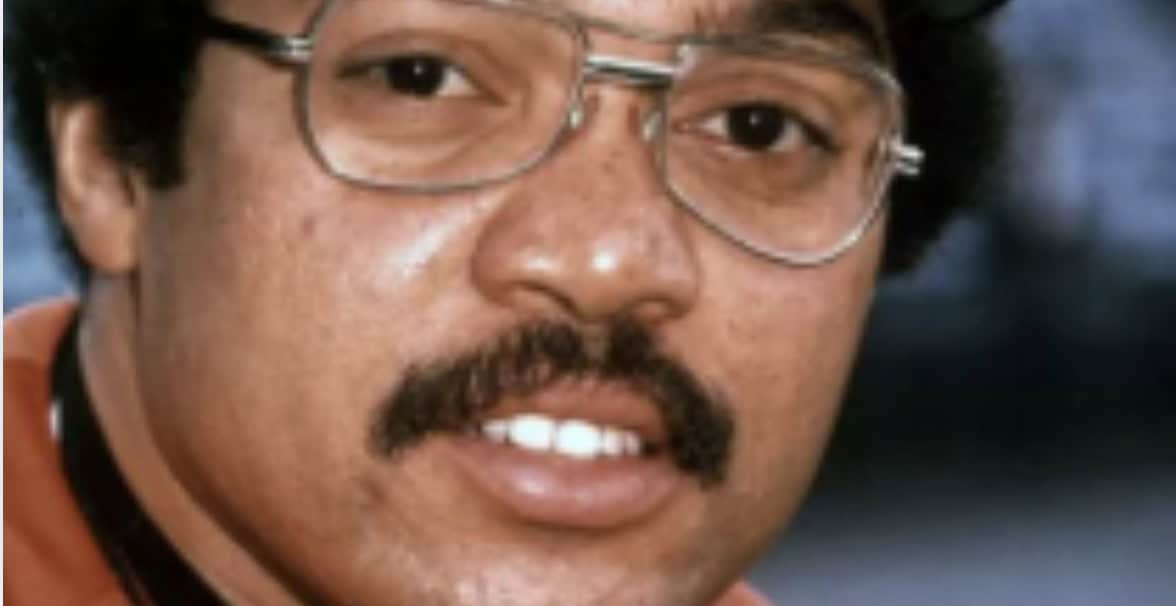
Reggie Jackson only spent one season in the Orioles organization, but that season was still a really good one. He led the league in slugging percentage with his 27 home runs and 27 doubles in just 134 games. His OPS+ of 155 also led the league, even though I know that they weren't keeping track of that advanced stat at the time.
Jackson was able to bring his iconic Hall of Fame career to a city when he was still in his prime; it's pretty special that many Baltimore fans can say they got to cheer Mr. October on.
| Reggie Jackson — Career | Total |
|---|---|
| G | 2820 |
| AB | 9864 |
| H | 2584 |
| HR | 563 |
| RBI | 1702 |
| SB | 228 |
| AVG | .262 |
| OBP | .356 |
| SLG | .490 |
| OPS | .846 |
21. Chris Hoiles – The Catcher Who Defined '90s Orioles Baseball
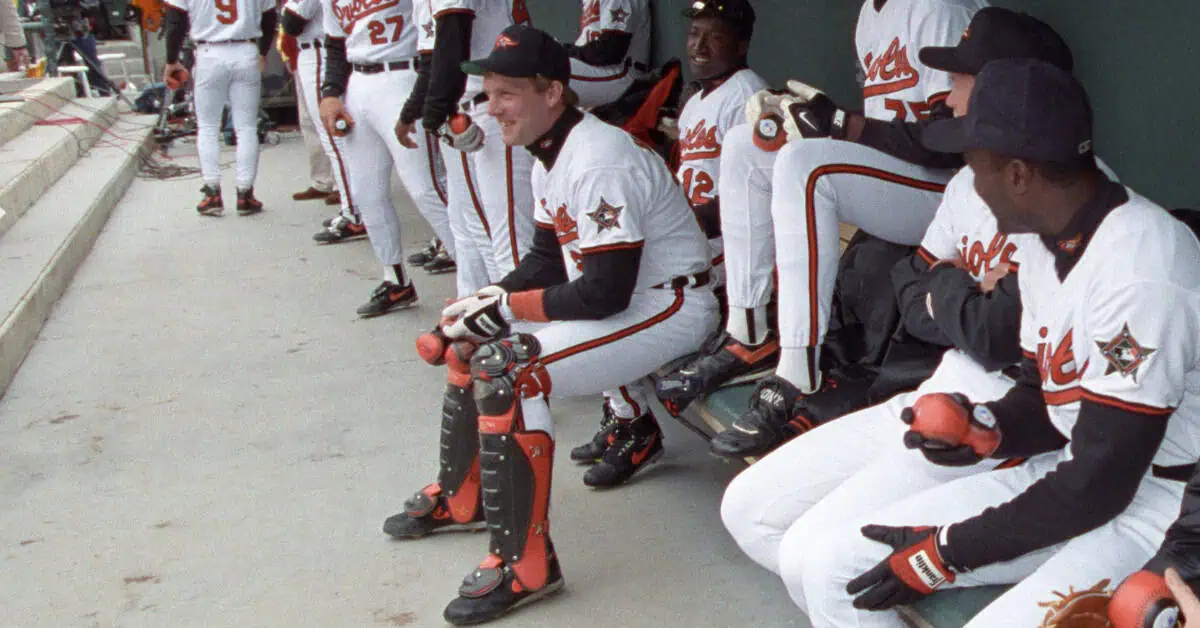
Now we go to a catcher who just showed loyalty to the organization for 10 years, supporting guys like Cal Ripken Jr. In their efforts through the 1990s. Chris Hoiles wasn't doing the most spectacular things on the field, but he was reliable on an everyday basis.
An OPS+ of 119 suggests he was well above average as a hitter for his position. And he held down the catcher spot in Baltimore for his entire 10-year career.
| Chris Hoiles — Career | Total |
|---|---|
| G | 894 |
| AB | 2820 |
| H | 739 |
| HR | 151 |
| RBI | 449 |
| SB | 5 |
| AVG | .262 |
| OBP | .366 |
| SLG | .467 |
| OPS | .833 |
20. Rick Dempsey – The Rain Delay Entertainer and World Series Hero

Now we go to one of the more legendary catchers for this organization. Rick Dempsey wasn't a career Oriole, but he sure made a career out of his efforts in the franchise.
For 12 years, Dempsey was the starting catcher and called pitches for some of the great rotations in history that led to a World Series MVP in 1983, when he hit .385 over five games.
| Rick Dempsey — Career | Total |
|---|---|
| G | 1766 |
| AB | 4692 |
| H | 1093 |
| HR | 96 |
| RBI | 471 |
| SB | 20 |
| AVG | .233 |
| OBP | .319 |
| SLG | .347 |
| OPS | .666 |
| World Series titles | 2 |
19. Scott McGregor – The Clutch Lefty Who Mastered October Magic
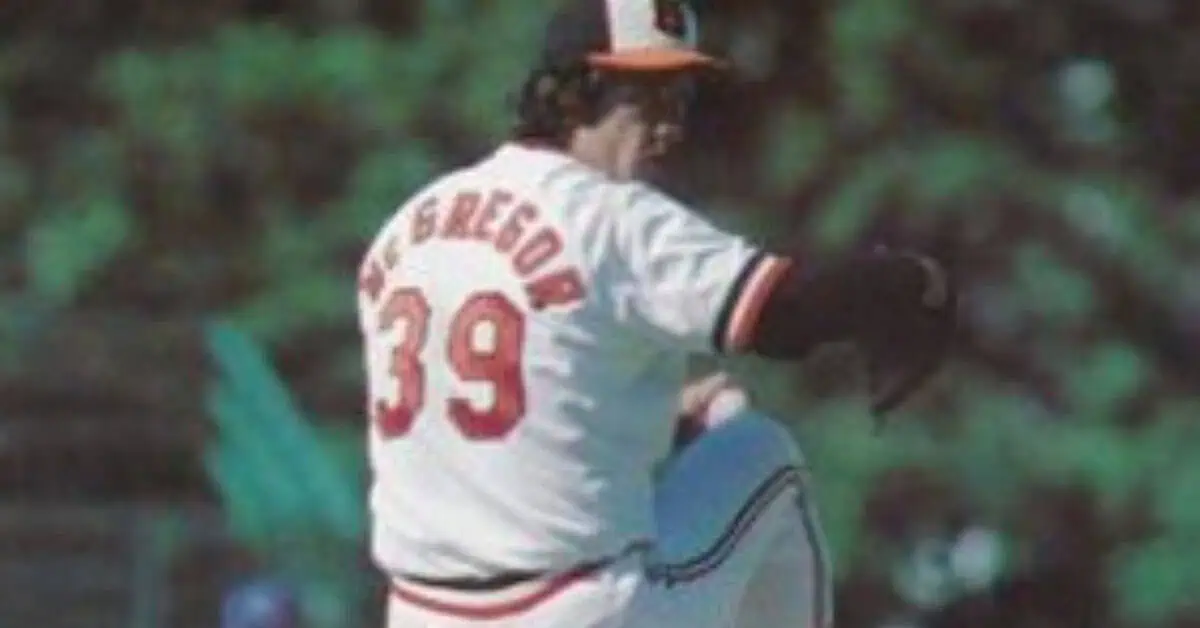
We now turn to another guy who was on that 1983 World Series-winning team. Scott McGregor is one of those pitchers that a fan couldn't be happier to see winning a championship, as he dedicated his entire 13-year career to the city of Baltimore.
He was a one-time All-Star in the regular season, but it was in the World Series where his legacy was laid. He pitched two incredible games, including the series clincher, where he hurled a complete-game shutout as the Orioles defeated the Phillies in five games.
| Scott McGregor — Career | Total |
|---|---|
| W | 138 |
| L | 108 |
| ERA | 3.99 |
| G | 356 |
| IP | 2140.2 |
| SO | 904 |
| WHIP | 1.29 |
| SV | 5 |
| All-Star selections | 1 |
| World Series titles | 1 |
18. Mike Boddicker – The Breaking Ball Wizard Who Owned the '80s
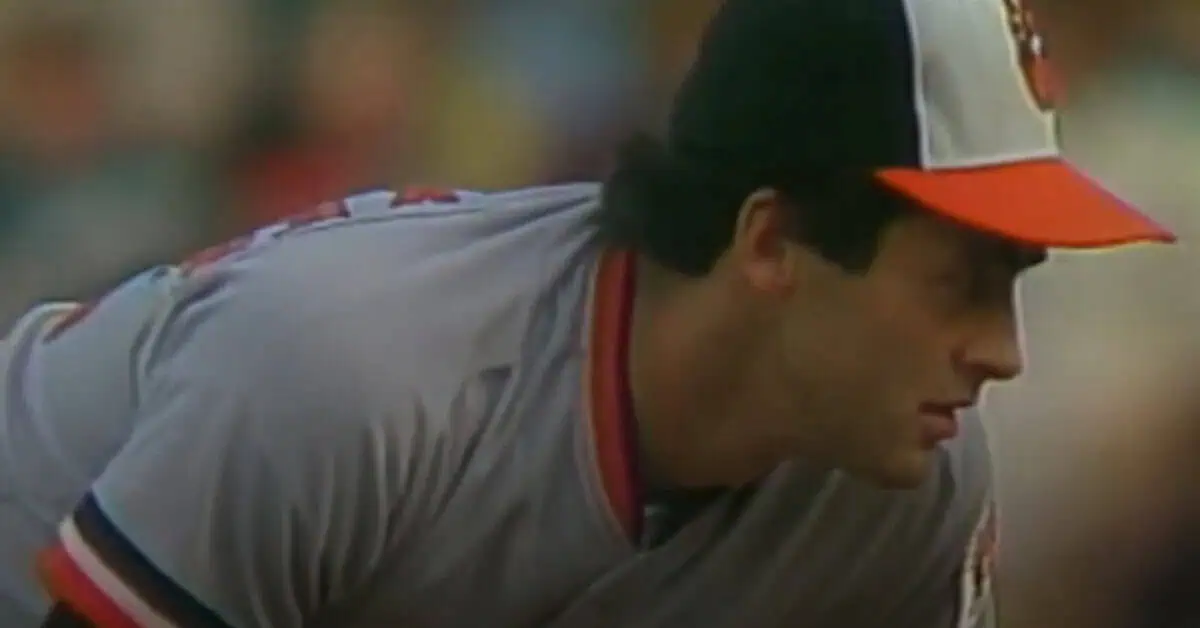
Mike Boddicker is just one of those pitchers that you wish could have sustained his early success. He helped lead the Orioles to their championship in 1983, which was his rookie season, going 16-8 with a 2.77 ERA.
Then he followed that up with an All-Star season in 1984, going 20-11 with a league-leading 2.79 ERA. He didn't quite reach those heights the rest of his career, but when at least one of those seasons leads to a World Series title, your name can be remembered forever.
| Mike Boddicker — Career | Total |
|---|---|
| W | 134 |
| L | 116 |
| ERA | 3.80 |
| G | 342 |
| IP | 2123.2 |
| SO | 1330 |
| WHIP | 1.32 |
| SV | 3 |
| All-Star selections | 1 |
| Gold Gloves | 1 |
| World Series titles | 1 |
17. Doug DeCinces – The Third Baseman Who Followed the Impossible Act
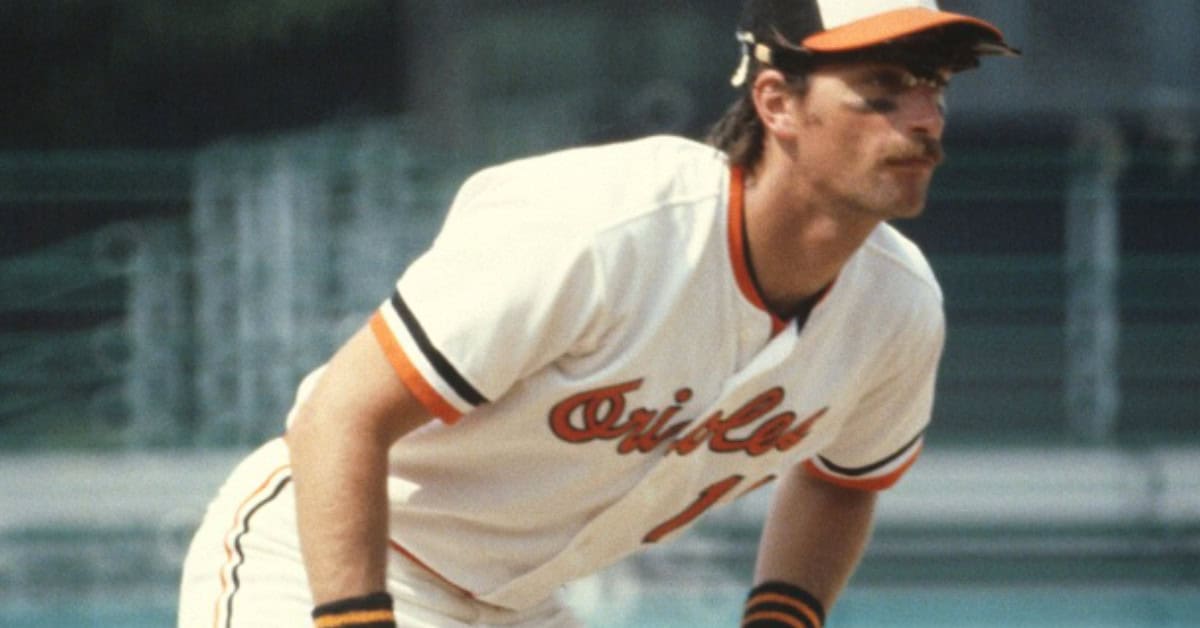
You know that the guy who Doug DeCinces replaced at the third base spot will be on this list, and he was a tough act to follow. But DeCinces certainly made his own noise in his career. He helped lead the Orioles in 1979, not with incredible stats, but with incredible moments.
He hit a game-winning home run in the regular season that sparked a magical time in Baltimore, where they went on a run that led to the World Series. He then hit a home run in Game 1 that propelled Baltimore to a series lead. Of course, they didn't end up winning, but DeCinces is probably remembered very fondly in the city for his efforts.
| Doug DeCinces — Career | Total |
|---|---|
| G | 1649 |
| AB | 5809 |
| H | 1505 |
| HR | 237 |
| RBI | 879 |
| SB | 58 |
| AVG | .259 |
| OBP | .329 |
| SLG | .445 |
| OPS | .774 |
| All-Star selections | 1 |
| Silver Sluggers | 1 |
16. Milt Pappas – The Pitcher Who Became Frank Robinson

In the early to mid 1960s, the Baltimore Orioles were on the outside looking in at being a baseball powerhouse. Much of that was because of Milt Pappas. He won 110 games for them during his nine years in Baltimore.
He racked up a 3.24 ERA in that time with 26 shutouts. His 113 ERA+ suggests he was well above average, which is why the Cincinnati Reds traded for him, which led to Baltimore landing one of the all-time greats, which you'll see later on this list.
| Milt Pappas — Career | Total |
|---|---|
| W | 209 |
| L | 164 |
| ERA | 3.40 |
| G | 520 |
| IP | 3186.0 |
| SO | 1728 |
| WHIP | 1.23 |
| SV | 4 |
| All-Star selections | 2 |
15. Mike Cuellar – "Crazy Horse" and His Devastating Screwball
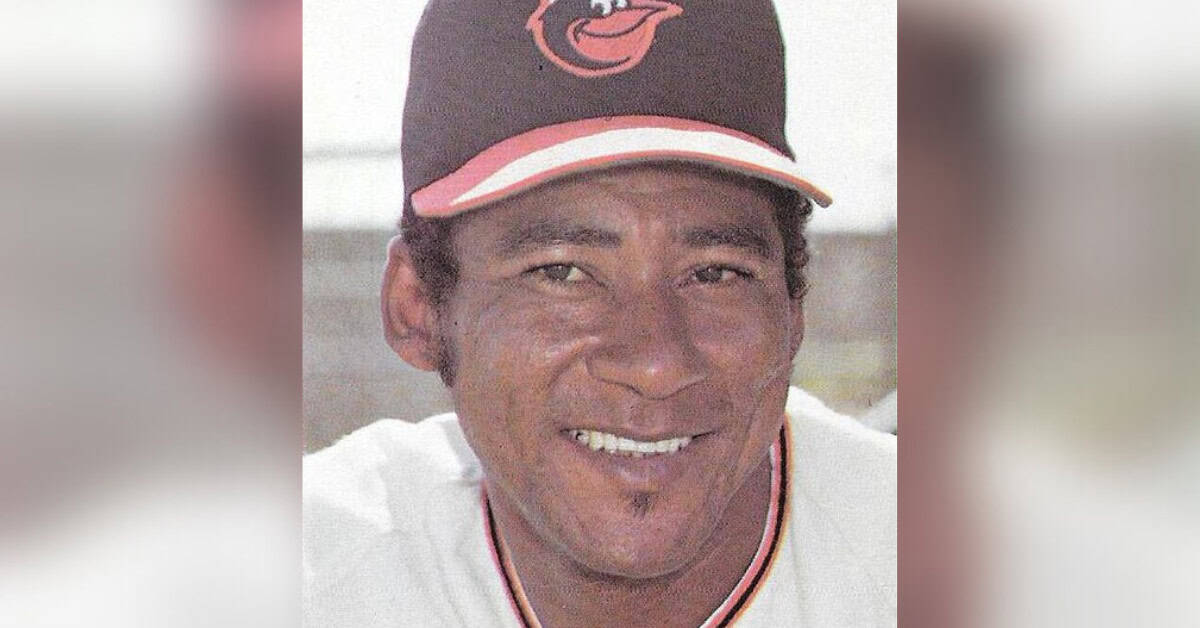
Mike Cuellar was just a force to be reckoned with when he was at his best. He spent only eight years in Baltimore, but it felt like more, as he was able to rack up four 20-win seasons, accumulating 143 wins in his eight-year stint.
He was one of the reasons why those Baltimore rotations were unforgettable.
| Mike Cuellar — Career | Total |
|---|---|
| W | 185 |
| L | 130 |
| ERA | 3.14 |
| G | 453 |
| IP | 2808.0 |
| SO | 1632 |
| WHIP | 1.20 |
| SV | 11 |
| Cy Young | 1 |
| All-Star selections | 4 |
| World Series titles | 1 |
14. Al Bumbry – The Rookie of the Year Who Sparked Championships
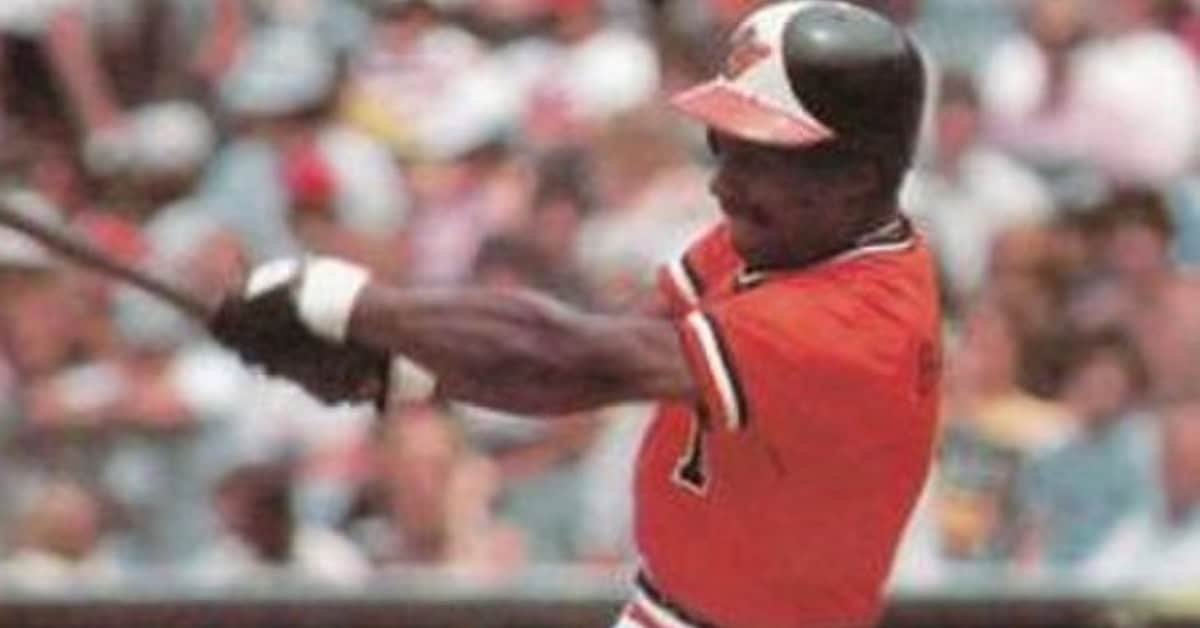
In 1973, Al Bumbry burst onto the scene and won the Rookie of the Year award as he hit .337 and sped his way to a league-leading 11 triples. He would continue his 13-year stint in Baltimore, which included being a starter on the 1983 championship team.
There's no doubt that Bumbry's speed was valued throughout his time as an Oriole.
| Al Bumbry — Career | Total |
|---|---|
| G | 1496 |
| AB | 5053 |
| H | 1422 |
| HR | 54 |
| RBI | 402 |
| SB | 254 |
| AVG | .281 |
| OBP | .343 |
| SLG | .378 |
| OPS | .721 |
| All-Star selections | 1 |
| World Series titles | 1 |
| Rookie of the Year | 1 |
13. Don Buford – Earl's Converted Experiment Who Launched Rallies
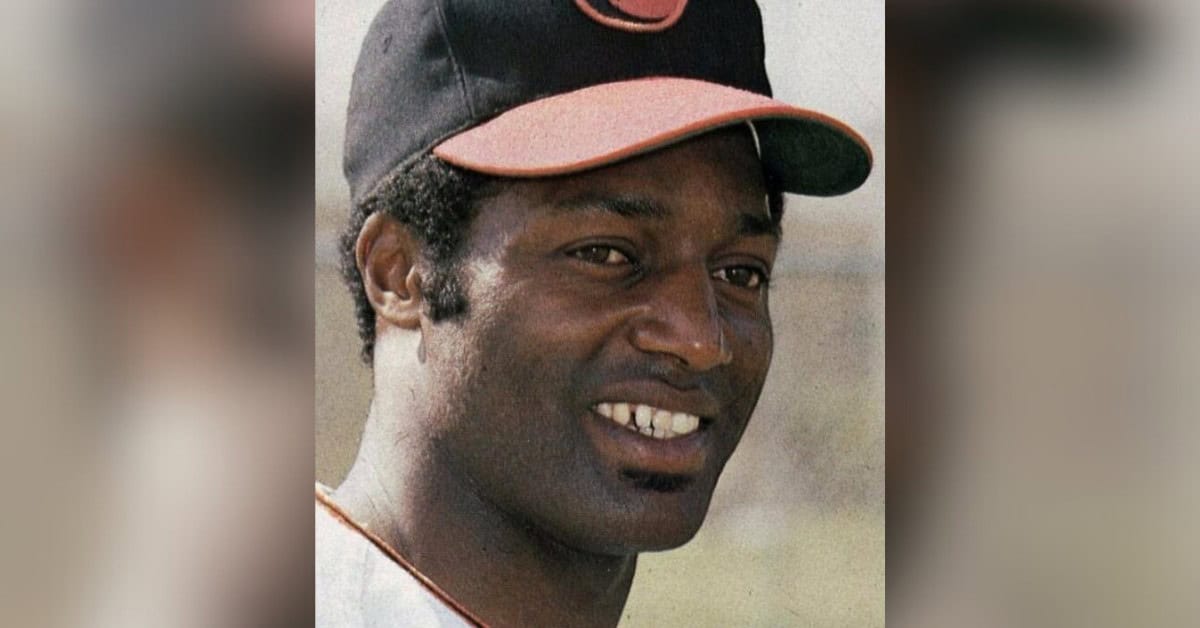
Having been more of an infielder with the Chicago White Sox, Don Buford came to Baltimore and saw that he needed to make a change to become a starter on this team.
Earl Weaver challenged him to become their starting left fielder, and he did in a great way. Buford became a regular on the lineup card for Weaver as he hit .270 in his five years with the Orioles.
| Don Buford — Career | Total |
|---|---|
| G | 1286 |
| AB | 4553 |
| H | 1203 |
| HR | 93 |
| RBI | 418 |
| SB | 200 |
| AVG | .264 |
| OBP | .362 |
| SLG | .379 |
| OPS | .741 |
| All-Star selections | 1 |
| World Series titles | 1 |
12. Mike Flanagan – The Cy Young Lefty Who Bled Orange and Black
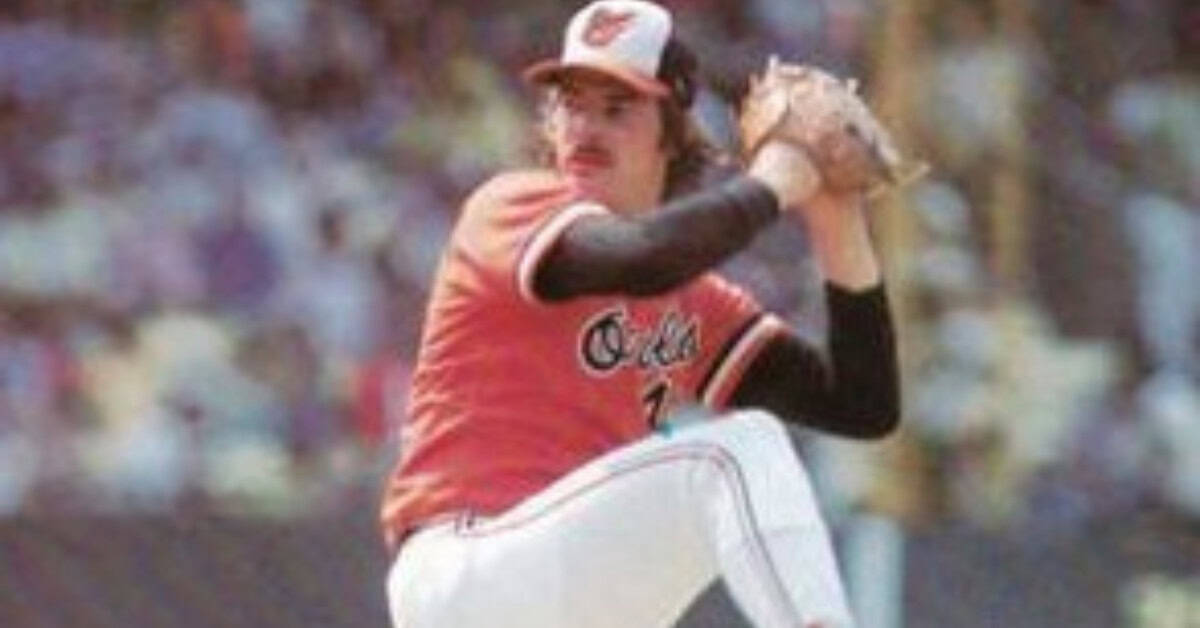
Mike Flanagan is one of the forgotten aces of his time. He won 23 games in 1979 with a 3.08 ERA and led the league with five complete-game shutouts. He would go on to win the Cy Young Award that year and later would be a big piece of the 1983 title.
141 of his 167 career wins came in the Orioles organization, and his legacy lives on as one of the great arms in franchise history.
| Mike Flanagan — Career | Total |
|---|---|
| W | 167 |
| L | 143 |
| ERA | 3.90 |
| G | 526 |
| IP | 2770.0 |
| SO | 1491 |
| WHIP | 1.33 |
| SV | 4 |
| Cy Young | 1 |
| All-Star selections | 1 |
| World Series titles | 1 |
11. Brady Anderson – The Leadoff Man Who Shocked Baseball with 50 Homers
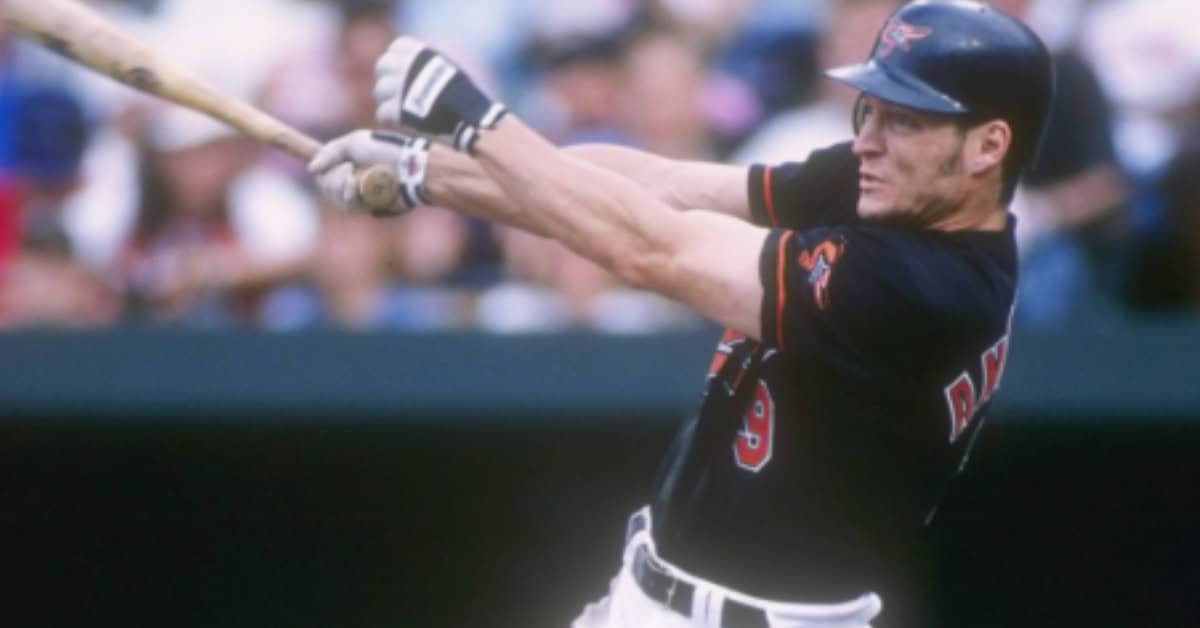
There are few seasons in MLB history that have been more surprising than Brady Anderson's 1996. He hit 50 home runs that year as one of the premier power hitters of the league. However, he never reached even 25 home runs in a season throughout the rest of his career.
Still, he is a three-time All-Star and brought a lot of offense to Baltimore, as they had some exciting teams in the 1990s.
| Brady Anderson — Career | Total |
|---|---|
| G | 1834 |
| AB | 6499 |
| H | 1661 |
| HR | 210 |
| RBI | 761 |
| SB | 315 |
| AVG | .256 |
| OBP | .362 |
| SLG | .425 |
| OPS | .787 |
| All-Star selections | 3 |
10. Ken Singleton – The Switch-Hitting On-Base Machine

Ken Singleton started his career with five years in New York and Montreal. But then he came to Baltimore in 1975 and stayed for a decade, becoming one of their more valued everyday starters.
Singleton had a batting average of .284 in his 10 years as an Oriole, providing 235 doubles and 766 RBI. He was just as solid throughout his time in Baltimore, as he garnered three All-Star selections and helped them win the 1983 World Series title.
| Ken Singleton — Career | Total |
|---|---|
| G | 2082 |
| AB | 7189 |
| H | 2029 |
| HR | 246 |
| RBI | 1065 |
| SB | 21 |
| AVG | .282 |
| OBP | .388 |
| SLG | .436 |
| OPS | .824 |
| All-Star selections | 3 |
| World Series titles | 1 |
9. Dave McNally – The 20-Game Winner Who Changed Baseball Forever

Dave McNally started out slow, taking a few seasons to reach the 200-inning threshold, which was something that was done on the regular back then. He eventually blossomed into one of the key starters in an all-time rotation.
For four straight seasons, McNally won 20 games or more. He completed his 13 years in Baltimore with a 3.18 ERA and 181 wins. McNally was certainly one of the icons of the Orioles in that time.
| Dave McNally — Career | Total |
|---|---|
| W | 184 |
| L | 119 |
| ERA | 3.24 |
| G | 424 |
| IP | 2730.0 |
| SO | 1512 |
| WHIP | 1.21 |
| SV | 2 |
| All-Star selections | 3 |
| World Series titles | 2 |
8. Mark Belanger – "The Blade" – The Greatest Defensive Shortstop Ever

I would say that defense was the main identity for Orioles' teams throughout the 20th century. Mark Belanger was a big part of that. He won eight Gold Gloves as the standout shortstop, playing 17 years in Baltimore.
The hitting was light, but The Blade always provided entertainment out on the field with his dazzling defense that complemented the rest of his star teammates.
| Mark Belanger — Career | Total |
|---|---|
| G | 2016 |
| AB | 5784 |
| H | 1316 |
| HR | 20 |
| RBI | 389 |
| SB | 167 |
| AVG | .228 |
| OBP | .300 |
| SLG | .280 |
| OPS | .580 |
| All-Star selections | 1 |
| Gold Gloves | 8 |
| World Series titles | 1 |
7. Paul Blair – The Gold Glove Center Fielder Who Made Magic Look Easy
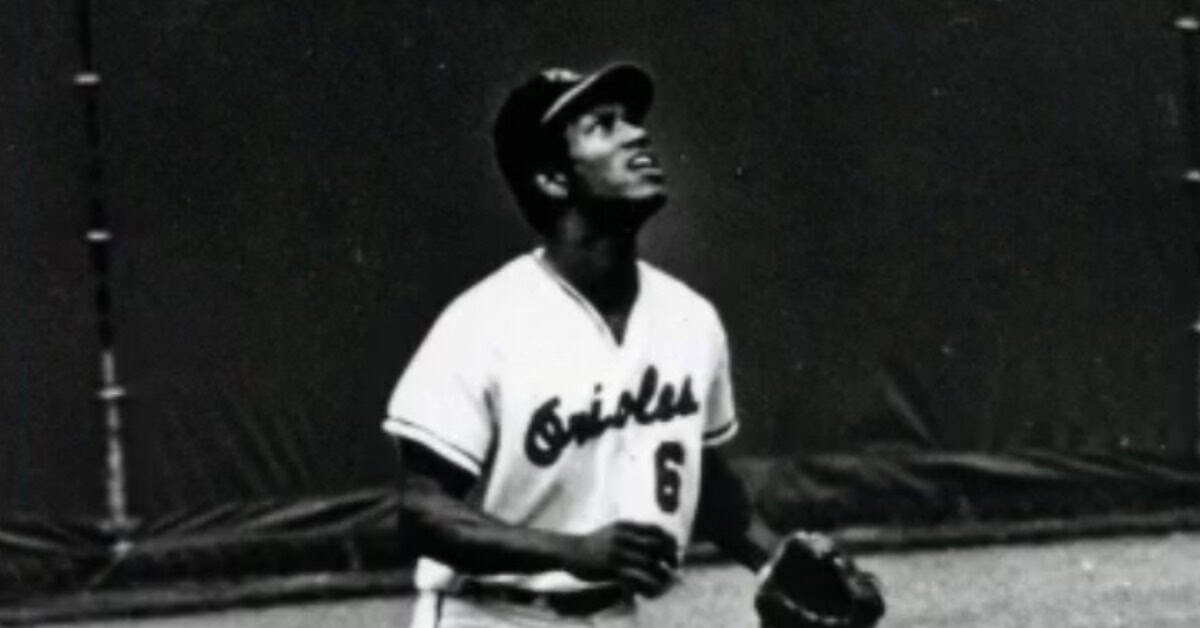
Speaking of defense, Paul Blair was the defensive force in the outfield for Baltimore during his 13 seasons in Memorial Stadium. He earned eight Gold Gloves and led the league in outfield putouts two times.
Looking back at it, advanced stats say that he was the best outfielder in baseball defensively in four separate seasons. He was criminally underrated outside of Baltimore, but we won't be underrating him here.
| Paul Blair — Career | Total |
|---|---|
| G | 1947 |
| AB | 6042 |
| H | 1513 |
| HR | 134 |
| RBI | 620 |
| SB | 171 |
| AVG | .250 |
| OBP | .302 |
| SLG | .382 |
| OPS | .684 |
| All-Star selections | 2 |
| Gold Gloves | 8 |
| World Series titles | 4 |
6. Bobby Grich – The Second Baseman Who Should Be in Cooperstown
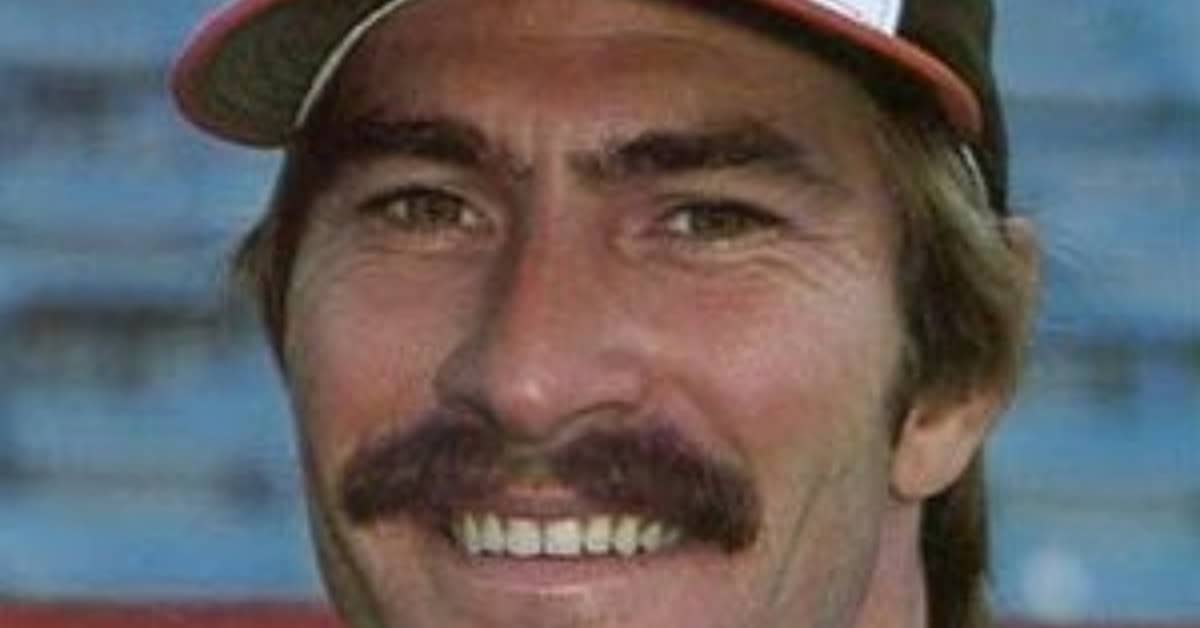
Bobby Grich only spent his first seven seasons of his career in Baltimore, but he made the most of it. He earned three of his six career All-Star selections with the Orioles while receiving four Gold Gloves. In fact, he led the American League in WAR in 1973 at 8.3.
Some people will still say he is a Hall of Famer, though Cooperstown hasn't obliged yet. I would say that his 125 OPS+ for his career suggests that he is at a Hall of Fame level offensively while being a great defender.
| Bobby Grich — Career | Total |
|---|---|
| G | 2008 |
| AB | 6890 |
| H | 1833 |
| HR | 224 |
| RBI | 864 |
| SB | 104 |
| AVG | .266 |
| OBP | .371 |
| SLG | .424 |
| OPS | .795 |
| All-Star selections | 6 |
| Gold Gloves | 4 |
| Silver Sluggers | 1 |
5. Boog Powell – The Gentle Giant Who Terrorized American League Pitching
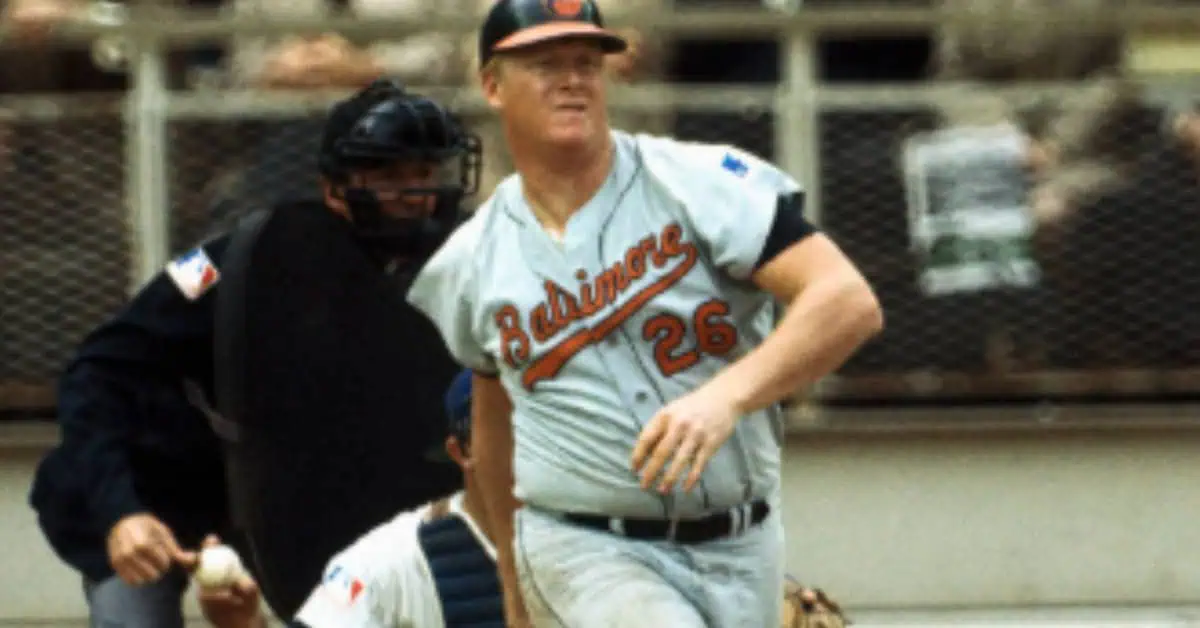
Maybe the most beloved player in Orioles history, Boog Powell had a magical run. His 14 years in Baltimore saw him hit 303 home runs and drive in over 1,000 runs. His 134 career OPS+ suggests that he had offensive prowess at a high Hall of Fame level.
In 1970, baseball writers agreed as they named him the AL MVP. He's still providing greatness for Orioles fans with Boog's BBQ at the stadium every game.
| Boog Powell — Career | Total |
|---|---|
| G | 2042 |
| AB | 6681 |
| H | 1776 |
| HR | 339 |
| RBI | 1187 |
| SB | 20 |
| AVG | .266 |
| OBP | .361 |
| SLG | .462 |
| OPS | .823 |
| MVP | 1 |
| All-Star selections | 4 |
| World Series titles | 2 |
4. Frank Robinson – The Triple Crown Winner Who Started the Dynasty (HOF)

The great Frank Robinson came to Baltimore via trade, and it was a franchise-altering one. He won the Triple Crown in his first season as an Oriole, easily winning the MVP and leading them to a World Series title. He would eventually lead them to another championship in 1970, cementing his legacy in just six seasons.
Robinson walloped 179 home runs in Baltimore, including the 500th of his career, so he saw basically all of his major accomplishments done in an Orioles uniform.
| Frank Robinson — Career | Total |
|---|---|
| G | 2808 |
| AB | 10006 |
| H | 2943 |
| HR | 586 |
| RBI | 1812 |
| SB | 204 |
| AVG | .294 |
| OBP | .389 |
| SLG | .537 |
| OPS | .926 |
| MVP | 2 |
| All-Star selections | 12 |
| Gold Gloves | 1 |
| World Series titles | 2 |
| Rookie of the Year | 1 |
3. Eddie Murray – "Steady Eddie" – The Switch-Hitting Hall of Fame Icon (HOF)

Steady Eddie was as perfect a nickname for Eddie Murray as it could get. He never wavered during his 13 seasons in Baltimore, hitting 343 home runs, accruing 2,080 hits, and knocking in 1,224 RBI.
There is no doubt that he earned his way into the Hall of Fame with his consistency and his ability to contribute at a high level every day. He hit at least 20 home runs in all but one season that he spent in Baltimore while earning three Gold Gloves to boot.
| Eddie Murray — Career | Total |
|---|---|
| G | 3026 |
| AB | 11336 |
| H | 3255 |
| HR | 504 |
| RBI | 1917 |
| SB | 110 |
| AVG | .287 |
| OBP | .359 |
| SLG | .476 |
| OPS | .835 |
| All-Star selections | 8 |
| Gold Gloves | 3 |
| Silver Sluggers | 3 |
| World Series titles | 1 |
| Rookie of the Year | 1 |
2. Jim Palmer – The Golden Arm Who Never Allowed a Grand Slam (HOF)
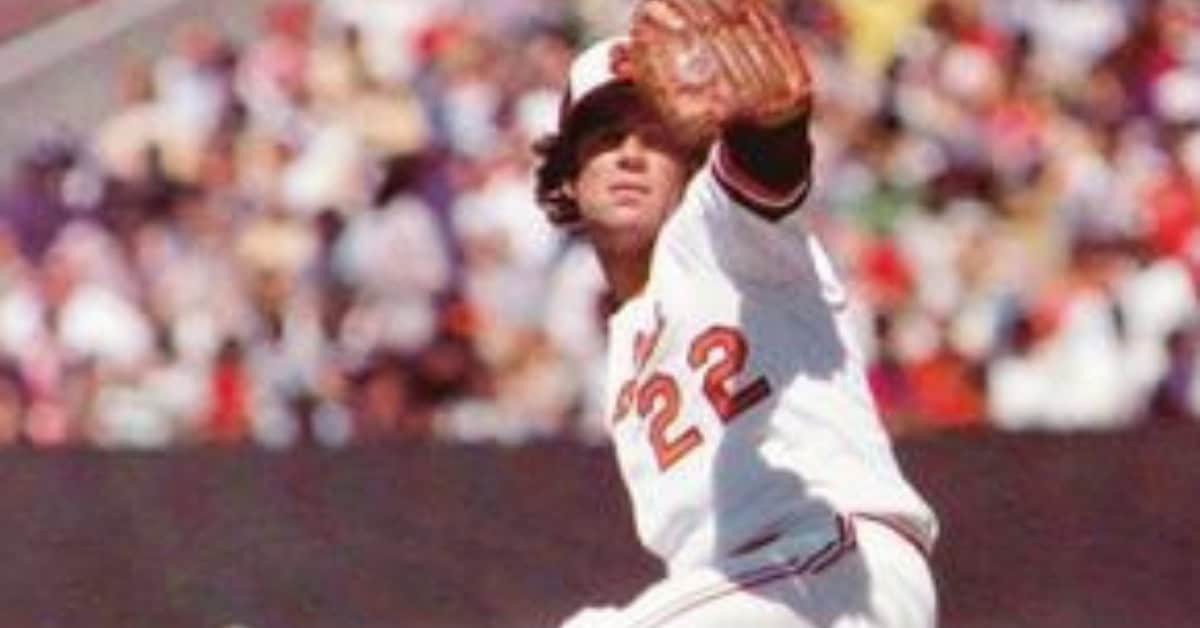
For almost twenty years, Jim Palmer was an icon in Baltimore. There is no better arm; they relied upon him every fifth day to get the job done.
He earned six All-Star selections, won the ERA title twice, won 20 games in a season eight times, and that all led to three Cy Young Awards. Baltimore is well represented in the Hall of Fame by this man.
| Jim Palmer — Career | Total |
|---|---|
| W | 268 |
| L | 152 |
| ERA | 2.86 |
| G | 558 |
| IP | 3948.0 |
| SO | 2212 |
| WHIP | 1.18 |
| SV | 4 |
| Cy Young | 3 |
| All-Star selections | 6 |
| Gold Gloves | 4 |
| World Series titles | 3 |
1. Cal Ripken Jr. – "The Iron Man" – The Greatest Oriole Ever (HOF)

There's no doubt that we have to go to this man as the greatest Oriole of all time. Cal Ripken Jr. Is legendary for so many reasons. His consistency and loyalty are respected enough, but I almost can't believe it when I say that we don't talk about his actual baseball skills enough.
3,184 hits with 431 home runs and 603 doubles. He was named the MVP twice and earned 19 All-Star selections. He wasn't just a guy that played every day. He was one of the greatest of all time.
| Cal Ripken Jr. — Career | Total |
|---|---|
| G | 3001 |
| AB | 11551 |
| H | 3184 |
| HR | 431 |
| RBI | 1695 |
| SB | 36 |
| AVG | .276 |
| OBP | .340 |
| SLG | .447 |
| OPS | .787 |
| MVP | 2 |
| All-Star selections | 19 |
| Gold Gloves | 2 |
| Silver Sluggers | 8 |
| World Series titles | 1 |
| Rookie of the Year | 1 |