
Last Updated: June 17th, 2026 by Michael Schatz
The 1960s belonged to legends like Willie Mays, Hank Aaron, and Mickey Mantle—household names whose swings still echo in baseball lore. But tucked between those titans were sluggers who could launch moonshots with the best of them, yet somehow got lost in history’s shuffle. These forgotten power hitters deserve their moment in the spotlight.
Don't lose this article. Enter your email below, and I'll send it to you right now. Plus, we'll send you other unbelievable stories from baseball's past.
Dick “Dr. Strangeglove” Stuart: The Man Who Made Fielding an Adventure

Dick Stuart could make a routine grounder look like a circus act, earning his nickname for his defensive adventures at first base. But when he stepped into the batter’s box, magic happened—228 career home runs, including a monster 1961 season with 35 homers and 117 RBIs while hitting .301. Stuart’s glove may have been questionable, but his bat spoke fluent power, launching balls into orbit long before anyone cared about launch angles or exit velocity.
Norm Cash: Detroit’s Forgotten .361 Batting Champion
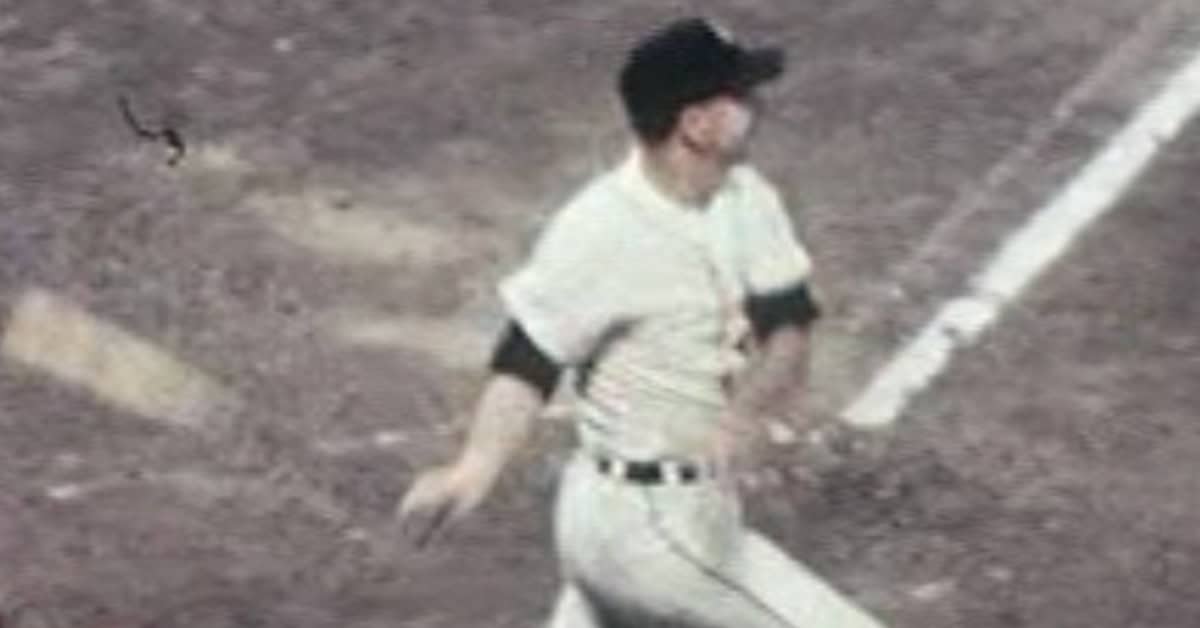
In 1961, while Roger Maris chased Babe Ruth’s home run record, Norm Cash quietly put together one of the greatest offensive seasons ever—.361 batting average, 41 homers, and 132 RBIs. The Tigers first baseman’s magical year remains the highest average by any player in the 1960s, yet it’s overshadowed by Maris’s 61 homers. Cash later admitted he used a corked bat that season, but his 377 career home runs and .488 slugging percentage proved he was the real deal with or without help.
Rocky Colavito: Cleveland’s Heartbreak Trade That Still Stings
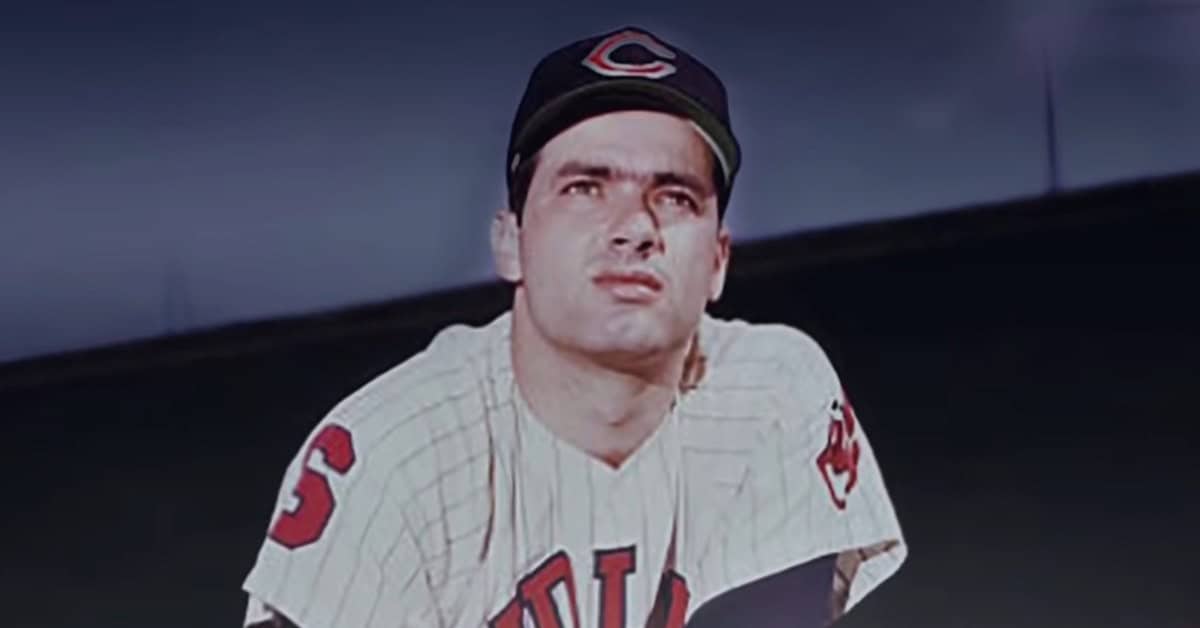
The 1960 trade that sent Rocky Colavito from Cleveland to Detroit for Harvey Kuenn still haunts Indians fans like a bad dream. “The Rock” had just co-led the AL with 42 homers in 1959, but GM Frank Lane dealt away the fan favorite anyway. Colavito responded by hitting 374 career homers and becoming one of only four players to hit four home runs in a single game. Cleveland didn’t win another pennant for 35 years—coincidence? Indians fans don’t think so.
Orlando Cepeda: The Baby Bull Who Owned Candlestick Park
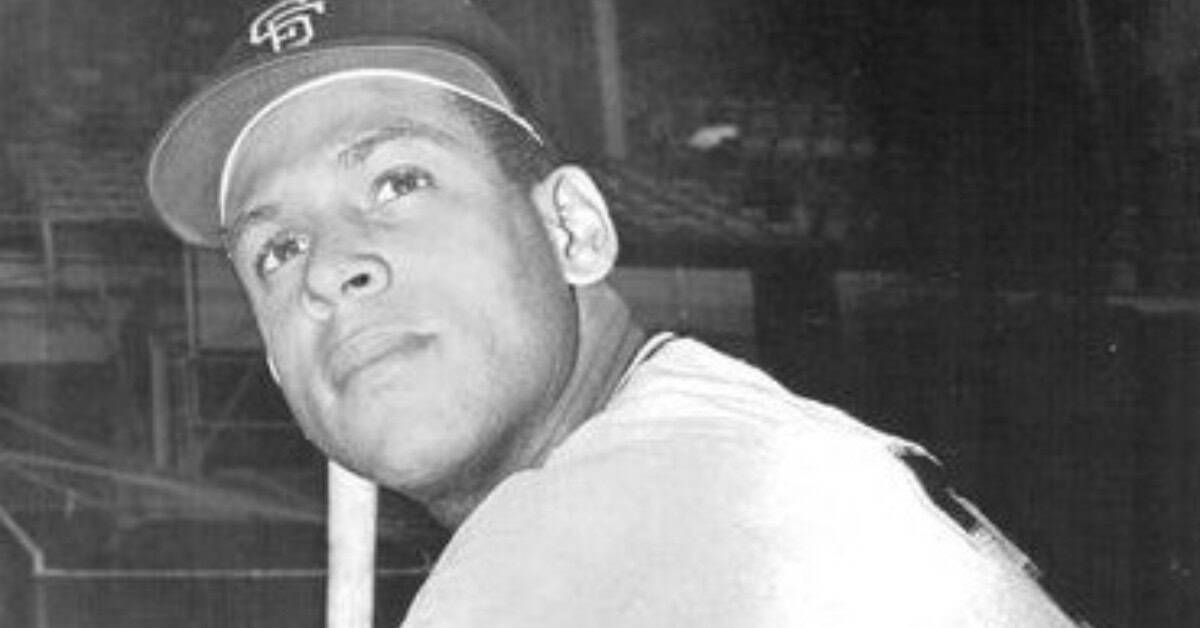
Before Willie McCovey arrived, Orlando Cepeda was the Giants’ main man in San Francisco, earning Rookie of the Year honors in 1958 and leading the NL with 46 homers and 142 RBIs in 1961. The Puerto Rican slugger’s smooth swing and infectious smile made him a fan favorite at windswept Candlestick Park. Though he won the 1967 MVP award in St. Louis, “The Baby Bull” did his best work in orange and black, terrorizing NL pitchers with 379 career home runs and a .297 lifetime average.
Tony Conigliaro: Boston’s Golden Boy Before Tragedy Struck
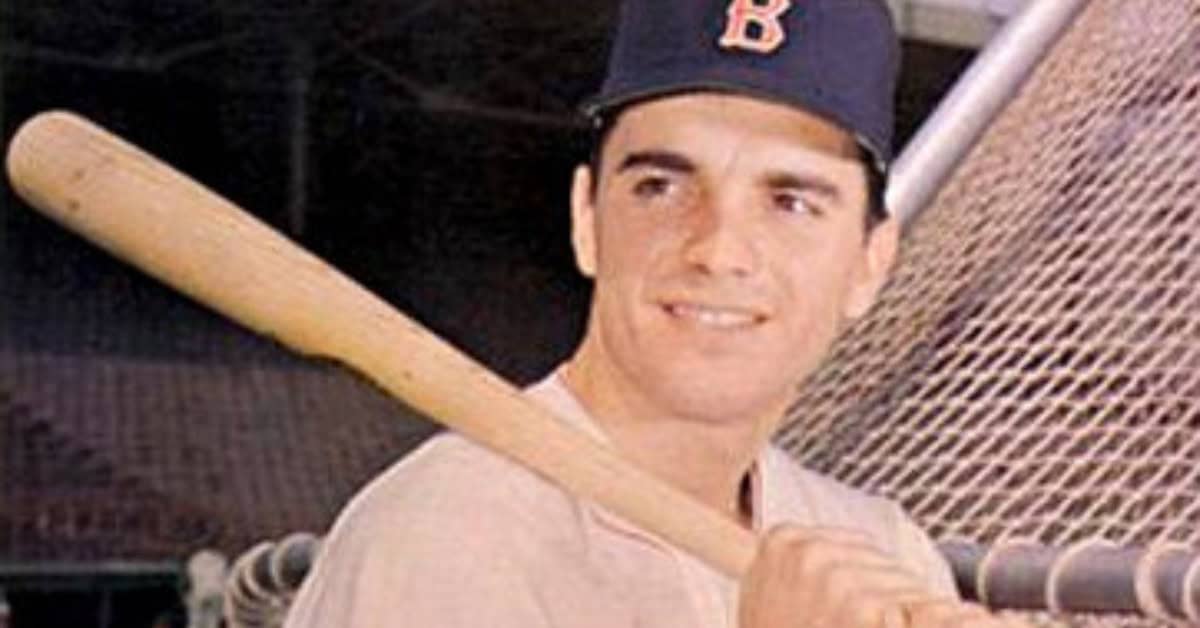
Tony C was Boston’s heartthrob—a local kid who homered in his Fenway debut and became the youngest player to reach 100 career homers at age 22. His movie-star looks and tape-measure blasts made him a sensation until Jack Hamilton’s fastball shattered his cheekbone in 1967, derailing a Hall of Fame trajectory. Conigliaro courageously returned in 1969 to hit 20 homers, but vision problems ended his career at 30. His 166 home runs in just eight seasons hint at what might have been for Boston’s golden boy.
Boog Powell: Baltimore’s Gentle Giant with Thunderous Power

At 6’4″ and 270 pounds, Boog Powell was an imposing figure who could launch baseballs into the upper deck at Memorial Stadium with seemingly effortless swings. The gentle giant anchored Baltimore’s championship teams of the late 1960s and early ’70s, winning AL MVP honors in 1970 with 35 homers and 114 RBIs. Powell’s 339 career home runs and .462 slugging percentage made him one of the era’s most feared sluggers, though he’s often forgotten behind teammates like Frank Robinson in Orioles lore.
Lee May: Cincinnati’s Big Dog Who Hit Moonshots
Lee May’s nickname “The Big Dog” perfectly captured his approach—attack every pitch like it owed him money. The Cincinnati slugger could turn on any fastball and send it screaming into the night, finishing his career with 354 home runs despite not becoming a regular until age 25. May’s best years came in the early 1970s, but his late-’60s emergence as a power threat helped establish the foundation for Cincinnati’s Big Red Machine. His mammoth home runs at Riverfront Stadium became the stuff of legend among Reds fans.
Bob Allison: Minnesota’s Twin Who Lived in Killebrew’s Shadow
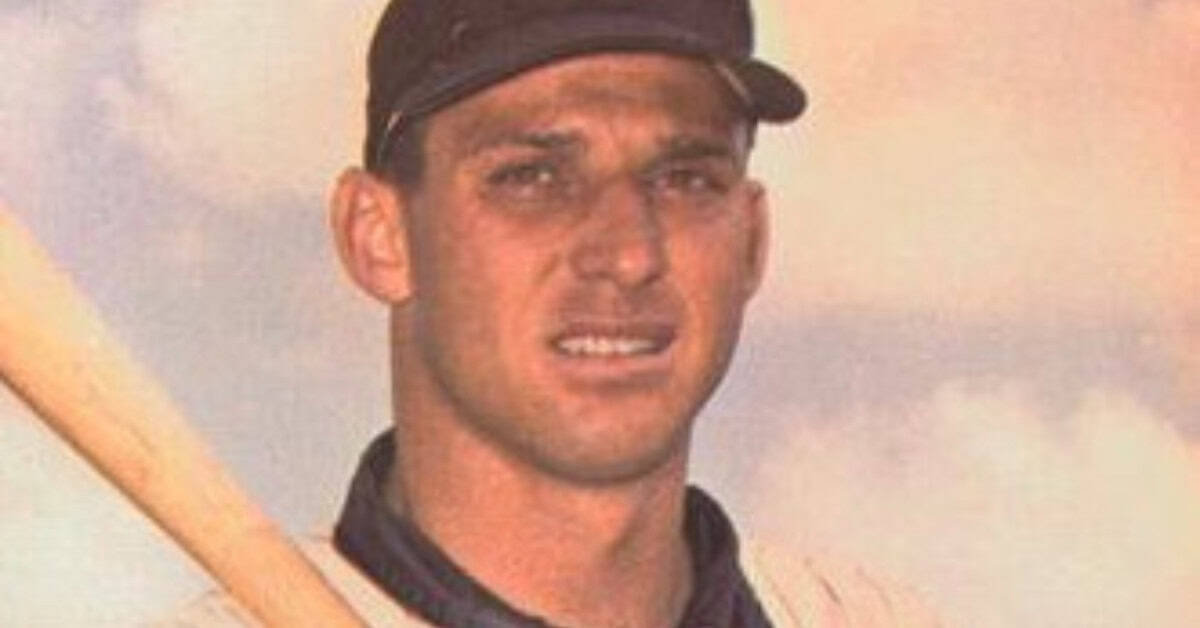
Playing alongside Harmon Killebrew meant Bob Allison’s 256 career home runs often went unnoticed, but the versatile outfielder was a key component of Minnesota’s 1965 AL pennant winners. Allison’s 1963 season—35 homers, 99 RBIs, and a .271 average—showcased his ability to match Killebrew’s power production. The former University of Kansas football star brought an athletic intensity to the Twins lineup that complemented his tape-measure blasts. Metropolitan Stadium fans knew they were watching something special when Allison stepped into the box, even if the rest of baseball didn’t always notice.
Willie McCovey: The Stretch Who Made Pitchers Quake
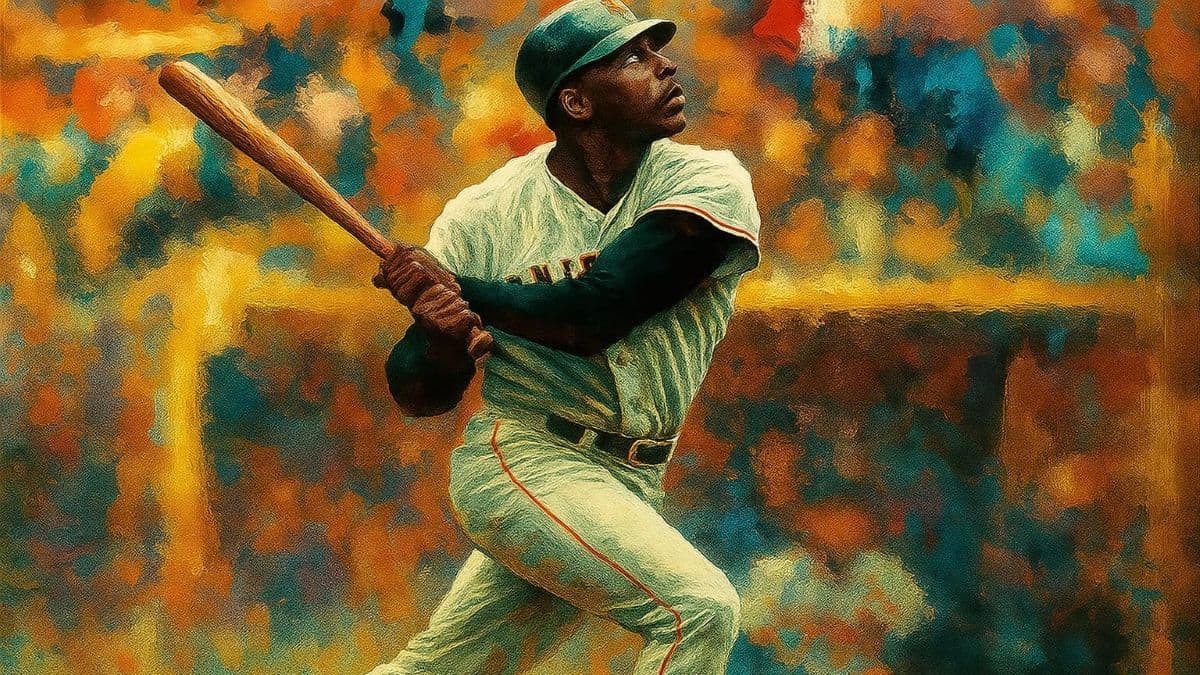
Willie McCovey’s left-handed swing was poetry in motion, generating enough power to make grown pitchers weep. “Stretch” terrorized National League hurlers throughout the 1960s, leading the league in home runs three times and slugging percentage four times during the decade. His 521 career homers and 1969 MVP award eventually earned him Hall of Fame recognition, but McCovey spent much of the ’60s overshadowed by teammates Willie Mays and Orlando Cepeda. When McCovey connected, baseballs didn’t just leave the park—they left the zip code, creating some of the most memorable home runs in Candlestick Park history.
Deron Johnson: The Journeyman Who Could Launch Them Anywhere

Deron Johnson never found a permanent home during his 16-year career, playing for eight different teams, but his bat was always welcome wherever he landed. The versatile slugger’s best years came with Cincinnati in the mid-1960s, including a 1965 season with 32 homers and 130 RBIs that helped establish the early foundation of the Big Red Machine. Johnson’s 245 career home runs might seem modest by today’s standards, but in the pitcher-friendly 1960s, his consistent power made him a valuable commodity. His ability to drive in runs from anywhere in the lineup made him the ultimate professional hitter.