

Last Updated: June 17th, 2026 by Michael Schatz
The 2000s were baseball’s steroid-fueled golden age of offense, when right fielders launched moonshots into the stratosphere and turned warning tracks into launching pads. From Ichiro’s precision artistry to Vlad’s impossible swings at unhittable pitches, these were the kings of the corner who made every at-bat appointment television.
Don't lose this article. Enter your email below, and I'll send it to you right now. Plus, we'll send you other unbelievable stories from baseball's past.
Vladimir Guerrero – The Bad-Ball Hitting Magician Who Made Impossible Look Routine

Vlad turned every pitcher’s nightmare into reality, swinging at balls in the dirt and launching them 400 feet like some kind of baseball sorcery. His 2004 MVP season with the Angels proved that sometimes the best approach is no approach at all—just see the ball, hit the ball, regardless of where that ball happens to be located. The man could golf a pitch off his shoelaces and somehow turn it into a line drive double, making every at-bat feel like watching a magician pull rabbits from increasingly impossible hats.
Ichiro Suzuki – The Precision Artist Who Turned Singles Into High Art
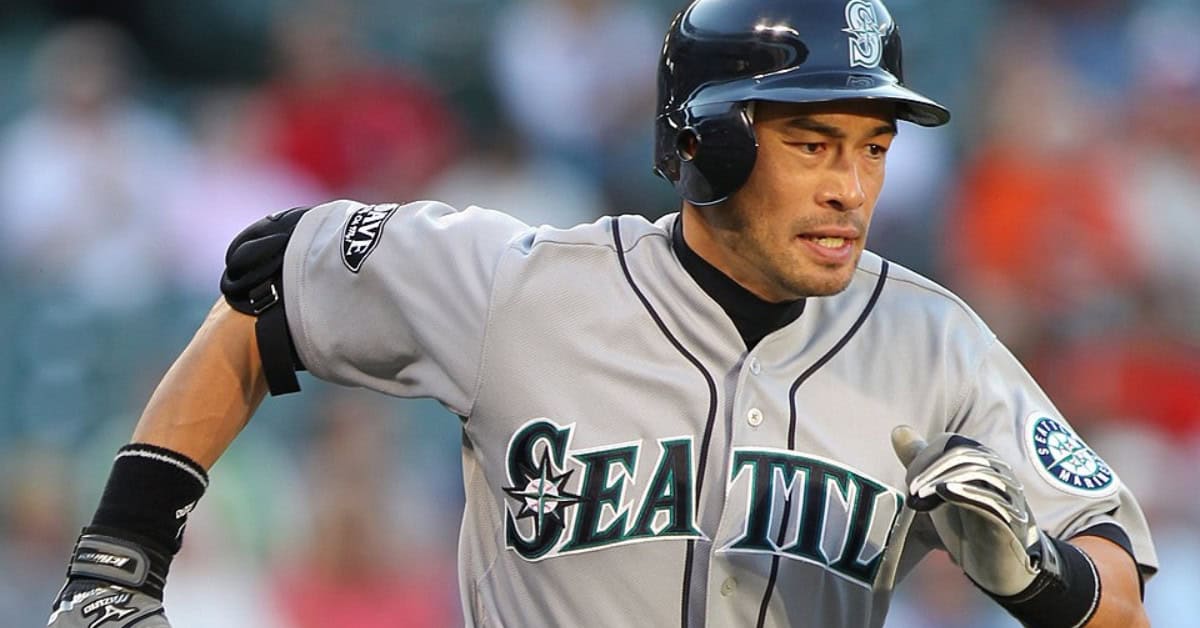
Ichiro’s 262 hits in 2004 broke a record that had stood since 1920, turning every swing into a masterpiece of controlled violence. His leg kick and slap-hitting approach made him look like a samurai wielding a Louisville Slugger, carving up opposing pitchers with surgical precision. The man collected hits like some people collect stamps, methodically and with an obsessive attention to detail that made every defensive shift look foolish.
Bobby Abreu – The Patient Professor Who Worked Counts Like a Chess Master
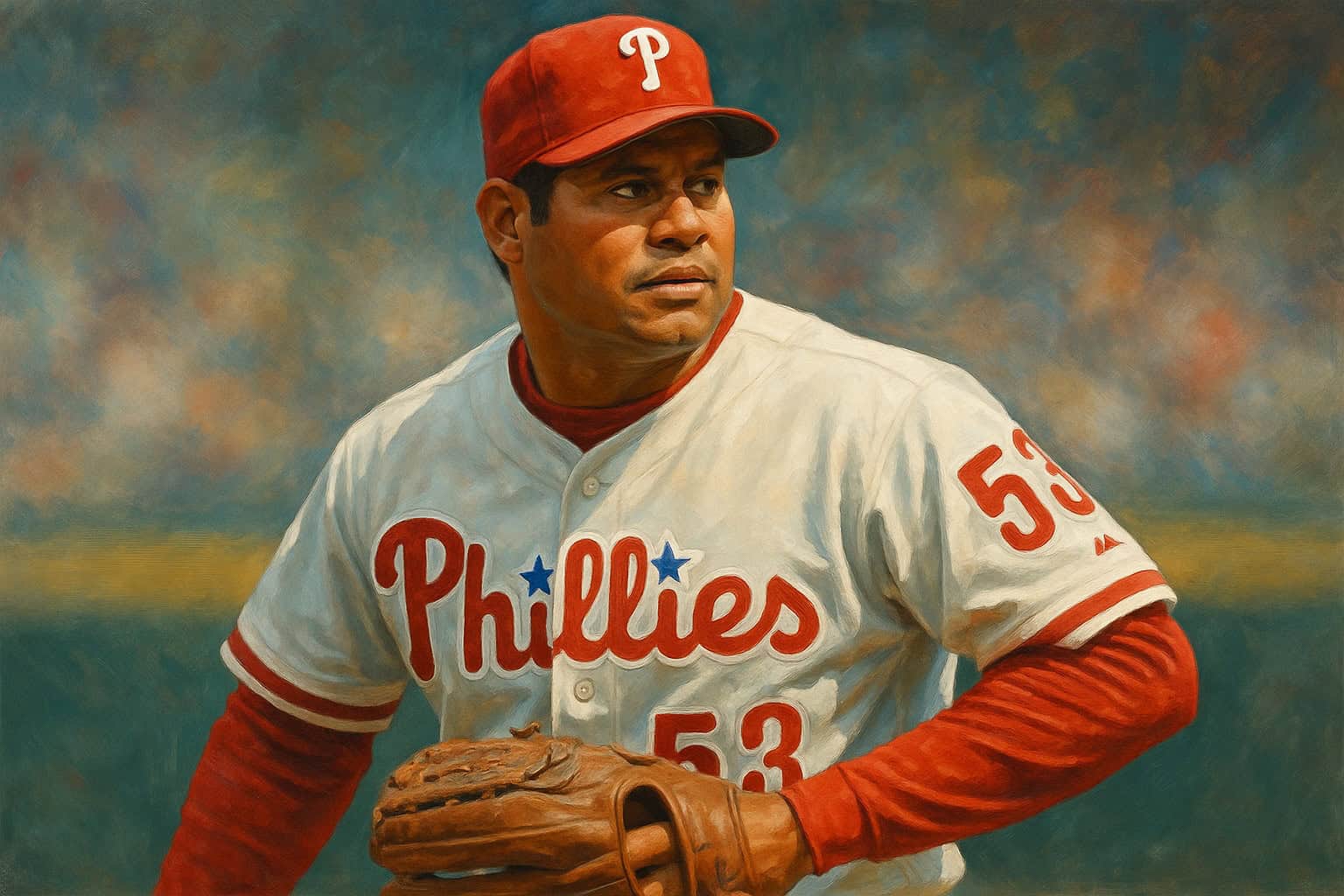
Abreu made taking pitches look like performance art, working counts deeper than a philosophy textbook while somehow maintaining enough power to launch 30 homers annually. His 2004 season with the Phillies showcased the perfect blend of patience and power, walking 127 times while stealing 40 bases and hitting .301. The Venezuelan virtuoso turned every at-bat into a graduate-level seminar on plate discipline, teaching pitchers that sometimes the best pitch to swing at is the one you don’t swing at.
Sammy Sosa – The Cork Bat Controversy King Who Still Crushed 60 Homers
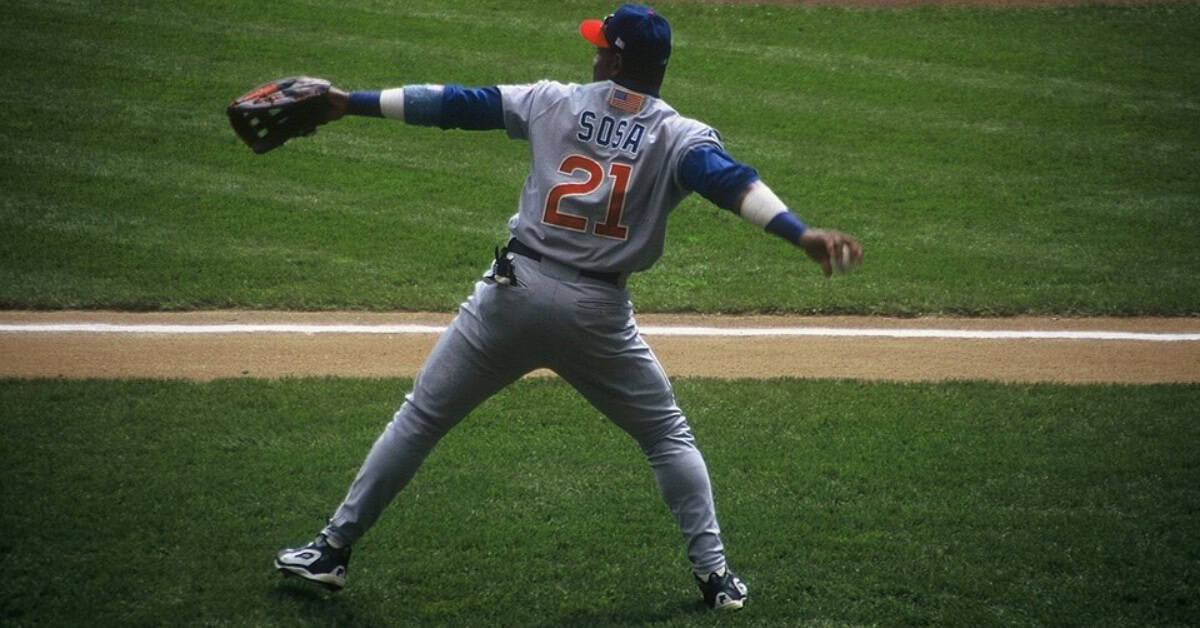
Sosa’s hop-skip-and-jump home run trot became as iconic as the blasts themselves, even when his bat literally exploded and revealed cork in 2003. His three 60-homer seasons in four years turned Wrigley Field into a launching pad and made every swing feel like it carried the weight of Chicago’s championship dreams. The corked bat scandal couldn’t diminish the pure joy of watching Sammy turn on a fastball and send it screaming into the Waveland Avenue bleachers.
Gary Sheffield – The Violent Swing That Made Pitchers Flinch From 60 Feet Away
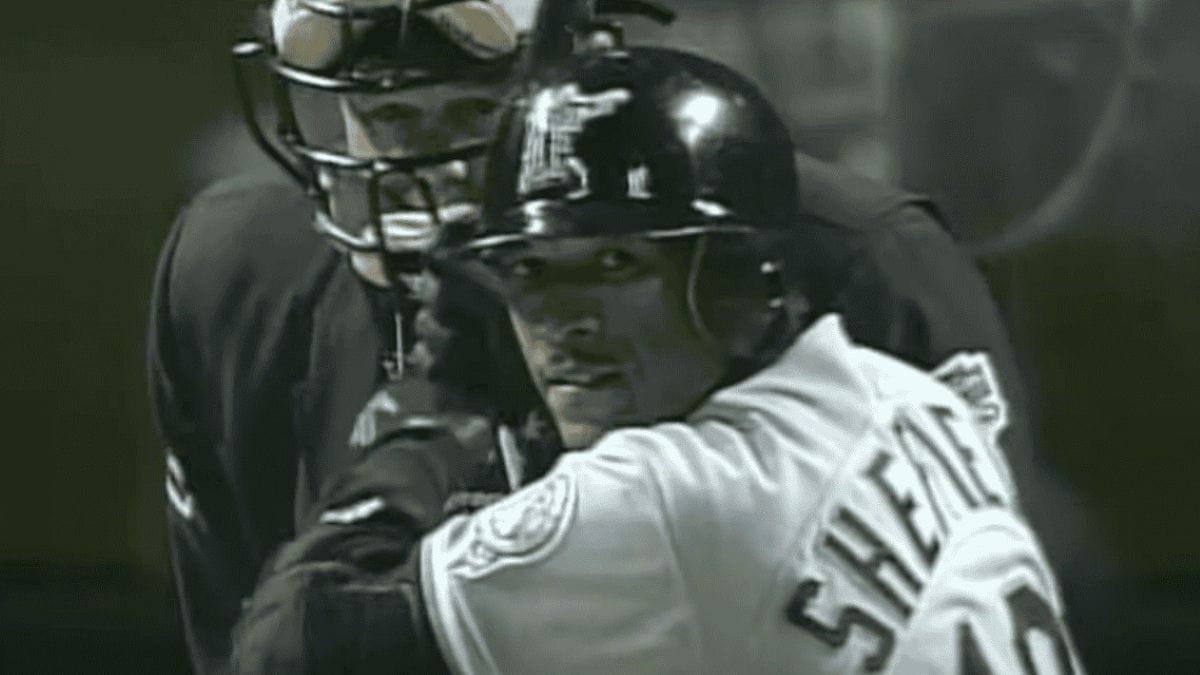
Sheffield’s pre-swing bat waggle looked like he was conducting an orchestra of destruction, building tension before unleashing the most violent swing in baseball. His 2004 season with the Yankees produced 36 homers and 121 RBIs while batting .290, proving that intimidation could be quantified in batting statistics. The man swung like he was trying to hurt the baseball’s feelings, turning every at-bat into a personal vendetta against physics and opposing pitchers alike.
Magglio Ordonez – The Sweet-Swinging Venezuelan Who Clutched October Magic
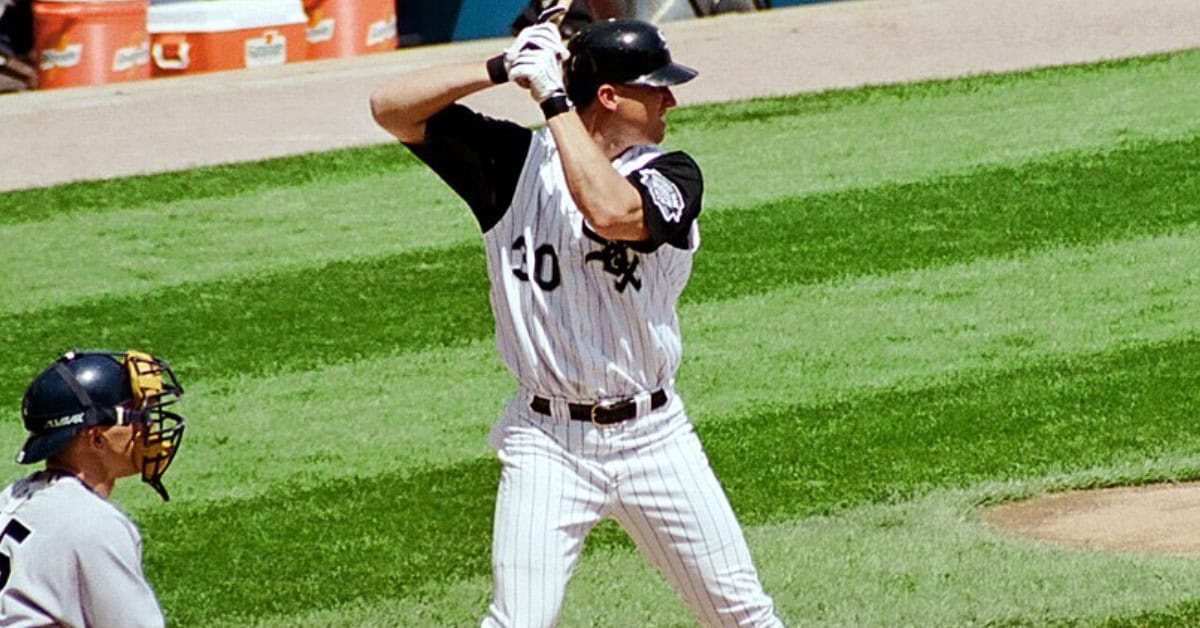
Magglio’s 2006 ALCS-clinching homer off Oakland’s Huston Street sent Detroit into its first World Series since 1984, turning Comerica Park into a madhouse of orange and blue. His smooth left-handed swing produced consistent .300 averages and clutch hits that made him the quiet assassin of the Tigers’ lineup. The Venezuelan veteran proved that sometimes the biggest moments require the calmest swings, delivering postseason magic when Detroit needed it most.
J.D. Drew – The Injury-Prone Enigma Who Frustrated Fans and Dominated Stats
Drew’s 2007 grand slam off Cleveland’s Fausto Carmona in the ALCS perfectly encapsulated his career—clutch when healthy, invisible when hurt, and always leaving fans wondering “what if.” His patient approach and power potential made him a sabermetric darling who could draw 100 walks and hit 20 homers in his sleep. The man was baseball’s ultimate Rorschach test, simultaneously brilliant and maddening depending on which 50 games you happened to catch.
Larry Walker – The Mile-High Masher Who Made Coors Field His Personal Playground
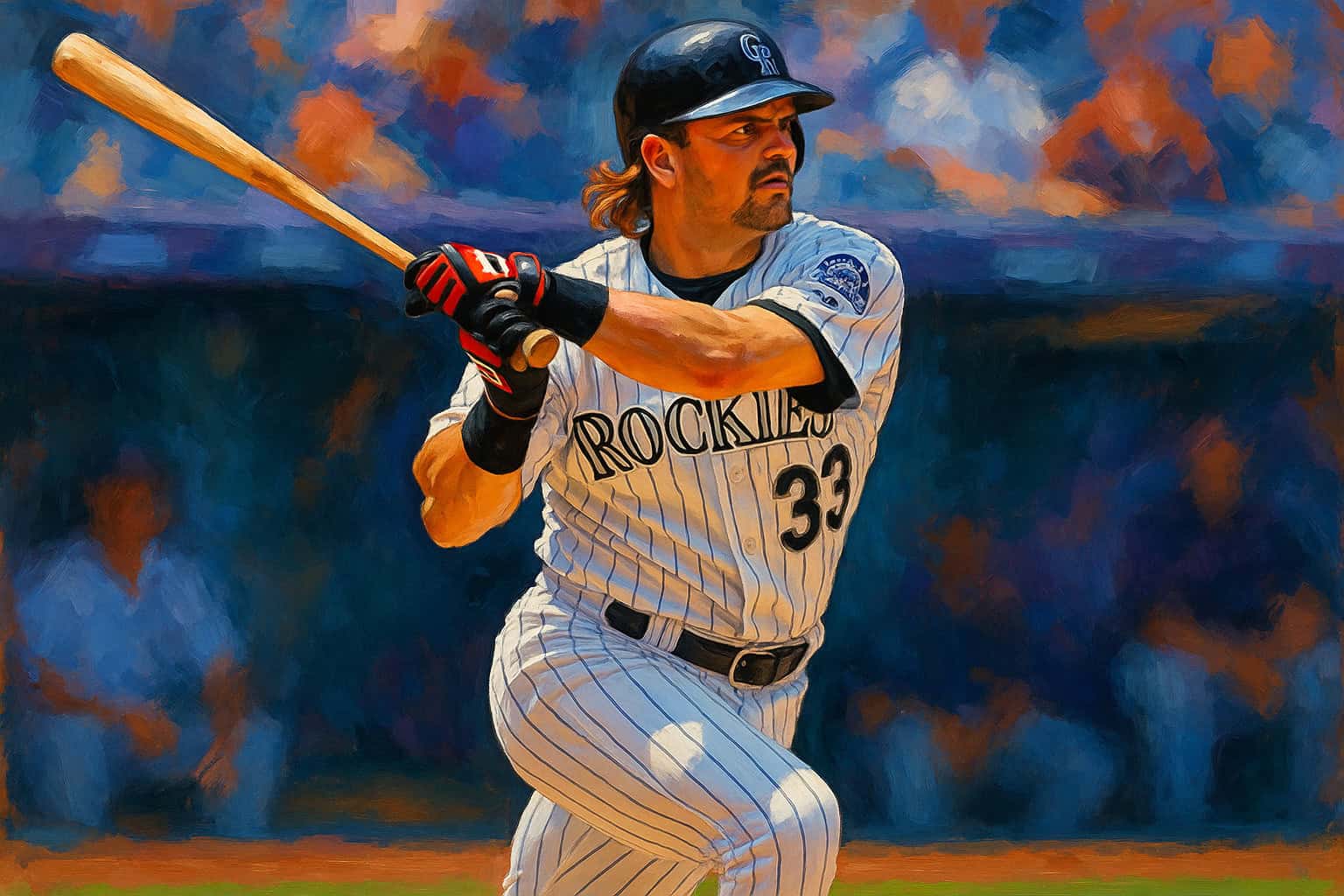
Walker’s 2001 season produced a .350 batting average and 38 homers while playing half his games in the thin air of Denver, making every swing look effortless in the altitude. His Canadian charm and clutch hitting turned him into Colorado’s adopted son, delivering highlight-reel moments that made the Blake Street Bombers appointment television. The man hit baseballs like he was playing slow-pitch softball, making 95-mph fastballs look like batting practice meatballs floating through the Rocky Mountain air.
Brian Giles – The Overlooked Slugger Who Quietly Dominated Pittsburgh

Giles averaged 35 homers and 100 RBIs during his Pittsburgh peak, turning Three Rivers Stadium into his personal launching pad while flying completely under the national radar. His compact swing and gap power made him the perfect complement to Pittsburgh’s rebuilding efforts, providing consistent production while bigger names grabbed headlines. The man was baseball’s best-kept secret, quietly putting up All-Star numbers while playing for teams that made the playoffs about as often as Halley’s Comet appeared.
Jermaine Dye – The Postseason Hero Who Silenced Chicago’s Championship Drought
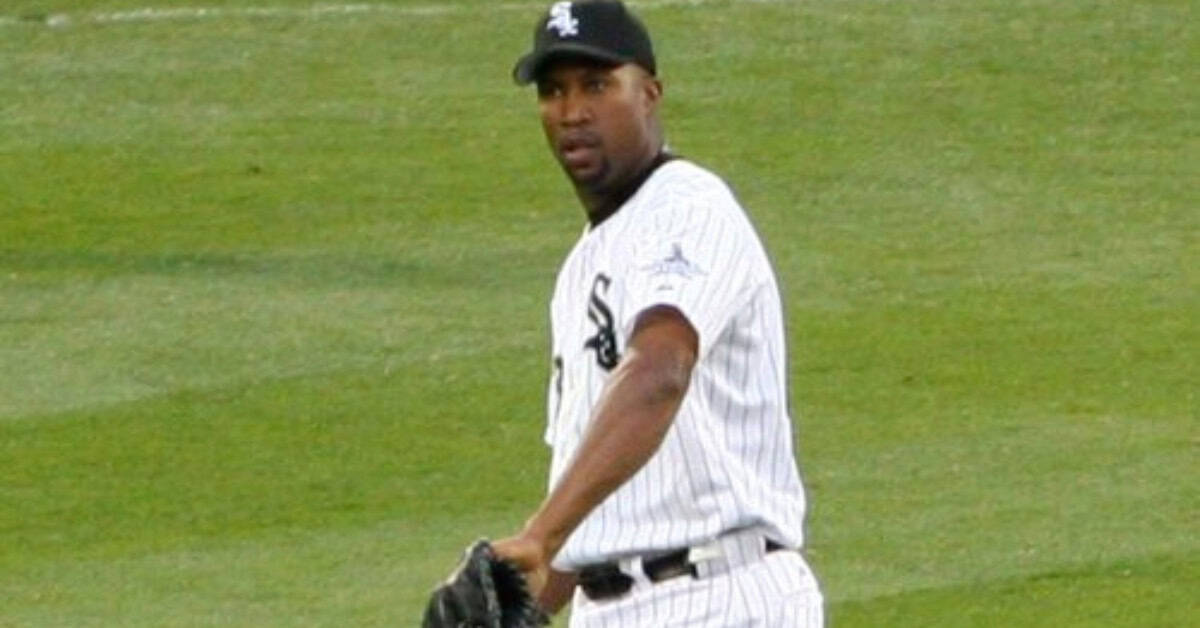
Dye’s 2005 World Series MVP performance capped a magical season where he hit 31 homers and drove in 86 runs while helping end Chicago’s 88-year championship drought. His clutch hitting and veteran leadership turned the White Sox into unstoppable October warriors, delivering the kind of postseason magic that South Side fans had been dreaming about since World War I. The man saved his best swings for when they mattered most, proving that sometimes championships are won by the quiet guys who just know how to hit when it counts.
Preston Wilson – The Power-Speed Combo Who Struck Out Swinging for the Fences

Wilson’s 2000 season with Florida showcased the ultimate boom-or-bust approach, hitting 31 homers and stealing 36 bases while striking out 187 times in a beautiful display of organized chaos. His all-or-nothing swing made every at-bat feel like a slot machine pull, with the potential for either a jackpot homer or a whiffing disaster. The man embodied the early 2000s philosophy that three true outcomes were better than two, turning every trip to the plate into must-see television for fans who loved their baseball served with extra drama.
Trot Nixon – The Gritty Boston Warrior Who Bled Red Sox Blue-Collar Pride
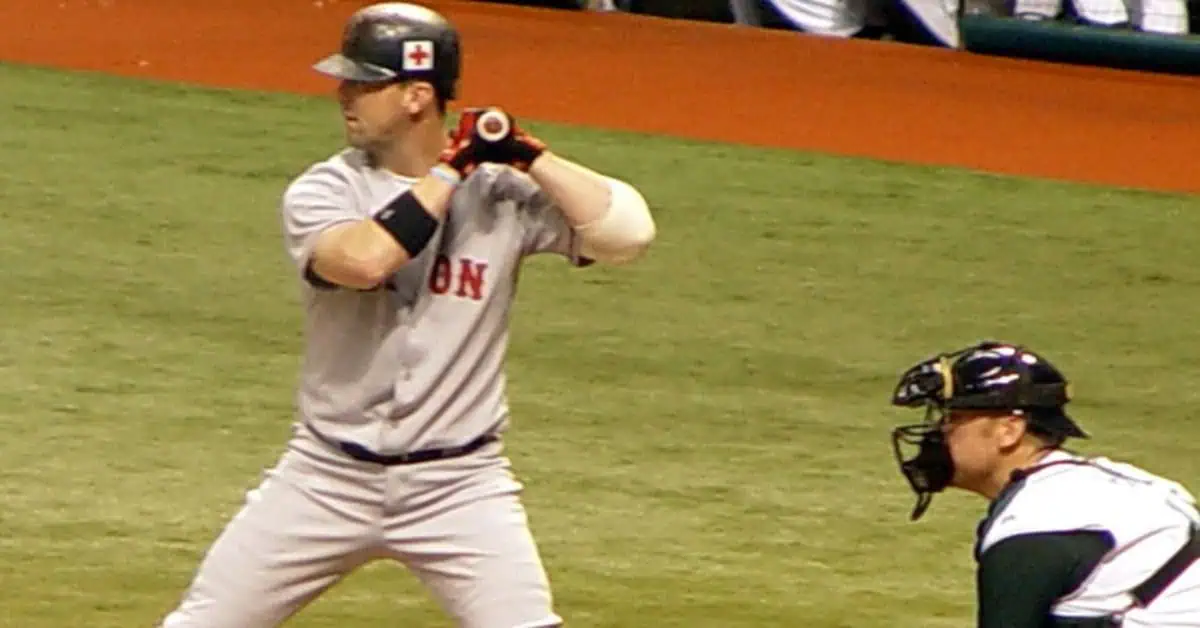
Nixon’s dirt-stained uniform and lunch-pail approach made him the perfect embodiment of Boston’s working-class baseball philosophy, delivering clutch hits while looking like he’d just finished a construction shift. His 2003 season produced career-high numbers while helping the Red Sox reach the ALCS, proving that sometimes the best players are the ones who simply refuse to be beaten. The man played baseball like he was defending his neighborhood, turning every at-bat into a personal battle against opposing pitchers who dared challenge his Fenway Park territory.
Shawn Green – The Jewish Lightning Who Smacked Four Home Runs in One Game

Green’s historic four-homer game against Milwaukee in 2002 turned Dodger Stadium into a launching pad and made him an instant legend in baseball lore. His 49-homer season that year proved that sometimes lightning strikes four times in one game, delivering the kind of individual performance that makes grown men weep with joy. The man turned one May afternoon into baseball immortality, proving that even the most impossible dreams can come true when the baseball gods align perfectly with a hot bat.
Richard Hidalgo – The Venezuelan Rocket Who Burned Bright and Faded Fast

Hidalgo’s 2000 season with Houston produced 44 homers and 122 RBIs, making him look like the next great Venezuelan superstar before injuries and inconsistency derailed his trajectory. His rocket arm and raw power made him appointment television when he was locked in, delivering highlight-reel moments that had scouts drooling over his potential. The man was baseball’s shooting star, burning brilliantly for a brief moment before fading into what-could-have-been territory, leaving fans to wonder about the career that might have been.
Jose Cruz Jr. – The Son Who Carried His Father’s Name But Not His Consistency

Cruz Jr.’s 2001 season with Toronto showcased flashes of his father’s greatness, hitting 34 homers while playing solid defense in right field for the Blue Jays. His smooth swing and natural athleticism made him look like a future star, but consistency proved as elusive as his father’s Hall of Fame credentials. The man carried the weight of family expectations while trying to carve out his own identity, delivering enough memorable moments to keep fans believing in the Cruz family magic.
Juan Gonzalez – The Injury-Riddled Slugger Who Still Launched 400-Foot Moonshots
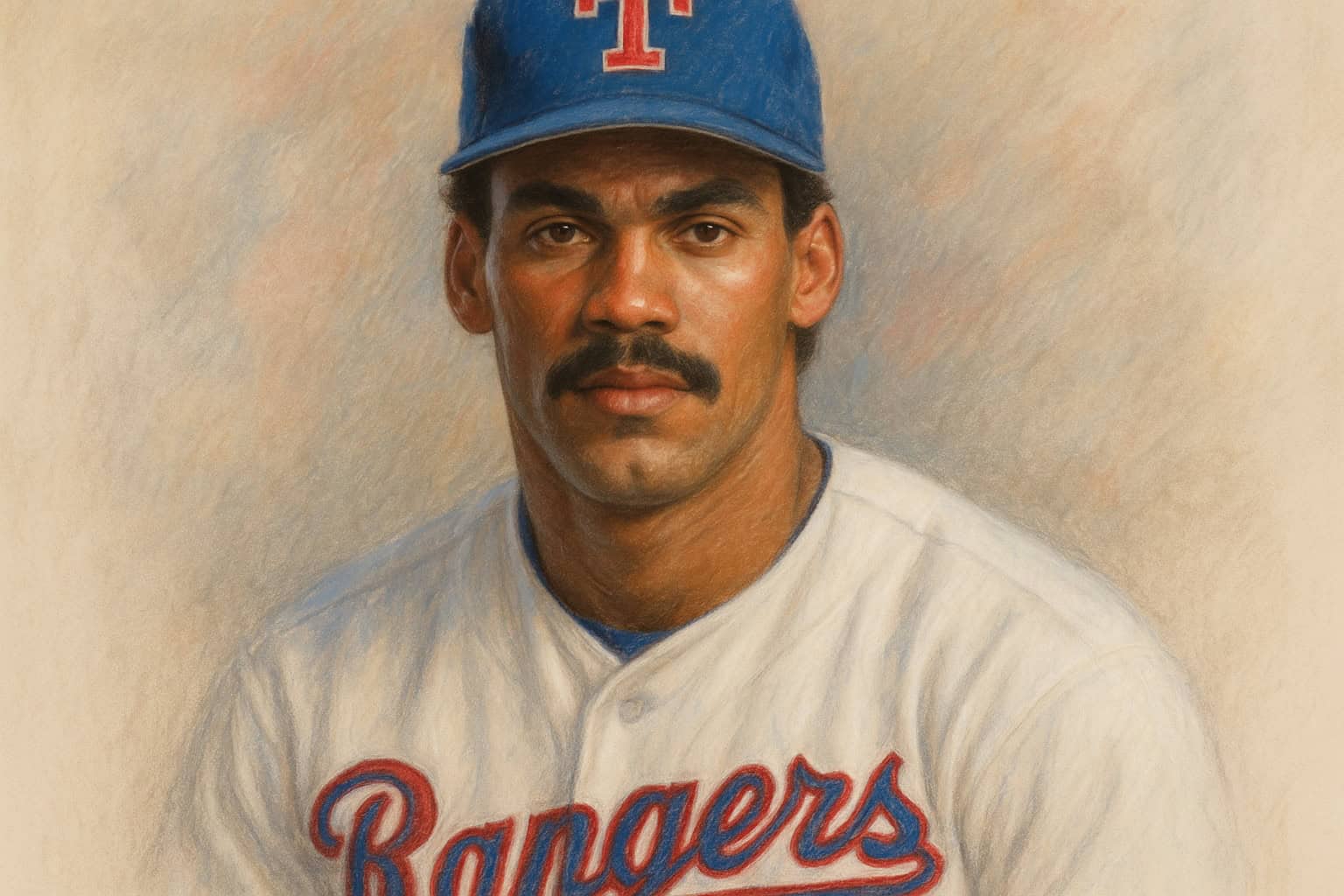
Gonzalez’s 2001 comeback with Cleveland produced 35 homers and 140 RBIs, proving that even with creaky knees and a fragile back, his swing could still make baseballs disappear into orbit. His two MVP awards in the 1990s carried over into the new millennium, where injuries couldn’t completely silence his thunderous bat. The man swung like he was trying to launch satellites, turning every healthy at-bat into a reminder of what might have been if his body had matched his talent.
Jeromy Burnitz – The Underrated Bomber Who Made Milwaukee Brewers Fans Believe

Burnitz’s 38-homer season in 2001 turned County Stadium into a launching pad while providing Milwaukee fans with the kind of power display they hadn’t seen since the Gorman Thomas era. His uppercut swing and dead-pull approach made him perfectly suited for Milwaukee’s cozy dimensions, delivering tape-measure blasts that had bratwurst vendors pausing to watch. The man was the perfect small-market slugger, providing big-market production while flying completely under the national radar in baseball’s forgotten corner of Wisconsin.
Reggie Sanders – The Journeyman Who Found Power in Every Stadium He Called Home

Sanders’ ability to hit 20-plus homers for eight different franchises made him baseball’s ultimate rental player, adapting his swing to every ballpark while providing consistent power production. His 2001 season with Arizona helped deliver a World Series championship, proving that sometimes the best players are the ones who know how to fit in anywhere. The man was baseball’s Swiss Army knife, equally comfortable in any uniform while delivering the kind of veteran leadership that championship teams desperately need in October.
Raul Mondesi – The Cannon-Armed Speedster Who Threw Runners Out From the Warning Track
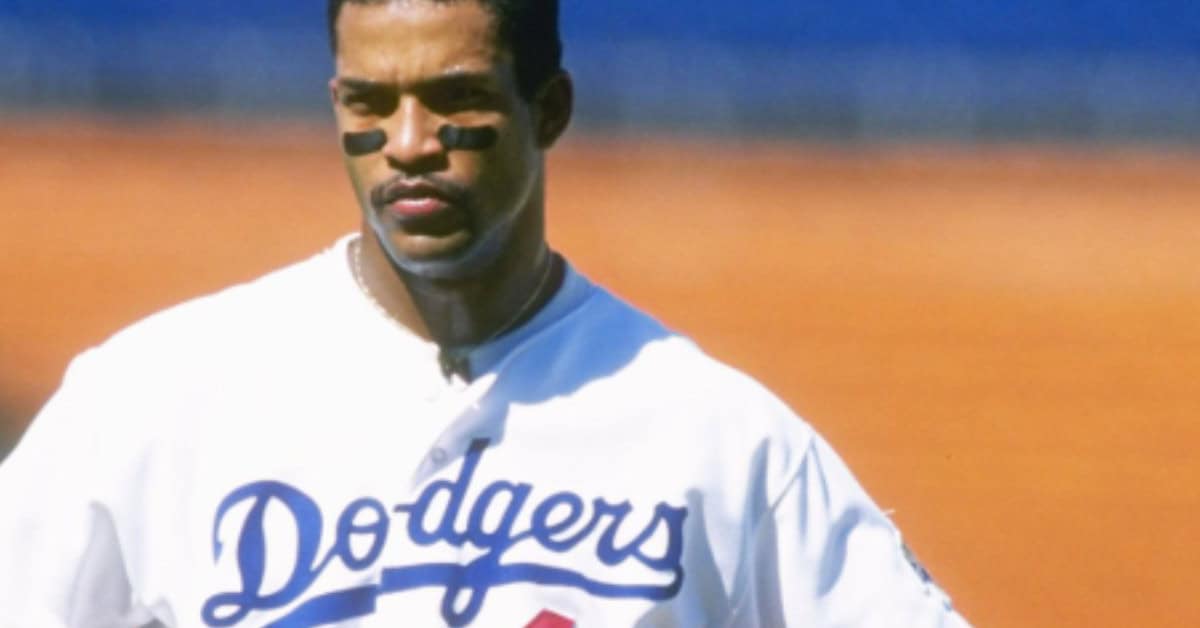
Mondesi’s rocket arm made baserunners think twice about taking extra bases, delivering strikes from the warning track that arrived at home plate with the velocity of a major league fastball. His combination of power and speed made him a constant threat to steal 30 bases and hit 30 homers, embodying the athletic versatility that defined the early 2000s game. The Dominican dynamo played baseball like he was trying to showcase every tool in his considerable arsenal, turning routine plays into highlight-reel moments that left fans gasping in appreciation.
Tony Batista – The Unique Stance Warrior Whose Open Setup Confused Every Pitcher

Batista’s impossibly open stance made him look like he was preparing to hit a tennis serve rather than a baseball, yet somehow he managed to launch 32 homers in 2000 while confusing every pitcher in the American League. His unorthodox approach proved that there’s no single way to succeed in baseball, as long as you can make contact and drive the ball with authority. The Dominican third baseman turned right fielder was living proof that baseball’s beauty lies in its infinite variety, showing that even the most unconventional methods can produce conventional results when executed with confidence and timing.