


Last Updated: June 17th, 2026 by Michael Schatz
Back when baseball cards smelled like bubble gum and pitchers threw complete games because it was their job, Tom Seaver carved out a legend that still makes old-timers misty-eyed. “Tom Terrific” didn’t just pitch—he painted masterpieces on the mound, leaving behind numbers so impressive they feel like folklore. Here are the statistics that prove why Seaver remains the gold standard of pitching excellence.
Don't lose this article. Enter your email below, and I'll send it to you right now. Plus, we'll send you other unbelievable stories from baseball's past.
311 Wins – The Magic Number That Made Him Immortal

In an era when reaching 300 wins meant you were automatically headed to Cooperstown, Seaver didn’t just cross that threshold—he obliterated it with 311 career victories. This was back when pitcher wins actually mattered, when starters were expected to finish what they started, and when a 20-game winner was the toast of the town. Seaver’s 311 wins represent two decades of dominance, from his rookie year in 1967 through his final season in 1986, proving that consistency and excellence could coexist in the same right arm.
3,640 Strikeouts – Sixth All-Time When Fastballs Had Real Bite
Seaver’s 3,640 career strikeouts ranked sixth all-time when he retired, accumulated during an era when hitters weren’t swinging for the fences on every pitch. His “drop and drive” delivery generated a fastball that seemed to gain velocity as it crossed the plate, leaving batters flailing at air like they were swatting invisible flies. This was precision strikeout artistry, not the wild swing-and-miss baseball we see today. Every K was earned through craft, not just raw power.
Ten Consecutive Strikeouts – The Record That Still Stands

On April 22, 1970, against the San Diego Padres, Seaver struck out the final 10 batters he faced in a 2-1 victory, setting a record that has only been tied twice since. This wasn’t just dominant pitching—it was hypnotic, like watching a master magician perform the same impossible trick over and over while the audience sat transfixed. The Shea Stadium crowd rose to their feet with each successive strikeout, creating an atmosphere so electric you could practically taste the anticipation in the air.
Three Cy Young Awards in Seven Years
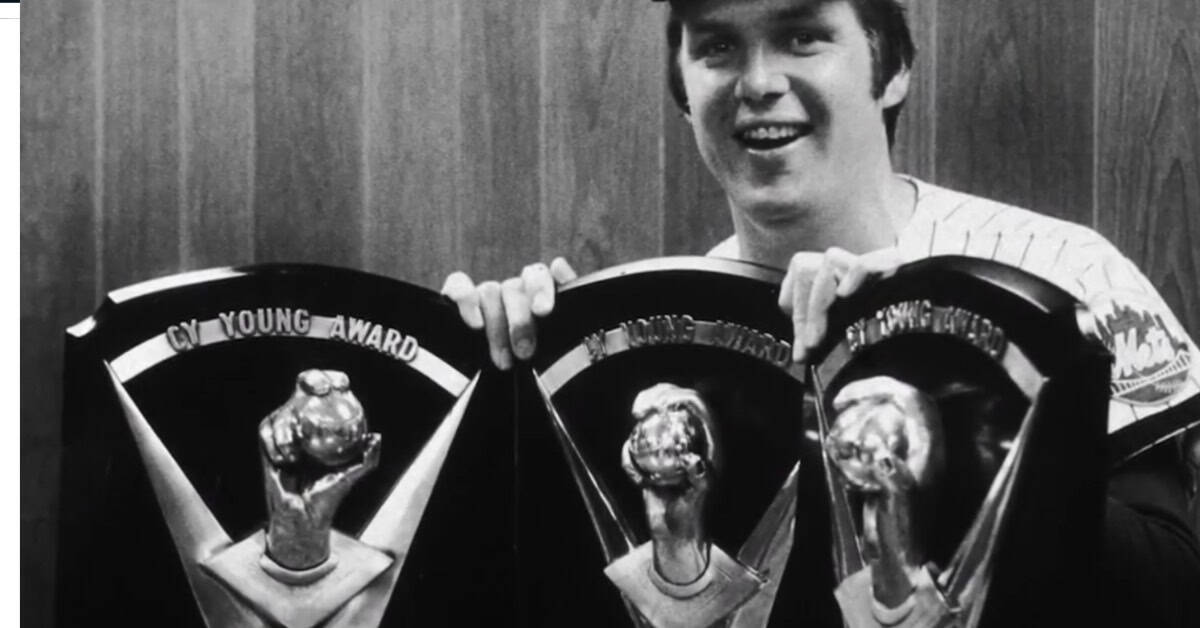
Seaver captured Cy Young Awards in 1969, 1973, and 1975, dominating the National League during its golden era of pitching. These weren’t participation trophies handed out for good effort—they were earned during seasons of sustained excellence, when the competition included legends like Steve Carlton, Ferguson Jenkins, and Gaylord Perry. His three Cy Youngs came during a seven-year stretch when he was quite simply the most feared pitcher in baseball—the guy opposing managers circled on their calendar with dread.
61 Career Shutouts – When Pitchers Finished What They Started

Seaver’s 61 career shutouts rank sixth in baseball history, a testament to an era when “pitch count” wasn’t in any manager’s vocabulary and closers were just starting pitchers who couldn’t crack the rotation. These complete-game shutouts represented the ultimate pitcher’s duel—nine innings of chess between Seaver and opposing hitters, with no bullpen cavalry coming to the rescue. Each shutout was a masterpiece of endurance, strategy, and sheer competitive will—something today’s specialized relief corps has made nearly extinct.
His Only No-Hitter Came at Age 33
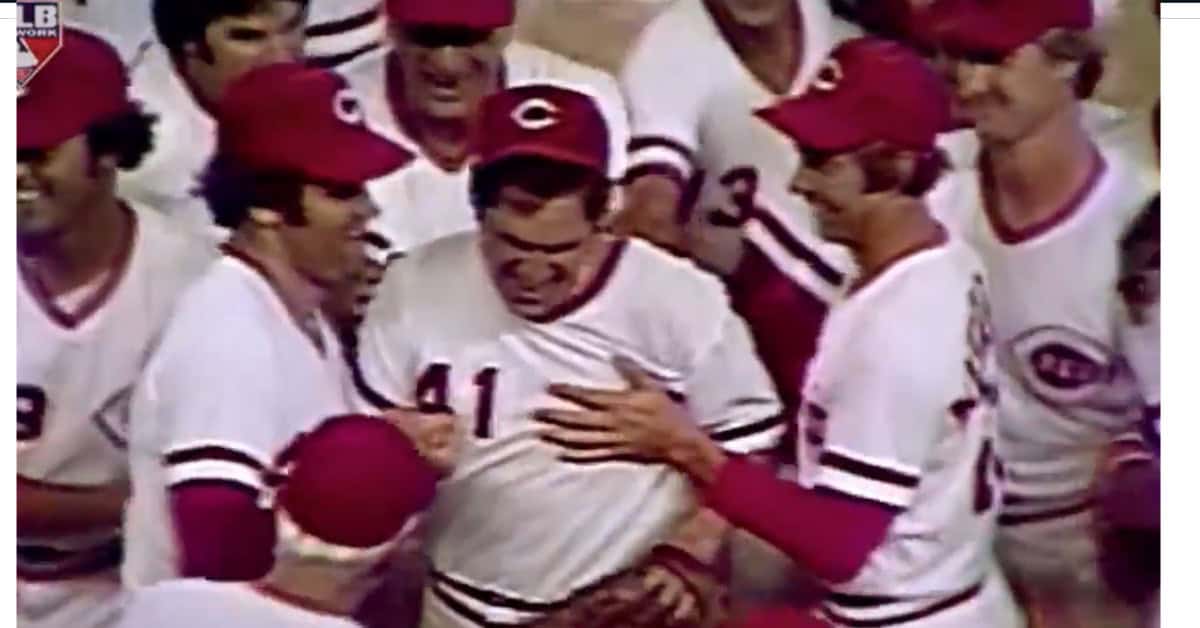
On June 16, 1978, pitching for the Cincinnati Reds against the St. Louis Cardinals, Seaver finally achieved the one milestone that had eluded him throughout his brilliant career—a no-hitter. At 33 years old, when most pitchers are contemplating retirement, Seaver was still crafting magic, striking out three batters in a 4-0 victory that felt like destiny finally catching up with greatness. The no-hitter came during his time away from New York, proving that Tom Terrific’s excellence wasn’t tied to any particular uniform or ballpark.
2.86 Career ERA – Third-Lowest Among Modern Pitchers
Seaver’s 2.86 career ERA ranks third-lowest among pitchers in the modern era, a remarkable achievement considering he pitched during the offensive explosion of the 1970s and early 1980s. This wasn’t accumulated in pitcher-friendly ballparks or during the dead-ball era—this was sustained excellence in an environment where home runs were becoming more frequent and hitters were getting stronger. His ERA represents the perfect marriage of power and precision, the statistical embodiment of a pitcher who never gave hitters anything easy to hit.
Nine Straight Seasons with 200+ Strikeouts

From 1968 to 1976, Seaver recorded 200 or more strikeouts in nine consecutive seasons, a streak that showcased both his durability and his devastating effectiveness. This was before pitch counts and innings limits, when reaching 200 strikeouts meant you were not just good, but elite—and doing it nine years in a row meant you were in a class by yourself. The consistency of this achievement reflects an era when ace pitchers were workhorses, expected to take the ball every fourth or fifth day and dominate for 250+ innings per season.
12 All-Star Selections Spanning Two Decades
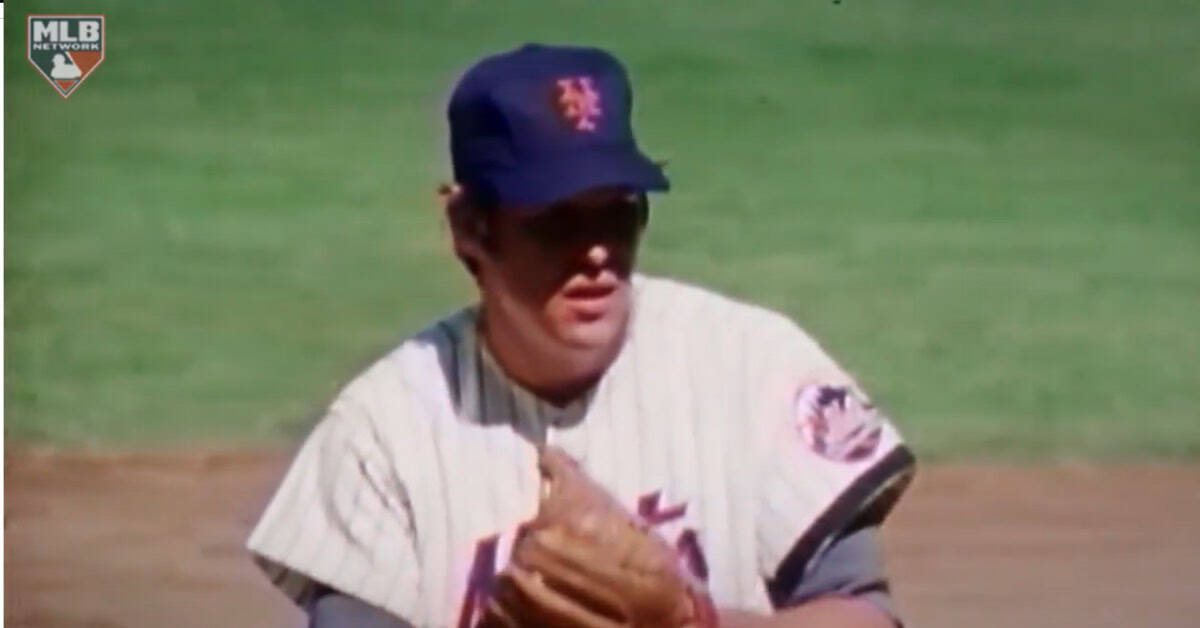
Seaver’s 12 All-Star selections from 1967 to 1981 demonstrate remarkable longevity in an era when careers were often cut short by overuse and inferior medical care. Being selected for the Midsummer Classic a dozen times meant that for nearly two decades, Seaver was consistently considered among the best pitchers in the National League. These weren’t honorary selections based on past achievements; each All-Star nod represented another season of excellence and another year proving that age and mileage couldn’t diminish his competitive fire.
98.8% Hall of Fame Vote – Near-Unanimous Respect
In 1992, Seaver was elected to the Hall of Fame with 98.8% of the vote, receiving 425 of 430 ballots cast—a record that stood as the highest percentage until Ken Griffey Jr. broke it in 2016. Only five voters found reasons to leave Seaver off their ballots, a testament to the universal respect he commanded throughout baseball. This near-unanimous selection reflected not only his statistical dominance but also his reputation as a competitor, teammate, and ambassador for the game during its most turbulent era.