
Last Updated: June 17th, 2026 by Michael Schatz
Remember when baseball was simpler? When batting average mattered more than OPS+, and Gold Gloves went to the guy with the prettiest swing instead of the best range? The 2000s were the last decade before advanced metrics fully exposed which stars were fool’s gold and which were the real deal.
Don't lose this article. Enter your email below, and I'll send it to you right now. Plus, we'll send you other unbelievable stories from baseball's past.
10. Derek Jeter – The Captain Who Couldn’t Field
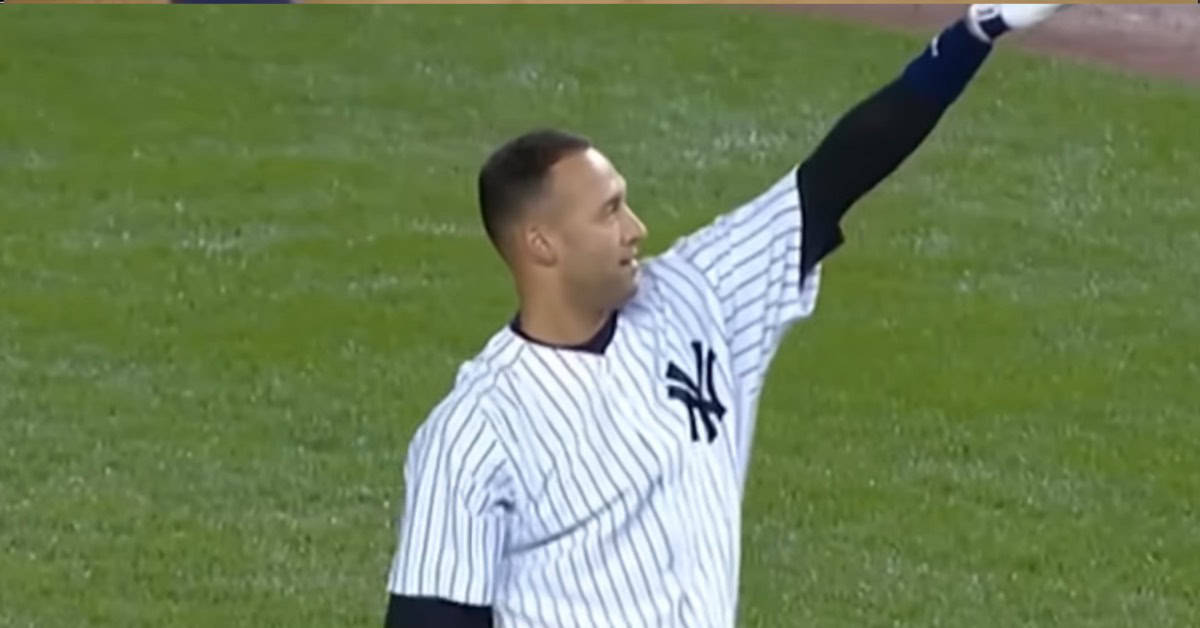
Sure, Jeter had the clutch hits and five championship rings, but advanced defensive metrics reveal he was statistically one of the worst fielding shortstops in baseball history, with a career Defensive Runs Saved of -155. While he made spectacular diving catches for SportsCenter, he routinely failed to reach grounders that other shortstops handled with ease. The Captain’s legacy is secure, but when it came to actually playing shortstop, his defense was more “Derek Cheater” than Derek Jeter.
9. Alfonso Soriano – Home Run Derby Hero, Baseball Liability
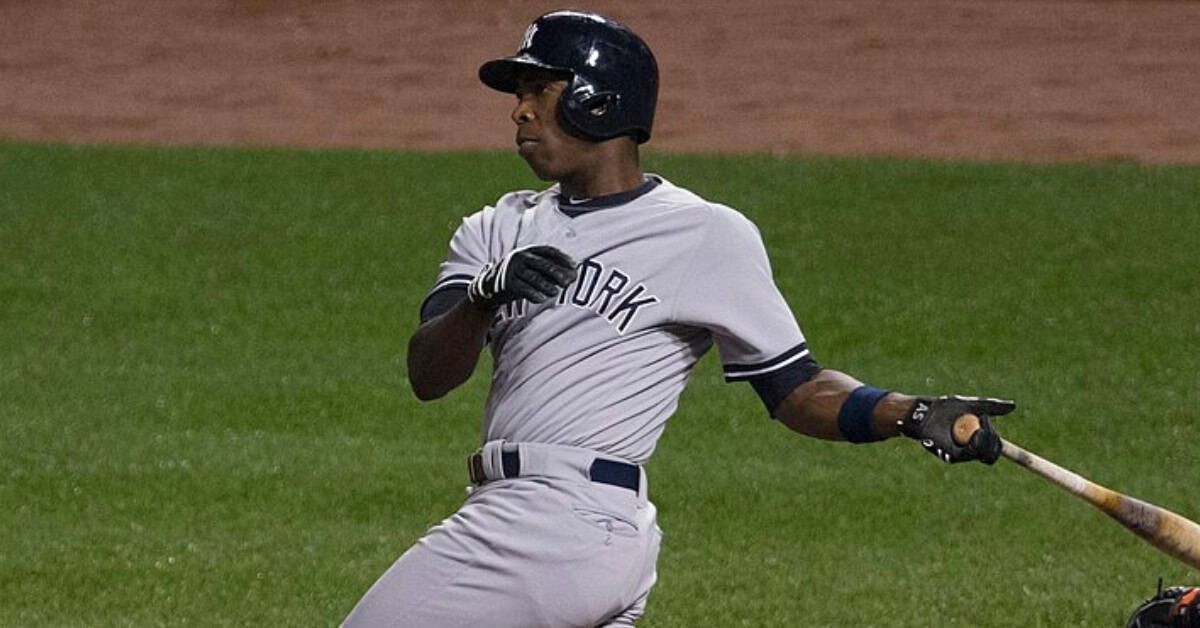
Soriano became the poster child for empty statistics, routinely striking out 150+ times while drawing fewer than 40 walks per season. His 40-40 season in 2006 masked the fact that he was essentially a .260 hitter who rarely took a pitch and played defense as if he were wearing oven mitts. The Cubs’ eight-year, $136 million contract became a cautionary tale about paying for highlights instead of substance.
8. Carlos Lee – The $100 Million Man Who Forgot How to Hit
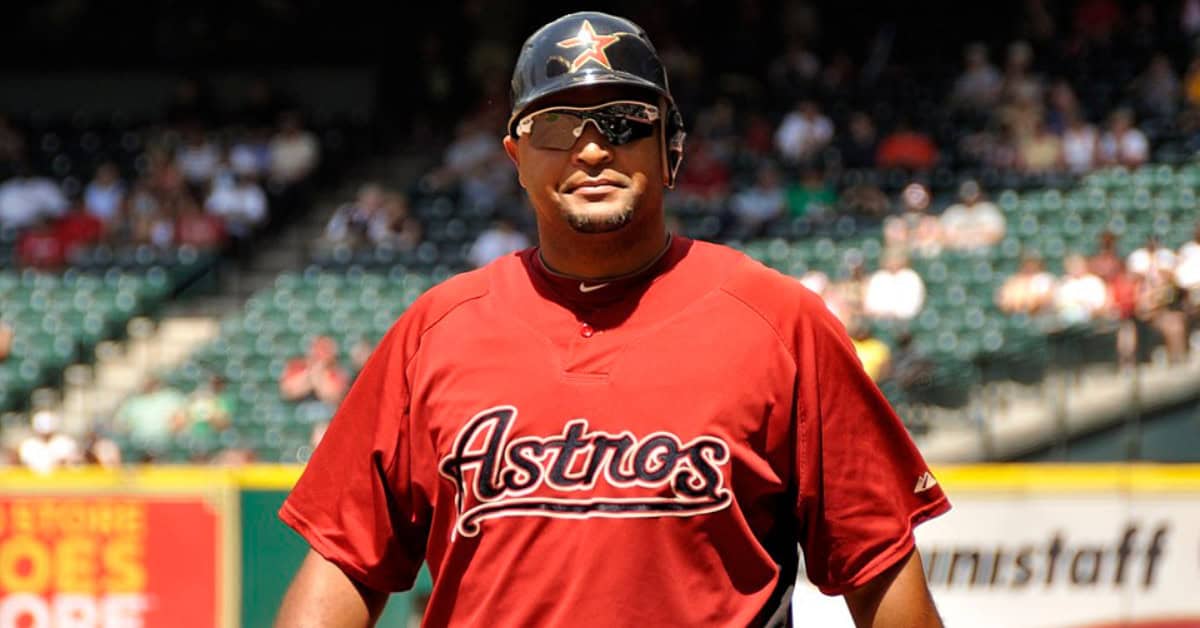
Lee looked like a middle-of-the-order masher with his 32 home runs and 114 RBIs in 2006, convincing Houston to hand him a six-year, $100 million deal. What they got was a designated hitter playing left field who hit .270 with declining power while clogging the basepaths like molasses in January. By the end of his contract, Lee was hitting .240, and the Astros were paying him $18.5 million to be a part-time player.
7. Vernon Wells – Toronto’s Golden Boy Who Lost His Swing
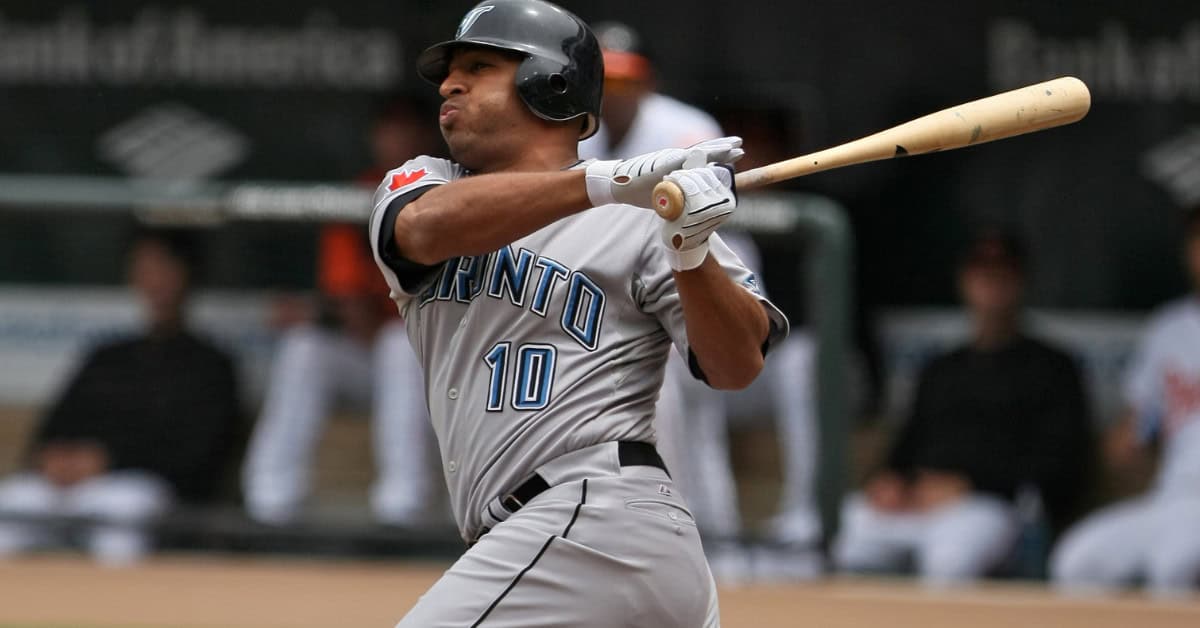
Wells parlayed several solid seasons between 2003 and 2006 into a seven-year, $126 million extension that became Toronto’s albatross. His smooth swing and Gold Glove defense made him look like a superstar, but he was really just a .270 hitter with occasional power who struck out too much and walked too little. When the Angels traded for his contract in 2010, they essentially paid $42 million for a bench player who hit .218 over two seasons.
6. Michael Young – Seven All-Star Games, Zero Elite Seasons

Young epitomized “good enough” masquerading as greatness, making seven All-Star teams while never finishing higher than 14th in MVP voting. He hit .300 regularly but with minimal power and poor defense at multiple positions, essentially accumulating counting stats on bad Rangers teams. His career 99 OPS+ means he was literally an average hitter who got rewarded for playing on national television in a hitter-friendly ballpark.
5. Jason Bay – Pittsburgh’s Fool’s Gold
Bay’s 2005 season (32 HRs, 101 RBIs) in Pittsburgh made him look like a franchise cornerstone, but he was really just a streaky power hitter who benefited from PNC Park’s dimensions. His .266 career average and tendency to disappear for weeks at a time should have been red flags, but the Mets still gave him four years and $66 million. Bay quickly faded, managing just 26 home runs over three injury-plagued seasons before his career ended.
4. Ryan Howard – The Strikeout King Who Fooled Philadelphia
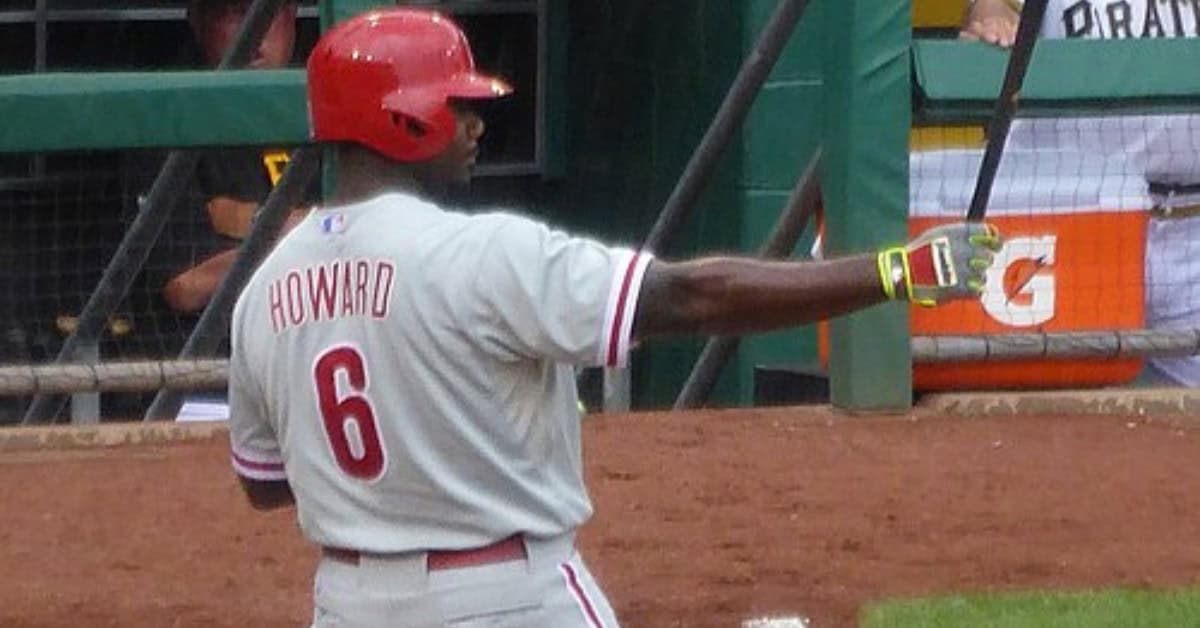
Howard’s 2006 MVP season (58 HRs, 149 RBIs) masked fundamental flaws that advanced metrics caught immediately: he struck out 181 times, walked just 108 times, and hit .313 against right-handed pitching but just .200 against lefties. Philadelphia’s five-year, $125 million extension looked foolish when Howard’s strikeout rate increased and his power declined, culminating in a .223 average and 190 strikeouts in his final healthy season.
3. Torii Hunter – All Glove, No Advanced Stats
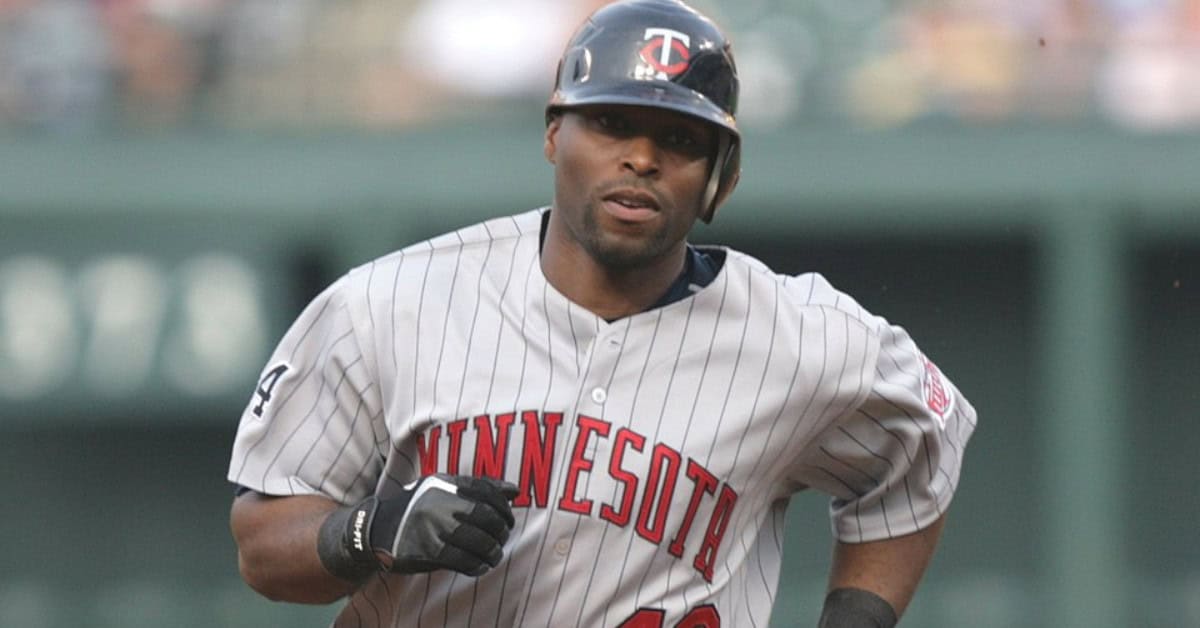
Hunter won nine Gold Gloves, mostly on the strength of his highlight-reel catches. However, advanced defensive metrics showed he was merely above average at best, with poor route efficiency that required those spectacular dives in the first place. His .277 career average and 103 OPS+ made him a slightly above-average hitter who got paid like a superstar. The Angels’ five-year, $90 million deal was based more on his SportsCenter highlights than his actual defensive value.
2. Juan Pierre – Speed Demon Who Never Got On Base
Pierre stole 614 bases but had a career .343 on-base percentage, meaning he rarely got on base to use that speed effectively. His .295 average looked impressive until you realized he had zero power (18 career home runs) and drew fewer than 35 walks per season. The Dodgers paid him $44 million over five years to essentially bunt and run, making him one of the most expensive singles hitters in baseball history.
1. J.D. Drew – The $70 Million Walk Machine
Drew’s career .373 on-base percentage made him look like an advanced metrics darling, but his .264 average and constant injuries made him a luxury no team could afford. Boston’s five-year, $70 million deal bought them a part-time player who walked a lot but hit .237 in clutch situations and spent more time on the disabled list than in the lineup. Drew was the poster child for why walks alone don’t justify a massive contract when you can’t stay healthy enough to accumulate them.